
Sometimes we worry too much about our four-legged family members. You might find yourself wondering if your pup is truly content, especially when they seem to just lounge around the house or have their quirky little habits. The truth is, dogs express happiness in ways that are often completely different from how we might show joy.
Maybe your dog isn’t bouncing off the walls with excitement every moment of the day. That doesn’t mean they’re unhappy. In fact, many of the signs that indicate a genuinely content canine are subtle, quiet, and easy to miss if you don’t know what to look for. So let’s dive into these wonderful indicators that your furry friend might be living their best life right under your nose.
That Loose, Wiggly Body Language You See Daily
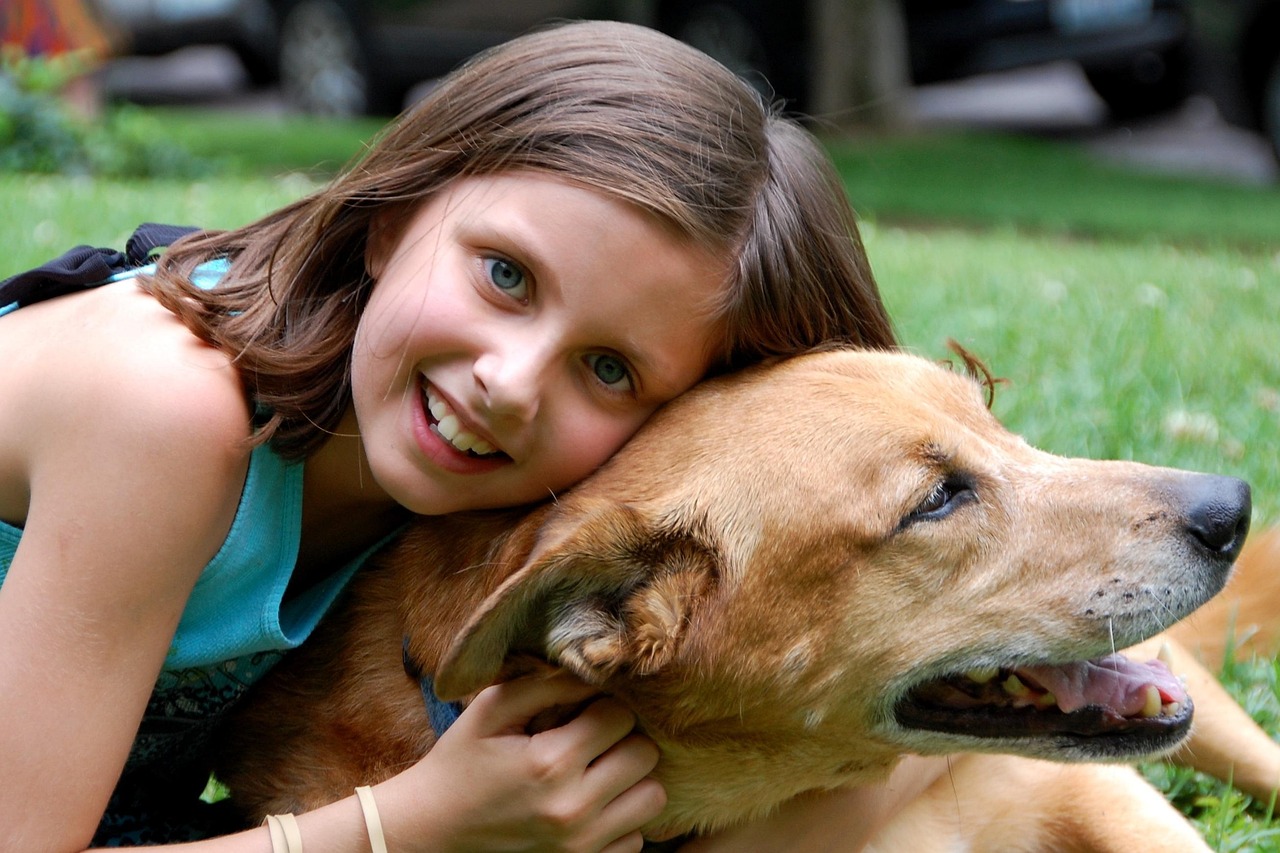
Watch your dog when they’re just hanging out with you. When a dog is happy, their whole body and tail will look relaxed, and they quite often wiggle! A happy dog’s whole body can wag along with their tail. It’s not just about the tail wagging either.
If your dog seems relaxed in their posture and not tense or stiff, this is a good indication they are feeling good. Loose shoulders, soft eyes without a fixed gaze, and a dose of ‘wiggliness’ or pure ‘flopped-outness’ are all clues that your dog’s feeling super chill. Think of it like when you finally sink into your favorite chair after a long day.
This relaxed state is actually a big deal. Dogs who feel safe and secure in their environment naturally let their guard down. Their muscles aren’t tense, ready to spring into action at any moment.
They’re Getting Quality Sleep and Lots of It
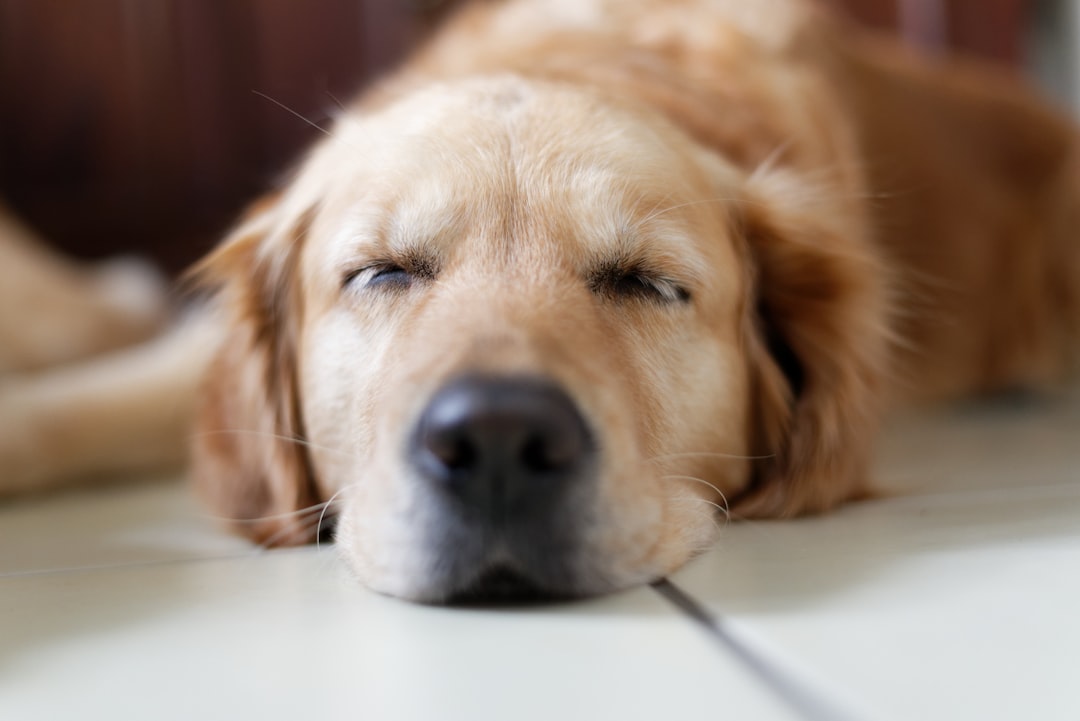
Here’s something that might surprise you: Healthy, happy adult dogs usually sleep for 12 to 14 hours a day, though some may sleep up to 16 hours. If your dog isn’t sleeping that much, it could be a sign of stress or illness. We often worry when our dogs seem to sleep constantly, but it’s actually a great sign.
Happy and healthy adult dogs get many hours of sleep a day. If you and your dog have had an exciting day full of jogs, games of fetch and other fun activities, your dog may be so happy and satisfied that she doesn’t have any energy left. That contented snoring you hear? Pure bliss.
Happy and healthy dogs typically sleep a lot, averaging 12 to 14 hours per day, with variations depending on age, breed, and health. So when your dog curls up for their fourth nap of the day, they’re probably telling you everything is just right in their world.
Their Eyes Are Soft and They Make Gentle Contact
Eye contact is a major sign of trust in dogs, so those loving looks the two of you share while sitting together after a long day of hanging out are sure signs of a happy dog. When a dog is happy, their eye contact will be relaxed and soft, and they will continue to blink often. It’s like they’re saying “I love you” without words.
When a dog is happy, their eyes and eyelids will be open and relaxed, their gaze will be soft, and they will blink often. Those slow blinks are sometimes called “dog kisses” because they’re such a tender gesture.
Compare this to a stressed dog whose eyes might be wide with the whites showing, or narrowed in anxiety. Your dog’s gentle gaze is them showing complete trust and contentment in your presence.
They Seek Out Your Company and Lean Into Pets
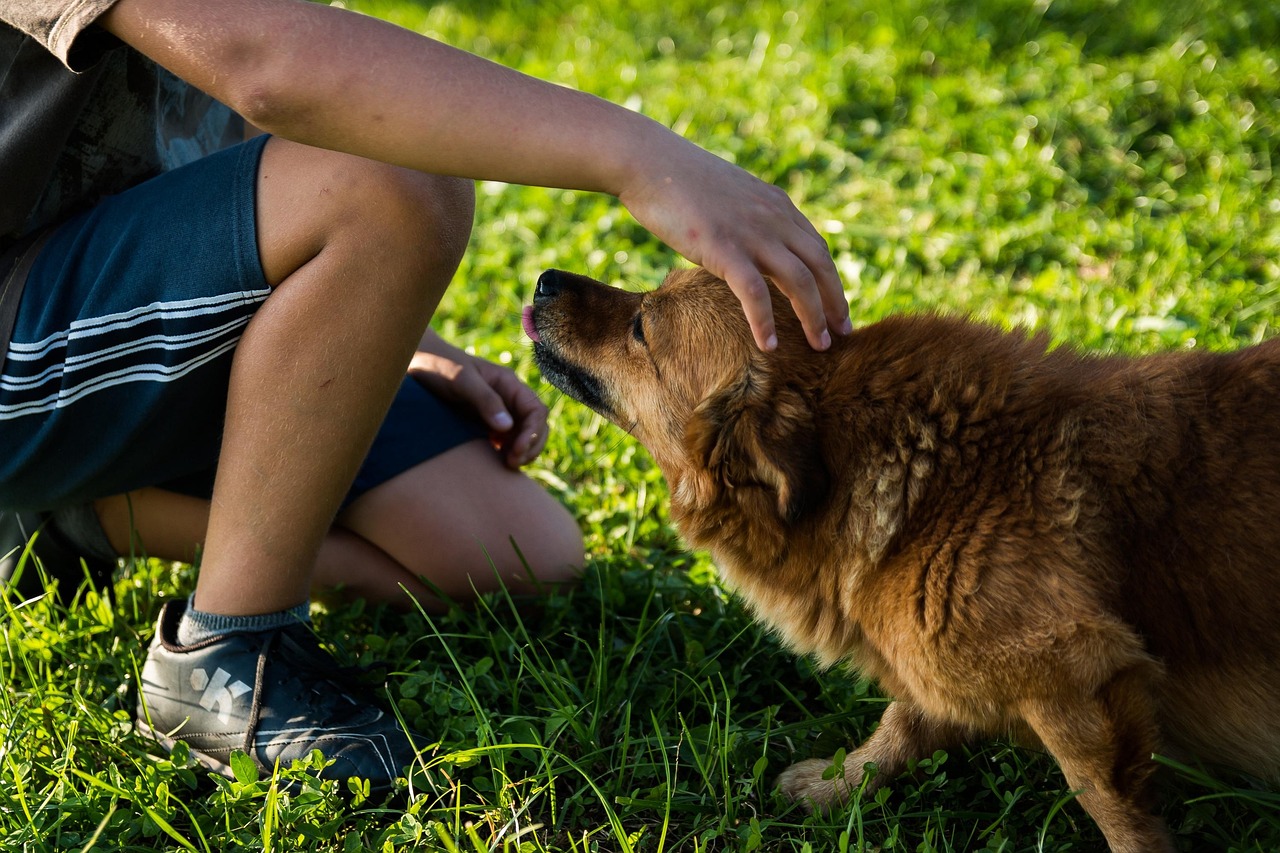
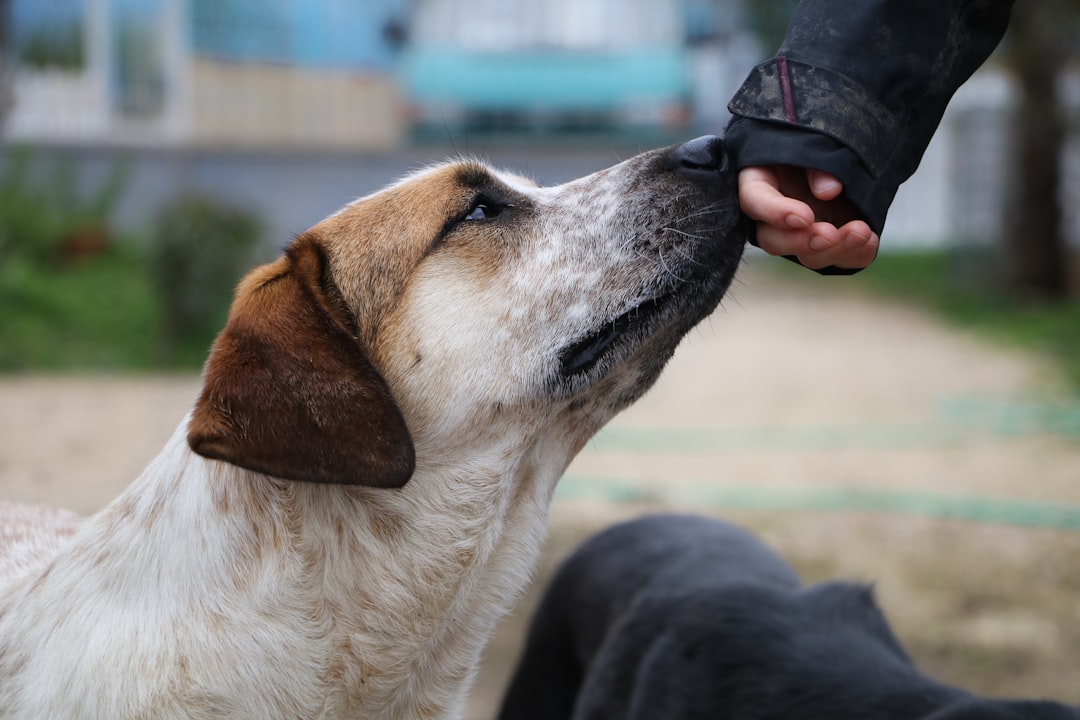
Happy dogs make a lot of body contact. If your dog reacts, stays close, or even leans in toward your hand during petting, they’re enjoying the contact. This isn’t just tolerance – it’s active seeking of affection.
They lean in to you. A relaxed dog who enjoys your company is more likely to also enjoy your attention. They may come to you for attention and it’s a good sign if they lean into your hand when you stroke them. That gentle pressure against your leg or hand is their way of saying “more, please!”
Dogs are naturally affectionate creatures, and when they feel safe and happy, they’ll show it in their own unique ways. From cuddling and licking to nuzzling their head against you, these behaviors are their way of saying, “I trust you.” Even following you from room to room is a sign of security and happiness.
Those Playful Moments and Invitation Poses
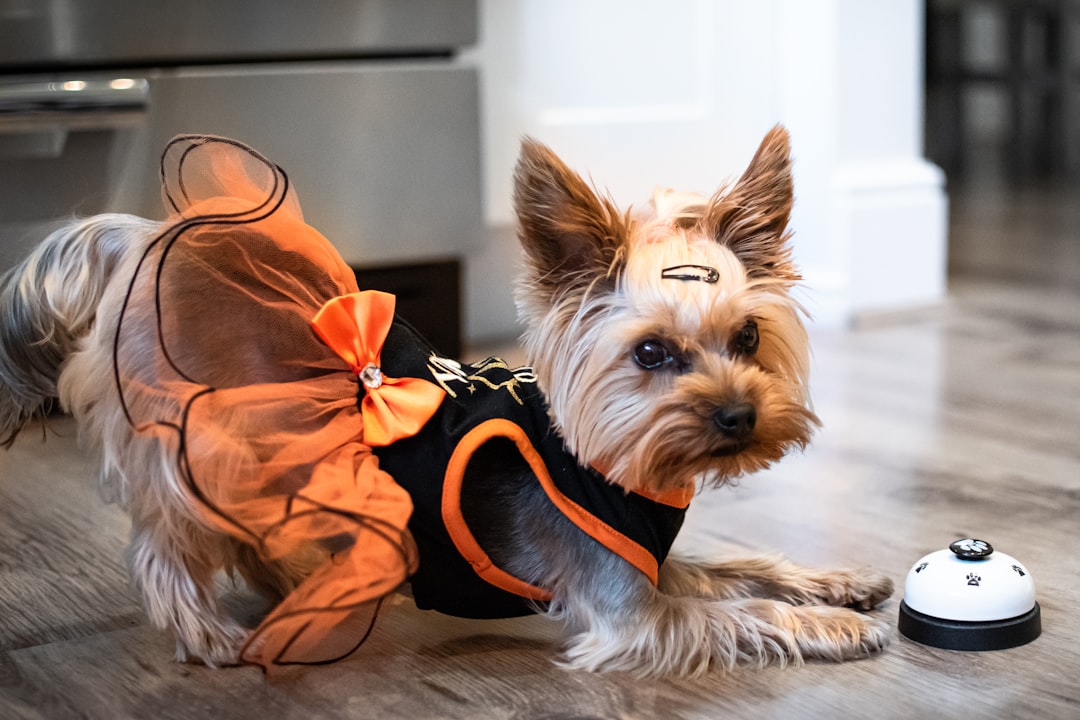
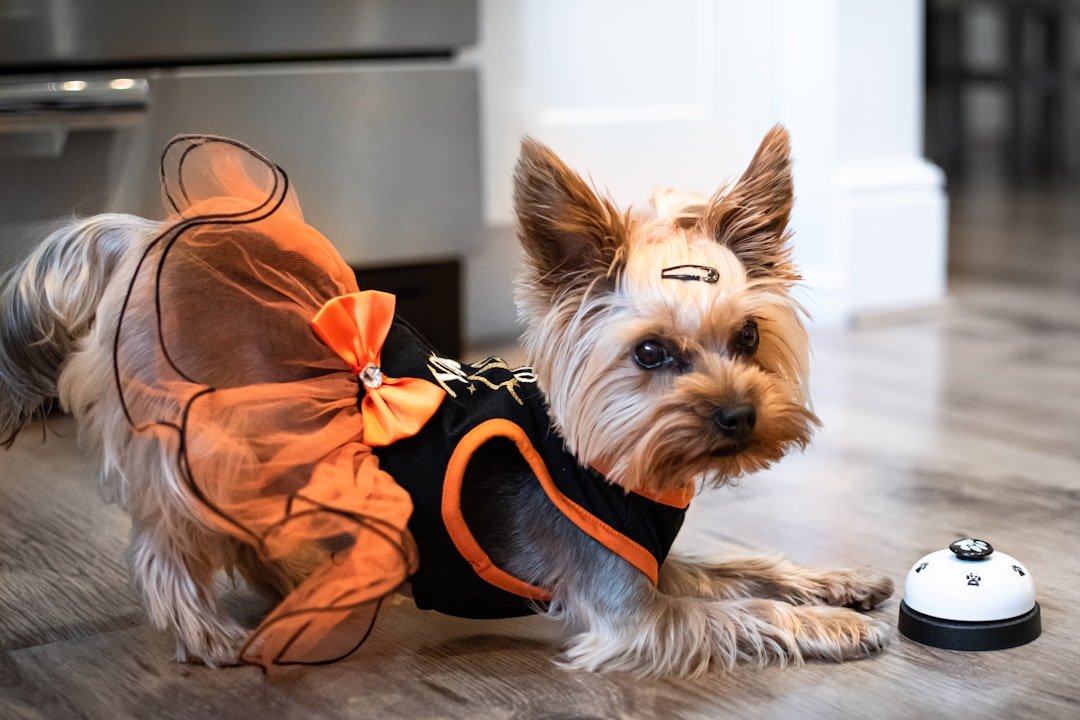
A dog is telling you they are up for fun or want to play when they do a play bow. In a play bow, a dog lowers their chest to the ground but keeps their rear in the air. They are inviting play and want to interact. This classic pose is pure joy in motion.
Dogs in a happy, playful mood may scooch their chest down to the floor with their bottom in the air. This stance is called a play bow. They will do this before a play session to signal that they are ready to play and want to play with you!
Playfulness is a clear sign of a happy dog. When dogs engage in play with their owner, other dogs, or even by themselves with toys, it manifests their joy and energy. This could include running, jumping, playing fetch, or any spontaneous game they initiate. Even solo play with a favorite toy shows contentment.
They Have a Healthy Appetite and Eating Routine
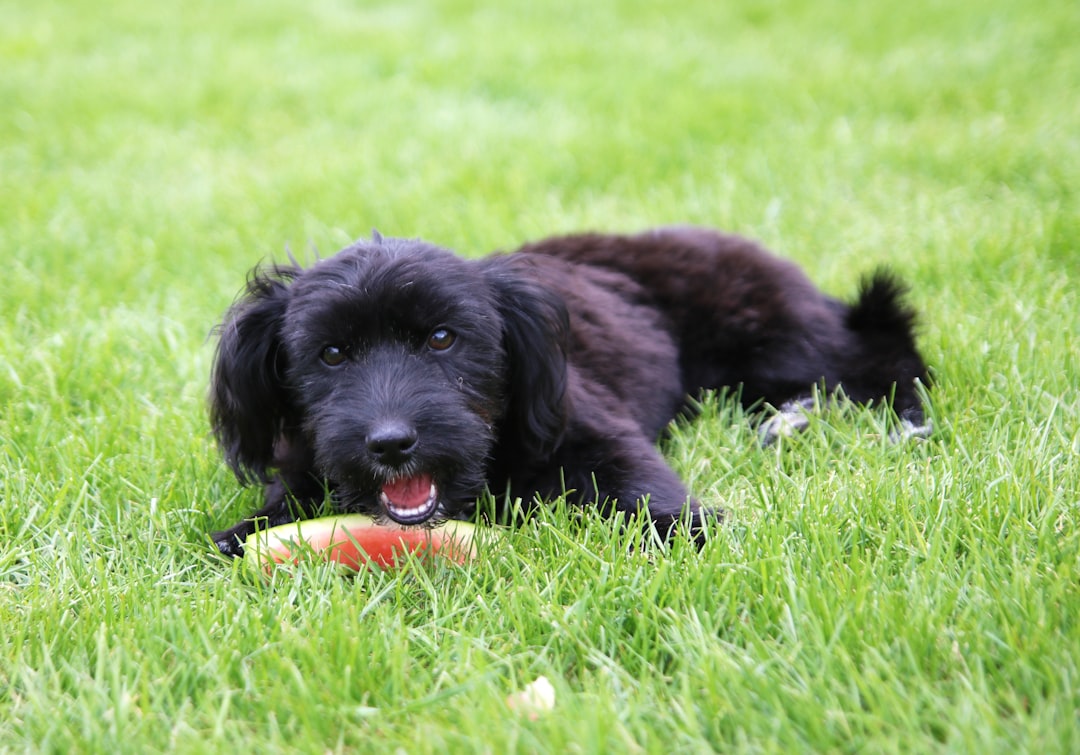
Every dog has their own eating habits and appetite. Some may be grazers, while others may eat their meals as quickly as possible. Regardless of how quickly they eat, dogs that are content and feeling well will have good appetites.
A change in their eating behavior is a sign of potential unhappiness or illness. So if your dog consistently shows up for meals with enthusiasm, that’s a wonderful indicator that they’re feeling good about life.
Think of it this way – when we’re stressed or upset, our appetite often changes. Dogs are similar. A happy dog looks forward to mealtime and approaches their food bowl with interest and energy.
Their Ears Are Relaxed and Natural
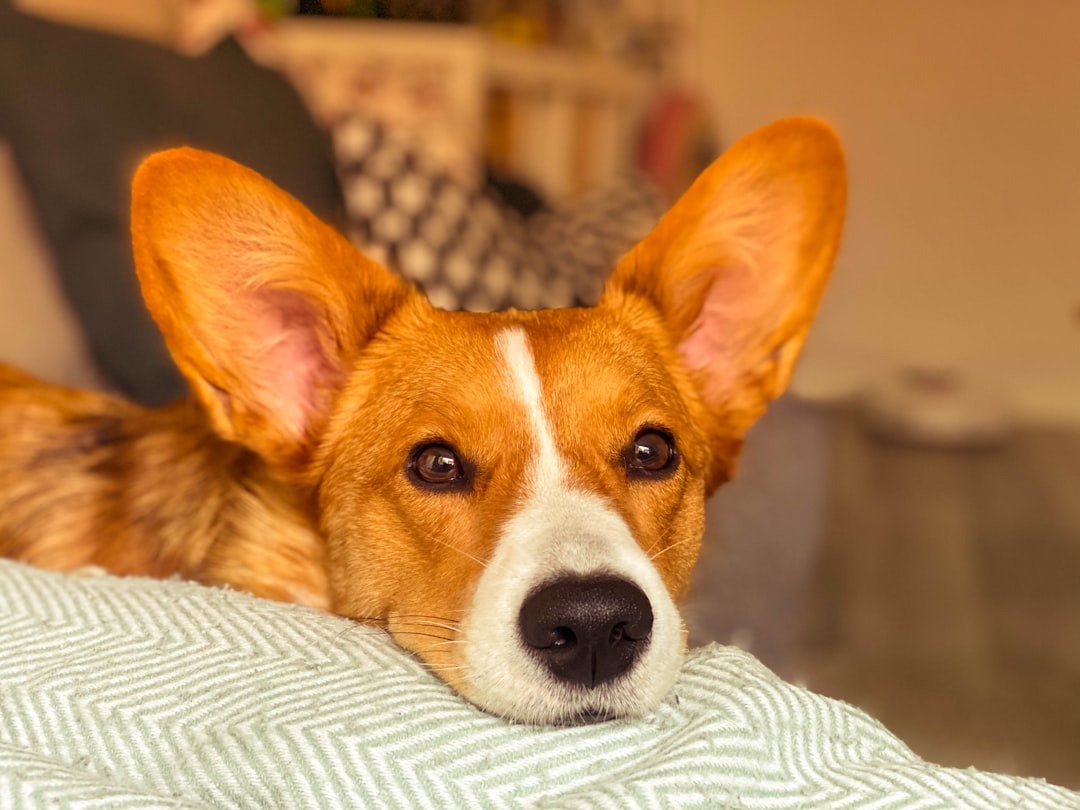
While ear shapes vary depending on the breed, a happy dog’s ears are relaxed and rest naturally against their head. Some dogs will have one ear cocked up, or both may be loose and floppy. This is very different from ears that are pinned back in fear or rigidly forward in alertness.
Although ear shapes vary greatly depending on the breed, a happy dog’s ears are relaxed and will fall naturally against their heads. Ears that are pulled forward or back are signs of different moods, including hyper-interest and stress.
Even if your dog has naturally upright ears, you’ll notice they have a soft quality when relaxed rather than the sharp, tense positioning that comes with anxiety or hypervigilance.
They Show You Their Belly
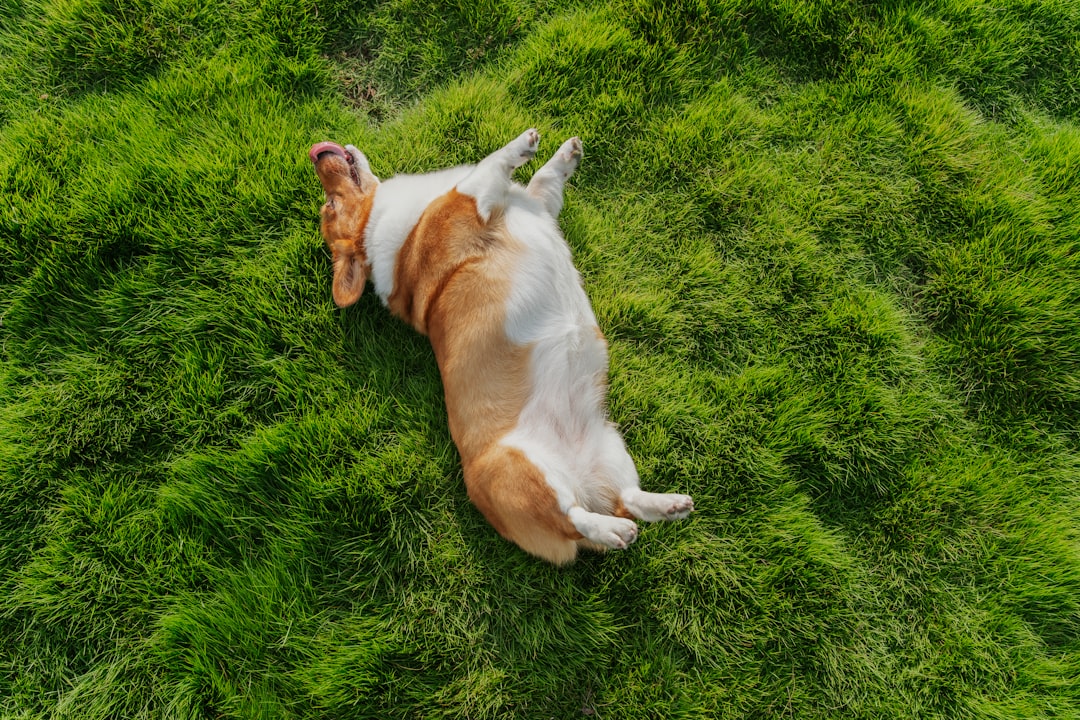
A wriggling dog showing you their belly is likely to be a very happy and comfortable dog. This is one of the most vulnerable positions a dog can assume, so they only do it when they feel completely safe.
A pup that rolls over and shows off their belly is considered a sign of a happy dog. Asking for affection in the form of belly rubs shows comfort, contentment, and trust. Your dog’s relaxed body anticipating a hand to pet them or play with them is a sure sign of happiness.
Happy dogs may also flop onto their backs and expose their bellies – a vulnerable position that shows trust. When your dog does this, they’re basically saying they trust you completely with their most vulnerable areas.
Their Walking Style is Loose and Bouncy
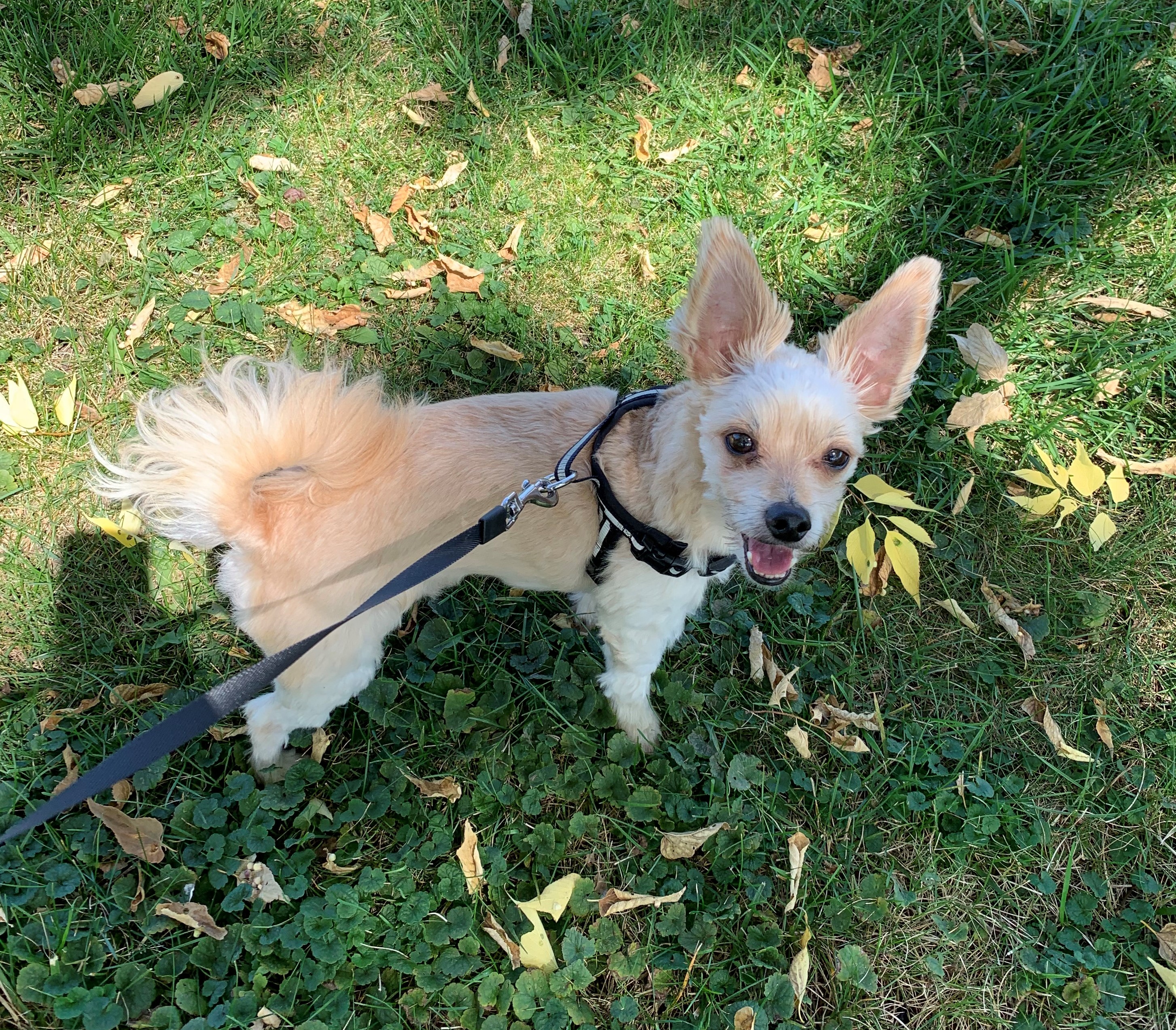
During a walk, a dog that’s feeling happy will have a loose, bouncy and smooth gait, says Bekoff. It will also display normal dog behavior, such as sniffing at plants and flowers and engaging with other friendly dogs and passersby.
Happy dogs take their time to explore everything around them during their walks, enjoying every moment. They’re not rushing or pulling anxiously – they’re savoring the experience like a person taking a leisurely stroll through their favorite neighborhood.
The world is full of a bunch of stuff that dogs find really cool – mailmen, squirrels, a weird smell that’s just begging to be investigated, you name it! Sometimes they need to follow their doggy hearts (and noses) to run after whatever catches their attention. If your good girl always comes back to you the moment you call her name, it means that she finds you way cooler than whatever she was after – and that’s a sign of a very happy dog.
They Get Those Adorable Zoomies
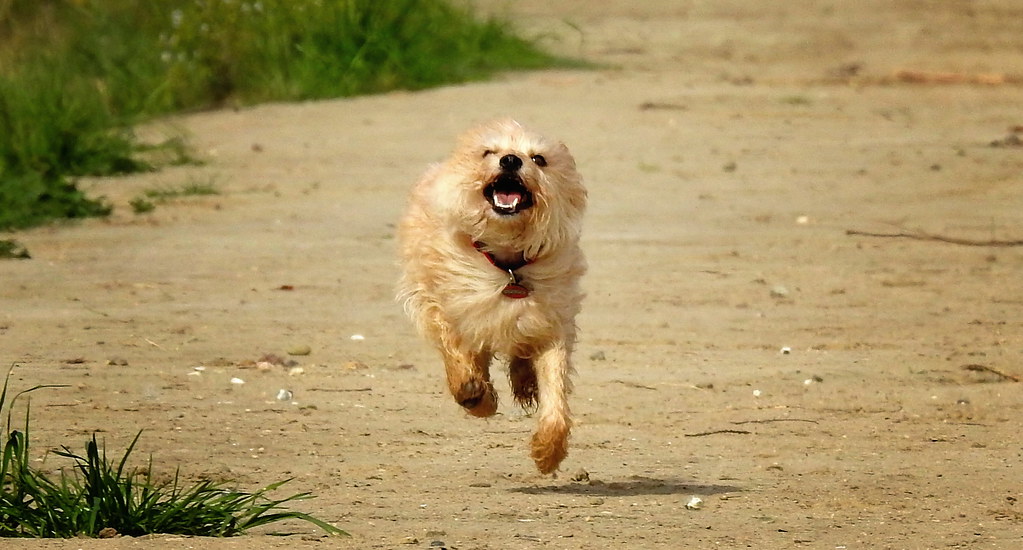
Have you ever wondered “are zoomies a sign of a happy dog?” The answer is yes! Zoomies, or sudden bursts of energy and running around, are a playful way your dog can show off their happiness. These frantic, joyful sprints are pure celebration.
If you go outside with your pup and play, you might even notice them get the “zoomies”! This dog behavior looks like them pacing back and forth frantically, low to the ground, gripping hard, and running as fast as they can. It’s adorable to watch and even more adorable to know just how happy they are when this happens.
Zoomies often happen after baths, during play sessions, or when something particularly exciting occurs. They’re basically your dog’s way of expressing “Life is amazing and I can’t contain myself!”
Conclusion
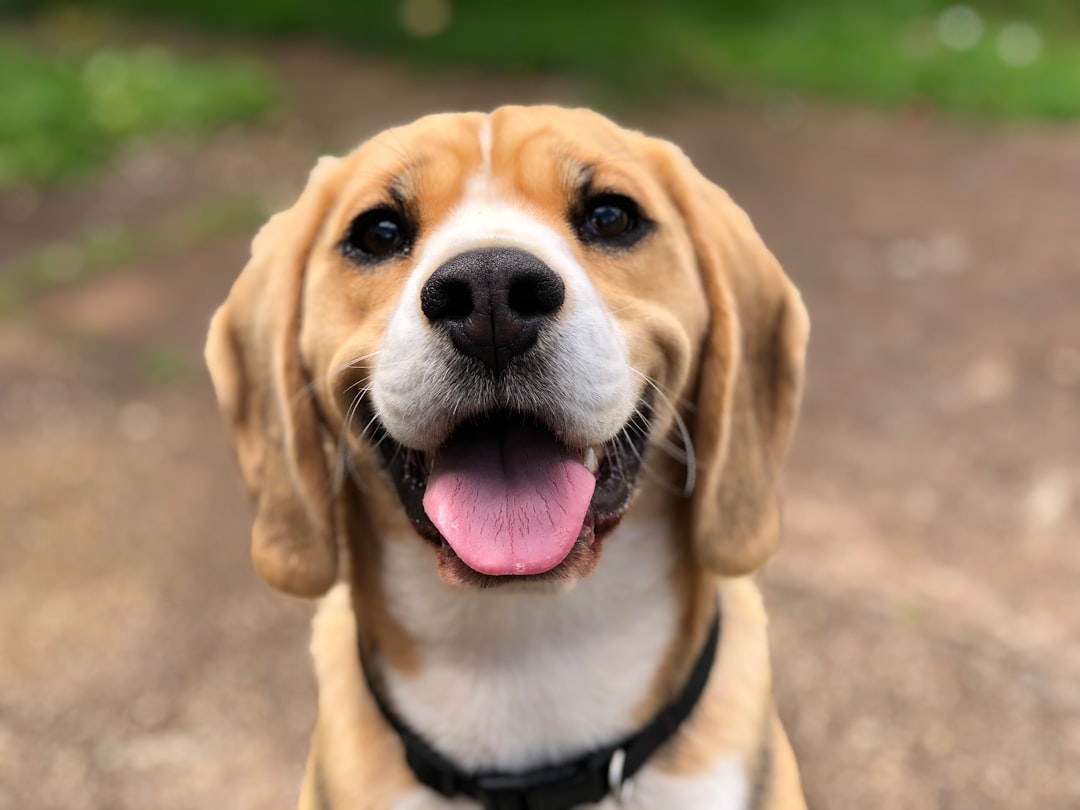
Your dog’s happiness might look different than you expected, and that’s perfectly okay. These subtle signs of contentment – from the way they sleep to how they greet you – paint a picture of a well-adjusted, secure companion who trusts their world completely.
Remember, happiness in dogs isn’t about constant excitement or entertainment. It’s about feeling safe, loved, and comfortable in their daily routine. The next time you see your pup doing any of these things, take a moment to appreciate that they’re telling you everything is just right in their world. What signs of happiness do you see most often in your own furry friend?


