

Have you ever noticed your loyal dog acting a little different—slower, quieter, or maybe even a bit distant? It’s a heart-wrenching feeling, that mix of worry and love, when you sense your furry friend might be nearing the end of their journey. Dogs have a magical way of making our homes warmer and our lives brighter, and the thought of losing them can feel almost unbearable. But understanding what’s happening during a dog’s final days can help you give them the comfort and happiness they deserve. This guide will walk you through the clear signs that your dog may be approaching their last chapter—and, just as importantly, how you can make these moments peaceful and filled with love.
Loss of Appetite and Changes in Eating Habits
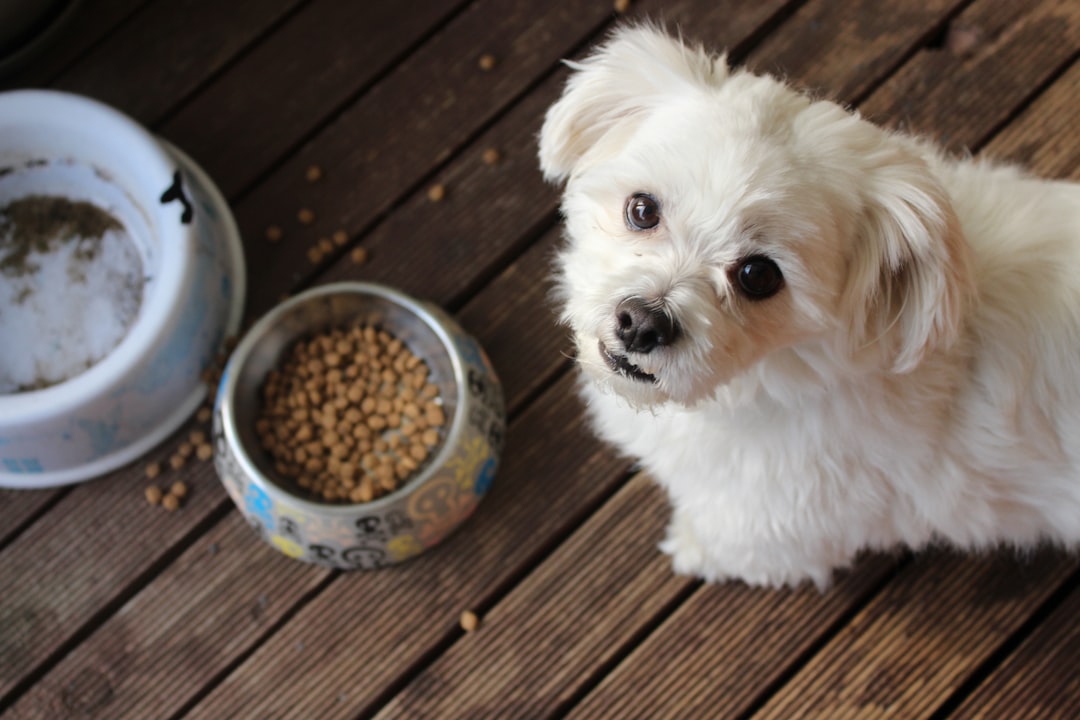
One of the first signs many dog owners notice is a loss of appetite. If your once-food-obsessed pup suddenly leaves their breakfast untouched or turns their nose up at treats, it could be a sign that something is seriously wrong. Dogs nearing the end of their lives often lose interest in food because their bodies begin to slow down, making digestion difficult or uncomfortable. This change can be gradual or come on suddenly, and it might be accompanied by weight loss or visible muscle wasting.
Sometimes, even the smell of their favorite meal can’t spark their old excitement. You might try different foods—boiled chicken, warm broth, or soft treats—but nothing seems to make a difference. While it’s tempting to keep searching for that one magic snack, remember that your dog isn’t being picky. Their body is simply telling them it doesn’t need as much nourishment anymore. The best thing you can do is offer small, soft meals and allow them to eat as much or as little as they want, without pressure.
Increased Lethargy and Fatigue
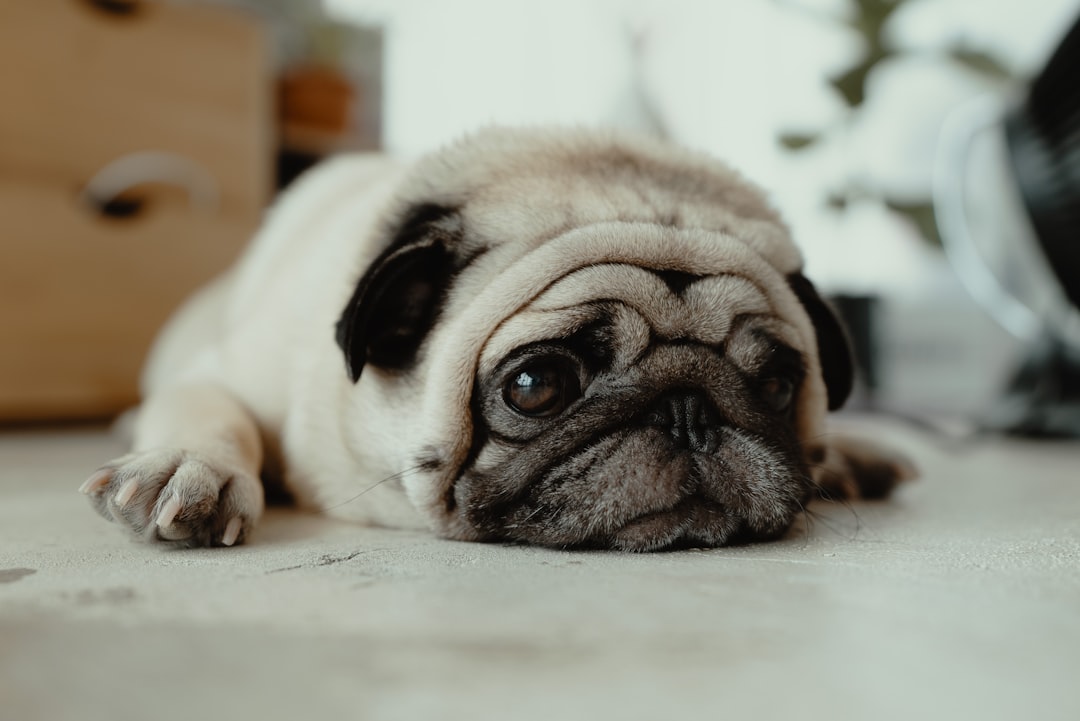
Another clear sign your dog may be approaching the end is increased lethargy. Instead of bouncing up to greet you at the door or wagging their tail at the sound of the leash, your dog might prefer to nap most of the day. You’ll notice they move slower, and even short walks might leave them exhausted. This isn’t just typical aging—it’s a deep fatigue that doesn’t seem to lift, no matter how much rest they get.
It’s heartbreaking to see your once-energetic dog uninterested in play or struggling to get comfortable. Think of it like a favorite old sweater that’s grown thin and soft, no longer able to keep the chill away. You can help by creating cozy resting spots, keeping their environment calm and quiet, and letting them set the pace. Sometimes, just lying beside them or gently stroking their fur can bring more comfort than any game of fetch.
Difficulty Breathing or Labored Breath

Breathing changes can be one of the most distressing signs to witness. Some dogs develop shallow, rapid breaths, while others may pant more than usual, even when they’re not hot or anxious. You might notice odd noises, like wheezing or gurgling, or see their sides heaving with each breath. These symptoms might come and go, but they usually grow more pronounced as your dog gets closer to the end.
Watching your dog struggle to breathe can leave you feeling helpless and scared. It’s important to keep their space cool and free from stress. You can use a fan or open a window to circulate air, and make sure their bed is in a spot where they can breathe easily. Avoid smoke, strong perfumes, or anything that might irritate their lungs. If you’re ever unsure, call your vet—they can offer advice or medication to help ease your dog’s discomfort.
Incontinence or Loss of House Training

A dog nearing their final days might become incontinent, having accidents in the house even if they were perfectly trained before. This can be embarrassing for them, and confusing for you. Sometimes they simply can’t make it outside in time, or they might not even realize they need to go. Their muscles weaken, and getting up just isn’t as easy as it used to be.
It’s important to respond with kindness, not frustration. Imagine if you were suddenly unable to control your own body—it would be scary and upsetting. Gently clean up accidents without scolding, and consider using puppy pads or waterproof bedding to make cleanup easier. Keep your dog clean and dry to prevent skin irritation, and let them know they’re still loved, no matter what.
Withdrawal and Changes in Social Behavior

A surprising sign that your dog may be nearing the end is a change in how they interact with you and others. Some dogs become clingy, wanting to be near you every moment, while others withdraw and seek solitude. You might notice your pup spending more time alone in quiet corners, avoiding play or greeting guests less enthusiastically.
This shift can be emotional for both of you. Dogs sense when they’re not feeling well, and some prefer to be alone to process their discomfort. Others might crave your touch, needing extra reassurance. Try to respect their wishes—if they want space, give it freely, but always be ready with a gentle pat or a soft word if they come seeking comfort. The best gift you can give is your presence, whether from across the room or side by side.
Pain and Discomfort

Pain can be tricky to spot in dogs—they’re masters at hiding it. But as they near the end, signs become harder to ignore. Look for restlessness, whining, sudden aggression, or changes in posture. Some dogs pace or shift constantly, unable to get comfortable. Others may whimper, flinch when touched, or guard certain parts of their body.
You might notice your dog avoiding stairs, furniture, or even favorite activities. They may limp, tremble, or seem stiff after lying down. If you suspect your dog is in pain, talk to your vet about ways to manage it. Soft beds, gentle massages, and prescribed medications can help. Remember, your goal isn’t to cure but to comfort—think of it as tucking them in with the softest blanket you can find.
Loss of Interest in Favorite Activities

One of the clearest signs that something has changed is when your dog no longer enjoys things that once brought them joy. Maybe your fetch-obsessed retriever ignores the ball, or your lap-loving terrier skips cuddle time. Even walks, treats, or car rides might lose their appeal. It’s as if the spark that made them unique is slowly dimming.
This can be difficult to accept, but it’s important to adjust your expectations. Instead of pushing your dog to “perk up,” focus on what makes them comfortable now. A gentle ear scratch or a quiet moment in the garden might be more meaningful than any big adventure. Your dog isn’t giving up—they’re just finding peace in smaller, quieter moments.
Physical Decline and Mobility Issues
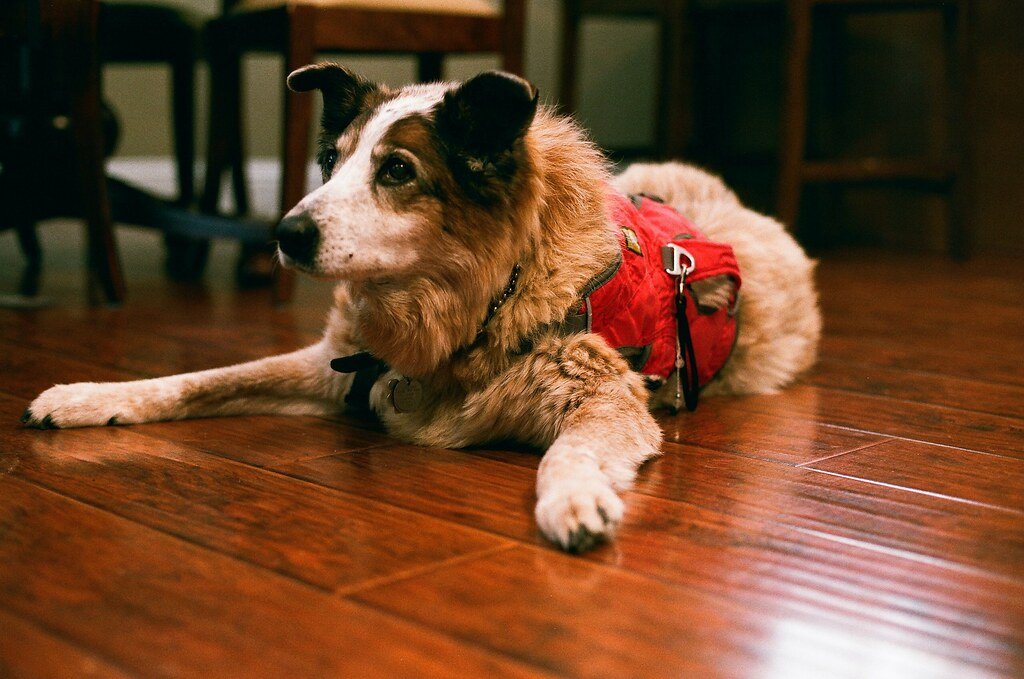
As dogs near the end, their bodies start to slow down in noticeable ways. You might see trembling legs, stumbling, or difficulty standing up. Even short walks can become a struggle, and stairs might seem like mountains. Sometimes their bodies look thinner, their fur duller, and their eyes less bright.
Helping your dog stay comfortable means making simple changes. Try placing rugs over slippery floors, adding ramps, or moving their bed closer to where they spend most of their time. Keep water and food within easy reach, and assist them as needed. Think of it as helping an elderly grandparent—kindness and patience go a long way.
Digestive Problems and Vomiting

Digestive issues often appear as dogs approach their final days. This can range from mild nausea and vomiting to diarrhea or constipation. These problems might make your dog uncomfortable and can lead to dehydration or weakness. Sometimes, their body just can’t process food the way it used to, no matter what you try.
Offer small, frequent meals of bland food, like plain chicken and rice. Keep water available, and watch for signs of distress. If vomiting or diarrhea is severe, call your vet—they may be able to provide medication or fluids to help your dog feel better. At this stage, the goal is comfort, not cures. Listen to your dog’s cues and adjust their care accordingly.
How to Keep Them Happy: Comfort, Love, and Memories
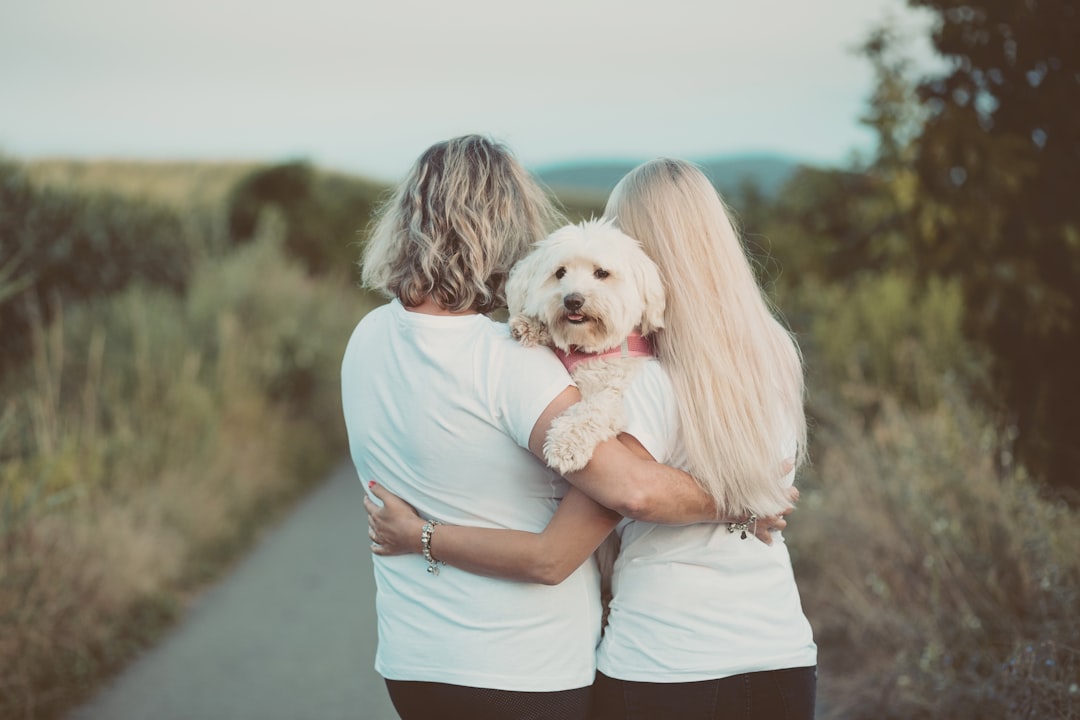
While it’s hard to face, there’s still so much you can do to make your dog’s last days or weeks joyful and peaceful. Surround them with familiar smells and sounds—maybe their favorite blanket, a beloved toy, or your gentle voice. Keep routines simple and predictable. Offer soft beds, soothing music, or a spot in the sun to nap.
Spend time together doing whatever feels right for your dog, whether it’s a slow walk, a gentle brush, or simply lying together in silence. Take photos, share stories, and savor every moment. Let your dog know, through every gesture, that they are safe and loved. Even as their strength fades, your bond remains unbreakable. Isn’t that what every best friend deserves?


