

You love your dog. I mean, really love them. They’re family, your confidant, maybe even your best friend. You’d probably walk through fire for that furry little face. Yet sometimes, despite all that love, things aren’t quite clicking the way you hoped. Maybe your pup isn’t listening, or maybe their behavior leaves you scratching your head or feeling a touch embarrassed at the dog park.
Here’s the thing nobody likes to admit. Loving your dog isn’t always enough. Good intentions don’t automatically translate into good dog parenting. Sometimes we miss signals, overlook basics, or fall into patterns we don’t even realize are problematic. Take a deep breath, though. Recognizing there’s room to grow is the first step toward becoming the parent your dog truly deserves.
Your Dog Pulls Like a Sled Dog on Every Walk

Let’s be real. If your arm feels like it’s about to pop out of its socket every time you clip on that leash, something’s off. Dogs don’t naturally understand that walking calmly beside you is the goal. They want to chase squirrels, investigate every smell, and dash toward that other dog across the street.
Inadequate socialization, learning, genetics, reinforcement of aggressive behavior, and associating a negative outcome with the stimulus can all lead to behavioral development issues. When you let your dog drag you down the sidewalk without correction, you’re accidentally teaching them that pulling works. Think of it this way: every time they yank and you follow, you’ve just rewarded the behavior.
Consistent leash training takes patience. Start in low-distraction environments and reward your dog when they walk beside you. Stop moving when they pull. It’s tedious at first, I know it sounds crazy, but it works. You’ll both enjoy walks more when you’re not battling for control.
You Skip Regular Vet Visits
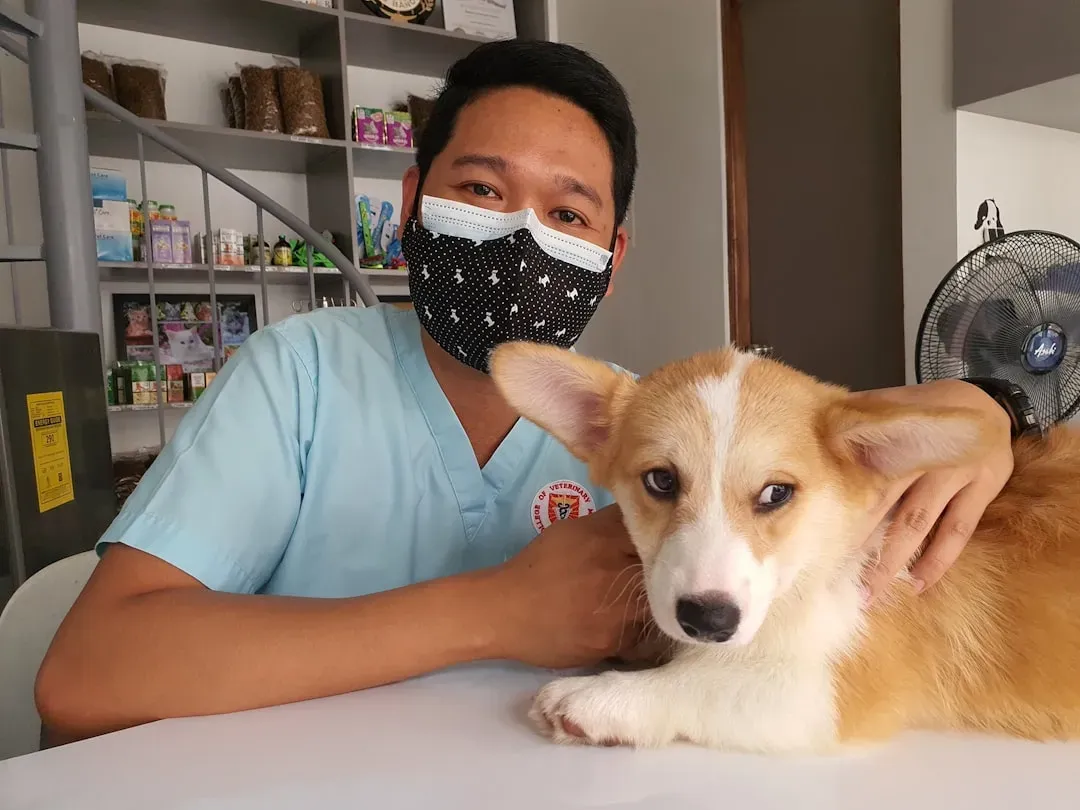
Maybe your dog seems fine. They eat well, play, wag their tail. So why bother with the vet unless something’s obviously wrong? Routine wellness exams for your pet can help prevent health problems by identifying and addressing risk factors.
Pain, in particular, is an important risk factor for behavior problems, with studies showing that between roughly one quarter and four fifths of behavioral patients demonstrated signs of pain. Your sweet dog might be acting out because they’re hurting, not because they’re stubborn or misbehaving. A toothache, joint pain, or an infection can completely change their temperament.
Annual checkups catch issues before they become expensive emergencies. They also give you a chance to discuss subtle behavior changes with your vet. Honestly, it’s one of those things that seems easy to postpone until suddenly it’s not.
Your Pup Didn’t Get Proper Socialization

Picture this. You brought your puppy home, fell head over heels, and kept them safe in your cozy bubble. It felt right at the time. Puppies should be introduced to stimuli and conditions they are likely to encounter as adults, and not exposing puppies to stimulating and positive experiences during this period can lead to adult behavioral problems, such as separation anxiety and aggression.
The first sixteen weeks of a puppy’s life represent a critical socialization window where exposure to diverse people, animals, and environments paired with positive reinforcement prevents lifelong fear-based reactions and aggression. Miss that window, and you’re playing catch-up for years. Dogs who weren’t properly socialized often become fearful or reactive around other dogs, strangers, or new environments.
It’s hard to say for sure, but even older dogs can benefit from gradual, positive exposure to new experiences. Start small. A quiet park. A calm friend visiting. Build their confidence slowly. The goal isn’t to overwhelm them but to show them the world isn’t as scary as they think.
You’re Inconsistent with Rules and Boundaries
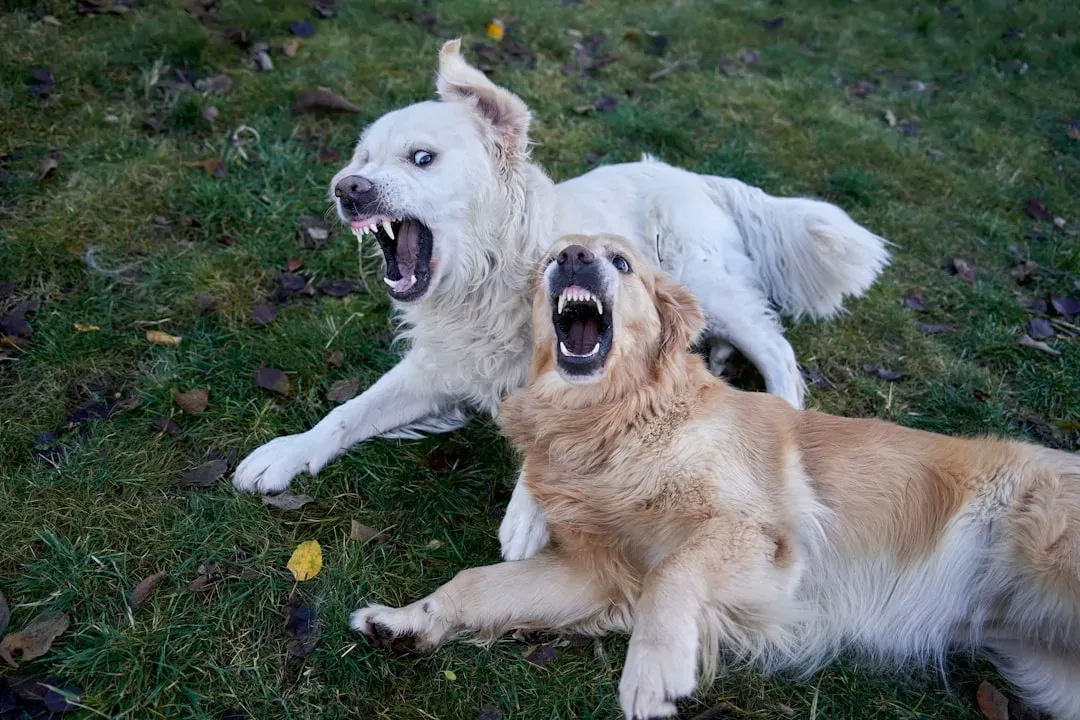
One day your dog’s allowed on the couch. The next day you shoo them off. Sometimes begging at dinner gets them a treat, sometimes it gets ignored. Sound familiar? Inconsistency in rules and training is a common mistake that can lead to confused and frustrated dogs, because dogs thrive on routine and clear expectations.
Your dog isn’t trying to be difficult. They’re just genuinely confused about what you want. When rules shift depending on your mood or who’s home, they can’t figure out how to succeed. When rules and expectations vary between family members, dogs may become confused and test limits, often resulting in selective listening or manipulative behaviors.
Sit down with everyone in your household and agree on the rules. Write them down if you have to. Then stick to them. Consistency isn’t about being rigid or mean. It’s about giving your dog the clarity they need to feel secure and behave well.
Exercise Is an Afterthought
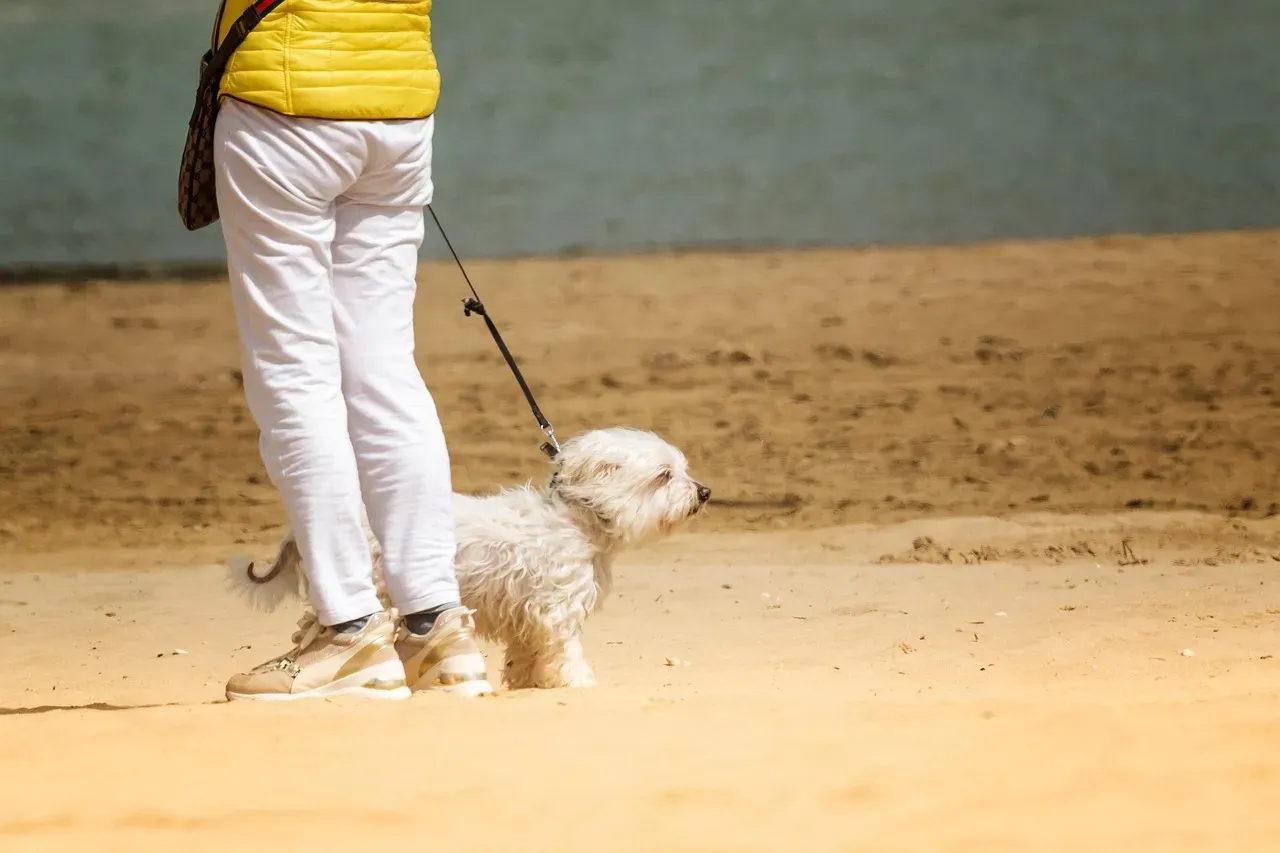
Not providing dogs with enough exercise can lead to weight gain and behavioral issues. That chewed-up shoe, the incessant barking, the hole in your yard? They might all be your dog screaming for an outlet.
Most dogs benefit from at least 30 minutes to two hours of exercise each day. The amount depends on breed, age, and individual temperament. A Border Collie needs way more activity than a Bulldog. Mental stimulation counts too. Puzzle toys, training sessions, and sniff walks tire out their brain, not just their body.
Here’s the thing. A tired dog is usually a well-behaved dog. When you skip walks because you’re busy or the weather isn’t perfect, you’re setting both of you up for frustration. Make exercise a priority, not a bonus.
You Ignore Body Language Warning Signs
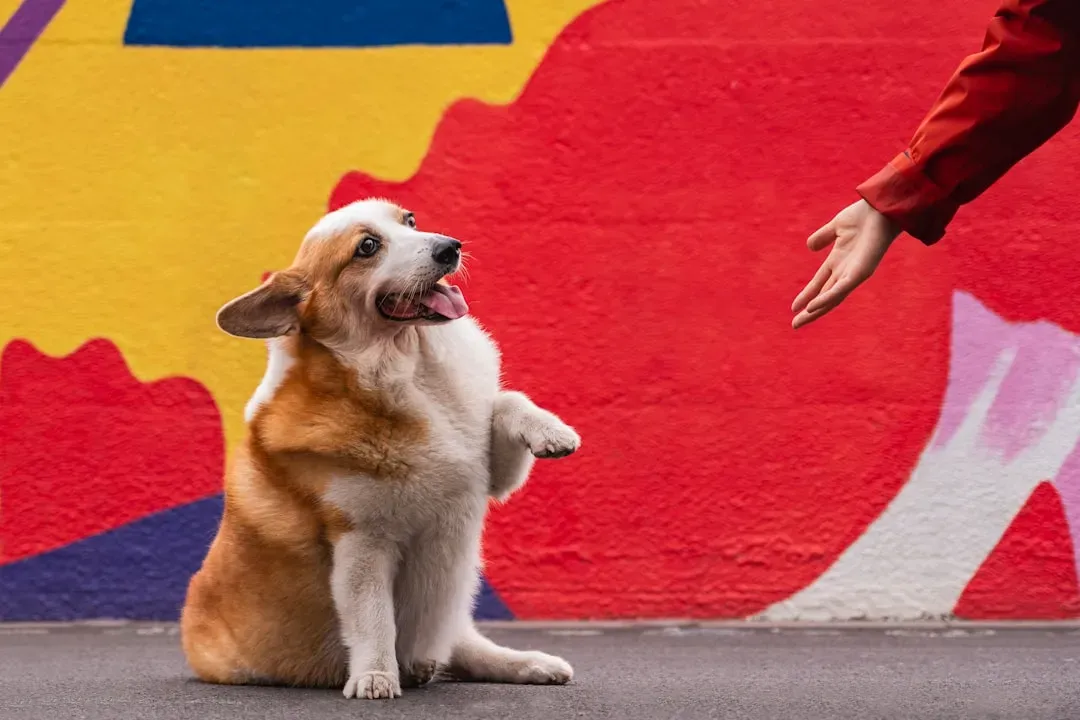
Dogs talk to us all the time. Not with words, obviously, but through their bodies. Ignoring signs like lip licking, yawning, tucked tails, or turning away can lead to misunderstandings or even bites, and learning the subtle cues your dog uses to communicate is essential.
Maybe your dog freezes when a child approaches. Maybe they lick their lips repeatedly when you reach for their collar. These aren’t random behaviors. They’re stress signals. When you miss or dismiss them, you’re essentially ignoring your dog’s attempts to communicate discomfort or fear.
Learning canine body language transforms your relationship. You’ll spot anxiety before it escalates into aggression. You’ll understand when your dog needs space. It’s like learning a second language, but fluffier. Pay attention. Your dog is always talking.
Training Stopped After Puppyhood
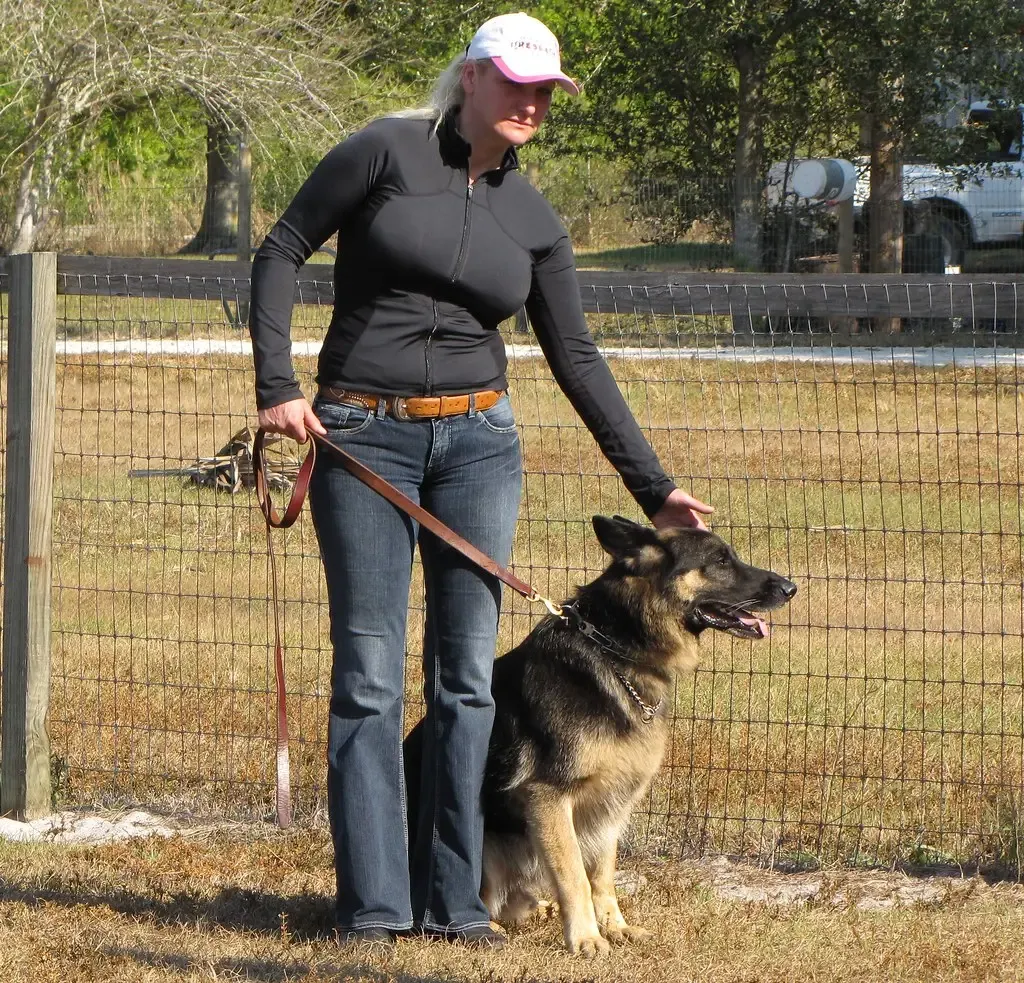
You taught sit, maybe stay, possibly down. Then you figured you were done. Early and ongoing positive reinforcement training is vital for dogs to learn acceptable behaviors. The key word there is ongoing.
Without clear boundaries and consistent guidance, your dog won’t know what you expect, and that confusion is the root of most behavioral issues, as basic obedience and positive reinforcement establish the canine communication your dog needs to understand house rules. Training isn’t a one-and-done deal. It’s a lifelong conversation between you and your dog.
Short, regular training sessions keep your dog mentally sharp and reinforce good behavior. They also strengthen your bond. Five minutes a day practicing recalls or teaching new tricks makes a massive difference. Plus, it’s actually pretty fun once you get into it.
You Rely on Punishment Over Positive Reinforcement
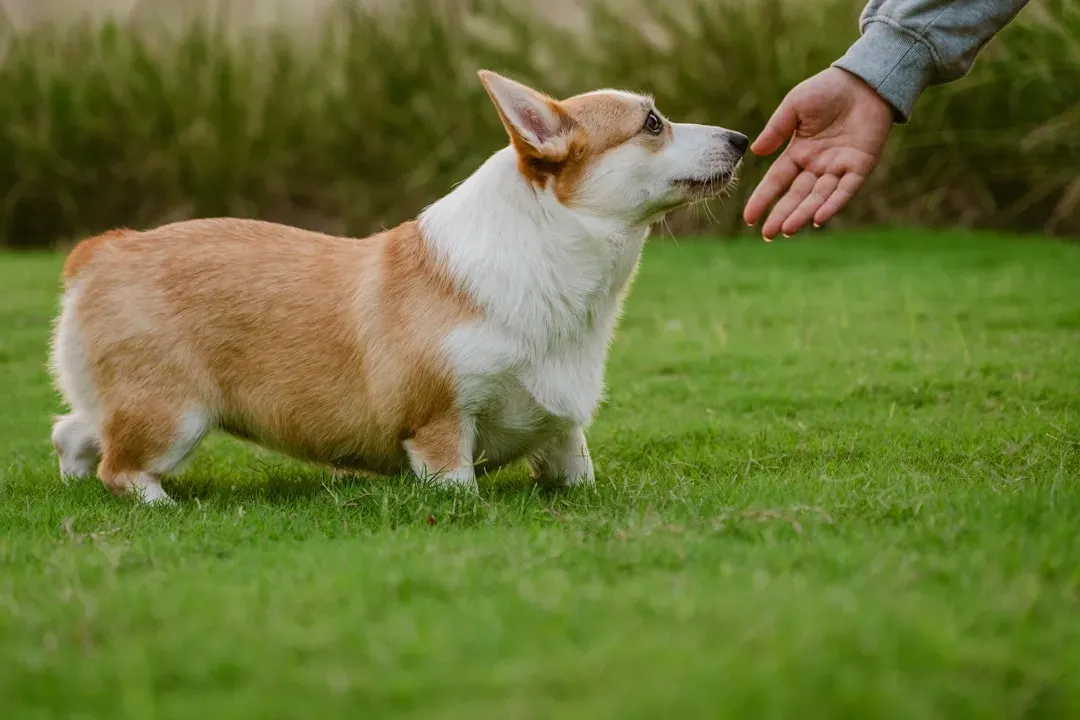
Many dog owners make the mistake of focusing on punishment rather than positive reinforcement and redirection. Yelling when they do something wrong. Rubbing their nose in accidents. Using fear to control behavior.
Pet owners can use positive reinforcement-based training, refraining from scolding pets, but instead praising good behaviors. Dogs learn faster and retain lessons better when you reward what you want instead of punishing what you don’t. Punishment often just teaches fear without actually teaching the correct behavior.
When your dog does something you like, make a big deal about it. Treats, praise, play. Whatever floats their boat. Catch them being good. Redirect unwanted behaviors toward better options. The shift in mindset changes everything.
Your Dog’s Diet Is Whatever’s Cheapest

The ingredients in a dog’s diet contribute hugely to overall health and wellness, and feeding high quality foods can add years to their life, making it worth the expense because it saves on vet bills down the road. That bargain-bin kibble filled with fillers and by-products isn’t doing your dog any favors.
Some new owners may unknowingly feed their dogs inappropriate foods or overfeed them, leading to obesity or nutritional deficiencies, so consult with your breeder, rescue group, or vet to ensure you’re feeding your dog a diet that meets their specific needs. Every dog is different. Puppies need different nutrition than seniors. Active dogs burn more calories than couch potatoes.
Read ingredient labels. Ask your vet for recommendations. Yes, quality food costs more upfront. Consider it an investment in fewer health problems and more years together. Your dog’s body is literally built from what you feed them.
You Leave Them Alone Too Long

Leaving your dog alone for long periods or not providing enough attention can lead to anxiety and unwanted behavior. Dogs are pack animals. They crave companionship. Being alone for ten hours straight, day after day, takes a toll.
An astonishing majority of dogs displayed moderate-to-serious separation-related behaviors, making it one of the most common issues identified in studies. That destructive chewing when you’re gone? The accidents inside despite being house-trained? Probably separation distress, not spite.
If your schedule demands long absences, get creative. Doggy daycare. A midday dog walker. Even a pet camera that lets you check in. Some dogs do fine alone; others spiral. Know your dog’s limits and work within them.
You’re Not Addressing Behavior Problems Early
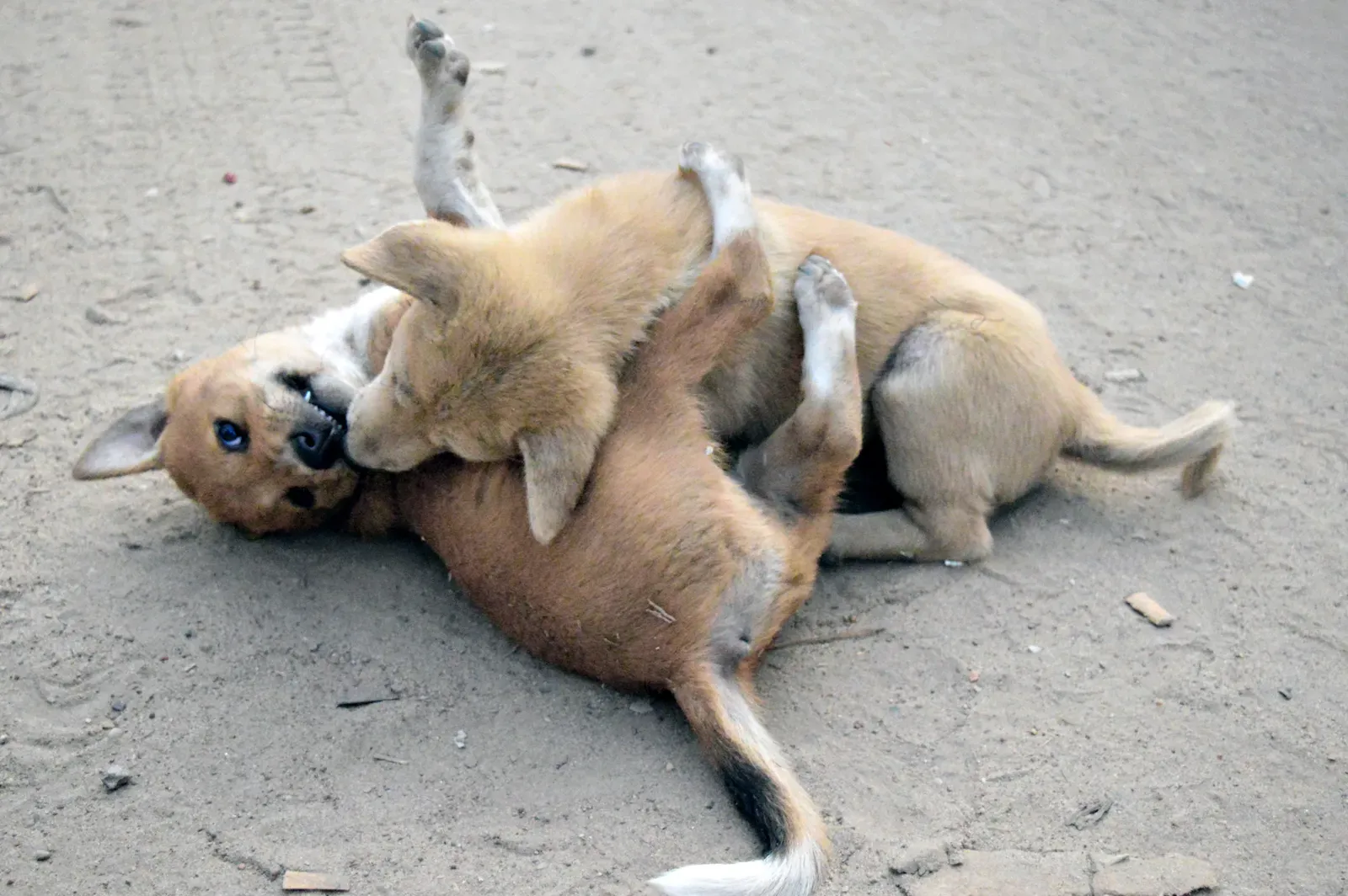
We often overlook undesirable behavior in puppies because it’s cute or funny when they’re little, like hiding behind you and barking, getting a little feisty during food time, or playing the catch me if you can game in the backyard. That mouthy puppy nipping? That resource guarding? That barking at strangers?
Behavior is a crucial element of dog ownership and should be considered carefully by both dog owners and veterinarians so that mild problems do not escalate into severe ones. What seems minor or adorable at eight weeks can become serious and dangerous at eight months. Early intervention is infinitely easier than trying to fix ingrained habits later.
Ignoring or even reinforcing behavior only leads to bigger issues later, and your dog should enhance your life, not hinder it. If something feels off, don’t wait. Talk to your vet. Consult a certified trainer or behaviorist. Address it while it’s still manageable.
Moving Forward Together

Look, nobody’s perfect. We all make mistakes. The fact that you’ve read this far tells me you genuinely care about doing right by your dog. That matters more than you know.
More than ninety-nine percent of dogs in the United States show behaviors that are potentially problematic, with the top categories being aggression, separation and attachment behaviors, and fear and anxiety behaviors. You’re not alone in this. Most dog parents are navigating similar challenges. The difference between struggling and thriving often comes down to awareness and willingness to change.
Small adjustments make enormous impacts. More exercise. Clearer boundaries. Better food. Regular vet visits. Your dog doesn’t need perfection. They need consistency, patience, and someone willing to learn and grow alongside them. You’ve got this. And your dog? They’re lucky to have someone who cares enough to keep trying. What small change will you make this week?


