
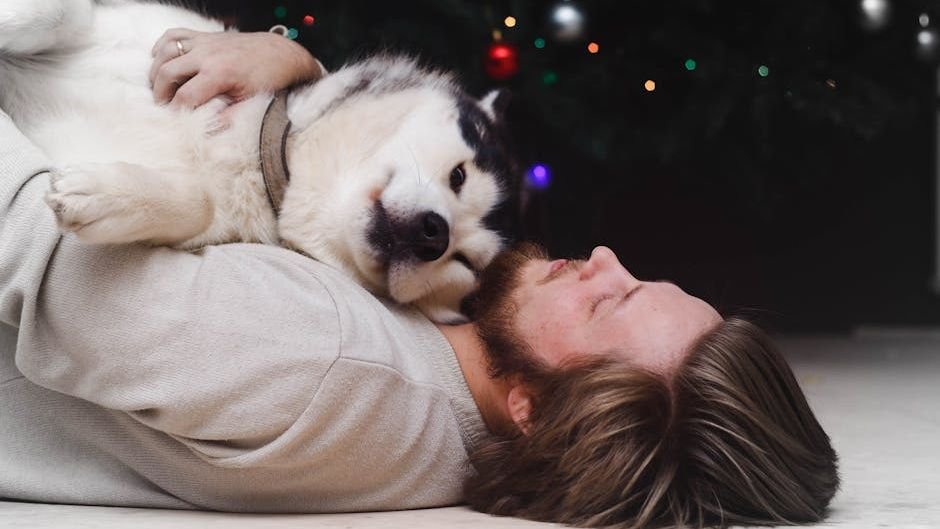
Have you ever caught your dog gazing at you with those big, soulful eyes and wondered, “Does this little fur ball actually think I’m their dad?” You wouldn’t be alone in asking. Millions of dog owners around the world feel a deep, almost parental connection with their pups, and honestly, the science is starting to back that feeling up in some pretty remarkable ways.
The truth is, what happens between you and your dog isn’t just cuteness. It’s a real, measurable bond rooted in trust, attachment, and emotional communication. So if your pup does any of the things on this list, pay attention. You might be more of a dog dad than you ever realized. Let’s dive in.
1. They Follow You Everywhere Like a Shadow
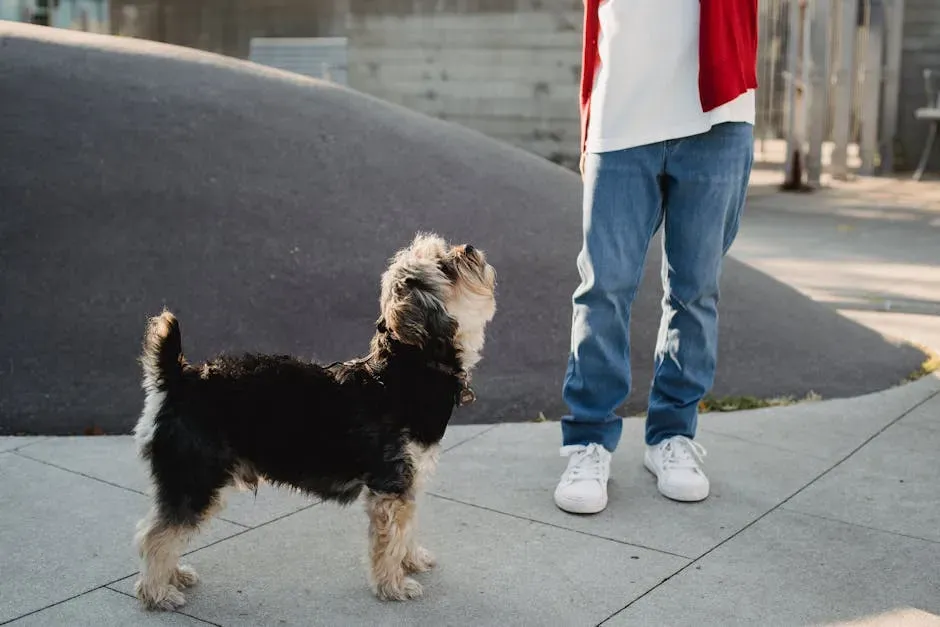
You go to the kitchen, they’re right behind you. You head to the bathroom, they’re waiting outside the door. Sound familiar? There can be many reasons why a dog might follow you around, but dogs have a tendency to stay close to those they trust, and if your pup follows you around the house, this is an indicator they have imprinted on you and you both share a deep attachment.
This attachment, sometimes called “secure-base behavior,” means dogs feel braver and more confident exploring the world when their human is near. Think of it like a toddler who keeps darting back to their parent’s leg during a playdate. The behavior is the same, just furrier. If your dog shadows your every move, they aren’t being clingy for no reason. They genuinely see you as their anchor.
2. They Make Deep, Lingering Eye Contact With You
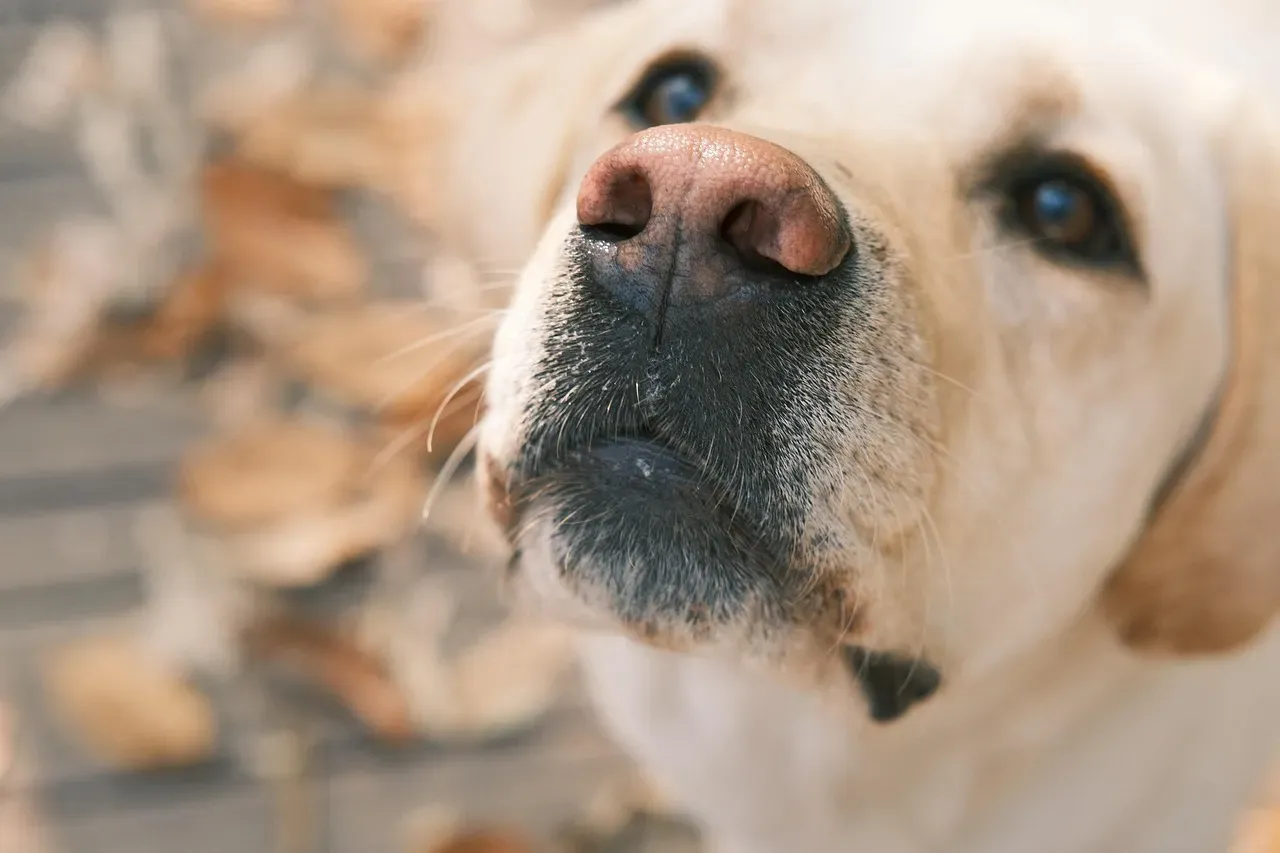
Here’s the thing, not every dog will stare lovingly into a stranger’s eyes. That kind of prolonged gaze is reserved for someone truly special. Dogs develop strong emotional bonds with humans through eye contact, and this eye contact increases oxytocin levels by roughly 130% in dogs and an astonishing 300% in humans.
Studies have found that mutual gazing between dogs and their owners triggered a measurable rise in oxytocin in both species. Oxytocin, often called the “love hormone,” is normally released between mothers and infants and romantic partners. So that long, dreamy stare your dog gives you? It’s basically the canine equivalent of saying “I love you, Dad.” Pretty hard to top that.
3. They Run to You for Comfort During Scary Moments
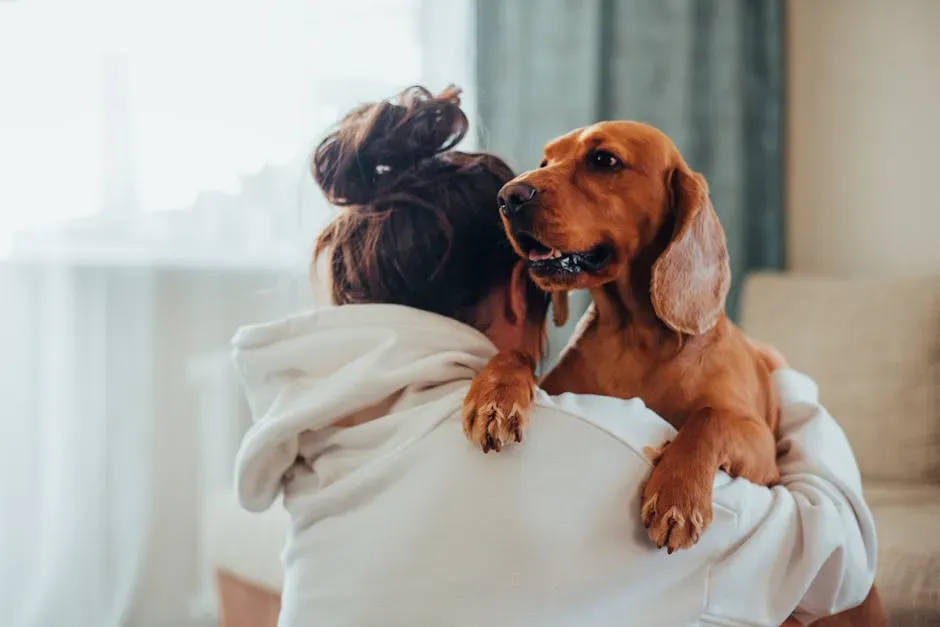
Whether it’s a thunderstorm, a visit to the vet, or a noisy environment, dogs who see you as their parent will turn to you for comfort. This might look like leaning against you, resting their head on your lap, or simply sitting close by. This behavior reflects a deep emotional bond and reliance on you to provide safety during difficult times.
Just like children seek help or guidance from their parents when dealing with certain situations, dogs also turn to those they see as their “parents” for assistance. When they feel uneasy or anxious, like during a thunderstorm, they may come to you for comfort and protection. Honestly, if that doesn’t melt your heart, I’m not sure what will. You are their safe place, plain and simple.
4. They Bring You Their Favorite Toys as Gifts
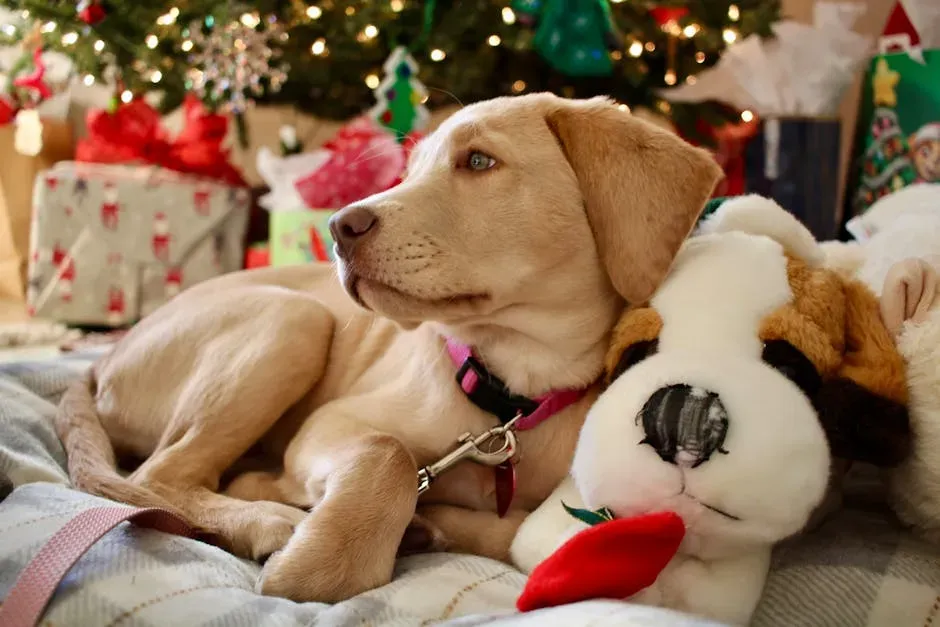
Your dog trots over proudly with their squeaky toy hanging out of their mouth, drops it at your feet, and stares at you expectantly. That’s not random. When dogs bring you toys, they are often doing more than inviting you to play. Toy offerings can serve multiple functions: a social gesture to reinforce bonding, a play solicitation, or even a form of self-regulation during moments of high excitement or stress.
When your dog offers you a toy or prized possession, it’s a way of sharing and strengthening your bond. Bringing you their favorite item can be interpreted as a gesture of trust, affection, and invitation to engage in play. I think of it like a kid handing their dad their most treasured crayon drawing. It’s the thought behind it that counts more than anything.
5. They Greet You Like You’ve Been Gone for a Year
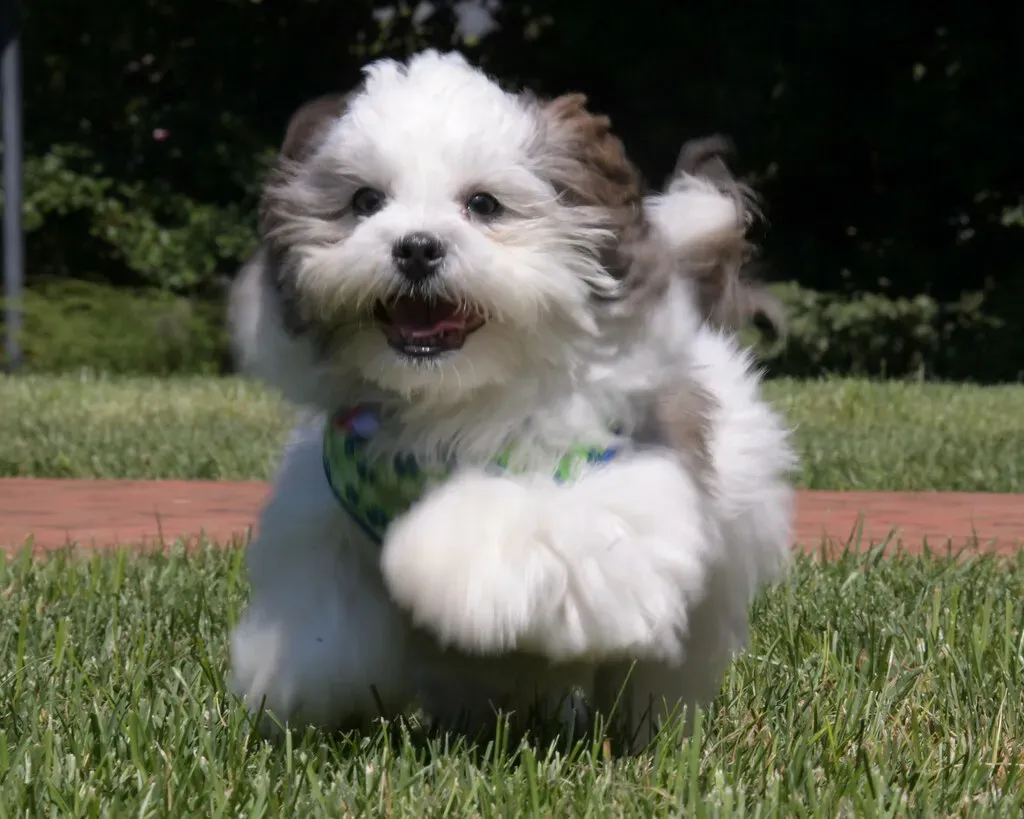
You stepped out for twenty minutes to grab groceries. Your dog greets you as though you returned from a decade-long expedition. That explosion of joy at the door is not just habit. It’s no secret that every dog freaks out when their owner finally comes home after being gone a few hours. When your dog rushes to you with love and excitement, it’s their genuine and wholesome reaction to seeing you and it’s a sign that your dog is bonded to you.
The excited tail wagging, jumping, spinning, or licking when you come home is a clear expression of attachment. Your dog misses you when you’re gone and is happy to reunite. This joyful welcome highlights their emotional bond and affection. If you’ve ever come home after a rough day and had your dog turn it all around in about ten seconds flat, you know exactly how powerful this sign really is.
6. They Check In on You Throughout the Day
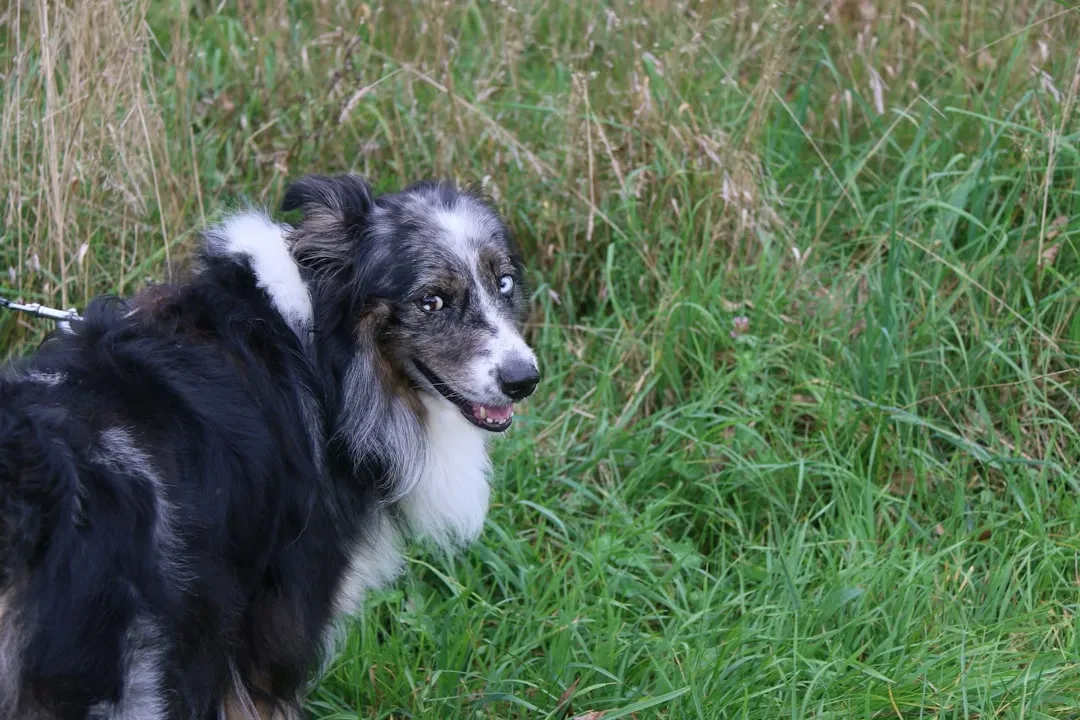
Your dog isn’t always right beside you, but every so often they poke their head into the room, make eye contact, and wander off again. It looks casual, but it means a lot. When your dog constantly checks on you and pops into rooms, it’s a clear indication of the strong attachment they have with you as their parental figure.
Throughout walks, playtime, or new environments, dogs often “check in” by looking back at their owner. This frequent eye contact or glance is a way to maintain connection and reassurance, showing that they trust your guidance and want to stay connected during uncertain situations. It’s a quiet, understated form of love. Like your pup is just making sure you’re still there, and that’s enough for them.
7. They Lean Their Body Against You
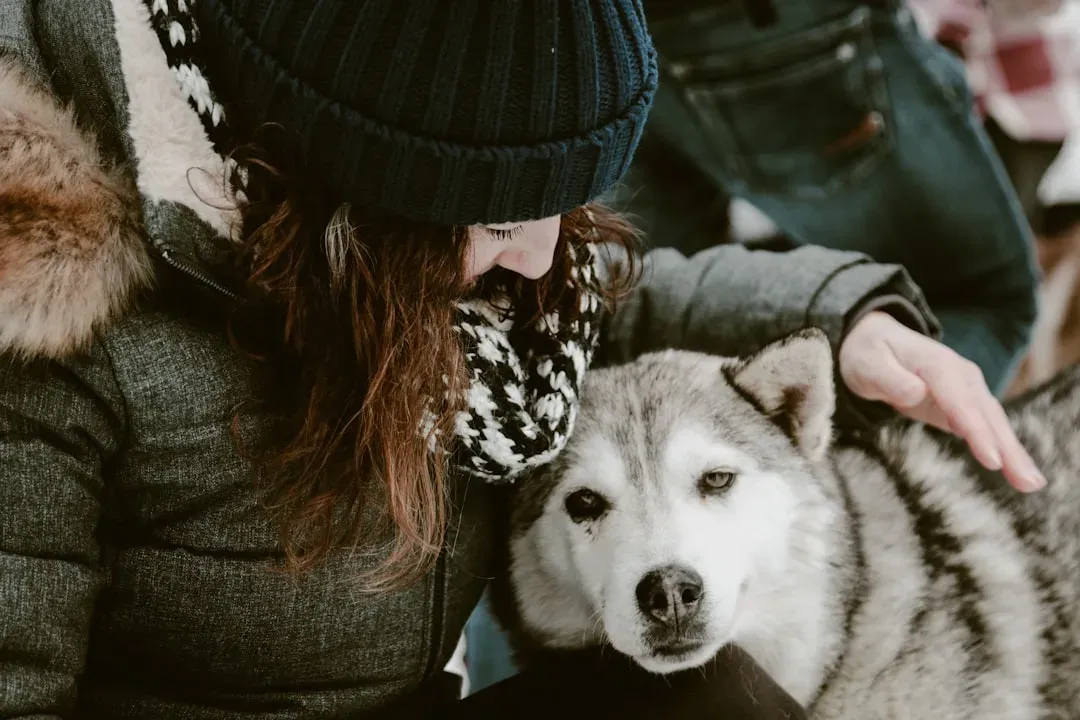
Some dogs don’t jump or lick much. Instead, they walk over and just… lean. Hard. Right against your leg or your side. In a dog’s body language, sticking close is their way of hugging you. They may lean against your leg or sit right on your foot. That’s their special way of showing affection.
If you take your dog to a new and unfamiliar environment, they might lean against you for comfort. These dogs are sometimes referred to as “velcro dogs” because of their attachment to you, according to the American Kennel Club. They stay close to you because they crave your protection and security. This means your pet considers you a reliable figure in their life, and they view you as their safe space. Let’s be real, a dog leaning on you is one of the most grounding feelings in the world.
8. They Mirror Your Moods and Behavior
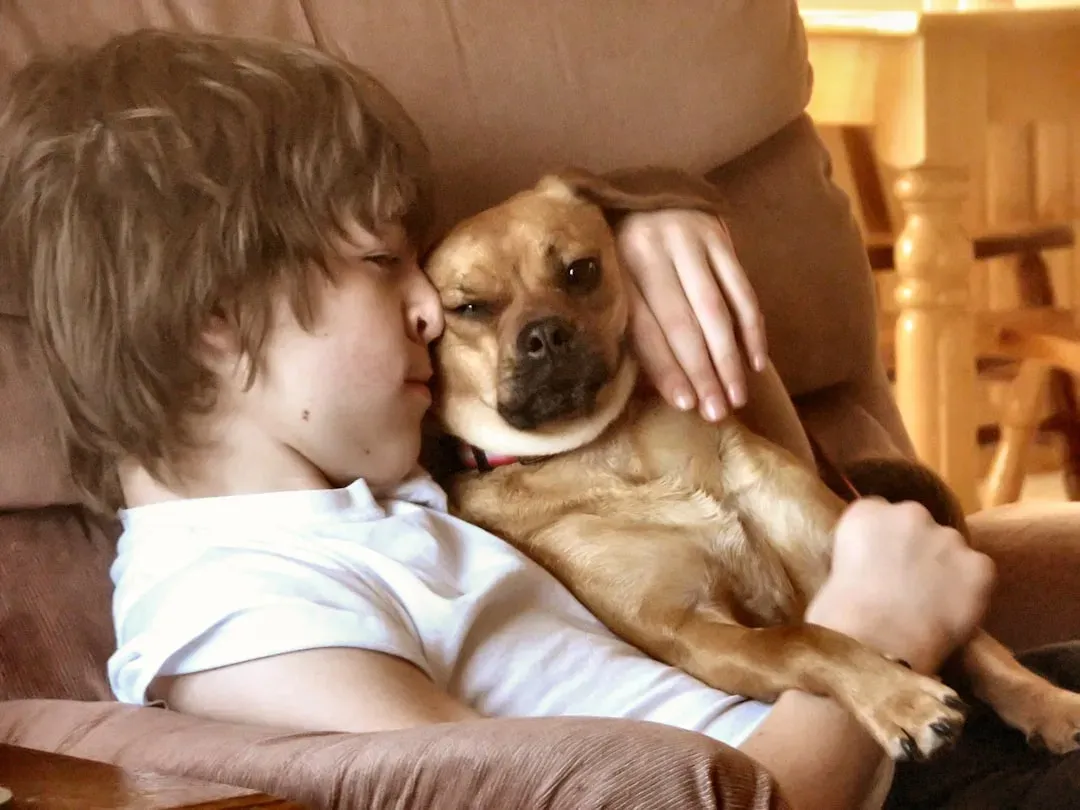
You slump on the couch feeling tired, and suddenly your dog is suspiciously calm too. You get excited about something, and they start bouncing around the room. It’s not a coincidence. Dogs raised in nurturing homes tend to be calm, playful, and responsive. They watch their humans closely, looking for emotional cues, and often mirror their owners’ moods. An angry or anxious owner may inadvertently cause stress behaviors in their pet, such as shivering, excessive licking, or destructiveness.
If your dog adjusts their activity level to match yours or copies your body language, like yawning when you yawn, it shows they are closely attuned to you and see you as the center of their social world. This emotional mirroring is fascinating and a little humbling. Your dog is essentially reading you like a book, all day long. Be mindful of the energy you bring home.
9. They Sleep Near You or Choose to Rest on Your Things
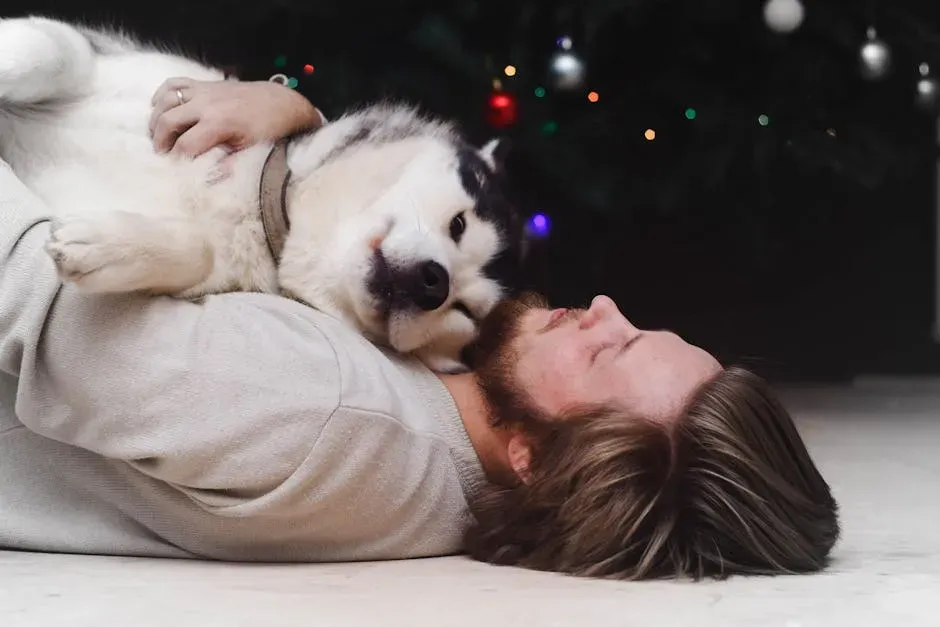
There’s something deeply telling about where your dog chooses to sleep. One of the strongest indicators that your dog considers you a parental figure is where they choose to sleep. If your dog regularly curls up at your feet, this may signify more than just habit or convenience.
Dogs raised in secure homes often seek closeness during vulnerable moments, especially sleep. Dogs tend to sleep near those they trust most, especially during uncertain times like thunderstorms, travel, or illness. It’s hard to say for sure whether your dog dreams about you, but their choice of sleeping spot speaks volumes. They’re not just looking for warmth. They’re choosing their person.
10. They Lick You With Calm, Relaxed Affection
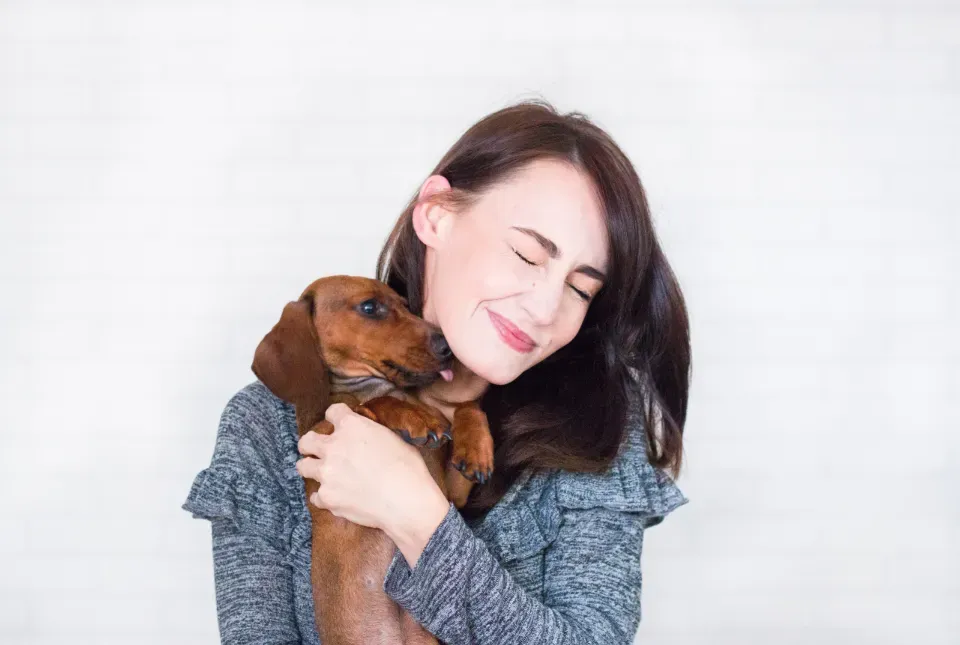
Not all licking is created equal. A frantic, anxious lick is very different from a slow, deliberate one that your dog gives you when you’re sitting quietly together. Licking is one of the most misunderstood canine behaviors. While many owners interpret face-licking as affection, it can actually mean different things depending on context. Licking is often an appeasement gesture, but relaxed licking paired with loose body language likely indicates love and contentment.
For dogs, grooming is a way to care for their loved ones. They care about your health and hygiene and want to ensure your well-being. Dogs often groom those they see as family members. So when your pup gives you a slow, deliberate lick on the hand while you’re watching TV, take it for exactly what it is. Pure, simple love. Dad-approved love, at that.
Conclusion: You’ve Earned the Title
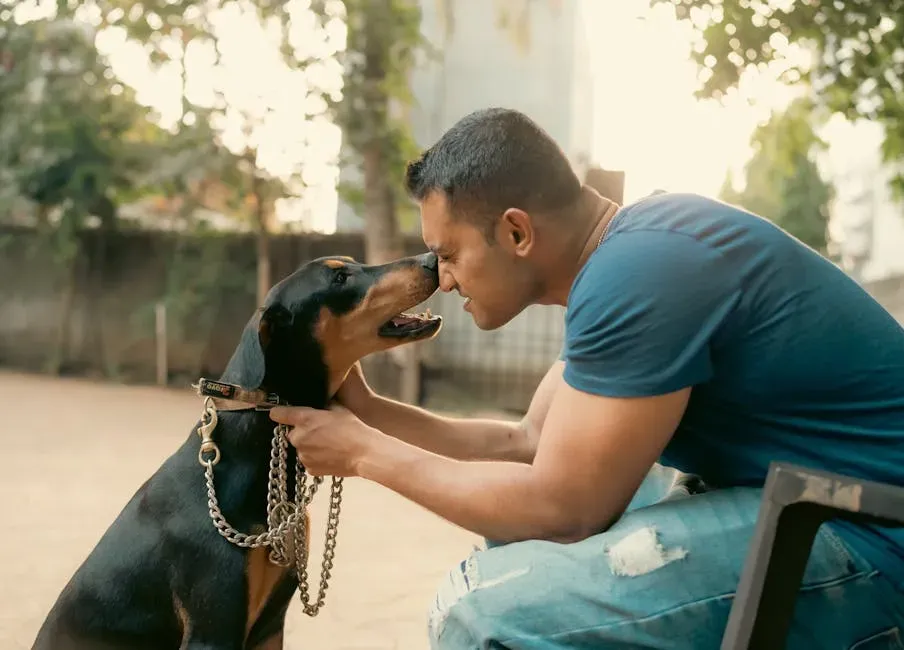
Science says dogs do actually form attachments similar to those between humans and their kids. Research conducted by scientists at the University of Veterinary Medicine in Vienna revealed that the bond between dogs and their owners shares striking similarities with the bond found among parents and their children. This study was the first to trace the roots of this bonding back to what’s known as the “secure base effect,” which plays a fundamental role in parent-child bonding.
If your dog follows you, stares at you, leans on you, and loses their mind when you come home, congratulations. Recognizing that your dog may view you as a parent can help strengthen your bond and support better training and communication. Dogs that feel secure and loved are more likely to be emotionally balanced and responsive to guidance.
Being a dog dad isn’t just a fun label. It’s a real responsibility, and clearly, your dog already believes in you. The question is, are you fully showing up for them the way they show up for you every single day? Think about that next time they’re waiting at the door with that wagging tail. What do you think? Drop your thoughts in the comments, we’d love to hear about your dog dad moments.


