
Picture this moment: your dog gazes directly into your eyes after you’ve been away all day, tail wagging with pure, unfiltered joy. That look holds thousands of years of evolution, bonding, and love all wrapped into one heartwarming second. Dogs have shared a symbiotic relationship with humans for at least 15,000 to 30,000 years, developing unique abilities to interpret and respond to human signaling that exceed even those of chimpanzees.
Every day, you perform countless small actions that might seem ordinary to you. Yet for your canine companion, these simple gestures become treasured memories that strengthen your bond in ways you might never have imagined. Dogs pay more attention to the actions of their caregivers than to those of other familiar humans, showing selective attention that mirrors human parent-infant relationships. Let’s explore the powerful moments that create lasting impressions in your dog’s heart and mind.
The Power of Your Pointing Finger
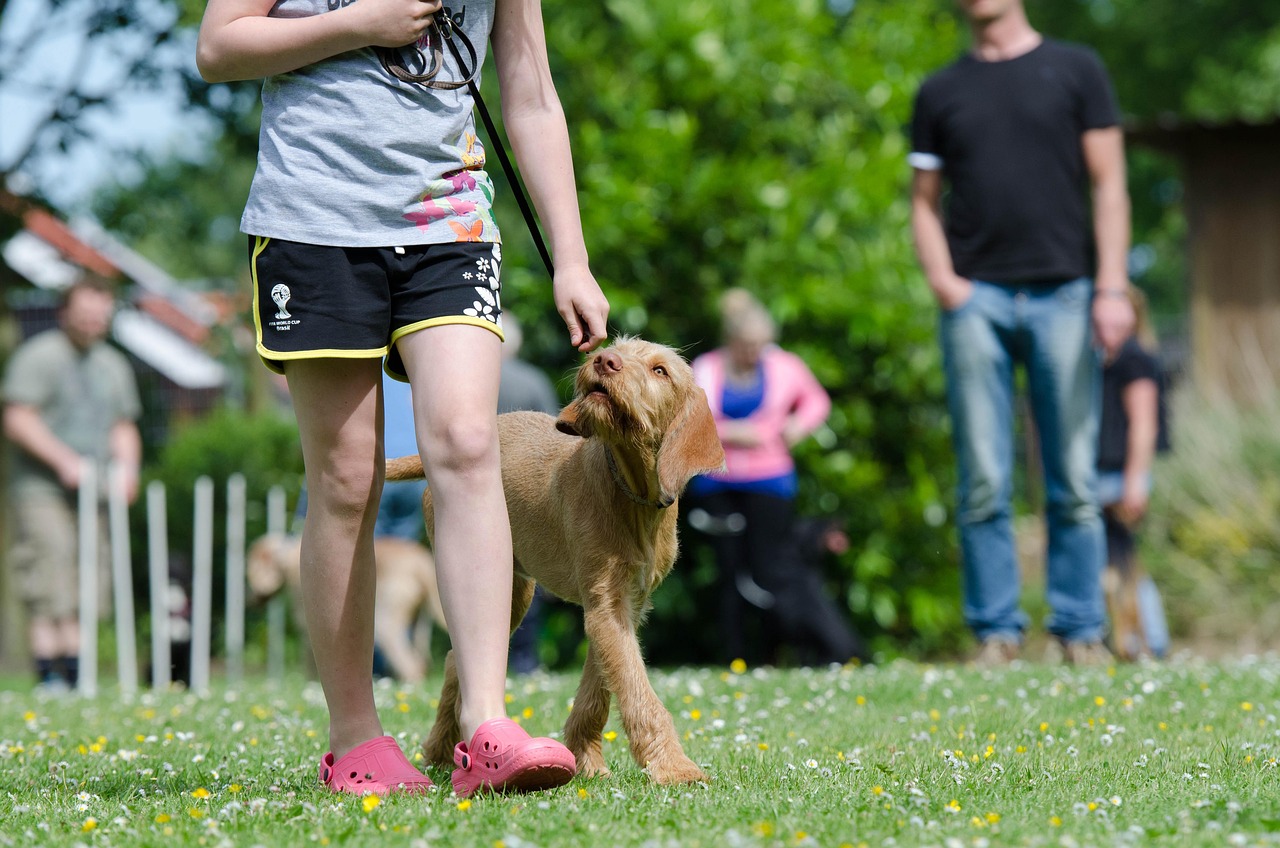
Puppies as young as eight weeks can understand instructions from humans, such as finger-pointing and gazing towards an object. When you point to show your dog where their favorite toy lies hidden or direct them toward their food bowl, you’re engaging in one of the most remarkable forms of interspecies communication.
Dogs appear to have an innate tendency to be predisposed to learn pointing gestures through their co-evolution with humans, though the process is more complex than simple innate understanding. Research shows that a combination of the owner’s gaze and gesture work separately but are stronger together, with dogs needing both the pointing motion and direct eye contact focused on the target to cement their understanding.
This simple gesture taps into your dog’s natural desire to cooperate with you. Dogs view humans as cooperative beings who are ‘on their side’, unlike chimps who tend to be competitive over resources. Every time you point, you’re reinforcing this ancient partnership that makes your relationship so special.
Gentle Touch That Speaks Volumes
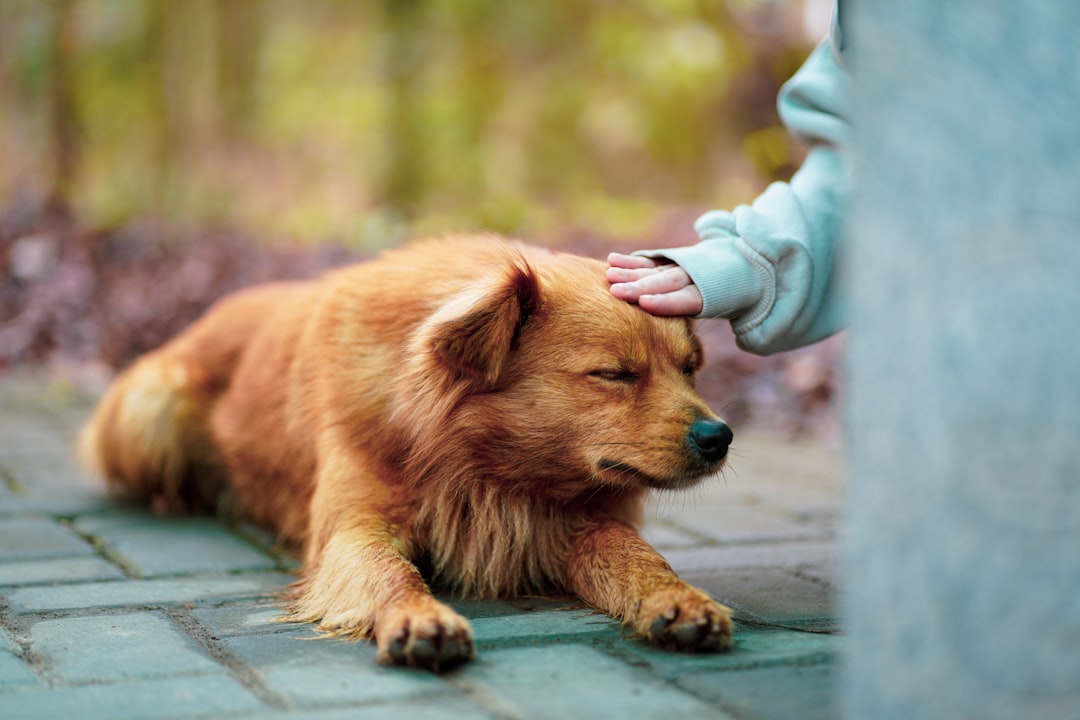
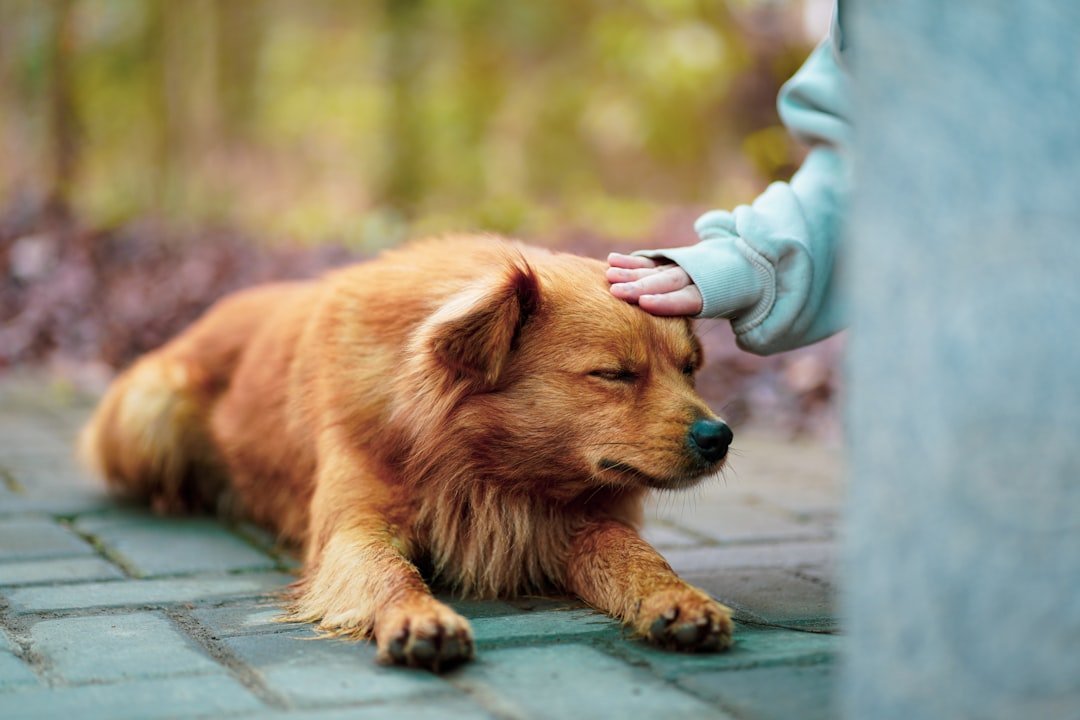
Touch between humans and dogs triggers the release of the bonding hormone oxytocin in both species. When you stroke your dog’s chest or scratch behind their ears, you’re creating a chemical cascade of happiness and security that they’ll remember long after the moment passes.
Dogs respond best to slow touches, gentle pressure, and rhythmic strokes in the direction of their fur, with most preferring to be rubbed on the chest, shoulder, and base of the tail. Research demonstrates that petting can lower a dog’s heart rate and blood pressure, creating a calming effect that helps explain why dogs seek out touch during times of stress or anxiety.
This physical contact mimics the gentle grooming behaviors dogs experienced from their mothers as puppies, helping them bond with their human companions. Studies show that techniques involving gentle, circular touches can effectively reduce stress in dogs, providing comfort and promoting relaxation.
Eye Contact That Builds Unbreakable Bonds
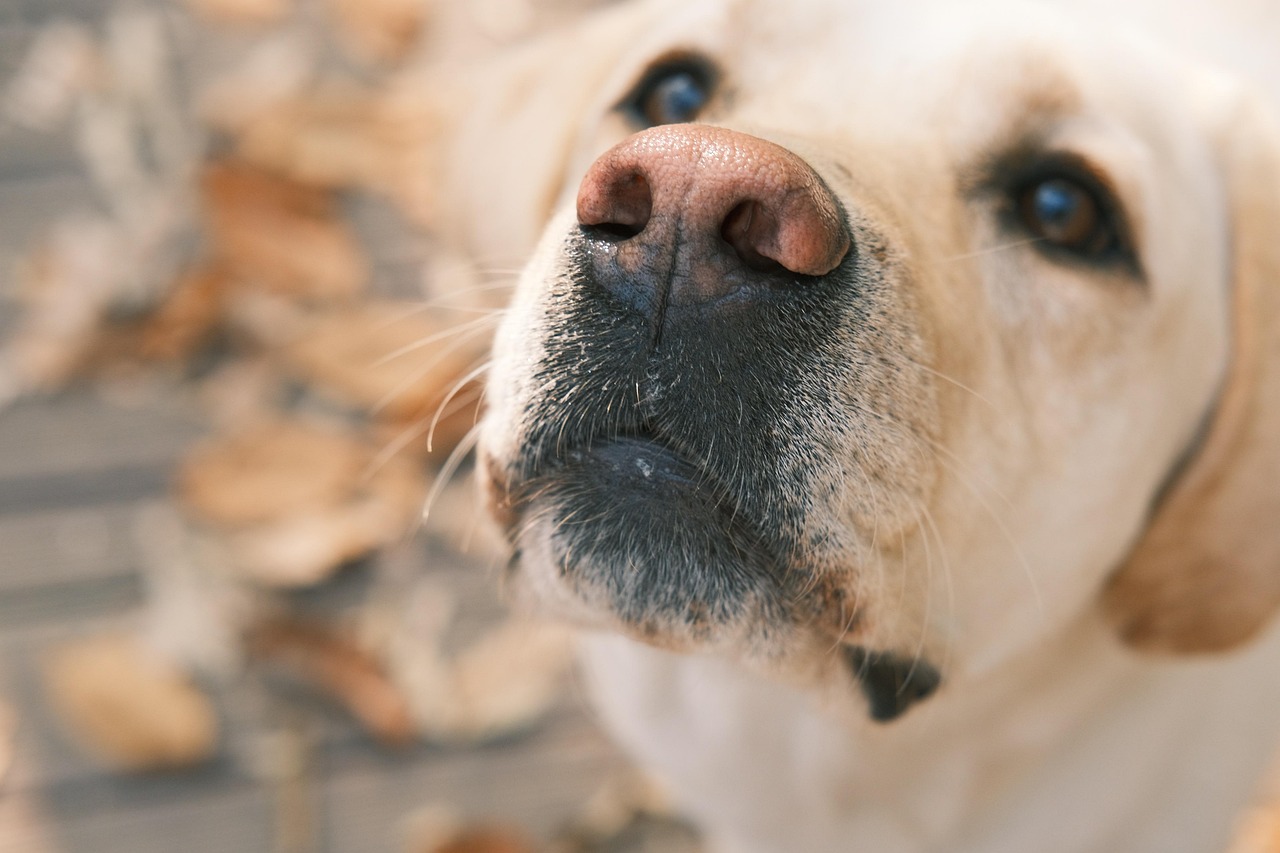
Making eye contact activates the oxytocin system in both dogs and humans, with this hormone released when we feel comfortable, safe, and in friendships. That moment when you look into your dog’s eyes isn’t just sweet – it’s scientifically proven to strengthen your relationship.
Research from Japan documents that when you look at your pet, you’ll often see your dog is already looking at you, and making that eye contact provides activation opportunities for bonding hormones to work. However, context matters immensely. In loving relationships, eye contact serves as a sign of trust and love, unlike in challenging situations where it might be perceived as threatening.
This daily exchange of glances creates a feedback loop of affection. Your dog learns to seek out your gaze, and you both benefit from the neurochemical reward that follows. These moments of connection become touchstones in your relationship that your dog will treasure throughout their lifetime.
The Magic of Your Voice When Praising
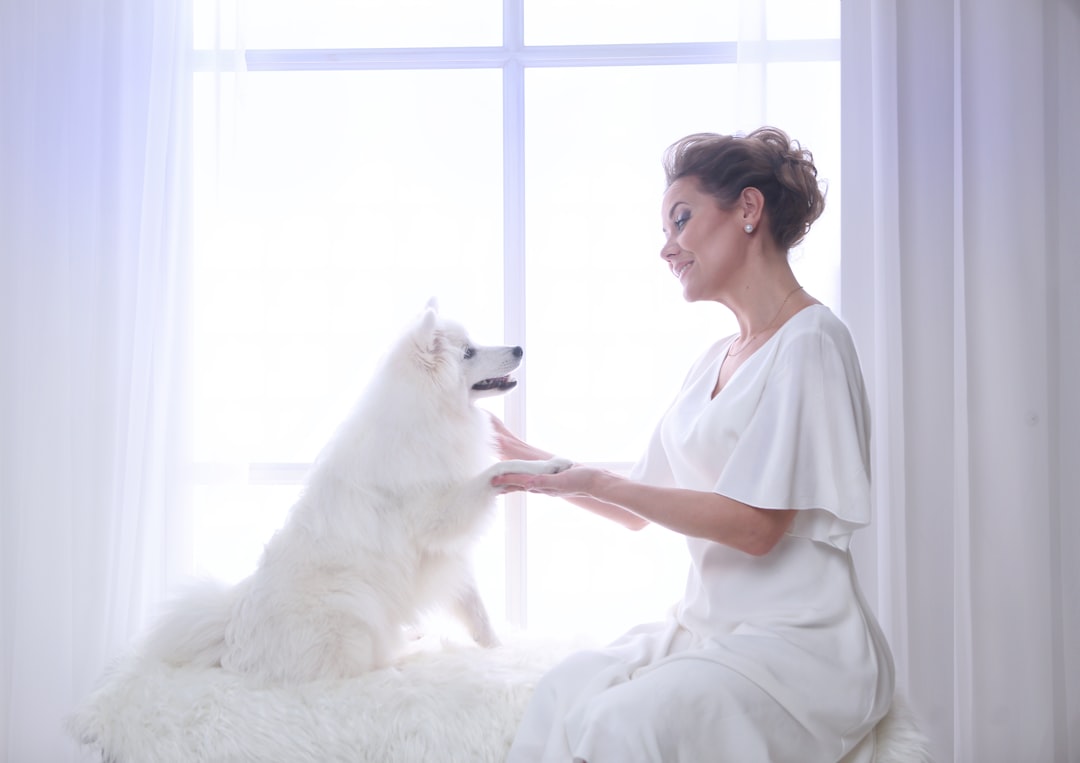
Dogs are motivated by praise, with studies showing that individual dogs vary in their preferences between praise and treats. The way you say “good dog” carries emotional weight that resonates deeply with your canine friend, creating positive associations they’ll never forget.
Each time you use praise, it should be coupled with enthusiastic verbal rewards, saying something like “yes” or “good dog” in an enthusiastic tone of voice. Dogs use human voice intonation as a social cue, extracting information about people’s reactions and following human gestures when given with cooperative intention while ignoring them if given with a prohibiting voice.
Simply acknowledging your dog with verbal praise for good decisions is a powerful way to encourage repetition, and once you start watching for praise-worthy behavior, you’ll see it constantly. Your voice becomes a bridge between your thoughts and your dog’s understanding, creating lasting memories of approval and love.
Consistent Commands That Create Security
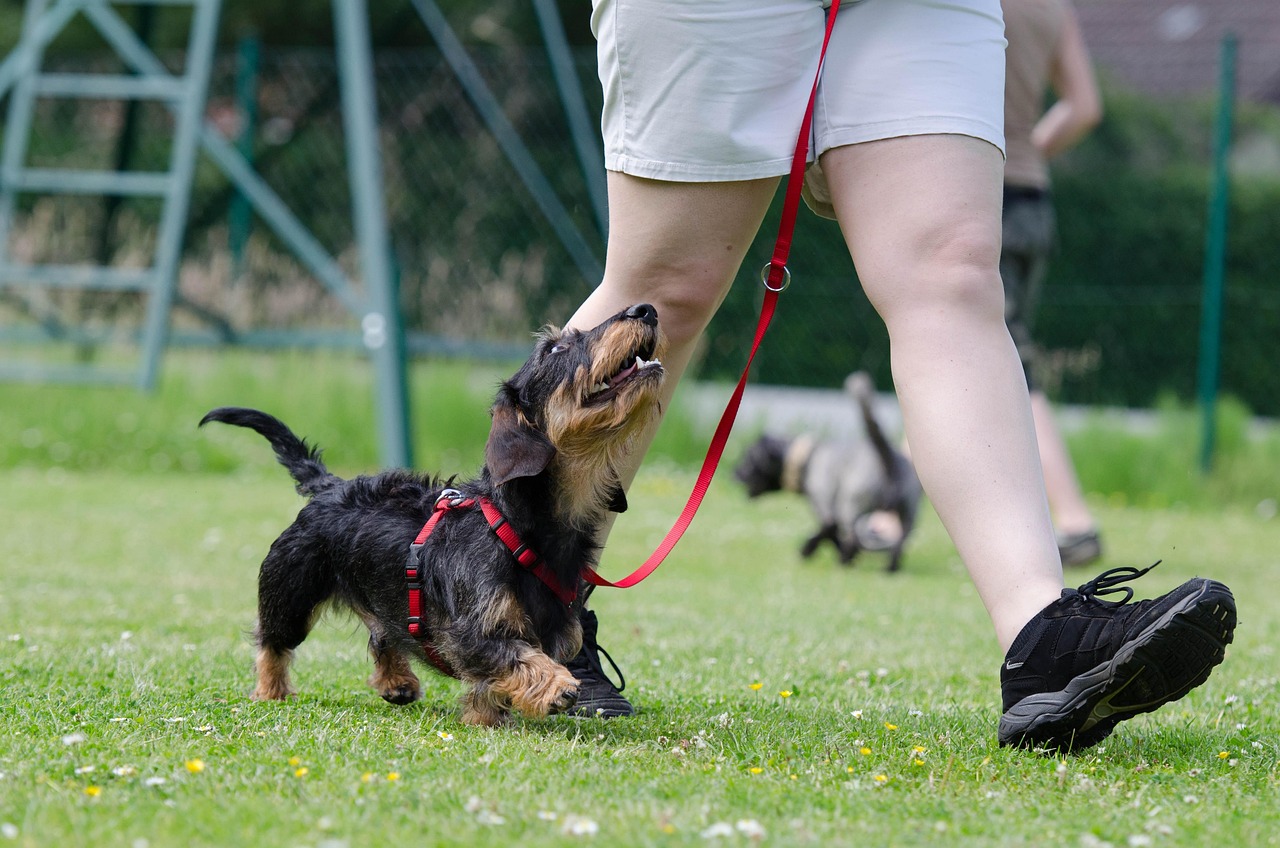
Everyone in the family should use the same cues to avoid confusing your dog, with consistency meaning always rewarding desired behavior and never rewarding undesired behavior. When you stick to the same words and gestures, you give your dog the gift of predictability in an often chaotic world.
Studies show that dogs learn better when commands and routines are repeated consistently, leading to improved long-term retention and making it easier to achieve desired outcomes while establishing reliable behavior patterns. Consistency also means that everyone in the household should follow the same rules, as mixed signals from different family members can confuse dogs about expectations.
For your pup to be happy and comfortable in your home, a dependable, consistent environment makes your dog feel safe and stable. This reliability becomes a cornerstone of trust that your dog will remember and appreciate throughout their life.
Immediate Rewards for Perfect Timing
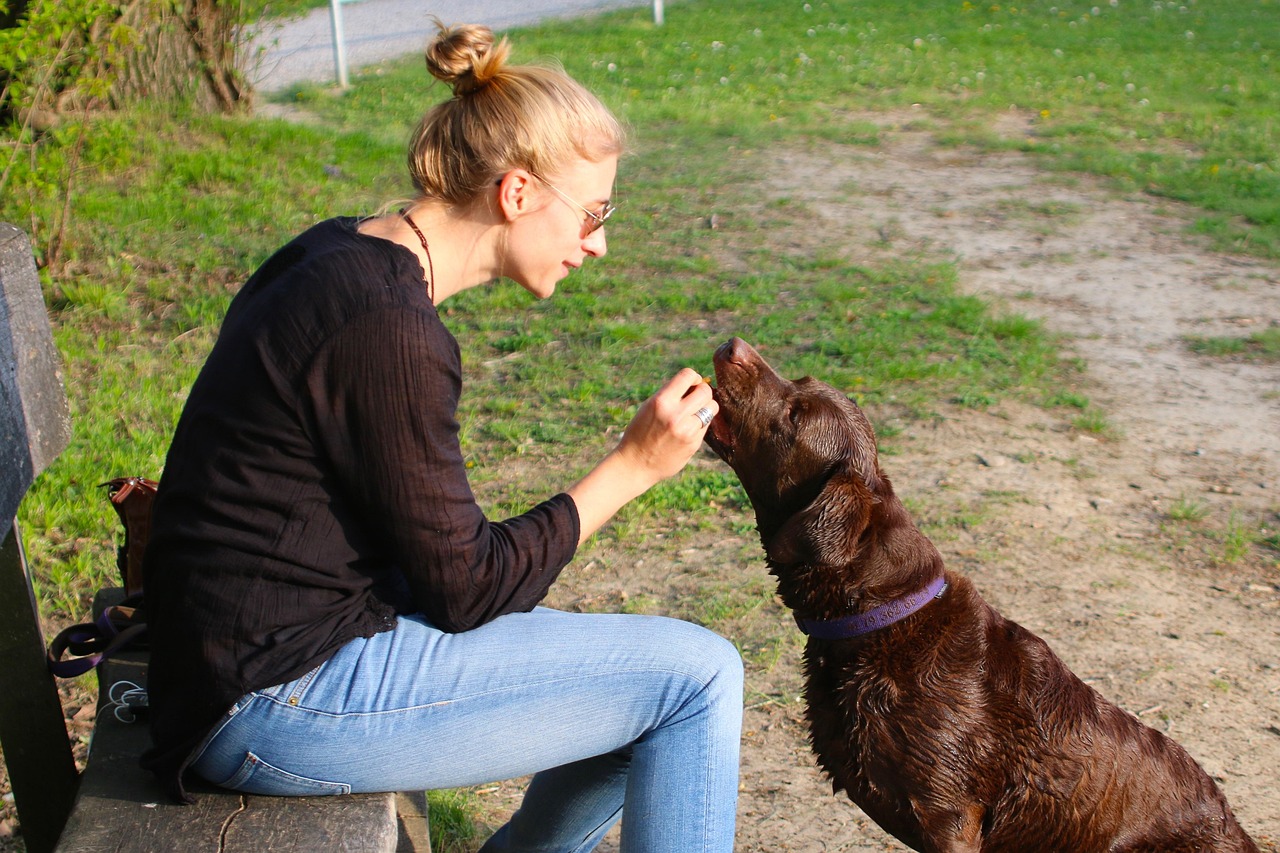
Correct timing is essential when using positive reinforcement, with rewards occurring immediately within seconds of the desired behavior, or your pet may not associate it with the proper action. That split-second when you deliver praise or treats creates powerful learning moments .
Positive reinforcement works best when you reward your dog immediately after they perform the desired action with treats, praise, or play, with quicker rewards creating stronger connections in your dog’s mind. With positive reinforcement, timing is everything – reinforcement must immediately follow behavior, or if delayed, your pet might have moved on to another behavior and become confused about what they’re being rewarded for.
These perfectly timed moments of recognition become emotional landmarks in your dog’s memory. They learn to trust that good choices lead to good things, creating a foundation of positive association that lasts a lifetime.
Gentle Guidance During Training Sessions
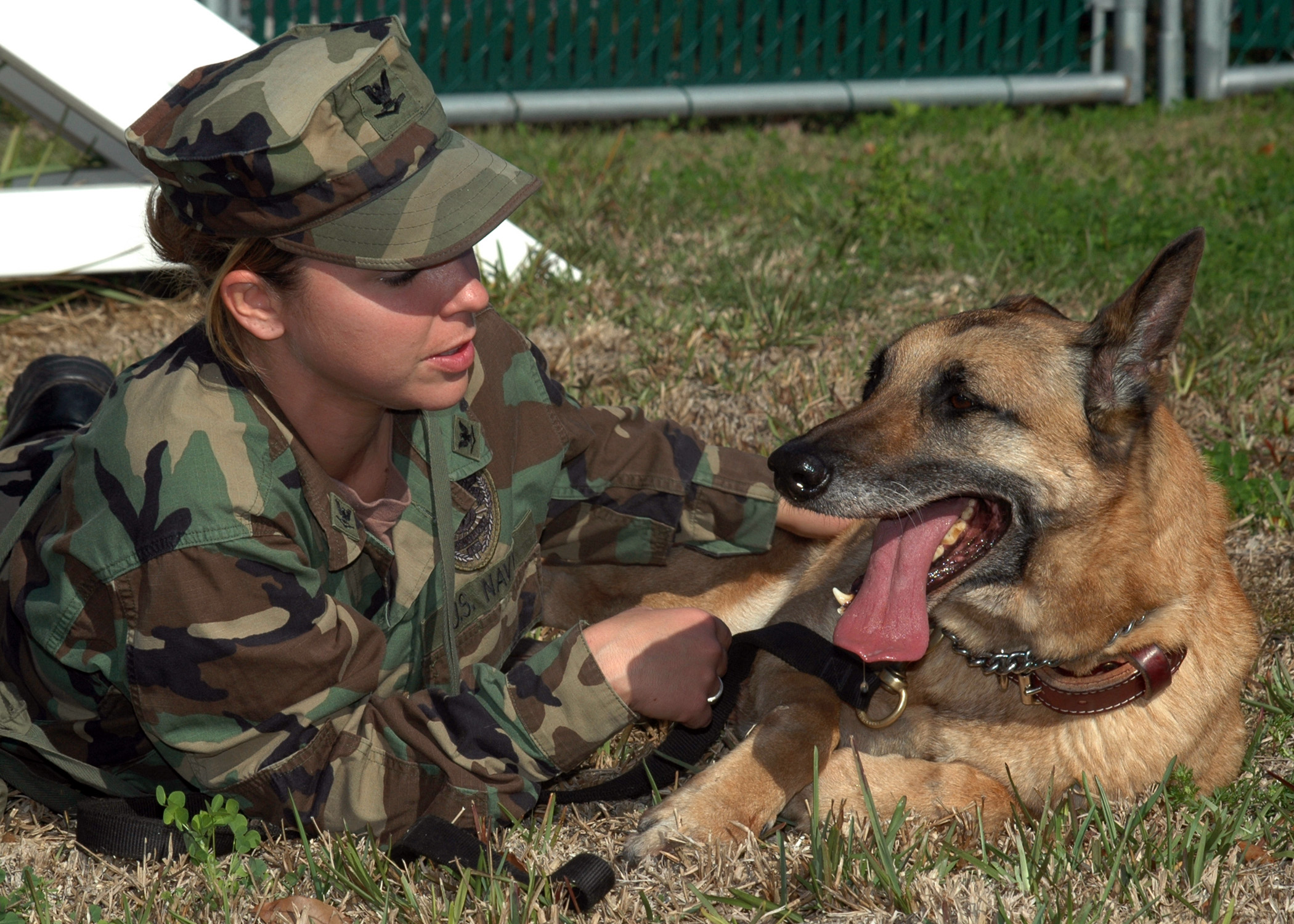
Training often requires “shaping,” which means reinforcing something close to the desired response and gradually requiring more from your dog before they receive a treat. When you patiently guide your dog through new skills, you’re building confidence and creating positive learning experiences.
All dogs learn at different paces, so being patient, consistent, and persistent is crucial, with positive reinforcement only being effective if it’s constant, predictable, and reproducible. Training should be fun for both you and your pup, with sessions kept around 10 minutes maximum to maintain attention spans and help dogs associate training sessions as playtime.
Training using positive reinforcement is not only effective but also a relationship builder, with rewards for good behavior creating safe spaces for learning while avoiding punishment-based methods that can damage trust. These nurturing learning experiences become treasured memories that reinforce your role as a trusted guide and teacher.
Mindful Physical Contact and Petting
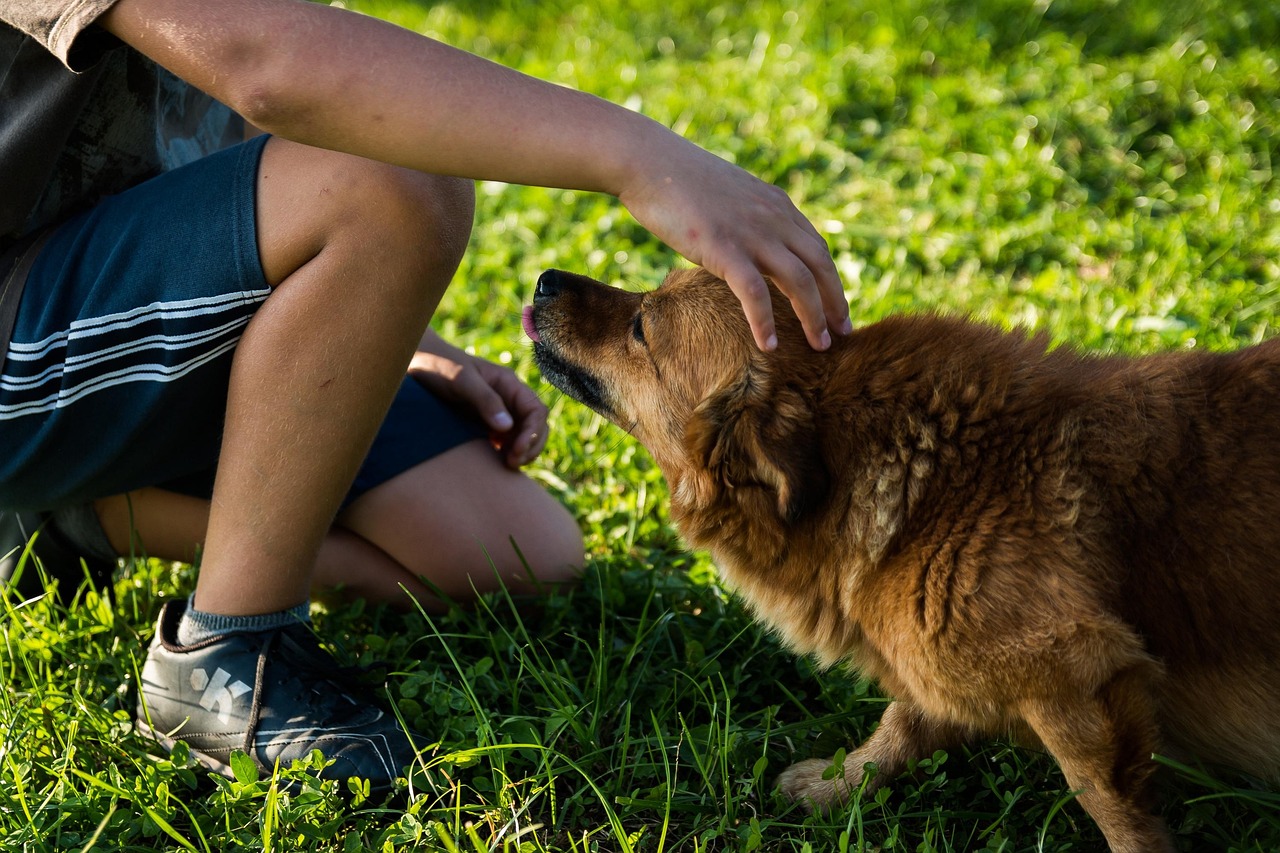
Regular brushing, gentle petting, or massage not only keeps your dog healthy but also reinforces your bond, with touch building trust and comfort when paired with positive experiences. Every stroke of your hand creates a physical memory that communicates love and security.
Studies show that dogs’ brains release oxytocin when being petted, while petting and human touch can lower cortisol levels (the stress hormone), which explains why dogs turn to humans for security and comfort when feeling anxious. Gentle stroking stimulates nerve endings and sends pleasurable signals to the brain, releasing feel-good hormones that strengthen your dog’s sense of security and connection.
The rhythmic motion of petting is naturally soothing, similar to how people find comfort in massages. These moments of physical connection become anchors of safety and love that your dog carries with them always.
Reading and Respecting Their Body Language
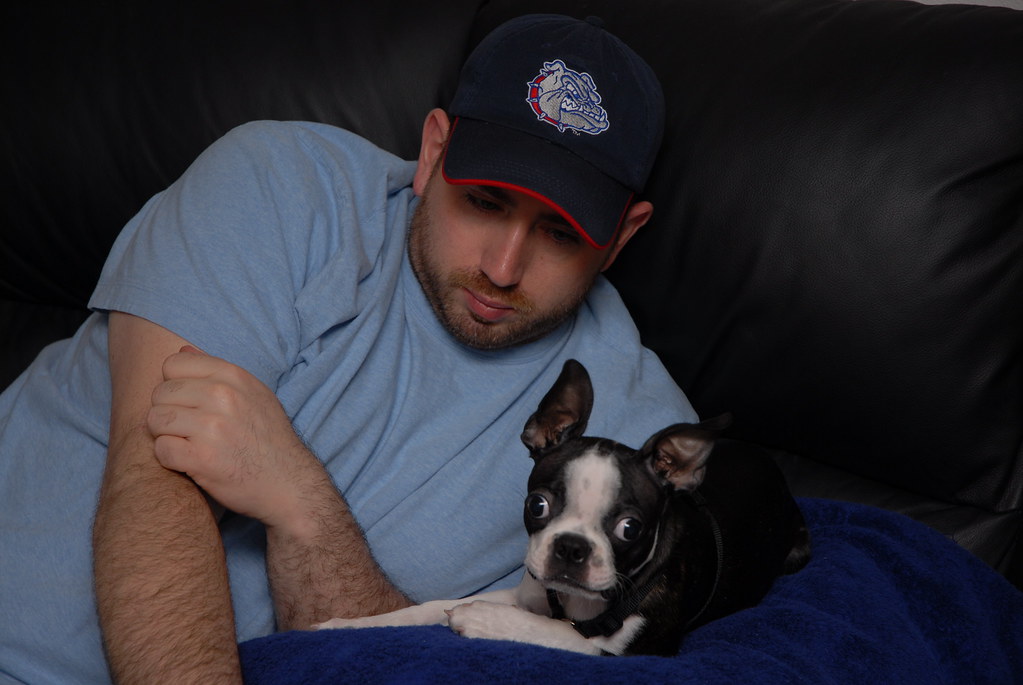
Understanding your dog’s body language is one of the most powerful ways to strengthen your bond, as dogs communicate through their posture, tail movements, ears, eyes, and overall behavior, with learning to recognize signs of stress, fear, or excitement helping you respond appropriately. When you truly see and understand your dog’s signals, you validate their communication in unforgettable ways.
Paying attention to body language and stopping when dogs pull away or seem uncomfortable shows respect for their boundaries, with understanding preferences and respecting limits being key to ensuring dogs feel secure. Positive signs of enjoyment include relaxed posture, soft eyes, gentle tail wagging, and leaning into touch, while signs of discomfort include turning away, tensing up, showing the whites of eyes, or moving away from touch.
This respectful communication creates a foundation of mutual understanding. Your dog learns they can trust you to listen to their needs, building confidence and deepening your emotional connection in ways that resonate for years to come.
Creating Positive Daily Routines
Training at the same time each day helps create routines that dogs thrive on, with consistent environments helping dogs understand expected behaviors while building confidence and security. The predictable rhythms you establish become comforting constants in your dog’s world.
Spending time with your dog beyond walks and feeding is important for growing your relationship, with simple activities like playing games, going for walks, or hanging out on the couch helping dogs feel comfortable with you and their environment. Becoming a student of your dog’s behavior and realigning your perspective to watch for praise-worthy behavior helps you see the good constantly.
There are many small opportunities to reinforce good behavior, such as having your dog sit before going out the door, before petting, or before feeding, with simple pats and “good dog” praise for calm lying behavior. These daily moments of recognition and routine create a tapestry of positive memories that define your relationship.
Conclusion
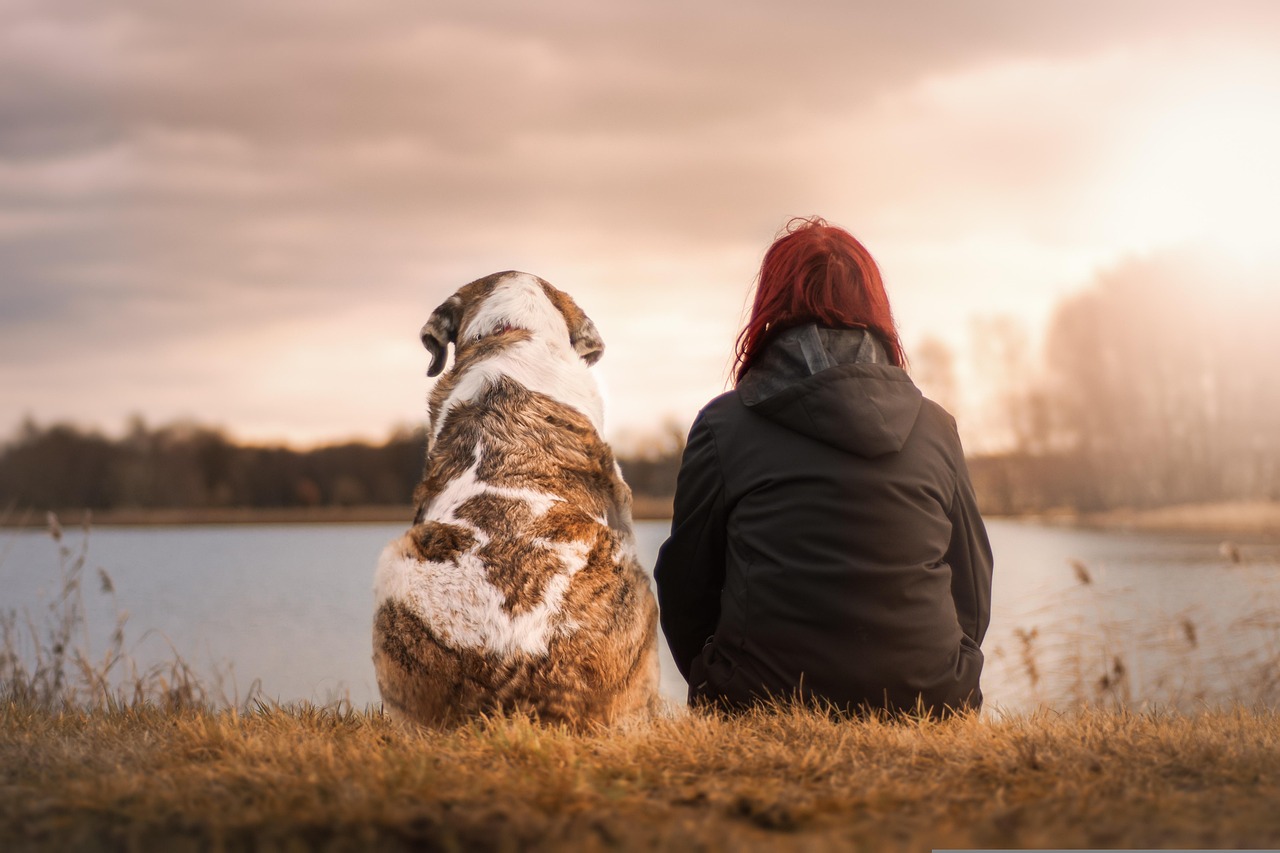
The simple gestures that fill your days with your dog are far more powerful than you might realize. Each pointed finger, gentle touch, loving glance, and word of praise creates lasting imprints in your dog’s memory and heart. Fostering a fair relationship with your dog involves rewarding desired behavior with what they value, encouraging dogs to engage happily with life while strengthening the bond between human and canine companions.
These ten gestures work together to create an unbreakable foundation of trust, love, and communication. They transform ordinary moments into extraordinary memories that your dog will carry throughout their lifetime. The beauty lies not in grand gestures, but in the consistent, mindful ways you choose to connect with your furry best friend every single day.
What simple gesture will you be more mindful of starting today? Your dog is already watching, waiting, and ready to treasure whatever love you’re willing to share.


