
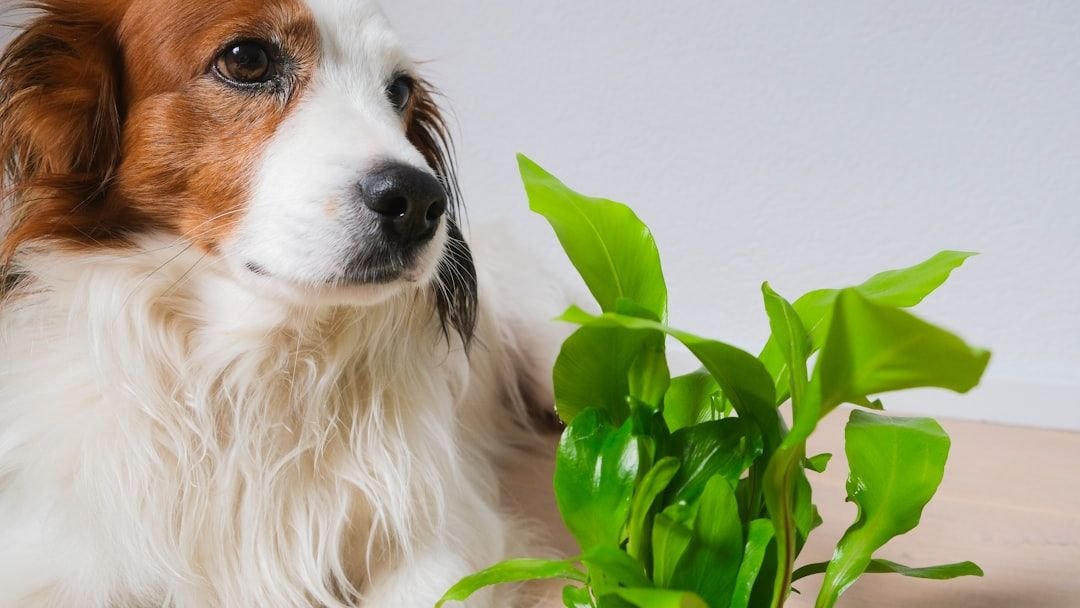
Imagine this: you’ve just brought home the newest member of your family. Those soft paws, the wagging tail, the excited sniffles exploring every corner. It’s magical, honestly. Then reality hits when you find your favorite shoes shredded or, worse, your pup has gotten into something they shouldn’t have. I’ve seen it happen time and again, and it’s heartbreaking for both pet and parent.
Your home is about to become your dog’s entire world, their playground, their sanctuary, their universe. What looks perfectly harmless to you might be a hidden danger to a curious canine. Think about it from their perspective for a moment. They’re low to the ground, nose leading the way, discovering textures, tastes, and scents you’d never notice. Creating a dog-proof home isn’t about being paranoid or overprotective. It’s about love, really. Let’s walk through some straightforward ways to make your space safe so you can both breathe easier.
Secure Those Tempting Trash Cans
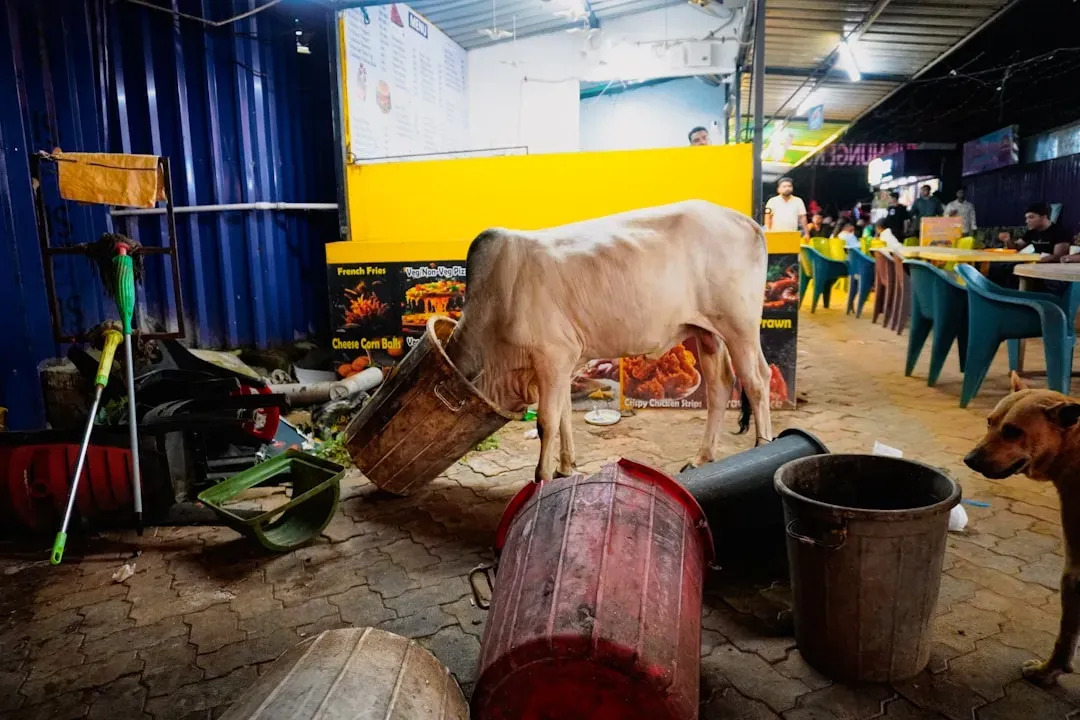
Dogs have an almost supernatural ability to sniff out trash, don’t they? What smells like last night’s leftovers to you is basically a treasure chest to your pup. Puppies are naturally curious and may explore trash cans, which can lead to ingestion of toxic foods or suffocation in snack bags. The kitchen bin becomes enemy number one when you have a food-motivated dog at home.
Use dog-proof trash cans with locking lids and place them inside cabinets. If cabinet space isn’t an option, invest in a sturdy can with a pedal mechanism that seals tight. I know it sounds simple, but this one change can prevent countless vet visits. Emptying your trash more frequently also helps by reducing those irresistible smells that call to your dog like a siren song.
Tame the Electrical Cord Jungle
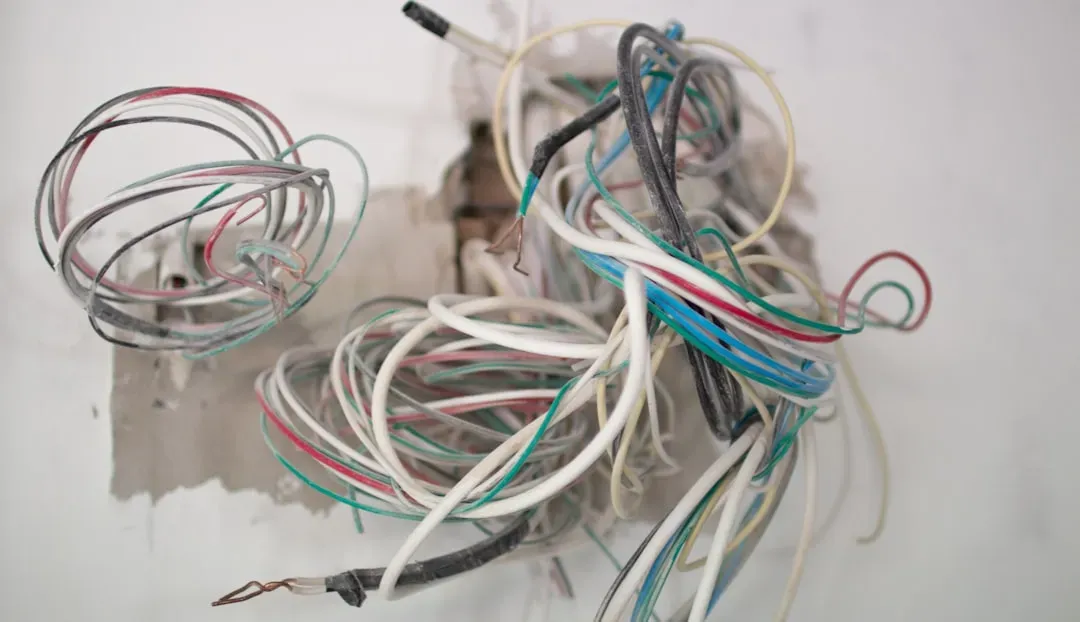
Dangling cords are like chew toys with a death wish. Use cord covers to prevent accidental burns or shocks, and keep cords organized so your puppy can’t get tangled up in them. Young dogs especially love the texture and the challenge of gnawing on something that feels different.
You can tuck cords behind furniture or tape them along baseboards where little mouths can’t reach. Cord concealers are inexpensive and widely available. Honestly, it takes maybe an hour to puppy-proof your electronics, but that hour could save your dog’s life. Unplugging devices when not in use adds another layer of protection.
Lock Away Household Chemicals and Cleaners
Cleaning products made with chemicals like bleach, chlorine, and phenols can have a corrosive effect on your dog’s skin, eyes, and lungs. We often store these under the sink or in low cabinets, right at nose level for a curious dog. That’s a recipe for disaster.
Install childproof latches on cabinets containing cleaners, medications, and any chemical products. Keep everything sealed and stored high if possible. It’s not just about preventing your dog from drinking bleach, although that’s terrifying enough. Even residue on surfaces or fumes can harm them. Always rinse areas thoroughly after cleaning and keep your pup out of freshly cleaned rooms until everything dries.
Let’s be real: dogs will try to get into things. They’re relentless explorers. Your job is to make those explorations as safe as humanly possible.
Remove or Relocate Toxic Plants
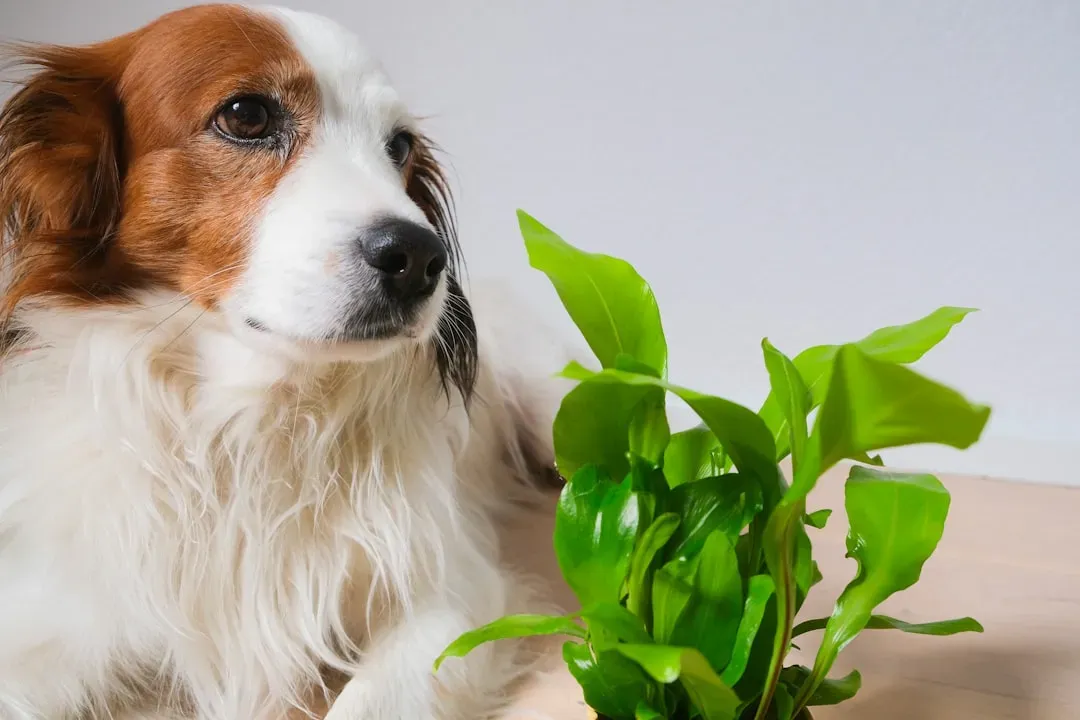
That gorgeous pothos trailing from your bookshelf? Toxic. Blooming beauties like autumn crocus, tulips, daffodils, and lilies of the valley are toxic to dogs, and even more toxic are shrubs like oleander, azalea, and rhododendron. Many pet parents don’t realize how many common houseplants can make their dogs seriously ill.
Check every plant in your home and yard against the ASPCA’s list of toxic and non-toxic plants. Swap out dangerous varieties for dog-safe alternatives like spider plants or certain types of palms. If you’re attached to a particular plant, move it to a room your dog can’t access. Puppies especially love to dig in soil and nibble on leaves, so vigilance here is crucial.
Store Medications Out of Paw’s Reach
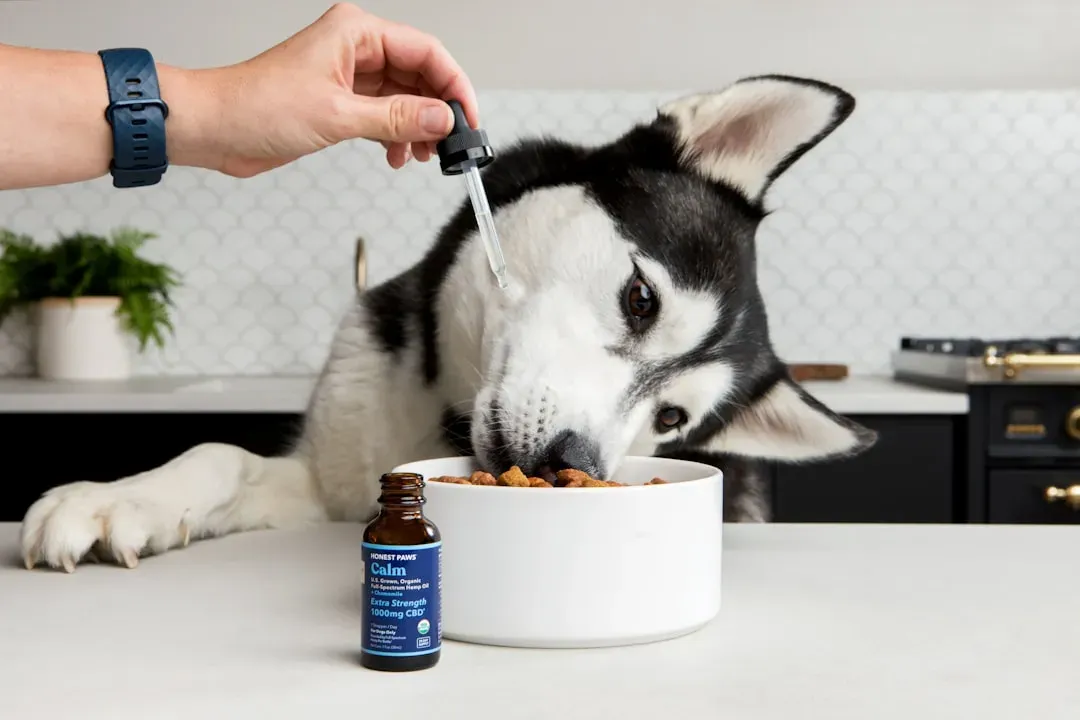
Over-the-counter human medications are easily accessible in most homes, purses, backpacks, and cars. Things like ibuprofen, acetaminophen, and even seemingly harmless supplements can be deadly for dogs. Ibuprofen has a narrow margin of safety in dogs, and signs of toxicosis can occur when as little as half a 200 mg pill is given to a 25-pound dog.
Never leave pills on counters or bedside tables. Store all medications in high cabinets with secure closures. If you drop a pill on the floor, find it immediately before your dog does. They’re faster than you think. The same goes for vitamins, herbal supplements, and prescription drugs. Treat them all as potential hazards.
Create Puppy Zones with Baby Gates
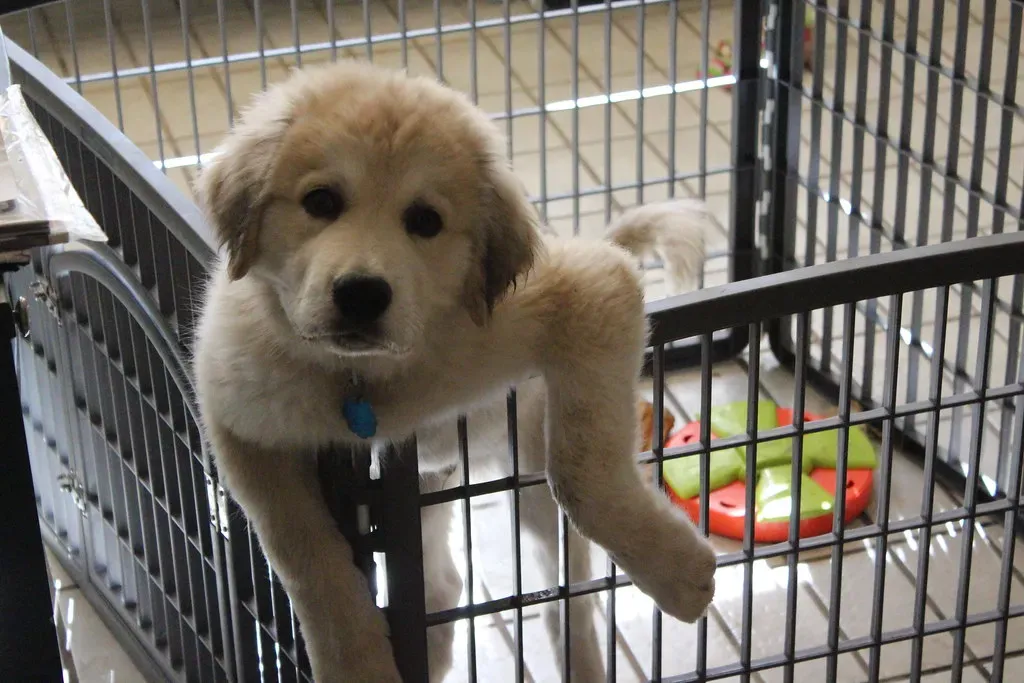
Creating specific areas and designating off-limits rooms helps to manage your puppy’s environment and reduces the risk of accidents by using baby gates to confine your puppy to safe zones. Not every room needs to be accessible all the time, especially when you’re still learning your dog’s habits and tendencies.
Install sturdy gates to block stairs, the kitchen during meal prep, or rooms with expensive or dangerous items. This also helps with house training since dogs naturally avoid soiling their immediate living space. Start with limited access and gradually expand their territory as they mature and earn your trust. It creates boundaries without making them feel isolated.
Eliminate Small Choking Hazards
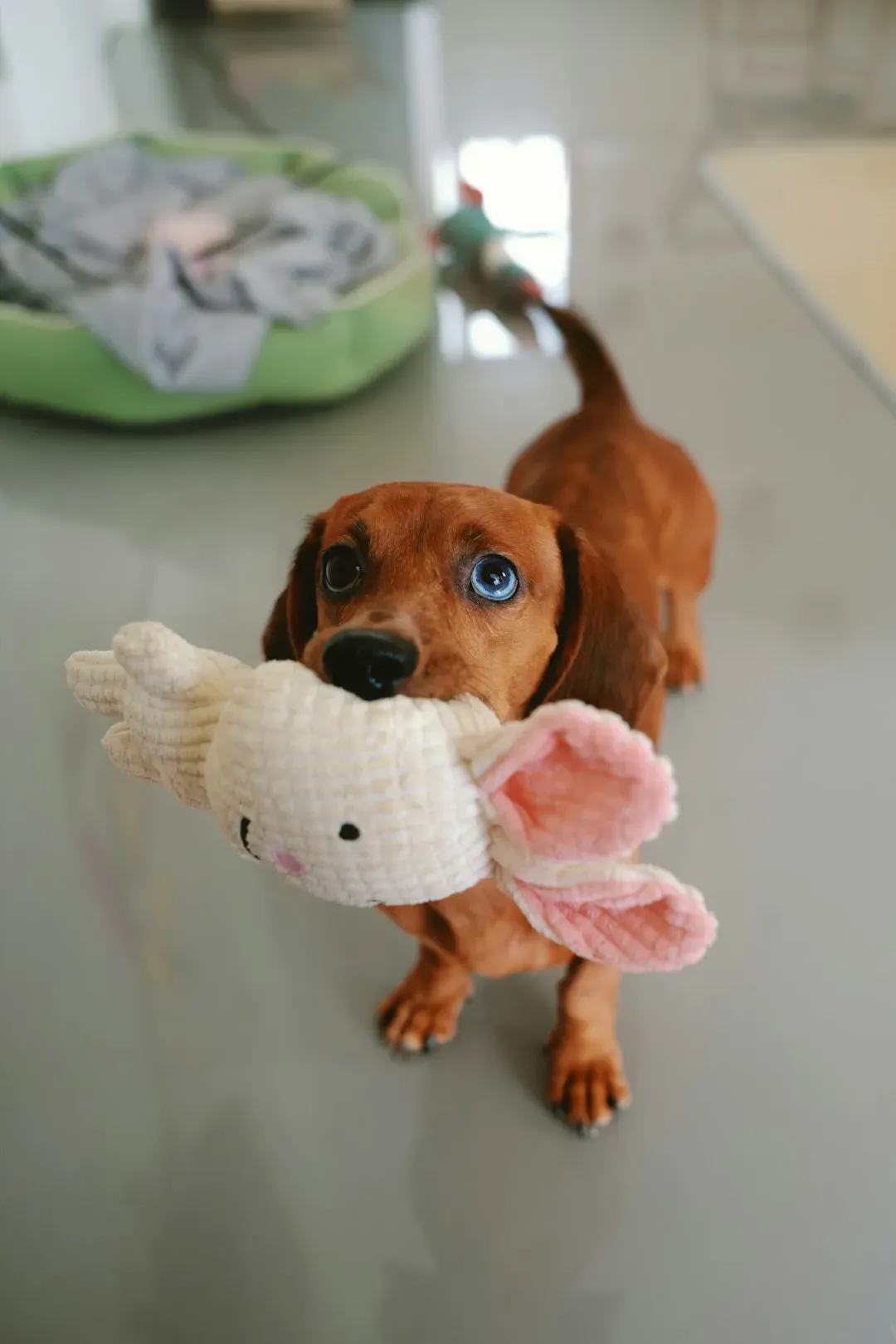
Keep small items off your floor and other surfaces your puppy can access, as common household choking hazards include coins, jewelry, and rubber bands. Hair ties, buttons, paper clips, and children’s toy pieces all pose serious risks. Dogs don’t discriminate. If it fits in their mouth, it’s fair game.
Make it a habit to scan floors and low surfaces daily. Shoes, socks, and other small clothing items make tempting chew toys for many dogs, and if your dog swallows these items, they could end up with an intestinal obstruction. Keep closets closed and laundry in hampers with lids. It sounds tedious until you realize how quickly a trip to the emergency vet adds up, both financially and emotionally.
Safeguard Your Outdoor Space
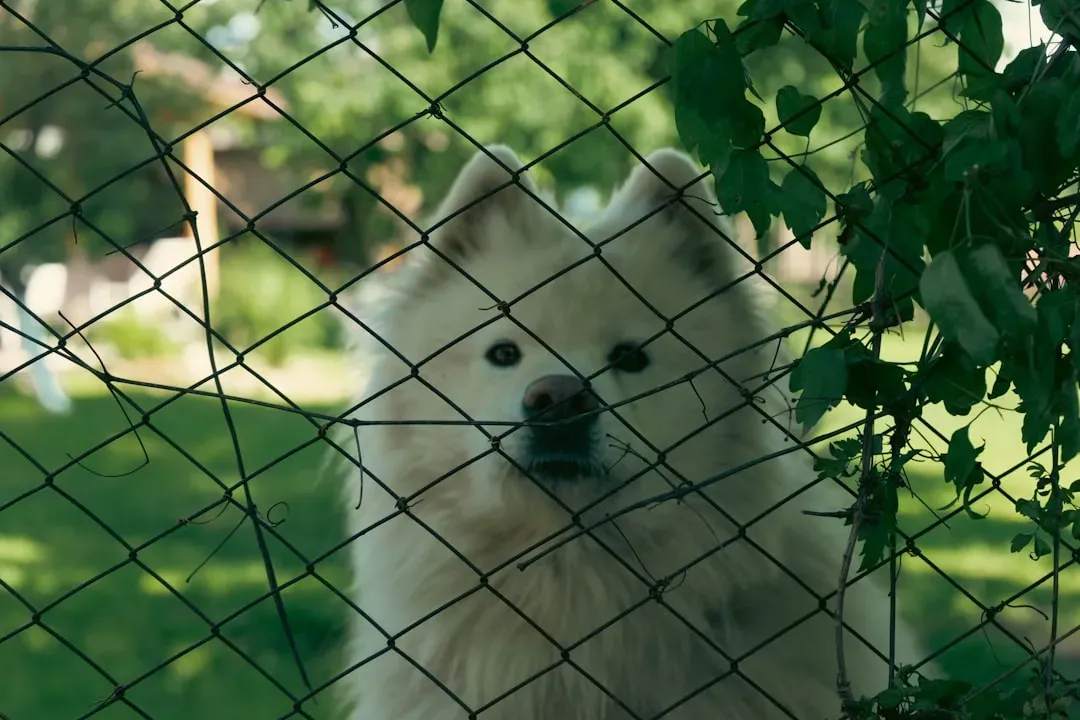
Fence the yard if possible with a fence that is high enough to prevent the puppy from jumping over it, with no holes to crawl through. Even small gaps can become escape routes for determined dogs. Walk your fence line regularly to check for weak spots or digging attempts.
Keep your dog away from the yard if it has recently been treated with fertilizers, pesticides, or insecticides, because the chemicals can be very harmful. Pools and ponds need barriers too since not all dogs instinctively know how to swim or find the steps. Outdoor spaces feel safe, but they require just as much vigilance as indoor areas. Sharp garden tools, toxic mulch, and lawn care products should all be stored securely.
Anchor Heavy Furniture and Electronics
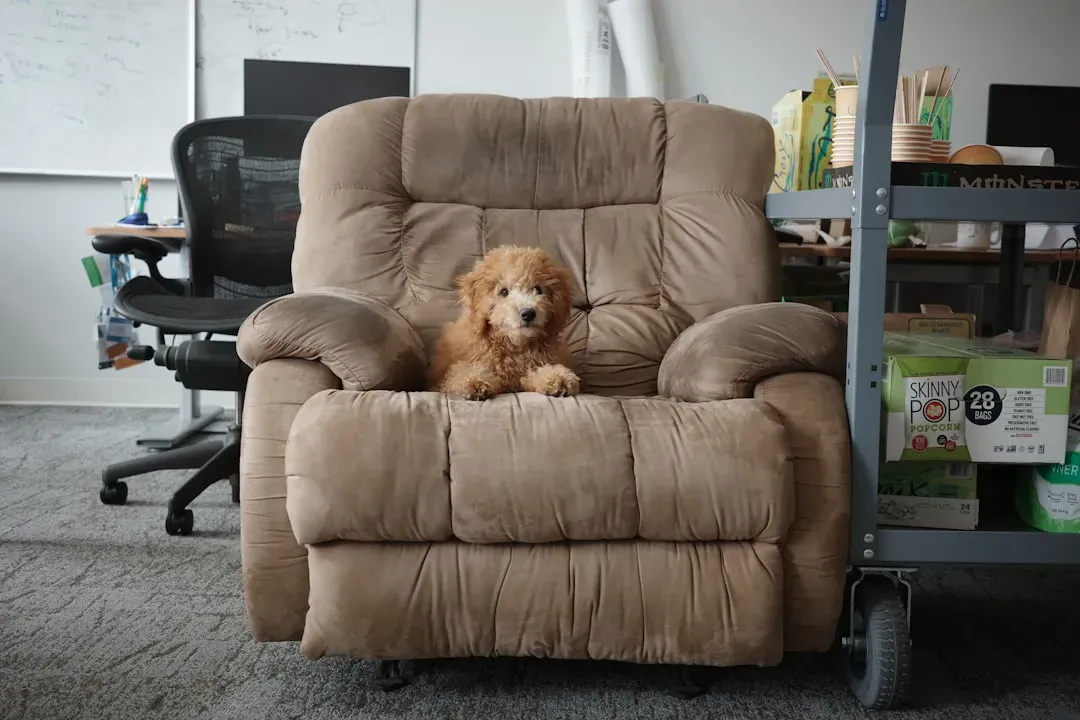
Large dogs can knock things over. Anchor shelves, TVs, bookshelves, and other heavy furniture in your home to nearby walls to prevent them from tipping over onto your pup. This might seem extreme, but I’ve heard too many stories of accidents that could have been prevented with a simple furniture strap.
Wobbly chairs, unstable end tables, and top-heavy bookshelves all become hazards when a playful dog starts bouncing around. Securing these items takes minimal effort and provides massive peace of mind. Think of it as earthquake-proofing but for tail wags and zoomies.
Provide Safe Alternatives and Supervision
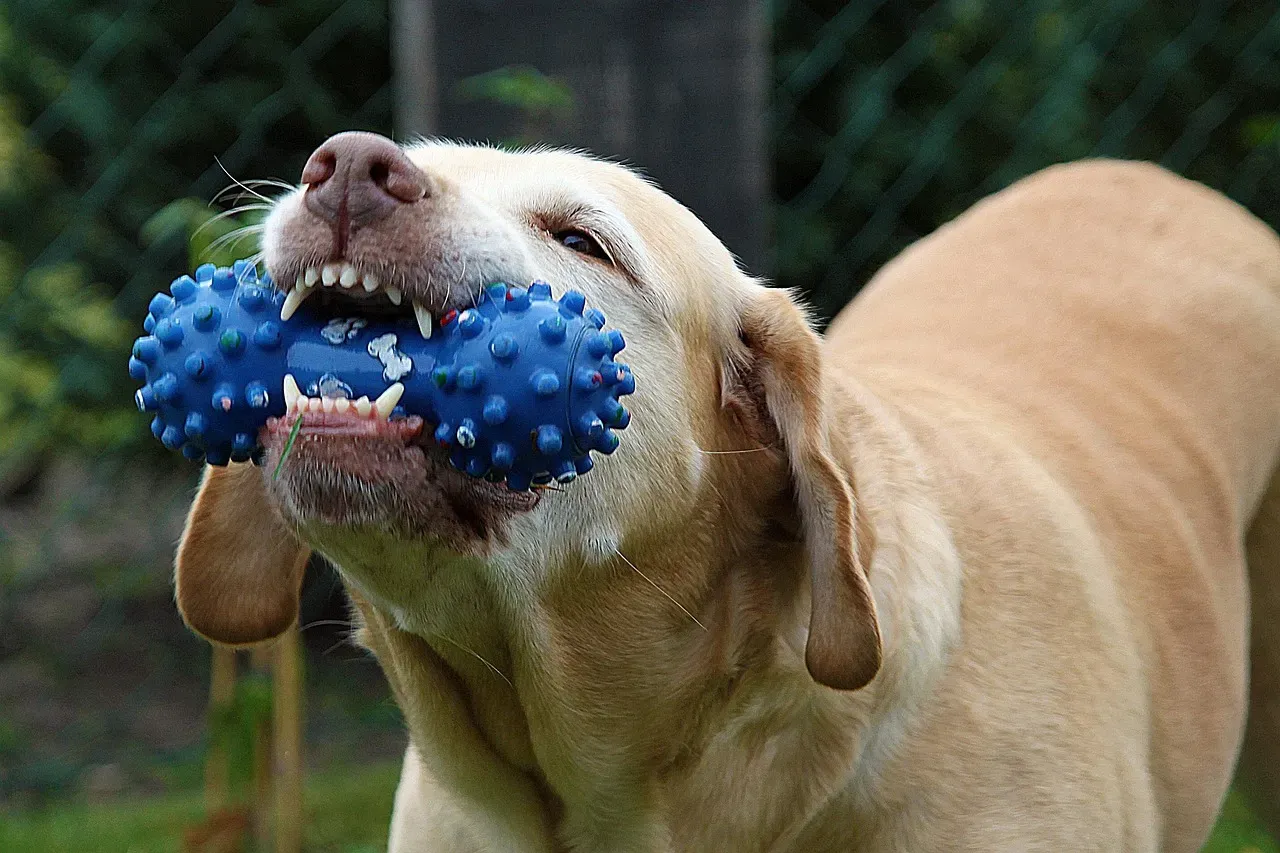
Here’s the thing: dogs are going to chew and explore. It’s hardwired into them. Providing a variety of appropriate chew toys for your dog can help prevent destructive chewing by redirecting this natural behavior. Stock up on durable toys, puzzle feeders, and long-lasting chews to keep them mentally stimulated and physically satisfied.
Supervision is your best tool. Your puppy should always be under your watchful eye, not only for safety but also to help with house training, and when not under your direct supervision, keep them in their crate or puppy pen. Crate training isn’t cruel when done properly. It gives them a den-like space where they feel secure and you know they’re safe.
Wrapping It All Up
Dog-proofing your home isn’t a one-and-done task. It evolves as your dog grows, learns, and tests new boundaries. What works for a tiny puppy might not cut it for a determined adolescent dog with powerful jaws and impressive jumping skills. Stay observant, adjust as needed, and never underestimate your dog’s ability to surprise you.
Creating a safe space for your pup shows them you care about their well-being. It prevents emergencies, saves money, and most importantly, it protects that furry family member you’ve grown to love. Your home becomes a sanctuary where both of you can relax without constant worry. What safety measures have worked best in your home? Feel free to share your experiences with fellow dog parents.


