
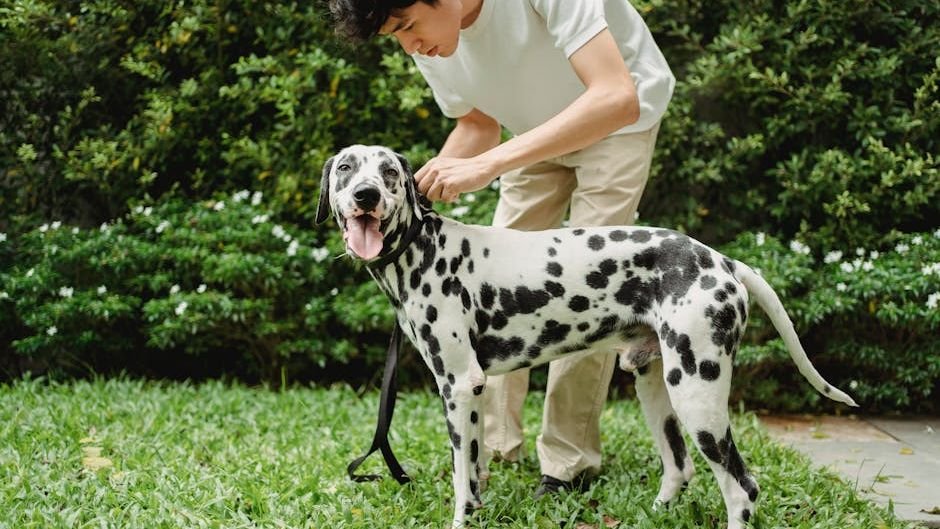
Picture this: it’s a beautiful morning, the birds are singing, the air is fresh, and you step outside for a walk with your dog. Within seconds, you’re being dragged down the sidewalk like a water skier without the water. Sound familiar? You are absolutely not alone in this.
Walking on a leash doesn’t come naturally for many dogs. Honestly, it’s one of those things that feels like it should be easy but turns out to be one of the most humbling parts of dog ownership. The good news? It is completely fixable. With patience, the right techniques, and a little understanding of how your dog thinks, those chaotic walks can become the peaceful, joyful strolls you always imagined. Let’s dive in.
1. Start Indoors Before You Ever Hit the Pavement
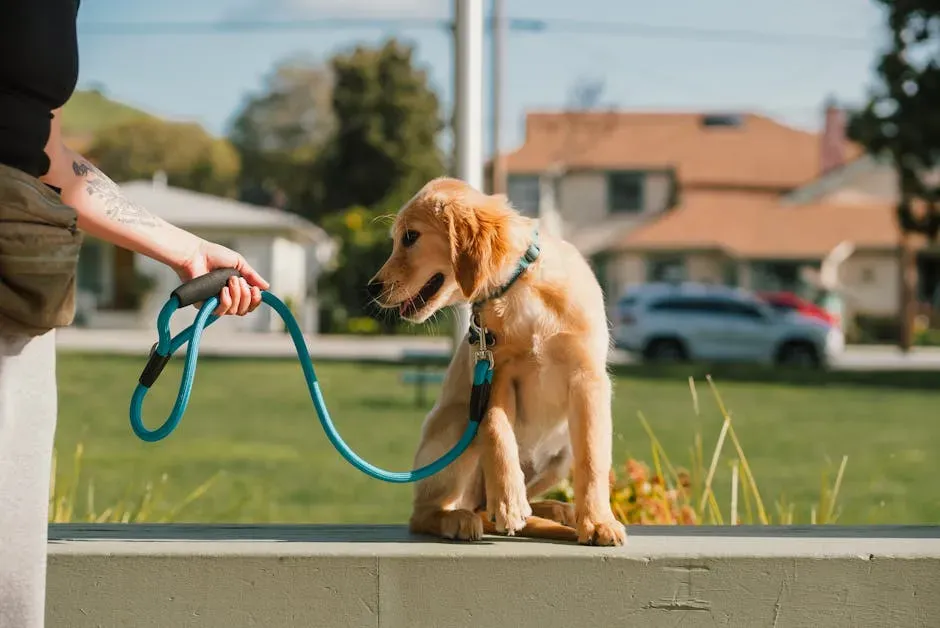
I know it sounds counterintuitive, but the best place to start leash training is not outside. Teaching leash manners indoors, in a small, quiet room, is far easier because dogs are not surrounded by exciting distractions. Think of it like learning to drive in an empty parking lot before you hit the highway. Start small, build confidence, then level up.
Although the goal is keeping a loose leash on outdoor walks, starting indoors removes distractions and stressors that might steal your dog’s attention, letting them focus on you and learning how rewarding the loose leash can be. Once your dog can walk nicely alongside you in the living room, the real world becomes a much less overwhelming challenge for both of you.
2. Choose the Right Equipment From the Start
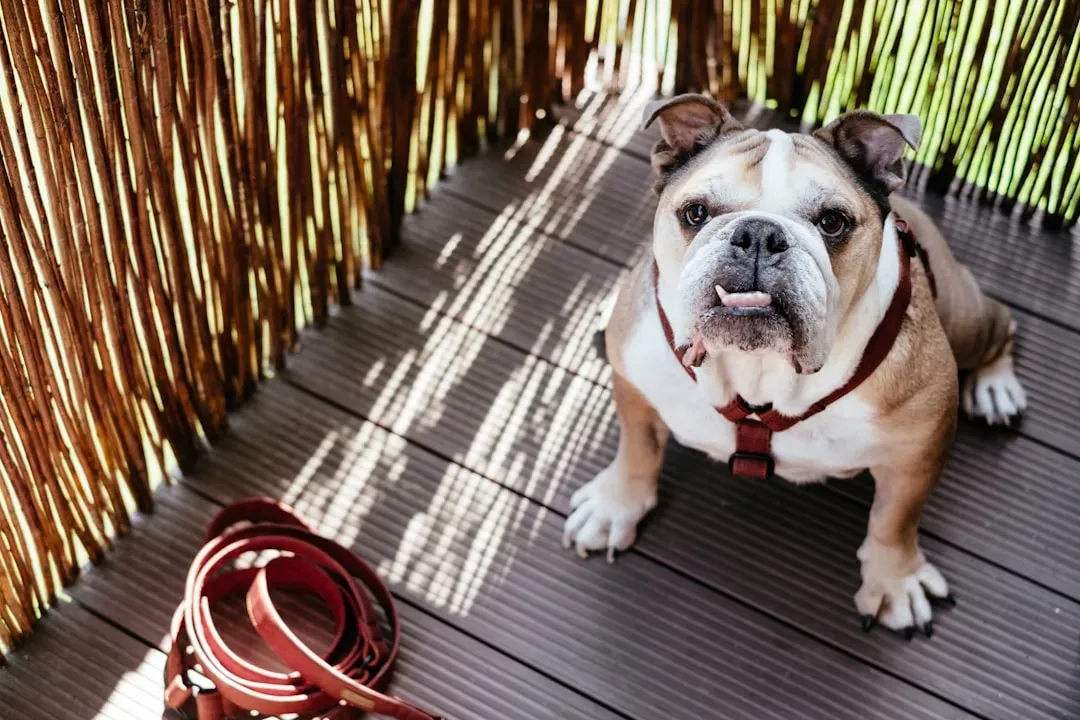
Collars are great for ID tags and showing off your dog’s personality, but for walking, a well-designed harness is recommended. Some harnesses are designed for comfort and some for control. There is a real difference, and the wrong gear can actually work against your training efforts without you even realizing it.
A quality 6-foot leash that feels good in your hand is important, and retractable leashes should be avoided as they can be confusing for some dogs due to their constant pulling effect. Front-clipping harnesses cause your dog to turn to look back at you, encouraging check-ins and naturally discouraging pulling. The right tools set the stage for success before you even take a single step.
3. Use Positive Reinforcement, Not Punishment
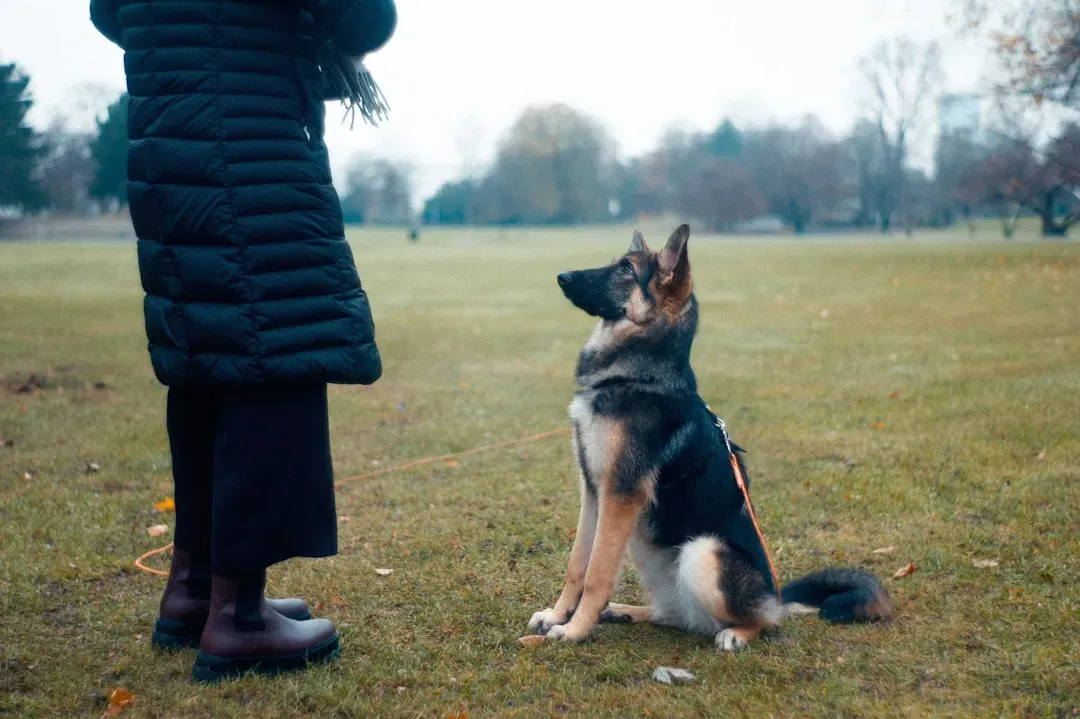
Yanking on the leash doesn’t help your dog learn what they’re supposed to do and can cause injury. Positive reinforcement, such as rewarding your dog with treats for being at your side, works much better. Think of treats as your dog’s paycheck for a job well done. No paycheck, no motivation.
Aversive methods can damage your relationship with your dog and are known for increasing fear and aggression. That is the last thing any loving dog parent wants. Keep training positive, keep it fun, and your dog will genuinely want to be close to you on walks. That connection is everything.
4. Teach Your Dog That a Loose Leash Pays Off
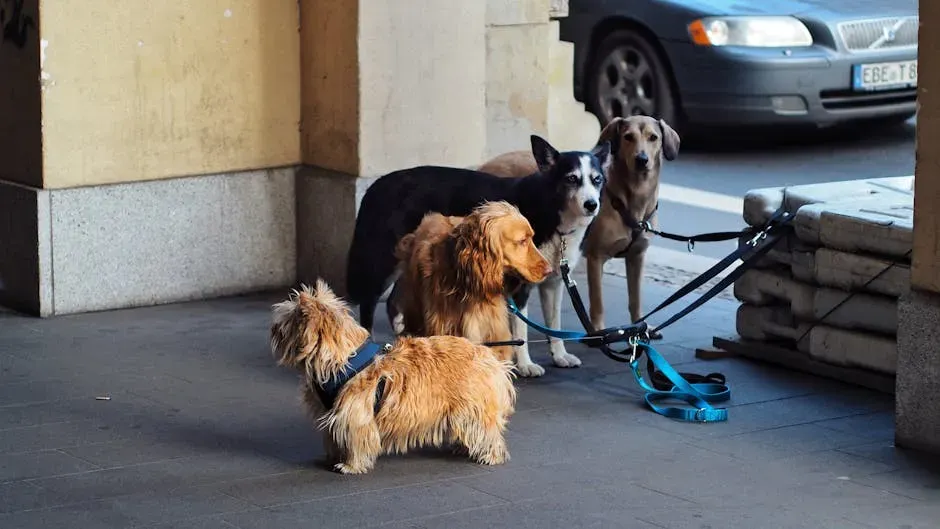
For your dog to walk without pulling, they have to believe that there is a better chance of good things near you than out in the wide world. This is the golden rule of loose leash walking. It really is that simple, even if teaching it takes some time and repetition.
The goal is to prevent teaching a sequence like “I pull ahead, I come back, I eat.” Instead, dogs should learn that walking alongside you on a loose leash makes treats happen, not pulling. Gradually take more steps between each treat. You can also talk to your dog to help keep their attention on you. Your voice is a powerful tool. Use it warmly and often.
5. Master the “Be a Tree” Method
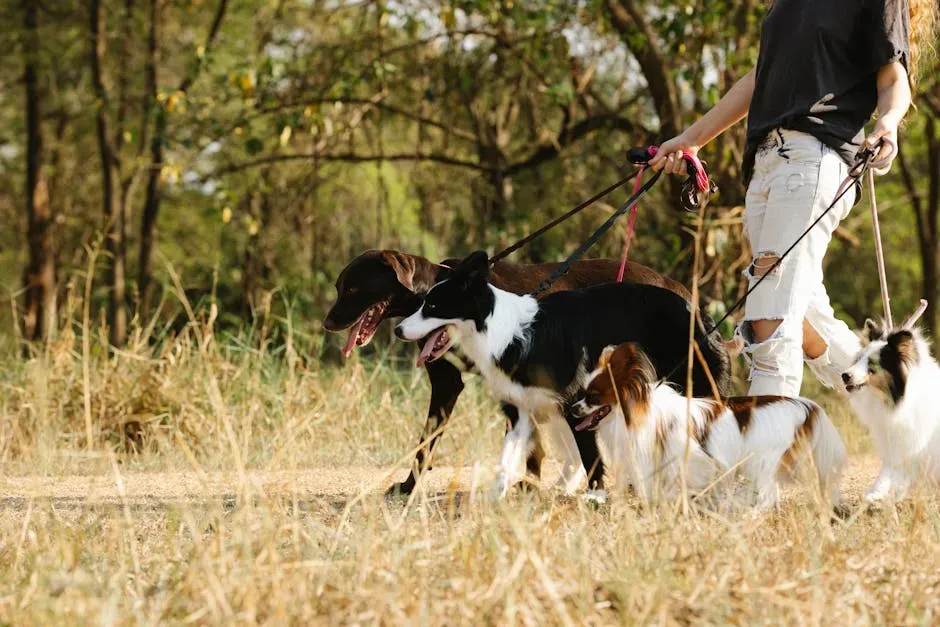
Here’s one of the most well-known techniques for a very good reason: it works. If your dog starts pulling in the other direction, turn yourself into “a tree.” Stand very still and refuse to move until your dog comes back to you. Don’t yank or jerk the leash or drag your dog along with you. Simple, calm, and firm. No drama needed.
The “be a tree” method works like this: if the dog pulls, you stop and wait. When the dog pauses, you treat and move on. You then build on that until the dog pauses and looks at you before earning a reward. It can feel tediously slow in the beginning. But every time you stop, you are literally teaching your dog that pulling gets them nowhere. Stay consistent, and the message lands.
6. Reward Your Dog for Checking In With You
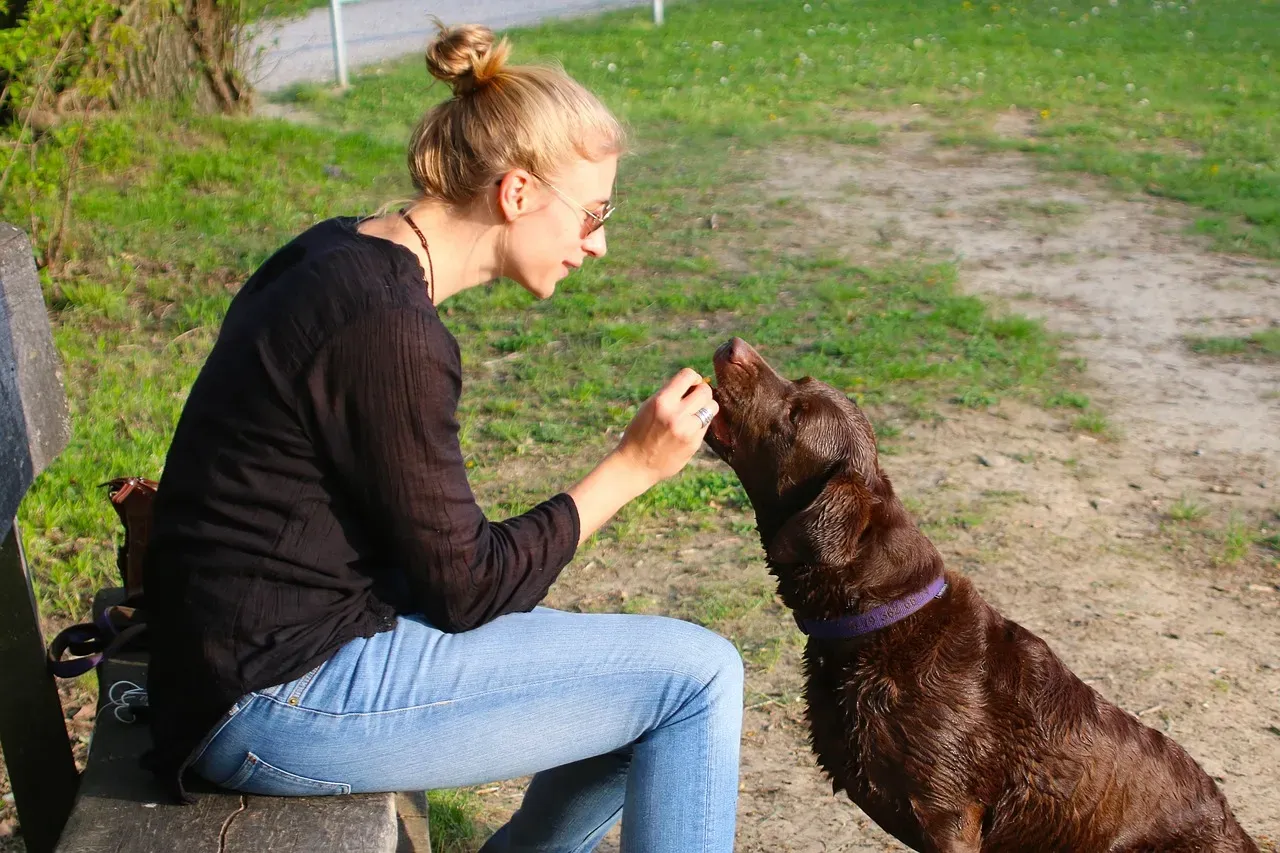
One of the easiest ways to improve your dog’s walking skills and general focus when out and about is to reward them for checking in. This means that every time your dog looks at you voluntarily, you mark and reward them with something they love. It feels like a small thing. It is actually huge.
When your dog is voluntarily checking in with you regularly on walks, you will both become more connected to each other’s movements. This really helps when it comes to changing direction or stopping at the curbside. Your dog will become more aware of your body movements and less focused on everything else around them. Imagine that. A dog who actually watches you instead of dragging you toward every squirrel on the block.
7. Practice the Direction-Change Game
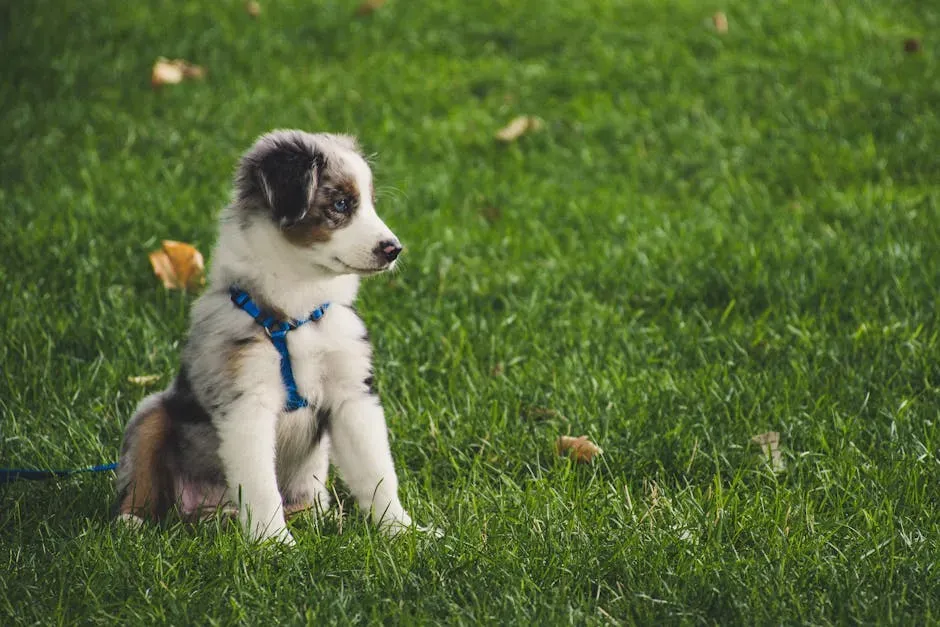
You can do a U-turn rather than simply stopping when your dog puts pressure on the leash. When they reach the end of the lead, turn in the opposite direction without saying anything and walk away. The sudden about-face will be more attention-grabbing and encourage your dog to watch you more often. It’s almost like a little game, and honestly, most dogs respond beautifully to this.
The instant your dog starts forging ahead, crossing in front of you, or moving toward a distraction, turn abruptly and go in the opposite direction. Ask your dog to follow you with a “let’s go” or “with me.” It teaches them a vital concept: you decide where the walk goes, not them. Once your dog truly gets that, everything becomes easier.
8. Name the Walk and Give Your Dog a “Free Time” Cue
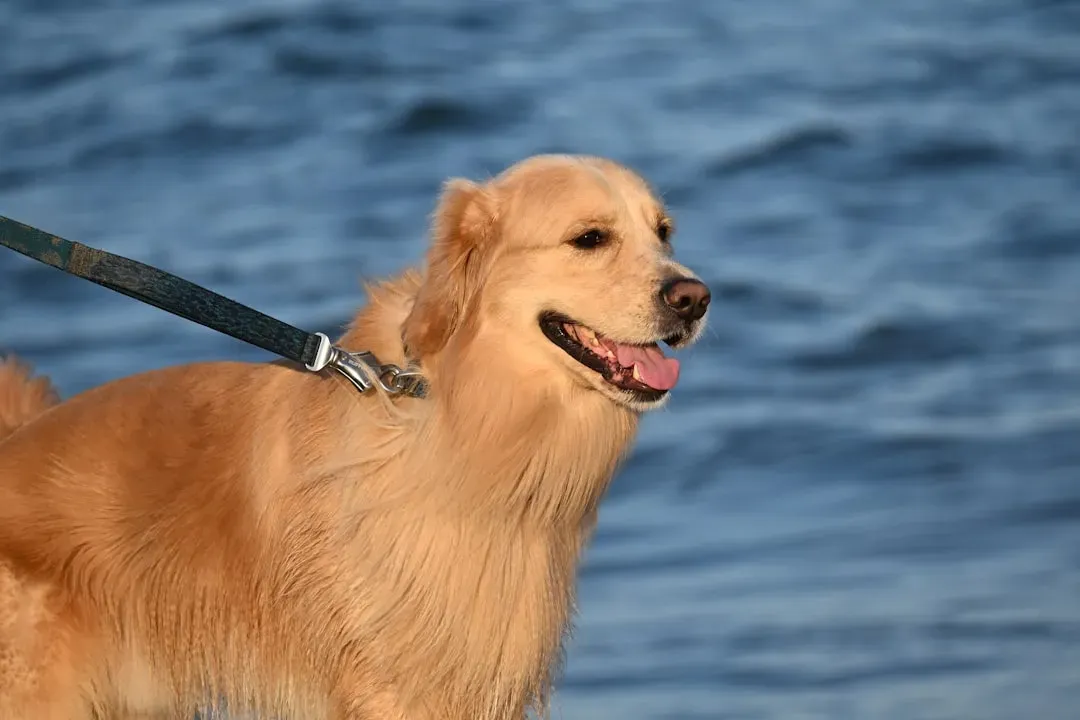
When your dog walks well on a loose leash, give this kind of walk a name. It could be “heel,” “with me,” “let’s walk,” or another word or phrase of your choice. Naming behaviors gives your dog clarity. It tells them exactly what you expect, in language they can learn to understand through repetition and reward.
You can release your dog with a cue like “all done,” “okay,” or “that’ll do” when they no longer need to walk in heel position. This will be used in relaxed moments when the dog doesn’t need to be walking strictly by your side. Giving your dog these two clear modes, structured walking and free time, removes so much confusion. They will know exactly when to focus and when they can simply enjoy the smells of the world.
9. Build Up Gradually to More Distracting Environments
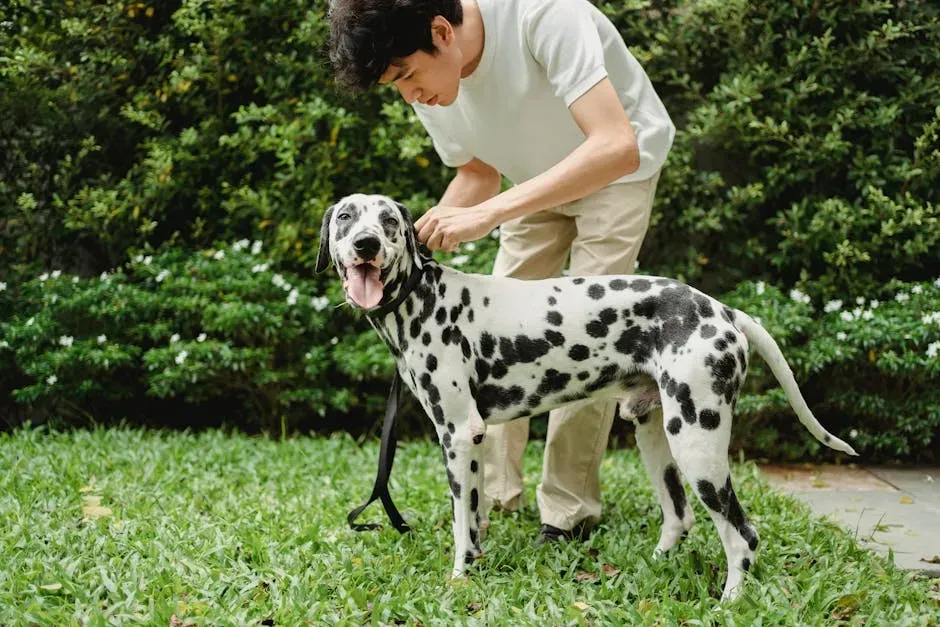
Always start when it will be easiest for the dog, and gradually work up to asking for walking by your side as distractions increase. It’s tempting to head straight to the busy dog park and see how your training holds up. Resist that urge. Set your dog up to win first.
The first step to set your dog up for success is to choose a location that won’t be overwhelming. Whenever teaching a new skill, start in an environment that is quiet and without distractions so your dog can focus on learning. Start training at home or in your yard on a quiet street before progressing to more distracting environments. Think of it like graduating through levels. Master level one before you unlock level two. Your patience now saves you months of frustration later.
10. Keep Sessions Short, Fun, and Consistent Every Single Day
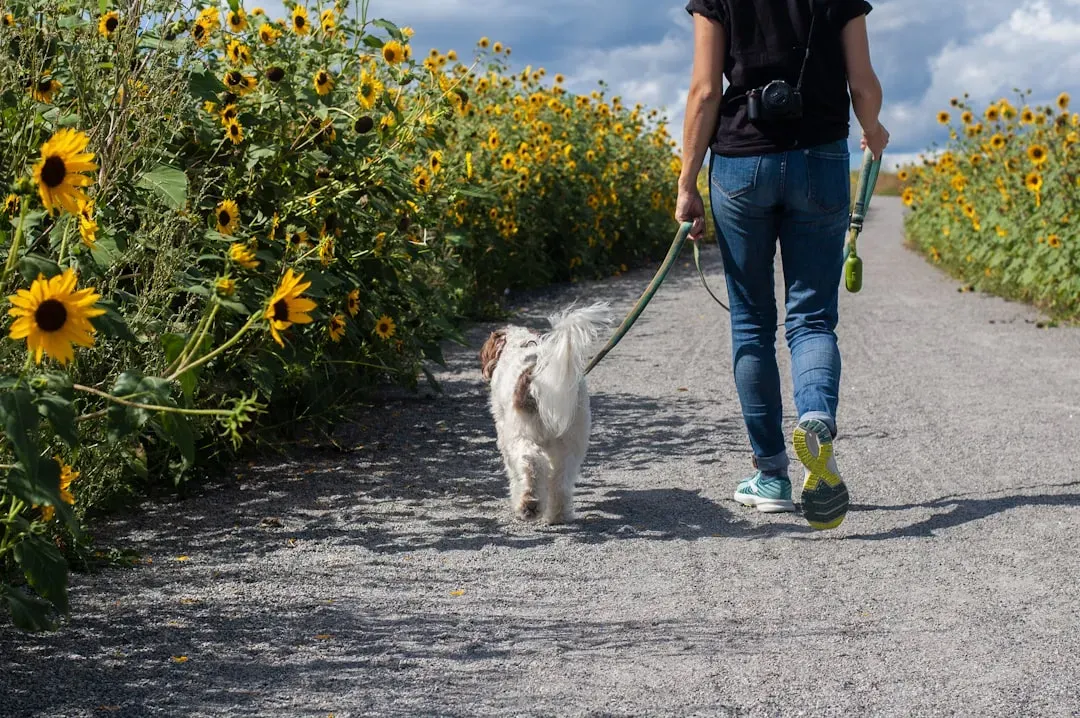
Walking on a leash isn’t a skill most dogs learn overnight. Training sessions should be kept to around 10 to 15 minutes, or even shorter if working with a puppy, since that’s about as long as the typical dog’s attention span will last. Short and sweet beats long and exhausting every single time. End on a win, not a meltdown.
Until your dog has mastered walking without pulling, every walk is a training session. Sessions should be kept short and fun for your dog. Teaching a dog to walk nicely on a leash requires patience and commitment. It is a process that involves redefining what it means to walk with your dog. As tedious as the process can feel, it is temporary, and the end result will make you swell with pride. Hold onto that feeling on the tough days. It truly is worth every single step.
Conclusion: The Walk You Both Deserve
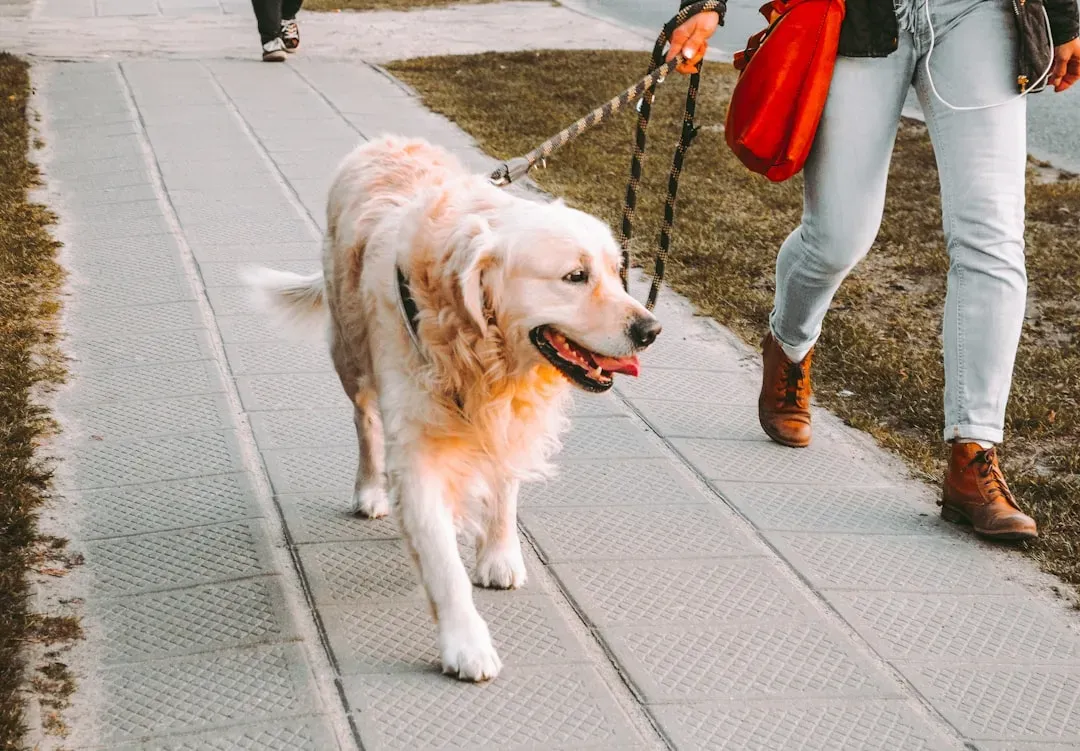
Here’s the thing about leash manners: they are not just about convenience. They are about safety, bonding, and the quality of life you and your dog share together. Learning to walk on a leash opens the whole world up to your dog. Going on walks together helps you bond with your dog and brings joy to both of your lives. That is a gift worth working for.
Every dog, every breed, every age can learn to walk politely beside you. It takes time, it takes repetition, and yes, some days you will feel like you are starting from scratch. But each small win stacks up. Before long, those morning strolls will feel like the peaceful, connected ritual you always dreamed they would be. Be patient with your pup, and be patient with yourself too.
So, which of these tips are you going to try first on your next walk? Tell us in the comments, because every dog’s journey is different, and we would love to hear yours.


