
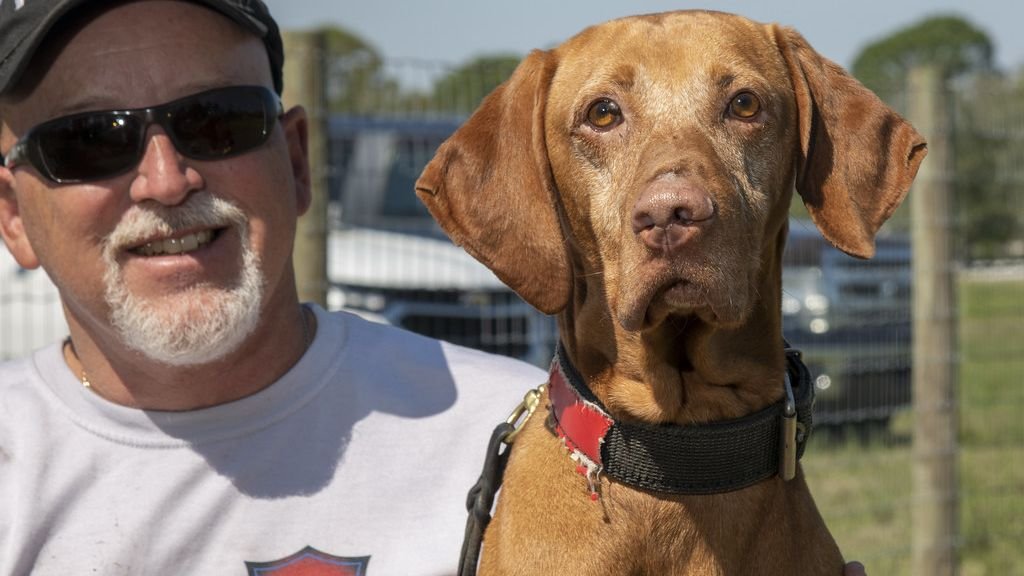
You know that feeling when your dog looks at you with those soulful eyes, and you swear they understand every word you’re saying? That connection, that unspoken language between the two of you, doesn’t just happen by accident. It’s built, day by day, through the little things you do together. The relationship you share with your canine companion is unlike any other, and honestly, it deserves more attention than we sometimes give it.
Most of us think bonding means grand gestures like weekend hikes or fancy new toys. Those are wonderful, sure. Yet the real magic happens in the quiet, everyday moments that often slip by unnoticed. The way you greet them in the morning. How you touch them. Whether you actually pay attention during your walk or just scroll through your phone. These tiny habits stack up, creating either a deeply connected partnership or a relationship that feels a bit… distant.
So let’s dive into the simple, science-backed daily habits that transform your bond from good to extraordinary. Be surprised by what a difference these small changes can make.
Make Eye Contact a Daily Ritual
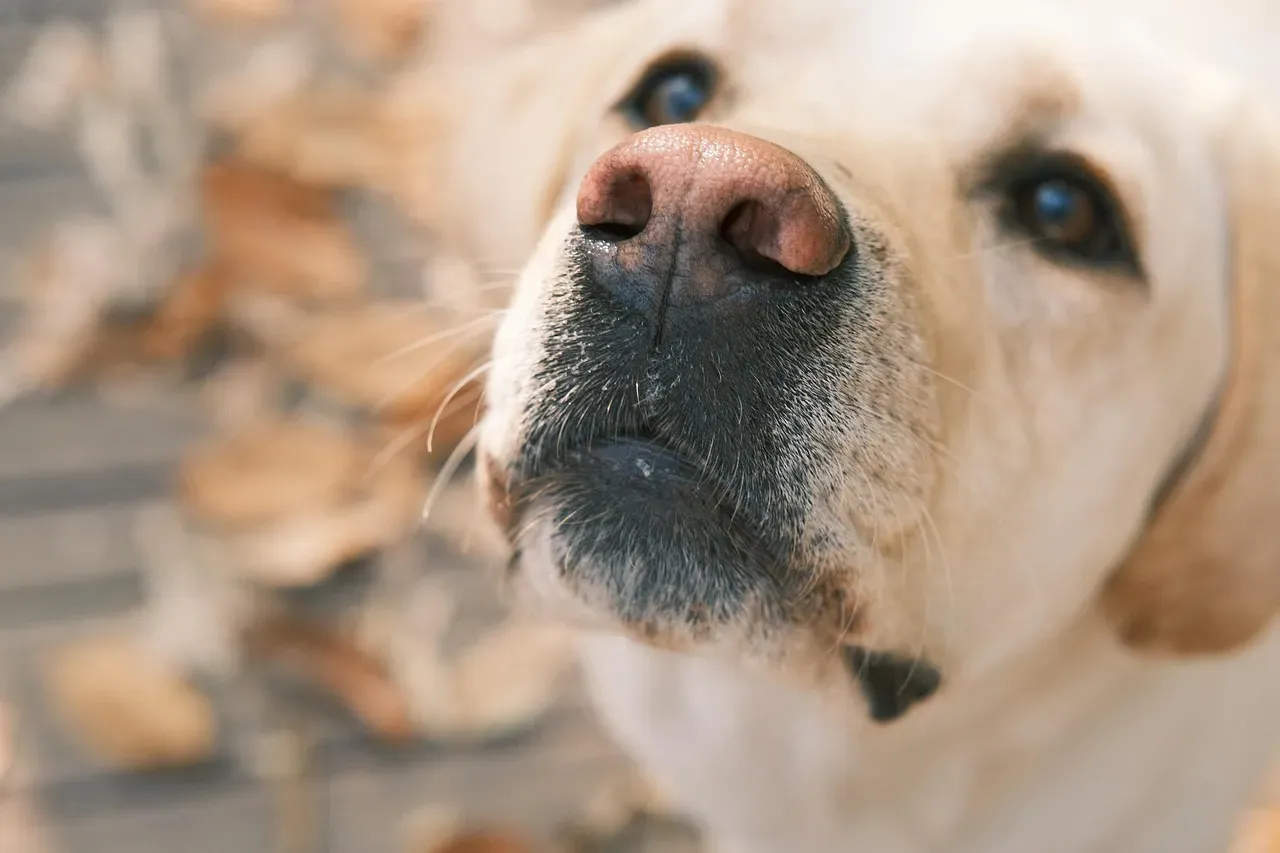
Looking into your dog’s eyes releases the same chemicals that are released when we feel love, with the boost in oxytocin for both you and your pooch a sure way to enhance your bond. Think about it. When was the last time you truly gazed at your dog, not just glanced at them while doing something else?
Gazing behavior from dogs increased urinary oxytocin concentrations in owners, which consequently facilitated owners’ affiliation and increased oxytocin concentration in dogs. This creates what researchers call an oxytocin-mediated positive loop, similar to the bond between mothers and infants. It’s love backed by biology, happening right there in your living room.
I know it sounds almost too simple, but try setting aside just a minute or two each day for this. Sit with your dog, stroke their head gently, and just look at them. No phone, no TV, no distractions. Just you and them. You’ll notice their body relaxing, their tail giving a soft wag, and that look of pure contentment washing over their face.
Use Your Hands with Intention During Touch
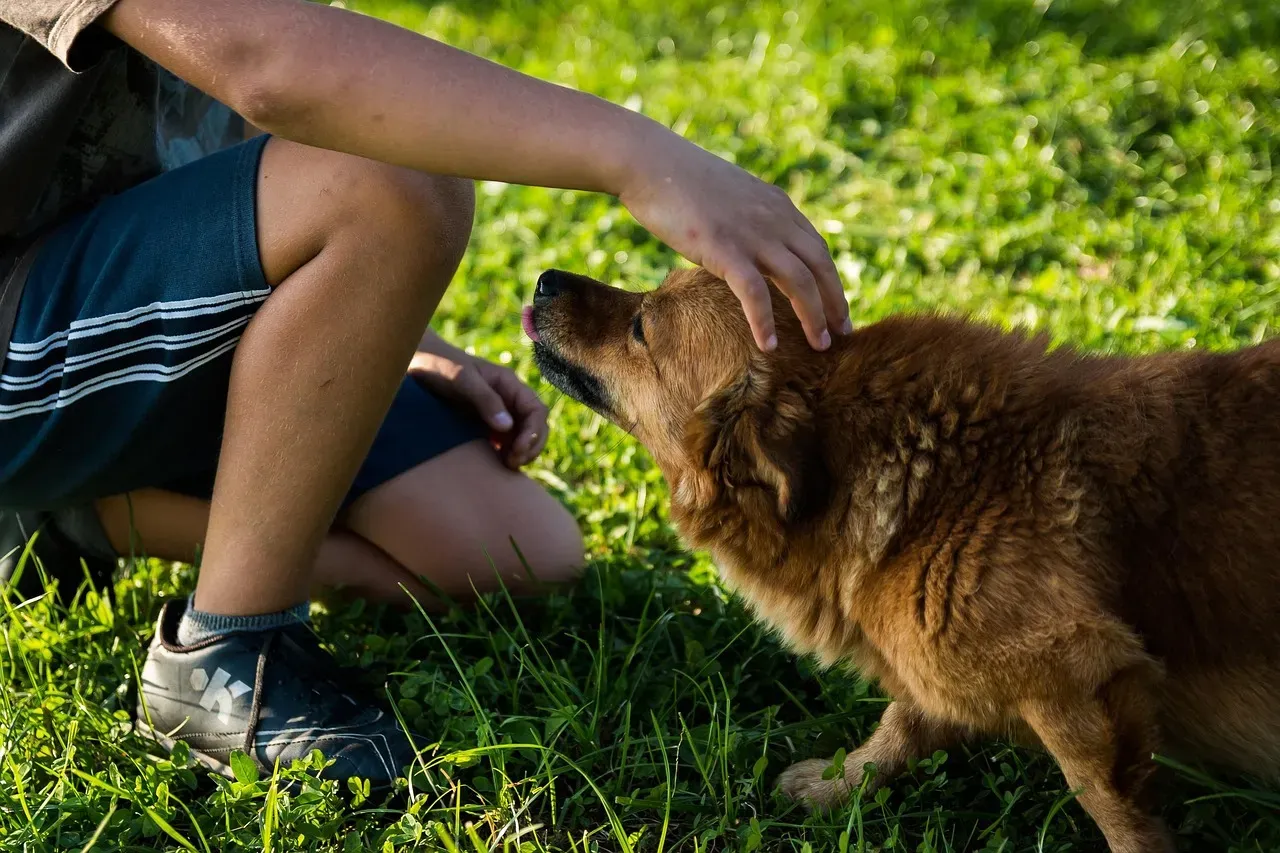
Not all petting is created equal. Some dogs love a good belly rub while others prefer a nice long scratch behind the ears, and taking the time to find out where your dog likes to be petted is a great way to strengthen your relationship. Pay attention to how your dog responds to different types of touch.
Does their leg start thumping when you hit that perfect spot on their side? Do they lean into you when you massage behind their ears? These are your clues. Grooming a dog can strengthen the human-animal bond if it’s done right and makes your dog feel good, with brushing your dog’s coat two or three times a week removing dirt, debris, and loose fur, which can be very soothing to many dogs.
Touch shouldn’t be an afterthought or something you do while watching television. Be present. Notice the texture of their fur, feel their breathing, observe their reactions. This kind of mindful contact releases oxytocin in both of you and genuinely deepens your connection.
Transform Walks Into Sensory Adventures
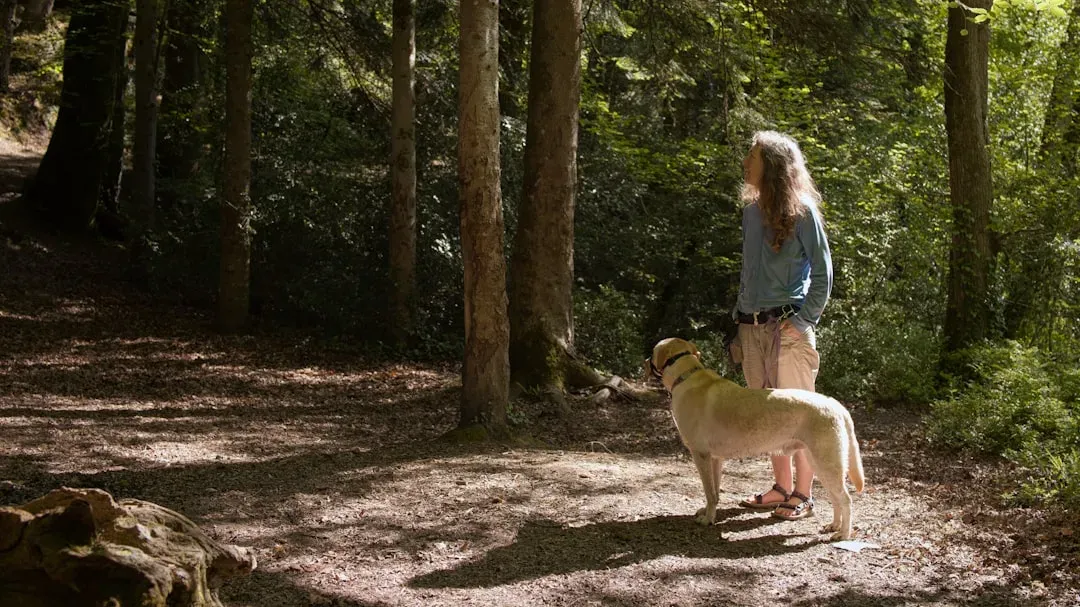
Let’s be real. Most of us treat walks like a chore on our to-do list. We drag our dogs along the same route every day, yanking them away from every interesting smell because we’re in a hurry. That’s not bonding. That’s just exercise.
Dogs love to explore and go on adventures, with lots of new smells, noises and things to see, and exploring new places for walks is a great way to keep your dog happy and strengthen your relationship. Try changing your route occasionally. Let your dog lead sometimes and sniff to their heart’s content.
Here’s the thing about sniffing. For dogs, it’s not just interesting – it’s essential. Their nose is how they read the world. When you allow them time to investigate scents, you’re showing respect for their needs. You’re saying, this walk isn’t just about me getting my steps in. It’s about us experiencing the world together.
Practice Mini Training Sessions Throughout the Day
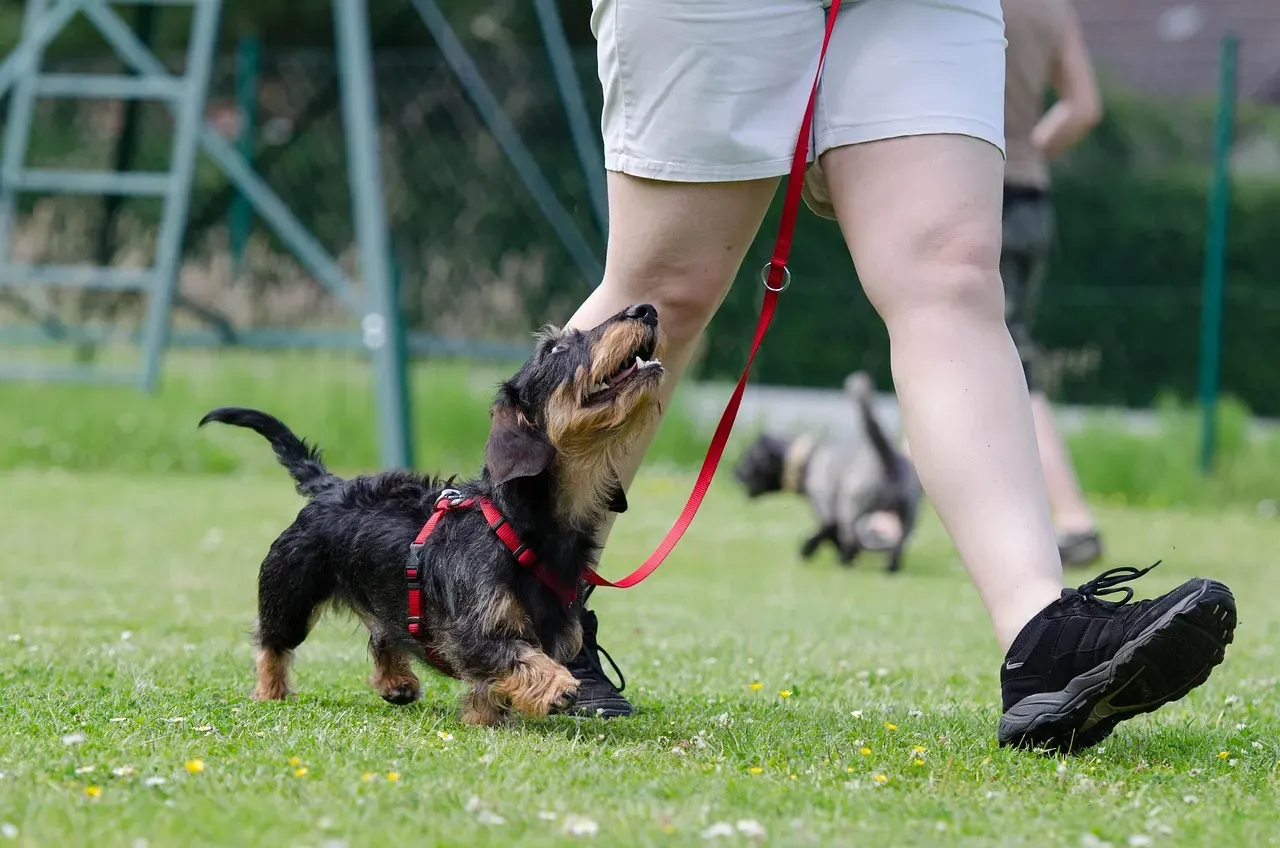
Five to ten minutes at a time keeps dogs engaged without overwhelming them, and honestly, these short bursts are far more effective than marathon sessions once a week. Training your pooch actually goes much further than ensuring your dog returns when you call them; it’s also a great way to strengthen your bond by building trust, and short daily sessions work best to keep your dog focused and maintain a routine.
Think of training as conversation practice. You’re building a shared language, a way to understand each other better. It doesn’t have to be complicated commands either. Practice a simple “sit” before meals, a “wait” at doorways, or teach them to give you their paw while you’re relaxing on the couch.
Positive reinforcement enhances the human-animal bond by fostering a common language that pet parents can use to interact with their dog, and the use of positive reinforcement training methods builds up a dog’s confidence and trust in their pet parents. Rewards create joy, and joy creates connection.
Feed Them Mindfully, Not Mechanically
Most people just dump food in a bowl and walk away. I get it. Mornings are hectic. Yet mealtime is actually a golden opportunity for bonding that we often waste completely.
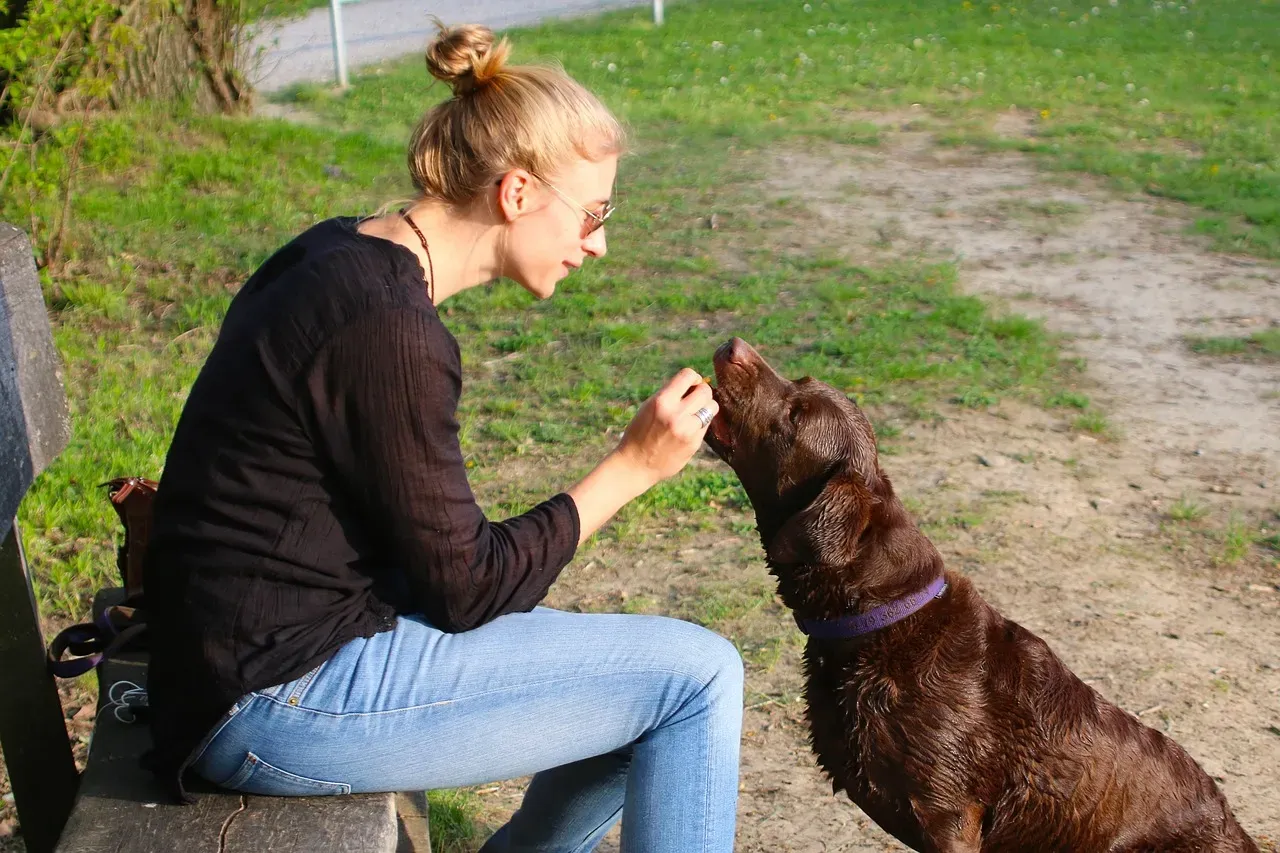
Try hand-feeding a portion of their meal occasionally. Use their breakfast or dinner as training rewards throughout the morning or evening. Make them work for it in a fun way – hide kibble around the room for a scavenger hunt, or use a puzzle feeder that challenges their brain.
The point isn’t to make eating difficult. It’s about creating positive associations with you as the provider of good things. It transforms you from the person who just happens to live in the house where food appears to someone actively enriching their life. That distinction matters more than you might think.
Play With Purpose and Presence
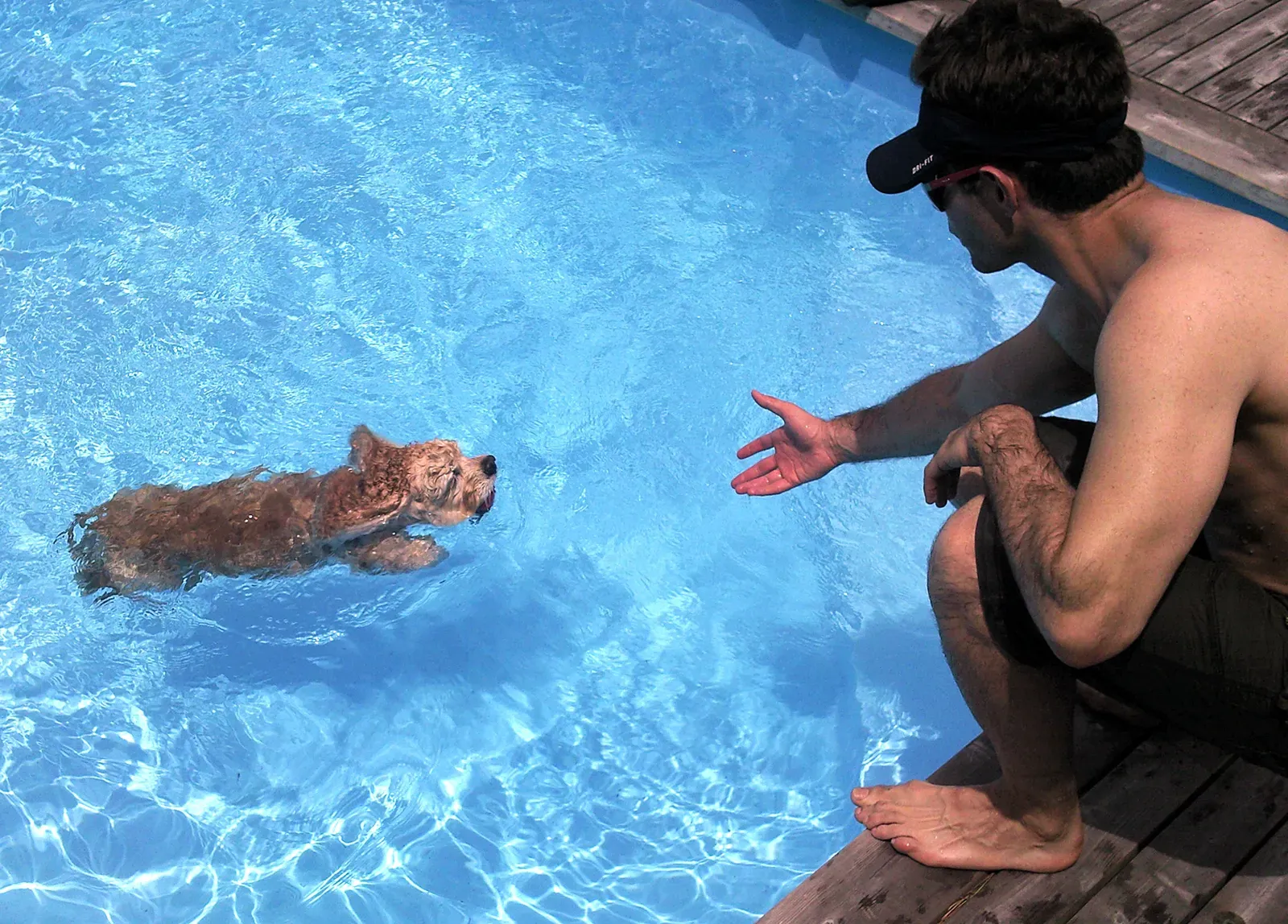
Fetch strengthens the bond between dogs and their owners, which improves overall training responsiveness, and play is one of the most effective teaching tools available. Yet we often play with our dogs while distracted, throwing a ball absentmindedly while checking our phones.
Giving your dog your undivided attention for just a few minutes a day can have a powerful positive impact on your bond. Put the phone down. Really engage in the game. Change it up. If your dog loves tug, let them win sometimes. If they adore fetch, celebrate when they bring the ball back.
Notice I said celebrate, not just accept. Your enthusiasm matters. Dogs are emotional mirrors. When you’re genuinely excited and present during play, they feel it. That energy exchange is where the real bonding happens, not just in the physical activity itself.
Establish and Honor Daily Routines

Dogs are creatures of rhythm and predictability. A routine provides stability and consistency, which can reduce anxiety in dogs, and with a routine, a dog knows what to expect at certain times of the day. This predictability isn’t boring for them – it’s deeply comforting.
Wake up at roughly the same time. Feed them at consistent intervals. Have a regular bedtime ritual. These patterns create a sense of security that forms the foundation of trust. When your dog can anticipate what comes next, they relax. Anxiety decreases. Their attachment to you as a stable, reliable presence deepens.
Think about the people you trust most in your own life. Chances are, they’re the ones who show up consistently, who keep their word, who create a sense of safety through their reliability. Dogs feel the same way about us.
Reward the Small Stuff You Usually Ignore
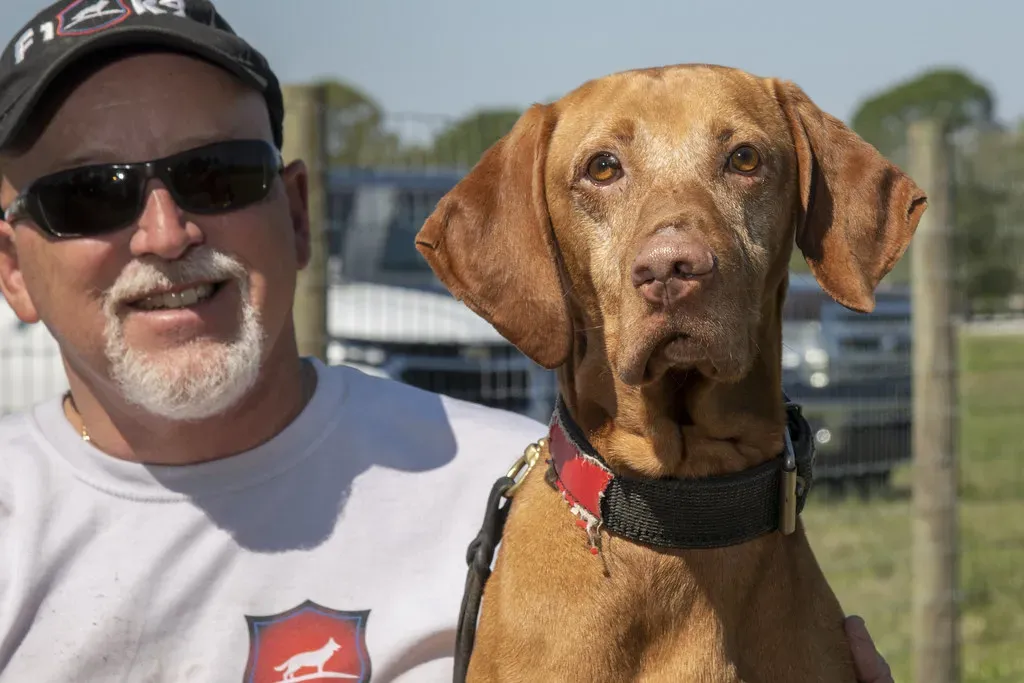
The concept is simple: reward your dog for good choices they make throughout the day, even without formal training sessions. This approach, called SMART training, transforms how your dog sees you.
Did your dog just lie down calmly while you worked? Toss them a treat. Did they choose not to bark at the mailman today? Give them praise. Did they come to you when called, even though there was a squirrel in the yard? Make a big deal out of it.
Most people only interact with their dogs when there’s a problem or when the dog demands attention. Flip that script. Catch them being good. Acknowledge their excellent choices. Over time, they’ll make more of those choices because they’ve learned that calm, polite behavior gets rewarded just as much as – or more than – demanding behavior.
Create a Calm-Down Ritual Before Bed
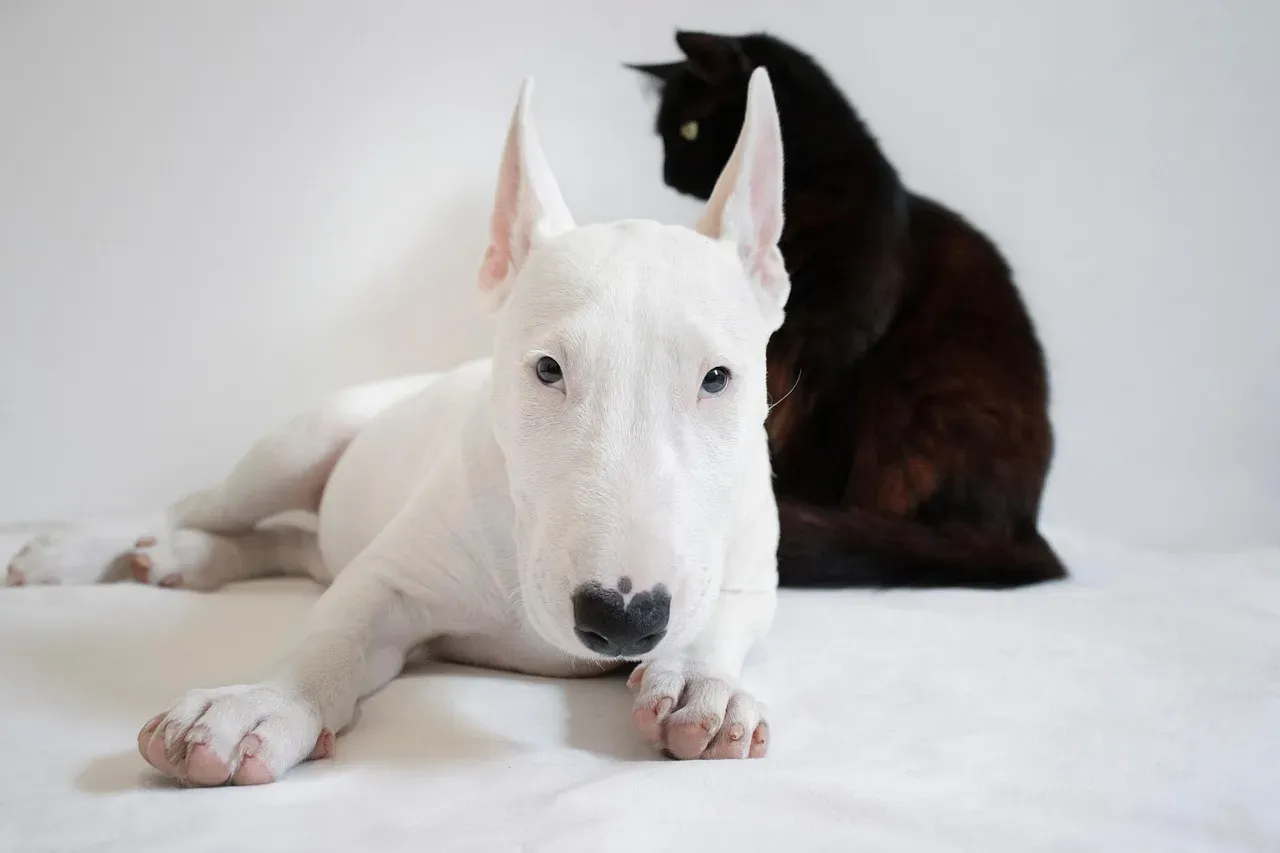
The end of the day is often rushed. We let the dog out, maybe give them a quick pat, and then collapse into bed. What if, instead, you created a five-minute wind-down ritual?
Dim the lights. Sit together on the floor or couch. Give them a gentle massage, focusing on areas that hold tension – the shoulders, the base of the ears, along the spine. Speak to them in a soft, calm voice. This isn’t training. This isn’t play. It’s just… connection.
This quiet time signals that the day is done, and everything is safe. It helps anxious dogs decompress and gives confident dogs a moment of pure, peaceful attention. You’ll probably find it relaxes you just as much as it relaxes them. It’s a mutual gift you give each other at the end of every day.
Learn to Read Their Body Language Like a Book
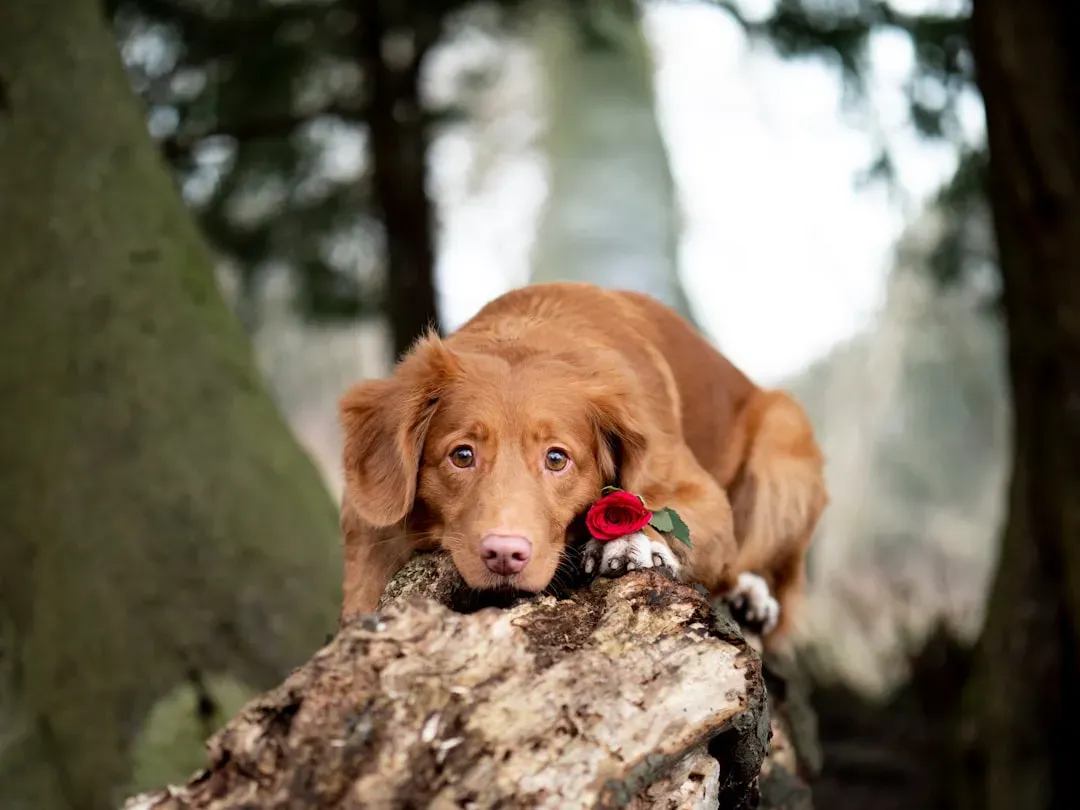
Here’s the thing most dog owners never truly master: understanding what their dog is actually communicating. We project human emotions onto them, misreading stress signals as guilt or playfulness as aggression.
Research shows dogs can actually pick up on and mirror human emotions, and they can detect when we’re anxious or upset, often reacting with comforting behaviors, not just reading our body language but absorbing and reflecting our emotional state. If they’re doing that for us, shouldn’t we do the same for them?
Study what a relaxed dog looks like versus a stressed one. Notice the subtle differences – the position of their ears, whether their mouth is loose or tight, how they’re holding their tail. When you start truly seeing your dog rather than just looking at them, your relationship transforms. They feel understood, perhaps for the first time.
Conclusion: The Compounding Effect of Small Moments
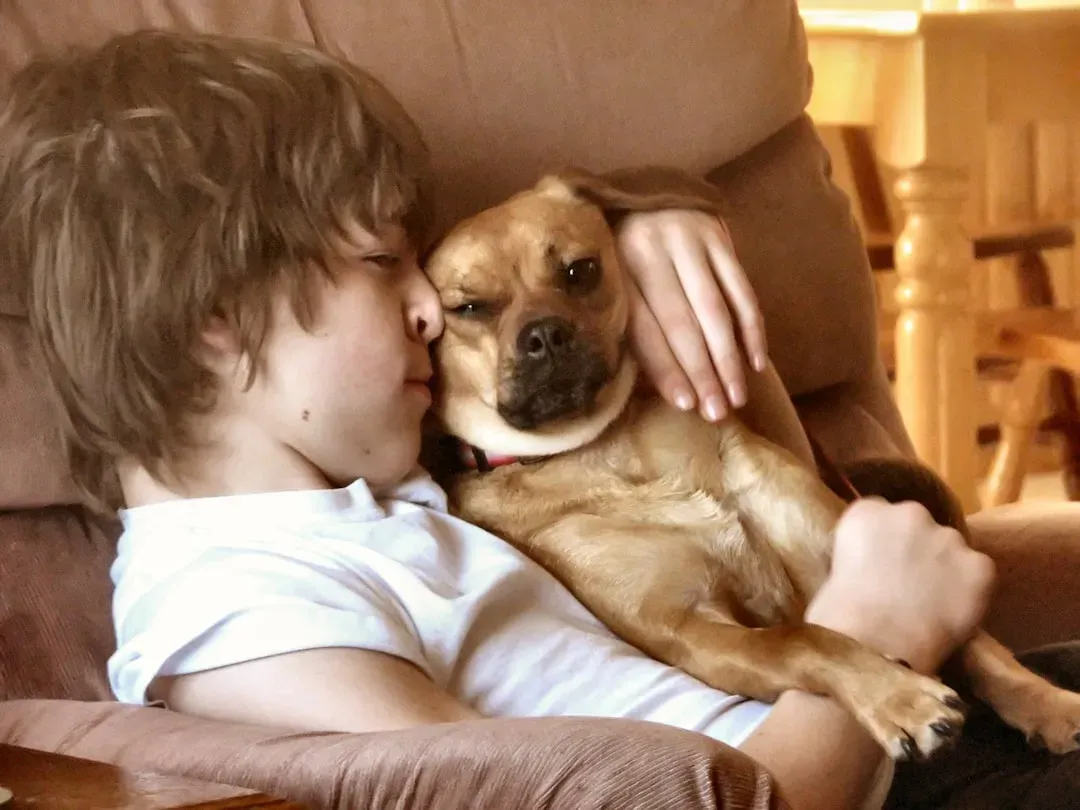
None of these habits require hours of your time or fancy equipment. They’re simple adjustments to things you’re probably already doing. Yet together, they create something profound. Each small moment of connection is like a deposit in your relationship bank account, and over time, those deposits compound.
The amount of time that dogs and owners spend together is often reported to have a critical influence on functional dog-human relationships, and both positive attitudes and affiliative behavior seem to contribute to a strong dog-human bond. It’s not about grand gestures. It’s about showing up, day after day, in these small, meaningful ways.
The beautiful truth is that your dog doesn’t need you to be perfect. They just need you to be present, patient, and willing to meet them where they are. Start with one or two of these habits. Notice the difference. Then add another. Before you know it, the bond you share will feel deeper, stronger, and more intuitive than you ever imagined possible.
What small habit will you start with today?


