

You love your little dog, right? That tiny bundle of energy who follows you everywhere and curls up in your lap at the end of the day. Small dogs have hearts as big as any Labrador or German Shepherd, but sometimes those hearts carry anxiety, frustration, or just plain mischief.
Here’s the thing most people don’t realize until it happens. Small breeds can be surprisingly destructive. We’re talking chewed furniture, shredded pillows, holes in the carpet, and barking that makes the neighbors knock on your door. It’s not because they’re bad dogs. Often, it’s because their needs aren’t being met, or they’re struggling with emotions they can’t express any other way.
Research has shown that shorter breeds were more prone to beg for food, have serious attachment problems, be afraid of other dogs, roll in feces, be overly sensitive to touch, defecate and urinate when left alone, and be harder to train. Understanding why your small dog acts out is the first step toward helping them feel secure, happy, and well behaved. Let’s dive in and explore which small breeds are most likely to turn your living room into a disaster zone and what you can do about it.
Chihuahuas: Tiny Dogs with Big Anxiety
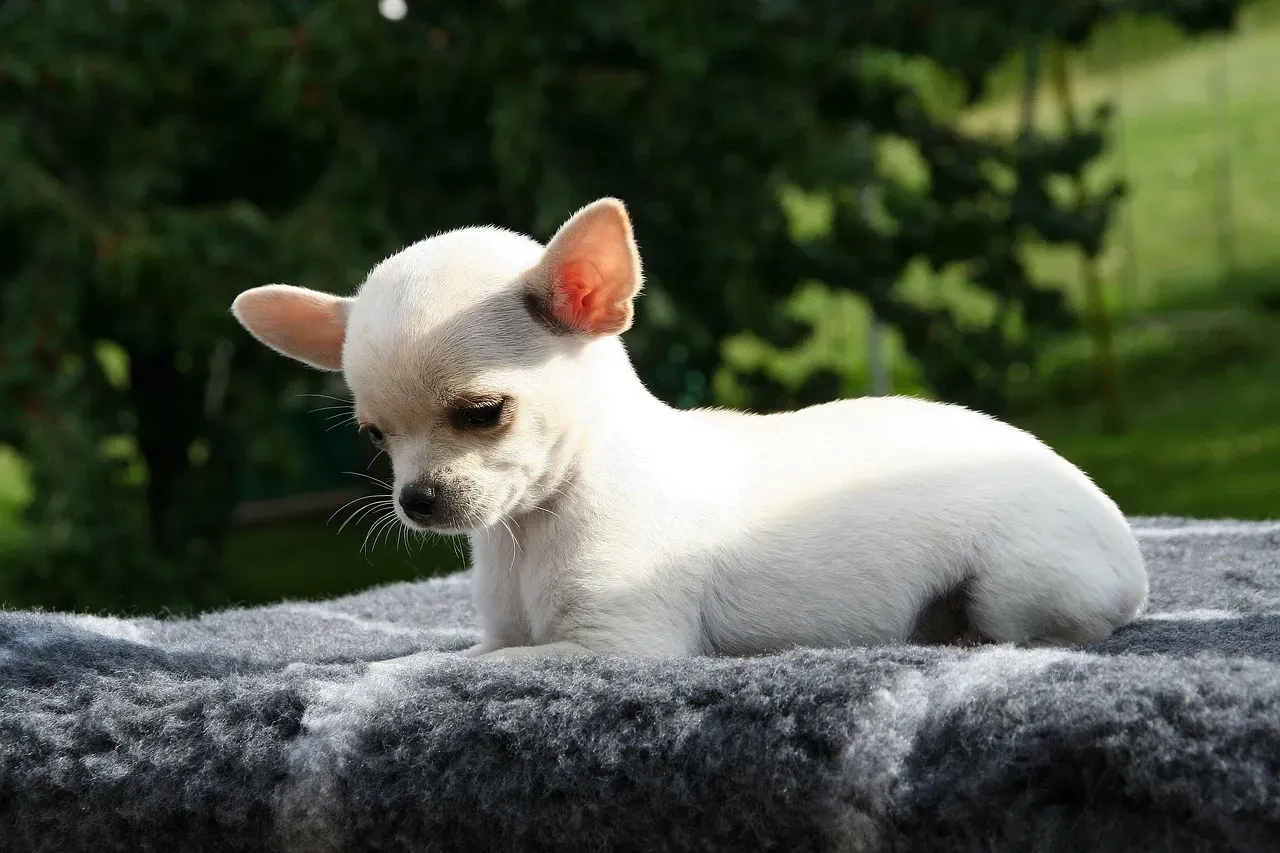
Chihuahuas are notorious for separation anxiety, which often leads to destructive chewing and excessive barking when left alone. Their strong attachment to their owners makes them especially vulnerable to distress when you walk out the door. Chihuahuas tend to be velcro dogs, always wanting to be close to their human companions.
When a Chihuahua feels anxious, they may chew on furniture, scratch at doors, or bark incessantly. Boredom, depression, frustration, and loneliness are the most common reasons for destructive chewing in Chihuahuas, all of which can be induced by separation anxiety. Provide plenty of mental stimulation through puzzle toys and short training sessions. Gradual desensitization to being alone can also help reduce their stress levels significantly.
Jack Russell Terriers: Diggers and Escape Artists

Jack Russell Terriers are known for having a big personality in a small body, and this is a recipe for destructive behavior when they are bored, unhappy, or just missing their owners. These little terriers were bred to hunt, which means they have energy for days and an instinct to dig. Jack Russells can be very destructive if left unattended and unemployed, with most behavioral problems due to a lack of companionship, discipline, activity and exercise.
If your Jack Russell isn’t getting enough physical and mental exercise, expect your flower beds and furniture to pay the price. They might chew up anything in sight or turn your flower beds into their personal digging zone. The key is channeling their boundless energy into appropriate outlets like agility training, long walks, and interactive play. Honestly, a tired Jack Russell is a well behaved Jack Russell.
Dachshunds: Stubborn and Separation Anxious

Dachshunds are adorable little hot dogs with surprisingly strong wills. Dachshunds are prone to separation anxiety, and they may exhibit destructive behaviors when left alone, so gradually acclimate your dachshund to being alone by leaving them alone for short periods and gradually increasing the time. Their hunting background means they can be tenacious, which is charming until they decide to redecorate your home.
Excessive chewing can also be caused by separation anxiety in Dachshunds. They may also bark excessively or become possessive over toys, food, or family members. Consistent training from a young age is crucial. Keep them mentally stimulated with scent games and provide appropriate chew toys to satisfy their natural urge to gnaw on things.
Yorkshire Terriers: Small but Feisty Troublemakers

Yorkshire Terriers might look like delicate lap dogs, but don’t let that fool you. These tiny terriers have a bold personality and can develop destructive habits when bored or anxious. Terriers, active dogs who bore easily, often chew. Yorkies need more exercise than many people realize.
When left alone for too long without proper stimulation, Yorkies may chew on furniture, bark constantly, or have accidents in the house. They’re intelligent dogs who need jobs to do, even if that job is just learning new tricks. Short training sessions throughout the day and plenty of interactive toys can keep their clever minds occupied and out of trouble.
Beagles: Scent-Driven Destroyers

Beagles are lovable, friendly, and absolutely driven by their noses. When a Beagle is bored, they can become incredibly destructive, often engaging in behaviors such as excessive digging, chewing, and attempting to escape in search of new scents to follow. Their hunting instinct is so strong that they’ll follow a scent trail right through your couch cushions if necessary.
These hounds need a lot of physical activity and mental enrichment. Without it, they’ll find their own entertainment, which usually involves destruction. Scent work games, long walks, and puzzle toys that dispense treats are excellent ways to keep a Beagle satisfied. Remember, a bored Beagle is a destructive Beagle.
Pomeranians: Fluffy Bundles of Nervous Energy

Pomeranians are gorgeous little fluff balls, but they can be surprisingly high strung. Separation anxiety tends to show up more in small companion dogs, and any dog can be prone to becoming destructive when they are left alone. Poms can develop severe separation anxiety, leading to excessive barking, chewing, and destructive behavior.
These little dogs form incredibly strong bonds with their owners and may panic when left alone. They’re also prone to barking at every sound, which can drive neighbors crazy. Early socialization and teaching them to be comfortable alone for short periods can prevent many behavioral issues. Crate training done properly can provide them with a safe space that feels secure.
Shih Tzus: Spoiled and Stubborn

Shih Tzus are known for being affectionate companions, but they can also be stubborn little characters. Without companionship and stimulation, some dogs are prone to developing emotional or behavioral issues, which may lead them to engage in destructive behaviors. When they don’t get their way or are left alone too long, they may act out.
These dogs can become possessive and may chew or tear up items out of frustration or boredom. They’re also prone to separation anxiety if they become too dependent on their owners. Training should start early, and consistency is key. Don’t let their cute faces trick you into letting them get away with bad behavior, or you’ll regret it later.
Miniature Pinschers: Bold and Mischievous

Miniature Pinschers, or Min Pins, are often called the “King of Toys” because of their bold, fearless nature. Some breeds have more intense attachment styles and are more likely to act out when bored or lonely, including terriers. Min Pins are incredibly energetic and need a lot of exercise despite their small size.
Without proper outlets for their energy, these little dogs can become destructive chewers and relentless barkers. They’re also known for being escape artists, so securing your home and yard is essential. Regular exercise, obedience training, and plenty of mental stimulation through games and puzzles will help keep them out of trouble. Let’s be real, these dogs need more activity than many people expect.
Boston Terriers: Sensitive Souls Who Act Out

Boston Terriers are sweet, friendly dogs, but they’re also sensitive and can develop anxiety-related behaviors. Potential causes of destructive behavior include boredom or loneliness, as dogs are inherently social animals with a natural tendency to form strong ties with people and other dogs, and without companionship and stimulation, some dogs are prone to developing emotional or behavioral issues.
When Bostons feel stressed or lonely, they may chew furniture, bark excessively, or have accidents indoors. They thrive on human companionship and don’t do well when left alone for long periods. Providing them with interactive toys, regular exercise, and positive reinforcement training can help minimize destructive behaviors. They’re smart dogs who respond well to gentle, consistent training.
French Bulldogs: Clingy Companions with Bad Habits
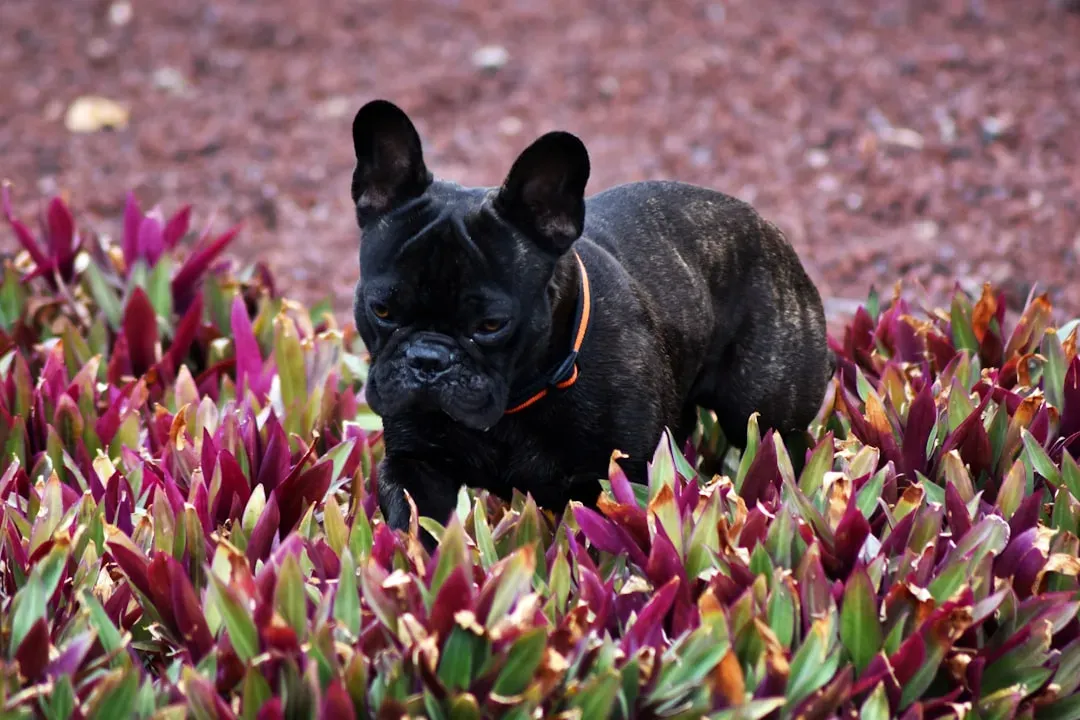
French Bulldogs are incredibly popular right now, and for good reason. They’re adorable, affectionate, and full of personality. However, they can also be clingy and develop separation anxiety. Research has found that the highest levels of fear and separation anxiety belong to either small or toy breeds.
When Frenchies feel anxious or bored, they may chew on furniture, dig at carpets, or bark persistently. They need moderate exercise and mental stimulation to stay happy and well behaved. Teaching them to be comfortable being alone gradually, providing chew toys, and ensuring they get enough physical activity can prevent many behavioral problems. I think these dogs need more structure than people realize.
Preventing Destructive Behavior: What Really Works
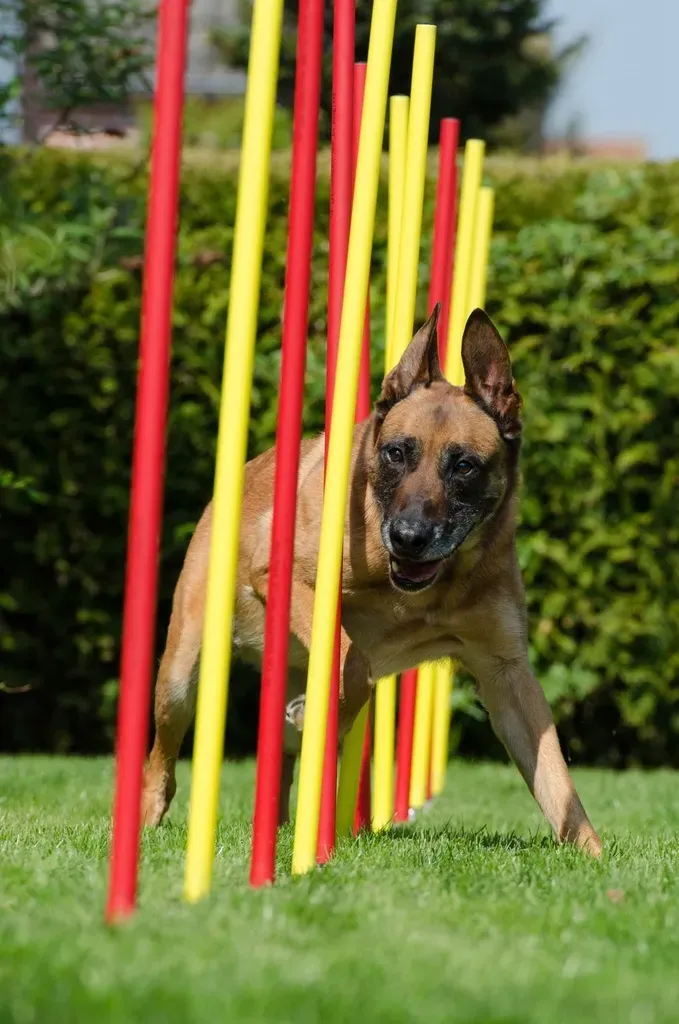
Now that you know which breeds are , let’s talk about prevention. Destructive behavior in dogs is often a symptom of underlying issues such as boredom, anxiety, or a lack of physical and mental stimulation, so it’s important to provide your dog with plenty of physical exercise and mental stimulation.
Exercise is non negotiable. Even small dogs need daily walks and playtime. Mental stimulation is equally important. Use puzzle toys, teach new tricks, and rotate toys to keep things interesting. Treatment involves instituting a new training strategy and modifying daily routines to change whatever conditions encourage the unwanted behavior, with the goal of training often to disrupt destructive patterns by encouraging your dog to change their response to whatever stimulus is causing them to act out. Crate training, when done properly, provides a safe space and prevents destruction when you can’t supervise. Never punish destructive behavior after the fact, your dog won’t understand, and it will only increase their anxiety.
If your small dog’s destructive behavior persists despite your best efforts, don’t hesitate to seek help from a professional dog trainer or veterinary behaviorist. Some issues require expert guidance, and there’s no shame in asking for help. Your dog is counting on you to understand what they need and provide it. With patience, consistency, and the right approach, even the most destructive little dog can become a well behaved companion.
What surprises you most about these breeds? Have you experienced destructive behavior with your own small dog? The journey to a calmer, happier pup starts with understanding why they act the way they do.


