
You know that moment when you’re enjoying a peaceful afternoon, then suddenly a leaf flutters past the window and your house erupts into chaos? If you share your life with certain small dog breeds, this scene might feel all too familiar. Their tiny bodies seem to house oversized alarm systems, ready to alert you to every squirrel, doorbell, and passing breeze.
Here’s the thing: barking is completely natural. It’s how dogs communicate, express themselves, and yes, sometimes drive us a little crazy. Small dogs have several biological and evolutionary factors that contribute to their frequent barking, with their heightened alertness and territorial instincts developed through generations of selective breeding making them naturally more vocal than larger breeds. Let’s be real, though – some small breeds take vocalization to a whole new level. Understanding why they bark and which breeds are the chattiest can help you better manage life with these pint-sized watchdogs.
1. Chihuahua: Tiny Body, Enormous Voice
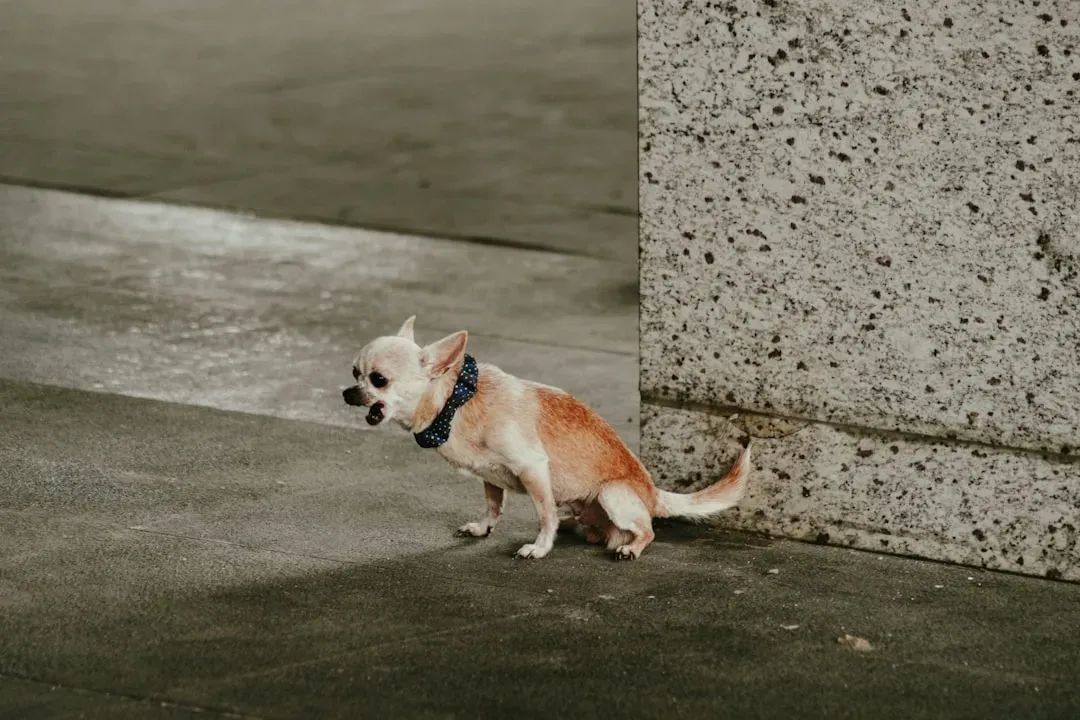
Chihuahuas are one of the smallest dog breeds, known for their bold and confident personality. They might fit in your handbag, but their bark? That’s stadium-level loud. This breed barks for many reasons – they bark when they are scared, excited, happy, or nervous, with some Chihuahuas barking when the doorbell rings and others barking just because a car passes by.
These little guys have massive hearts and even bigger attitudes. Their loyalty and protective nature can lead to frequent barking, especially in new or unfamiliar situations. They form incredibly strong bonds with their favorite humans and aren’t shy about voicing their opinions on everything happening around them. They tend to bark a lot, which can disrupt your neighbors.
2. Yorkshire Terrier: The Feisty Fashionista
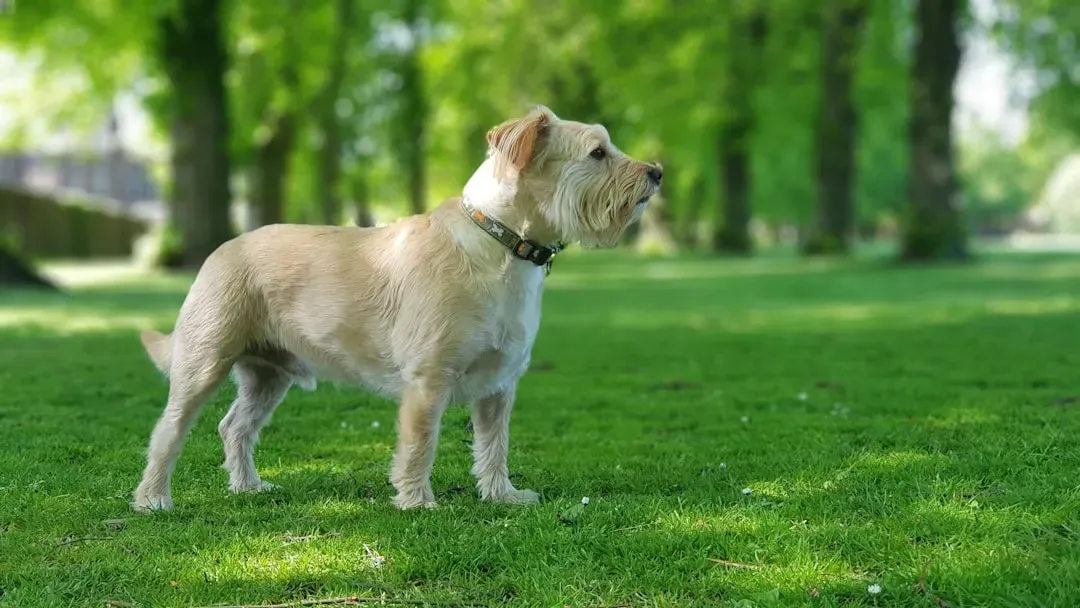
Don’t let those adorable bows and silky coats fool you. Yorkies have an oversized personality and a natural inclination to bark frequently. Originally bred to hunt rats in textile mills, these tiny terriers still carry those sharp hunting instincts today.
They are highly alert and will bark at unfamiliar sounds, strangers, and even when they seek attention, with their history as vermin hunters meaning they have retained their sharp senses and vocal tendencies. These pups have a lot of attitude, which comes through in barking vocalizations, and these little dogs bark, bark, bark to alert the home of every little thing. Think of them as tiny security guards who take their job very seriously.
3. Dachshund: The Loud Little Hunter
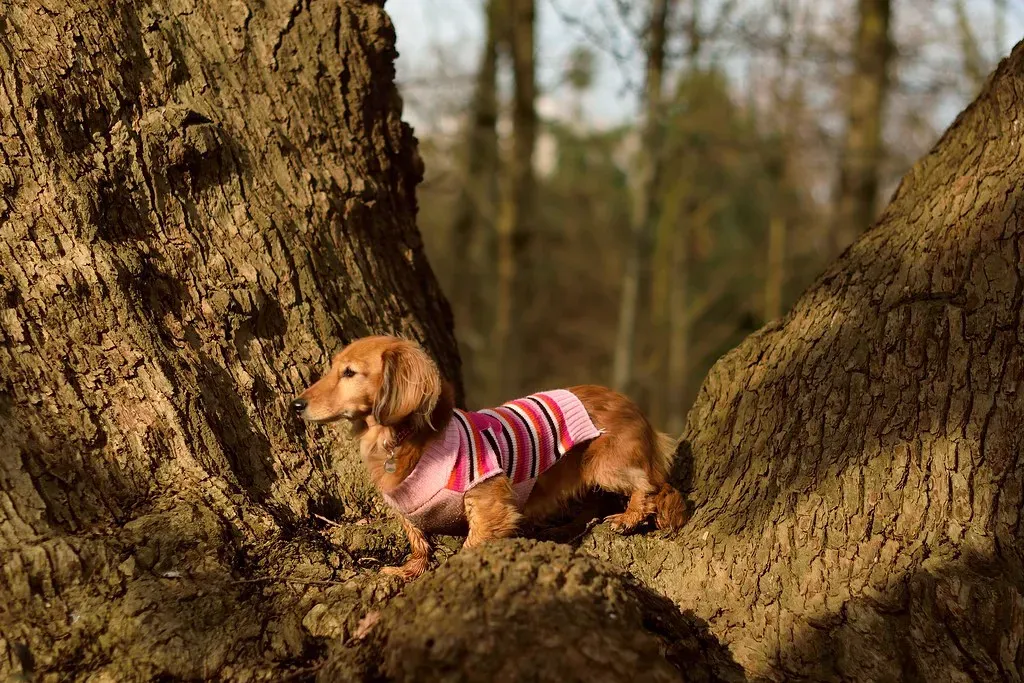
The Dachshund loves to make noise, being big barkers who often bark about anything and everything that excites or stresses them, with the bark often considered that of a much bigger dog. Those long bodies and short legs were designed for hunting badgers in burrows, which required courage and, you guessed it, a lot of barking.
Dachshunds bark when they see people, when they hear sounds, and when they want something, and they also howl at times, especially if they are left alone too long. Their bark has this surprisingly deep quality that doesn’t match their size at all. If they do not get enough play or attention, they turn to barking, as they love their owners and want to protect them, even if that means barking at a leaf blowing in the wind.
4. Pomeranian: The Fluffy Little Chatterbox

For being known as a yappy dog, the Pomeranian lives up to its reputation, with these dogs being small but tough and not afraid to bark. Behind all that fluff lives a dog with the heart of a lion and the voice to match. These little cloud-like companions descended from larger sled dogs, and they haven’t forgotten their working heritage.
Pomeranians genuinely believe they’re much larger than they actually are. These tiny pups are stuffed with huge personalities, and it’s not rare to hear them barking at just about anyone and anything that catches their attention. They’re naturally alert and want to be involved in everything happening in their household. Their high-pitched bark can be particularly piercing, making it impossible to ignore.
5. Maltese: The Elegant Yapper
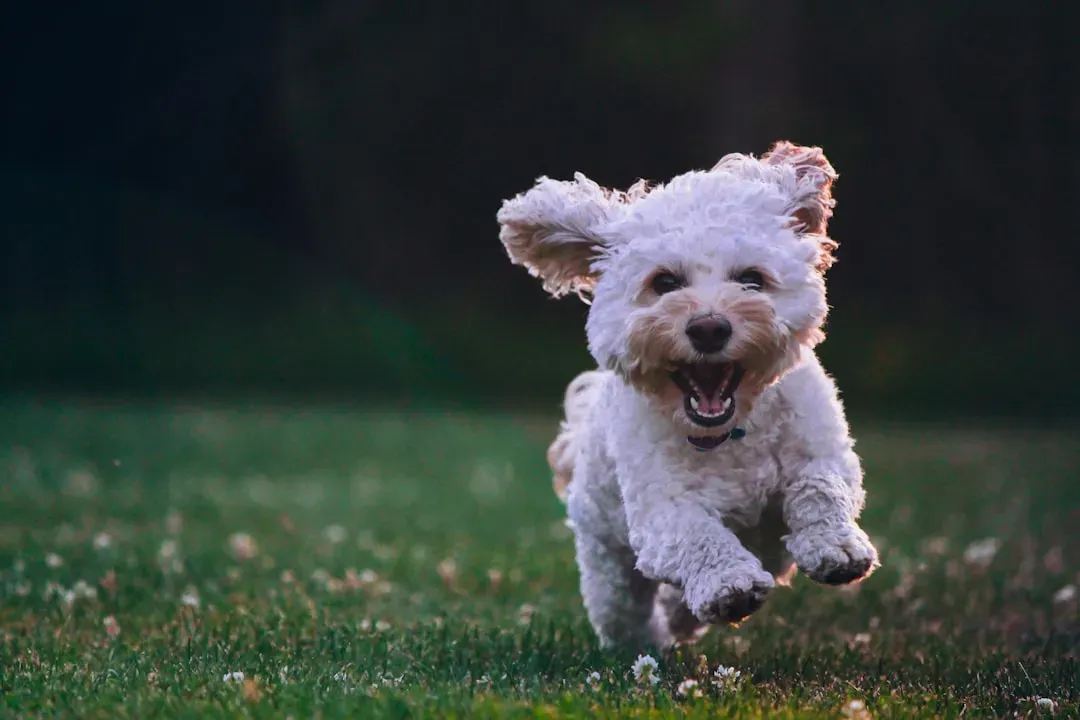
The Maltese is popular due to its adorable appearance and compact nature, however the Maltese is among the small breeds known as yippers, with these dogs tending to bark a lot. Their gorgeous white coats and sweet expressions might suggest a quiet lap dog, but reality tells a different story.
These dogs form incredibly tight bonds with their owners and can become quite vocal when they sense anything unusual. They tend to be very attached to their owners and adore being shadow dogs, making them very good options for those looking for a dog to hang out with at every turn. The downside? They’ll bark to maintain that close connection and alert you to absolutely everything they notice.
6. West Highland White Terrier: The Scottish Alarm System
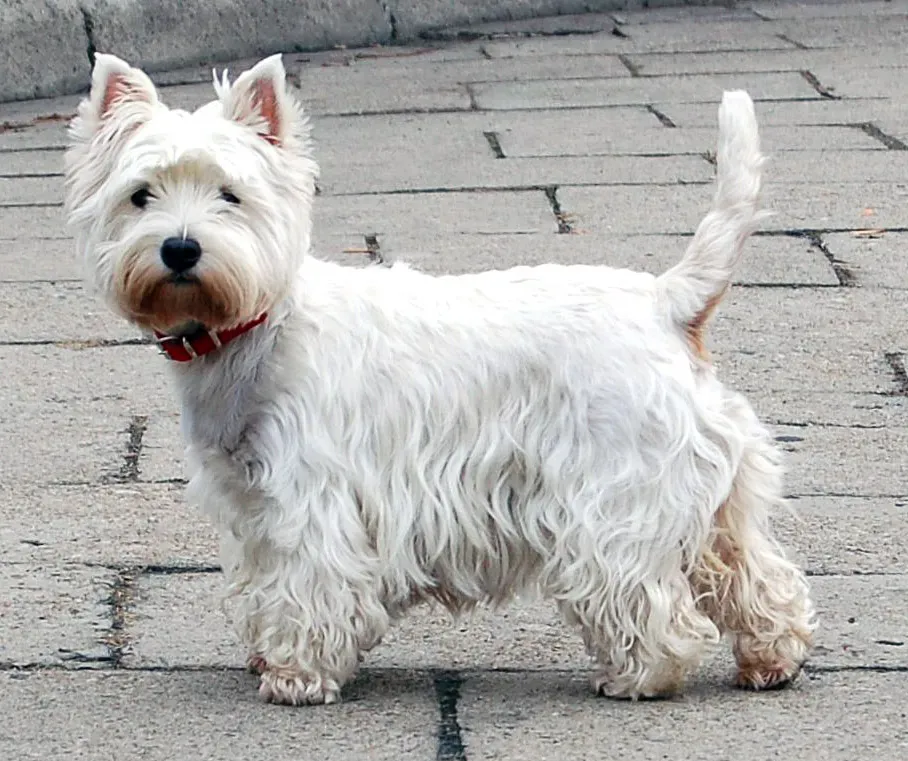
Westies are naturally alert and protective, making them prone to frequent barking, and they were initially bred to hunt rodents, so their keen sense of hearing and strong prey drive makes them highly vocal, tending to bark at anything unfamiliar. These sturdy white terriers from Scotland are cheerful and energetic, always ready for adventure.
Their hunting background means they’re hardwired to be vigilant and vocal. Every passing car, visiting neighbor, or unusual sound triggers their instinct to alert. These dogs don’t do subtle. They’re confident, bold, and absolutely committed to letting you know what’s happening in their territory at all times.
7. Miniature Schnauzer: The Bearded Watchdog
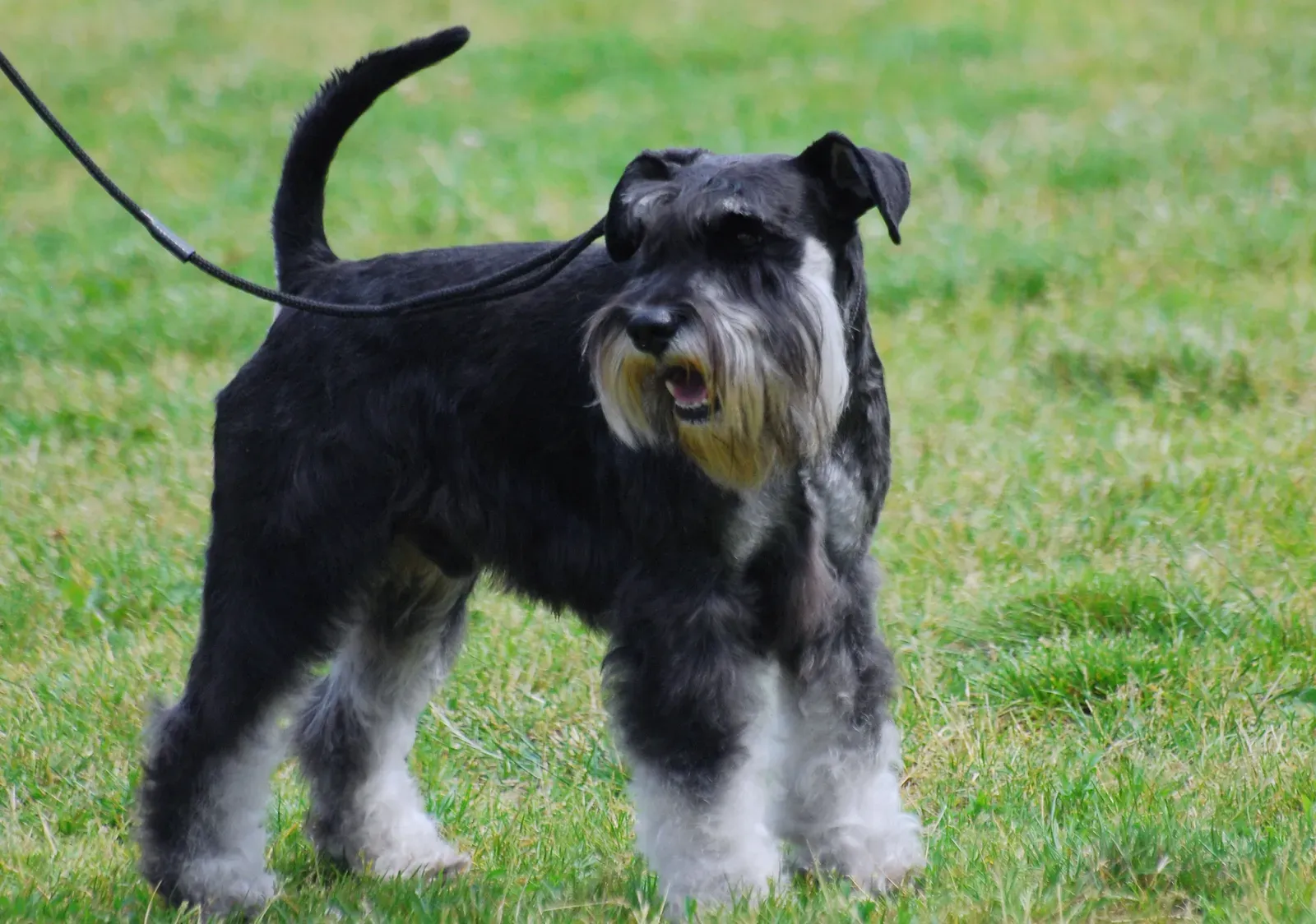
With their distinguished beards and eyebrows, Miniature Schnauzers look like wise little philosophers. Breeds like Yorkshire Terriers, Miniature Schnauzers, and Dachshunds were specifically bred to be vocal warning systems for their owners. They were developed as farm dogs to hunt rats and guard property, which required them to be vocal and alert.
These intelligent dogs are naturally suspicious of strangers and take their watchdog duties seriously. They’ll bark to announce visitors, alert you to unusual sounds, and generally keep you informed about everything happening within their sensory range. Their bark is sharp and insistent, designed to get immediate attention.
8. Cairn Terrier: The Scrappy Little Barker
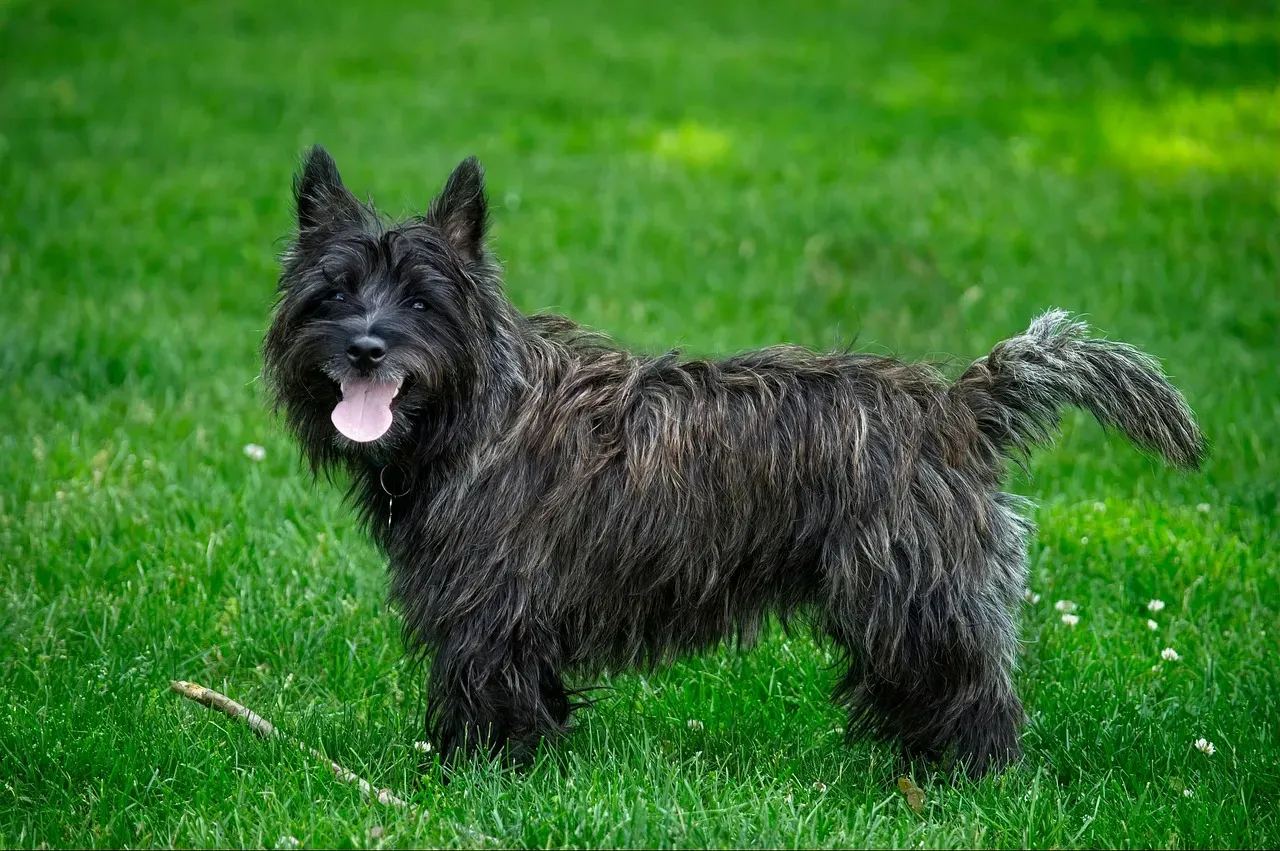
Cairn terriers bark when they are excited, when they hear sounds, or when they see someone near the house, with their bark being loud, quick, and happening often. These rugged little terriers originated in the Scottish Highlands, where they hunted vermin among the rock cairns.
They get bored easily, and if they do not have toys or playtime, they will bark just to stay busy, also barking when left alone, not because they are bad, but because they were trained to always watch and warn. Honestly, their energy levels are impressive for such small dogs. Without proper mental stimulation and exercise, that energy transforms into vocal entertainment.
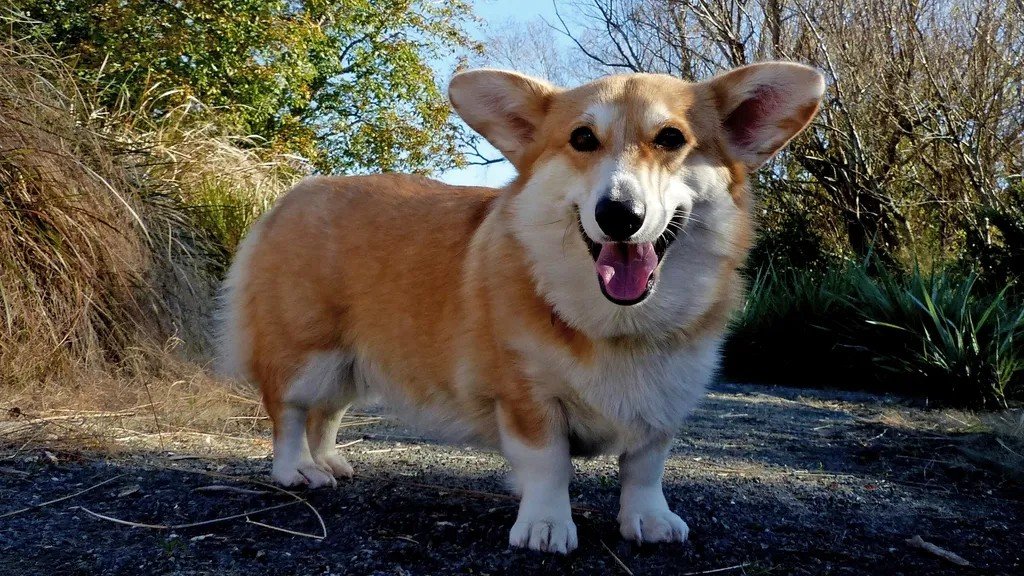
9. Pembroke Welsh Corgi: The Herding Barker
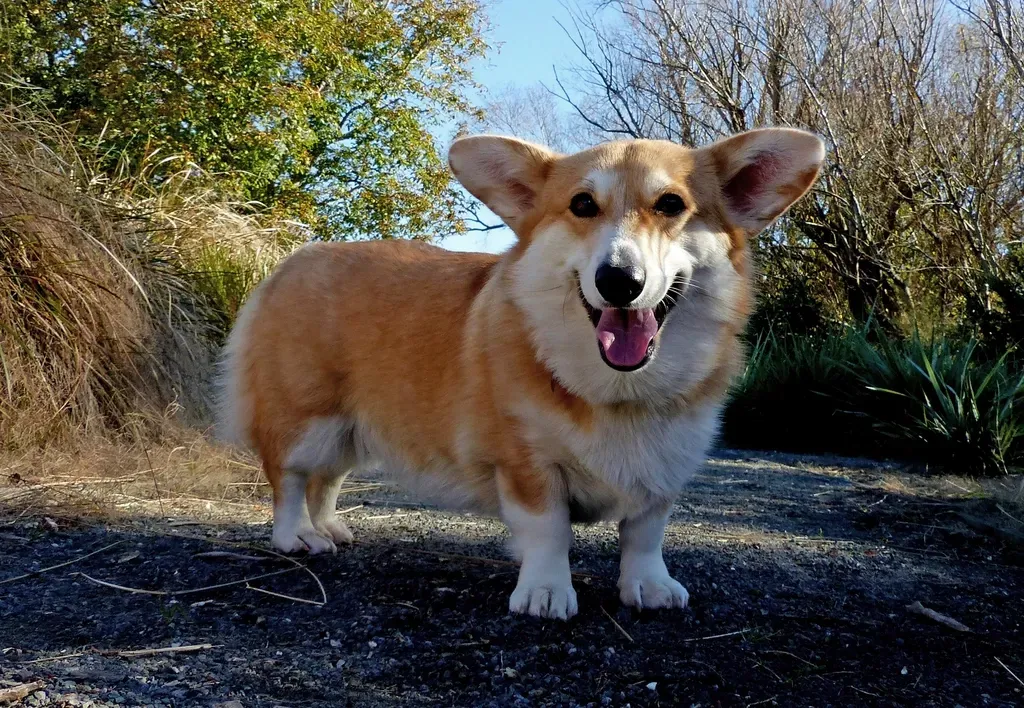
While it’s true that some Corgis don’t bark, it’s a fairly common trait with both breeds – the Pembroke Welsh Corgi and the Cardigan Welsh Corgi – with their vocal nature coming from their history of being bred to herd cattle and sheep. Those short legs and long bodies were built for a specific job: moving livestock by nipping at their heels.
Barking was essential to their herding work, helping them control cattle many times their size. Today’s Corgis still carry those instincts even if they’re herding children or household members instead of sheep. They’ll bark to direct traffic, alert to changes, and generally maintain order in their perceived flock. It’s hard to say for sure whether you can fully train this instinct away.
10. Australian Terrier: The Spirited Alerter
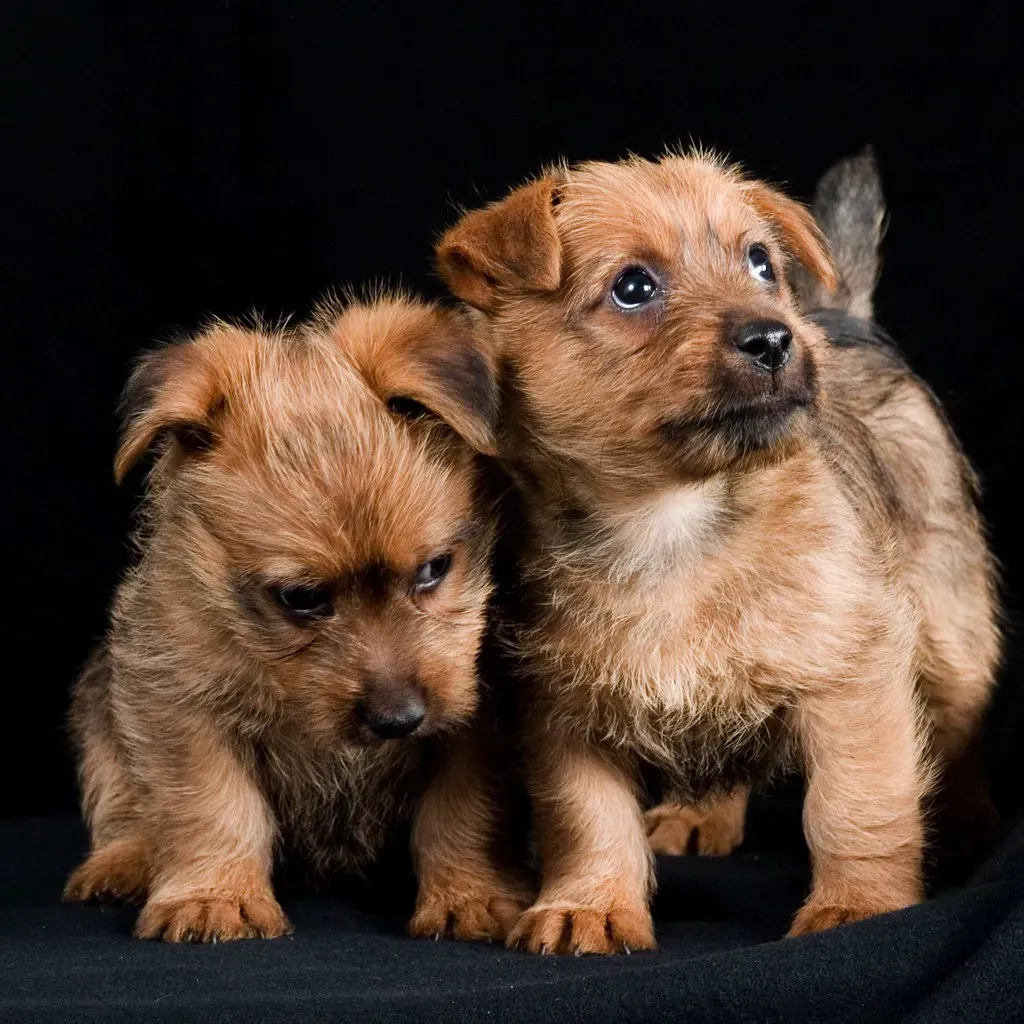
The Australian Terrier is a small yet sturdy breed originating from Australia, developed in the 19th century as terriers bred to hunt and exterminate vermin, a task that required alertness and a keen sense of hearing. These courageous little dogs pack a lot of personality into a compact frame.
Their loyalty, combined with their natural alertness, often translates into frequent barking, especially when they sense unfamiliar activities or strangers approaching their territory, with their history as vermin hunters contributing significantly to their vocal nature. They’re devoted family companions who take their protective responsibilities seriously, perhaps a bit too seriously for neighbors who value peace and quiet.
Conclusion
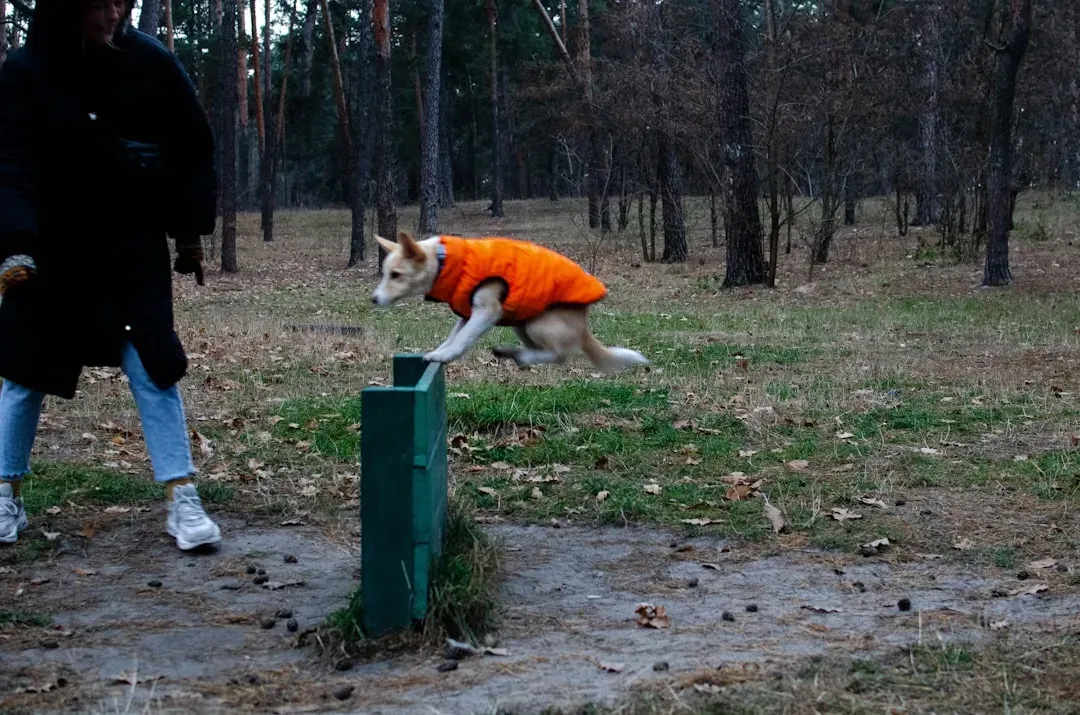
Living with a vocal small breed doesn’t mean resigning yourself to constant noise. While small dogs may be naturally inclined to bark more frequently, understanding the underlying causes and implementing appropriate training techniques can help manage this behavior effectively, with patience, consistency, and positive reinforcement being key to success.
Start by ensuring your dog receives adequate physical exercise and mental stimulation, as a tired dog is generally a quieter dog, and create a consistent daily routine that includes regular exercise, training sessions, and quiet time. Remember, these breeds were often developed specifically to be vocal, so completely silencing them is unrealistic and unfair. The goal is management, not elimination.
Which breed surprised you the most? Have you experienced life with one of these vocal little companions?


