
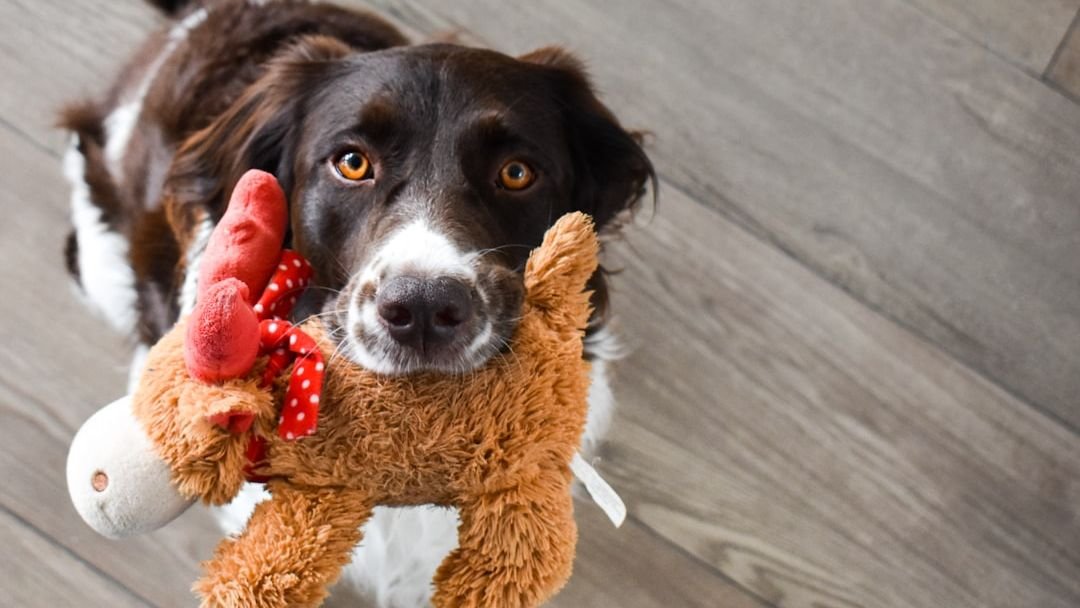
Have you ever wondered what goes through your dog’s mind when they look at you with those soulful eyes? Sure, you know they love dinner time and walks in the park. Yet there’s something deeper happening in those quiet moments you share together. The bond between humans and dogs stretches back thousands of years, evolving from a practical partnership into something remarkably close to family.
Scientists have spent decades studying this unique connection, and what they’ve discovered is both fascinating and heartwarming. Your dog doesn’t just tolerate you or see you as a convenient food dispenser. They form genuine emotional attachments that mirror the bonds human children develop with their parents. So let’s dive into those small, everyday behaviors that reveal just how deeply your furry friend considers you part of their pack.
They Follow You From Room to Room
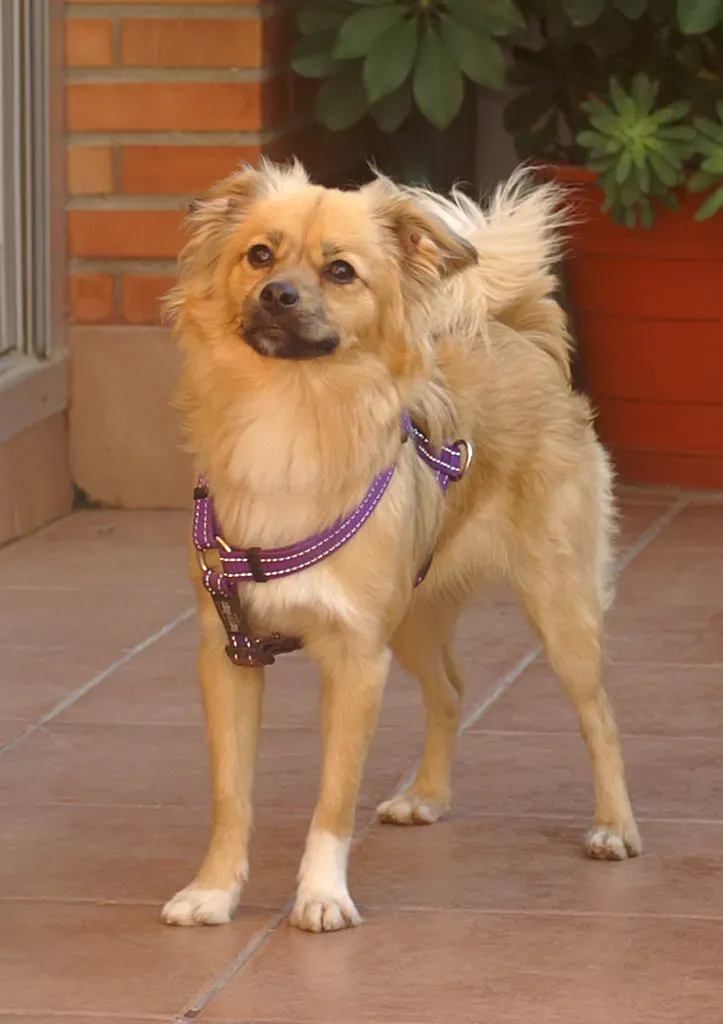
Ever notice how you can’t even go to the bathroom without a furry shadow trailing behind? This behavior isn’t just about curiosity or boredom. Dogs exhibit what’s called “secure-base behavior,” which means they feel braver and more confident exploring the world when their human is near. Think about it like a toddler who constantly checks that mom or dad is still watching while they play.
Your dog follows you around because you represent safety and security in their world. They’ve chosen you as their anchor point, the person who makes them feel protected enough to face whatever the day brings. It’s honestly quite touching when you realize they’re not being clingy, they’re showing trust.
They Sleep Near You or On Your Bed
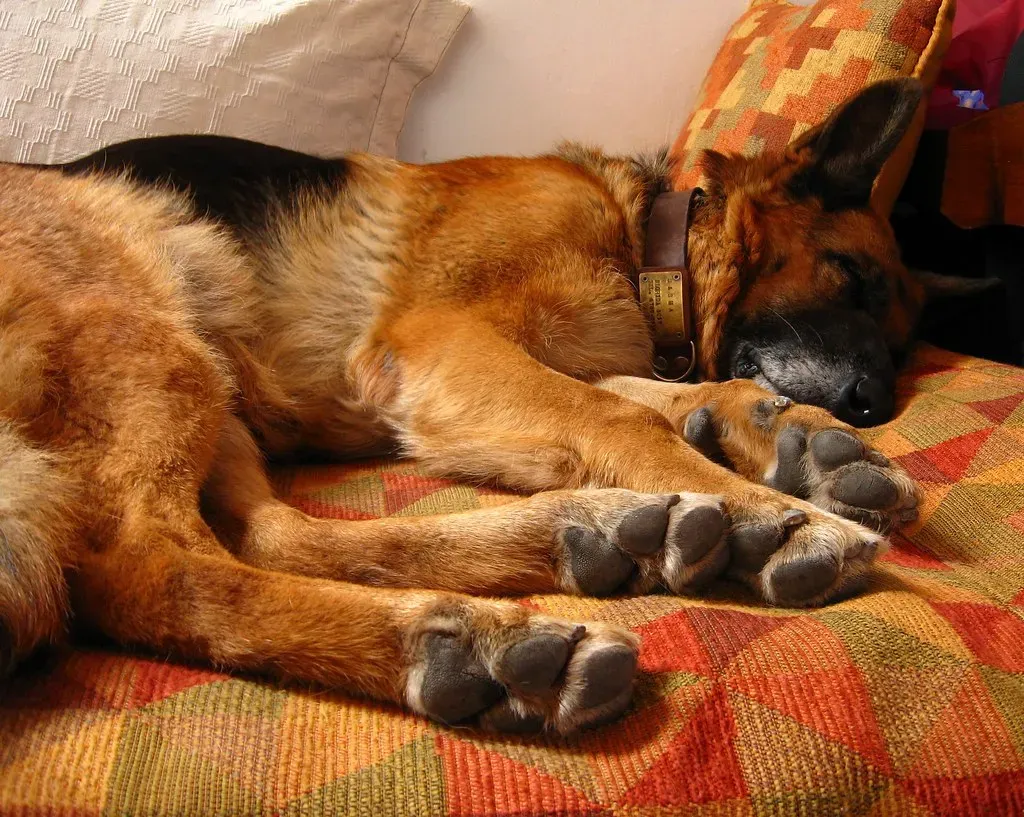
Dogs tend to sleep near those they trust most, especially during uncertain times like thunderstorms, travel, or illness. Sleep is when animals are at their most vulnerable, so choosing to rest beside you is a massive vote of confidence. In the wild, pack members sleep close together for warmth and protection.
When your dog curls up at the foot of your bed or insists on sharing your pillow, they’re treating you like family. Dogs raised in secure homes often model their behavior after parental roles, seeking closeness during vulnerable moments – like sleep. That warm furry lump taking up half your mattress? That’s pure love and trust manifesting itself nightly.
They Bring You Their Favorite Toys
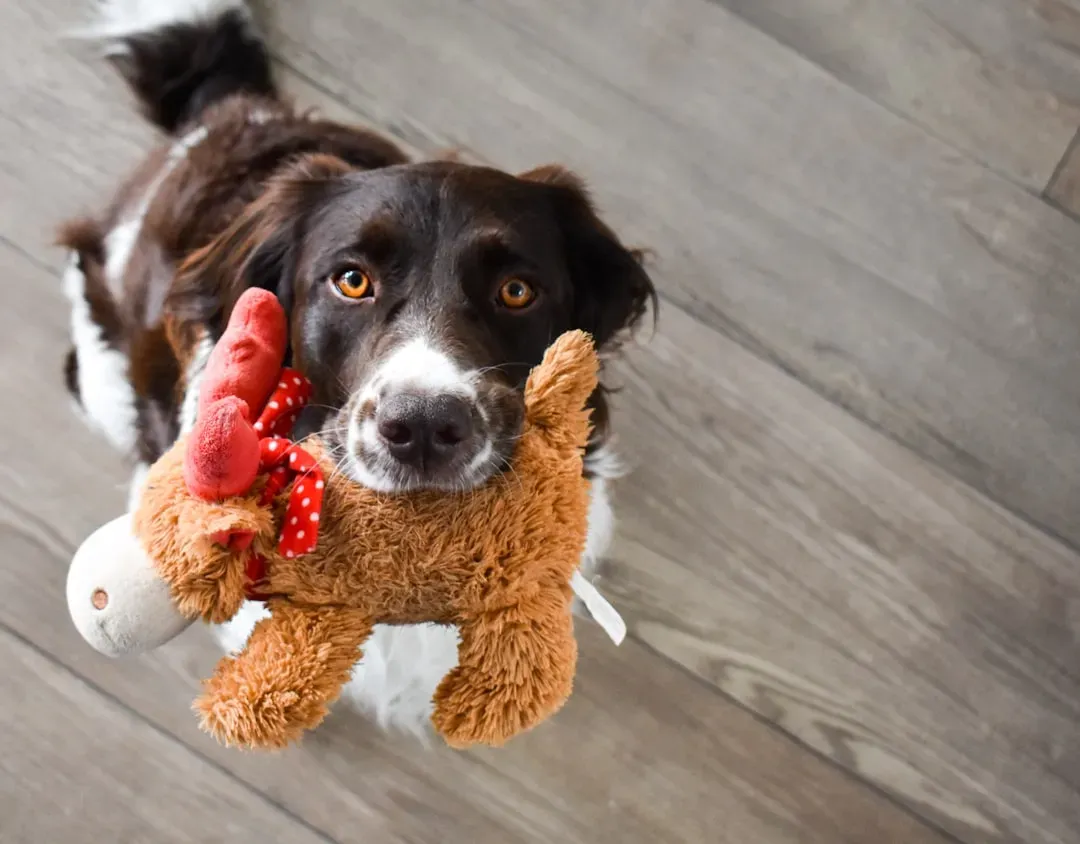
Does your dog drop a slobbery tennis ball in your lap when you’re trying to relax? When dogs bring you toys, they’re often doing more than inviting you to play – toy offerings can serve multiple functions including a social gesture to reinforce bonding. They’re sharing their prized possessions with you, much like a child showing a parent their favorite toy.
This behavior demonstrates that your dog values your interaction and wants to include you in activities they find joyful. It’s not just about the game itself. They’re essentially saying they want to experience happiness with you, creating shared moments that strengthen your bond.
They Watch You For Emotional Cues
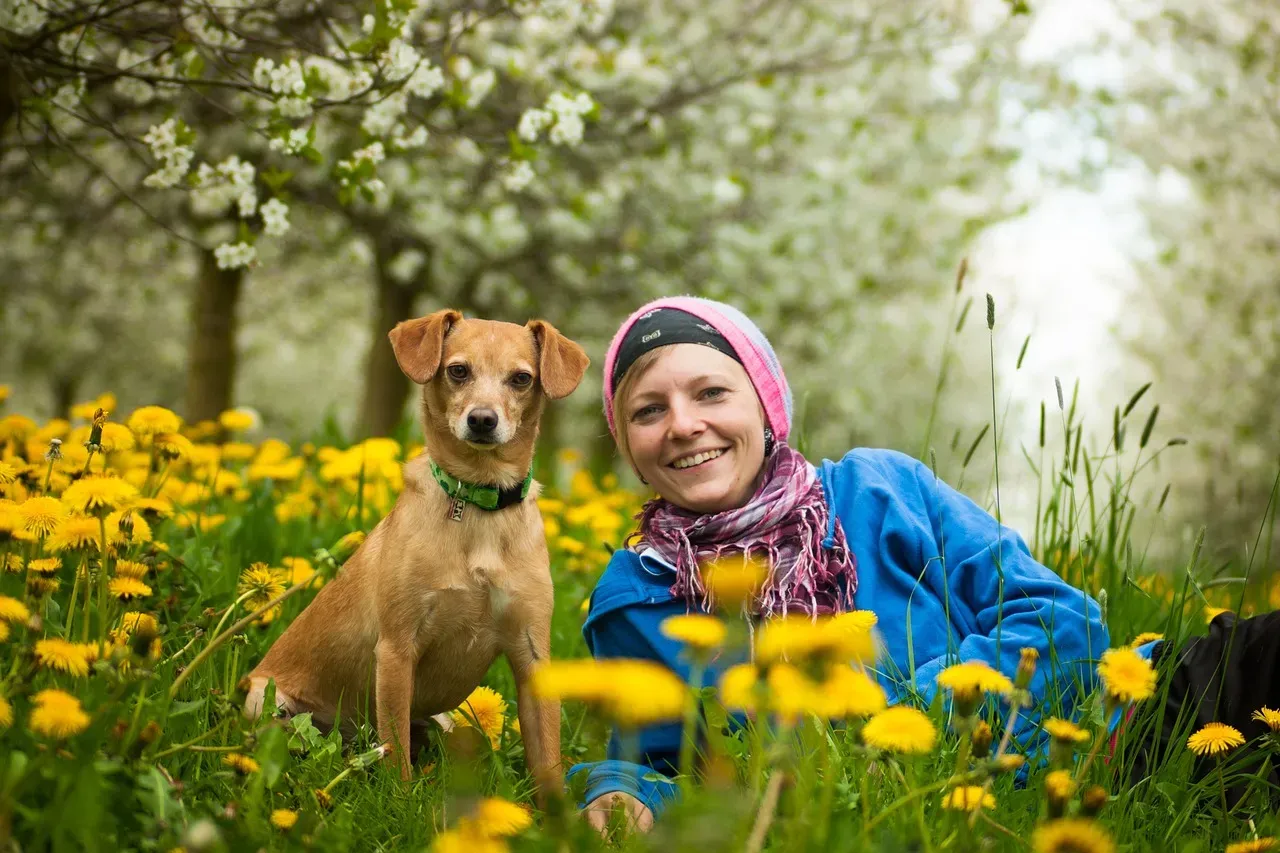
Dogs watch their humans closely, looking for emotional cues, and often mirror their owners’ moods. If you’ve ever noticed your dog seems anxious when you’re stressed or excited when you’re happy, that’s no coincidence. They’re reading your facial expressions, body language, and even your tone of voice to understand how you’re feeling.
This emotional attunement is remarkably similar to how children monitor their parents’ moods to gauge safety and appropriate responses. Your dog has learned to interpret your emotional state because you matter to them. They’re invested in understanding you, which takes genuine cognitive effort and emotional connection.
They Show Excitement When You Come Home
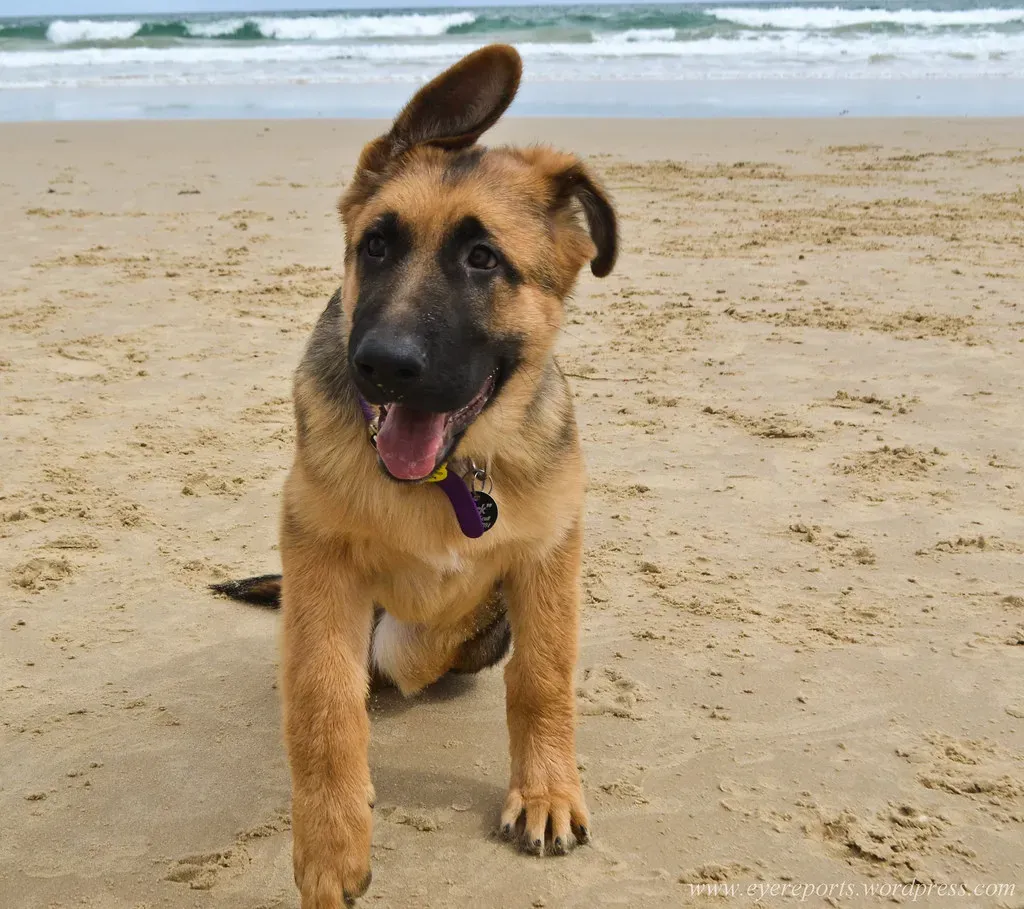
The exuberant greeting you receive when walking through the door, even if you’ve only been gone ten minutes, speaks volumes. That tail-wagging, jumping, spinning celebration isn’t just habit. Dogs exhibit human-analogue attachment towards their owner with similar function to that of infant-mother relationships.
Research has shown that dogs experience genuine joy upon reunion with their owners. Their brain chemistry actually changes when they see you after an absence. Whether you’ve been gone for hours or just stepped outside to grab the mail, your return is the highlight of their day because you’re their person.
They Lean Against You
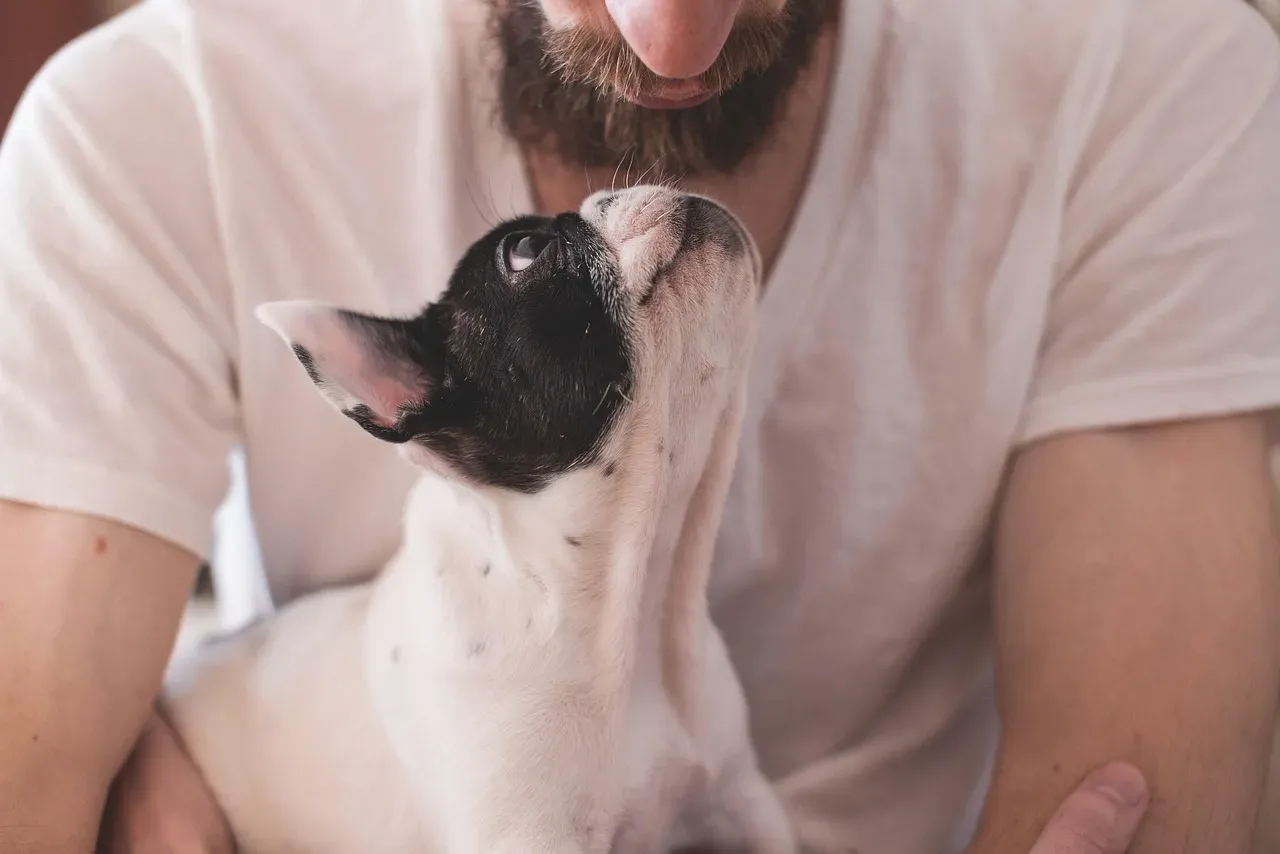
That moment when your dog just casually leans their full body weight against your legs while you’re standing isn’t them being lazy or losing balance. Physical contact is how dogs communicate affection and seek comfort. When they lean on you, they’re seeking connection and reassurance through touch.
This behavior shows they feel safe enough to be physically vulnerable with you. It’s their version of a hug, a way of saying they trust you completely and want to be close. Some dogs do this more than others, depending on breed and personality, but the sentiment remains the same.
They Protect You When They Sense Danger
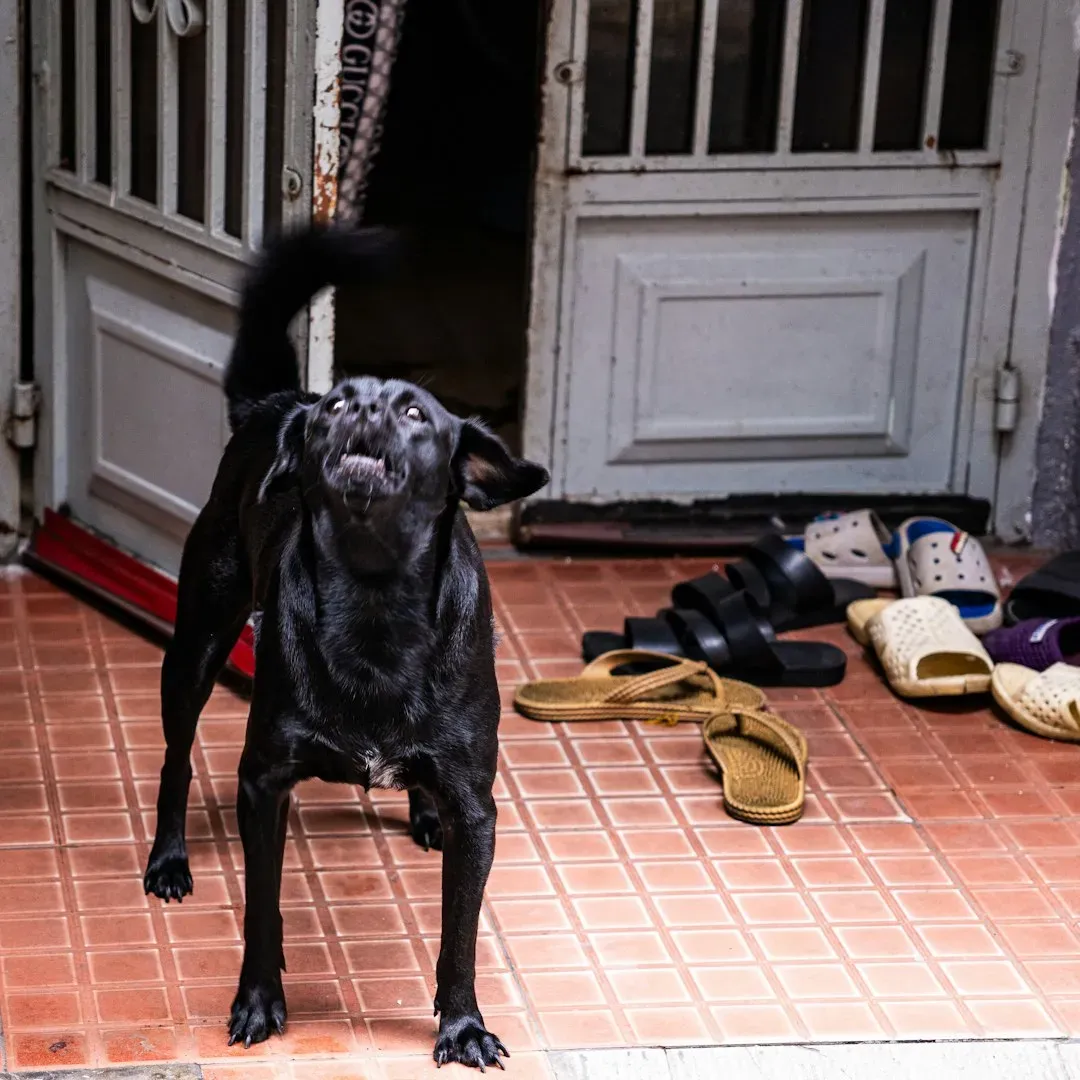
Dogs with stronger attachment bonds to their owners were more likely to prefer people who helped their owners. When your dog positions themselves between you and something they perceive as threatening, whether it’s a stranger at the door or an unfamiliar noise, they’re acting as your protector. This protective instinct stems from viewing you as part of their family unit.
You might notice your dog becomes more alert when you’re in unfamiliar places or around new people. They’re essentially watching your back, ready to defend you if necessary. This guardian behavior is deeply rooted in pack dynamics where family members look out for each other.
They Seek You Out When They’re Scared or Hurt
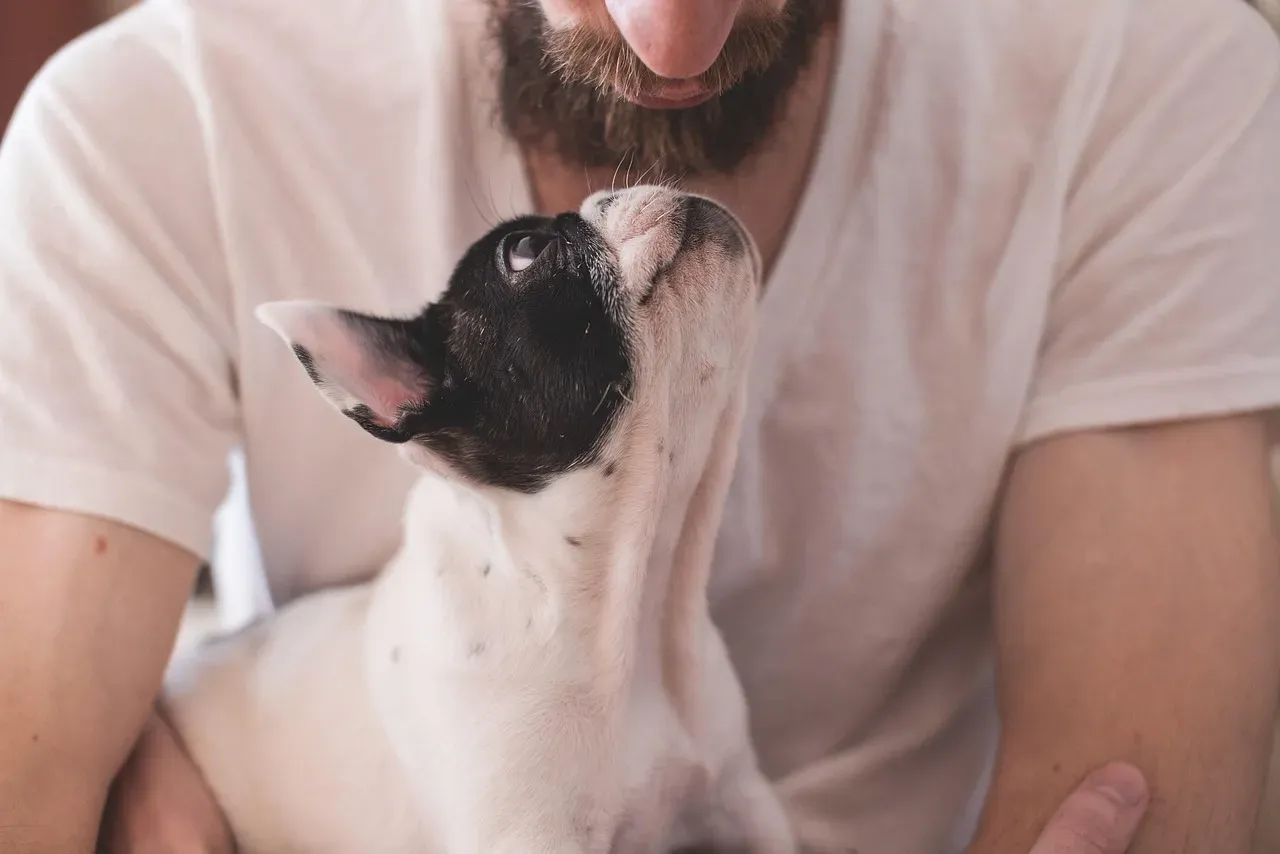
When thunder rumbles or fireworks explode, where does your dog go? If they come looking for you, trembling and seeking comfort, that’s a profound display of trust. This attachment, sometimes called “secure-base behavior,” means dogs feel braver and more confident exploring the world when their human is near.
Similarly, when dogs are injured or feeling unwell, they often become more clingy with their primary caregiver. They instinctively know you’re the one who will help them feel better. This mirrors how children run to parents when they’ve scraped a knee, seeking both physical comfort and emotional reassurance.
They Show Separation Anxiety When You Leave
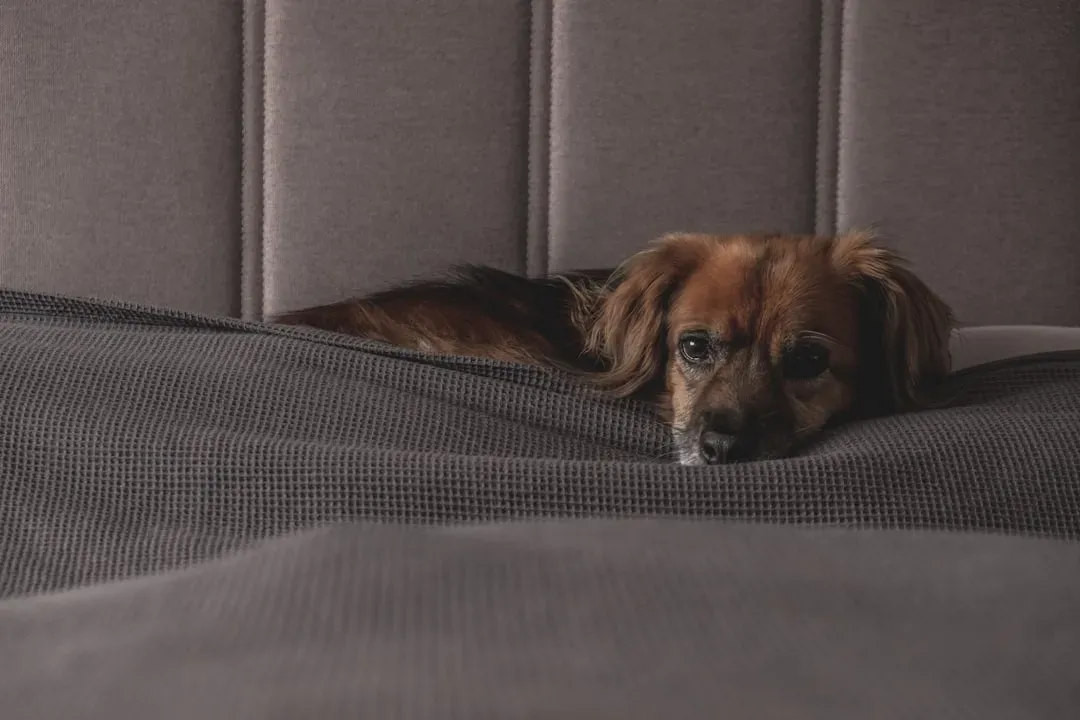
While extreme separation anxiety requires professional help, mild distress when you leave is actually a sign of healthy attachment. Your dog might whine at the door, pace a bit, or look forlorn when you grab your keys. They’ve formed such a strong bond with you that your absence creates genuine emotional discomfort.
The relationship between human and canine is a bidirectional attachment bond, which resembles that of the typical human caretaker/infant relationship. This means your departures actually matter to them emotionally. They’re not worried about who will feed them; they’re missing your presence and companionship.
They Respond to Your Name and Voice
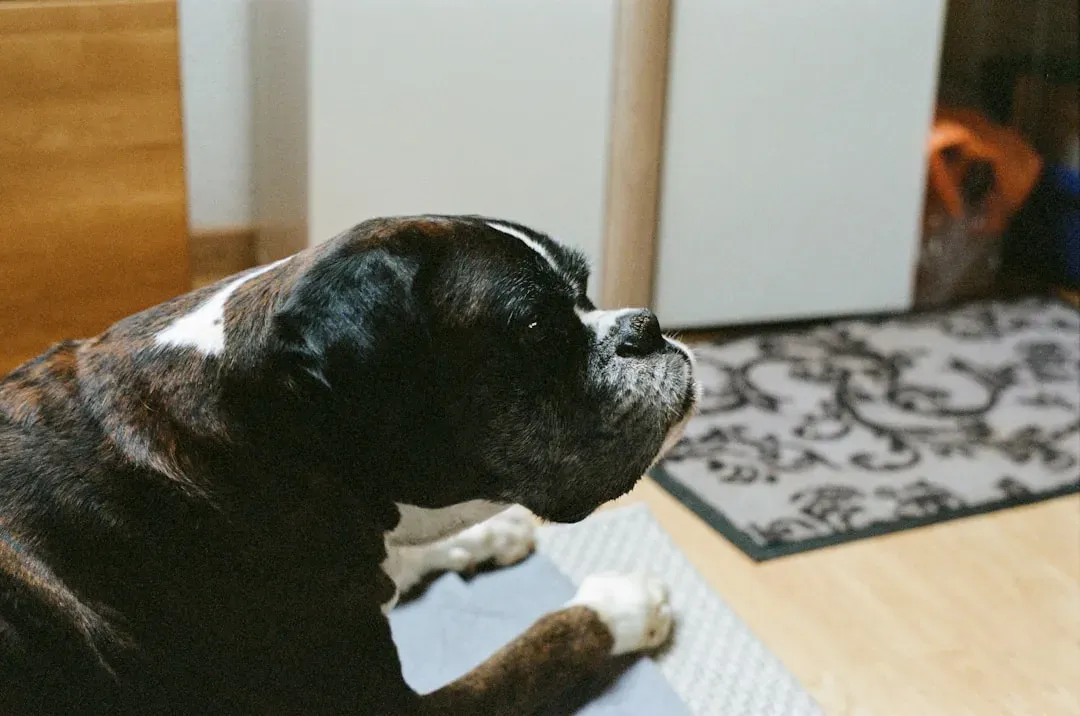
Your dog doesn’t just recognize you visually. They know the sound of your voice, the way you say their name, even your footsteps approaching the house. They’ve learned to distinguish you from all other humans because you’re special to them. When they perk up at the sound of your car pulling into the driveway or respond immediately when you call, that’s recognition born from deep familiarity.
This auditory recognition goes beyond basic training. They’ve memorized the unique qualities of your voice because listening to you matters. Research shows dogs can even detect emotional undertones in how you speak, adjusting their behavior based on whether you sound happy, sad, or frustrated.
Conclusion
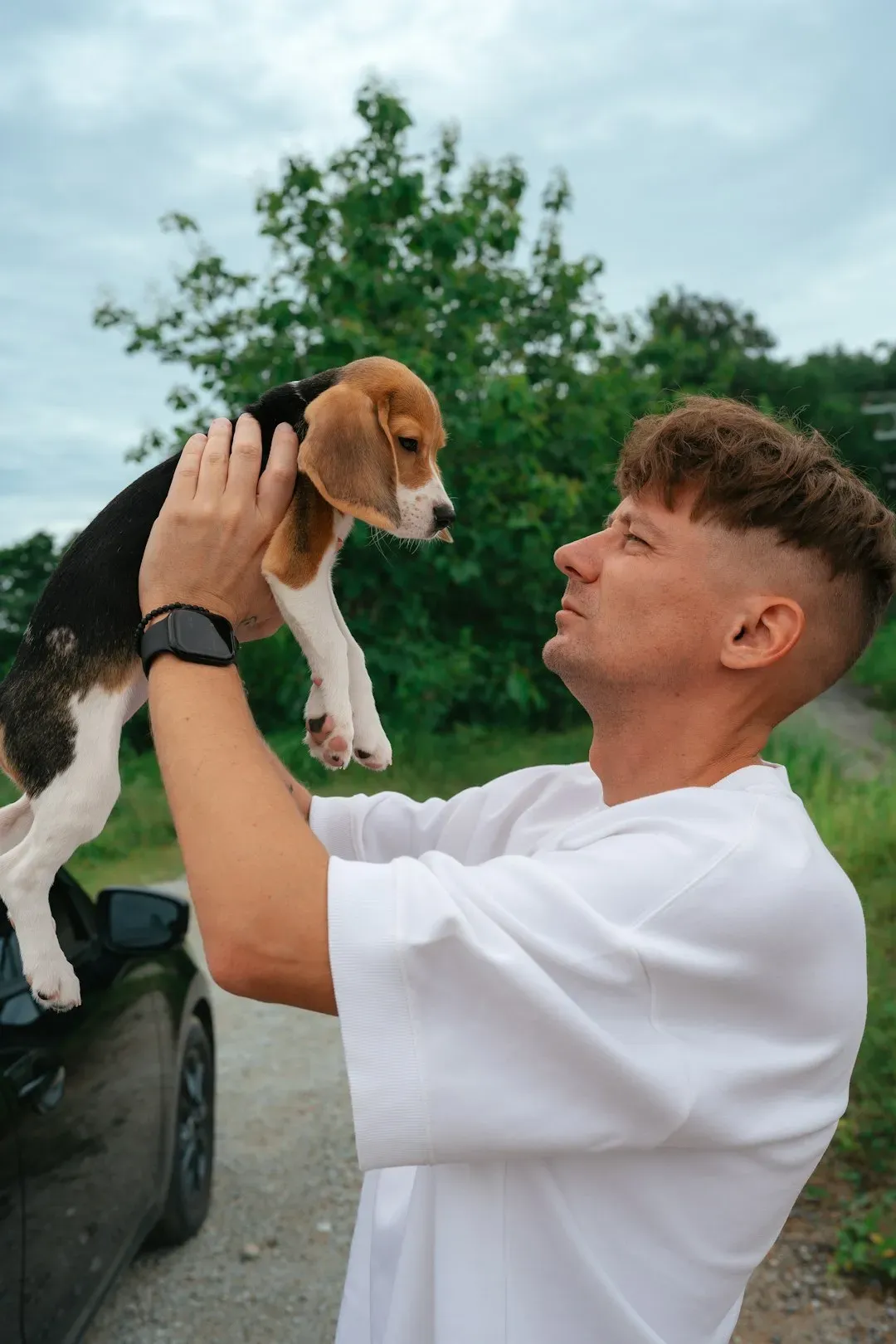
These small moments that happen throughout your day aren’t random behaviors or trained responses. They’re genuine expressions of the family bond your dog has formed with you. Pets are often considered close family members and are ranked highly in attachment hierarchies. The way your dog follows you, seeks your comfort, shares their toys, and celebrates your presence all point to one undeniable truth: you’re not just their owner, you’re their family.
Next time your dog does any of these things, take a moment to appreciate what they’re really communicating. That tail wag, that trusting lean, that excited greeting – these are their ways of saying “you’re my person, and I love you.” What moments with your dog make you feel most connected? We’d love to hear your stories in the comments.


