
You think you know your cat inside and out. The way she purrs when you scratch behind her ears, how she curls up in that perfect sunny spot by the window, or the adorable way she chirps at birds through the glass. But what if I told you that some of the things we do every day – things that seem completely harmless – could actually be chipping away at your feline friend’s emotional wellbeing?
Stress plays a significant part in most common cat behaviour problems and some diseases. Cats don’t tend to show their emotions as overtly as other species do, and often signs are very subtle, such as withdrawing and becoming quiet. This means our beloved cats might be silently suffering, and we’d never know it until the damage is done.
Ignoring Their Need for Routine
Your cat isn’t being dramatic when she meows at exactly 6 AM for breakfast. Cats are creatures of routine, and they find sudden changes stressful. Keeping to a regular routine of feeding times, playtimes, rest times and so on can help them feel more relaxed. When we constantly change feeding times, play schedules, or even our own daily patterns, we’re essentially telling our cats that their world is unpredictable.
Think about it from their perspective – cats are hardwired to expect certain things at certain times. They’re also creatures of habit who rely on predictability and consistency in their daily lives. Combine the security of being consistent with the fun of daily reward-based activities and you’ll very likely have a much happier cat. Breaking this routine doesn’t just inconvenience them; it genuinely distresses them on an emotional level.
Leaving Them Alone for Extended Periods
As in humans or dogs, separation anxiety in cats is an emotional response of stress, fear and/or sadness when they are away from the person or other animal with whom they are bonded and feel safe, secure and loved. Separation anxiety can range from mild to severe and be harder to spot in cats. Many cat owners assume that because cats seem independent, they don’t mind being alone for long stretches.
But here’s the reality – a recent study showed that cats living with humans have similar attachment styles to pet parents as dogs and children do. In fact, 64% of the cats evaluated were described as securely attached to their humans. These cats showed less stress when near their caregivers. When you suddenly start leaving for longer periods than usual, especially if you’ve been working from home, your cat may feel genuinely abandoned.
Not Providing Enough Mental Stimulation
Cats are naturally inquisitive creatures that need both mental and physical stimulation to stay happy. They may resort to disruptive behaviors if caregivers do not meet their welfare needs with enough engagement and interaction. That expensive cat tree isn’t just furniture – it’s essential equipment for your cat’s mental health.
When cats don’t have opportunities to hunt, climb, scratch, or explore, they become frustrated and depressed. Indoor and solo cats, in particular, can feel bored and lonely without the stimulation of rotated, interactive toys, scratching posts for physical activity, and windows viewing the outdoors to look out of. A bored cat isn’t just inactive – they’re emotionally unfulfilled, which can manifest as destructive behavior or withdrawal.
Inconsistent or Confusing Attention
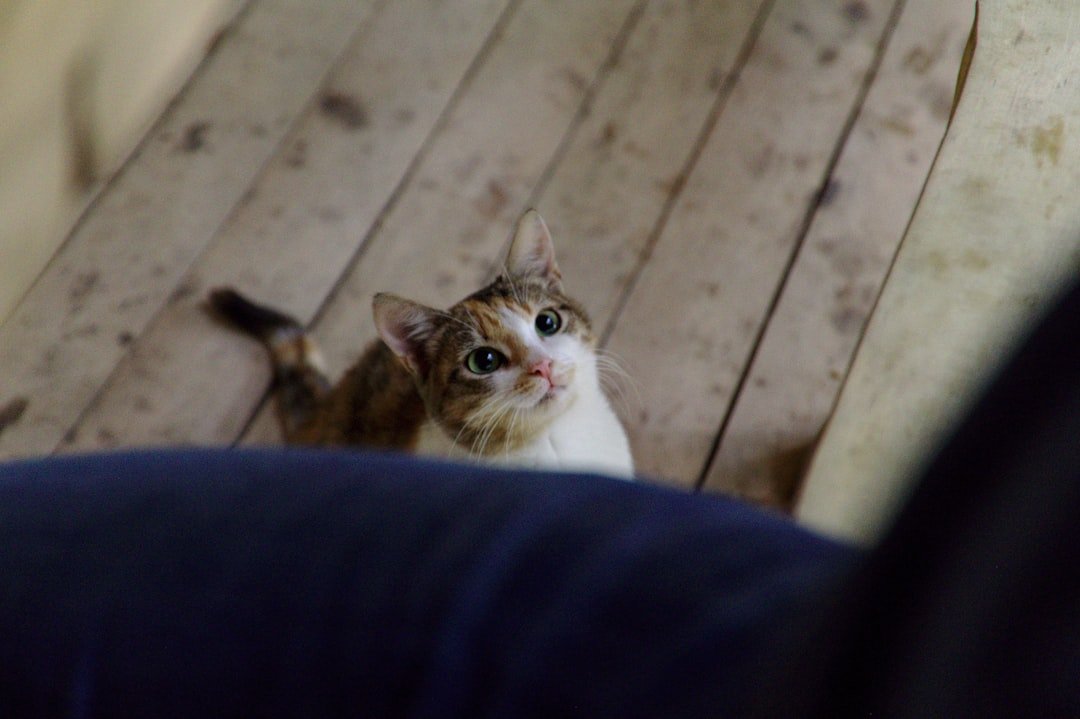
Because your cat has repeated a behavior and you’ve rewarded him intermittently, he has a high ratio of demand to reward. Hope springs eternal, and he will keep trying. He thinks if three meows don’t get him what he wants, he’ll try 25. This creates a cycle where your cat becomes increasingly desperate for your attention.
When we respond to attention-seeking behavior inconsistently – sometimes giving in, sometimes ignoring, sometimes getting annoyed – we’re actually teaching our cats that they need to try harder and be more persistent. Most cat parents reinforce the very behavior they don’t like because they acknowledge the cat for displaying attention-seeking behavior. When the cat jumps on the table and starts meowing it’s common for the cat parent to acknowledge the kitty’s presence.
Moving Their Resources Around Frequently
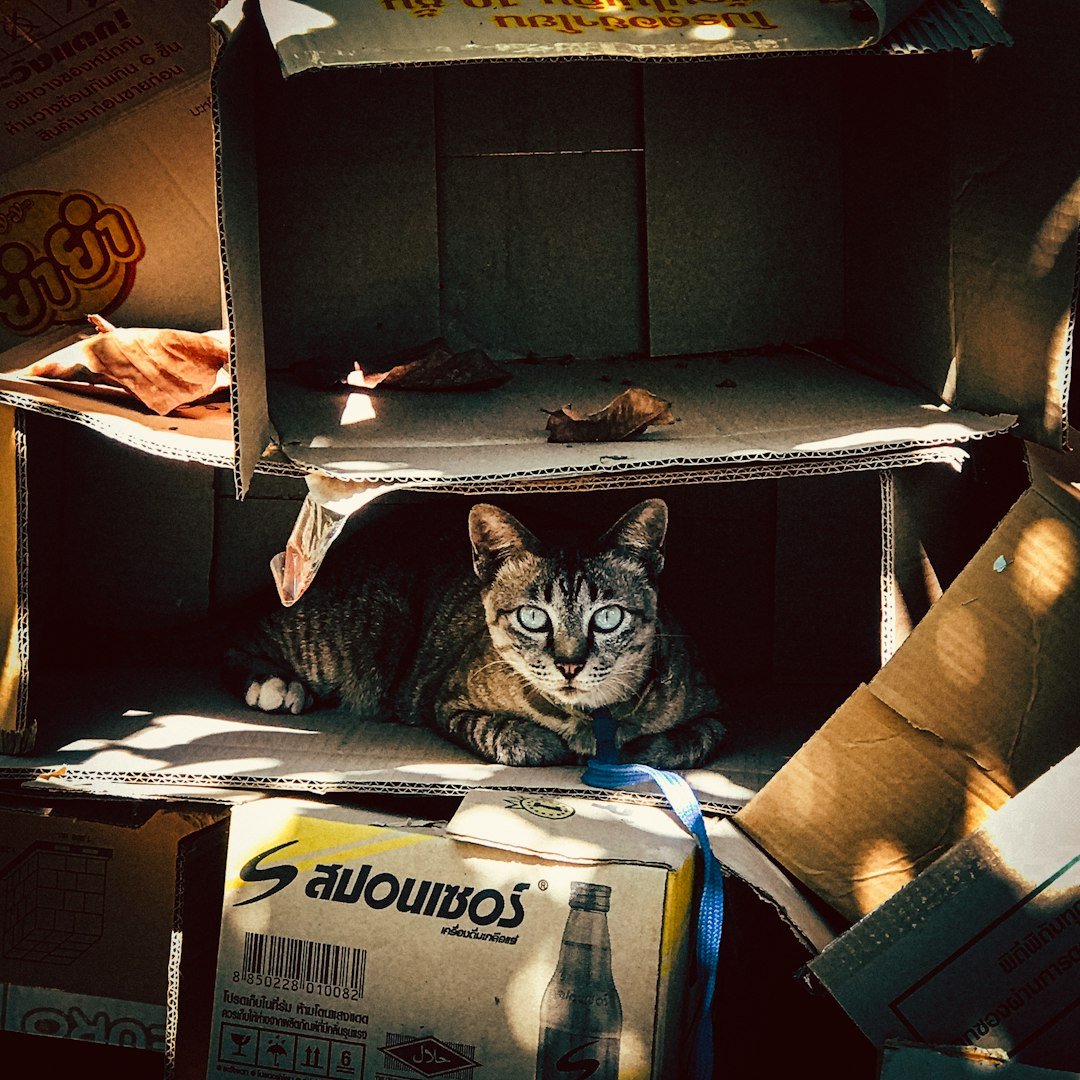
Cats have an incredible sense of smell which is much more powerful than ours. Significant changes to the smell of their home can be a real concern to cats, even though it may not be obvious to us. This extends beyond just scents – the location of their food bowl, litter box, or favorite sleeping spot carries emotional significance.
Moving familiar objects. Changing the location of food and water dishes, litter trays or favorite furniture can disrupt your pet’s environment. What seems like simple redecorating to us can feel like their entire world has been turned upside down. Cats create mental maps of their territory, and when we constantly rearrange things, we’re forcing them to feel uncertain in their own home.
Not Respecting Their Communication Signals
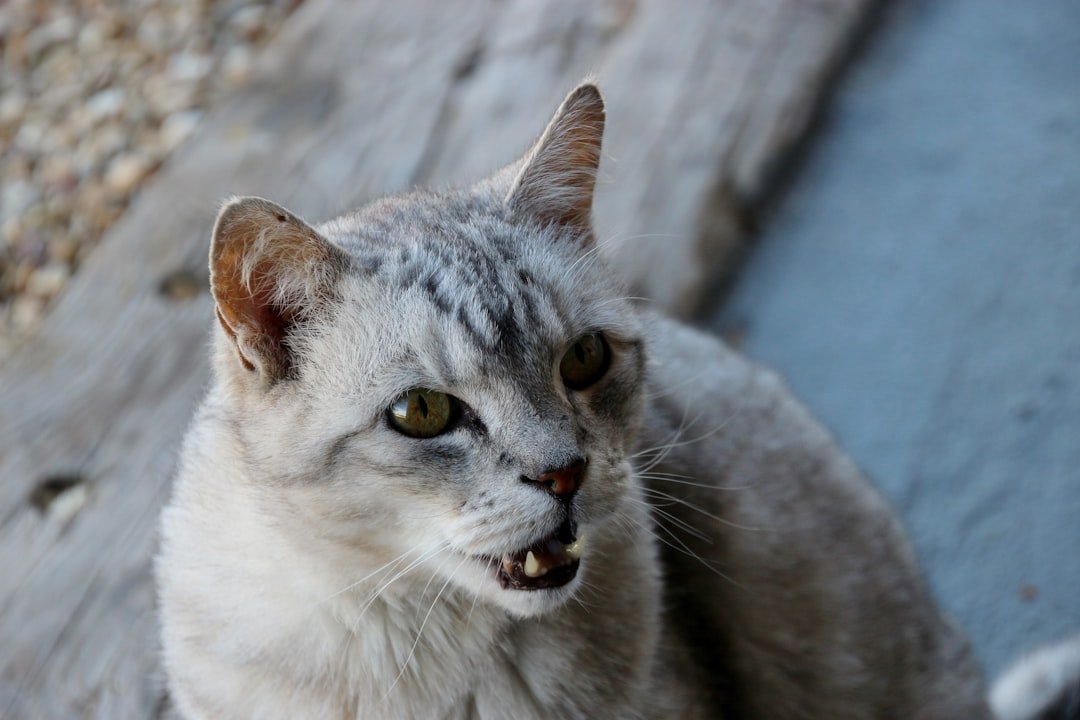
When a cat is feeling stressed, they may have a stiff and tense body held low to the ground. The cat may also engage in displacement behaviors – meaning normal behaviors (such as licking their lips, scratching, grooming, and yawning) that are performed out of context – to cope with underlying stress.
Too often, we misread or ignore these subtle signals. When your cat’s tail is twitching rapidly or their ears are flattened back, they’re telling you they need space. Some cats, however, may permit the cuddles to continue for longer than is good for them, to the point that they become overstimulated. This may cause them to have a sudden aggressive reaction. Pushing past their boundaries doesn’t build trust – it erodes it.
Creating Multi-Cat Household Stress
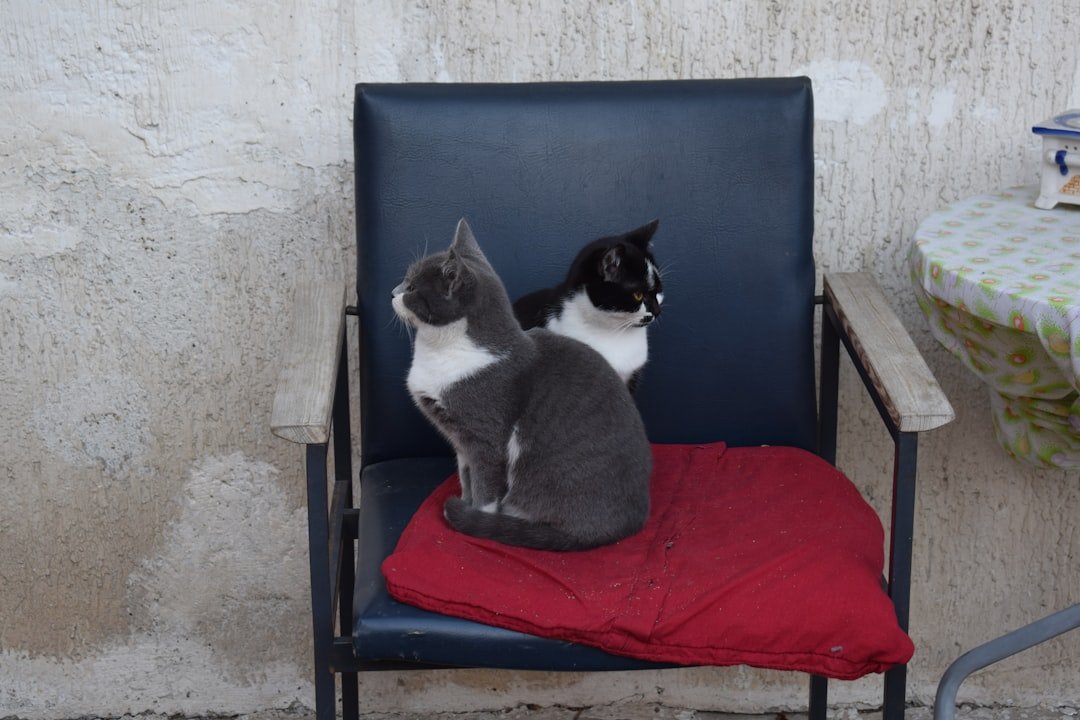
For a cat, sharing their important resources (such as food, litter trays, beds, human attention etc.) with another cat, especially if they haven’t grown up together, can be really stressful. Cats can often see other members of their species as ‘competitors’ rather than ‘allies’.
A large proportion of a cat’s stress comes from interactions with other cats. If your cat is sharing key resources (litter trays, food and water bowls, scratching posts, beds, toys etc.) with cats they don’t get on with, this can cause them a great deal of stress. This is because they will compete with other cats for access to these resources, which may cause conflict. Even if you don’t see outright fighting, the constant tension of having to share can be emotionally exhausting for your cats.
Punishing Natural Behaviors
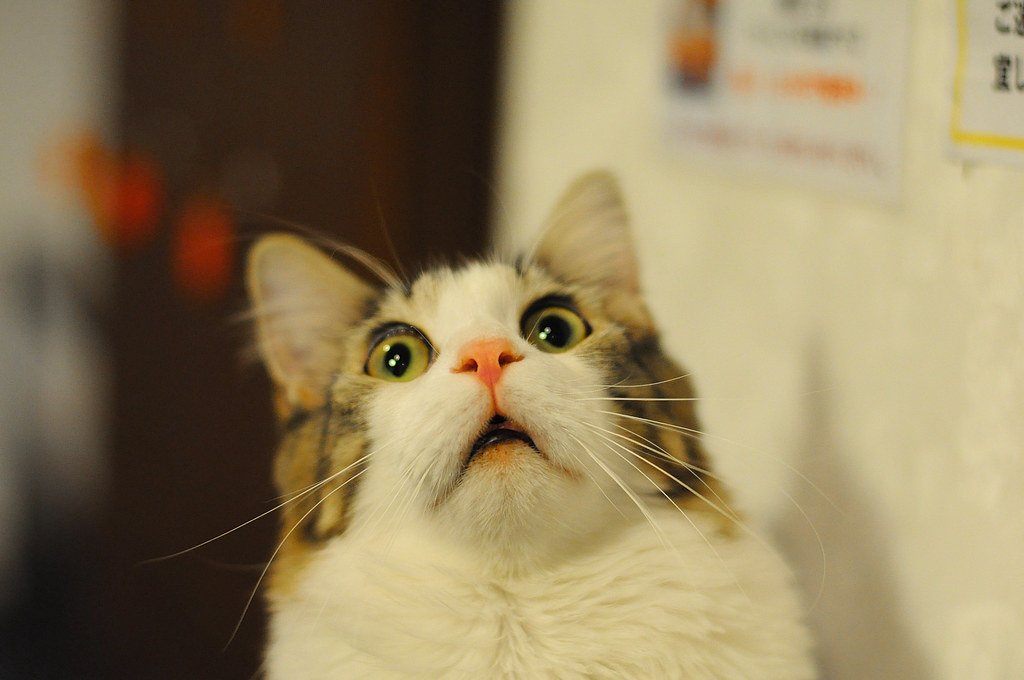
Scratching is another natural behavior for cats. It enables them to sharpen and maintain their claws and mark their territory, and it is even a means of stress relief. When we yell at cats for scratching furniture or hunting toy mice at 3 AM, we’re essentially punishing them for being cats.
Punishment doesn’t work well in extinguishing attention getting. If your cat jumps on your lap when you don’t want him to, you might stand up and he falls. He won’t do it again, at least not for an hour or so. But the emotional damage lingers. Your cat doesn’t understand why their natural instincts are wrong – they just learn to fear your reaction, which breaks down the trust between you.
Sudden Changes in Your Availability
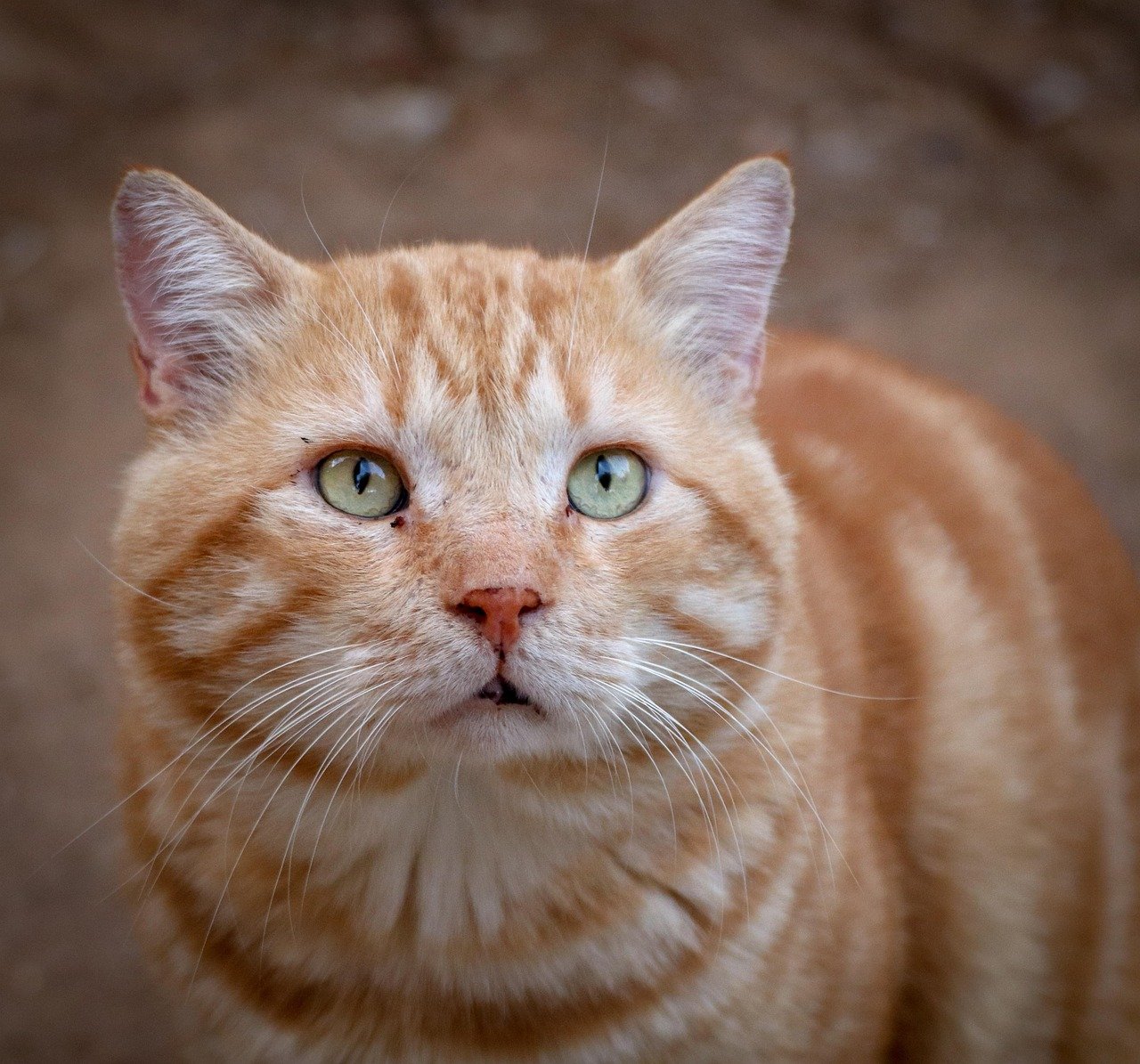
If your kitty is quite used to being around you most of the time and that changes, your cat may experience separation anxiety. In general, cats aren’t big fans of change at all, and a change such as you being gone for hours at a time when they’re used to being around you can be distressing. If you adopted a new cat or kitten during the 2020-2021 global pandemic, the only life they’ve known may no longer be the norm after society opens back up. You may start working in an office again, traveling, or taking a vacation, which will take you away from kitty for hours or days at a time.
Experiencing a change in routine often prompts separation anxiety or causes it to get worse. (That can include a change in ownership, moving to a new home, or changes in the caregiver’s schedule. A common scenario is a pet parent that has worked from home and then transitions to leaving the house for work each day.) The sudden shift from constant companionship to isolation can feel like abandonment to your cat.
Not Providing Adequate Vertical Territory
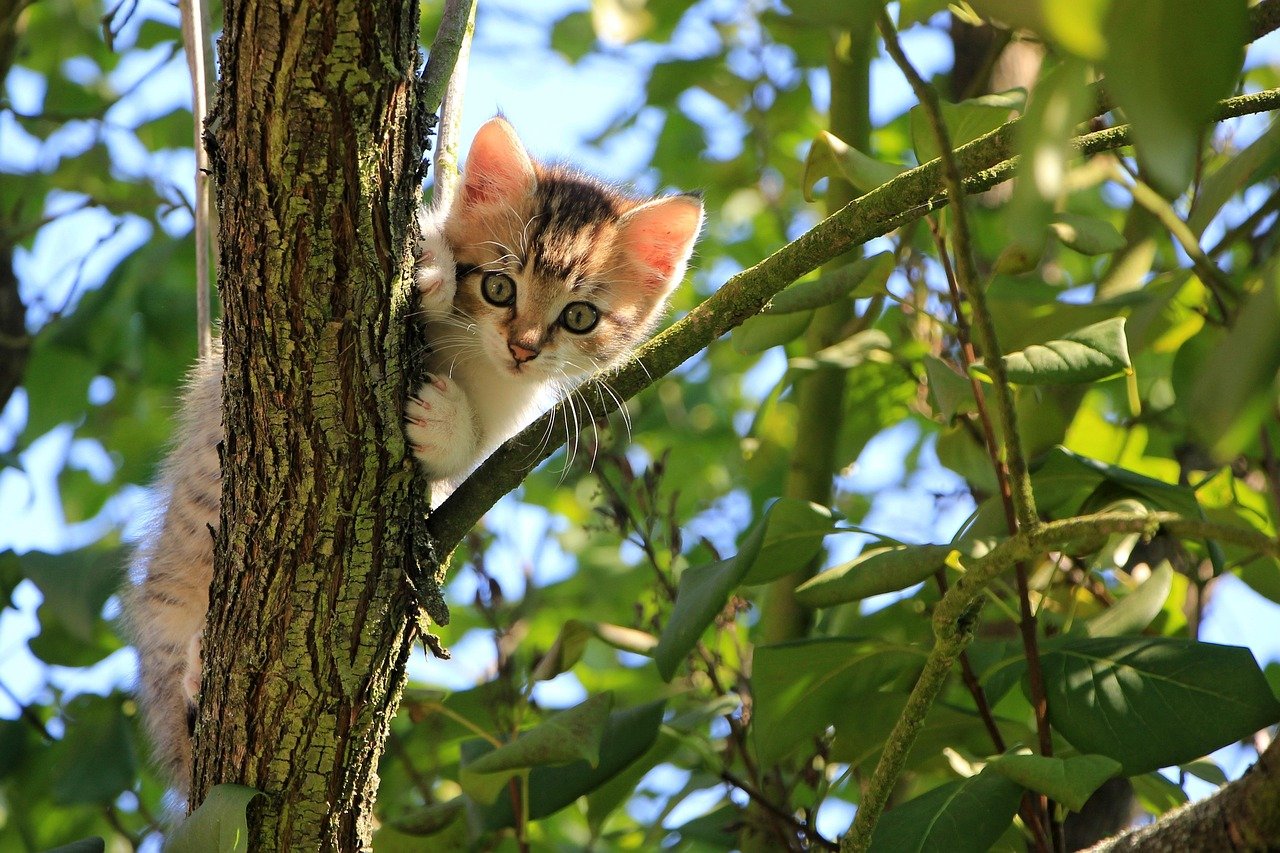
If your cat is kept exclusively indoors, you’ll need to provide a dynamic and challenging home environment for exercise and entertainment, to prevent boredom and frustration. Cats need to behave like cats for their emotional and physical health, so providing your cat with a setting that is as close to their natural habitat as possible, with objects to climb, for example, is essential.
Cats aren’t just ground-dwellers – they’re three-dimensional creatures who feel most secure when they can survey their territory from above. Cat trees, perches and shelves allow cats to relax far away from perceived danger. Without adequate vertical space, indoor cats can feel trapped and vulnerable, leading to chronic stress that affects their overall wellbeing and behavior.
Conclusion
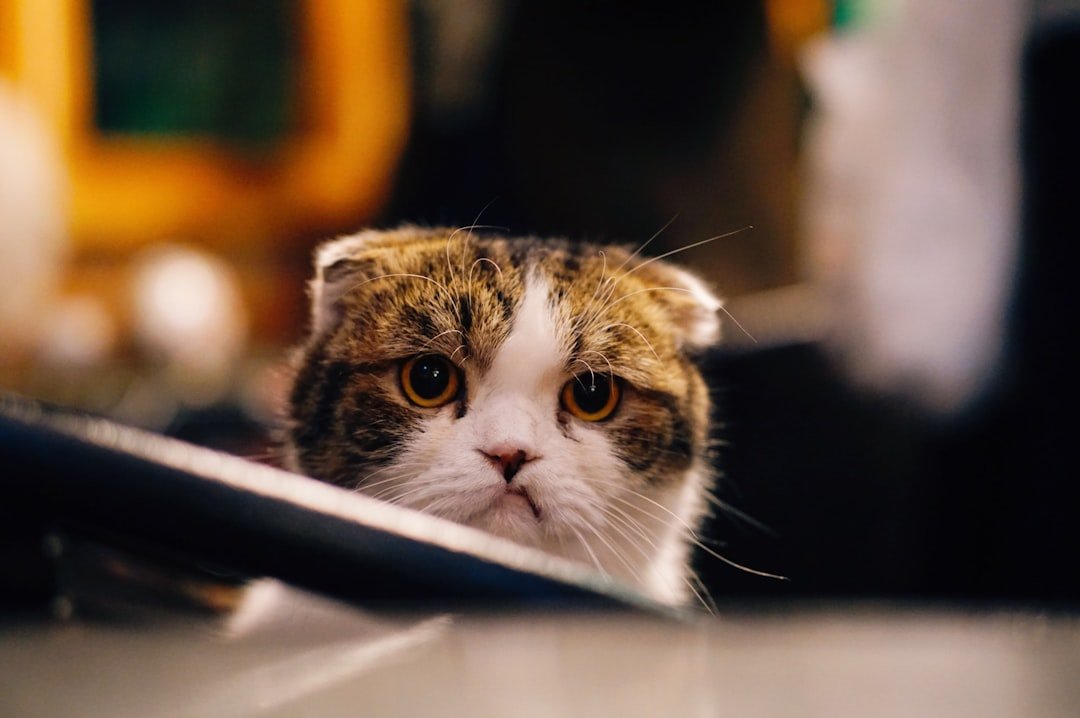
Understanding what breaks your cat’s heart isn’t about perfection – it’s about awareness. Cats don’t tend to show their emotions as overtly as other species do, and often signs are very subtle, such as withdrawing and becoming quiet. For this reason, it’s important to be able to recognise the signs of stress in your cat and act accordingly to ensure they are not subjected to long or intense periods of stress.
The beautiful thing about cats is their resilience and capacity for forgiveness. Once you recognize these emotional triggers and make small adjustments to respect their needs, you’ll likely see a transformation in your relationship. Your cat will be more relaxed, more affectionate, and genuinely happier sharing their world with you.
Did you recognize any of these heart-breaking habits in your own relationship with your cat?


