
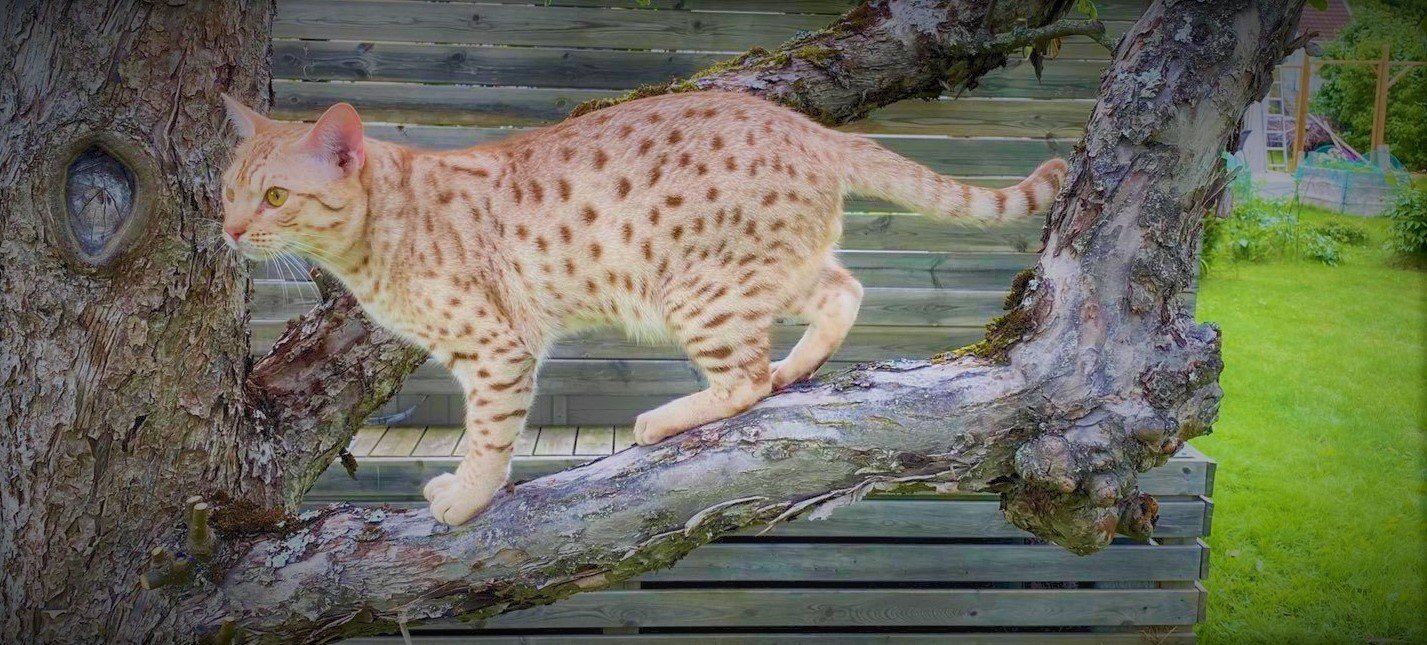
Cats are often seen as independent creatures, but they can be incredibly intelligent and trainable. While some cats may seem aloof, others are eager to learn and show off their skills. In this article, we will explore ten of the smartest cat breeds known for their ability to learn tricks. Whether you’re a seasoned cat owner or just curious about feline intelligence, you’ll find these breeds fascinating and engaging.
Abyssinian: The Curious Explorer
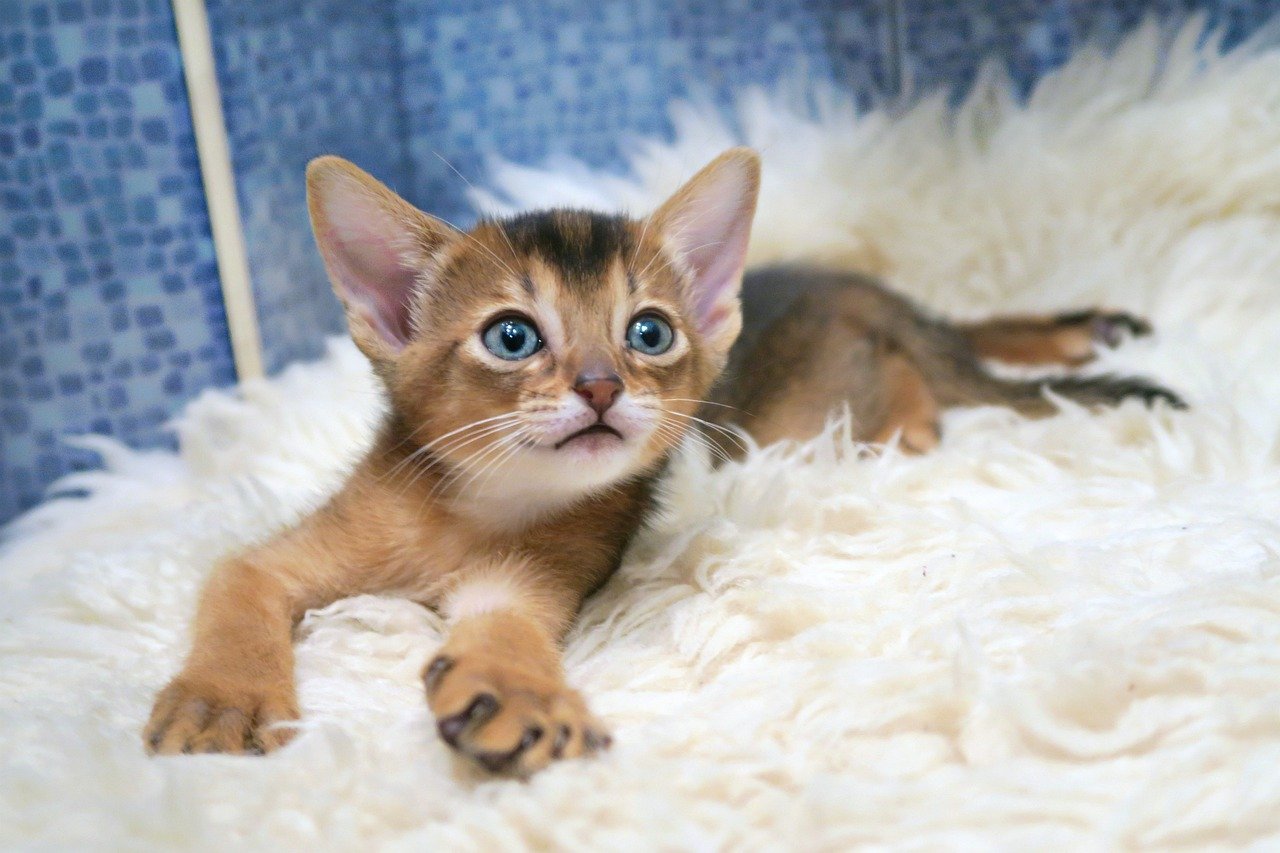
The Abyssinian cat is often compared to a curious child, always eager to explore its surroundings. Known for their playful and energetic nature, Abyssinians are quick learners. They thrive on mental stimulation and can be trained to fetch, sit, or even walk on a leash. Their curiosity makes them natural explorers, and they often find their way into places you might not expect. This breed loves to be involved in family activities and can quickly learn tricks if you use positive reinforcement techniques like treats or praise. If you want a cat that can entertain you with its antics, the Abyssinian is an excellent choice.
Siamese: The Vocal Communicator
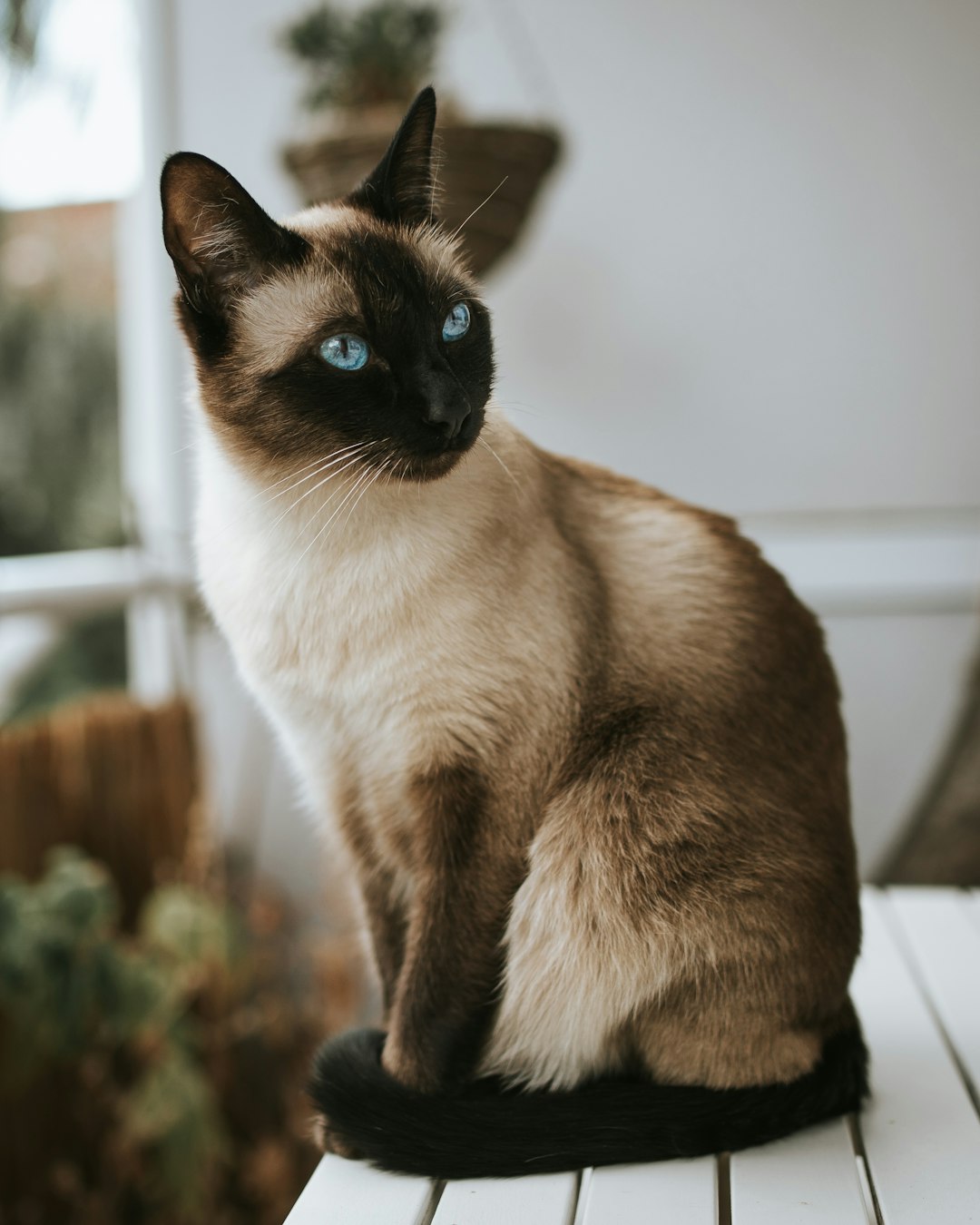
Siamese cats are famous for their vocal nature and strong desire to communicate with their human companions. This breed is not only talkative but also highly intelligent. Siamese cats are quick to pick up on tricks and commands, making them one of the easiest breeds to train. They enjoy interactive play and can learn to play fetch, open doors, and even turn on faucets. Their intelligence is matched by their affectionate nature, making them wonderful companions for those who appreciate a chatty feline friend. Training a Siamese requires patience and consistency, but their eagerness to please makes them fast learners.
Bengal: The Wild at Heart
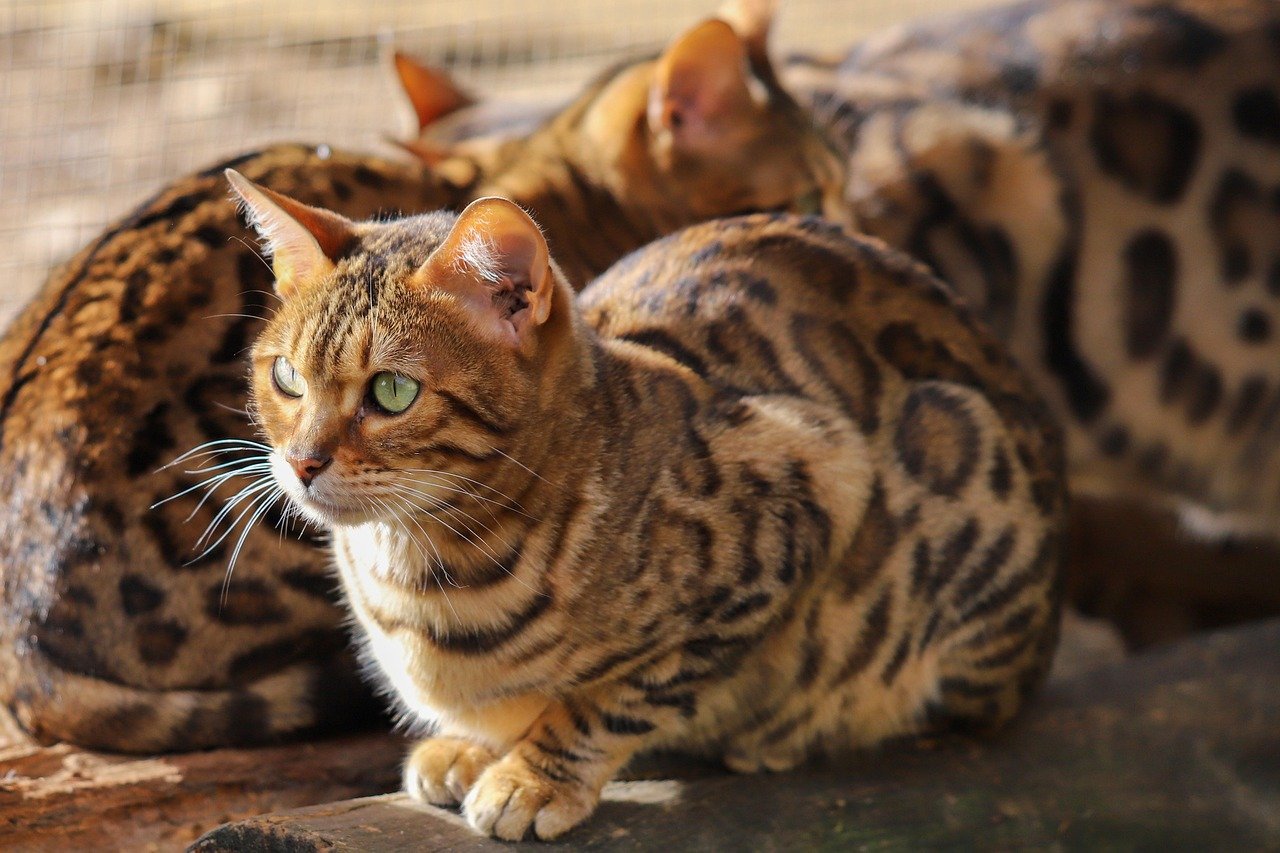
With their striking appearance and energetic personality, Bengal cats are truly wild at heart. This breed is known for its exceptional intelligence and athleticism. Bengals are natural hunters and love to engage in games that challenge their minds and bodies. They can learn to perform tricks like jumping through hoops or retrieving objects. Their wild ancestry gives them a unique edge when it comes to problem-solving, and they often find creative ways to entertain themselves. Training a Bengal requires plenty of mental and physical stimulation, but their enthusiastic nature makes it a rewarding experience.
Scottish Fold: The Gentle Observer
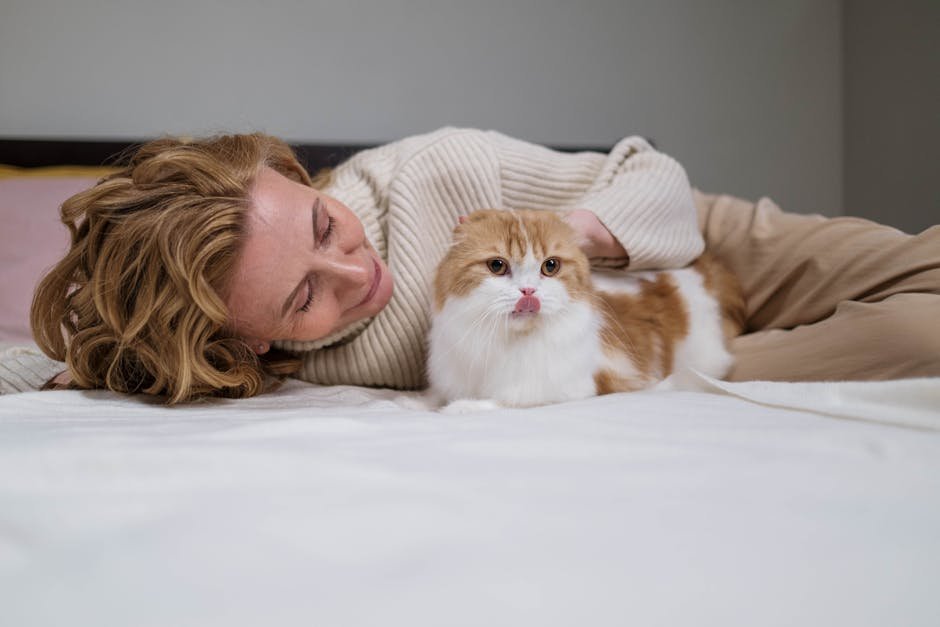
Scottish Folds are known for their distinctive folded ears and gentle demeanor. Despite their calm appearance, these cats are incredibly intelligent and observant. They are quick to pick up on routines and can learn tricks with ease. Scottish Folds enjoy interactive play and are often drawn to puzzle toys that challenge their minds. Their gentle nature makes them excellent companions for families with children or other pets. Training a Scottish Fold can be a delightful experience as they respond well to positive reinforcement and enjoy the mental stimulation that comes with learning new tricks.
Turkish Van: The Water Enthusiast
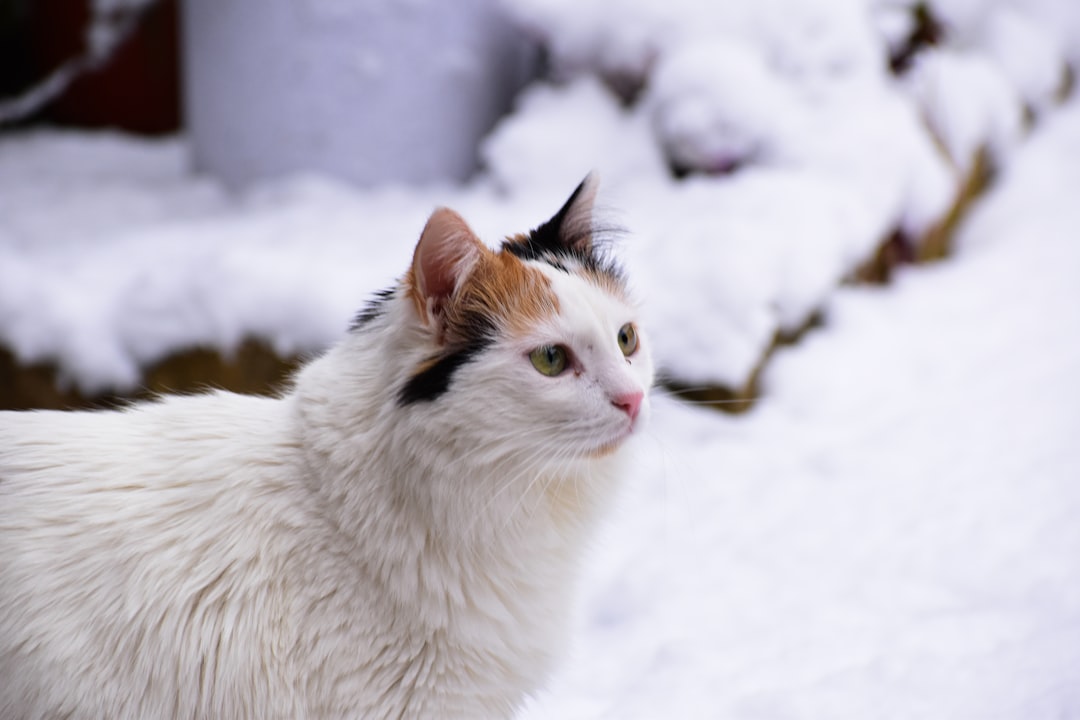
The Turkish Van is a unique breed known for its love of water. Unlike most cats, Turkish Vans are not afraid to get wet and often enjoy playing in water. This breed’s adventurous spirit and intelligence make them quick learners. They can be trained to perform tricks such as retrieving toys from water or playing fetch on land. Their love for water can be harnessed to teach them unique tricks that other cats might shy away from. Training a Turkish Van requires patience and creativity, but their playful nature makes it a rewarding endeavor.
Balinese: The Graceful Performer
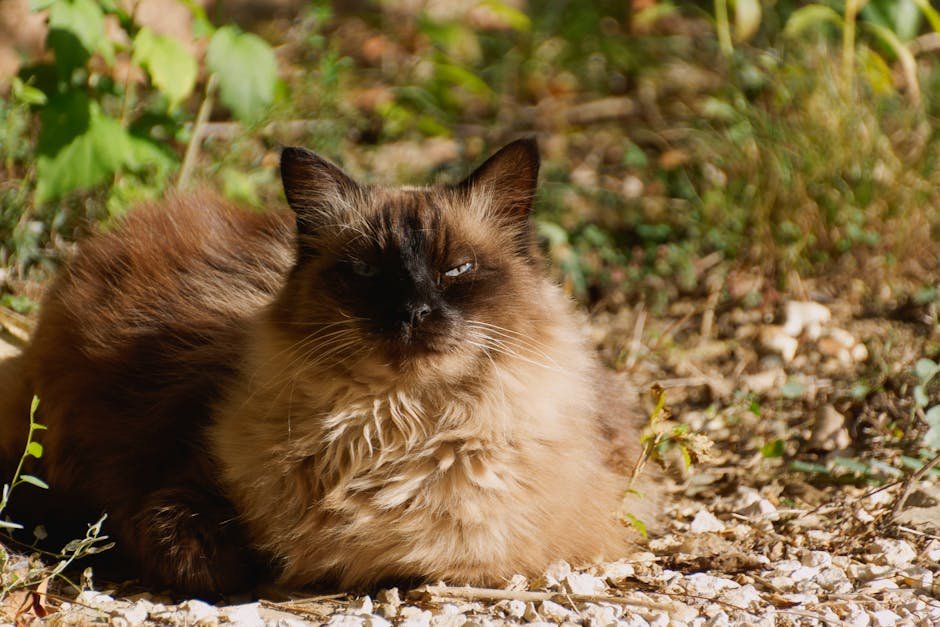
Balinese cats are known for their graceful appearance and elegant demeanor. This breed is highly intelligent and enjoys engaging in interactive play. Balinese cats are quick to learn tricks and commands, making them one of the most trainable breeds. They can be taught to fetch, sit, or even perform agility courses. Their intelligence is complemented by their affectionate nature, making them wonderful companions for those who appreciate a loving and trainable pet. Training a Balinese requires consistency and positive reinforcement, but their eagerness to learn makes it a delightful experience.
Burmese: The Social Butterfly
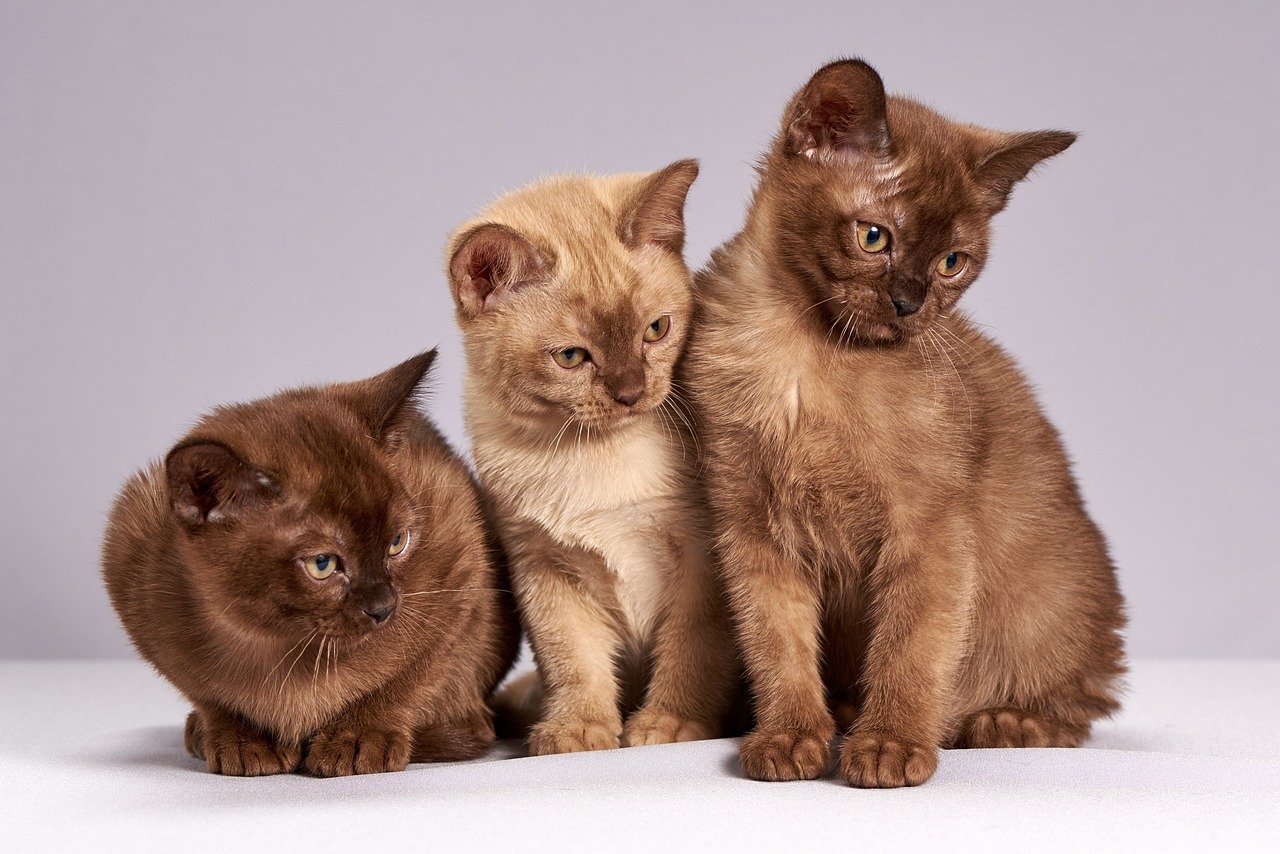
Burmese cats are known for their social and affectionate nature. This breed thrives on human interaction and enjoys being the center of attention. Burmese cats are quick learners and can be trained to perform tricks such as fetching, sitting, or even rolling over. Their friendly and outgoing nature makes them excellent companions for families with children or other pets. Training a Burmese requires patience and consistency, but their love for interaction makes them eager to learn and perform for their human companions.
Ocicat: The Spotted Athlete
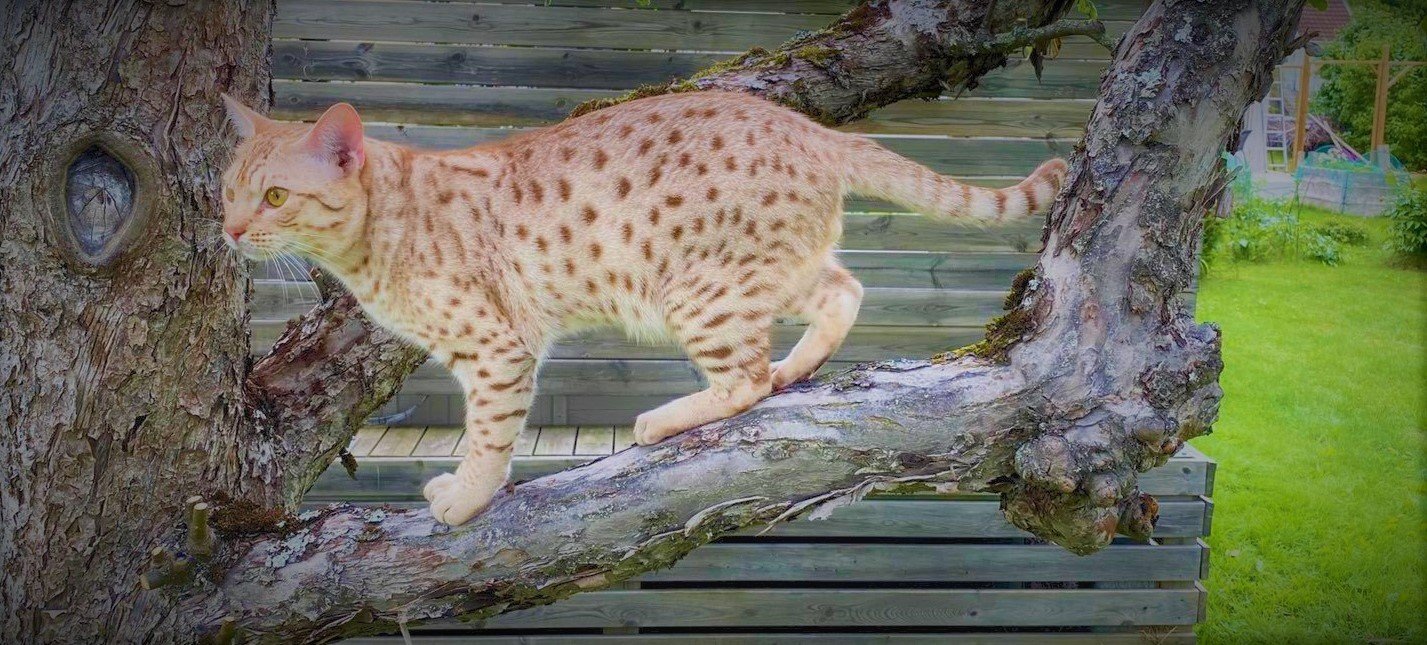
Ocicats are known for their striking spotted coat and athletic prowess. This breed is highly intelligent and enjoys engaging in interactive play. Ocicats can be trained to perform tricks such as fetching, jumping through hoops, or even walking on a leash. Their athletic nature makes them excellent candidates for agility courses, and they often excel in activities that challenge their minds and bodies. Training an Ocicat requires plenty of mental and physical stimulation, but their enthusiastic nature makes it a rewarding experience.
Tonkinese: The Playful Companion
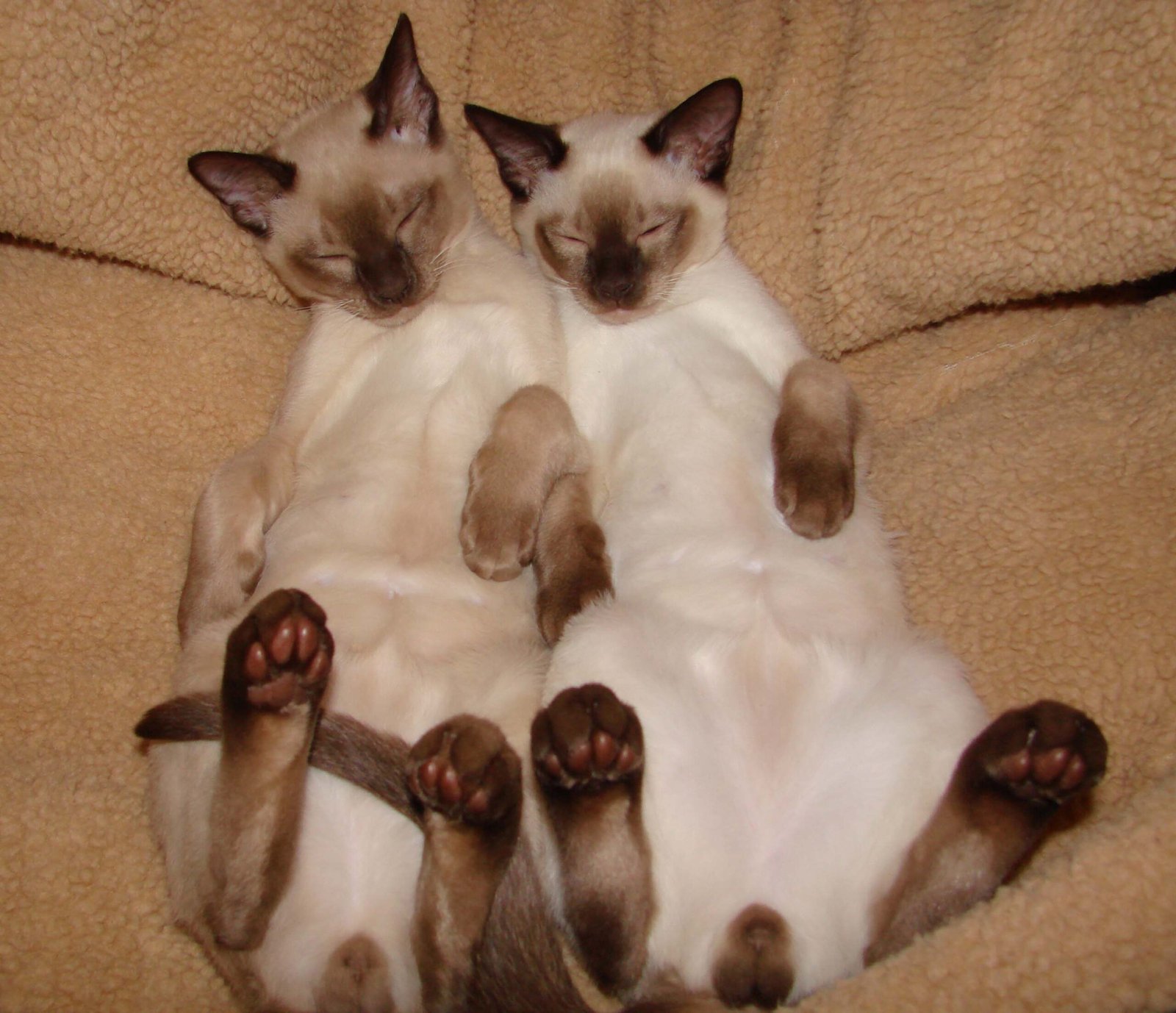
Tonkinese cats are known for their playful and affectionate nature. This breed is highly intelligent and enjoys engaging in interactive play. Tonkinese cats are quick learners and can be trained to perform tricks such as fetching, sitting, or even playing hide and seek. Their friendly and outgoing nature makes them excellent companions for families with children or other pets. Training a Tonkinese requires patience and consistency, but their love for interaction makes them eager to learn and perform for their human companions.
Oriental Shorthair: The Elegant Thinker
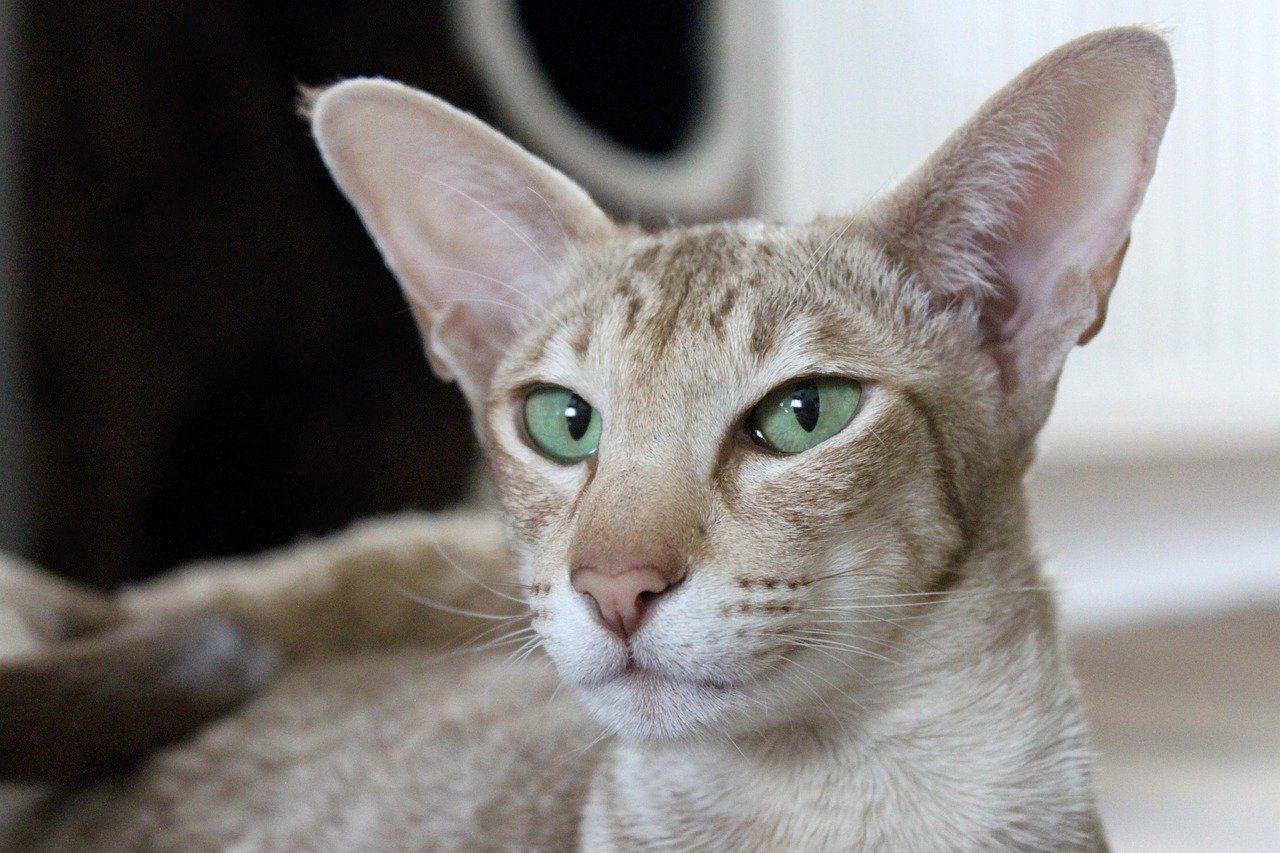
Oriental Shorthairs are known for their elegant appearance and inquisitive nature. This breed is highly intelligent and enjoys engaging in interactive play. Oriental Shorthairs can be trained to perform tricks such as fetching, sitting, or even walking on a leash. Their inquisitive nature makes them excellent candidates for puzzle toys and activities that challenge their minds. Training an Oriental Shorthair requires patience and consistency, but their eagerness to learn makes it a delightful experience.
In conclusion, these ten cat breeds showcase the remarkable intelligence and trainability that cats possess. Whether you’re looking for a playful companion or a feline friend who can learn tricks, these breeds offer a wide range of personalities and abilities. From the curious Abyssinian to the elegant Oriental Shorthair, each breed brings its own unique charm and intelligence to the table.


