
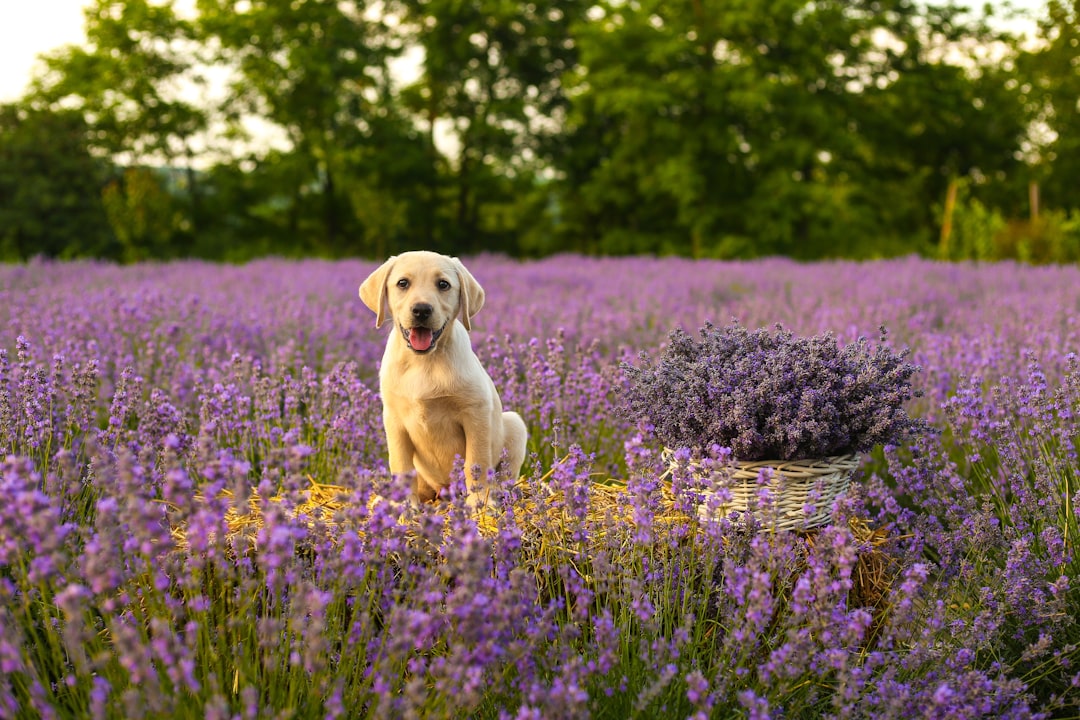

Dogs may have an incredible sense of smell, but that doesn’t mean they love every scent they come across! While some smells send their tails wagging with delight, others have them wrinkling their noses and running the other way. From citrus and vinegar to the irresistible scent of bacon, dogs have strong opinions when it comes to smells. Knowing what your pup loves and hates can help you create a more comfortable environment and even aid in training. Whether you’re trying to keep them out of certain areas or just curious about their quirky preferences, this list will give you a fun insight into your dog’s powerful nose!
Understanding a Dog’s World Through Smell
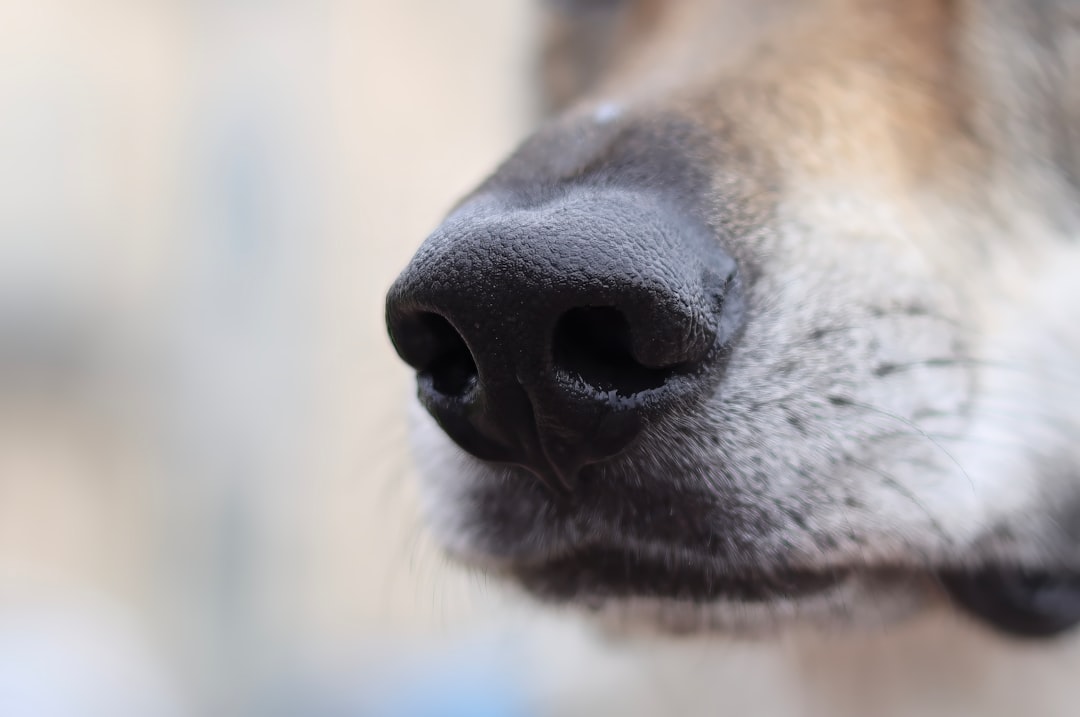
Dogs experience the world predominantly through their sense of smell, much like how humans rely heavily on sight. This isn’t just a fun fact; it’s a fundamental aspect of how dogs navigate their environment. Their noses are incredibly sensitive, capable of detecting scents at concentrations nearly 100 million times lower than humans can. Imagine being able to detect a single drop of perfume in an Olympic-sized swimming pool—that’s the world your dog lives in! Understanding what smells your dog hates or loves can provide insights into their behavior and enhance your relationship with them.
1. Citrus: The Zesty Displeasure

While many humans find the smell of citrus refreshing, dogs often find it overwhelming and unpleasant. The strong, acidic aroma of lemons, limes, and oranges can irritate a dog’s sensitive nose. It’s akin to us stepping into a room filled with overpowering perfume. Some dog owners even use citrus as a natural deterrent to keep their pets away from certain areas. So, next time you’re peeling an orange, watch your dog’s reaction—they might just turn tail and run!
2. Vinegar: The Sour Surprise

Vinegar, particularly the strong scent of white vinegar, is another smell that dogs typically dislike. Its pungent aroma can be off-putting and even irritating to their noses. This aversion makes vinegar an effective cleaning agent in homes with pets, as it not only cleans but also discourages dogs from certain areas. Think of it as a natural, non-toxic way to train your pet to avoid specific spots in the house.
3. Alcohol: The Unwelcome Aroma
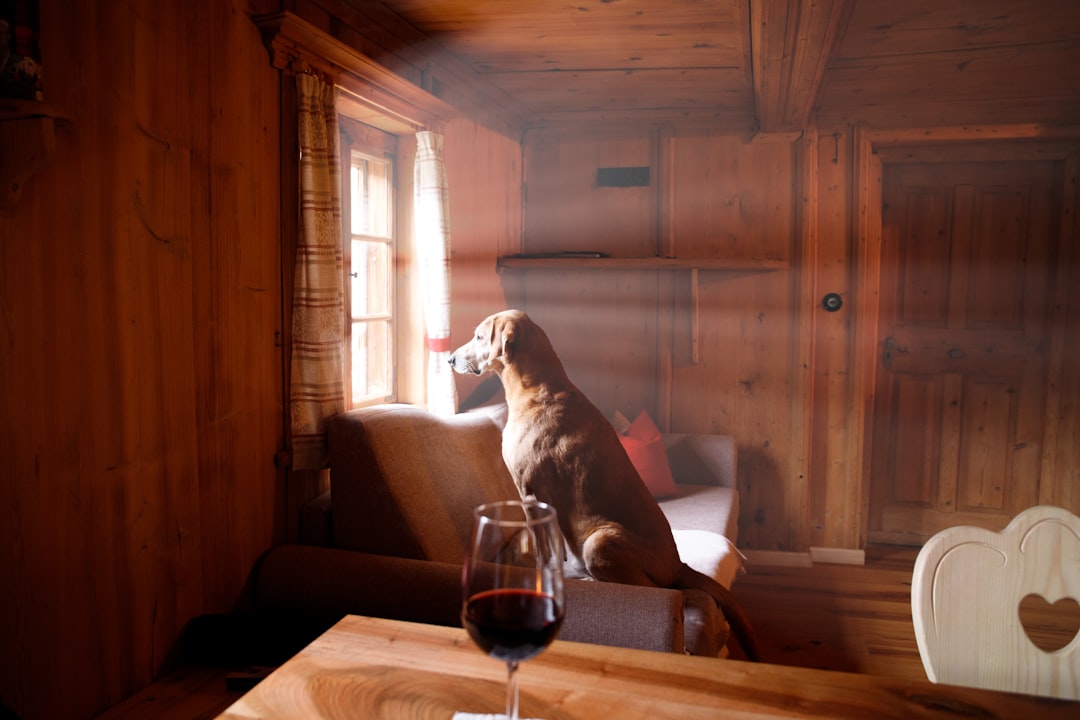
The sharp, sterile smell of alcohol is far from a dog’s favorite scent. Whether it’s rubbing alcohol or the ethanol in beverages, dogs find the odor overpowering and unpleasant. This sensitivity makes sense given that alcohol can be toxic to dogs. It’s comparable to us catching a strong whiff of ammonia—overwhelming and not at all pleasant. So, if you’re using alcohol-based products around your home, be mindful of your furry friend’s proximity.
4. Ammonia: The Intense Irritant

Ammonia, commonly found in household cleaners, is harsh on a dog’s sensitive nose. The smell can be almost painful for them, similar to how we might react to a sharp, acrid odor. Ammonia’s intensity can even lead to a stress response or discomfort in dogs. If you’re cleaning with ammonia-based products, it’s wise to ensure good ventilation or, better yet, switch to pet-friendly alternatives.
5. Perfume: The Overpowering Fragrance

While humans often enjoy a splash of perfume or cologne, dogs usually don’t share this sentiment. The complex mix of chemicals in perfumes can be overwhelming, akin to being stuck in a tightly packed elevator with someone wearing far too much fragrance. For a dog, this can be sensory overload. If you notice your dog sneezing or rubbing their nose after you’ve applied perfume, it might be their way of telling you it’s too much.
6. Nail Polish: The Chemical Cloud
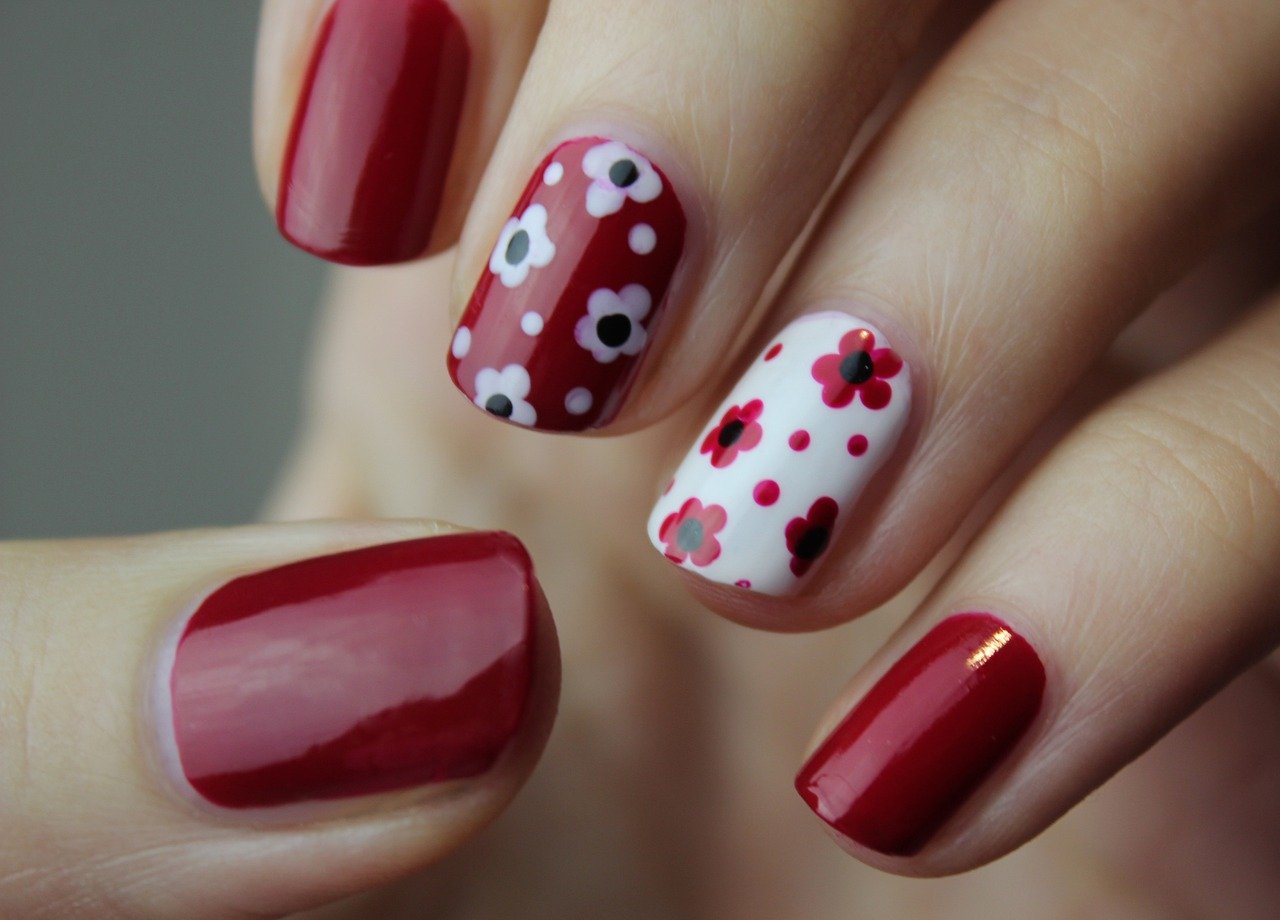
The strong chemical scent of nail polish and its remover is typically unpleasant for dogs. If you’ve ever been in a room where someone is painting their nails, you know the distinct, sharp smell. For dogs, this is amplified and can be quite irritating. It’s best to use such products in well-ventilated areas, away from your furry companions.
7. Cleaning Products: The Scent of Safety, or Not?
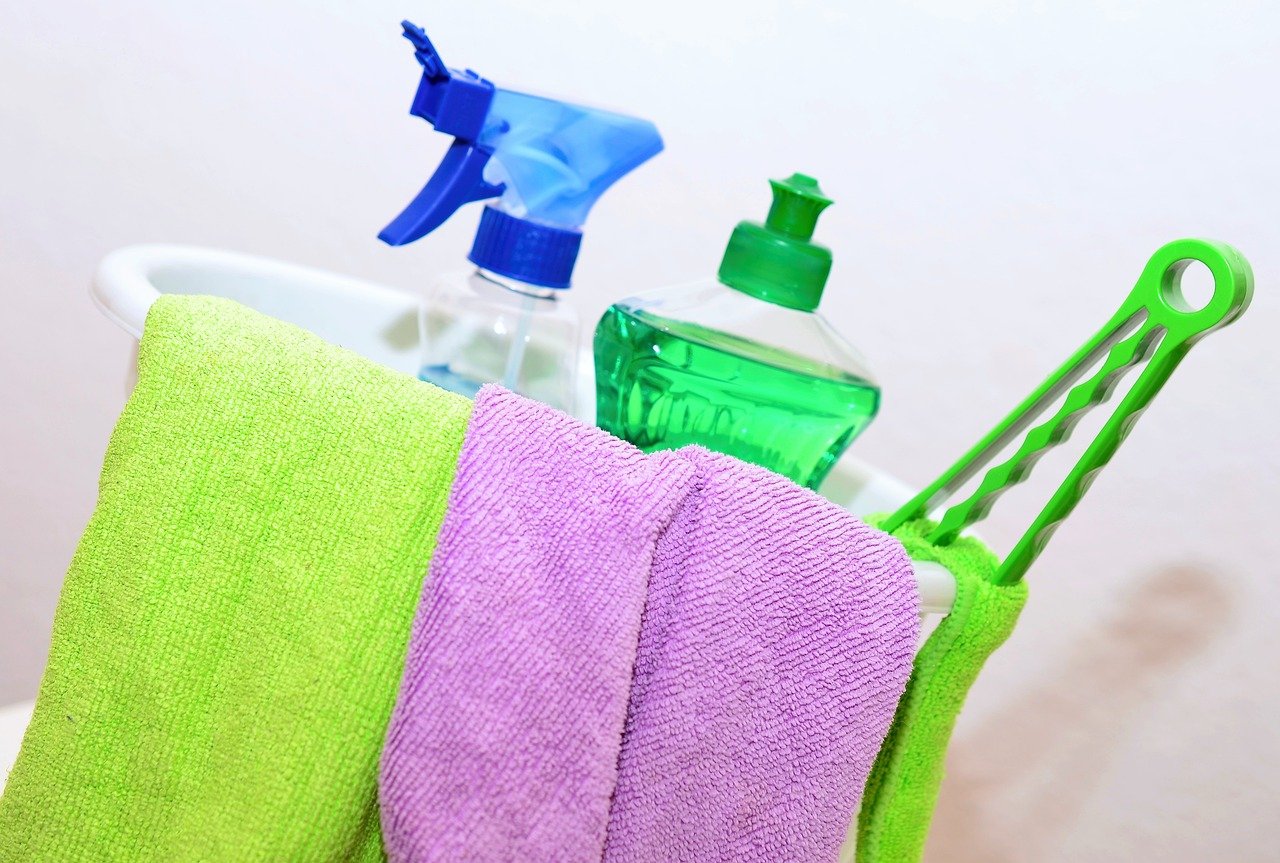
Many household cleaning products contain strong chemicals that dogs find offensive. The intense scents of bleach, detergents, and disinfectants can be overwhelming. Imagine walking into a room filled with cleaning fumes—it’s not a pleasant experience. Opting for pet-safe cleaning products can help keep your home fresh without upsetting your dog’s sensitive nose.
8. Spicy Foods: The Fiery Fragrance

Spicy foods, with their potent aromas, are generally unappealing to dogs. The pungent scent of chili peppers, garlic, and other spices can be too intense, almost like us getting a whiff of strong wasabi. While some dogs may show curiosity, most will back away from the fiery fragrances that accompany spicy dishes.
9. Mothballs: The Toxic Turnoff
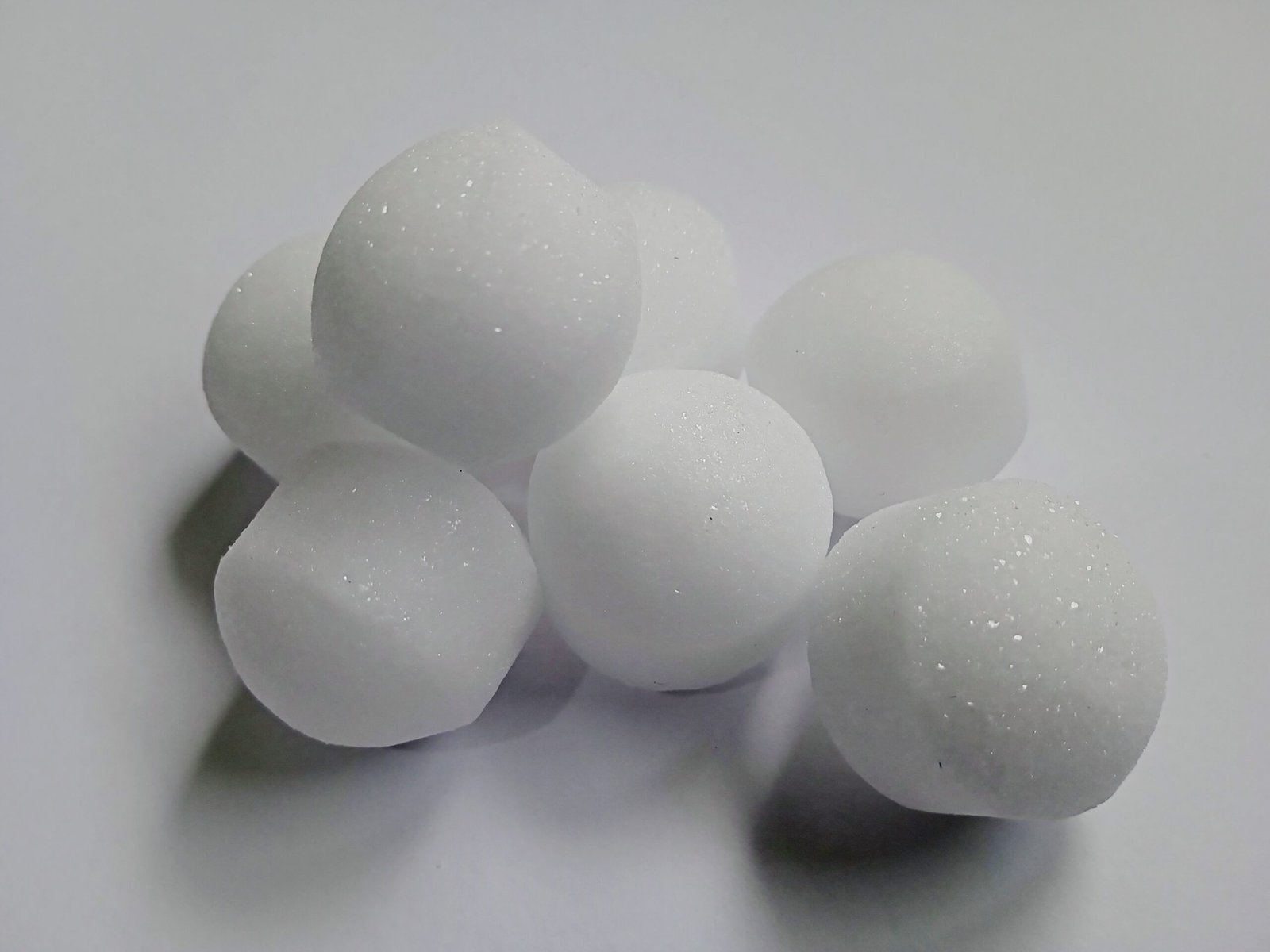
Mothballs have a distinct, strong smell that dogs usually detest. This aversion is beneficial since mothballs are toxic to pets. The strong chemical odor acts as a natural deterrent, similar to how the smell of burnt rubber might make us hold our breath. It’s crucial to keep mothballs out of reach, ensuring your pet’s safety.
10. Dirty Laundry: Not Always a Comfort
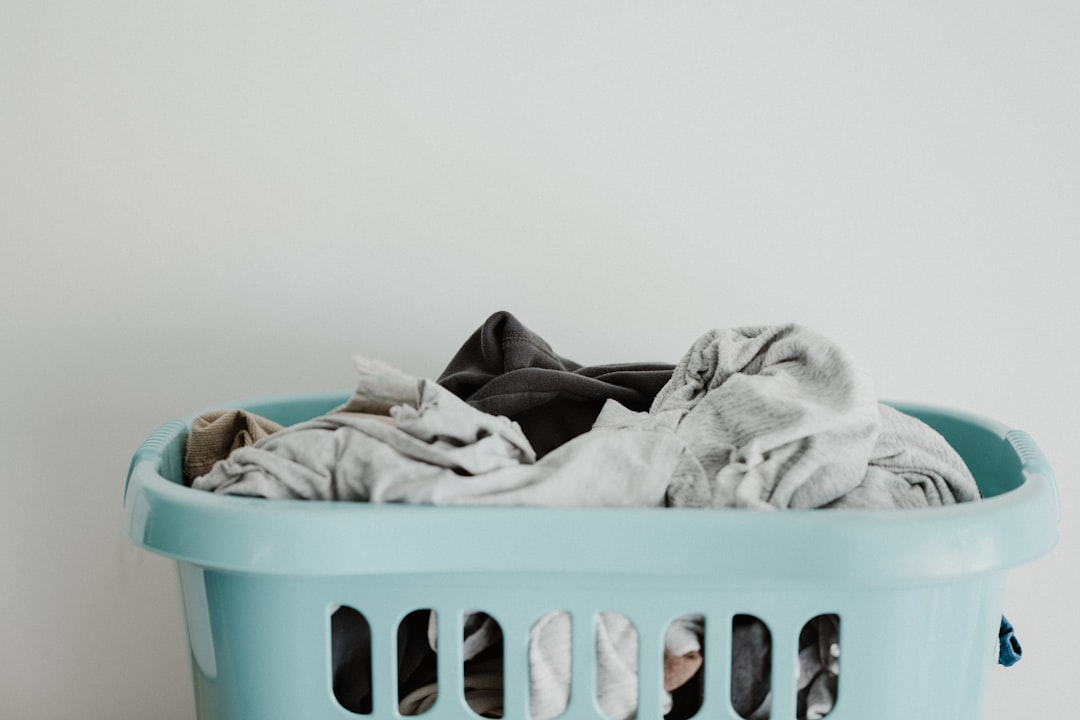
While it might seem surprising, not all dogs enjoy the smell of dirty laundry. While some find comfort in the scent of their owners, others can be put off by the musty, sweaty odor of worn clothes. It’s a bit like how we might react to stale gym socks lying around. If your dog is amongst those who dislike it, they may avoid the laundry pile altogether.
11. Lavender: The Floral Favorite
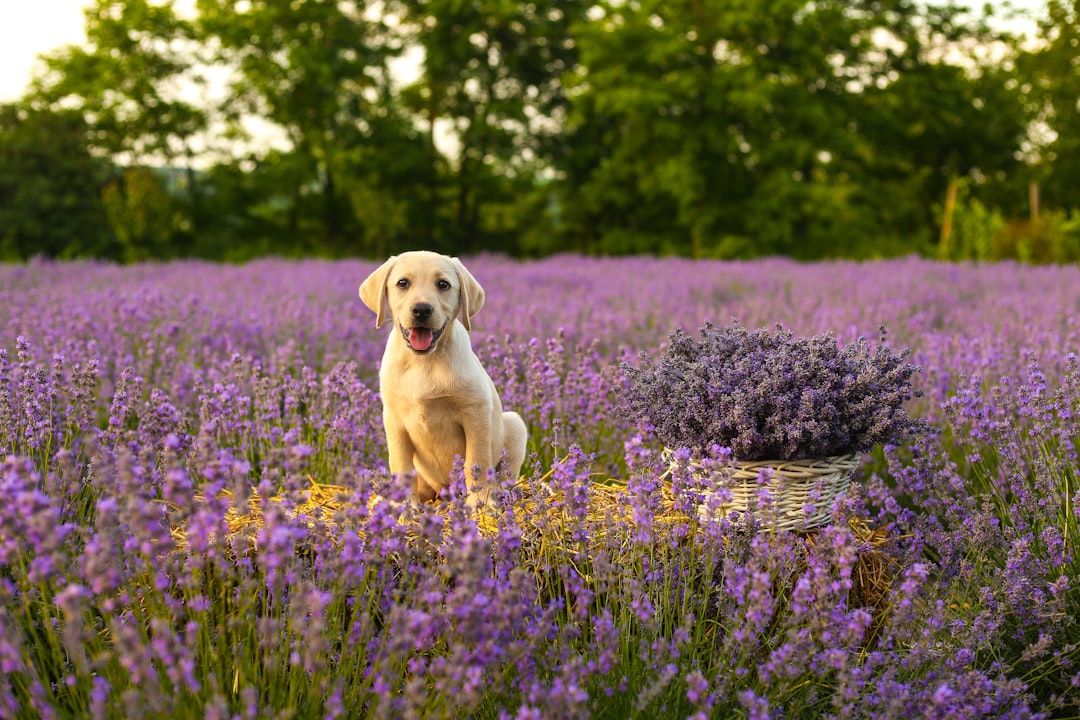
On the flip side, some scents are a delight for dogs, like lavender. Known for its calming properties, lavender’s gentle aroma can soothe anxious dogs. It’s akin to us enjoying a spa day with relaxing essential oils. Many pet owners use lavender-infused products to help calm their pets during stressful situations.
12. Peanut Butter: The Nutty Delight

Peanut butter is a top favorite for dogs, often used in treats and toys to occupy and reward them. The rich, nutty scent is irresistible, much like how we might feel about the smell of freshly baked cookies. Just watch a dog’s tail wag at the mention of peanut butter, and you’ll know it’s a true canine delight.
13. Meat: The Mouthwatering Marvel

The aroma of cooked meat is a surefire way to grab a dog’s attention. Whether it’s bacon sizzling in the pan or a roast in the oven, the savory scent is tantalizing. Dogs are hardwired to love meat, and the smell is a powerful draw, similar to how we might feel about our favorite cuisine.
14. Cheese: The Dairy Delight
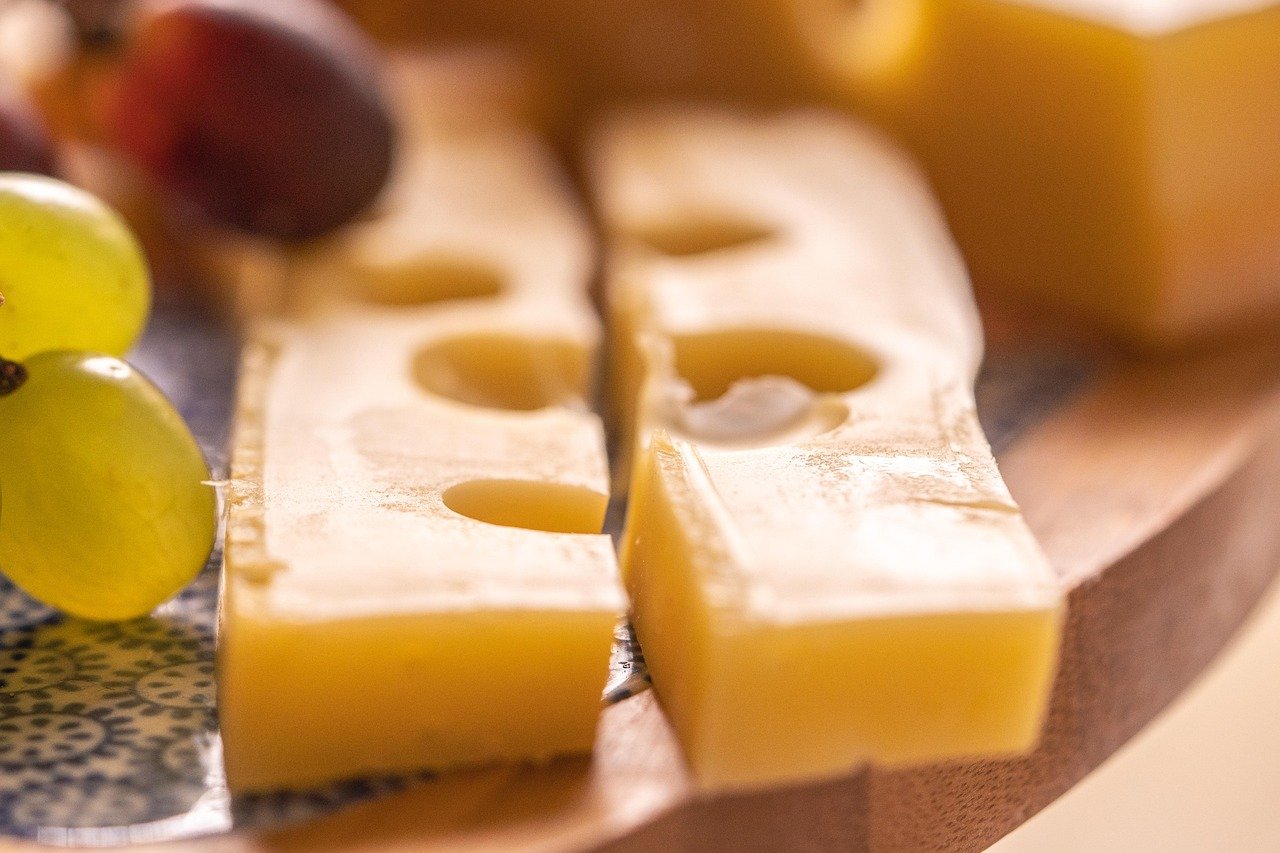
Cheese is another beloved scent for dogs. Its rich, creamy aroma is hard to resist, often used in training as a high-value reward. It’s similar to our enjoyment of a cheesy pizza or a decadent cheese platter. Dogs often go wild for a piece of cheddar or mozzarella, making it a handy tool for positive reinforcement.
15. Vanilla: The Sweet Scent

Vanilla’s sweet, comforting aroma is often appealing to dogs. It’s a gentle scent that can evoke a sense of warmth and comfort, much like how we feel about the smell of home-baked cookies. Vanilla-scented products can be a great way to create a pleasant environment for your dog, offering them a sense of calm and contentment.
Your dog’s nose is like a built-in guide to what they love and what they’d rather avoid. By understanding their scent preferences, you can make their environment more enjoyable and even use certain smells to your advantage in training. Whether it’s avoiding citrus or stocking up on their favorite scents, a little awareness goes a long way in keeping your pup happy!
Born and bred in South Africa, a Capetonian at heart. Amy-Leigh’s love for nature and animals was inherited from her Dad. He loves taking the family on road trips to experience nature at its finest; Amy-Leigh’s favourite being whale watching in Hermanus and spotting Kudu along the West Coast. Amy-Leigh holds a BA in English Literature and Communication Studies.


