
You’d do absolutely anything to keep your furry companion safe and healthy. Yet sometimes the most dangerous threats to your dog’s wellbeing are hiding right in your own kitchen. We’re talking about foods that seem harmless, even nutritious for humans, but can turn deadly for dogs in shockingly small amounts.
This isn’t about the obvious stuff everyone knows. Sure, most people have heard chocolate is bad for dogs. What catches pet owners off guard are the everyday items sitting innocently in your pantry or fridge that could land your beloved pup in the emergency vet’s office within hours. Let’s dive into the foods that might surprise you.
Grapes and Raisins: Tiny Fruits with Devastating Consequences
It takes only a few grapes or raisins to potentially cause sudden kidney failure in your dog. Yeah, you read that correctly. Those innocent little fruits we toss into our kids’ lunchboxes or snack on during the day can be absolutely catastrophic for dogs.
The scariest part? It’s not known precisely what component of grapes and raisins causes toxicity, which means there’s no safe amount. Some dogs might eat a grape and seem fine, while others develop acute kidney failure. Symptoms of grape and raisin toxicity include loss of appetite, abdominal pain, vomiting and diarrhea, problems with urine production, and renal failure. This includes all forms: red grapes, green grapes, seedless varieties, and any foods containing them like trail mix or fruit salad.
Xylitol: The Silent Killer in Sugar-Free Products
Xylitol triggers a massive insulin release, causing a rapid, dangerous crash in blood sugar, sometimes from a dose as tiny as 0.03 grams per kilogram. This artificial sweetener lurks in places you wouldn’t expect: sugar-free gum, certain peanut butters, toothpaste, baked goods, and even some vitamins.
Early symptoms include vomiting, lethargy, and coordination problems. Eventually, your dog may have seizures. What makes xylitol particularly terrifying is how fast it acts. Within thirty to sixty minutes of ingestion, your dog could collapse. Liver failure can happen within just a few days. Always check labels obsessively before sharing anything with your pup.
Onions and Garlic: Kitchen Staples That Destroy Red Blood Cells
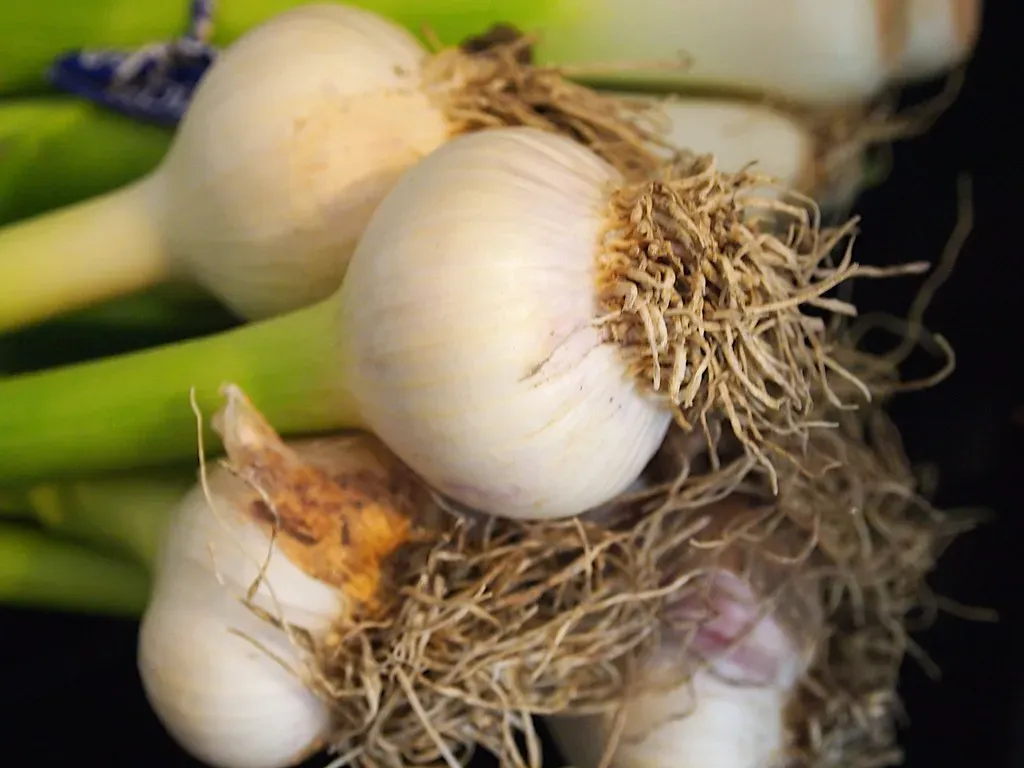
Here’s the thing about the onion family: it doesn’t matter how it’s prepared. The onion family, whether dry, raw or cooked, is particularly toxic to dogs and can cause gastrointestinal irritation and red blood cell damage. This includes onions, garlic, shallots, chives, and leeks.
Garlic is part of the Allium family, but it’s five times more toxic to dogs than the rest of the Allium plants. The scary thing is that symptoms don’t show up right away. Signs of illness are not always immediate and can occur up to a few days later. Even that innocent bit of onion powder in baby food or your leftover casserole can cause serious anemia. Watch your dog carefully if you suspect they’ve gotten into anything from this plant family.
Macadamia Nuts: The Mystery Toxin That Attacks the Nervous System
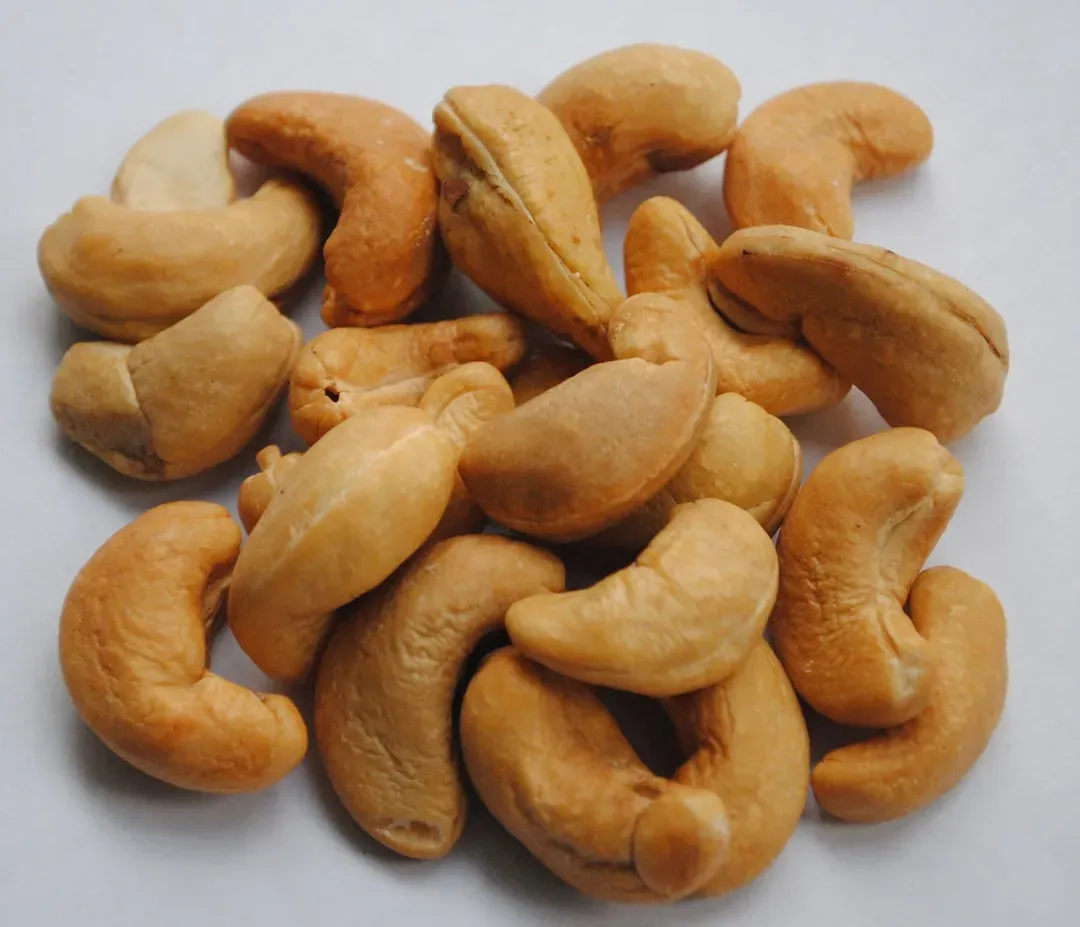
Macadamia nuts are one of the most poisonous foods for dogs. They can cause vomiting, increased body temperature, inability to walk, and lethargy. Even worse, they can affect the nervous system. Honestly, watching a dog experience macadamia nut poisoning is heartbreaking because they lose control of their hind legs.
The exact toxic compound hasn’t been identified, but that doesn’t make these nuts any less dangerous. Macadamia nuts can cause weakness, incoordination, depression, vomiting, tremors and hyperthermia in dogs. Symptoms usually appear within 12 hours of ingestion, with recovery expected within 24-72 hours. Keep all nuts, especially macadamias, far away from your dog’s reach. Trail mix is a particularly sneaky culprit.
Raw Bread Dough: A Rising Threat in Your Dog’s Stomach
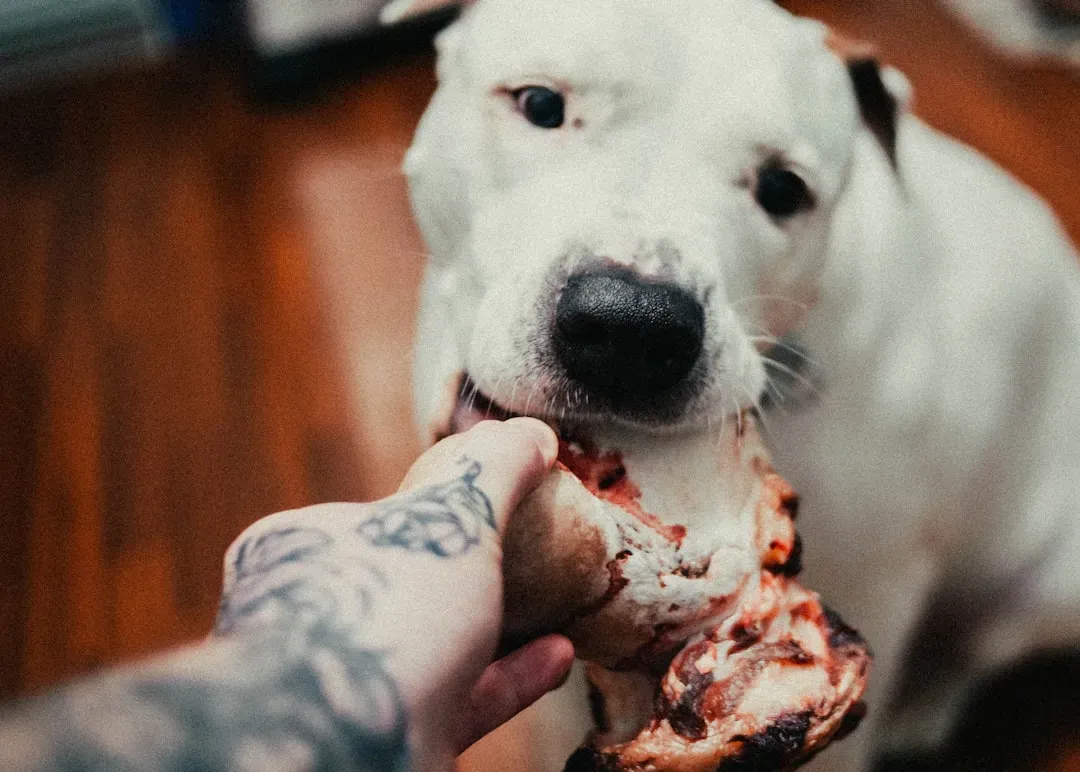
Most people wouldn’t think twice about dough sitting on the counter, but it presents a double danger. The raw dough can expand in your dog’s stomach, causing severe pain and even potentially life-threatening torsion or rupture of the stomach. Think about it: dough rises in warm environments, and your dog’s stomach is basically a perfect incubator.
On top of that, the yeast and sugar in raw dough can ferment, leading to alcohol toxicity. Your dog could literally get drunk from eating bread dough, except instead of a funny story, you’re dealing with a medical emergency. Yeast dough and raw bread dough can expand in the stomach and cause stomach bloating and even a potentially fatal condition called gastric dilatation-volvulus. To make matters worse, as the yeast ferments in your dog’s gut, it produces ethanol (alcohol), which can lead to alcohol poisoning.
Avocados: That Trendy Toast Topper Can Harm Your Pup
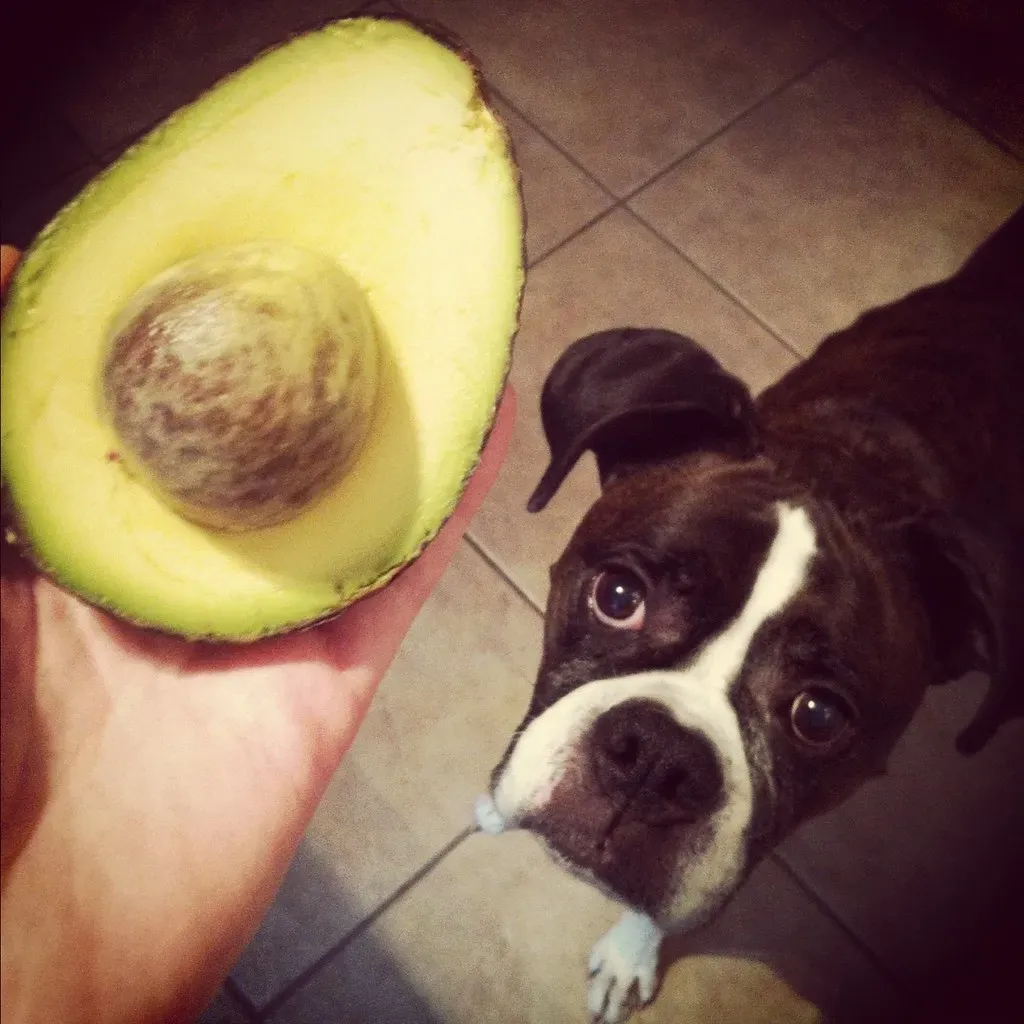
I know avocados are everywhere these days, practically a health food religion. Avocados are poisonous food for dogs. Avocado plants contain a substance called Persin which is in its leaves, fruit and seed and can cause vomiting and diarrhoea in dogs. While the toxicity is considered mild compared to something like chocolate, why take the risk?
In addition, dogs that eat an intact avocado pit can obstruct their GI tract. The pit presents both a choking hazard and potential blockage that could require emergency surgery. Avocado is considered a healthy fat for humans, it is too high in fat for dogs, putting them at risk of pancreatitis. Keep your guacamole and avocado toast to yourself.
Corn on the Cob: A Blockage Waiting to Happen
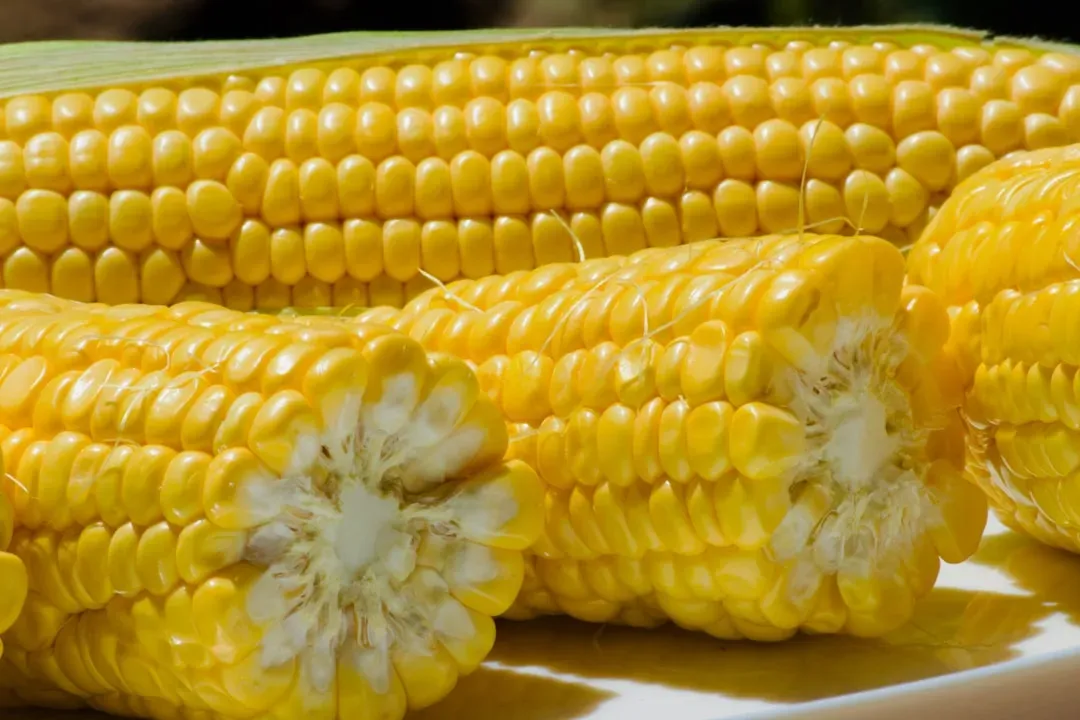
The corn kernels themselves aren’t the problem here. The cob can be hard for a dog to digest and may cause an intestinal blockage, so if you’re sharing some corn, make sure it is off the cob. Dogs don’t chew their food the way humans do, so they often swallow large chunks whole.
Corn on the cob could potentially be fatal if eaten by your dog. Although the corn is digested by dogs, the cob can cause a blockage in your dog’s intestine. This type of obstruction typically requires surgical intervention, which is both expensive and risky. During summer barbecues, be extra vigilant about disposing of corn cobs where your dog can’t access them. Trust me, the emergency vet bill isn’t worth it.
Raw Meat and Eggs: The Bacteria Bomb You’re Intentionally Feeding
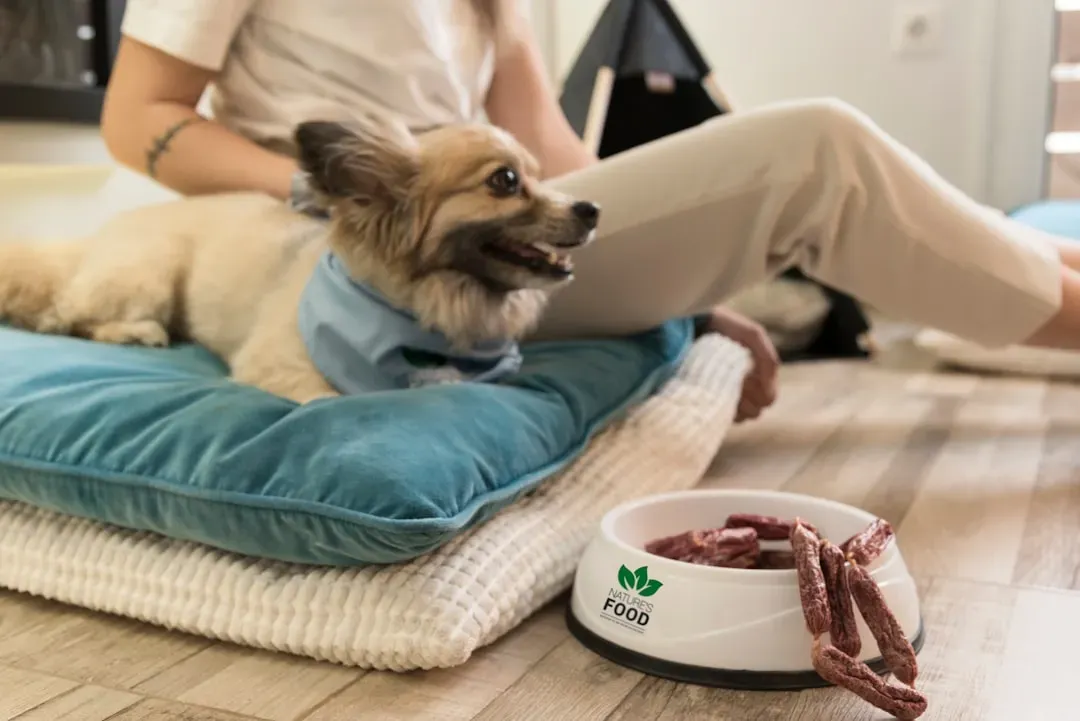
Raw meat and fish can have bacteria that causes food poisoning. Some fish such as salmon, trout, shad, or sturgeon can also have a parasite that causes “fish disease” or “salmon poisoning disease.” Despite what the raw diet enthusiasts claim, major veterinary associations don’t recommend this practice.
Raw meat and raw eggs can contain bacteria such as Salmonella and E. coli that can be harmful to pets and humans alike. Raw eggs contain an enzyme that can interfere with absorption of certain vitamins, leading to skin/coat problems. Let’s be real: cooking food kills harmful pathogens. That’s literally why humans started cooking thousands of years ago. Your dog’s digestive system isn’t magically immune to food poisoning just because they’re descended from wolves.
Nutmeg: The Holiday Spice That Causes Hallucinations
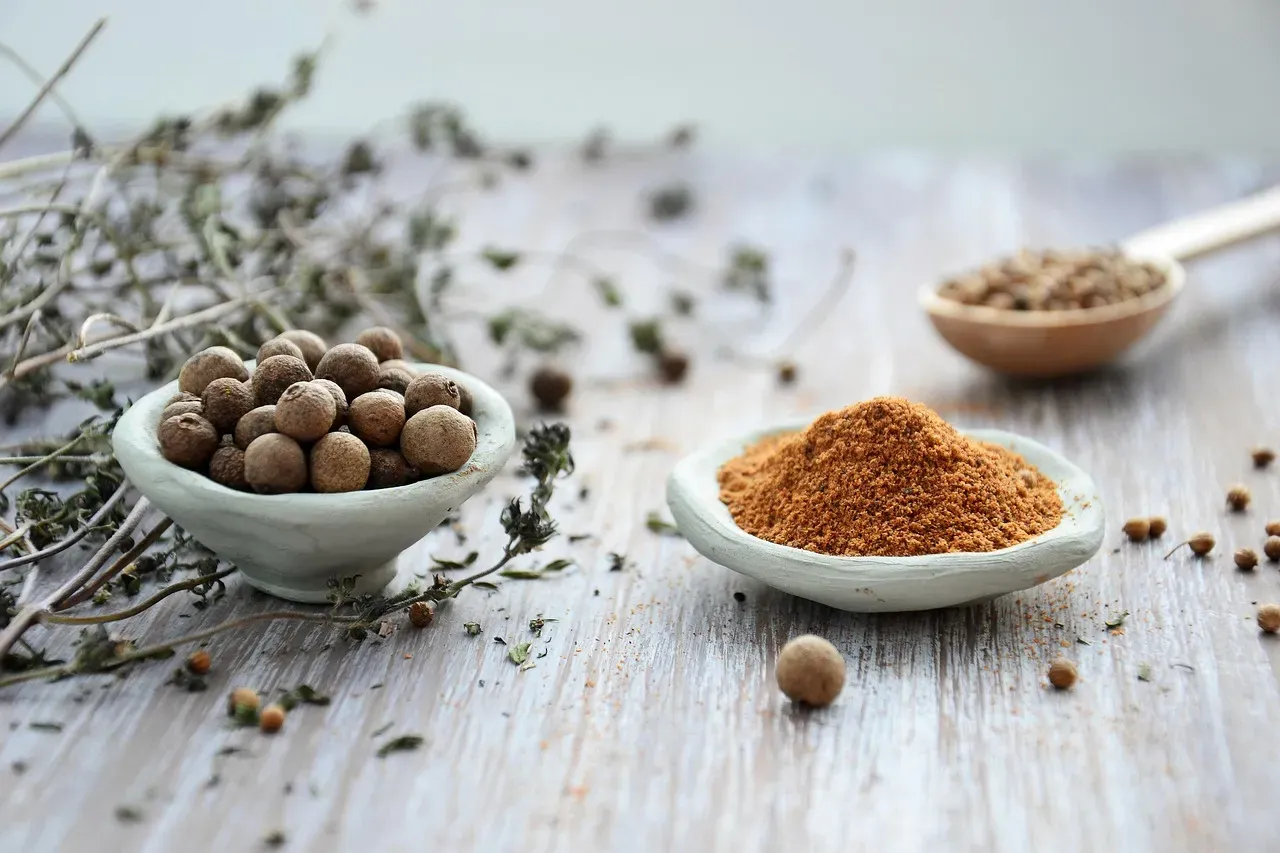
This one really catches people off guard during the holidays. Dogs should not be fed any foods with nutmeg. This spice may cause hallucinations and severe vomiting. Imagine giving your dog what you think is a harmless cookie only to watch them experience neurological symptoms.
The culprit is myristicin, a compound in nutmeg. Its effects are strongest when eaten in high doses or consumed by a small dog. Holiday baking season is when most accidental nutmeg poisonings happen. That festive pumpkin pie, gingerbread, or eggnog cookie needs to stay far away from your furry friend. Even small amounts can cause issues, particularly for smaller breeds.
Blue Cheese: Moldy Dairy Disaster
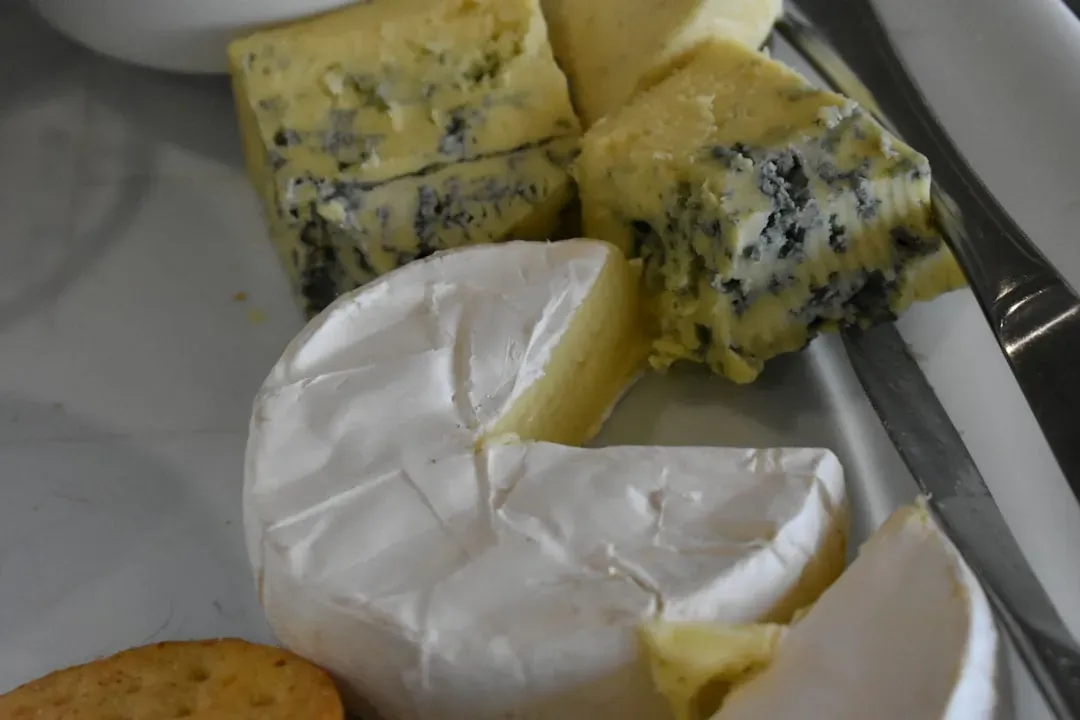
Blue cheeses, such as Stilton and Roquefort, are particularly dangerous. Many contain a substance called roquefortine C, which dogs are especially sensitive to. While other cheeses might just cause some digestive upset or pancreatitis from the high fat content, blue cheese is in a league of its own.
Roquefortine C may cause vomiting and diarrhoea and potentially also tremors, twitching, seizures and a high temperature if eaten in large doses. This goes for any moldy foods, by the way. That science experiment in the back of your fridge? Make absolutely certain your dog can’t get into your trash. The mycotoxins produced by mold can cause severe tremors and convulsions.
Conclusion: Your Vigilance Can Save Their Life
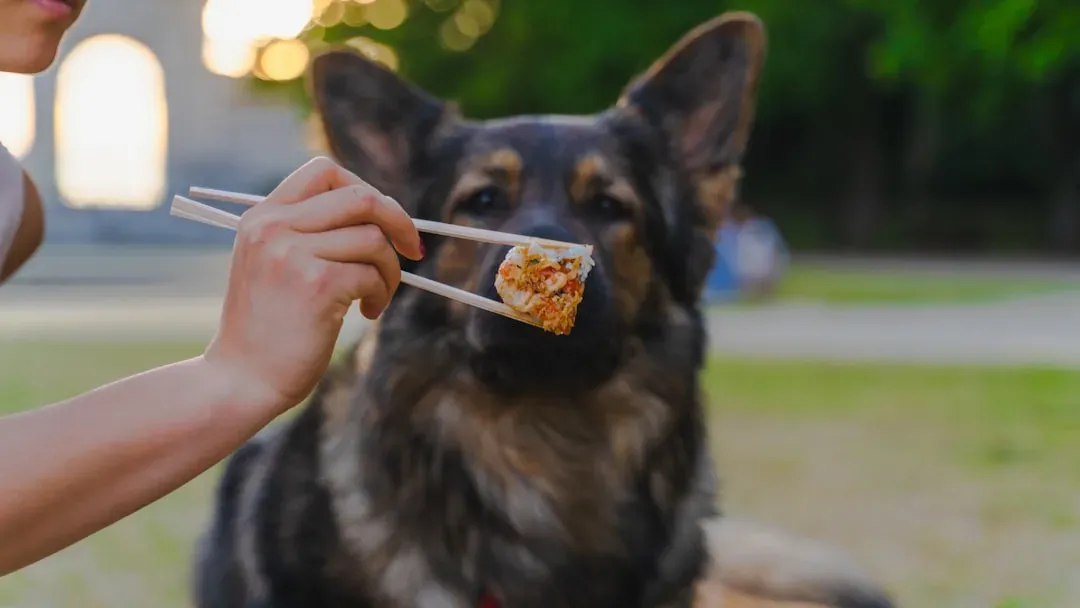
The foods we’ve covered today might seem random, but they all share one thing in common: they can seriously harm or even kill your dog. The frustrating part is that dogs don’t instinctively know what’s dangerous for them. They rely on you to make those decisions.
Prevention is everything. Keep toxic foods stored securely, educate everyone in your household, and from your plate. When in doubt, stick to dog-safe treats specifically made for them. If your dog does ingest something on this list, don’t wait to see if symptoms develop. Call your vet or poison control immediately. Time is absolutely critical when dealing with food toxicity.
What’s the most surprising food on this list for you? Did any of these catch you completely off guard?


