

You call your dog’s name across the yard. Nothing. You ask for a sit. Your pup stares at you blankly. You try again, louder this time. Still nothing. Sound familiar? If you’ve ever felt the sting of being completely ignored by your four-legged friend, you’re not alone. That frustrating moment when your usually obedient dog suddenly acts like you don’t exist can leave even the most patient owner feeling bewildered. The truth is, when your dog ignores you, it’s rarely about defiance or stubbornness.
Dogs aren’t trying to test your patience or prove a point. More often, something deeper is happening beneath the surface. Maybe they genuinely can’t hear you. Maybe they’re in pain. Maybe the world around them is just too overwhelming. Understanding why your dog is tuning you out is the first step toward rebuilding that connection and getting back to a place of trust and cooperation. So let’s dive in and uncover what might really be going on.
Their Hearing Might Be Failing
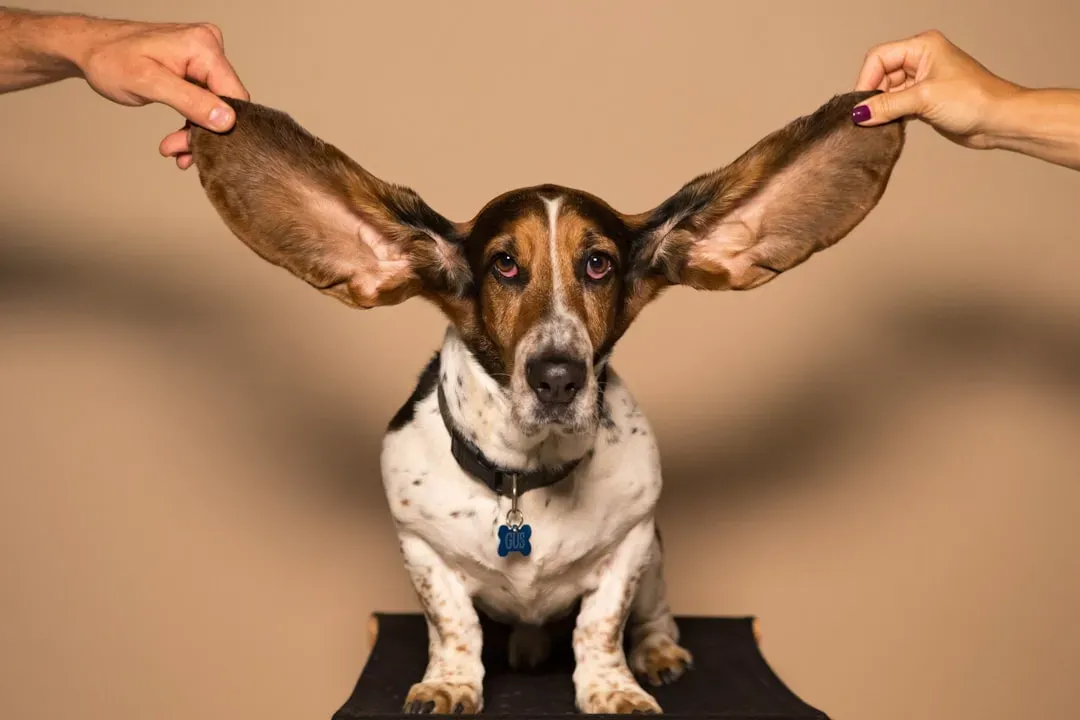
An animal that has gradually become deaf, as in old age, may become unresponsive to the surroundings and refuse to answer the owner’s call. Hearing loss in dogs is surprisingly common, especially as they age. Sometimes, older dogs ignore commands because they genuinely can’t hear you well.
It’s not always dramatic or sudden. Partial deafness, which involves losing hearing on one side or only being able to perceive sounds at certain frequencies, can be extremely difficult to diagnose because dogs compensate for any hearing loss extremely well. Your dog might respond perfectly when you’re standing close but seem to completely ignore you from across the room. Sudden disobedience and ignoring verbal commands could be a clear sign of hearing loss.
Pay attention to other signs beyond command refusal. Does your dog startle easily when you approach from behind? Have they stopped reacting to the doorbell or their favorite squeaky toy? If your senior dog seems to have selective hearing, it might not be selective at all.
Cognitive Dysfunction Could Be the Culprit

Dog dementia is like Alzheimer’s disease in people. Affected dogs may act confused and forgetful. Dogs with dementia have age-related damage to their brain. Let’s be real, it’s heartbreaking to watch your once sharp and responsive companion struggle to remember what you’re asking.
It is estimated that CCD symptoms occur in 68% of dogs by the age of 16. In other words, nearly two-thirds of 15- to 16-year-old senior dogs have some manner of doggie dementia. That’s a staggering number. The condition may be underdiagnosed since the behavioral changes progress slowly, and owners may assume that some changes are a normal part of aging.
If your older dog seems disoriented, wanders aimlessly, or forgets familiar commands they once knew perfectly, cognitive dysfunction syndrome might be to blame. The good news? Early intervention can help manage symptoms and improve quality of life.
They’re Overwhelmed by Environmental Distractions
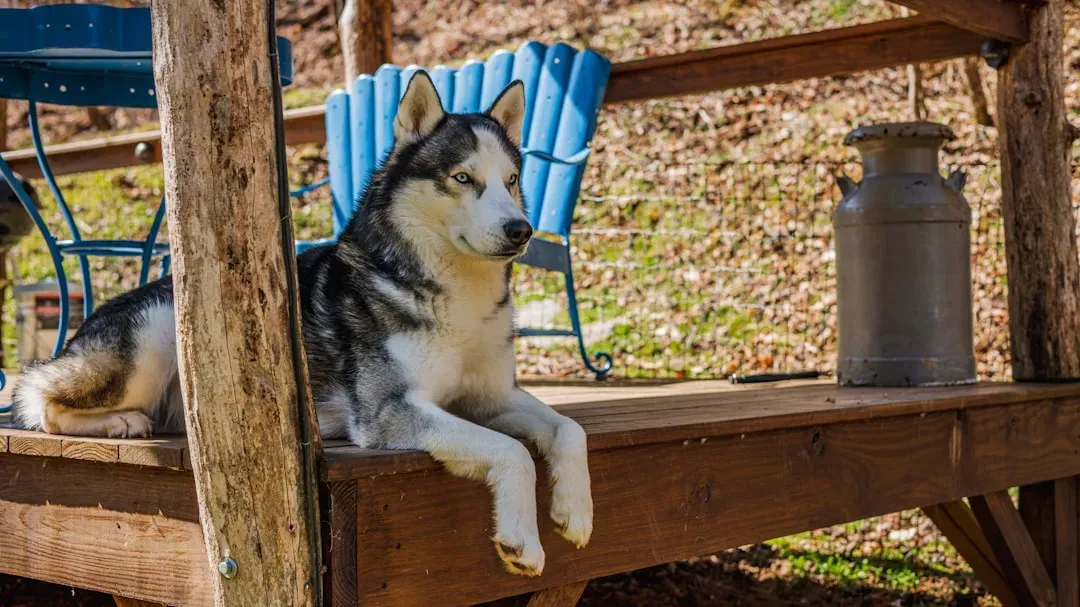
The more likely explanation for your dog’s disobedience is that they’re overwhelmed by the environment and simply can’t focus. There are too many interesting things to explore, and dogs need to sniff them all. It’s often not deliberate defiance. You just might not have taught your dog to tune out distractions and concentrate on you.
Think about it from your dog’s perspective. That squirrel darting up a tree isn’t just mildly interesting, it’s utterly captivating. An excited dog will have a harder time thinking clearly than a calm dog. When their brain is flooded with stimulating sights, sounds, and smells, your voice becomes background noise.
Sometimes new trainers or even experienced trainers with a new dog may fail to recognize that the dog isn’t “blowing you off” or “giving you the finger”, he or she is simply overwhelmed by the environment. Training in your quiet living room is one thing. Expecting the same level of focus at a crowded dog park? That’s asking a lot more from your furry friend.
Physical Pain Is Changing Their Behavior

Pain in dogs does not always present as obvious signs like yelping or limping. Mild symptoms, such as stiffness, reluctance to engage in activities, or subtle changes in gait, may be overlooked or dismissed. Compounding the difficulty, some dogs may continue participating in high-energy activities, like ball-chasing, even when in pain.
Here’s the thing many people don’t realize: even in the absence of overt pain-specific signs, pain has the potential to impact the learning and the performance of dogs. Apparently, poor learning in obedience classes, for example, not learning to sit properly, may arise as a result of the pain associated with placing dysplastic hips into that posture. Your dog might be physically unable to perform what you’re asking without discomfort.
Dogs ignore commands when something feels off. Uncomfortable gear, sore joints, or poor weather all affect behavior. Sometimes, it’s not about training at all – it’s about physical or emotional comfort. If your previously reliable dog suddenly becomes “stubborn” about sitting or lying down, schedule a vet visit. Pain could be the hidden villain.
Inconsistent Training Has Muddled the Message
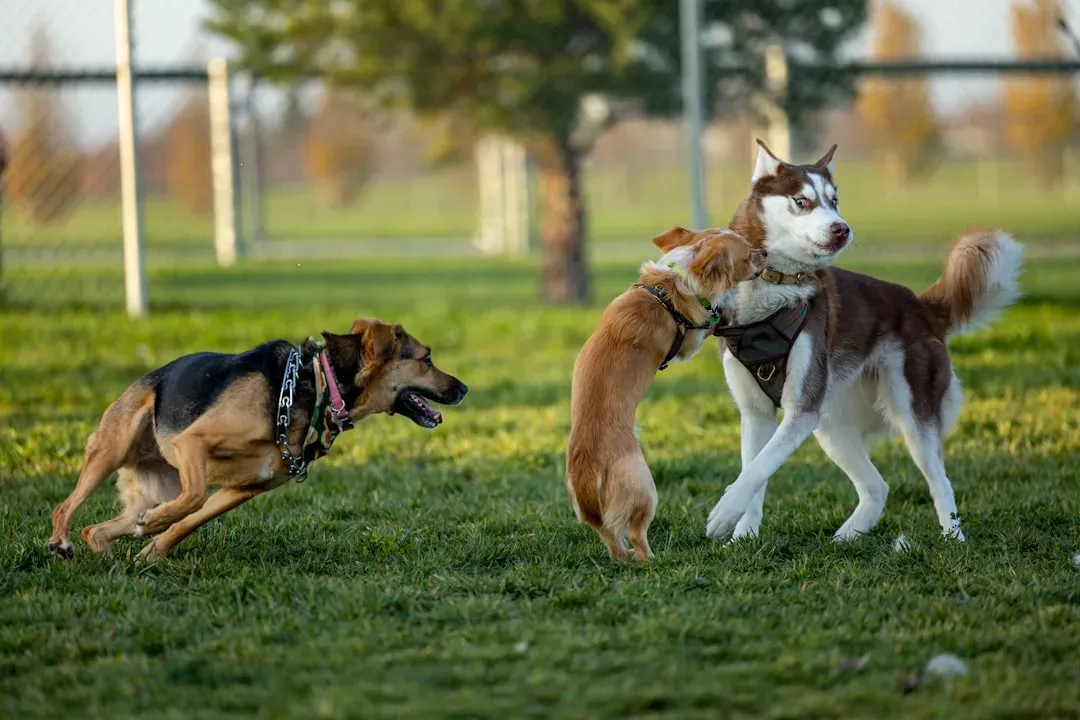
If different people in your household use different words (e.g., “come here” vs. “come”), your dog gets confused. Dogs thrive on consistency. When mom says “off,” dad says “down,” and the kids say “get down,” your poor pup has no idea what anyone actually wants.
Without that accountability, your commands quickly become suggestions. If you sometimes enforce a command and sometimes let it slide, your dog learns that listening is optional. There are many dog owners who accidentally teach their dogs to ignore crucial cues because they repeat the same command over and over but do not attach any specific meaning to the command. When your dog hears a command repeatedly, with no meaning attached to the command, their brain turns it into background noise, and they ignore it.
Honestly, we’ve all been guilty of this. You say “come” five times while scrolling through your phone, not really meaning it until the sixth time. Your dog learns to wait for that tone shift that means you’re serious.
Lack of Motivation Makes Obedience Feel Pointless

If there’s no reward or positive reinforcement, why should they listen? It’s a fair question from your dog’s perspective. Dogs are all about efficiency. They want to know the fastest way to get what they want.
When you’re competing with a fascinating smell or another dog playing nearby, plain kibble just won’t cut it. Dogs repeat rewarding behaviors, so if sniffing the tree trunk and ignoring you is more rewarding than coming when called, your dog will choose the tree trunk every time. For most dogs, that would certainly be the case if all you were offering was a bit of kibble.
Think high-value rewards for high-distraction situations. That piece of chicken might suddenly make you the most interesting thing in the park. Your dog isn’t being difficult, they’re just making logical choices based on what matters most to them in that moment.
Ingrained Bad Habits Are Hard to Break
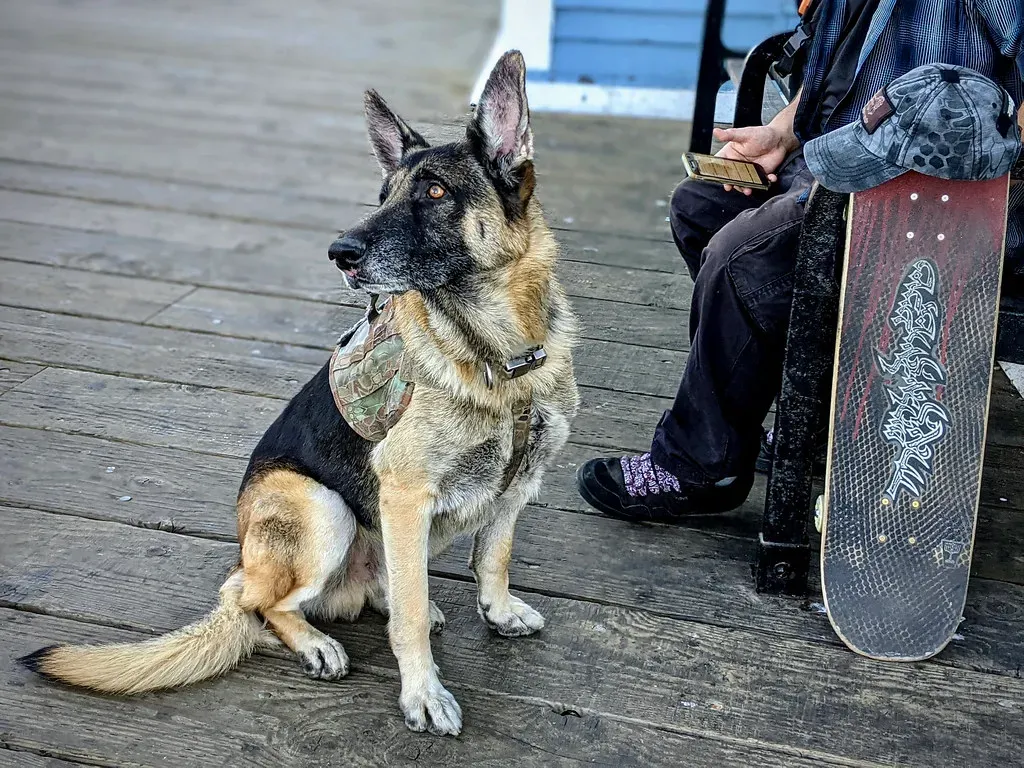
The longer a behavior has been repeated, the more ingrained it becomes and the harder it is to change or reverse. If your dog has spent months successfully ignoring your recall because they always got to keep playing, that pattern is deeply embedded.
If the handler has a history of being inconsistent and not following through with the dog, there’s a chance the dog may have learned he could get away from certain behaviors and has learned to ignore the handler. Maybe you used to call your dog inside from the backyard, and when they didn’t come, you’d eventually give up and go get them. Congratulations, you accidentally trained them that ignoring you works perfectly.
Breaking these patterns takes patience and commitment. You can’t just wish away months or years of reinforced behavior. Going back to basics with clear expectations and consistent follow-through is the only way forward.
They Never Properly Learned the Command
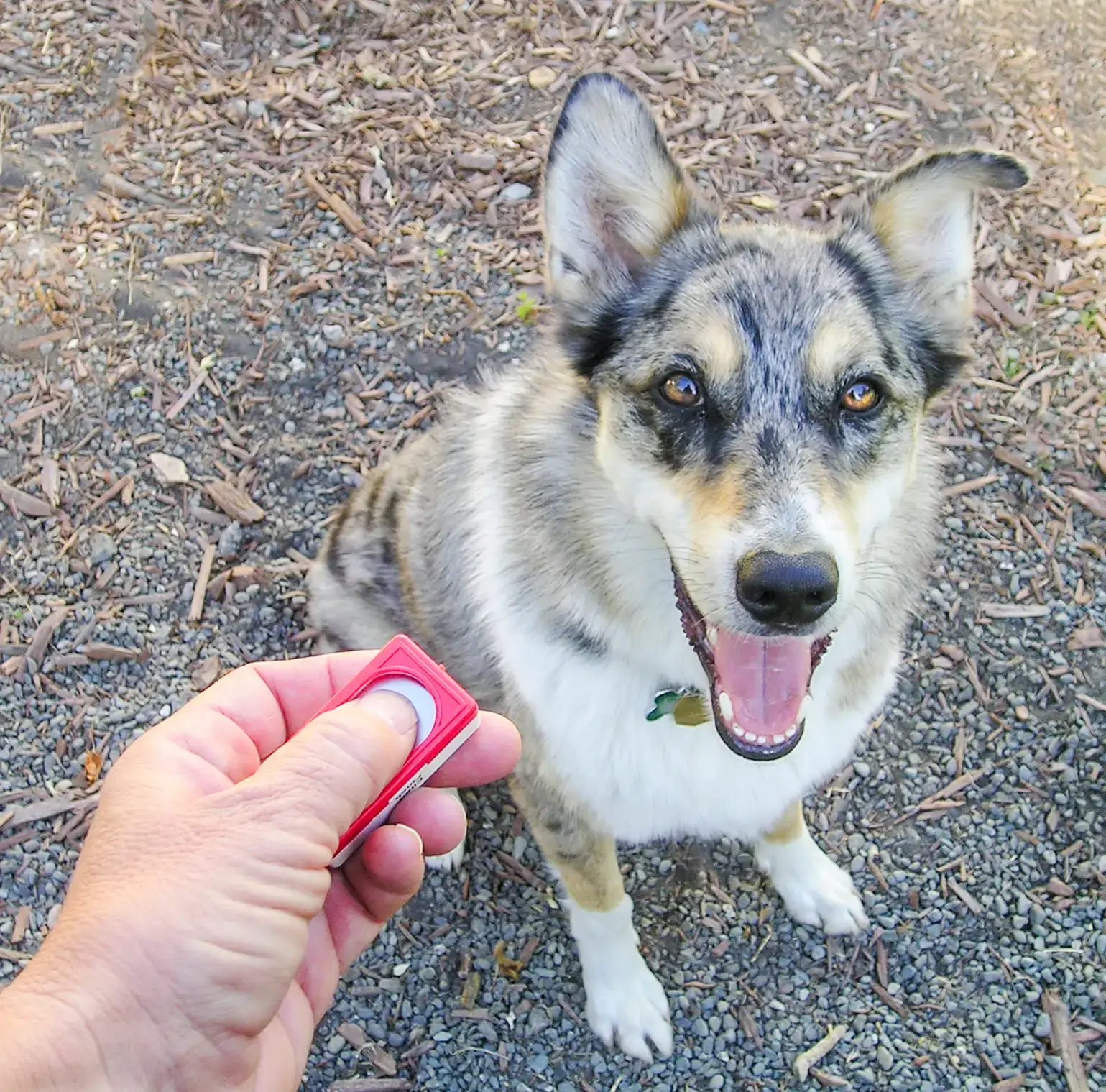
If commands weren’t taught consistently and correctly, your dog may not fully understand them. I know it sounds crazy, but your dog might genuinely not know what you want. Just because they sat once or twice during a training session doesn’t mean they truly understand the cue.
If you start on a busy street or at the dog park right away, your dog may not respond because you have not yet built a foundation for the behavior. Dogs don’t generalize well. Your pup might know “sit” means plant their bottom on the floor in your kitchen but have zero clue that the same word applies when you’re standing twenty feet away at the park.
often when dogs fail to respond to a command it is because it is too hard for them. So try not to ramp up the difficulty too quickly; rather, break the objective down into several attainable steps to help your dog succeed. Slow, methodical training in gradually more challenging environments builds true understanding.
Frustration and Stress Are Clouding Communication
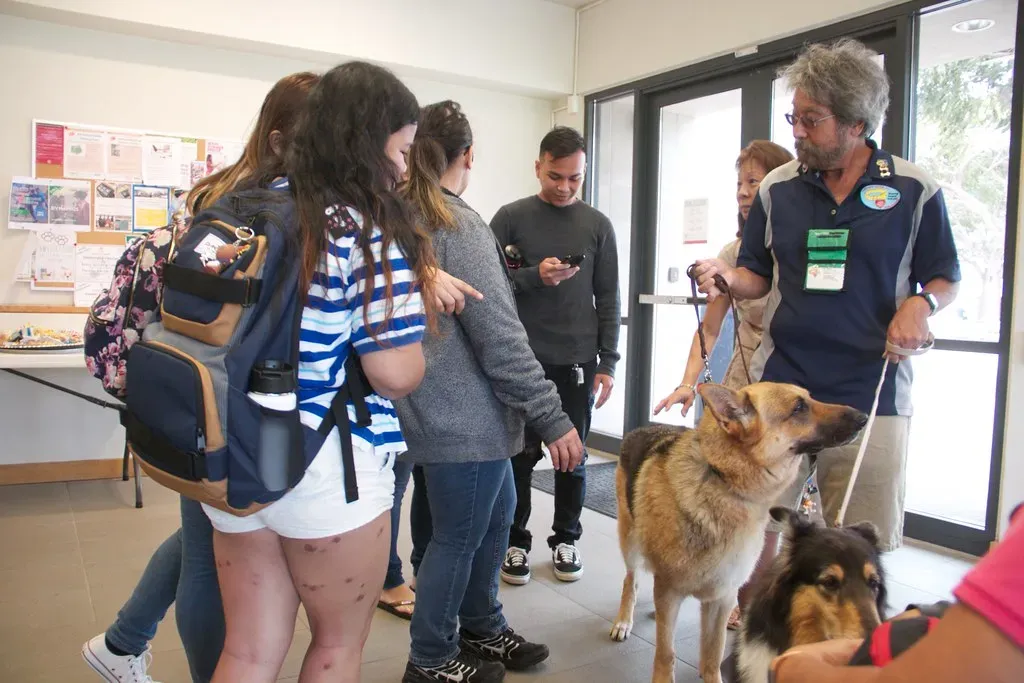
Dogs are masters in body language and they can easily detect frustration. When the handler’s frustration builds up, dogs often shut down instead of becoming more compliant. Your dog can feel your irritation radiating off you in waves.
If a dog is fearful, anxious or nervous, his emotional state may interfere with training. This is because the dog is often in a fight or flight state which affects his cognitive function, impairing his ability to learn. When stress hormones flood their system, whether from your frustration or their own anxiety, their brain literally cannot process new information effectively.
If you’re anxious, your dog senses it. You send mixed signals. That confuses them even more. Take a breath. Step back. End on a positive note with something your dog knows well, then try again when everyone is calmer. Training through frustration benefits no one.
Negative Associations Are Creating Avoidance
If your dog associates a command with punishment (like yelling “come” and then putting them in their crate), they may ignore you. Think about it. If every time someone called your name, something unpleasant followed, you’d probably start pretending you didn’t hear them too.
Maybe you’ve called your dog to come inside, and immediately after they complied, you left for work. Or you called them over to trim their nails, which they hate. Your dog isn’t stupid. They remember these patterns and start avoiding the command altogether to avoid the consequence.
The good news is poisoned cues can be fixed. You have to re-teach the behavior and add a new cue. You do have to re-teach the behavior, though, as you can’t just transfer a poisoned cue to a new cue. It takes time, but you can rebuild positive associations. Pair the command with wonderful things, consistently, until your dog forgets the negative history.
Life Changes Have Disrupted Their Sense of Security

Dogs feel the impact of change more deeply than many owners expect. When daily rhythms shift, it disrupts their sense of safety. New environments come with strange smells, different sounds, and unfamiliar layouts – all of which can quickly overwhelm them.
Moving to a new home, adding a family member, losing a companion, changing work schedules – these shifts shake your dog’s world. Dogs often react to major transitions by ignoring commands they once followed easily, not out of defiance but because they feel uncertain. Their brain is working overtime just processing the changes, leaving little capacity for obedience.
Your dog isn’t ignoring you out of spite. In truth, they may feel anxious, confused, or distracted. During periods of transition, extra patience, familiar routines, and lots of positive reinforcement help restore their confidence and responsiveness. Give them time to adjust before expecting perfect behavior.
Moving Forward with Understanding and Compassion

When your dog ignores your commands, it’s so easy to take it personally. We’ve all been there, feeling like our beloved companion is deliberately testing us or just doesn’t care anymore. The reality is almost always more complex and far more compassionate than simple disobedience.
Whether your dog is struggling with hearing loss, cognitive decline, pain, environmental overwhelm, unclear training, or emotional stress, each of these challenges deserves your understanding and appropriate intervention. Your dog isn’t trying to frustrate you. They’re communicating the only way they can that something isn’t quite right.
Start with a thorough veterinary exam to rule out medical issues. Honestly, so many behavioral problems disappear once underlying health conditions are addressed. Then look at your training history, your consistency, and your environment. Are you setting your dog up for success, or inadvertently making things harder?
Remember, the relationship you have with your dog is built on trust, patience, and clear communication. When that communication breaks down, it’s up to us as their guardians to figure out why and help bridge the gap. What’s one small change you could make today to help your dog succeed? Think about it. Your furry friend is counting on you.


