

There’s something magical—and sometimes totally baffling—about the way cats show affection. One moment, your feline friend is purring in your lap, and the next, you get the cold shoulder for reasons only they understand. But here’s a secret: even when cats are annoyed, they almost never stop loving their humans. Instead, they have a hilarious, quirky, and sometimes downright confusing arsenal of behaviors that say, “I’m frustrated, but you’re still my favorite person.” If you’ve ever wondered what’s going on in that mysterious kitty mind, you’re in for a treat. Let’s unravel the world of feline emotions—prepare to see your cat in a whole new light!
1. The Tail Flick: A Waving Red Flag

You might notice your cat’s tail swishing back and forth like a metronome when you pet them a little too long. This isn’t just random movement—it’s cat language for “I’m a bit irritated, but not enough to leave.” Think of it like someone tapping their foot impatiently during a conversation. They’re still there, still engaged, but a little on edge.
Despite the tail flicks, your cat will often stay close by or even settle down beside you. This is the ultimate mixed signal: “I’m not thrilled, but I don’t want to be away from you either.” It’s their way of setting boundaries while still enjoying your company. Over time, you’ll learn to read the rhythm—quick, sharp flicks mean “ease up,” while slow, lazy waves can just mean they’re content but alert.
2. The Slow Blink: Mixed Signals in Motion

Every cat owner loves the famous slow blink—a true sign of trust and love. But did you know that annoyed cats might still slow blink at you? Picture this: you’ve interrupted their nap for the third time, and while they’re clearly not thrilled, you catch them giving you that gentle, lingering blink. It’s their way of saying, “I’m irritated, but you’re still my safe place.”
This move is the feline equivalent of rolling your eyes at someone you adore. Annoyed cats might slow blink to signal that, even if you’re being a nuisance, they don’t see you as a threat. They’re frustrated, but deep down, they’re reminding you that your bond is still strong. It’s a subtle, heartwarming contradiction that cat lovers know all too well.
3. The Dramatic Sigh or Huff

Have you ever heard your cat let out a little huff or sigh when you rearrange their cozy spot? That soft exhale isn’t just air—it’s pure feline drama. It’s as if they’re saying, “I can’t believe you just did that, but fine, I’ll deal with it.” Even when exasperated, your cat would rather sigh and stay put than leave your side.
This melodramatic gesture is oddly comforting. Your cat could storm off, but instead, they choose to voice their annoyance in the most theatrical fashion possible. It’s a signal that although you’ve done something to ruffle their fur, they’d still rather be with you than anywhere else. Drama queens? Maybe. Loyal companions? Absolutely.
4. Turning Their Back—But Not Leaving

When a cat is annoyed, they might turn their back on you, almost as if they’re giving you the silent treatment. But here’s the catch—they don’t actually leave the room. It’s a bit like a child sulking in the corner, wanting you to notice them. This “I’m mad, but I’m staying” act is classic cat behavior.
By keeping their body close but averting their gaze, cats are expressing both their displeasure and their attachment. They may be a little peeved, but they want you to know they’re still there. Over time, you’ll recognize this as a playful test of boundaries—and maybe even a little plea for attention. After all, if they truly wanted to be alone, they’d disappear entirely.
5. The Annoyed Meow: Not Quite a Scolding
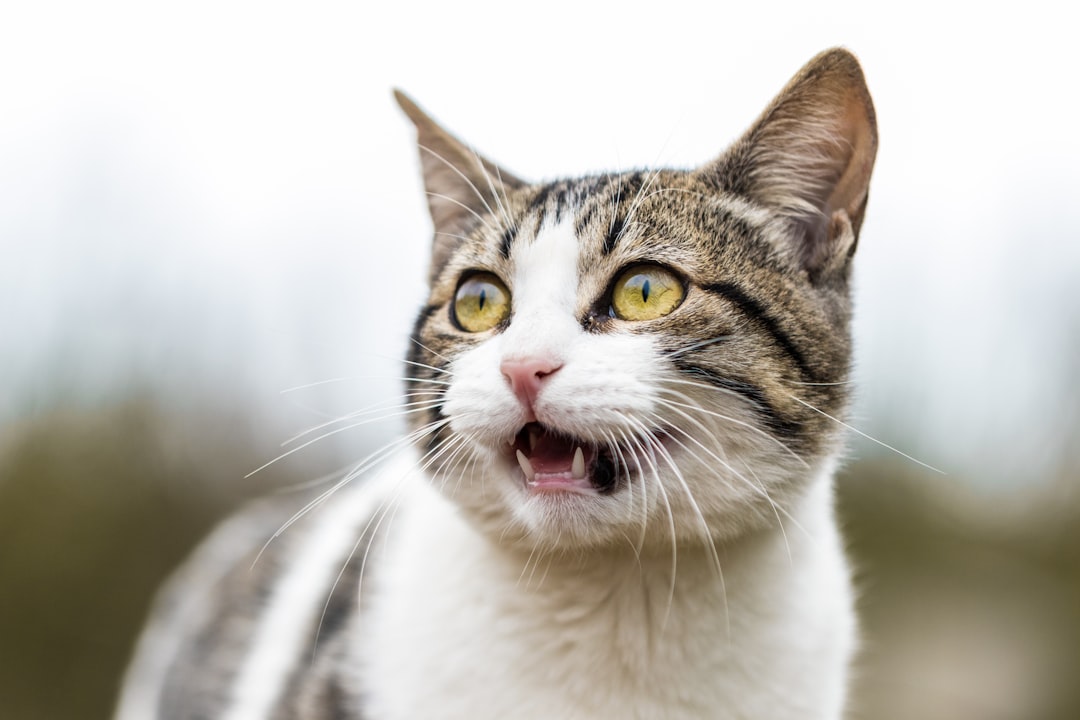
Cats have a special meow reserved for those moments when you’ve crossed a line—think of it as their version of a grumpy mutter. This sound isn’t quite the demanding meow for food or the sweet chirp of greeting; it’s lower, sometimes a bit drawn out, and unmistakably annoyed. Yet, it’s rarely accompanied by aggression or retreat.
Even as they voice their frustration, cats often stick around, circling your feet or hopping onto your lap soon after. They want you to know you’ve tested their patience, but they’re not holding a grudge. It’s almost endearing—like being gently scolded by a friend who can’t stay mad at you for long.
6. The Halfhearted Swat

Every cat owner has felt the gentle bap of a paw when playtime goes too far or petting hits a sensitive spot. What’s fascinating is that these swats are often more theatrical than threatening. Your cat doesn’t use claws or real force—instead, it’s a soft “hey, enough!” that barely makes contact.
This halfhearted swipe is a sign of trust. If your cat truly wanted you gone, you’d know it. But by keeping things gentle, they’re reinforcing boundaries without breaking the bond. It’s the feline version of a playful nudge, a way of saying “I’m annoyed, but I still like you.” The next moment, they might even curl up in your lap, annoyance forgotten.
7. The Sudden Grooming Session
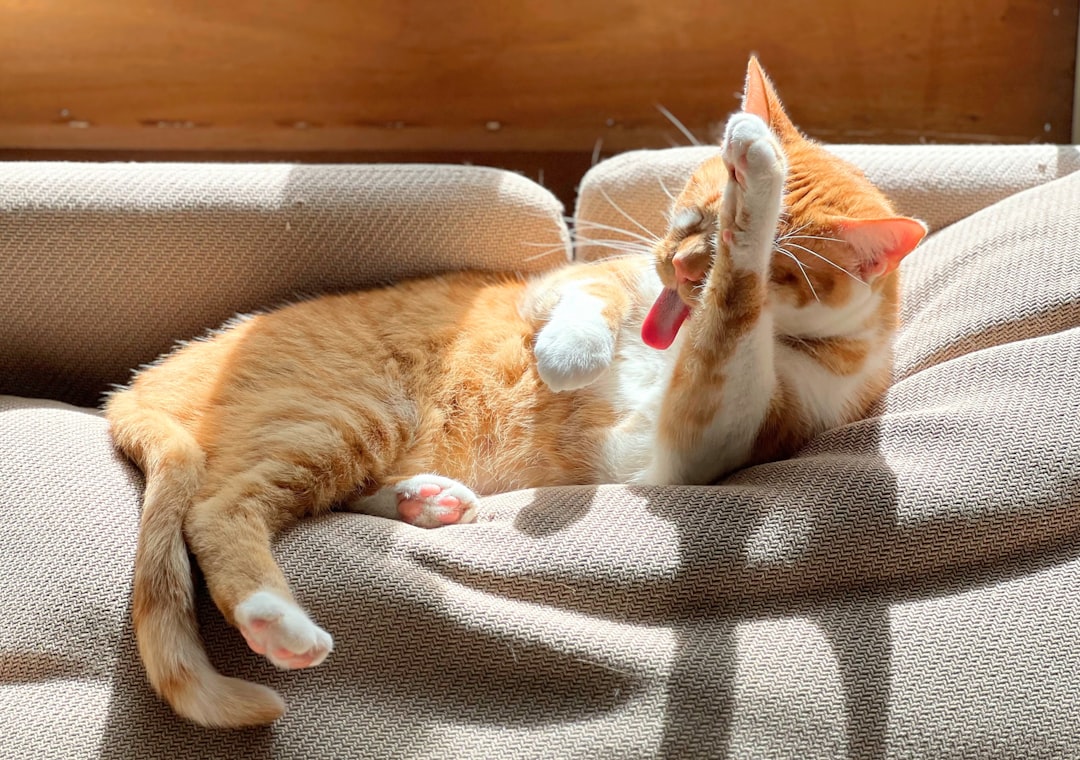
One of the funniest things cats do when they’re annoyed is start grooming themselves right in front of you, as if you’ve suddenly become invisible. It’s both a coping mechanism and a subtle hint: “I’m going to focus on me now, because you’re being a bit much.” Sometimes, they’ll pause mid-groom to shoot you a pointed look.
Despite the icy treatment, cats who groom themselves in your presence are comfortable enough to let their guard down. They may be expressing irritation, but they still feel safe and secure with you nearby. It’s a quirky way of resetting their mood—and letting you know you’re still part of their world, even if you’re currently on thin ice.
8. Staying Just Out of Reach

When cats get annoyed, they might reposition themselves so you can’t pet them, scooting an inch out of reach but never truly leaving. It’s a classic “I need space, but don’t go too far” message. This move is almost like a dance, with your cat setting the tempo and distance.
The fact that your cat stays nearby, even when they’re miffed, speaks volumes. They crave your presence, just with a little buffer zone. It’s their way of managing both their boundaries and their bond with you. Over time, you’ll learn to read these signals—and maybe even appreciate the cat’s masterful balancing act between affection and independence.
9. The Strategic Paws-Off Approach

Sometimes, an annoyed cat will simply stop engaging. They’ll freeze mid-play or stop responding to your calls, adopting a stoic, statuesque pose. This isn’t sulking—it’s a thoughtful pause, as if they’re weighing their next move. Yet, they don’t leave the space or hide away.
In this moment, your cat is saying, “I need a breather, but I’m not done with you.” It’s a gentle reminder to respect their autonomy. By staying put, they’re inviting you to stay close, just with a little less interaction. It’s a subtle but powerful testament to the depth of your relationship—a quiet time-out, not a breakup.
10. The Quick Forgiveness—Back to Snuggles
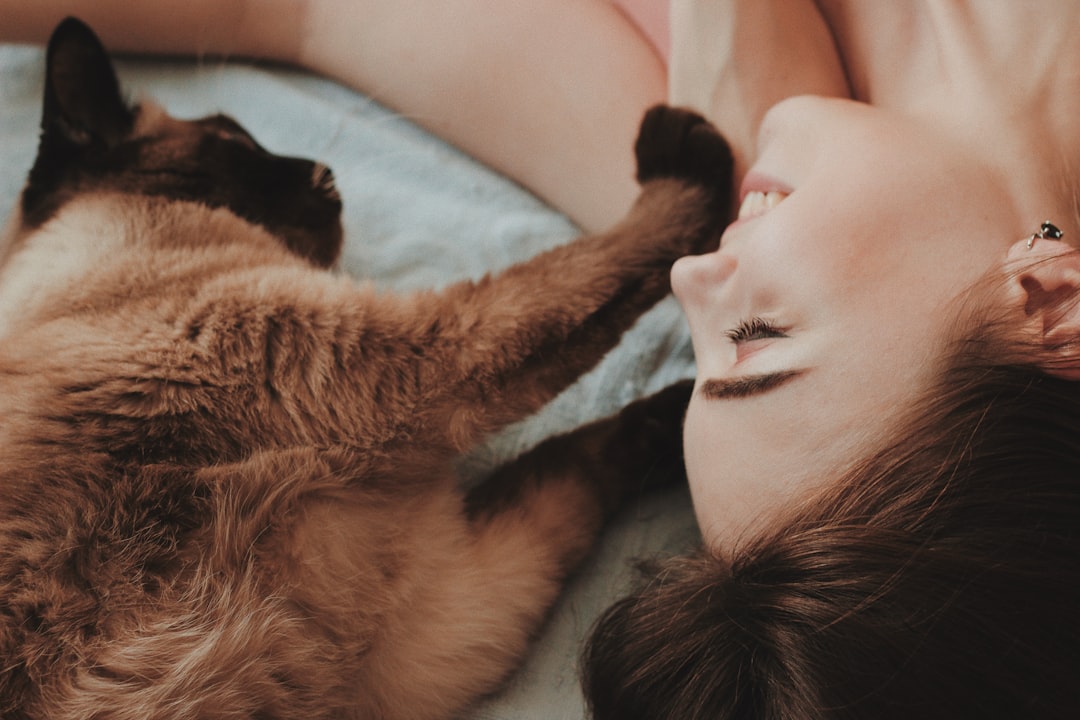
Perhaps the most endearing thing cats do when they’re annoyed is how quickly they bounce back. One moment, you’re on their naughty list, and the next, they’re rubbing against your leg or curling up beside you. This rapid shift from annoyance to affection is uniquely feline—and incredibly heartwarming.
It’s as if your cat can’t help but let love win out over irritation. Even after a moment of grumpiness, they choose closeness over distance. This quick forgiveness is one of the purest signs of a cat’s affection, a silent promise that even when you’re annoying, you’re still their favorite human.
Cats have a unique way of expressing their emotions—even when they’re feeling annoyed, their affection for you often still shines through. The ten behaviors on this list may seem contradictory or confusing, but they’re part of the complex emotional dance that makes feline companionship so fascinating. From the tail flicks to the slow blinks, your cat might be setting boundaries while still choosing to stay close. Understanding these subtle signs helps strengthen your bond and shows your cat that you respect their needs. Because even in their grumpiest moments, a loving cat never strays too far.


