

We’ve all been there. You step through the front door after a long day, expecting that warm, tail-wagging welcome, only to find your dog giving you the cold shoulder. Maybe there’s a mysterious mess in the hallway, or perhaps your usually social pup has suddenly decided the living room isn’t big enough for both of you.
The truth is, dogs communicate their feelings in ways that can leave us scratching our heads. While our canine companions don’t experience anger quite the way we do, they definitely have their own unique methods of expressing frustration, stress, or disappointment. Understanding these signals isn’t just fascinating – it’s essential for maintaining a healthy, happy relationship with your four-legged family member. So let’s dive in and decode what your dog might be trying to tell you when they’re feeling less than thrilled.
The Silent Treatment

When your dog suddenly becomes a master of avoidance, it’s one of the clearest signs they’re upset. Instead of barking or growling when mad, some dogs might simply avoid you. You might see pooches turn their heads, sniff the ground or otherwise disengage. Or it might be more obvious: Your dog walks away or right out of the room. This behavior can feel particularly heartbreaking because it’s so different from their usual enthusiastic greeting.
The cold shoulder – A typically affectionate pup suddenly avoiding eye contact or not greeting you enthusiastically. Ignoring you – Walking away with their favorite toy instead of engaging. Avoidance – A dog who usually follows you everywhere may suddenly prefer another room. It’s their way of saying they need some space to process whatever upset them, much like how we might retreat to our bedroom when we’re feeling overwhelmed.
Hiding in Plain Sight
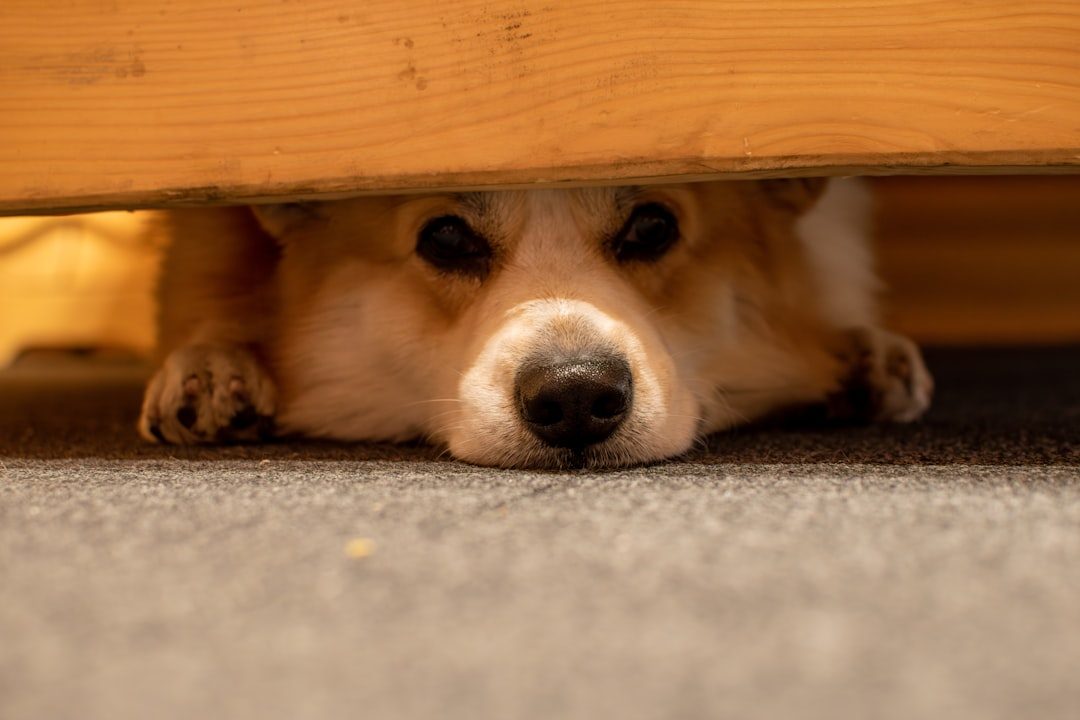
Dogs may hide under furniture, in closets, or other secluded areas when they feel overwhelmed. This behavior can be triggered by various factors, including loud noises, unfamiliar environments, changes in routine, or the presence of new people or animals. Your normally social dog might suddenly discover the appeal of the space under your bed or behind the couch.
This hiding behavior serves as a natural coping mechanism. Sometimes dogs seek out a familiar and secure area when they are feeling overwhelmed, similar to the way people might retreat to their homes or bedrooms in times of stress. Being territorial creatures, familiarity is important to canines. When you notice this withdrawal, respect their need for space while gently encouraging them back to normal activities.
Destructive Revenge (Or So It Seems)
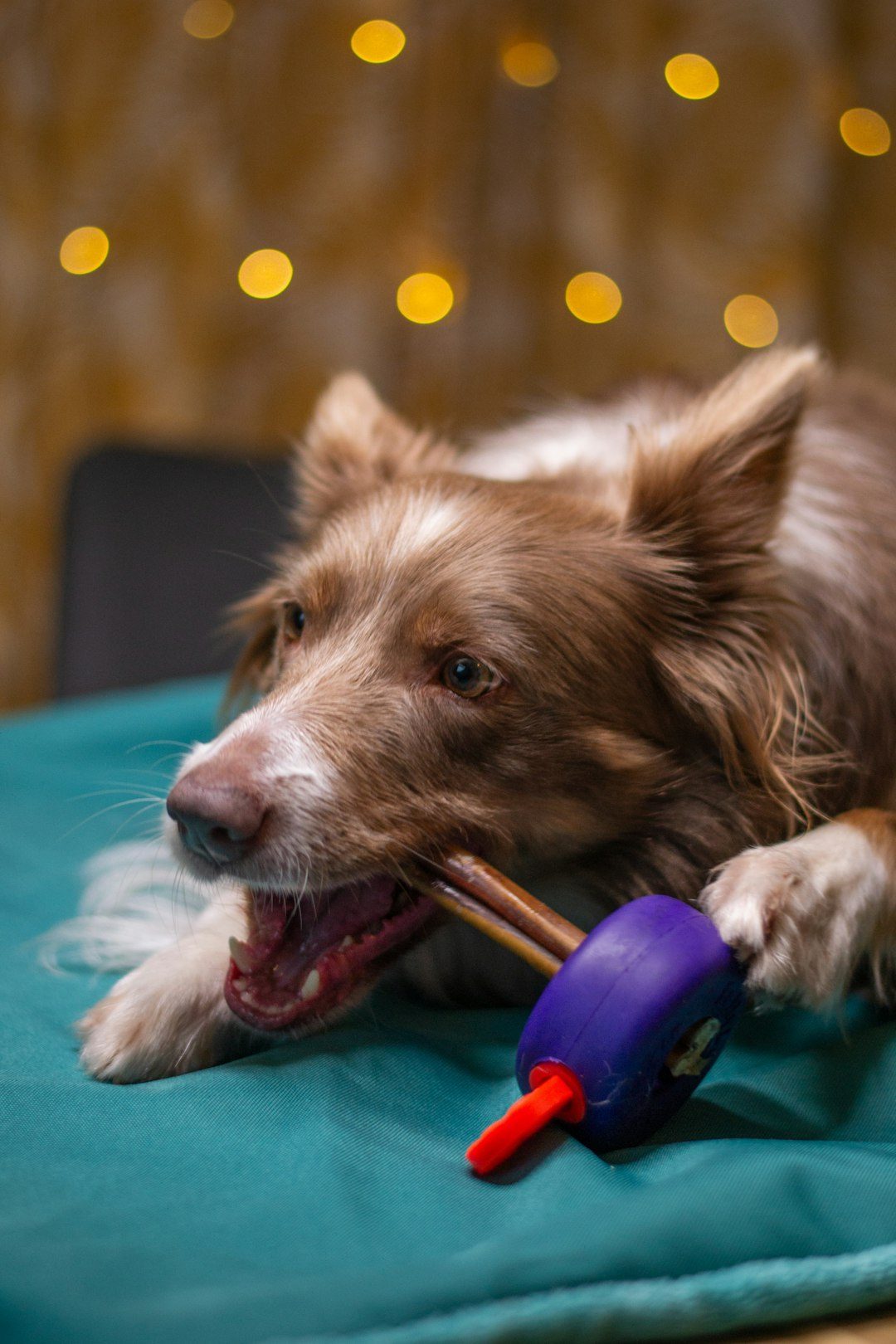
Coming home to chewed shoes, torn pillows, or scratched furniture can feel like intentional retaliation, but the reality is more complex. Destructive chewing: A destructive dog is more likely bored or anxious, not angry! If you notice your dog tearing things up at home, consider giving them something to chew or play with while you’re gone. Destructive behaviors are also a sign of separation anxiety.
Sometimes, they learn that engaging in destructive behavior gets them noticed. Even negative attention is better than no attention at all. Rather than plotting revenge, your dog might be expressing frustration, boredom, or anxiety through the only outlet they know. Understanding this difference can help you address the root cause rather than just the symptoms.
The Dramatic Sigh and Body Language

Ellis says a stiff body indicates, “I’m not happy.” Hembree explains that happy dogs’ tails will be level with their backs. The way will be loose and fluid. When dogs are upset, their entire posture changes in ways that are unmistakably different from their relaxed state.
Signs of a stressed or upset dog can include lowered ears, a tucked tail, avoiding eye contact, or a rigid posture. Example: Dogs communicate a lot through body language. Signs of a stressed or upset dog can include lowered ears, a tucked tail, avoiding eye contact, or a rigid posture. These subtle shifts in body language are your dog’s way of communicating their emotional state long before they escalate to more obvious behaviors.
Selective Hearing Syndrome
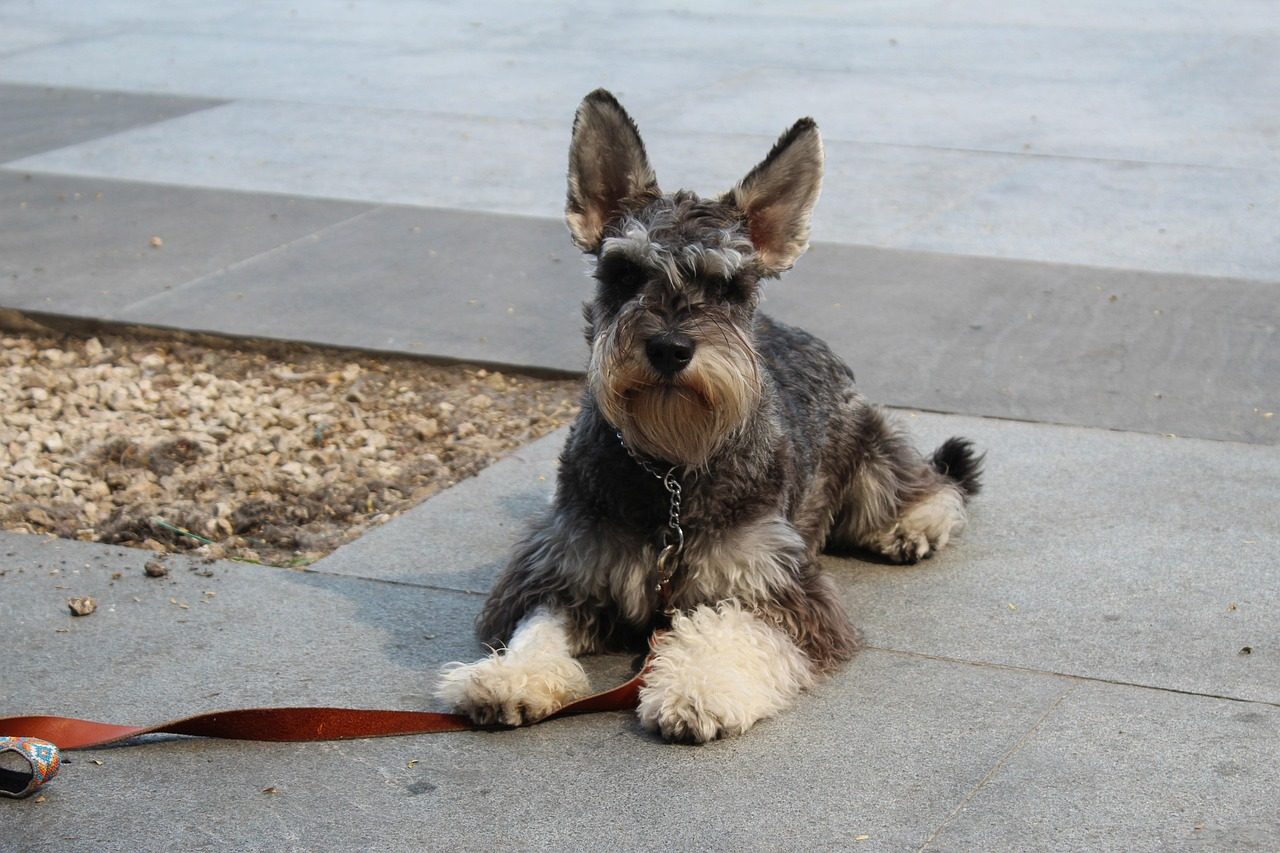
Selective hearing – If they suddenly ignore commands like “Come here!” you might be on their bad side. This phenomenon can be incredibly frustrating, especially when you know your dog typically responds well to training commands. It’s their canine equivalent of giving you the cold shoulder.
This behavior often stems from stress or discomfort rather than deliberate disobedience. When dogs feel overwhelmed or upset, their ability to focus and respond to familiar commands can diminish significantly. Patience and positive reinforcement work better than frustration in these moments.
Stress Signals and Displacement Behaviors
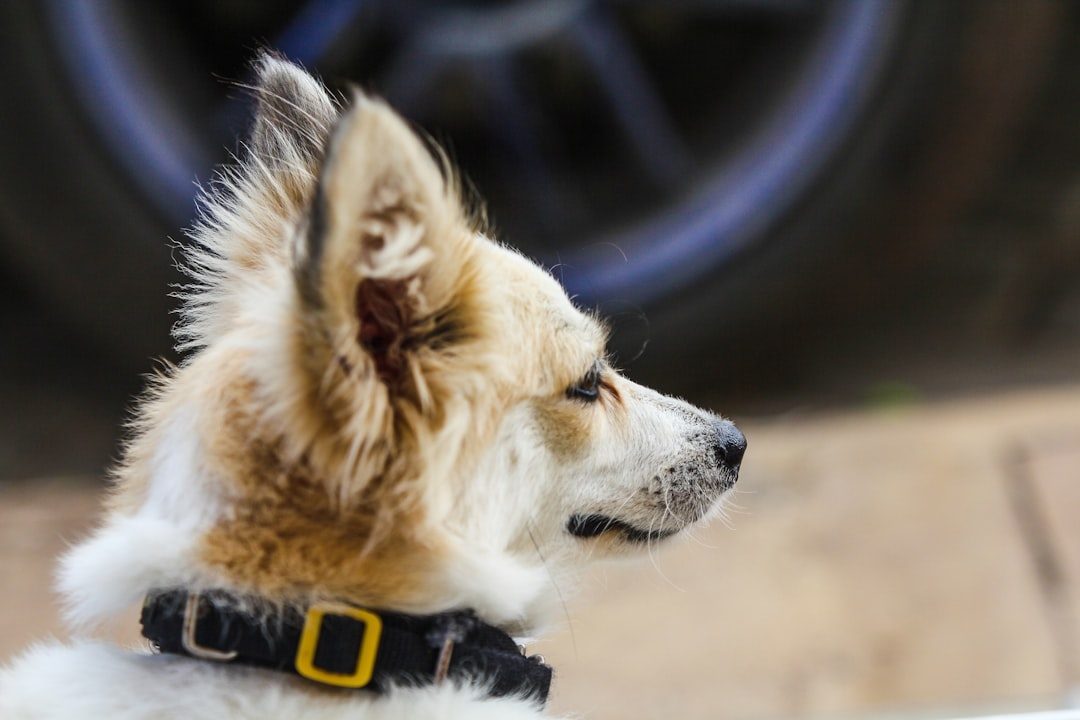
If you notice your dog licking their lips, yawning excessively, and averting their gaze (sometimes called “whale eye”) it might seem like they’re annoyed. These expressions usually suggest anxiety, however, and dogs may use them in response to a stressful situation.
Displacement behavior is when a dog does normal behaviors in out-of-context situations, such as yawning when they aren’t tired, licking their lips when there is no food around, or scratching themselves when they shouldn’t be itchy. Since displacement behaviors indicate that a dog is uncomfortable, recognizing and addressing them can prevent worse behaviors like barking or biting. These subtle cues are your dog’s early warning system.
The Sulky Stare
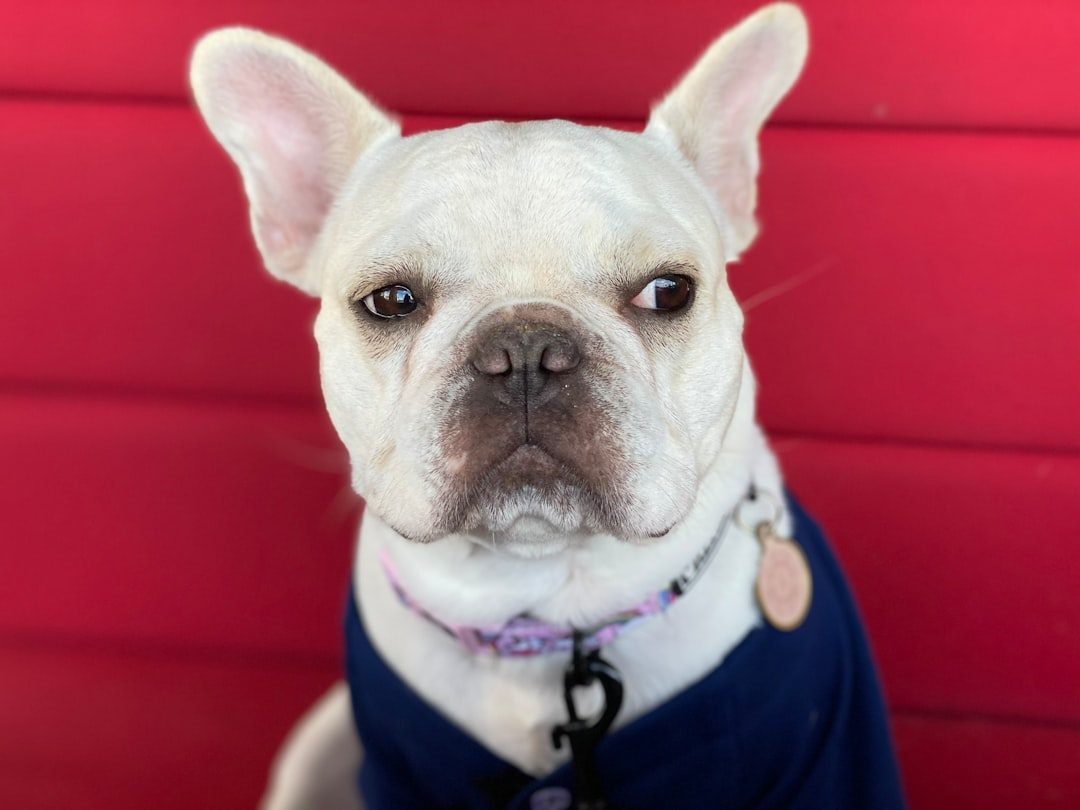
Side-eye or “whale eye” – Seeing more of the whites of their eyes than usual can indicate stress or unease. Yawning (when not tired) – This subtle stress signal helps dogs self-soothe. Tense body language or stiffness – A tight mouth, rigid body, or a still tail (whether tucked or upright) may suggest discomfort. Growling or low warning sounds – Growling isn’t always aggression – it’s a way for dogs to ask for space or express unease.
That hard stare your dog gives you isn’t necessarily defiance – it’s communication. They’re trying to tell you something important about their emotional state. Learning to read these facial expressions can prevent misunderstandings and help you respond appropriately to your dog’s needs.
Attention-Seeking Barking
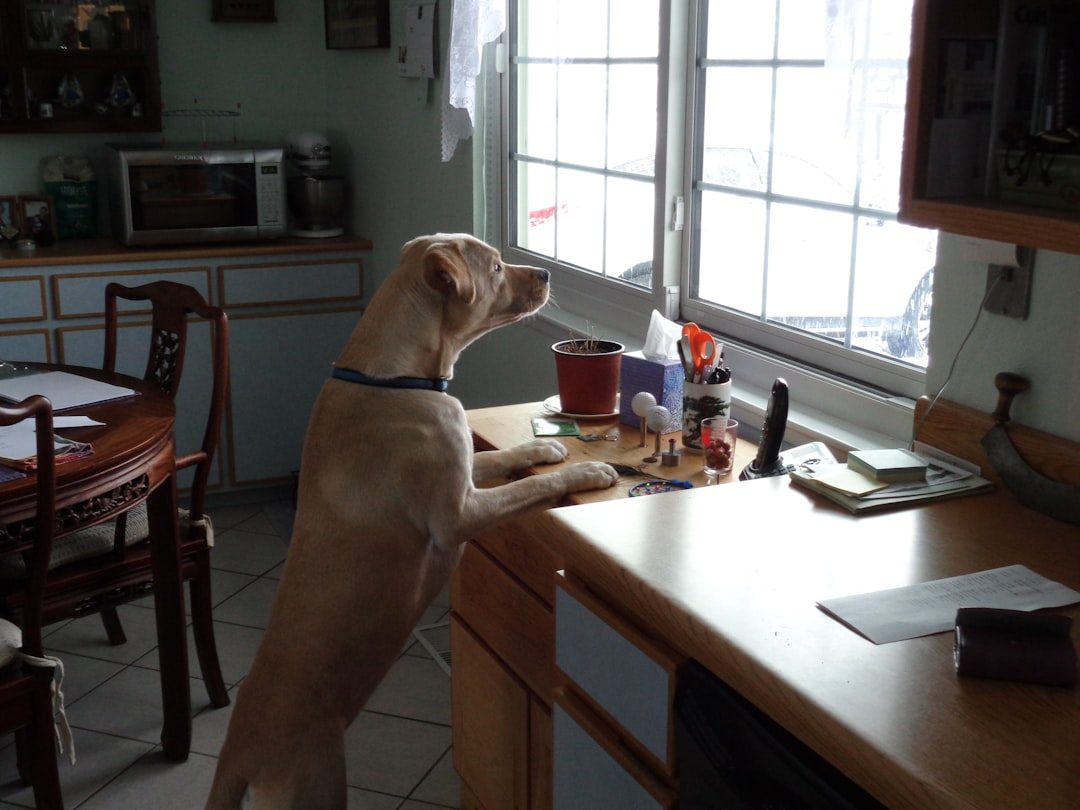
Does your dog bark at you while you’re on the phone? Paw you while you’re watching TV? Jump on you when you come in the door? These are all examples of attention-seeking behavior, and they’re your dog’s way of saying, “Don’t forget about me!”
When we are not available, dogs’ frustration and anxiety can lead to barking, pawing and nosing, counter surfing, shoe stealing, and other unwanted behaviors that relieve anxiety and frustration (for them) and gain our attention. Take attention-seeking barking. Sometimes what appears to be anger is actually a desperate plea for connection and reassurance that they’re still important to you.
Refusing Food or Treats

Example: If your dog suddenly loses interest in food, it could be a sign they’re feeling stressed or unwell. When your normally food-motivated dog turns their nose up at their favorite treats, it’s often a clear indicator that something emotional is affecting them.
This behavior can be particularly concerning because food is such a powerful motivator for most dogs. A sudden loss of appetite due to stress signals that your dog’s emotional state has reached a point where even their basic drives are affected. This warrants immediate attention to identify and address the underlying cause.
Acting Out with Familiar People
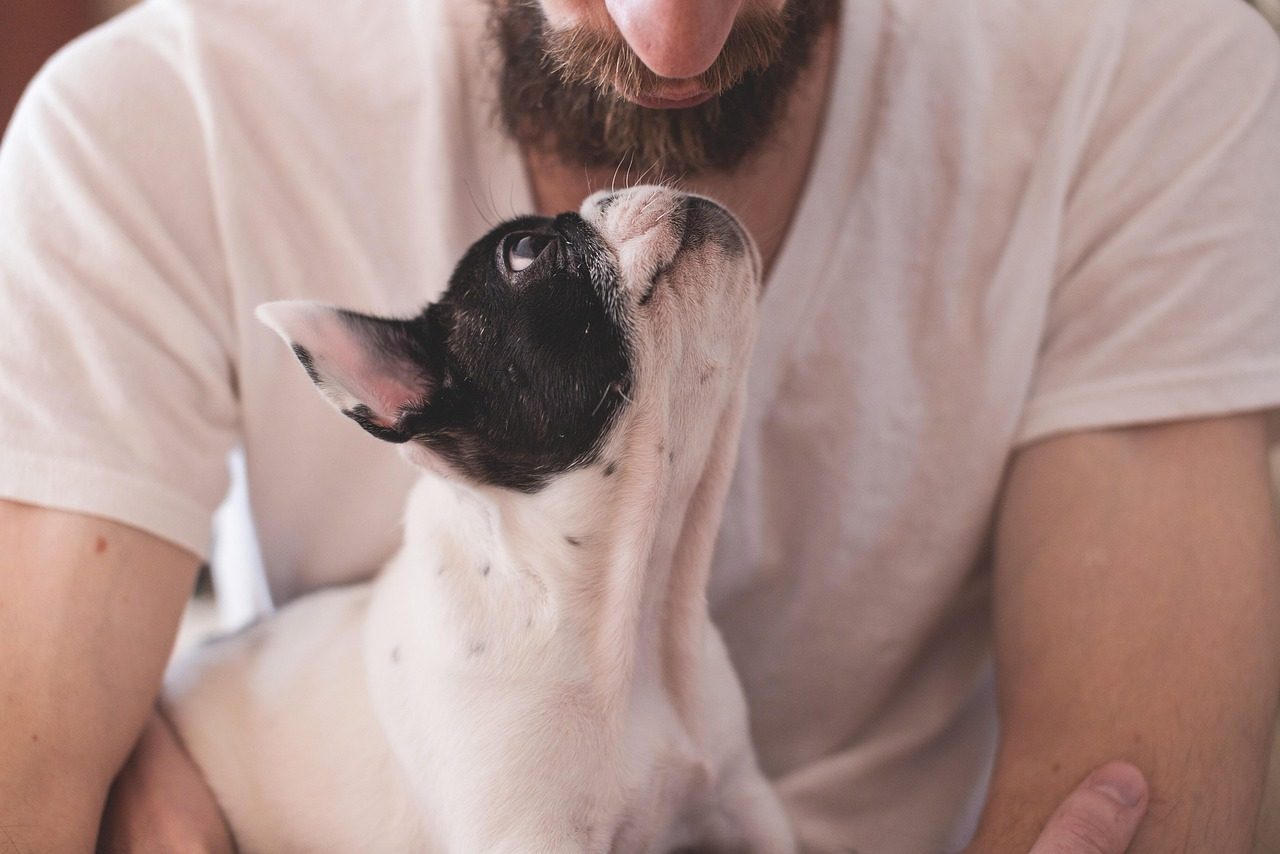
While this all may make you feel ultra-guilty, the fact that your dog is showing you they’re upset is a testament to your bond. “Often, your dog is so comfortable around you that they uninhibitedly allow these feelings or signals to be expressed,” Hembree says. Ironically, dogs often save their most dramatic emotional displays for the people they trust most.
This means that when your dog acts out specifically with you rather than strangers or visitors, it’s actually a sign of how secure they feel in your relationship. They trust you enough to express their true feelings, knowing that the bond between you can weather their emotional storms. It’s both a compliment and a responsibility.
Conclusion: Understanding Your Dog’s Emotional Language
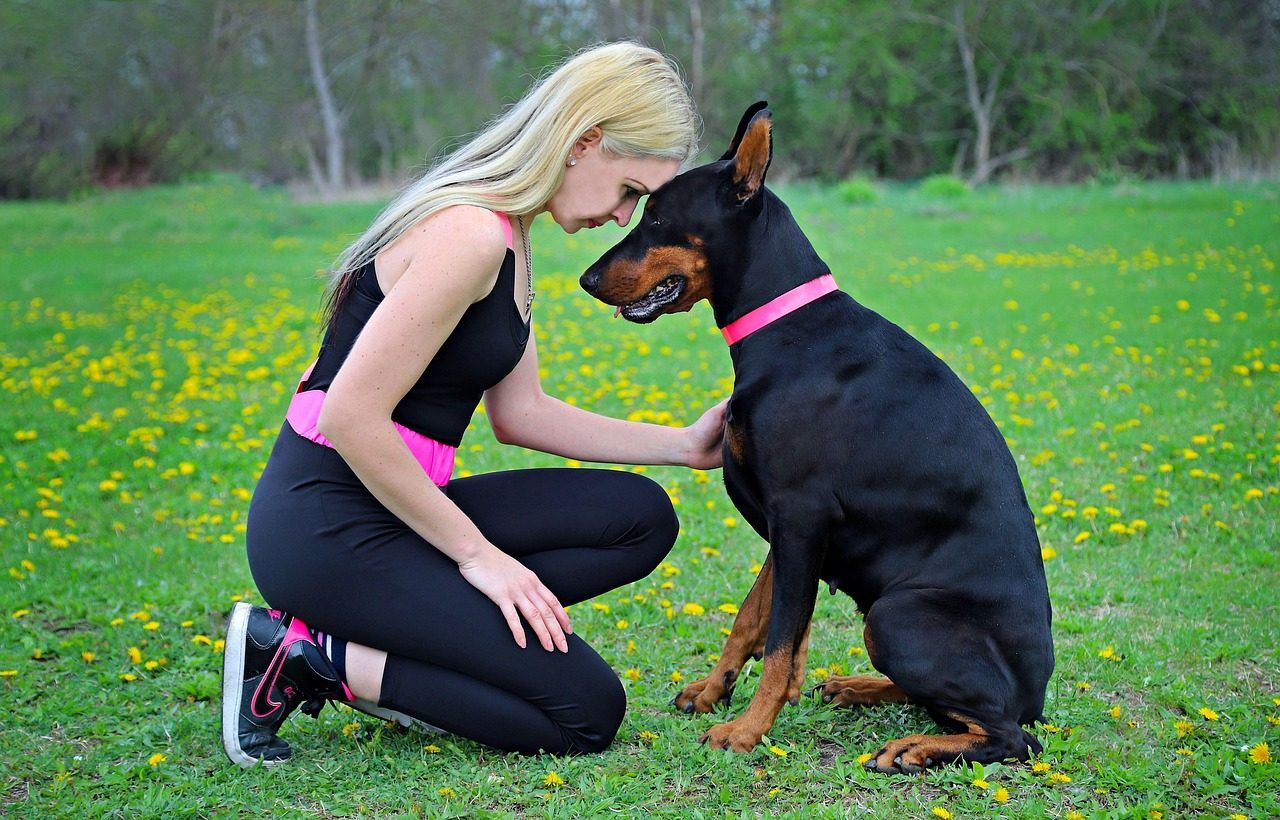
In over 13 years as a certified professional dog trainer, I’ve come to appreciate that dogs share many of the same basic feelings we do. My Chihuahua gets scared during fireworks shows, happy when he plays with his snuffle mat and, yes, angry when he is removed from a lap. The key is recognizing that their anger isn’t vindictive or spiteful like ours can be – it’s immediate and honest.
Remember, dogs live in the moment and, unlike humans, they don’t hold grudges. If your dog actually is mad, then stop doing whatever is making him mad. Once you turn your pup’s frown upside down, you can trust that all is truly forgiven. This beautiful quality of forgiveness makes working through these challenging moments so worthwhile.
The next time you notice these signs, remember that your dog is simply trying to communicate with you in the only way they know how. With patience, understanding, and a commitment to meeting their emotional needs, you can strengthen your bond and help your furry friend feel secure and loved. What do you think – have you noticed any of these behaviors in your own dog? Share your experiences in the comments below.


