

Let me guess. You’re scrolling through photos of adorable puppies, imagining yourself as the owner of a perfectly behaved dog who sits on command, walks politely on a leash, and never chews your favorite shoes. The reality, though? It’s messier, louder, and far more humbling than Instagram makes it look.
Here’s the thing. New dog owners often face the same surprises, the same regrets, and the same midnight panic about whether their furry friend is acting normal. These aren’t secrets hidden away in some exclusive club. They’re lessons learned through experience, sometimes the expensive kind. Let’s walk through them together so you can sidestep the common pitfalls and focus on what matters most: building a joyful, lasting bond with your dog.
They Don’t Come Knowing What You Want
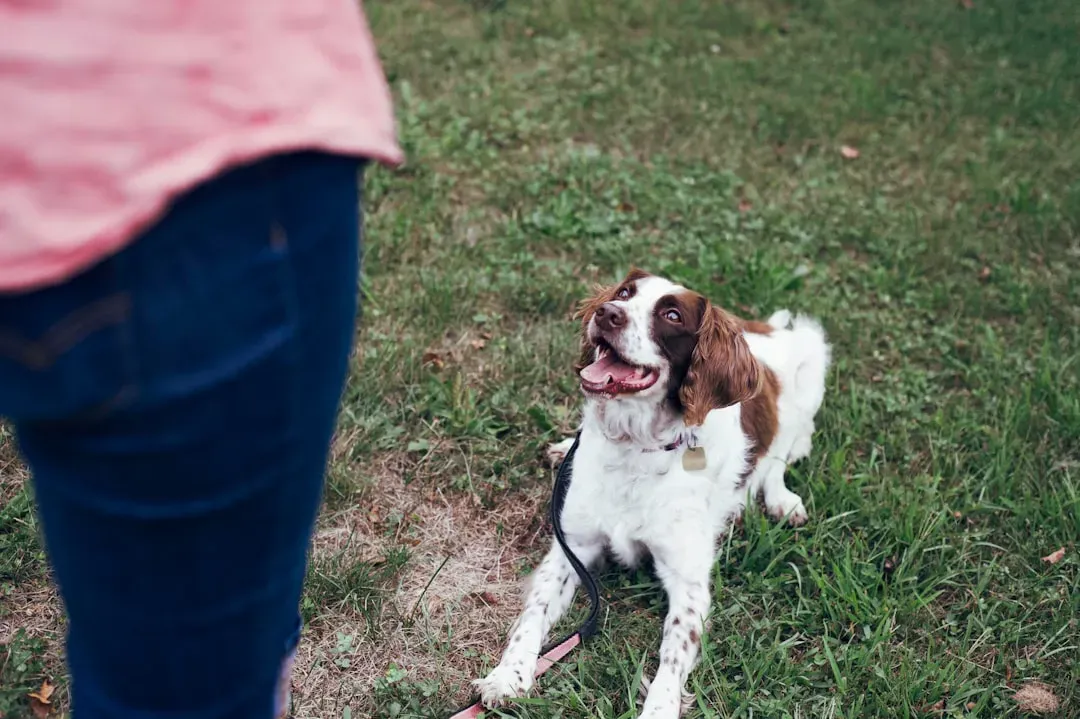
Picture this. Your dog jumps on the counter, swipes a sandwich, and you call it naughty. The truth is far less dramatic. Dogs don’t interpret unwanted behavior as intentional disobedience, and they don’t operate from guilt, spite, or moral awareness.
They’re not plotting against you. They’re simply doing what works for them in that moment. If jumping gets them attention or stealing food fills their belly, they’ll keep doing it. Your job isn’t to assume they should know better. It’s to teach them what you actually want through consistent, patient training. When you shift your mindset from “bad dog” to “untrained dog,” everything becomes clearer.
Socialization Has a Shrinking Window

The critical social development period for dogs is approximately between 3 and 14 weeks, which is when they are most accepting, less cautious, and very curious about their environment. That sounds like plenty of time until you realize many puppies don’t even arrive at their new homes until eight weeks old.
This means you have a narrow window to introduce your puppy to different people, sounds, textures, and experiences in positive ways. Miss it, and you might spend years trying to fix fears that could have been prevented. Proper socialization is about exposure to a variety of environments, sounds, surfaces, people, and controlled interactions, not letting every dog run up and say hello, as over-socialization in chaotic settings can actually create reactivity or insecurities later. Quality beats quantity every single time.
Behavior Problems Don’t Magically Disappear

Maybe your puppy barks at the window. Or pulls hard on the leash. You think to yourself, “They’ll grow out of it.” Here’s a hard truth: dogs grow into patterns, not out of them.
If a young dog practices pulling, barking at windows, or resource guarding, those behaviors strengthen with repetition. What starts as an annoying habit can become a deeply ingrained problem. The earlier you address unwanted behaviors, the easier they are to fix. Waiting only makes your job harder.
Consistency Matters More Than You Think

Allowing your dog to sleep on the sofa sometimes, then banning them from furniture other times only causes confusion, and the same rule applies if you allow them to jump on you but not on guests. Dogs aren’t being difficult when they break inconsistent rules. They’re just confused.
Every person in your household needs to enforce the same boundaries. If Dad says no couch but Mom secretly lets the dog up when he’s not looking, your dog will never understand what’s actually allowed. Create clear rules from day one and stick to them, even when those puppy eyes are working overtime.
The Financial Reality Hits Harder Than Expected

Some new puppy owners were only looking at the initial adoption fees when budgeting for their new four-legged friend, but surprise, puppies require a lot of care, as veterinary costs for a puppy quickly add up, as do all the basics you’ll need to provide a comfortable, loving home for them.
Let’s talk numbers. The average individual claim cost in 2024 was $445, but pet emergencies can cost tens of thousands of dollars, with the highest individual claim in 2024 being $41,339 for a Rhodesian ridgeback with pancreatitis and a gastrointestinal ulcer. Experts suggest saving $50 to $100 per month or aiming for an emergency fund of $2,000 to $5,000, though extreme cases may exceed those amounts. Building a financial cushion, whether through savings or pet insurance, can mean the difference between getting your dog urgent care and facing an impossible choice.
Exercise Isn’t Just About Physical Activity

You might think a tired dog is a good dog, and you’re partly right. Yet physical exercise alone won’t cut it for many breeds. Exercise isn’t just about physical health, there’s a mental component as well, as activities like fetch, agility, nosework, or puzzle games stimulate their minds, which can reduce boredom and anxiety, so finding a balance between activities that are physically challenging and ones that provide mental benefits is essential.
A Border Collie who runs for an hour might still destroy your couch if their brain isn’t engaged. Mental stimulation through training, puzzle toys, and scent games can exhaust a dog just as effectively as a long hike. Match your activities to your dog’s breed and energy level, and remember that a stimulated mind makes for a calmer companion.
Your Dog’s Body Language Speaks Volumes

Dogs will lick their lips after a delicious meal, but they’ll also do it when they feel anxious, and rather than signaling a desire to lick your face, it’s a sign of discomfort with a given situation. Yawning doesn’t always mean they’re sleepy either.
In a lot of cases, puppies or dogs are not being stubborn but are actually anxious or fearful of the situation they have been put in, and not being able to recognize when your dog is fearful is a big mistake that can be costly. Learning to read subtle cues like a tucked tail, stiff posture, or whale eye (where you see the whites of their eyes) helps you step in before stress escalates into something more serious. Your dog is always communicating. The question is whether you’re listening.
Structure Is Calming, Not Restrictive
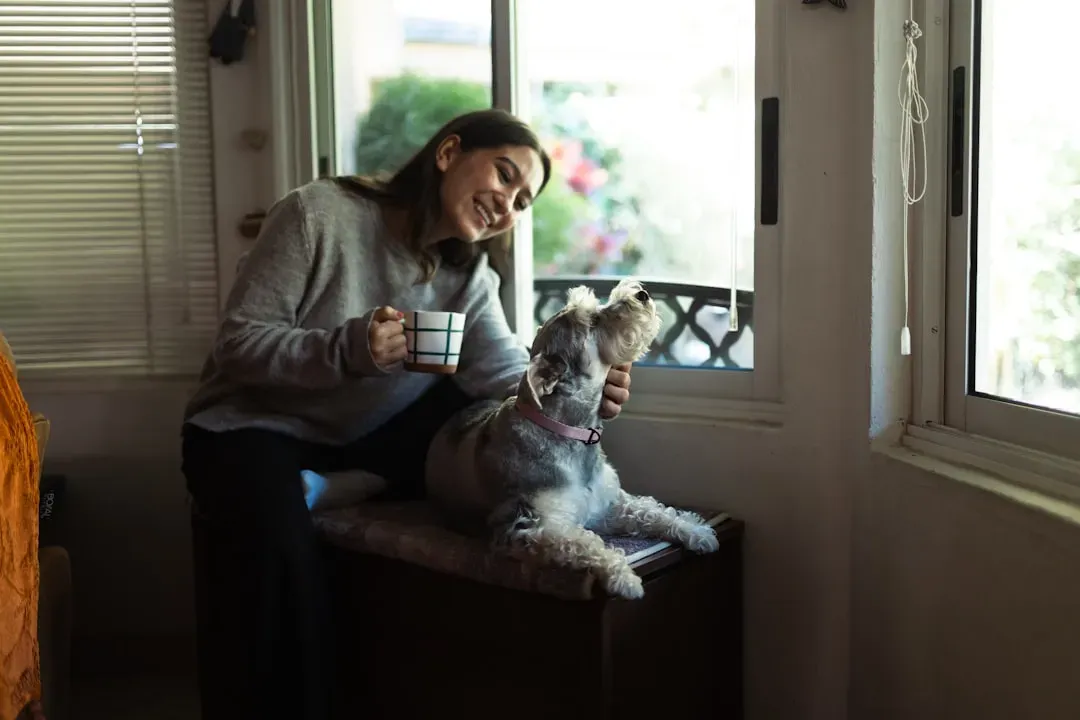
Experienced owners usually understand daily structure is calming to dogs, but first-timers often give a new dog tons of freedom right away, like roaming the house, greeting everyone, sleeping wherever, and choosing their own pace, which while well-intentioned, can create anxiety and confusion, whereas clear patterns help dogs settle faster and behave more confidently.
Think of it this way. A predictable routine helps your dog know what to expect and when. Mealtimes, walks, and bedtime at consistent times create a framework that reduces stress. Boundaries like crate training or designated “place” spots give your dog a sense of security. Freedom without structure often leads to an overwhelmed, anxious dog.
They’re Not Trying to Be Stubborn

Puppies are often mislabeled as stubborn or hyper, when in reality they may suffer from serious physical or emotional problems. Reluctance to sit or down during training is often due to pain, as hip and elbow dysplasia may manifest early in certain breeds, or the lack of compliance is due to anxiety.
Your dog isn’t defying you for fun. If they’re not responding to training, there’s usually a reason: pain, fear, confusion, or lack of motivation. Adjust your approach. Use higher-value rewards, break tasks into smaller steps, or consult a professional trainer. Patience and understanding will get you much further than frustration.
Your Energy and Emotions Matter

Dogs are masters at reading human emotions. When you’re stressed, anxious, or frustrated, your dog picks up on that energy. It can make training sessions tense and walks uncomfortable. If you approach your dog with calmness and confidence, they’re far more likely to mirror that behavior.
This doesn’t mean you have to be perfect. It just means being aware that your emotional state affects your dog’s reactions. Take a breath before a training session. Stay patient during a walk. Your dog isn’t just following commands. They’re following your lead.
Conclusion
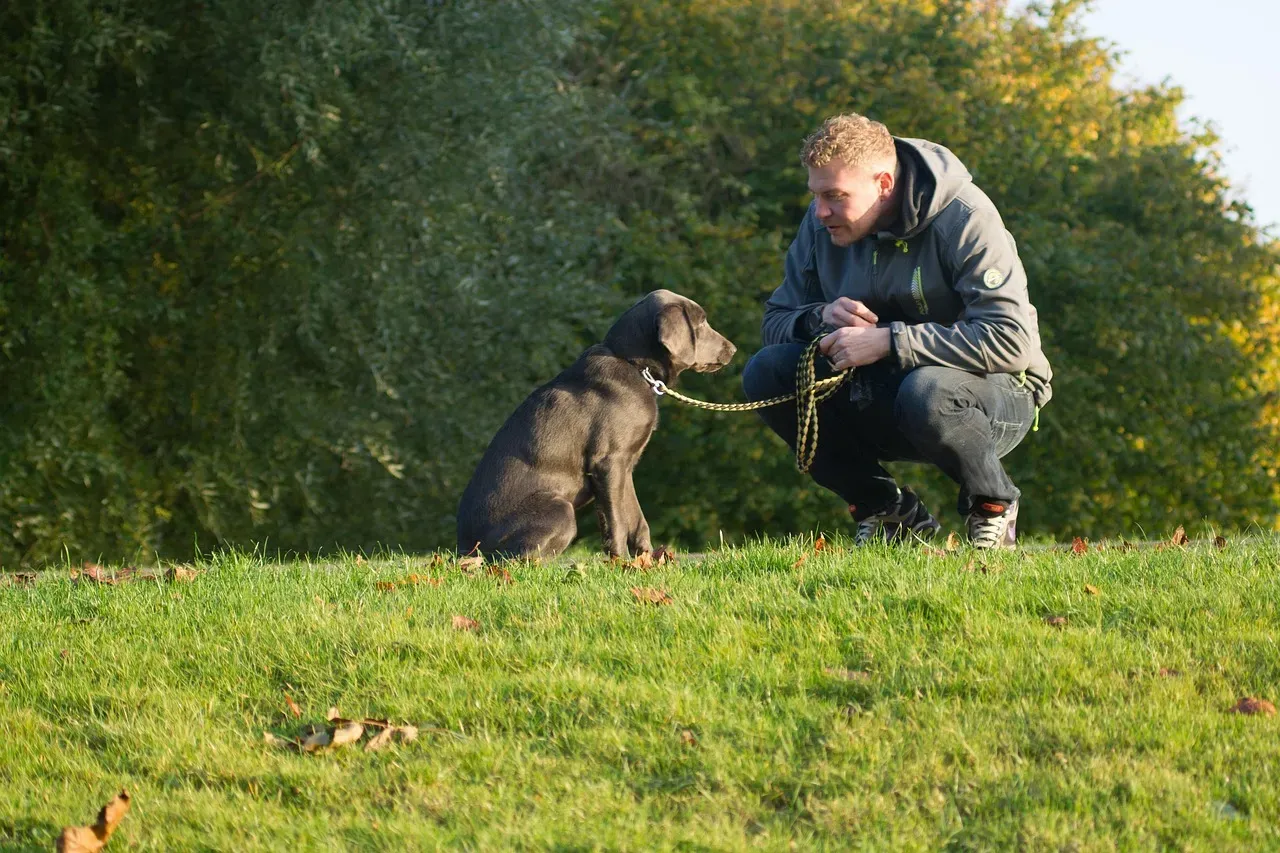
Becoming a first-time dog owner is a beautiful, chaotic, sometimes overwhelming experience. You’ll make mistakes. That’s part of the journey. The difference between struggling through it and thriving lies in knowing what to expect and being willing to adapt.
These ten lessons aren’t meant to scare you. They’re meant to prepare you. Understanding that dogs need structure, early socialization, consistent rules, and mental stimulation sets you up for success. Recognizing that behavior problems won’t vanish on their own and that your dog’s body language is worth learning can save you months of frustration.
Most importantly, remember this: your dog doesn’t need you to be perfect. They just need you to be present, patient, and willing to grow alongside them. The bond you’ll build through the messy, joyful process of learning together is worth every challenge. So what surprised you most about dog ownership? Did any of these resonate with your experience?


