
There’s something quietly profound about sharing your life with an older dog. That greying muzzle. Those slow, deliberate movements. The way they look at you like you are the entire world. If you’ve ever lived with a senior dog, you already know what I mean. They carry a kind of wisdom that puppies simply haven’t earned yet.
Here’s the thing though – many dog owners don’t realize that what their dog needs at seven, nine, or twelve years old is dramatically different from what they needed as a bouncing, chewing, chaos-creating puppy. And getting that wrong? It can quietly chip away at your dog’s comfort, happiness, and health. So let’s talk about the ten things older dogs truly appreciate, more deeply and meaningfully than their younger counterparts. Be ready – a few of these might genuinely surprise you.
1. A Soft, Supportive Place to Rest

As your dog ages, their joints may become sore or stiff. That’s why providing a soft, supportive bed is so helpful. Orthopedic dog beds offer added comfort, especially for pets with arthritis or hip dysplasia. Think of it like this – you wouldn’t ask your grandmother to sleep on a hardwood floor, right? The same logic applies here.
Providing an orthopedic dog bed for your senior pet promotes comfort. Since older pets tend to spend more time lying down, these beds provide additional support for their joints and prevent pressure sores on their elbows and legs. Place that bed somewhere quiet and warm, away from drafts and household foot traffic, and your older dog will thank you in tail wags every single morning.
2. A Predictable, Consistent Routine
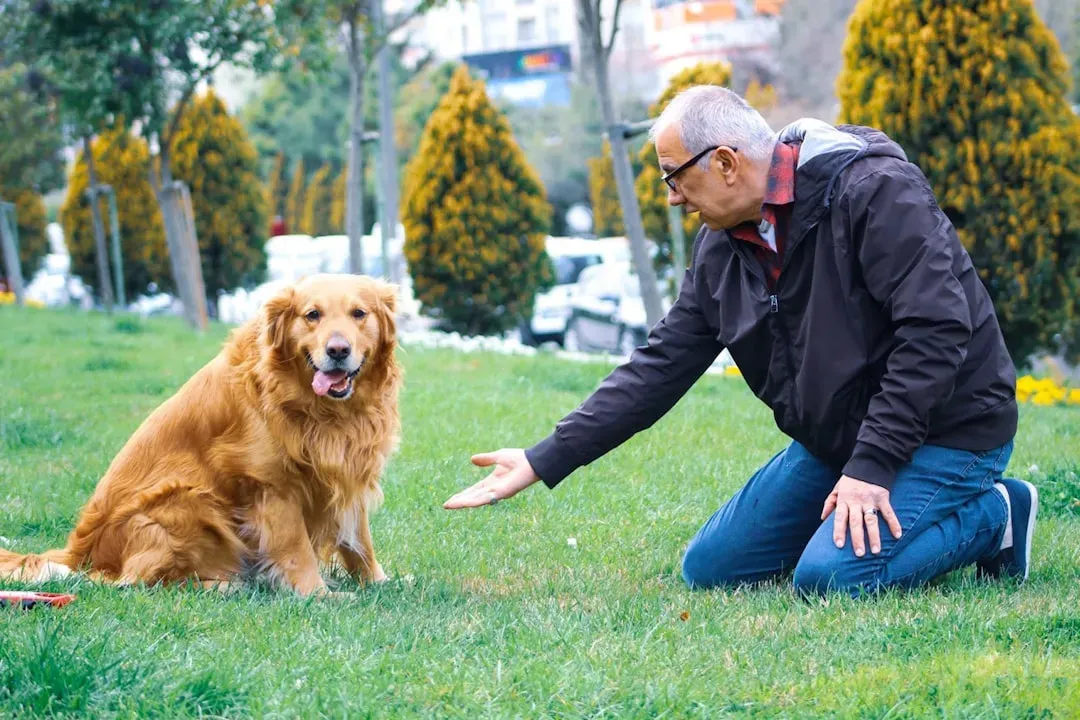
Senior dogs thrive on structure. Consistent feeding, walking, and rest times reduce anxiety. While a puppy might adapt to unpredictability with a shrug and a zoom around the yard, an older dog genuinely finds comfort in knowing exactly what comes next. Routine is their security blanket.
If you need to change routines – such as a new walking time or household addition – introduce the change slowly. Predictability is comforting and reduces anxiety in older dogs. Even something as small as feeding them at the same time every day can noticeably reduce stress behaviors like pacing, restlessness, or whining.
3. Gentler, Shorter Walks Instead of Marathon Exercise
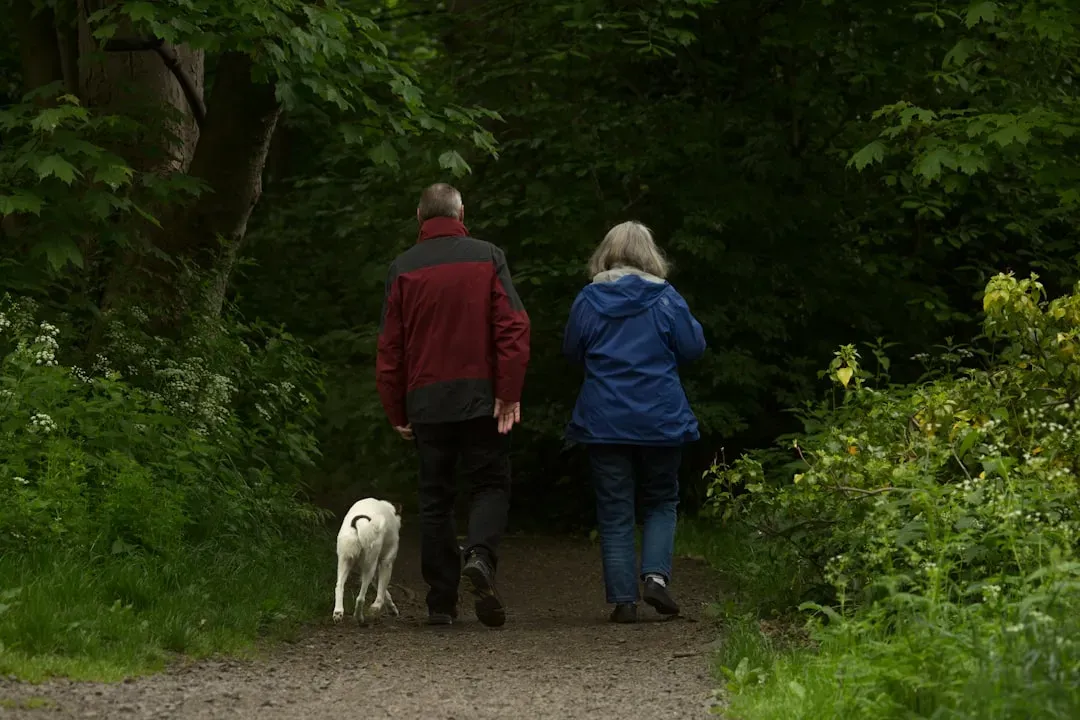
Exercise keeps your dog fit, strengthens muscles, and supports joint health. However, intensity should match their age and condition. Opt for shorter, more frequent walks instead of long runs. Honestly, this is one of those shifts that takes owners a while to accept. It can feel like you’re doing less for your dog, but you’re actually doing more.
Regular exercise is essential for keeping your aging dog physically and mentally fit. While their exercise requirements may decrease compared to their younger years, it’s still important to provide them with daily opportunities for movement. Low-impact exercises such as walking, swimming, or gentle play can help maintain muscle tone, joint flexibility, and overall wellbeing. A slow sniff-walk around the neighborhood does more good than you think.
4. More Frequent Vet Checkups
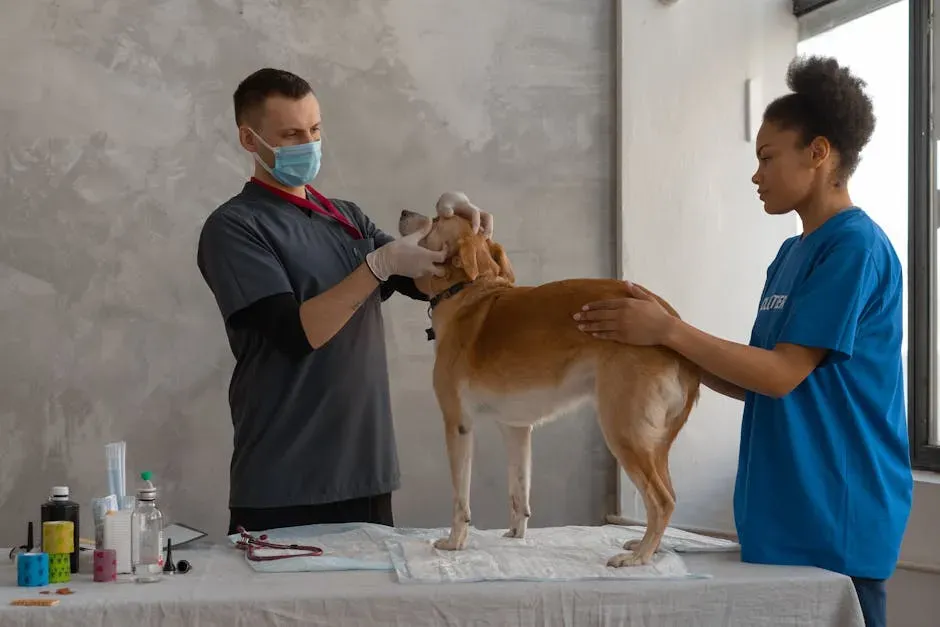
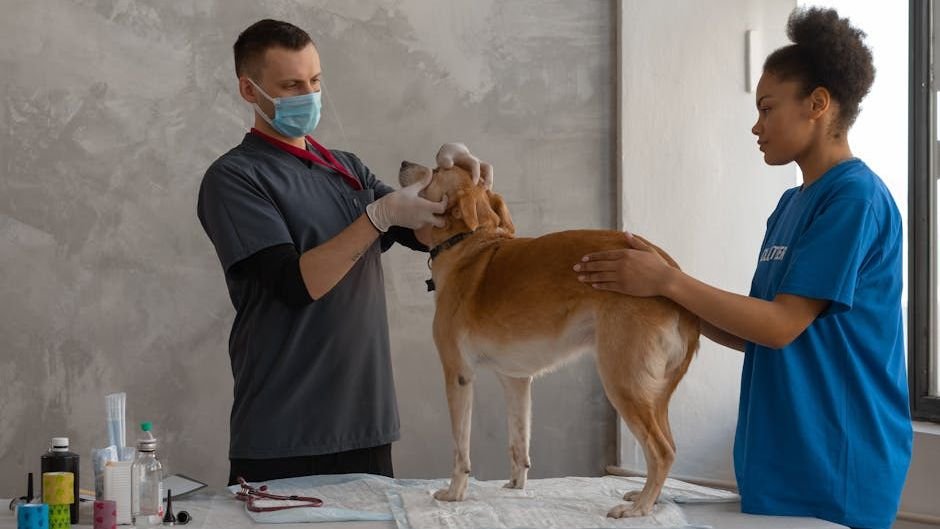
One of the most important things you can do to keep your senior dog healthy is regular vet visits and lab testing. These often allow you to catch health issues before they become clinically obvious, meaning they’re easier and less expensive to treat. For healthy senior dogs, wellness visits are recommended at least once every six months with yearly lab work. Puppies see the vet for vaccines and curiosity. Senior dogs see the vet for survival, and that is not an exaggeration.
Senior canines are more likely to develop diseases than younger animals. To prevent any painful ailment from impinging on your dog’s well-being, it is important to see your vet more often than during your dog’s younger years. Good joint care is particularly important for senior canines. Ask your vet to recommend joint supplements, vitamins, or any other supplement that will enhance the well-being of your canine companion. Catching something early can quite literally add years to their life.
5. A Calm, Quiet Safe Space
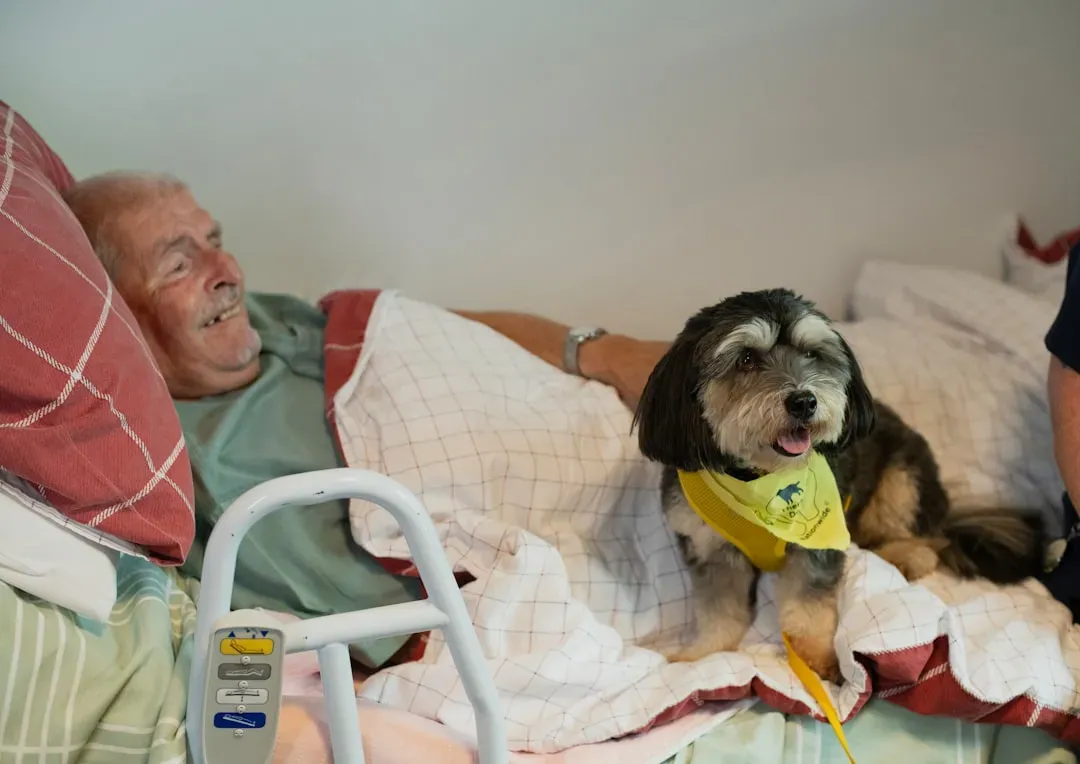
Older dogs in particular appreciate having a refuge in the home – a place where no one intrudes or disturbs them. Equipping a space for your senior dog with a soft, cosy bed and partially covering it with a light blanket creates an inviting, den-like space. Think of it as their personal retreat from the world, and respect it as such.
Senior pets need to know they have a quiet, secure place where they can walk away and rest, undisturbed, in comfort. This matters especially in busy households with children or other pets. Some older dogs can become irritable or bad-tempered. They might not want to be petted, get aggravated with other pets, or refuse to tolerate puppies or other dogs. Having that safe, sacred corner gives them a way to self-regulate rather than lash out.
6. Age-Appropriate Mental Stimulation
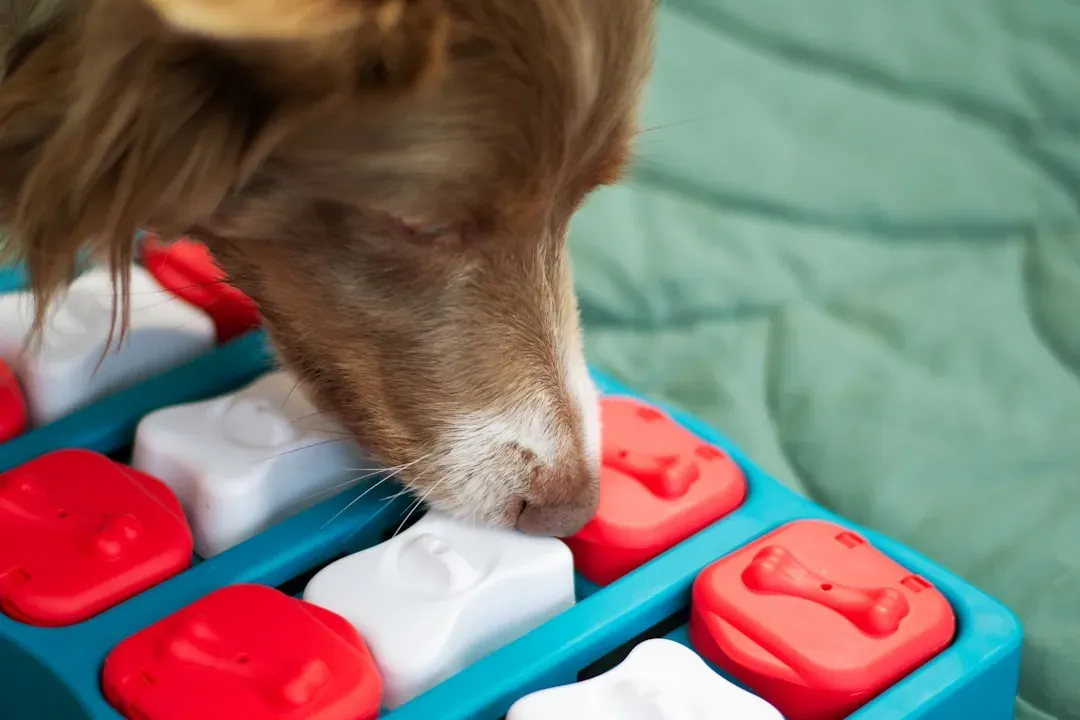
Senior dogs may actually benefit the most from mentally stimulating activities like puzzle toys or obedience training. This is because they’re better suited to it than puppies, which have shorter attention spans. I know it sounds counterintuitive – but older dogs are often calmer, more focused learners. They bring patience to the puzzle that a six-month-old puppy simply cannot.
Mentally stimulating activities are a good way to help senior dogs keep their minds active. They can also potentially slow cognitive decline. Mix in simple nose-work games, short training refreshers, or even a Kong filled with a little peanut butter. Keep it gentle, keep it rewarding, and your dog’s brain will stay sharper for longer.
7. A Tailored, Senior-Specific Diet
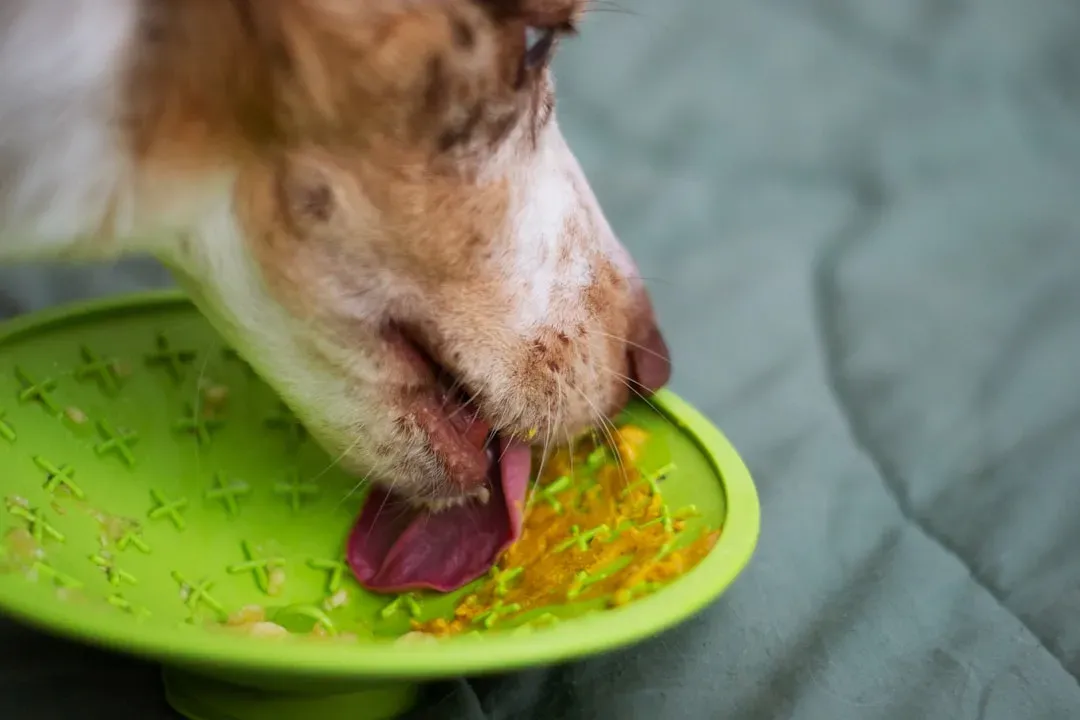
Older dogs require different nutrition than younger ones. Choose a high-quality senior dog food that’s lower in calories but rich in nutrients like fiber, antioxidants, and omega-3 fatty acids. These nutrients help with joint function, heart health, and digestion. Be sure to feed measured portions to avoid unwanted weight gain, which can lead to arthritis and other health issues.
As dogs age, their nutritional needs can shift, and some foods may no longer be the best choice. Items high in fat, sugar, or sodium should be fed sparsely. Your veterinarian can recommend diets that support your senior dog’s overall health, especially if they’re managing conditions like kidney disease or arthritis. Food is medicine in its most delicious form. Get this right and you’ll see the difference in energy, coat quality, and mood.
8. Extra Affection and Emotional Reassurance
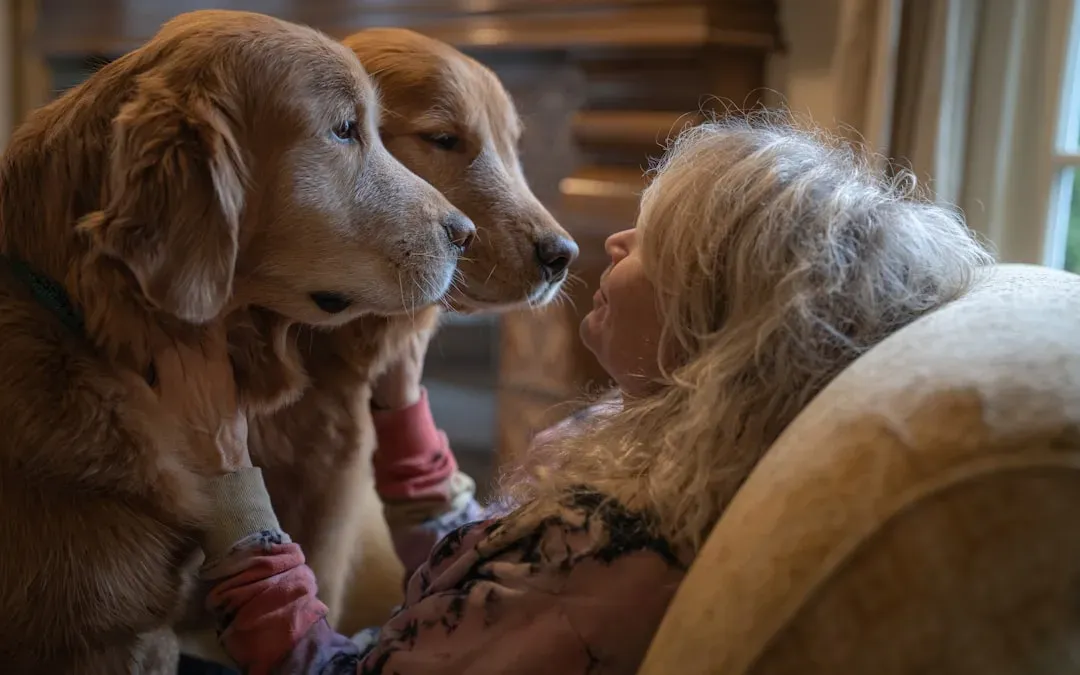
Aging can make dogs more dependent on their owners. Offer extra affection, patience, and reassurance. Speak softly, move gently, and maintain familiar routines. Spending quality time together – whether cuddling, grooming, or enjoying quiet walks – helps them feel secure and valued.
Giving your older dog plenty of affection is important. They want to feel that they are part of the family, even if they cannot play as much or walk as far anymore. There’s something deeply moving about an older dog leaning into your hand. They’re not just enjoying the touch. They’re trusting you completely. Honor that.
9. A Dog-Friendly Home Environment
As their mobility deteriorates, older dogs may struggle with their balance and can find hard, slippery floors stressful to walk on. Covering them up with carpet, rugs, or mats helps to provide more grip so your dog can walk more easily. It’s a small change that makes a massive difference – picture trying to walk on an ice rink. That’s what a slippery hardwood floor feels like to a dog with weakening legs.
Simple home adjustments can make daily life easier for older dogs. If you have hardwood or tile floors, add non-slip rugs to help prevent slipping. Ramps or pet stairs can make furniture and vehicles easier to access, and an orthopedic bed can provide comfort for joints and muscles. Also consider raising their food and water bowls so they don’t have to strain their neck or shoulders to eat. Little things, big impact.
10. Patience, Understanding, and Being Truly Seen
Personality or temperament changes in older dogs can be caused by different things, including physical health issues, emotional upset, changes in their family or environment, and more. What looks like “stubbornness” or “bad behavior” is often your dog telling you something hurts or something feels wrong. Learning to read those cues is one of the most loving things you can do.
This is the part that’s hard to put into words, but every adopter of a senior dog will tell you the same thing: they know. There’s a look that senior dogs get once they realize they’re safe – once they understand that this couch, this blanket, this person is theirs. That look is a privilege. It’s earned through patience, consistency, and the kind of quiet love that doesn’t need to make noise to be felt.
Conclusion: Love Them Better by Knowing Them Better
Caring for an older dog isn’t about doing less. It’s about doing differently. It’s about trading the frantic energy of puppyhood for something slower, deeper, and honestly more rewarding. Your senior dog has already given you their best years. Now they’re asking for something simple in return: comfort, routine, connection, and the reassurance that they are still very much loved.
The grey muzzle isn’t a sign that your dog’s story is ending. It’s a sign that the chapter you’re in right now is one worth savoring. Slow down. Notice the small things. And if there’s one thing this article leaves you with, let it be this: your older dog doesn’t need you to be perfect. They just need you to be present.
What change will you make for your senior dog today? Tell us in the comments – we’d love to hear your story.


