

Hamsters may be tiny, but caring for them properly takes more than just a cute cage and a wheel. Many people don’t realize that hamsters need plenty of space to roam, not those cramped plastic tubes often marketed as “starter homes.” They also thrive on a consistent routine and get stressed easily with too much handling or sudden changes. Proper bedding is crucial—not all fluffy stuff sold in pet stores is safe! Hamsters are also super active at night, so placing their cage in a quiet, low-traffic spot helps them feel secure. Plus, they need a variety of enrichment activities to keep their minds sharp and bodies healthy. And yes, they do best when kept solo—most breeds aren’t into roommates. Giving them the right care means more than keeping them alive—it means helping them thrive.
Hamsters Need Much More Space Than You Think
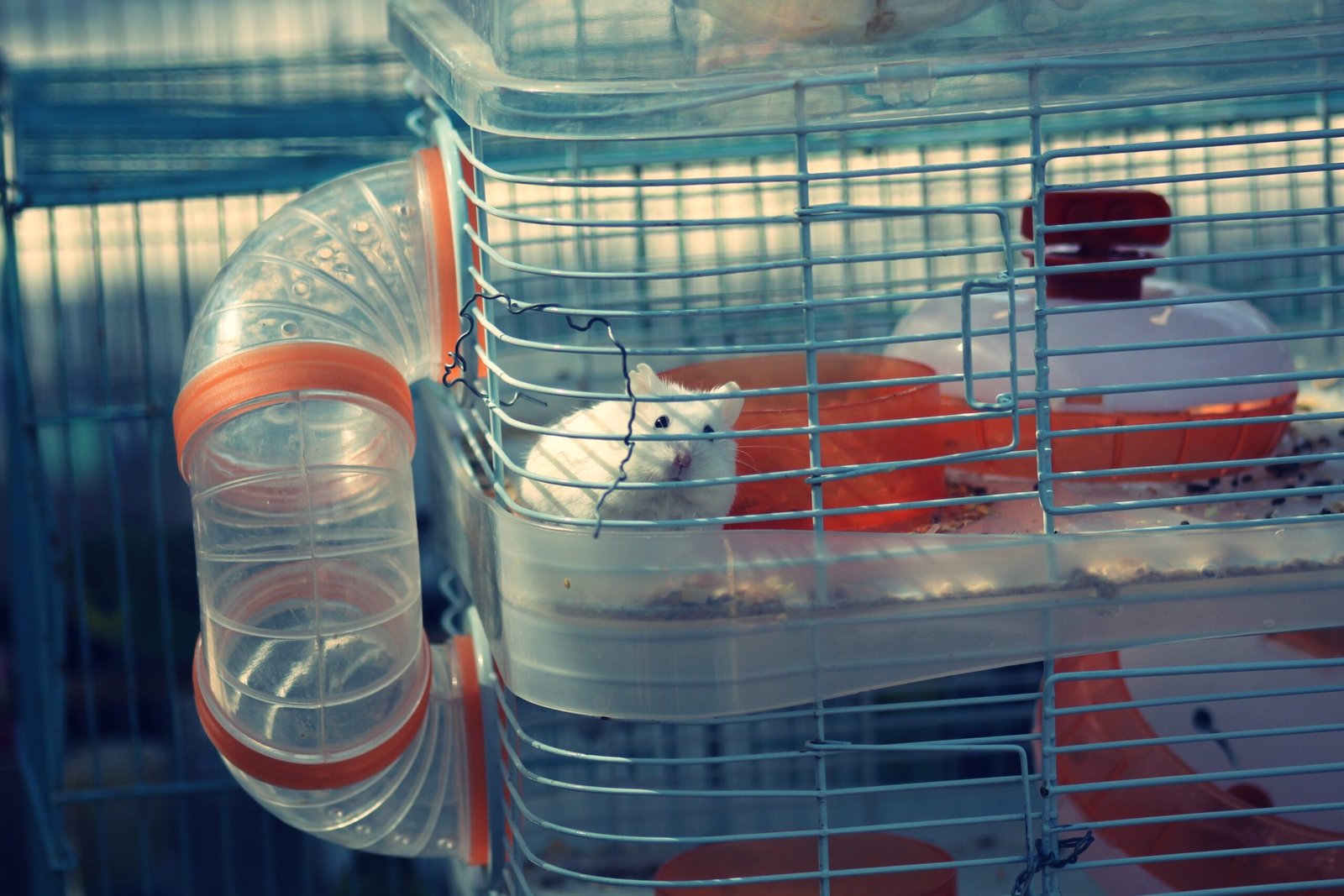
It’s shocking how many people pick up a little plastic cage at the pet store, thinking it’s the perfect home for their new furry friend. But hamsters are energetic explorers by nature. In the wild, they can run for miles and burrow deep underground. That cramped starter cage? It’s like living in a closet. Experts actually recommend a minimum of 450 square inches of floor space—about the size of a large fish tank or a big bin.
A small cage can cause stress, boredom, and even health problems for your hamster. They’ll pace, chew the bars, and become withdrawn. If you want your hamster to be happy and healthy, give them room to roam, dig, and play. Think bigger, not smaller. Even adding tunnels or connecting multiple cages can help make their world more exciting and comfortable.
Bedding Choices Matter More Than Most Realize
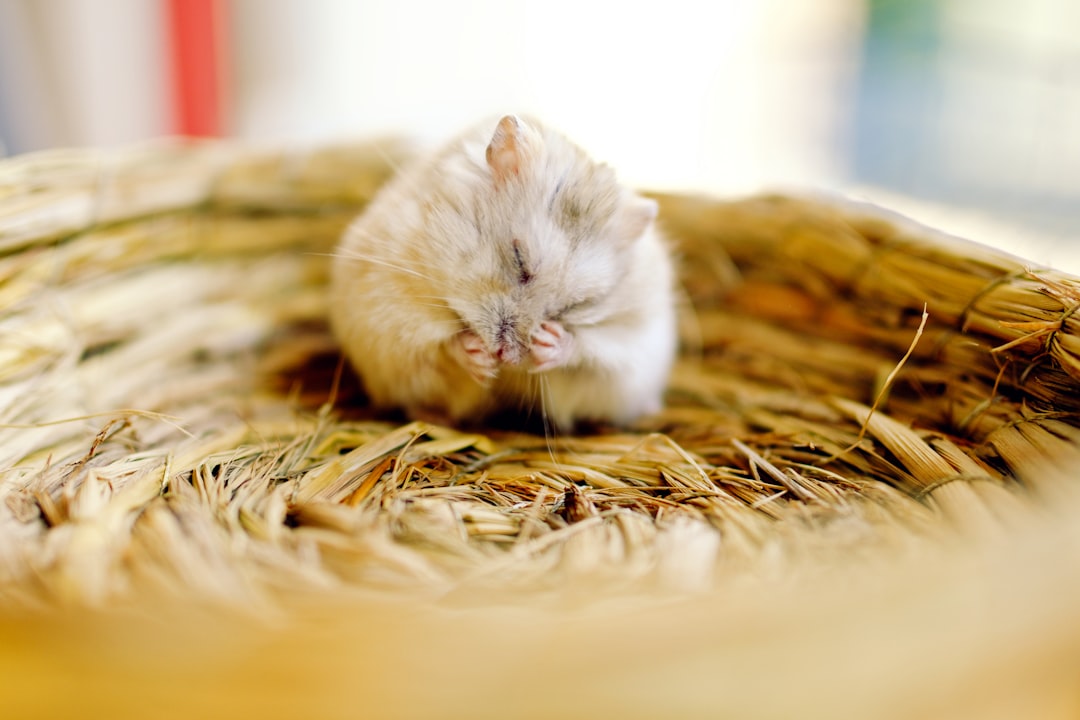
Many new owners grab the cheapest bedding or whatever’s on sale, but hamsters are sensitive to their environment. Scented or dusty beddings can cause respiratory issues, while cedar and pine shavings contain oils that are toxic to their tiny lungs. It might be tempting to use fluffy cotton or “nesting fluff,” but that can tangle around their legs and cause injuries.
The best bedding is unscented, paper-based, and allows your hamster to dig and tunnel. Think of it as their mattress, playground, and hiding spot all in one. Depth matters, too—aim for at least six inches so your hamster can burrow properly. Watching them disappear into a pile of bedding is like seeing a slice of wild hamster life right in your living room.
Proper Nutrition Goes Beyond Store-Bought Pellets

It’s easy to think that a bag of hamster food covers all your bases. But hamsters thrive on a varied diet, just like us. Pellets or seed mixes alone don’t provide all the nutrients they need. In fact, some store-bought mixes are filled with sugary or fatty treats that can lead to obesity and health problems.
A healthy hamster diet should include a mix of high-quality pellets, fresh veggies like carrots and broccoli, a small amount of fruit, and the occasional protein boost—think cooked egg or mealworms. Avoid feeding them citrus, onions, or chocolate, which are toxic. Always introduce new foods slowly, and watch for allergies or digestive problems. Their tiny tummies are surprisingly delicate!
Hamsters Are Nocturnal—And That Changes Everything
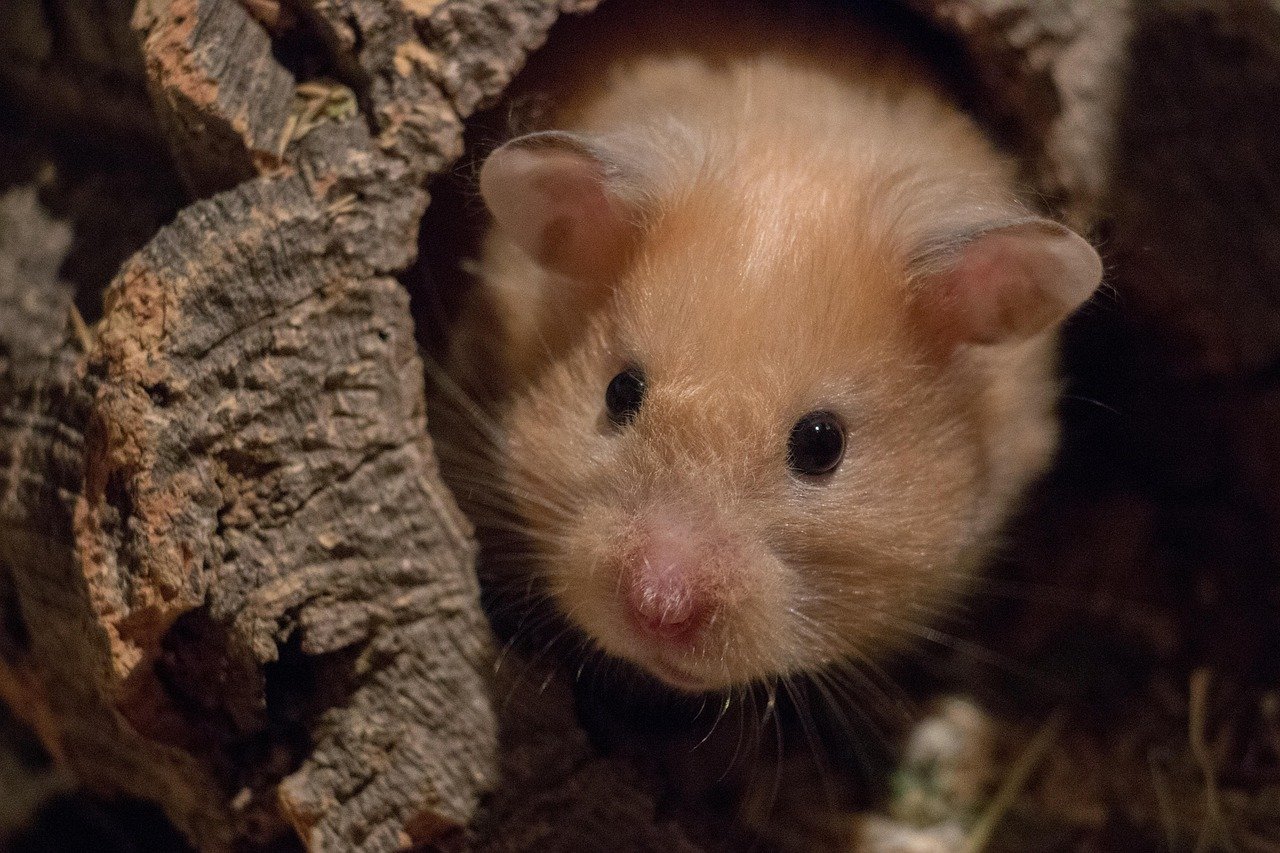
Most people are surprised to learn that hamsters are night owls by nature. When you’re winding down, your hamster is just getting started—running, digging, and exploring. This means you might not see much of them during the day, and handling them when they’re sleepy can make them cranky or stressed.
Respecting their natural rhythms helps them stay healthy and happy. Place their cage somewhere quiet during the day, and avoid waking them up just to play. If you’re a night owl yourself, you might enjoy watching their nightly antics. But if you’re looking for a daytime companion, a hamster may not be the best fit. Their schedule is set by Mother Nature herself.
Handling Needs Patience and Gentleness
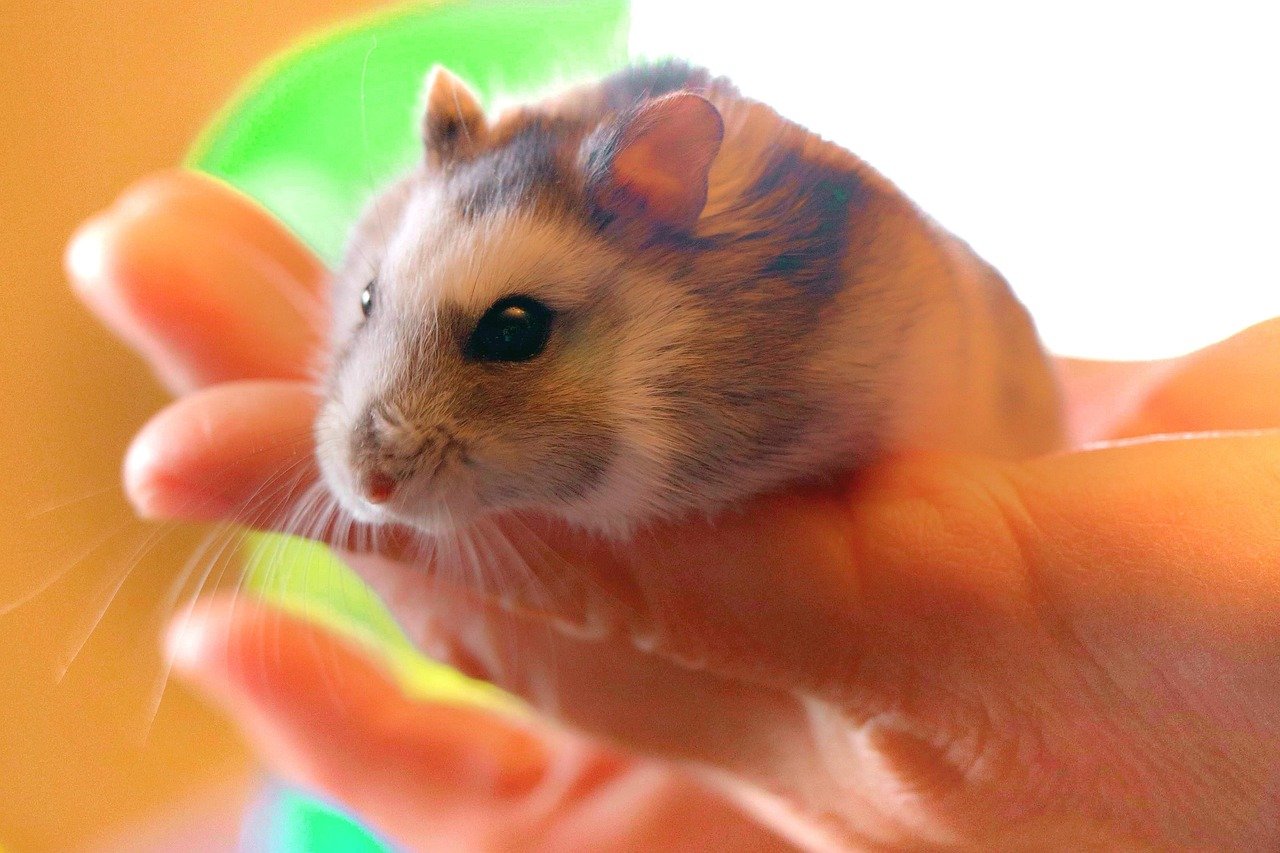
It can be heartbreaking to reach into the cage, only to have your hamster dart away or even nip your finger. Hamsters are prey animals, so they’re naturally cautious. They need time to learn that you’re not a threat. Trying to pick them up too soon can make them fearful or aggressive.
The key is patience. Start by offering treats from your hand, letting them approach at their own pace. Speak softly and move slowly. Once they’re comfortable, you can gently scoop them up with both hands—never grab from above, which can mimic a predator attack. Building trust with a hamster is like earning the friendship of a shy child: gentle, slow, and on their terms.
Cleanliness Is More Than Just Spot-Cleaning
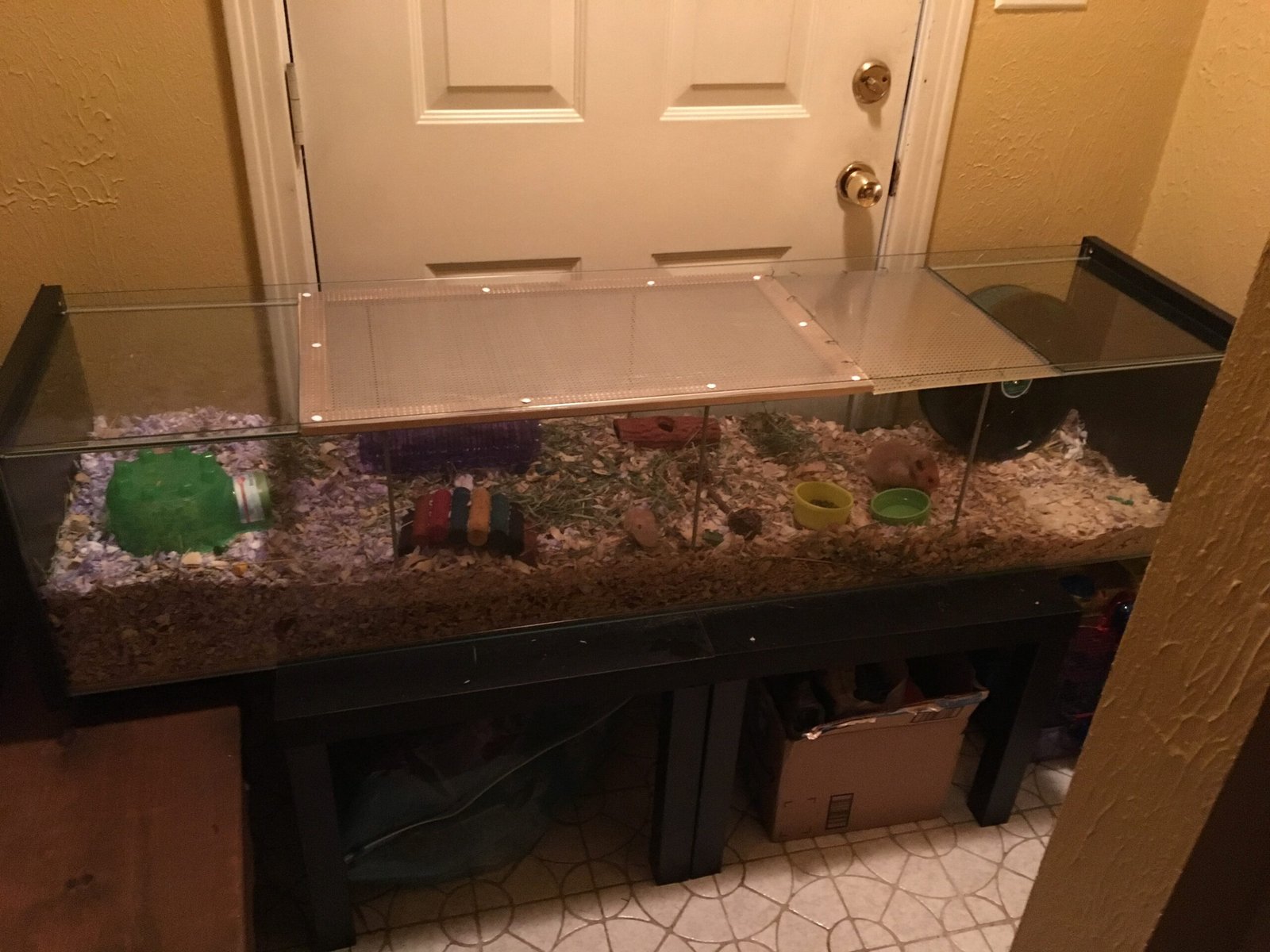
Many people think hamsters are low-maintenance because they’re small. But their cages get dirty fast—and a dirty cage can quickly lead to health problems. Hamsters are fastidious creatures who like to keep their home tidy. Still, they need your help.
Spot-clean daily by removing soiled bedding and uneaten food, and do a full cage clean every week or two. Avoid using strong-smelling cleaners—plain, warm water usually does the trick. Replace bedding and rearrange toys to keep things fresh and interesting. A clean cage means a happy, healthy hamster—and a better-smelling home for you.
Exercise Isn’t Just About the Wheel
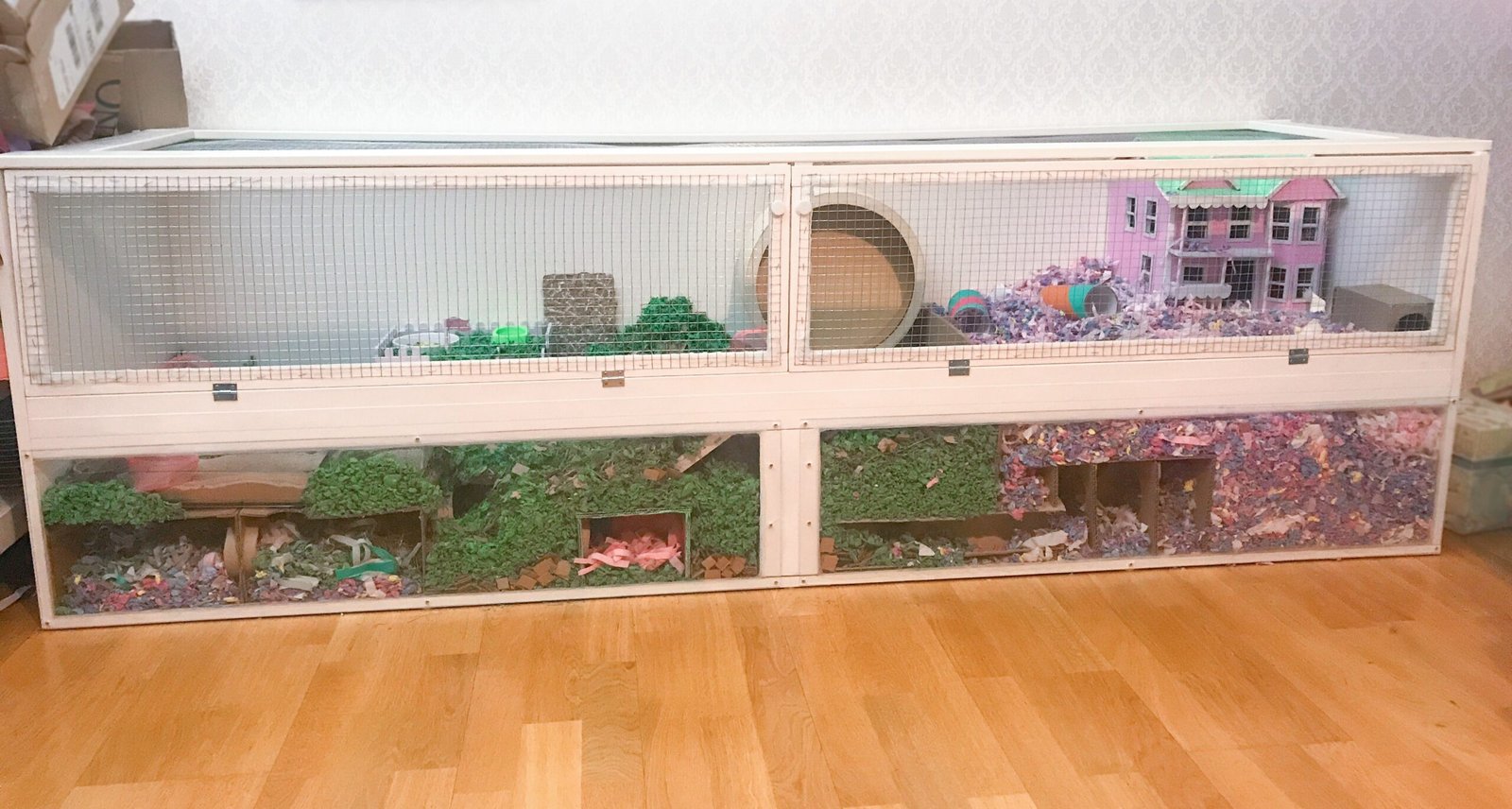
The image of a hamster sprinting on its wheel is iconic, but it’s not the only way they burn off energy. Wheels are important, but they must be the right size—at least 8 inches in diameter for dwarfs and 11 inches for Syrians—to prevent back problems.
Beyond the wheel, hamsters need toys, tunnels, and climbing structures. Cardboard tubes, wooden bridges, and even simple boxes can become a playground. Some owners create elaborate “hamster playgrounds” outside the cage (always supervised!) for extra fun. Think of it like a playground for a toddler—variety keeps them engaged and active.
Social Needs: Most Hamsters Prefer to Live Alone

It’s easy to assume that all pets want a friend, but most hamsters are fiercely territorial. With the exception of some dwarf breeds, hamsters are happiest living solo. Attempting to house two together often ends in fighting, injuries, or worse.
While your hamster doesn’t need a roommate, they do need your attention and stimulation. Spend time talking to them, offering treats, and rearranging their cage to keep things interesting. They may seem solitary, but they still crave interaction on their terms. Respect their need for space, and you’ll have a much happier pet.
Chewing Is a Necessity, Not a Bad Habit

If you’ve ever come home to find gnawed bars or shredded toys, you might think your hamster is misbehaving. But chewing is essential for their health. A hamster’s teeth never stop growing, so they need to chew constantly to keep them in check.
Provide plenty of safe chew toys—wooden blocks, cardboard, or store-bought chews. Avoid plastic, which can splinter and cause harm. If you notice excessive chewing on the cage bars, it might be a sign of boredom or stress. A variety of safe materials helps keep their teeth healthy and minds stimulated.
Veterinary Care Is Just as Important for Hamsters

Many people overlook the need for vet visits with small pets, but hamsters can get sick just like any other animal. Because they’re prey species, hamsters hide their symptoms until they’re very ill. That means you need to be extra vigilant about changes in appetite, weight, or behavior.
Find a vet who specializes in small animals or “exotics.” Take your hamster for a checkup soon after bringing them home, and don’t ignore signs like sneezing, bald patches, or lethargy. Quick action can mean the difference between recovery and heartbreak. Just because they’re tiny doesn’t mean their health matters any less.
Caring for a hamster isn’t just about tossing some food in a bowl and calling it a day—it’s about creating a safe, enriching space where they can thrive. These little creatures have big needs when it comes to space, stimulation, and stress-free routines. Once you understand what truly makes them happy, hamster care becomes a rewarding and heartwarming experience. With just a bit of extra effort, you’ll be giving your tiny friend the quality of life they deserve. What surprised you most about caring for these little bundles of energy?


