

Have you ever watched your cat leap three feet in the air over a cucumber? Or seen them vanish like a ghost at the sound of the vacuum cleaner? If you have, you know that our feline friends can be some of the most easily startled creatures on earth. It’s almost as if they’re hardwired to spot danger in everything around them. For cat lovers, understanding what sends your kitty into a frenzy—and how to help them feel safe—can make all the difference. Let’s dive into the mysterious world of cat fears and discover how to soothe those anxious paws.
Loud Noises: The Thunderstorm Effect
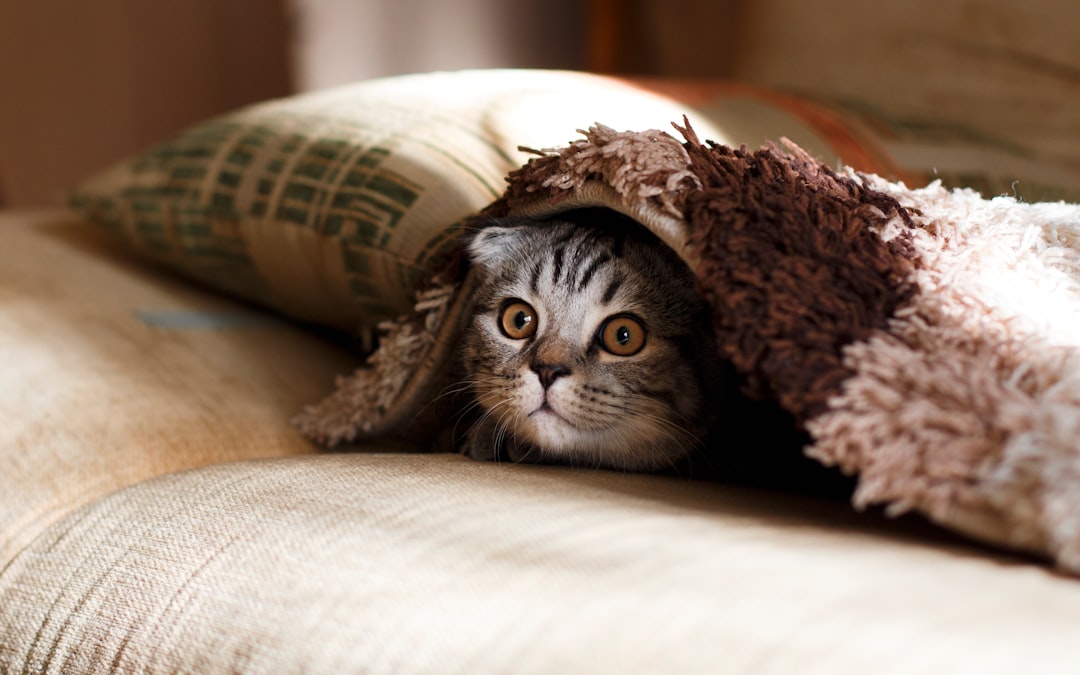
Nothing sends a cat skittering under the bed faster than an unexpected boom or bang. Thunderstorms, fireworks, and even a dropped frying pan can turn a calm cat into a nervous wreck. Cats have incredibly sensitive hearing, far sharper than ours, so noises that seem tolerable to us can feel overwhelming to them. It’s not just the volume; it’s the unpredictability that gets to them. Imagine sitting quietly and suddenly hearing a cannon go off—that’s how your cat feels! Their instinct is to hide from what they perceive as a threat. The result? Trembling, wide eyes, and a desperate search for a safe hiding spot.
Strangers in the House: Intruders or Friends?
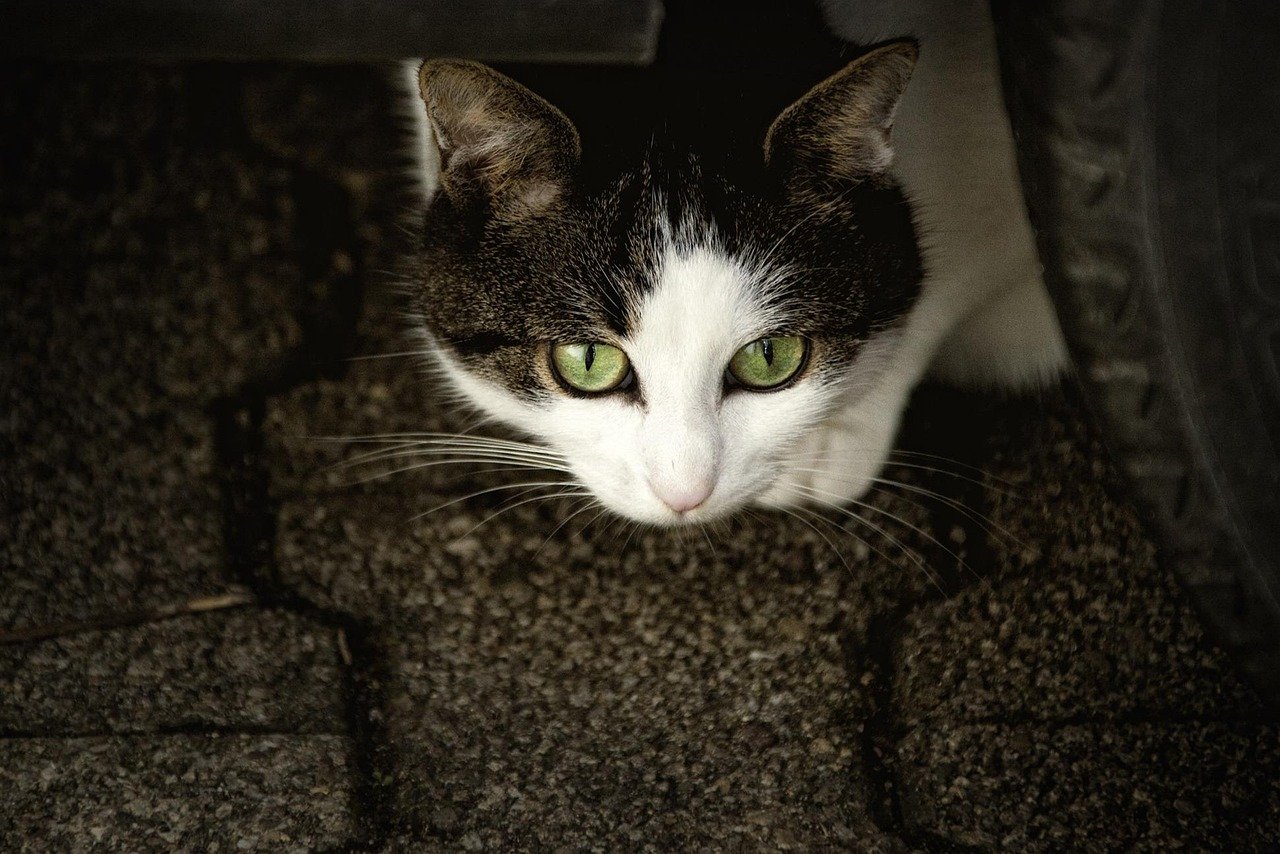
Have you ever invited friends over, only for your cat to vanish the moment the doorbell rings? Unfamiliar people can make cats anxious, especially if they’re naturally shy. Cats rely on scent and routine to feel secure. A stranger disrupts both, bringing in new smells, voices, and movements. Some cats might watch from a distance, while others won’t be seen until your guests leave. It’s not personal—it’s just their way of coping with the unknown. For cats, every visitor is a potential threat until proven otherwise.
Other Animals: The Territorial Tango
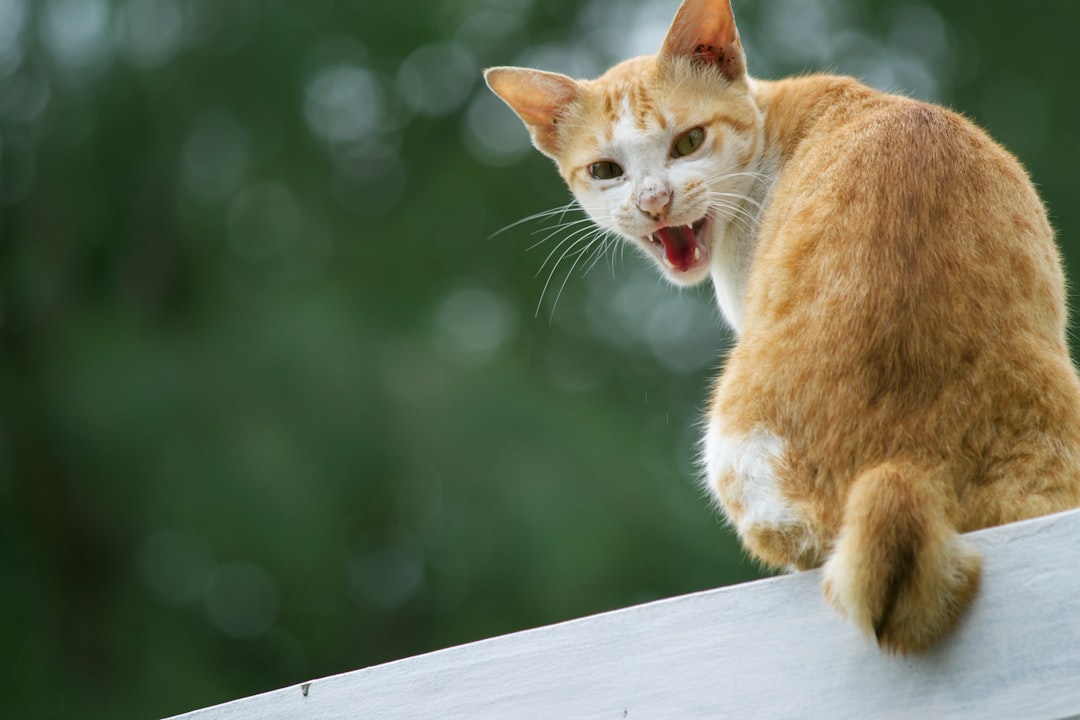
Introducing a new pet, or even a neighbor’s dog barking outside, can be terrifying for your cat. Cats are territorial by nature. They see their home as their kingdom, and any unfamiliar animal is an invader. Even seeing another cat through the window can trigger hissing, growling, or frantic hiding. It’s like someone suddenly barging into your room without knocking—startling and unwelcome. Cats need time to adjust to new animals and will often mark their territory or avoid the newcomer until they feel safe again.
New Environments: Moving Mayhem
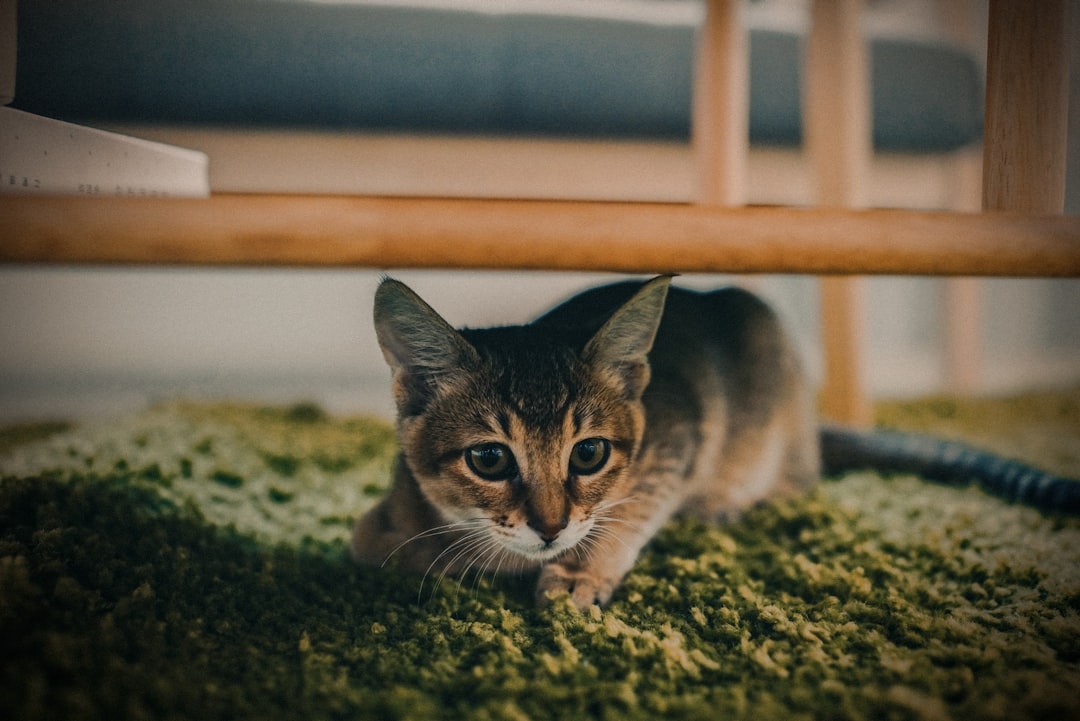
Cats love routine and familiarity, so moving to a new home or rearranging furniture can send them into a panic. All the smells, sights, and sounds they’ve grown used to are suddenly gone. It’s like waking up in a foreign country with no idea how you got there. Your cat might hide for days, refusing to eat or explore. Even a new piece of furniture can cause suspicion. Change is hard for our feline companions, and it takes patience and understanding to help them adjust.
Strong Scents: The Nose Knows
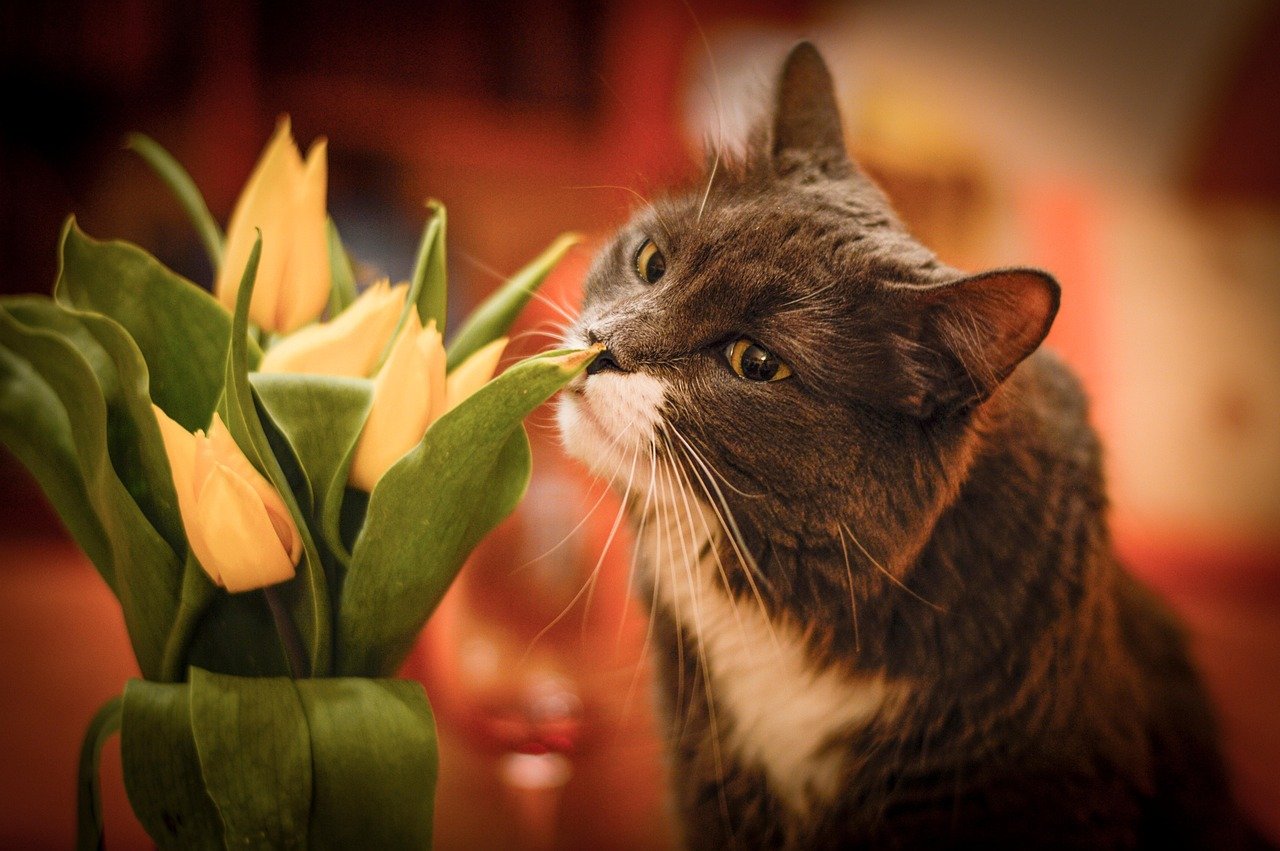
Cats have a powerful sense of smell—over fourteen times stronger than ours. While we might love the scent of citrus cleaners or new candles, your cat likely finds them overwhelming or even repulsive. Some scents, like citrus or certain essential oils, can even be toxic to cats. They might wrinkle their nose, avoid certain areas, or act restless when something smells “off.” It’s a bit like walking into a room filled with smoke for us—unpleasant and suffocating.
Being Restrained: No Hugs, Please!
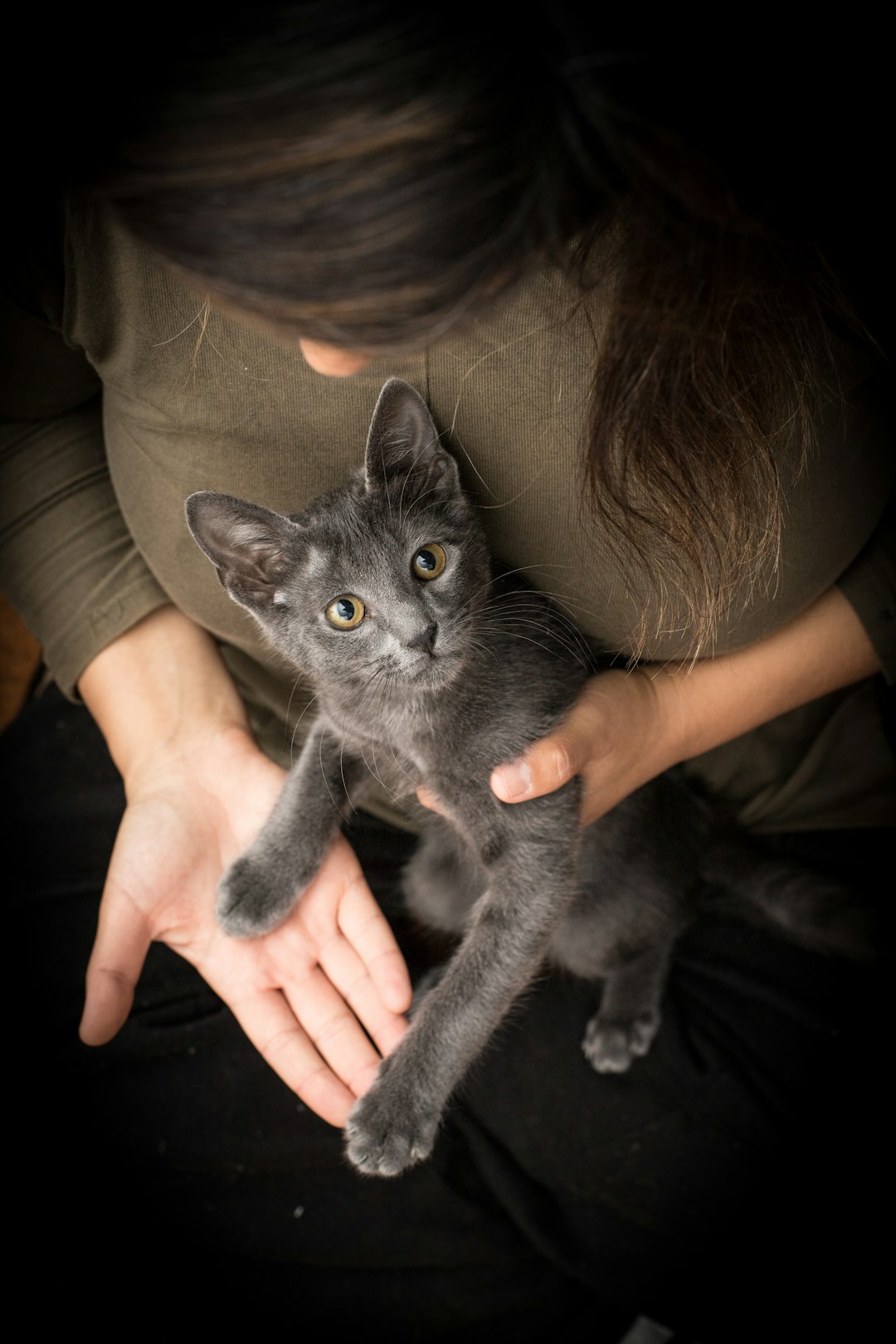
While some cats tolerate cuddling, many absolutely hate being held too tightly. Restriction of movement can make them feel trapped and threatened. This instinct comes from their wild ancestors—being grabbed could mean capture by a predator. Even well-meaning hugs can trigger panic, with your cat squirming or even scratching to escape. It’s important to respect their boundaries and let them come to you when they’re ready for affection.
Sudden Movements: The Startle Reflex

A quick hand wave, a tossed toy, or even a gust of wind can set off your cat’s startle reflex. Cats are wired to react instantly to sudden changes in their environment. It’s a survival mechanism, helping them avoid potential predators. But in a home setting, this means your cat might leap away from something as harmless as a swaying curtain. Their nerves are always on high alert, ready to spring into action at the first sign of danger—even if the “danger” is just you dropping your keys.
Unfamiliar Objects: The Infamous Cucumber
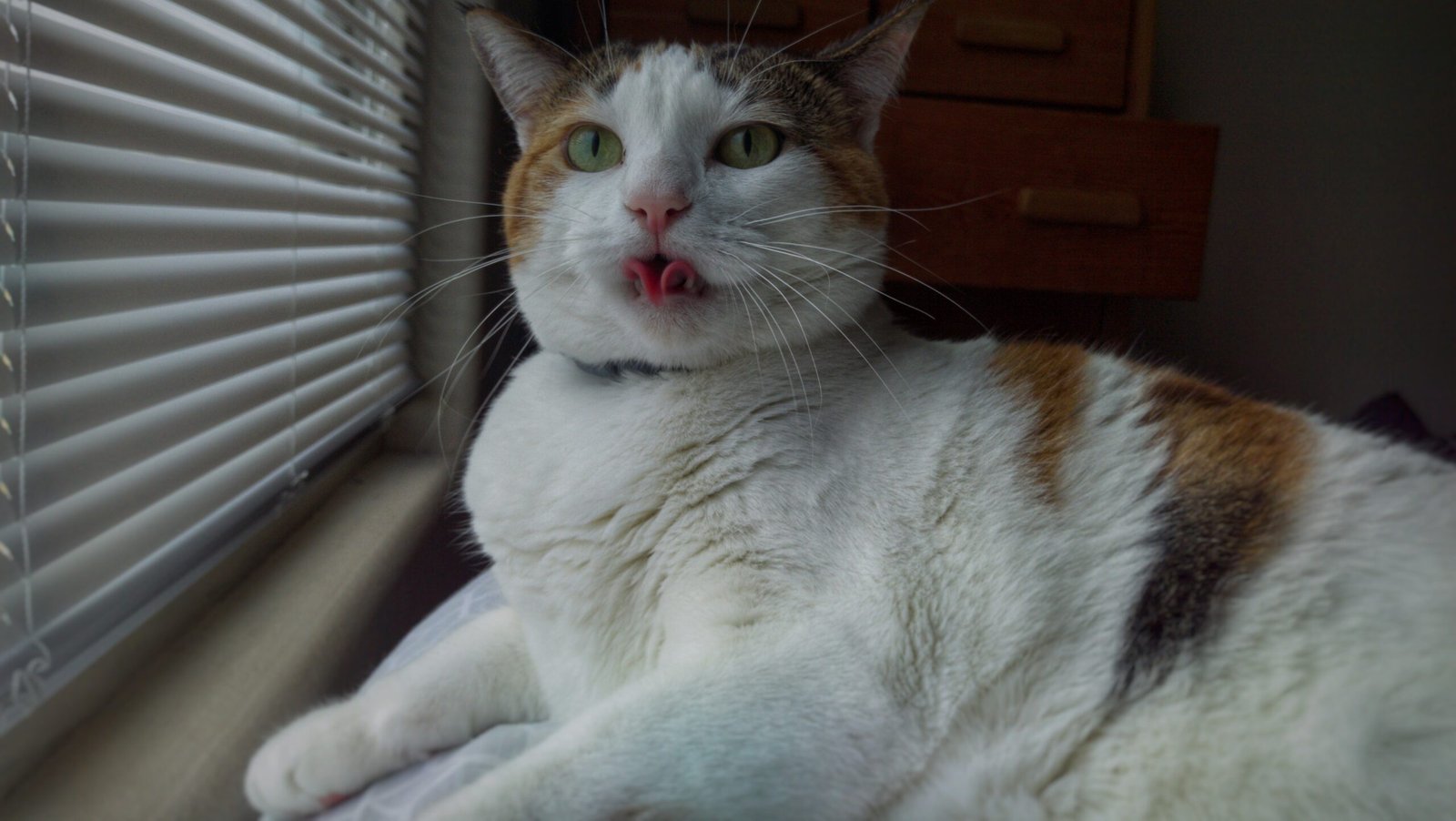
There’s a reason those videos of cats jumping away from cucumbers went viral. Cats are naturally suspicious of unfamiliar things, especially if they appear suddenly. It’s not the cucumber itself, but the unexpectedness that spooks them. The same reaction can happen with new bags, boxes, or even shoes left in a different spot. Cats like to know their territory inside and out, so anything new can be seen as a threat—at least until they’ve had time to investigate.
Trips to the Vet: The Ultimate Betrayal
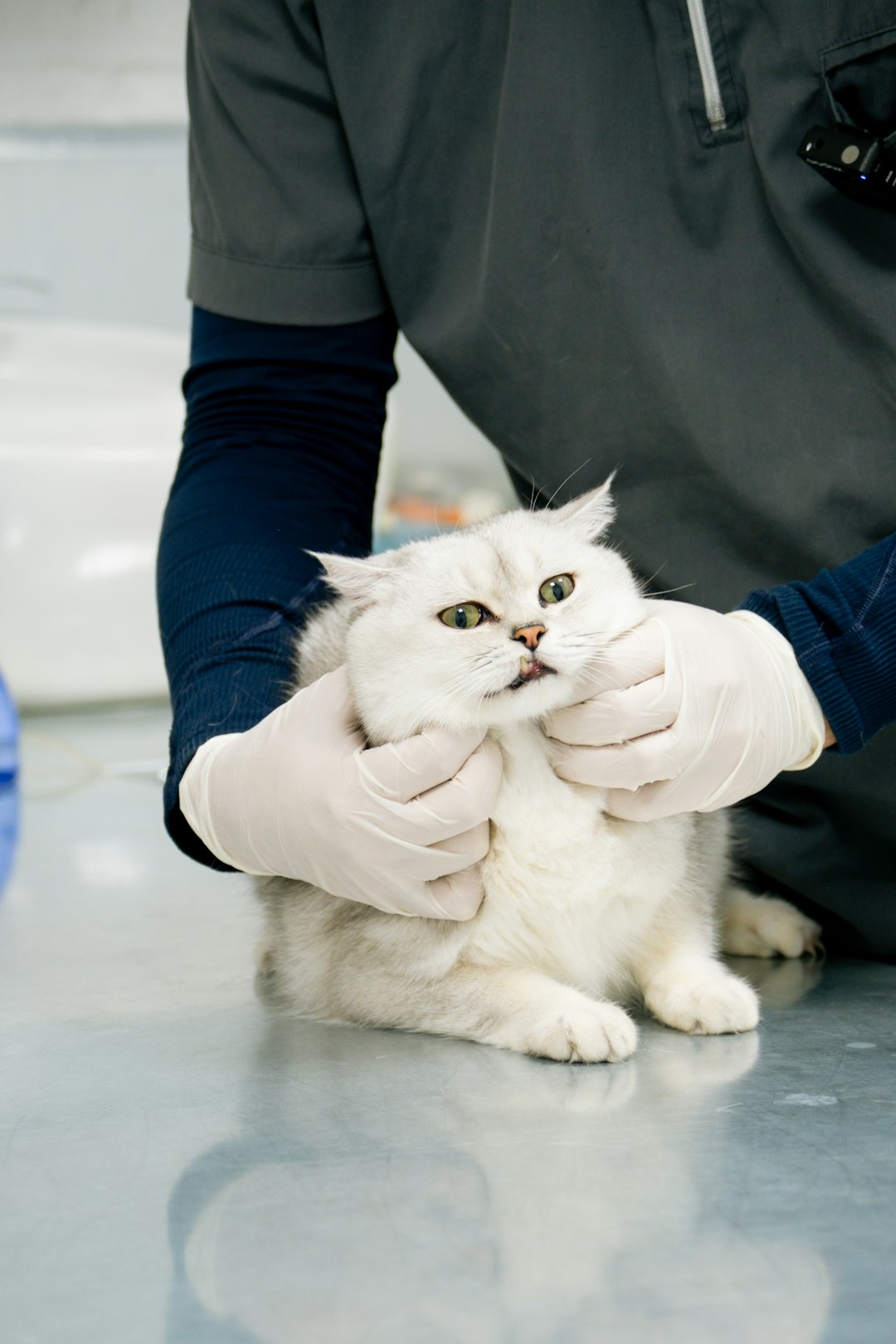
If you’ve ever tried to coax a cat into a carrier, you know the struggle. Vet visits are a top source of feline fear. The carrier, the car ride, the strange smells and sounds at the clinic—all add up to a stressful experience. For your cat, it’s a terrifying journey into the unknown, often ending with pokes and prods from strangers. The memory of past visits only makes future ones harder, creating a cycle of anxiety every time the carrier comes out.
Being Alone: The Silent Worry
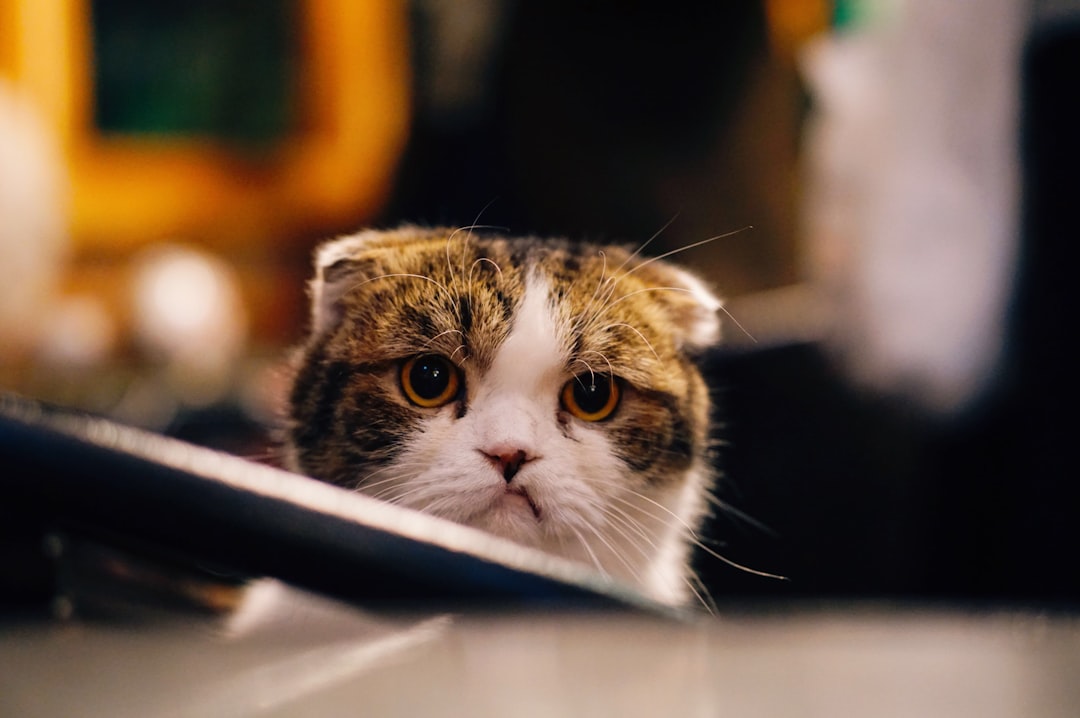
Despite their reputation for independence, many cats feel anxious when left alone for long periods. Some become clingy, following you from room to room, while others act out by scratching furniture or refusing to eat. The quiet of an empty house can feel unsettling, especially for cats used to company. Separation anxiety is real for pets, and the stress can show in subtle ways—like over-grooming or excessive meowing.
Create a Safe Space: The Comfort of Home

One of the best ways to help a frightened cat is to create a safe, quiet space just for them. This could be a cozy nook with a soft blanket, a cardboard box, or a covered cat bed. Make sure it’s away from loud noises and high traffic. When your cat feels scared, they’ll know they have a sanctuary to retreat to. You can even add a piece of your clothing for comfort—the familiar scent can be soothing. Over time, this safe space becomes their go-to when the world feels overwhelming.
Use Calming Scents: Feline-Friendly Fragrances
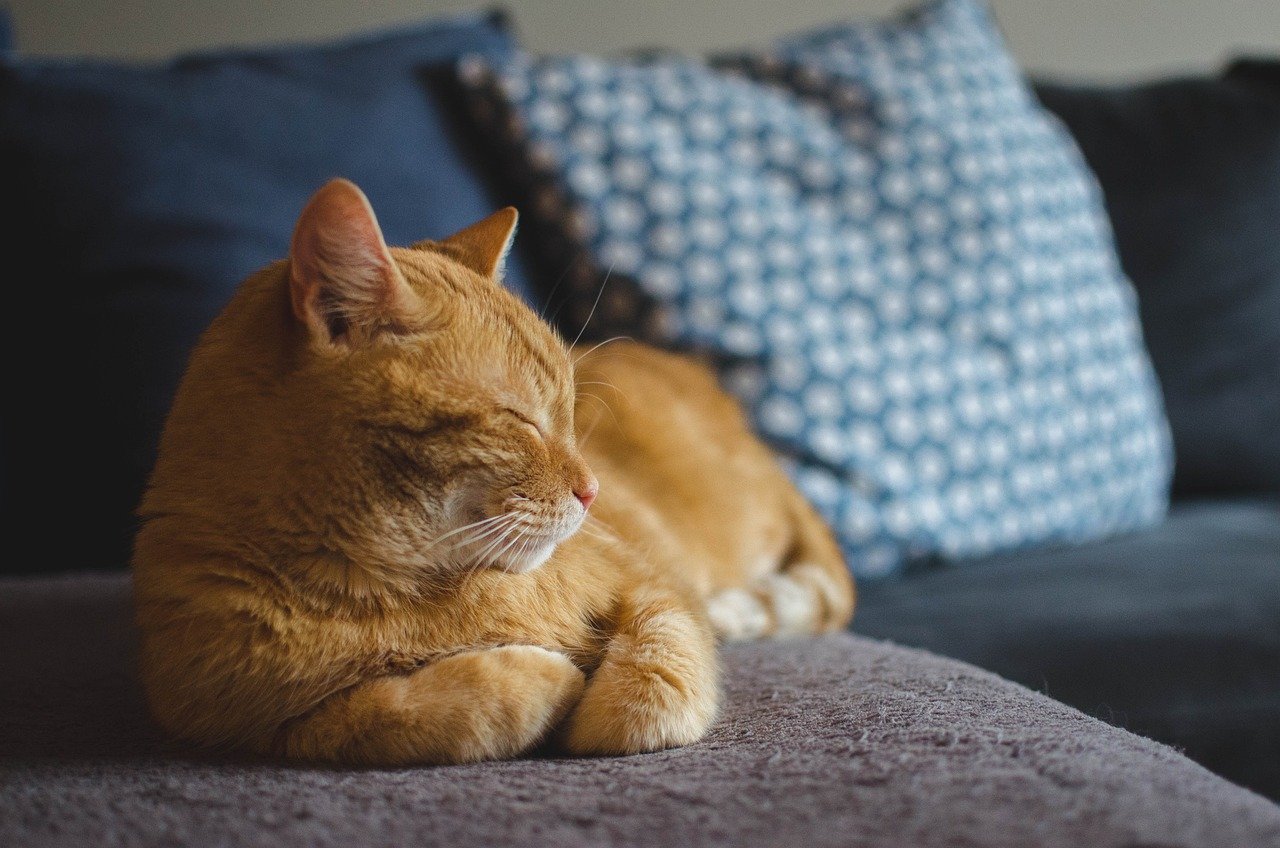
While strong odors can be a problem, certain scents can actually help relax your cat. Feline pheromone diffusers mimic the natural calming chemicals cats produce when they feel safe. Just plug one in near your cat’s favorite spot and let the magic work. Some herbal remedies, like catnip or valerian, can also have a gentle calming effect. Always check that any product is safe for cats—never use essential oils unless approved by your vet. The right scent can make all the difference during stressful events like thunderstorms or fireworks.
Gentle Music or White Noise: Soothing Sounds
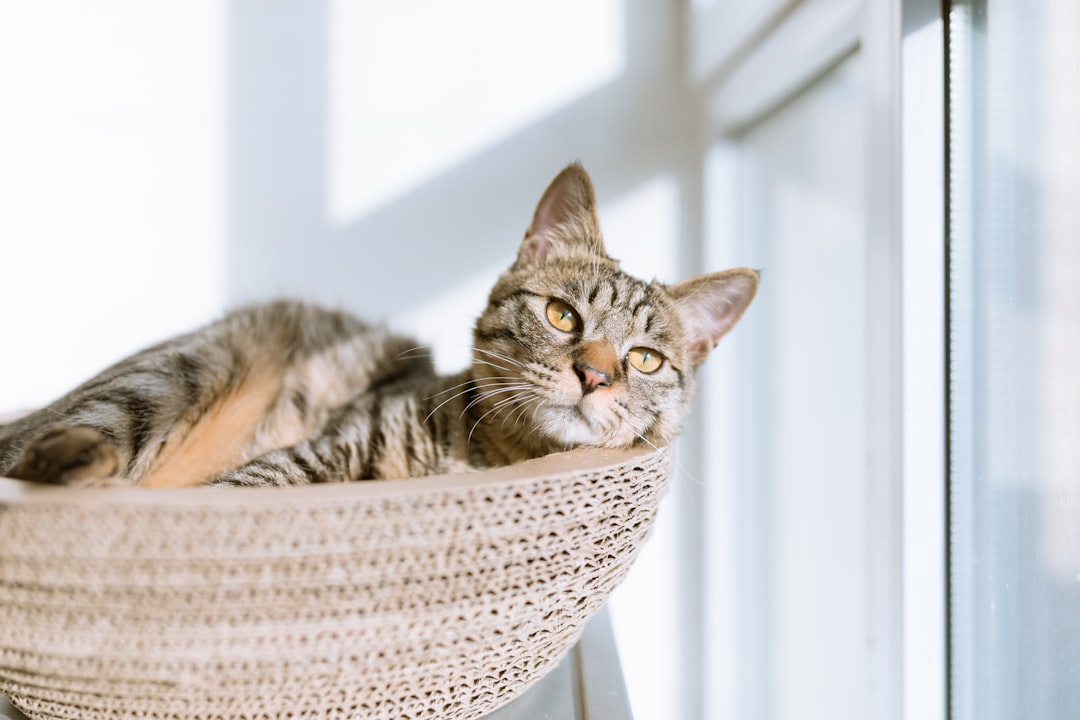
Music isn’t just for humans—cats can benefit from it too! Soft, classical music or specially designed “cat music” can help mask scary noises and create a tranquil environment. White noise machines or even a softly running fan can also help drown out sudden sounds that might otherwise startle your kitty. If you know a loud event is coming up, like a party or construction nearby, setting up soothing sounds ahead of time can help keep your cat calm and less likely to panic.
Slow Introductions: Take It Step by Step
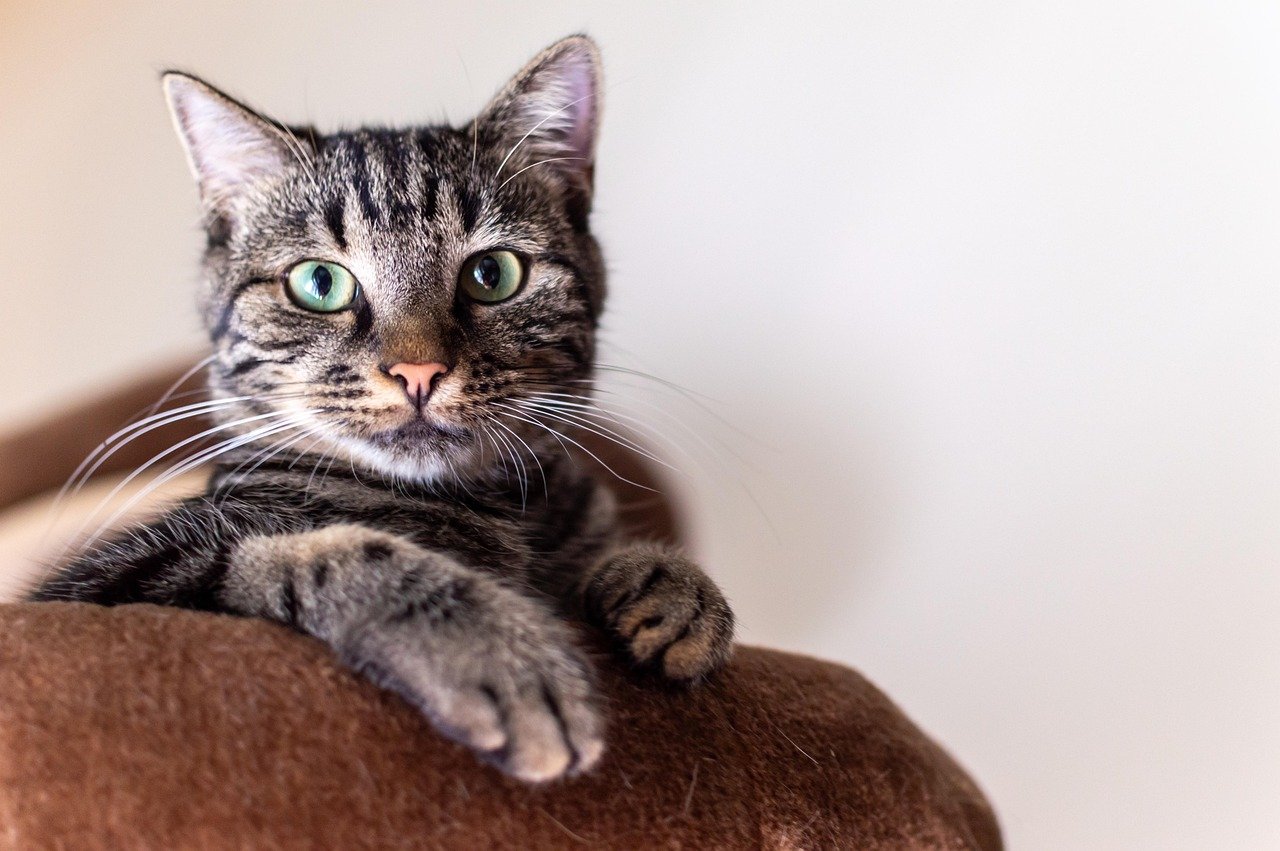
When bringing home a new pet or moving to a new place, patience is key. Let your cat explore at their own pace. Start by keeping them in one quiet room with their essentials—food, litter box, and toys. Gradually introduce them to new spaces or animals, always letting your cat take the lead. Rushing things can make their fear worse, but slow, gentle introductions help build confidence. A calm cat is a curious cat, and soon enough, they’ll be ruling their new kingdom.
Play and Positive Reinforcement: Turn Fear Into Fun
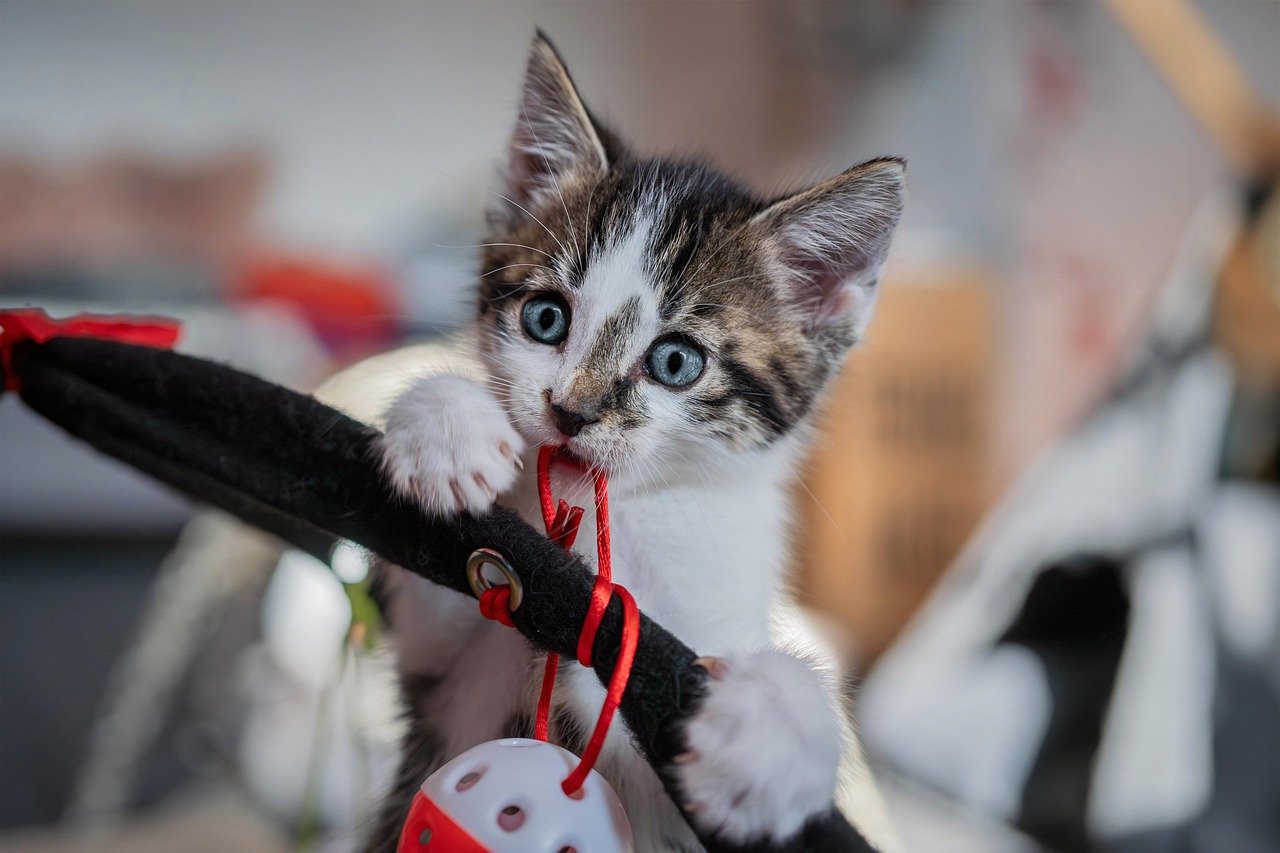
Play is a powerful tool for reducing anxiety. Wand toys, feather chasers, and interactive games can distract your cat from their fears and help them burn off nervous energy. Use treats and praise to reward brave behavior, like coming out of hiding or exploring a new object. Over time, your cat will start to associate scary situations with positive experiences. It’s like teaching a child that the dark isn’t so scary when you have a flashlight and a friend by your side.
Understanding what frightens cats is the first step in creating a more peaceful and secure environment for them. From loud noises to unfamiliar people, these triggers can cause anxiety and stress if not addressed with care. Fortunately, with patience and the right calming strategies—like providing safe spaces, using soothing scents, or establishing predictable routines—you can help your feline friend feel more at ease. By recognizing their fears and responding with empathy, you not only reduce their stress but also build a stronger, more trusting bond that helps them thrive emotionally and physically.


