

There’s nothing quite like watching your beloved furry friend pace around the house, panting heavily, or trembling at the sound of thunder. Dog anxiety isn’t just heartbreaking to witness—it’s incredibly common and affects millions of pets worldwide. Whether your pup gets nervous during storms, freaks out when you leave for work, or simply struggles with everyday stressors, you’re definitely not alone in this journey.
The Magic of Gentle Touch and Massage
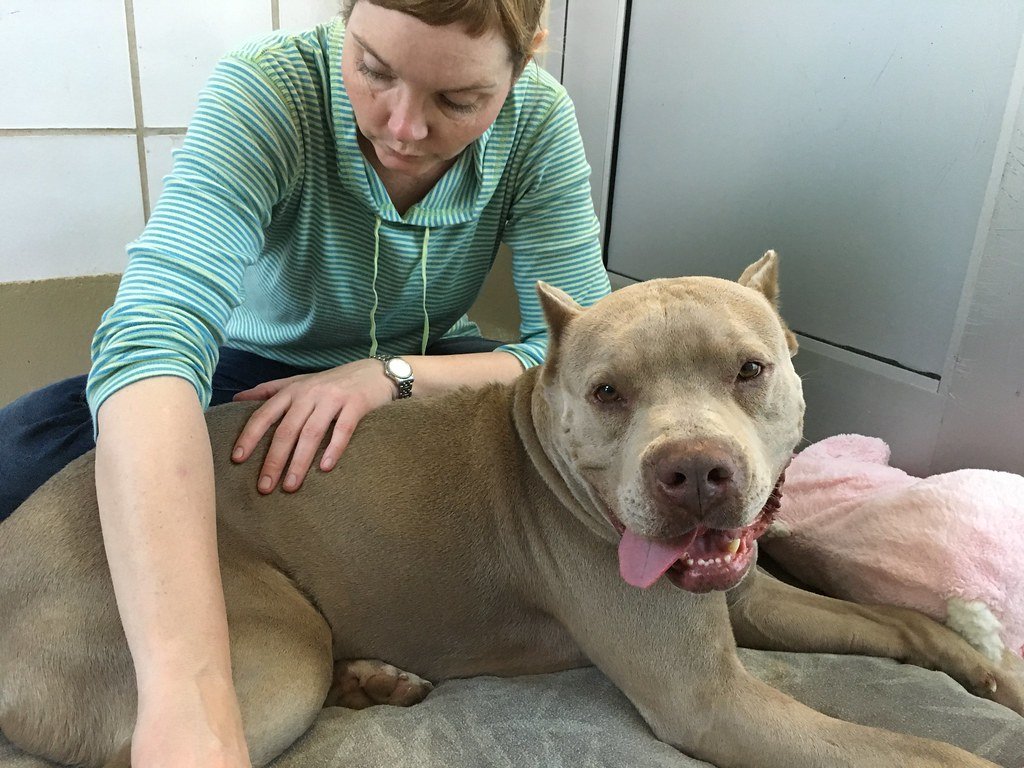
Sometimes the simplest solutions are the most powerful ones. There is probably nothing more soothing to an anxious dog than its owner’s touch. Try to identify the signs of anxiety in your dog and nip them in the bud as early as possible by picking them up, cuddling on the couch. The beautiful thing about massage is that it doesn’t require any special equipment or training—just your hands and a willingness to help your stressed pup find their zen.
Regular massages will help reduce stress and anxiety in your dog because applying pressure to certain points on their body has a calming and relaxing effect. Start at the neck and work downward with long strokes. Try to keep one hand on the dog, while the other works to massage. Over time you may even be able to identify where your dog holds its stress and just work on that one particular area. Think of it like finding that perfect spot that makes your dog melt into a puddle of relaxation.
Creating a Consistent Daily Routine
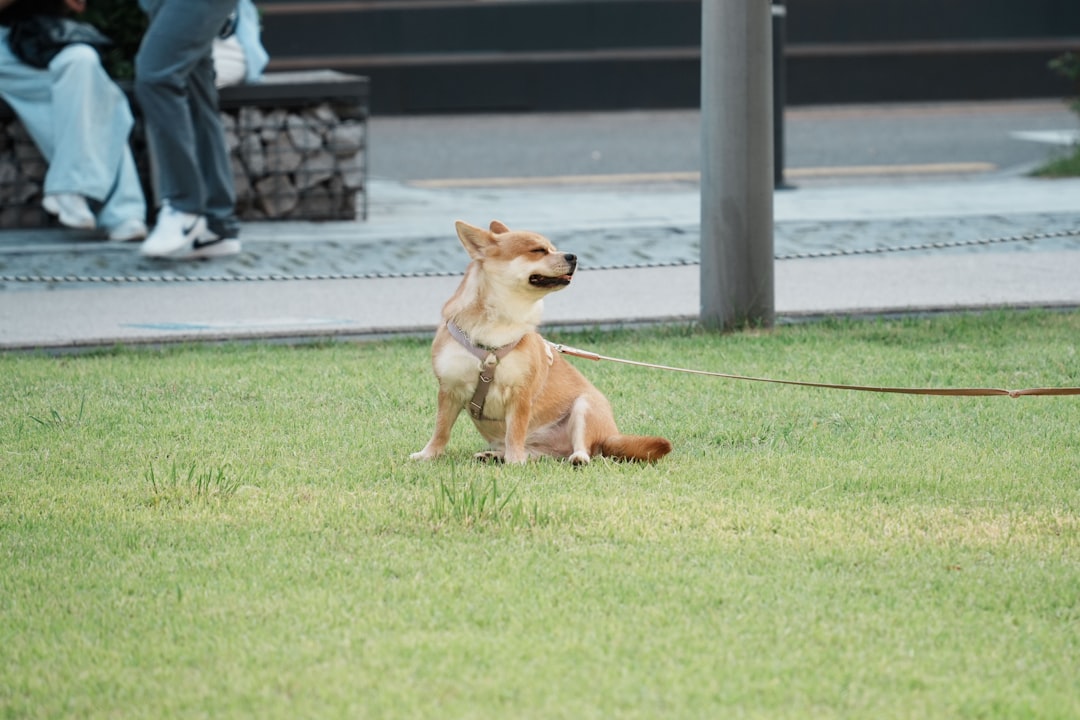
Dogs are creatures of habit, and nothing soothes an anxious mind quite like predictability. It’s essential to establish a routine for your dog so they feel comfortable and secure. Dogs are creatures of habit and thrive on predictability and structure. When your dog knows exactly what to expect and when to expect it, their stress levels naturally decrease.
Feeding times, exercise times, playtimes, and sleep times are all part of a routine. Stay consistent as much as possible so your dog doesn’t get confused or stressed. Small changes in a schedule can trigger stress. It’s like having a roadmap for your dog’s day—they know what’s coming next, which eliminates that anxious “what if” feeling that can plague stressed pups.
The Power of Music and Sound Therapy
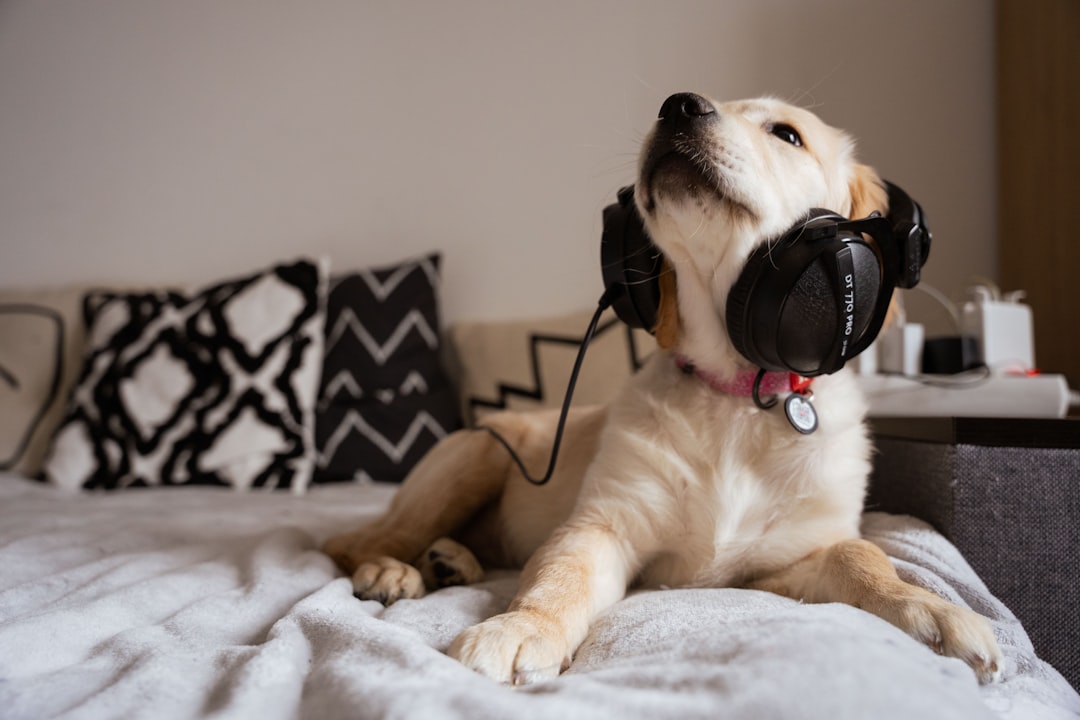
You might be surprised to learn that your dog can benefit from a good playlist just as much as you can. When dogs experience anxiety, music or white noise can help calm them down. This provides a soothing and calming environment, and it can naturally reduce their stress and anxiety levels. White noise or music can also drown out the unpredictable noises from thunderstorms or fireworks that trigger anxiety.
Research has shown that many dogs prefer classical music. Harp music, often used in hospice situations, can be a natural sedative. You might try: Through A Dog’s Ear by pianist Lisa Spector and psychoacoustics researcher Joshua Leeds. Luckily, many apps and playlists are specifically curated to calm and soothe dogs. Music therapy helps reduce barking by distracting the dog from the triggers that make your pet bark.
Exercise as Nature’s Stress Reliever
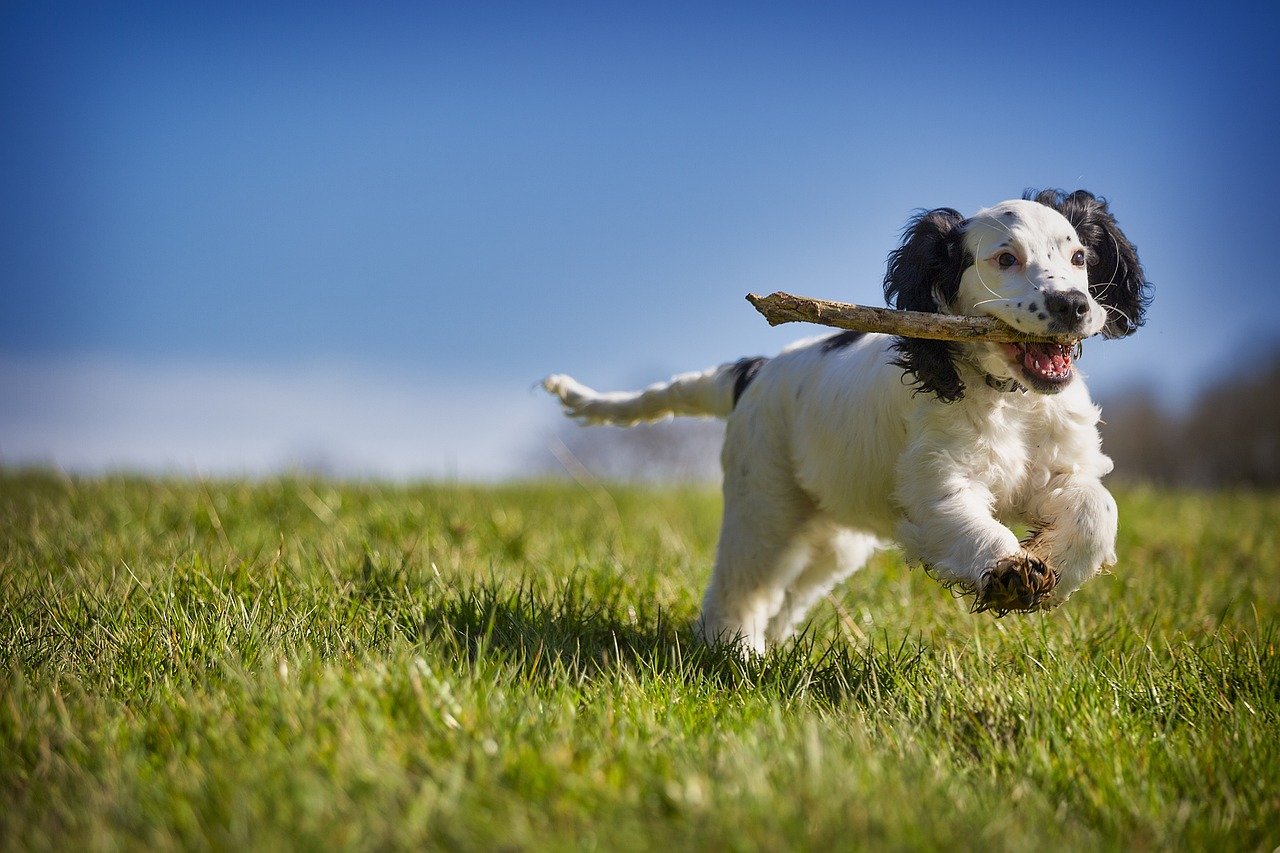
Just like humans, dogs need physical activity to burn off nervous energy and release those feel-good endorphins. Because anxiety can cause an excess of energy, taking your dog out to play ball or on a long walk before you leave can be helpful. Providing plenty of physical contact and talking to them during this time is also beneficial. And, like their human counterparts, exercise can help relieve stress by producing beneficial endorphins.
For healthy dogs, physical activities such as walking or playing fetch may help both you and your dog release tension. If your dog is displaying anxiety symptoms, try to identify the cause and if possible, put some distance between your pooch and the stressor. Take them for a walk or to enjoy some form of exercise like playing with a ball outside. The immediate change in surroundings and activity should calm them.
Pressure Wraps and Anxiety Vests
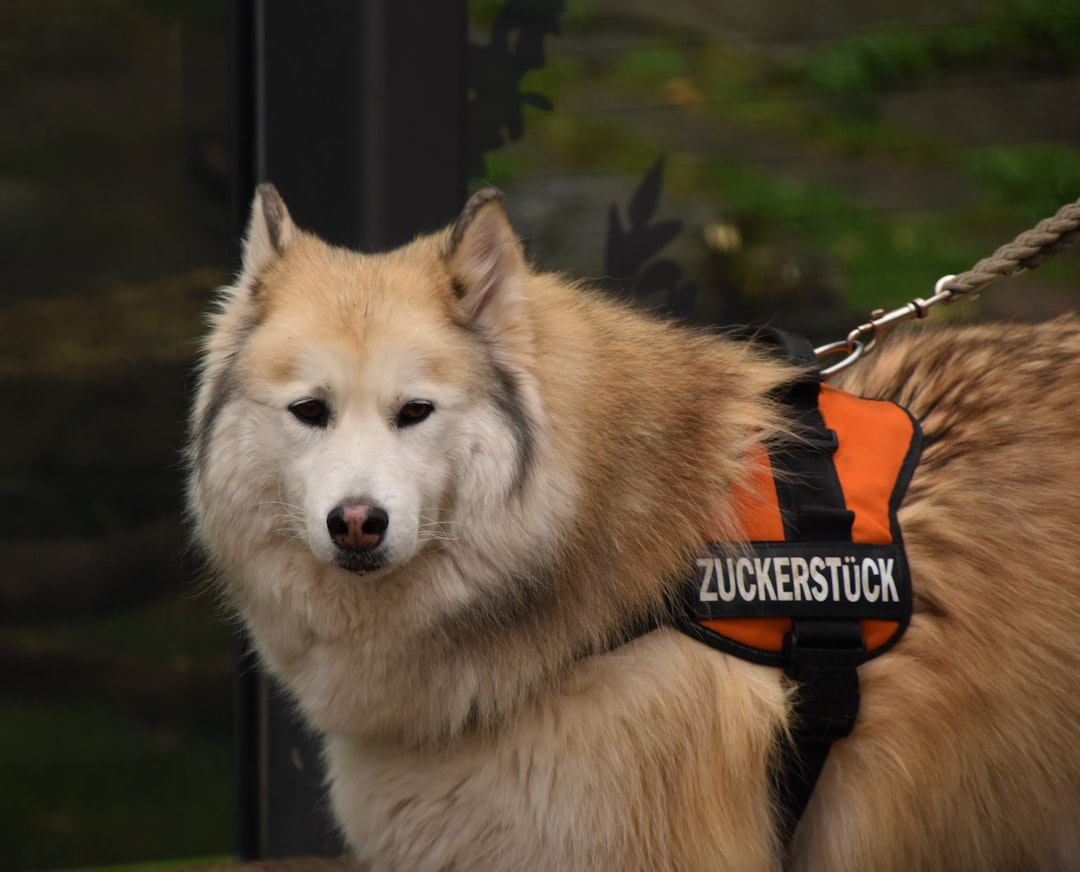
Sometimes your dog just needs a good hug, and that’s exactly what anxiety wraps provide. Anxiety wraps (vests, shirts, coats) are garments designed to calm anxious dogs. The wraps work under the theory that pressure applied to the dog’s torso causes a calming effect, like swaddling a crying infant or hugging a distressed person. Calming coats and t-shirts apply mild, constant pressure to a dog’s torso, surrounding a dog much like a swaddling cloth on a baby. It’s recommended for dogs with any type of anxiety induced by travel, separation, noise, or stranger anxiety.
When worn properly, anxiety wraps distribute pressure over the back and sides of the dog’s chest, serving as a calming “hug”. Scientifically, gentle pressure releases chemicals called endorphins that promote a sense of well-being. That’s why stroking a dog firmly and slowly may calm him down but a quick pat on the head usually gets him more excited.
Natural Calming Supplements and Treats
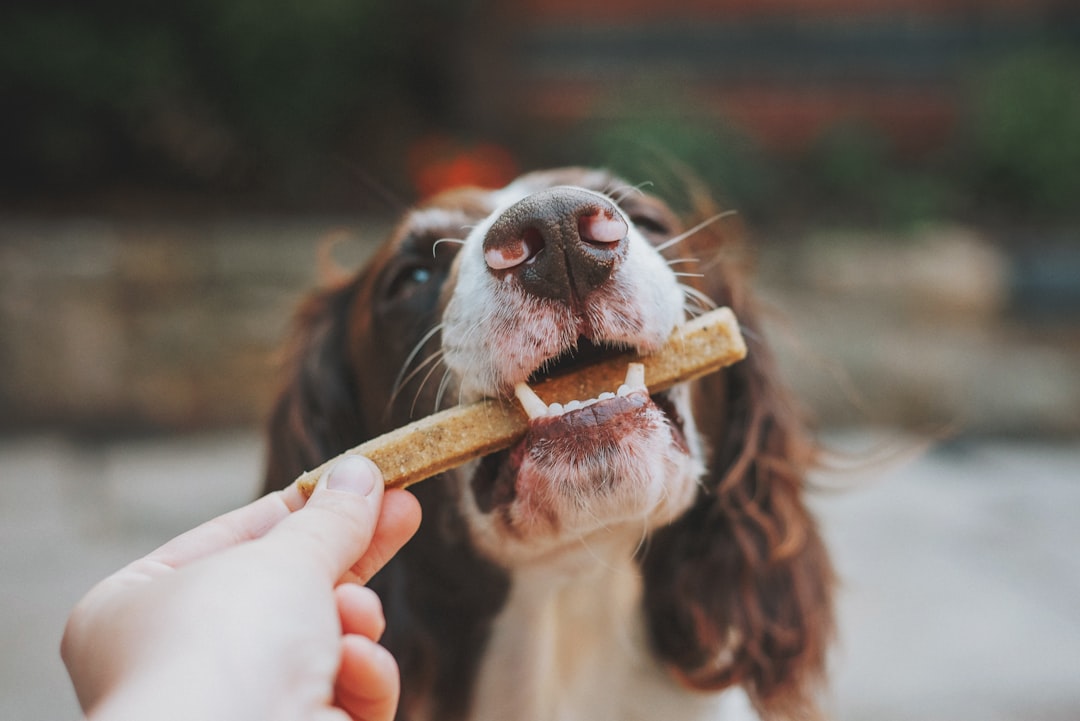
Mother Nature has provided us with some fantastic tools to help our anxious pups find their calm. There are dog treats that contain helpful supplements proven to help anxiety. Typically they will contain melatonin, thiamin, chamomile, L-Theanine or L-tryptophan. Some also have a ginger element to help with sensitive stomachs. These are often recommended for general and travel anxiety.
Kradle is Dr. Hammond’s top choice for calming dog treats. “It incorporates natural ingredients such as passionflower and L-tryptophan [an amino acid], which have been shown to have calming effects on dogs,” she said. The brand’s soft Bliss Bars are in a dog-pleasing peanut butter-bacon flavor. VetriScience® Composure™ dog chews can offer great stress relief for dogs. Dogs tend to like the chewable tablets, and you can safely double or even triple the dose on particularly stressful days.
Creating a Safe Space Sanctuary

Every dog needs their own personal retreat where they can escape when the world feels overwhelming. It is also important to provide your dog with a safe place in the home where they can escape stimuli that trigger a stress response. Everybody enjoys a calm place to retreat. Anxious dogs benefit from a safe place that they associate with positive things – treats, toys, or undisturbed rest. A dog bed or mat is perfect for this because it’s portable, meaning you can take that safety on the road. The mat can be used at the vet’s office, in the car, or at a friend’s home to help your dog feel calm and secure.
This isn’t just about physical space—it’s about creating an emotional sanctuary where your dog knows they’re protected and loved. Some dogs prefer cozy, enclosed spaces like under a desk or in a crate, while others might choose a sunny spot by the window. The key is letting your dog choose their own safe haven and respecting that choice.
Distracting with Treats and Toys

Sometimes the best way to handle anxiety is to give your dog something else to focus on entirely. One of the easiest ways to calm a stressed dog is to offer them something else to think about that is better, such as a treat or toy. For dogs who are nervous around strangers, offer them a yummy treat, such as Real Meat beef jerky bitz dog treat, or pull out your Chuck It!
Snuffle mats also encourage your dog to sniff out hidden food, and lick mats are particularly handy if bath time or grooming stress your dog. Finally, consider using training as a game. Exercises like nose targeting or “watch me” are easy and fun for your dog to do, so they can work well during tense situations. It’s like giving your dog a puzzle to solve instead of letting them focus on whatever’s making them anxious.
Teaching Controlled Breathing Techniques
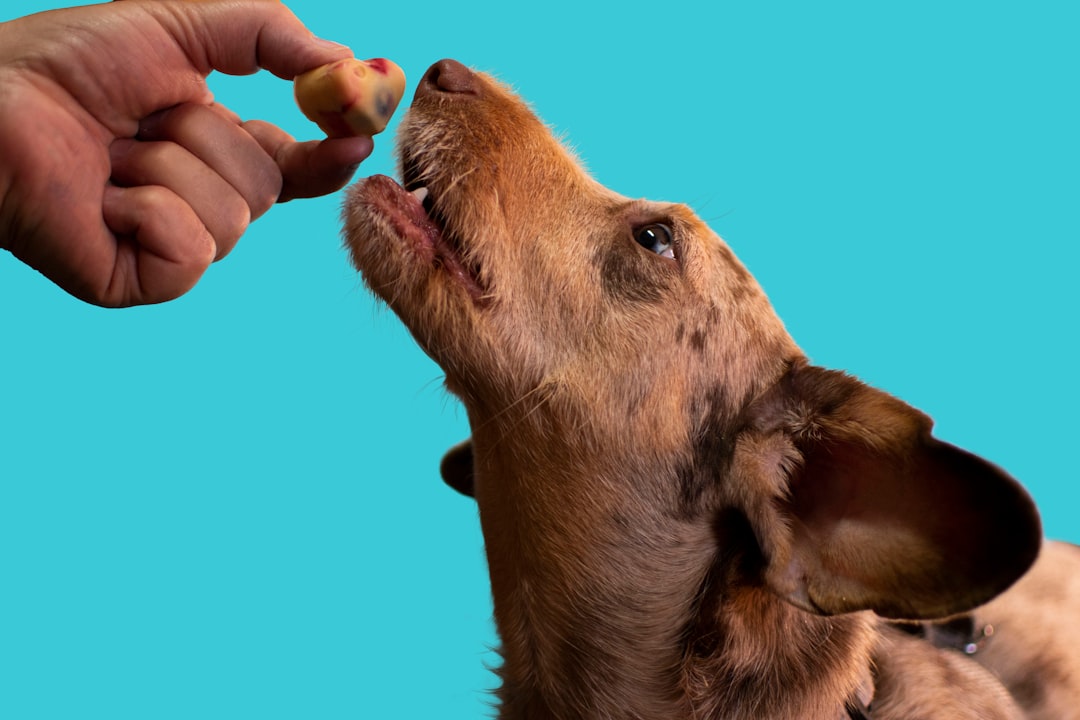
This might sound a bit unusual, but you can actually teach your dog to take calming breaths—and it works remarkably well. Teaching a dog to take a breath works exactly the same way that it does for us. The intake of a deep breath gives both species a chance to take in oxygen and pause long enough for our brains to begin to work instead of react.
The dog’s nostrils will usually flare as he smells the treat, and because he cannot sniff something and pant at the same time, the dog will hold his or her breath. As soon as you see that the dog has held his breath and/or flared his nostrils, immediately deliver the treat and praise your dog. Inhale for five seconds. Count them if you have to and then exhale for eight seconds. This slow and deep breathing should help you to feel more relaxed and calmer and as a result, your dog will begin to mirror your calmness too.
Early Intervention and Reading Body Language

The secret to calming a stressed dog often lies in catching the anxiety before it spirals out of control. You want to step in as soon as you can rather than letting your dog suffer. It’s also important to intervene quickly in the moment. Don’t let your dog’s emotions ramp up past the point of no return. Learn to read dog body language so you can spot the first signs of stress, such as lip licking or pulled back ears. Then, whether it’s walking in another direction or distracting your dog, you can act quickly to change the situation and relieve your dog’s discomfort.
Watch for subtle signs like excessive panting when it’s not hot, trembling, excessive drooling, or changes in posture. That whole-body shake can be amusing and is quite normal — unless it occurs as the result of a stressful situation. For example, the “shake off” that dogs often do after they descend from the veterinarian’s exam table is likely triggered by stress. The earlier you catch these signs, the easier it becomes to help your dog find their calm again.
Conclusion
Helping your stressed dog find peace isn’t about finding one magic solution—it’s about creating a toolkit of strategies that work for your unique pup. Some dogs respond beautifully to massage, while others might prefer the security of a pressure wrap or the distraction of a puzzle toy. The key is patience, consistency, and understanding that what works for one dog might not work for another.
Remember, severe anxiety often requires professional intervention, and there’s no shame in seeking help from your veterinarian or a certified dog behaviorist. Your dog’s mental health is just as important as their physical health, and you’re already on the right track by caring enough to look for solutions.
What would you have guessed was the most effective method for your own furry friend?


