

Cats have been our companions for thousands of years, yet they still manage to surprise us with their unique behaviors and personalities. Indoor cats, in particular, have a world of their own that many people might not fully understand. If you’re a cat lover or simply curious about these mysterious creatures, get ready for some fascinating insights. This article delves into ten intriguing facts about indoor cats that will make you appreciate your feline friend even more.
Indoor Cats Have a Longer Lifespan

One of the most significant benefits of keeping your cat indoors is the potential for a longer life. On average, indoor cats can live anywhere from 12 to 20 years, while outdoor cats often face risks that can shorten their lifespan to just 2 to 5 years. This is primarily because indoor cats are shielded from dangers like traffic, predators, and diseases. It’s like living in a protective bubble where the hazards of the outside world can’t reach them. This longevity gives cat owners more time to bond and create lasting memories with their furry companions.
They Still Have Hunting Instincts
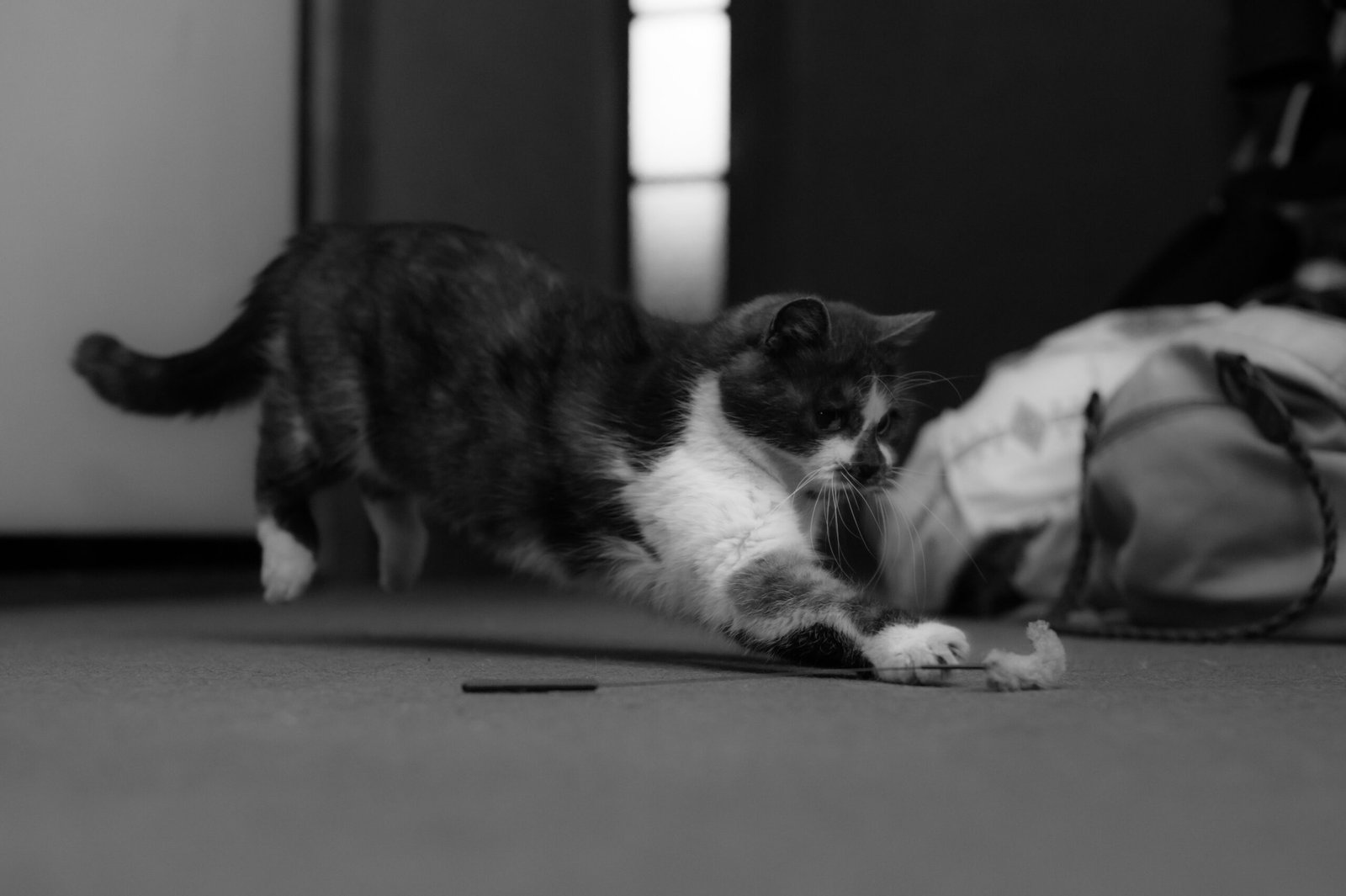
Even though indoor cats might not have the opportunity to chase mice or birds, their hunting instincts remain intact. You’ll notice this when they play with toys, especially those that mimic the movements of prey. Feather toys, laser pointers, and even crumpled pieces of paper can bring out the little hunter in them. This behavior is deeply rooted in their DNA, reminding us that our domesticated cats are not so far removed from their wild ancestors. Providing toys that stimulate these instincts can keep your cat mentally and physically active.
Indoor Cats Can Get Bored
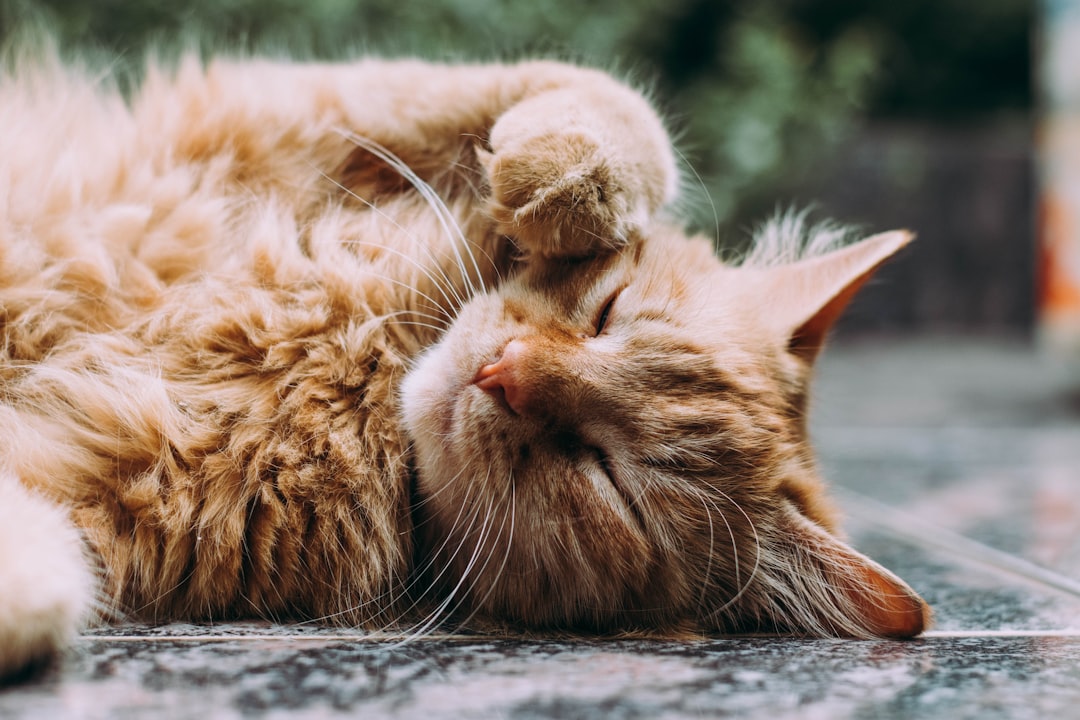
Just like humans, cats can get bored, especially when confined to the same environment day after day. Boredom can lead to a host of issues, including obesity, anxiety, and destructive behavior. Imagine being stuck in a room with nothing to do – it’s not much fun, right? To keep them entertained, offer a variety of toys, scratching posts, and interactive play sessions. Rotating toys and introducing new activities can keep their environment stimulating and prevent the monotony that comes with indoor life.
They Communicate Through Body Language
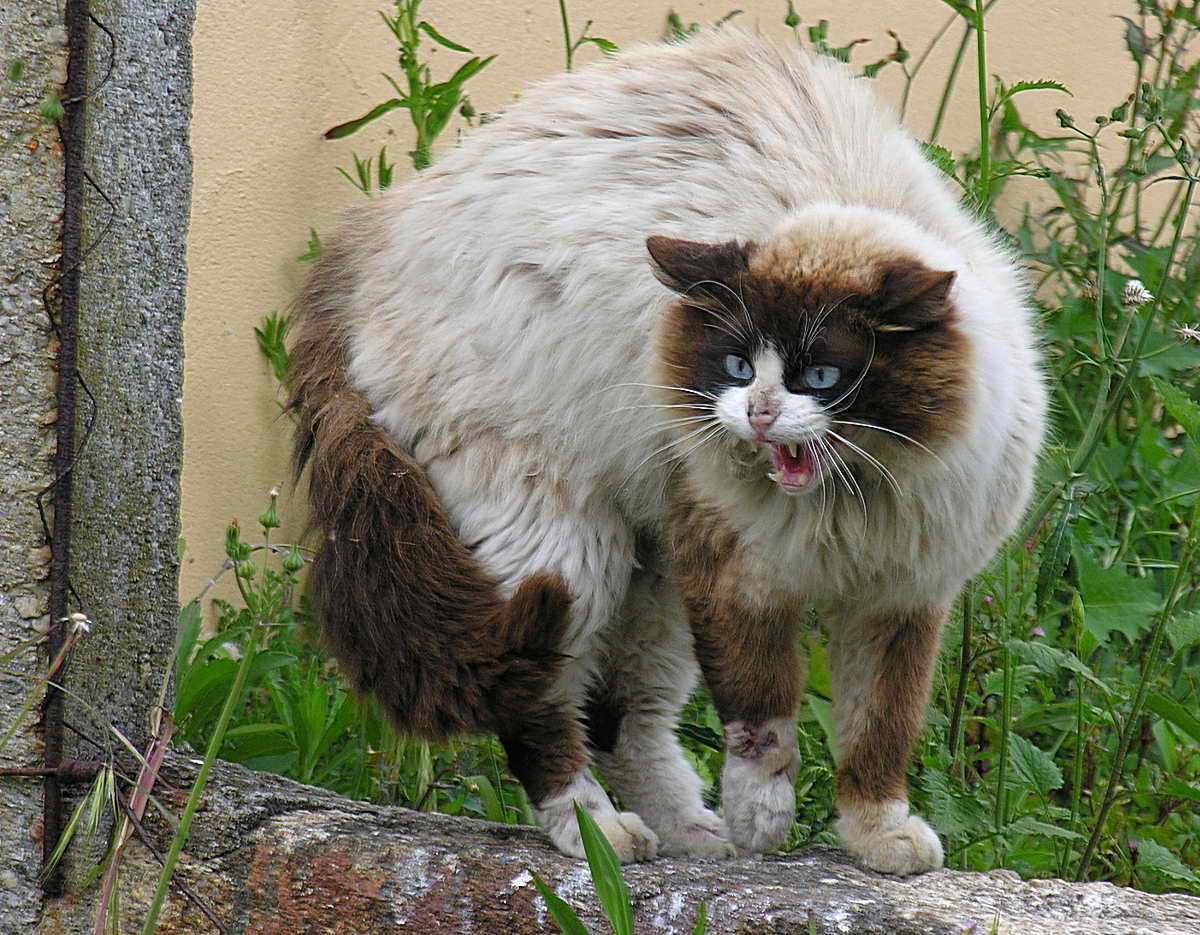
Cats might not speak our language, but they have their own ways of communicating with us. Indoor cats use a complex system of body language to express their feelings and desires. A slow blink is often a sign of trust and affection, while a flicking tail might indicate irritation or excitement. Paying attention to these subtle cues can help you understand your cat’s mood and needs better. It’s like learning a new language, one that can deepen your bond with your feline friend.
Indoor Cats Need Exercise
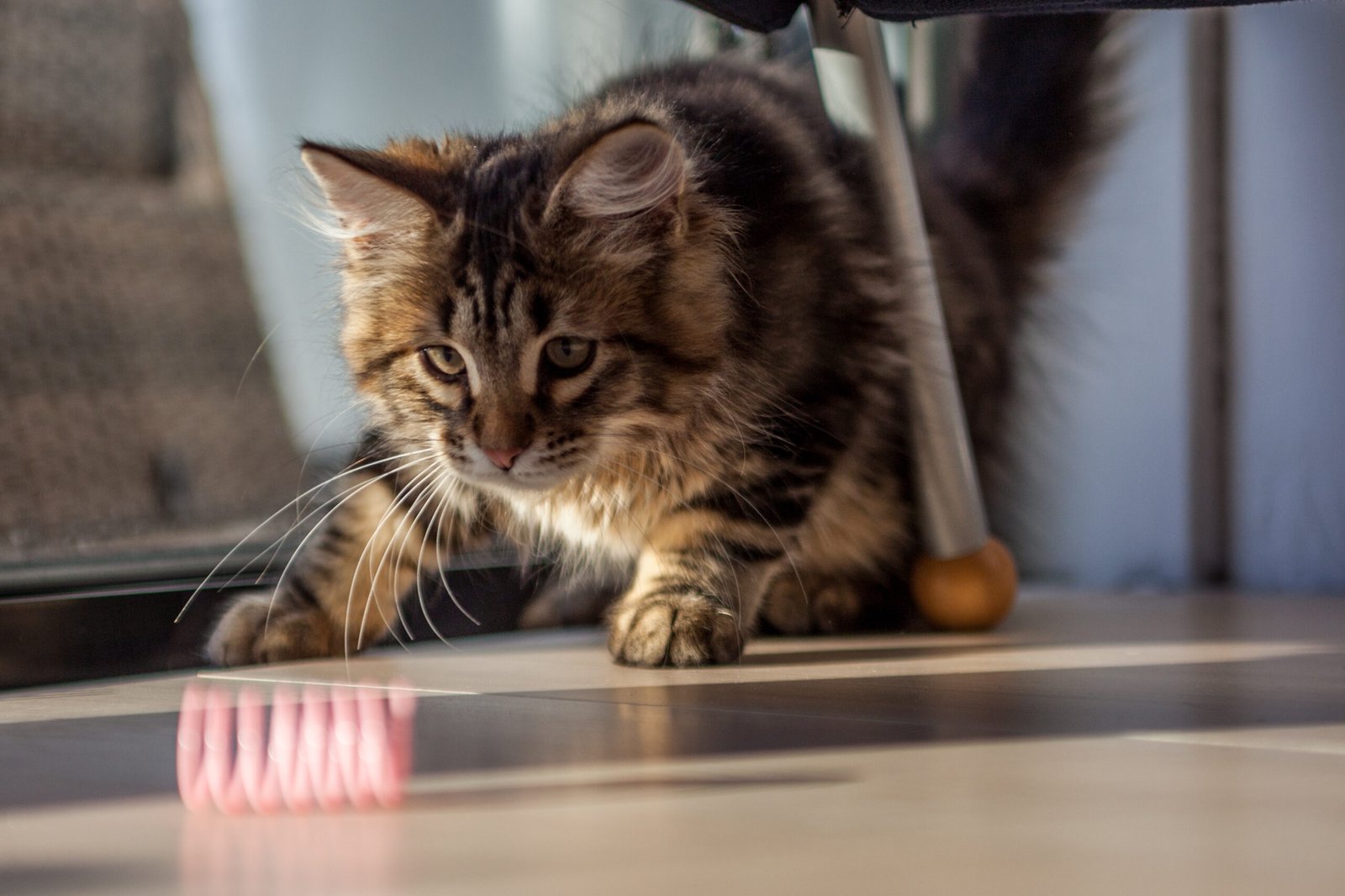
While they may not roam around the neighborhood, indoor cats still require regular exercise to maintain their health. Without it, they can become overweight and face health issues like diabetes and arthritis. Simple activities like chasing a laser pointer or climbing a cat tree can provide the physical activity they need. Think of it as a mini-gym session for your cat, ensuring they stay fit and healthy. Regular playtime not only benefits their physical health but also boosts their mental well-being.
Cats Can Be Territorial Indoors

Cats are naturally territorial creatures, and this doesn’t change when they live indoors. They often have specific areas they claim as their own, whether it’s a cozy spot on the couch or a sunny window ledge. This territorial behavior is part of what makes them feel secure and comfortable in their environment. It’s essential to respect their spaces and not disrupt their routines. Providing them with their own designated areas can help them feel more at ease and reduce any stress or anxiety.
They Have Unique Sleeping Patterns

If you’ve ever observed your cat snoozing throughout the day, you might wonder about their sleeping habits. Indoor cats typically sleep between 12 to 16 hours a day, but this can vary depending on their age and health. Their sleep patterns are influenced by their instincts as nocturnal hunters, which means they might be more active at dawn and dusk. Understanding these patterns can help you create a routine that aligns with their natural behavior, ensuring a harmonious household.
Indoor Cats Can Develop Separation Anxiety
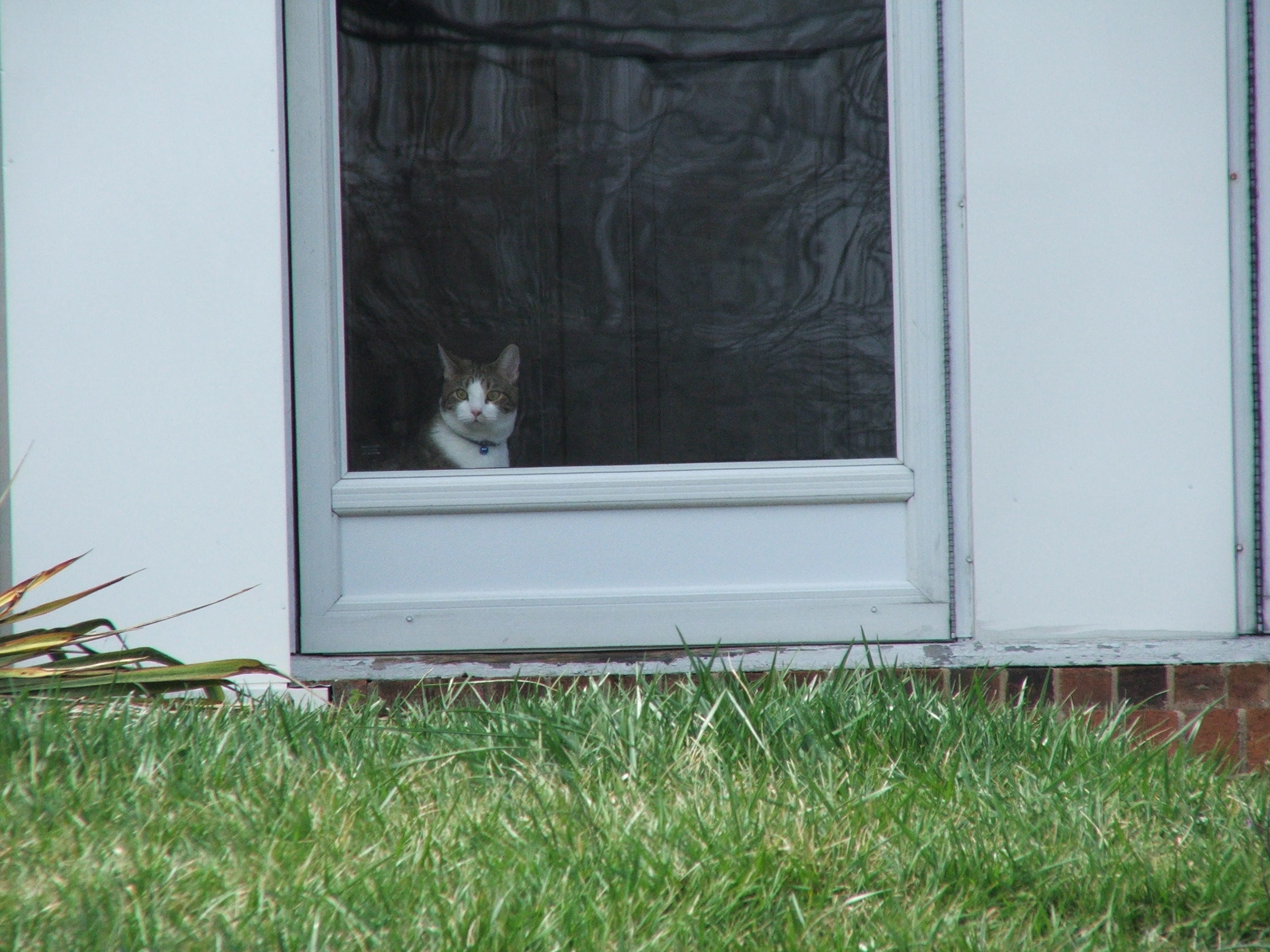
While cats are often seen as independent creatures, they can still experience separation anxiety, especially if they are closely bonded with their owners. This anxiety can manifest in behaviors like excessive meowing, destructive actions, or changes in eating habits. It’s like having a shadow that misses you when you’re gone. To ease their anxiety, gradually get them used to your absence by leaving for short periods and providing comforting items like your scent on a blanket. This can help them feel more secure when you’re not around.
They Benefit from a Routine

Cats thrive on routine and predictability, which can be particularly true for indoor cats. Having a consistent schedule for feeding, playtime, and grooming can provide them with a sense of security. Just like humans, cats feel more at ease when they know what to expect. Establishing routines can also help prevent behavioral issues and create a more harmonious living environment for both you and your cat. It’s like setting the stage for a smooth performance, where everyone knows their role and what comes next.
Indoor Cats Can Form Strong Bonds
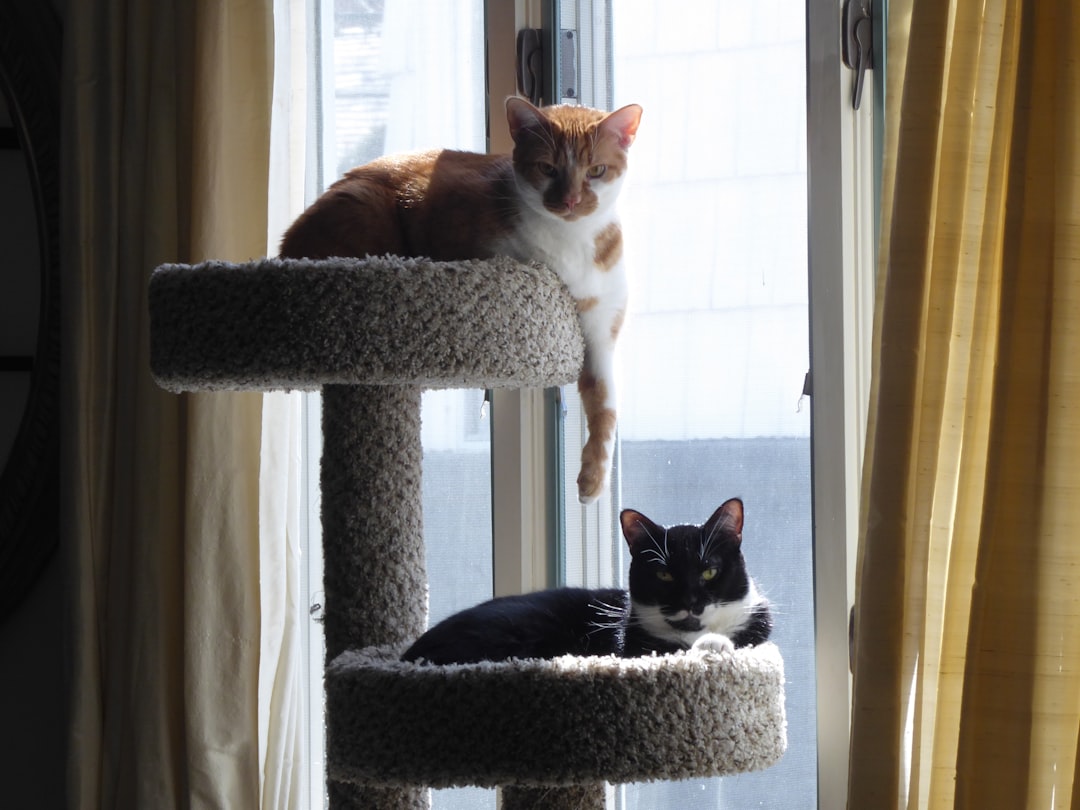
Despite their reputation for being aloof, indoor cats can form deep, loving bonds with their human companions. They often show affection through purring, head-butting, or simply choosing to be near you. These bonds are built over time through trust, care, and mutual respect. It’s a relationship that can bring immense joy and comfort, much like having a loyal friend who always has your back. Understanding and appreciating these bonds can enrich your life and deepen your connection with your feline friend.
In conclusion, indoor cats are fascinating creatures with a world of their own. From their unique behaviors to their need for stimulation and routine, there’s always something new to learn about our furry companions. By understanding these aspects, cat owners can provide a more fulfilling and happy life for their indoor cats.


