
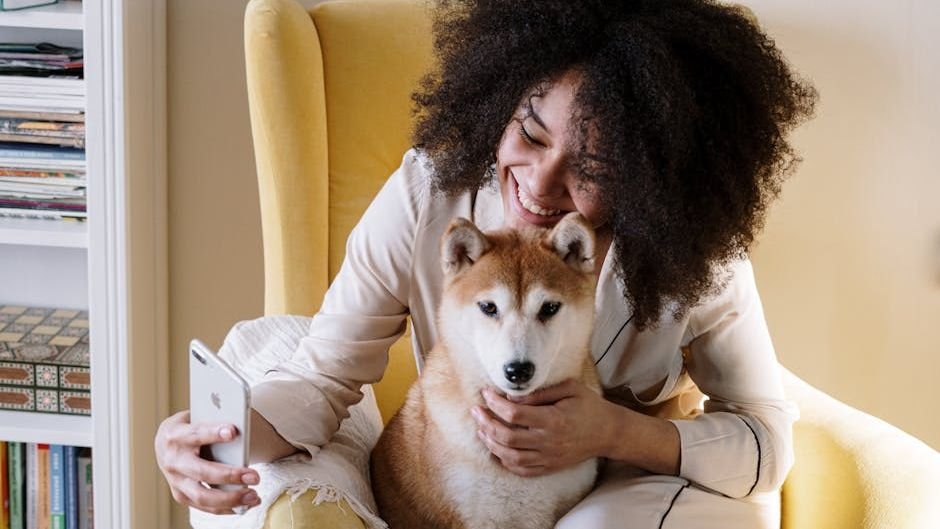
Think about the last time your dog looked up at you with those soft, melting eyes. Maybe it was during a quiet morning, or when you walked through the door after a long day. That look is not random. It is not just hunger or habit. It is something far deeper, something built one small moment at a time, day after day after day.
The bond you share with your dog is one of the most extraordinary relationships a human being can experience. Just like any meaningful relationship, the bond between you and your dog needs time, care, and patience to grow. The beautiful thing is, the daily habits that make your dog truly cherish you are not complicated. They are simple, consistent, and deeply felt. Let’s dive in.
1. Start the Morning With a Meaningful Greeting

Here’s the thing about dogs: they live entirely in the present. When you wake up and rush straight for coffee while ignoring that wagging tail at your feet, your dog notices. Starting the morning with even sixty seconds of warm, intentional acknowledgment sets an emotional tone for the entire day.
Get down to their level, make eye contact, speak softly, and give them a good scratch in their favorite spot. When you pet your dog, it’s important that they know they have your full attention. A few absentminded head rubs are nice, but they’re not going to mean nearly as much as when you’re really invested. Take some time, make the extra effort, and focus all your attention on your dog. That distinction, from distracted to deliberate, is enormous in your dog’s world.
2. Stick to a Predictable Daily Routine

Dogs thrive on routine. Predictable mealtimes, walks, play, and rest help your dog feel safe and secure, especially if they’re new to your home. When your pup feels safe and like they can count on you to follow through with their routine, it’ll be easier for them to trust you. Think of it this way: your dog cannot read a clock, but their body and nervous system absolutely know when something feels off schedule.
Consistent routines create emotional security for dogs. Regular feeding times, walk schedules, and bedtime routines allow your dog to anticipate what comes next in their day. That sense of predictability is not boring to them. It is deeply comforting, like a warm blanket they can count on.
3. Take a Walk That Is Actually for Them

There is a massive difference between a walk for you and a walk for your dog. Too often we rush through walks, phone in hand, pulling our pups away from every interesting sniff. Honestly, that is a missed opportunity. Taking your dog on daily walks offers mental stimulation as they encounter new sights, sounds, and smells. A dog who sniffs freely is a dog whose brain is fully engaged.
Begin your day with a peaceful morning stroll. Let your dog take the lead, allowing them to explore the surroundings while you practice mindfulness. Observe their reactions to different scents and sounds, fostering a shared sense of curiosity. Let them linger at that bush a little longer. It is their version of reading the morning news.
4. Practice Purposeful, Positive Touch Every Day
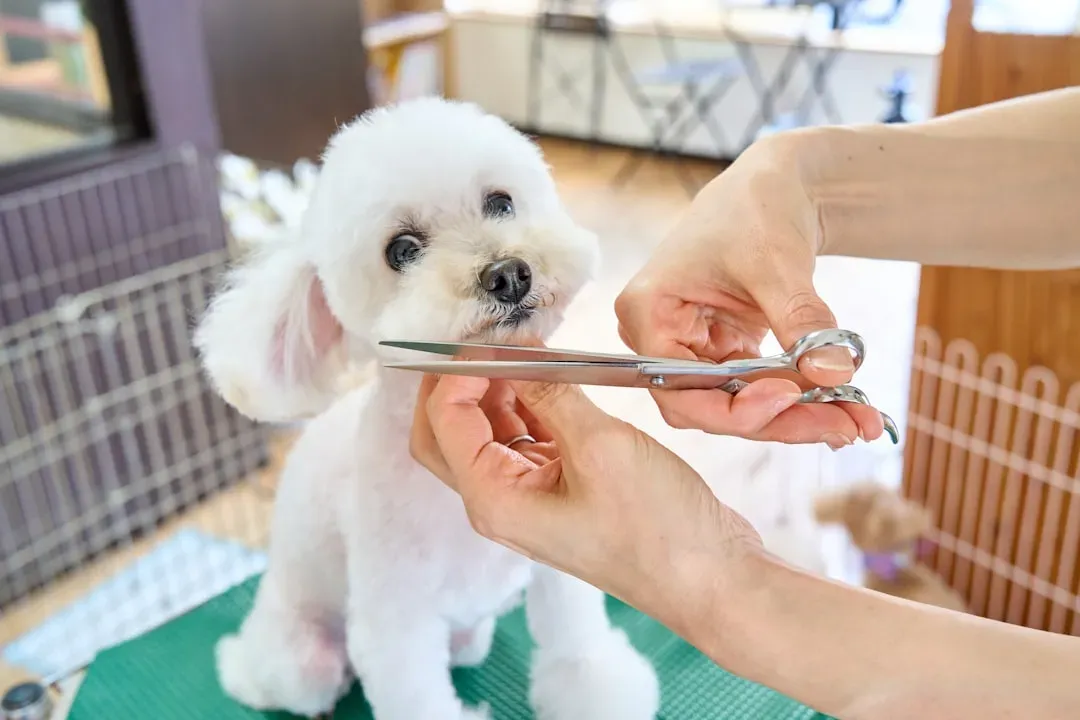
Regular brushing, gentle petting, or massage not only keeps your dog healthy, but it also reinforces your bond. Touch builds trust and comfort, especially when it’s paired with positive experiences. Physical connection is a primary language dogs understand, and using it well communicates safety, love, and belonging.
Regular brushing keeps the coat clean, eliminates knots and tangles, and spreads healthy oils throughout the coat. Brushing your dog releases endorphins that make them feel relaxed. So that daily grooming session is not just about appearances. It is a full emotional and biological bonding experience happening at the same time. I think that is pretty remarkable.
5. Play With Full, Genuine Enthusiasm
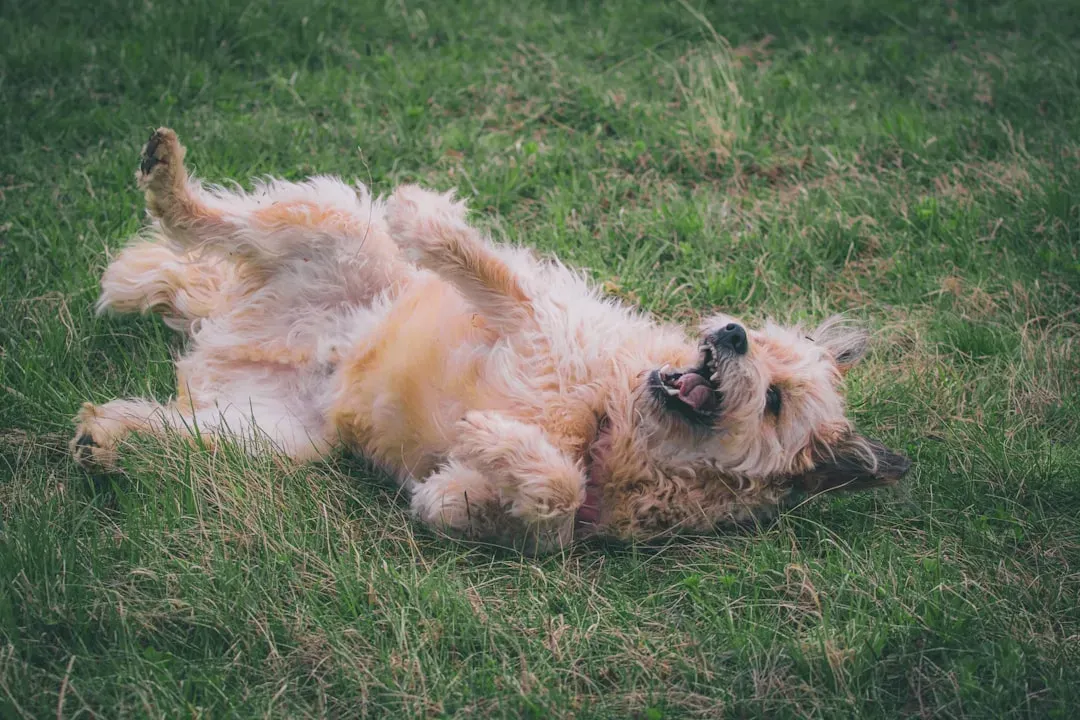
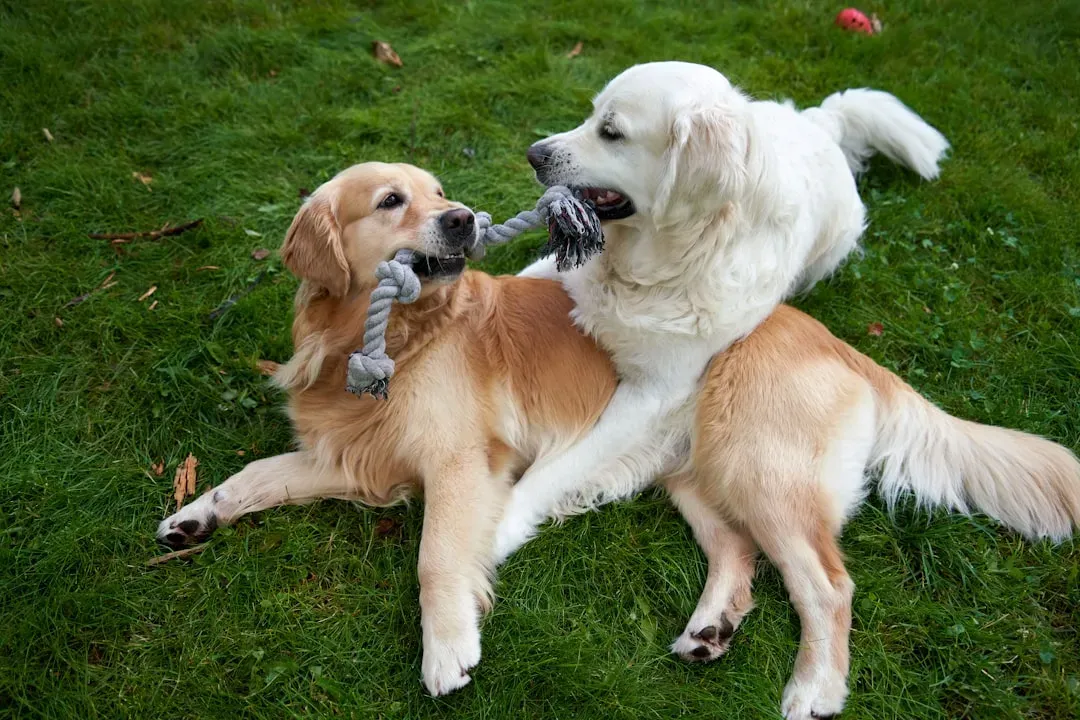
You know the kind of play I mean. Not the half-hearted toss of a ball while watching TV. Real, engaged, joyful play where you are fully present. Daily play is about more than just keeping dogs busy. The focus is on building a relationship. It may be anything: a tug-of-war, a fetching game, or learning a new trick. Focused playtime can strengthen the bond between you and your dog, releasing endorphins in both of you, reducing stress and increasing happiness.
Figure out what your dog’s favorite activity is and engage with them fully. Actively participate in fetch or tug-of-war and your dog will feed off of your excitement. Your energy is contagious to them. When you bring genuine joy to playtime, your dog feels it in their bones and associates that feeling directly with you.
6. Do a Quick Daily Health and Body Check
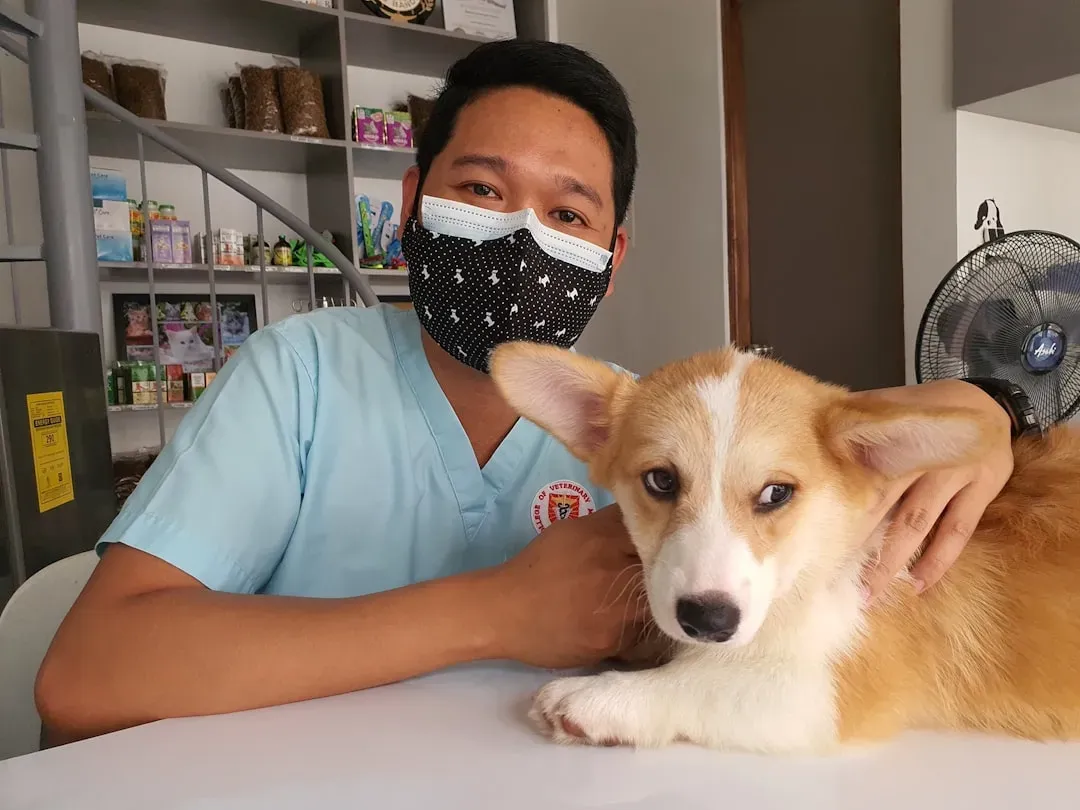
Let’s be real: most of us wait until something is visibly wrong before we look closely. Great dog owners don’t wait for a cough or watery eyes to check on their dog’s health. They make it a daily habit to check their dog’s body condition. Brushing their coat, checking their teeth, and inspecting their paws should be a daily occurrence. Also, watch out for changes in appetite or bathroom habits.
If you detect conditions such as lumps, pests, or skin issues early, you can prevent serious illnesses later. Simply combine a quick grooming session with a check-up for a nice bonding experience. Think of it as a two-minute scan that could genuinely save your dog’s life. It also teaches your dog to trust your hands all over their body, which matters enormously at the vet.
7. Train Together for at Least Five Minutes
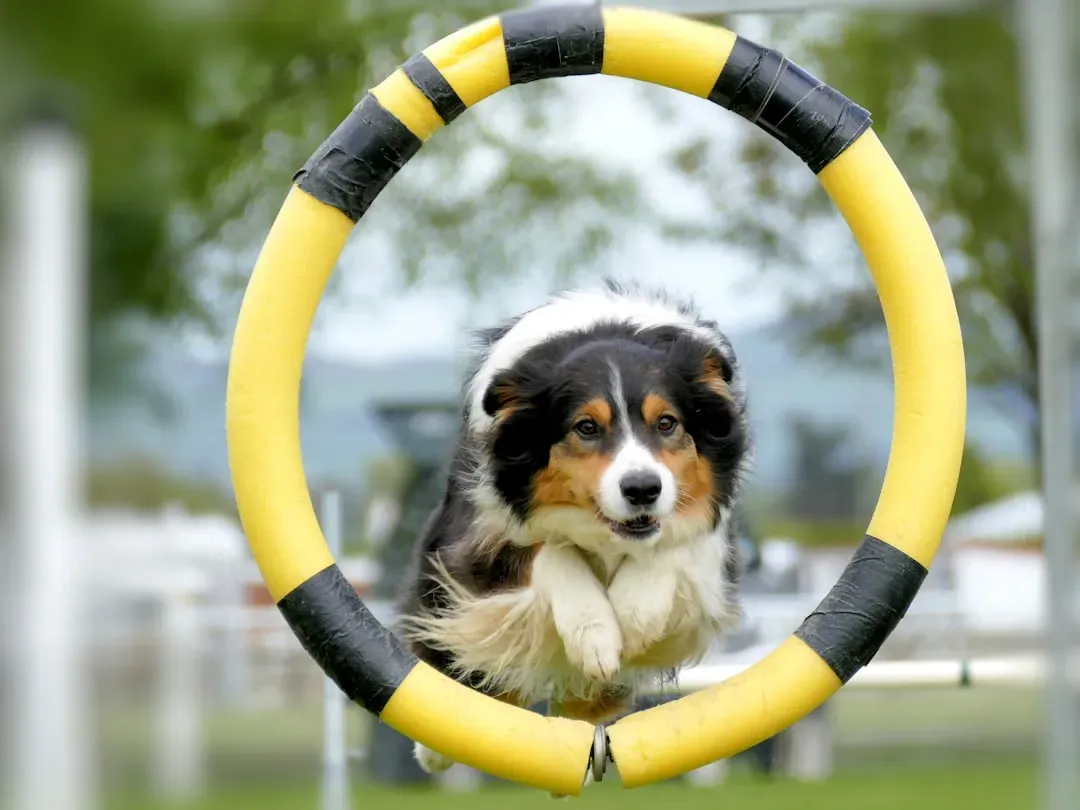
Training your dog using positive reinforcement is not only effective, but it’s also a relationship builder. Rewarding good behavior with treats, praise, or playtime reinforces your bond and creates a safe space for learning. Avoid punishment-based methods, which can damage trust and create confusion or fear. Instead, focus on consistency, patience, and celebrating progress.
Training your pet should be a lifelong endeavor. Teaching a new trick or skill will exercise their brain and strengthen their cognitive abilities. Designate daily training sessions with your furry pal and teach them new tricks. Pets, especially dogs, are natural people pleasers and will thrive from learning new skills with their favorite human. Even five focused minutes of “sit,” “stay,” and “good dog” go a long, long way.
8. Feed Them Mindfully and With Intention
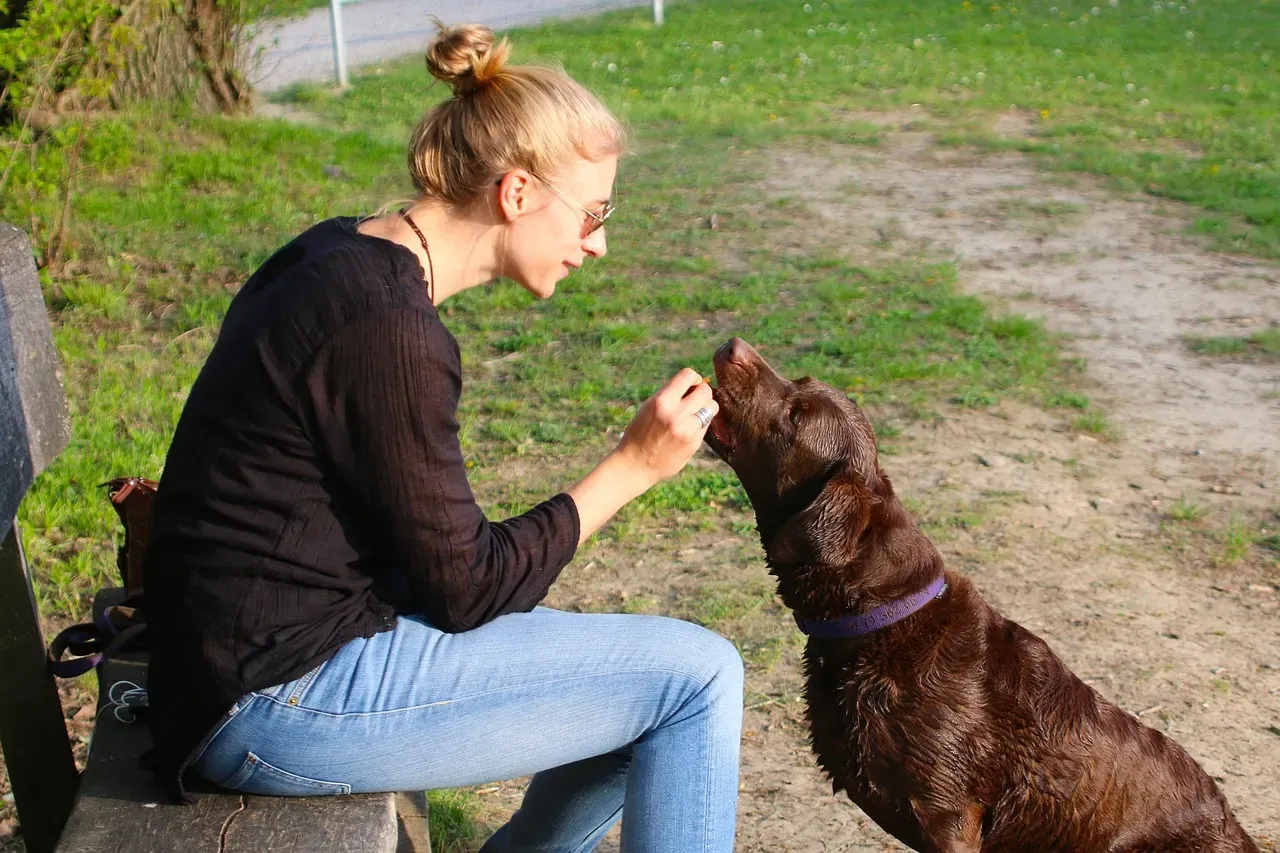
A complete, well-balanced diet is critical to a dog’s general health and lifespan. They need high-quality food that matches their requirements according to their breed, size, age, allergies, sensitivities, and special needs. Talk to your veterinarian to determine the best food for your dog and how much to give them. Make sure they have constant access to clean, fresh water.
Mealtimes are also a bonding opportunity. Turn mealtime into an interactive and bonding experience. Instead of simply placing the bowl down, engage your dog with puzzle feeders, slow feed bowls, or homemade treat-dispensing toys. This not only stimulates their minds but also creates a positive association with you during mealtime. You become the source of all good things, and that is a powerful emotional anchor.
9. Talk to Your Dog Throughout the Day
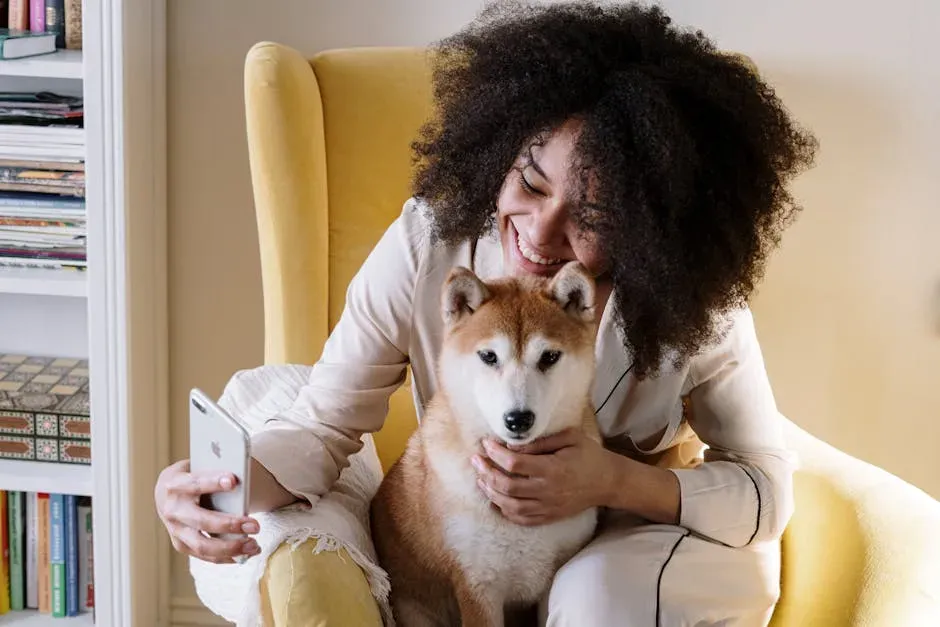
I know it sounds a little eccentric to narrate your day to your dog, but stay with me here. Studies have shown that reading out loud or talking to your pet can reduce stress and create a connection with them. Research suggests that dogs can recognize their owner’s voice, meaning the more you talk to your pup, the stronger your friendship will be. Your voice, specifically yours, is one of the most soothing sounds your dog knows.
Consistent, positive communication can help strengthen the bond with your dog, including both verbal and non-verbal cues. Whether you’re training them to sit or simply going through their daily routine, dogs appreciate knowing what’s expected of them. You’ll notice over time that your best friend will respond better when you communicate clearly and regularly. This consistency helps avoid confusion and builds trust. So go ahead, tell your dog about your day. They are absolutely listening.
10. End Each Day With a Calm, Loving Ritual
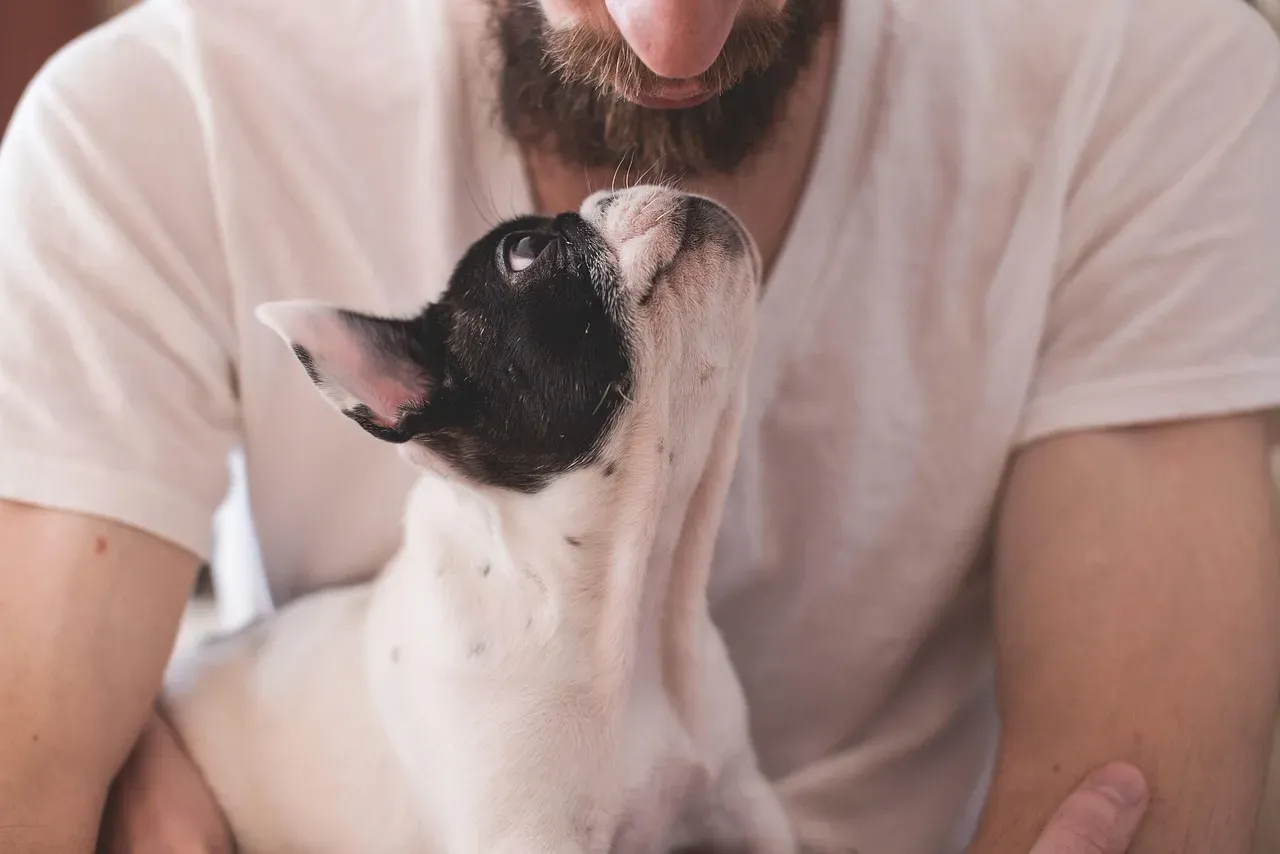
The way you close a day matters just as much as how you open it. Establish calming nighttime rituals. Whether it’s a short pre-bedtime walk, a gentle brushing session, or a few minutes of quiet bonding time, these rituals signal the end of the day and reinforce a sense of security and comfort. Your dog does not need grand gestures. They need consistency and closeness.
Prioritizing your dog’s happiness supports their health, longevity, and your relationship. Research shows that emotionally fulfilled dogs live longer, healthier lives with fewer behavioral issues. A calm evening cuddle, a soft word, a slow scratch behind the ears. That is the kind of love that builds a lifelong bond. That is what makes your dog cherish you, not just need you.
Conclusion: Love Is a Daily Practice
None of these ten things require a lot of time or money. They require presence. Intentionality. The willingness to show up for your dog the same way they show up for you, unconditionally and every single day. The bond between you and your dog is built on trust, communication, and love. When you practice that bond deliberately, something extraordinary happens over time.
Your dog stops just tolerating your presence and starts seeking it out. They lean into you. They rest easier. They look at you like you hung the moon. Happy dogs produce higher levels of oxytocin, the same “love hormone” released when humans bond with their children. This neurochemical connection explains why your dog’s happiness directly impacts your own mood and well-being. The love truly goes both ways.
So tonight, when your dog curls up near you or rests their head on your lap, know that they are not just comfortable. They are cherishing you right back. What small habit will you start with tomorrow?


