
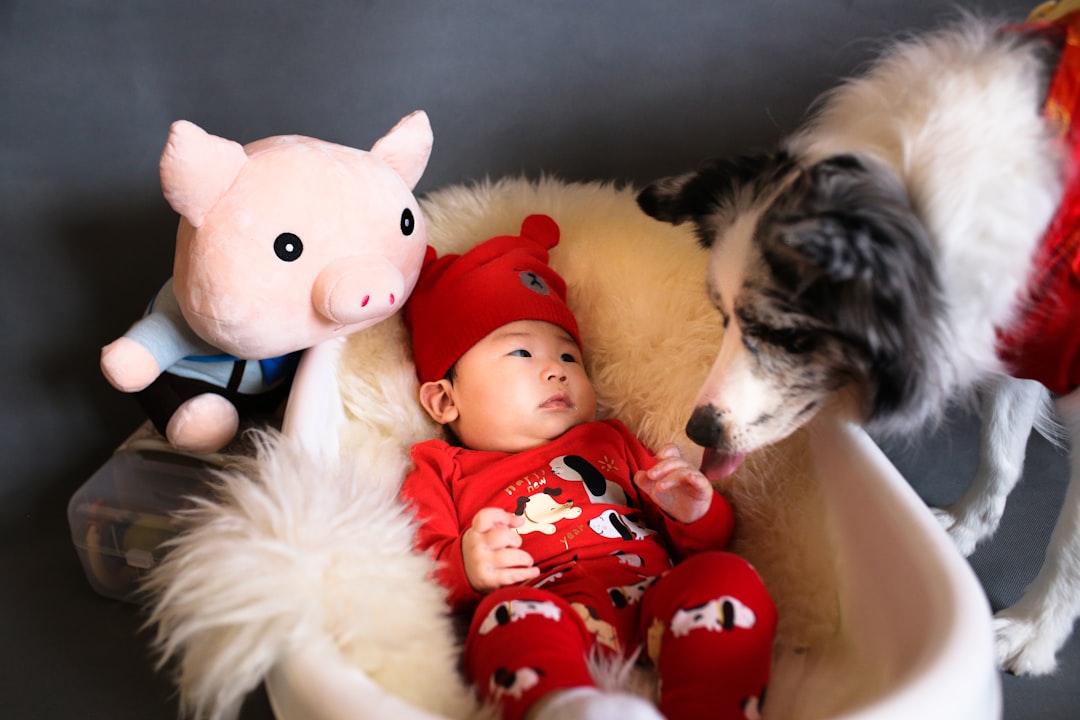
Have you ever wondered how your loyal furry friend will react to your newest family member? The moment you bring a newborn home, your entire world changes — and so does your dog’s. Emotions run high, expectations are all over the place, and both excitement and anxiety can fill your home. Many dog lovers feel torn between their love for their canine companion and their fierce desire to protect their precious baby. The truth is, blending a new baby and a family dog can be heartwarming, but it also demands careful planning and smart choices. Let’s dive deep into the most important dos and don’ts to ensure a happy, safe, and loving introduction between your dog and your baby.
Prepare Your Dog Before Baby Arrives
Getting your dog ready for a newborn’s arrival is like preparing for a big adventure. Before the baby comes home, start by gradually changing your dog’s routine to match what life will look like with a newborn. Dogs thrive on predictable schedules, so introducing new walk times, feeding routines, and boundaries before the baby arrives can prevent your pup from feeling overwhelmed. Play recordings of baby noises to help your dog become familiar with these new sounds. If your dog isn’t used to being around babies, gently introduce them to blankets or clothes with the newborn’s scent. This way, your furry friend will start associating the scent with something positive even before meeting the little one. It’s about setting the stage for a smooth first encounter.
Establish Clear Boundaries
Boundaries are essential for both your baby’s safety and your dog’s comfort. Decide early on which rooms or spaces will be dog-free — for example, the nursery or places where the baby sleeps. Use baby gates or closed doors to make these boundaries clear. Training your dog to understand commands like “leave it,” “stay,” and “go to your bed” is crucial during this transition. Practice these commands daily, rewarding your dog with treats or praise when they follow the rules. It’s not about shutting your dog out, but about teaching them where they are welcome and where they are not. Dogs, like children, feel more secure when they know what’s expected of them.
Maintain Your Dog’s Usual Routine
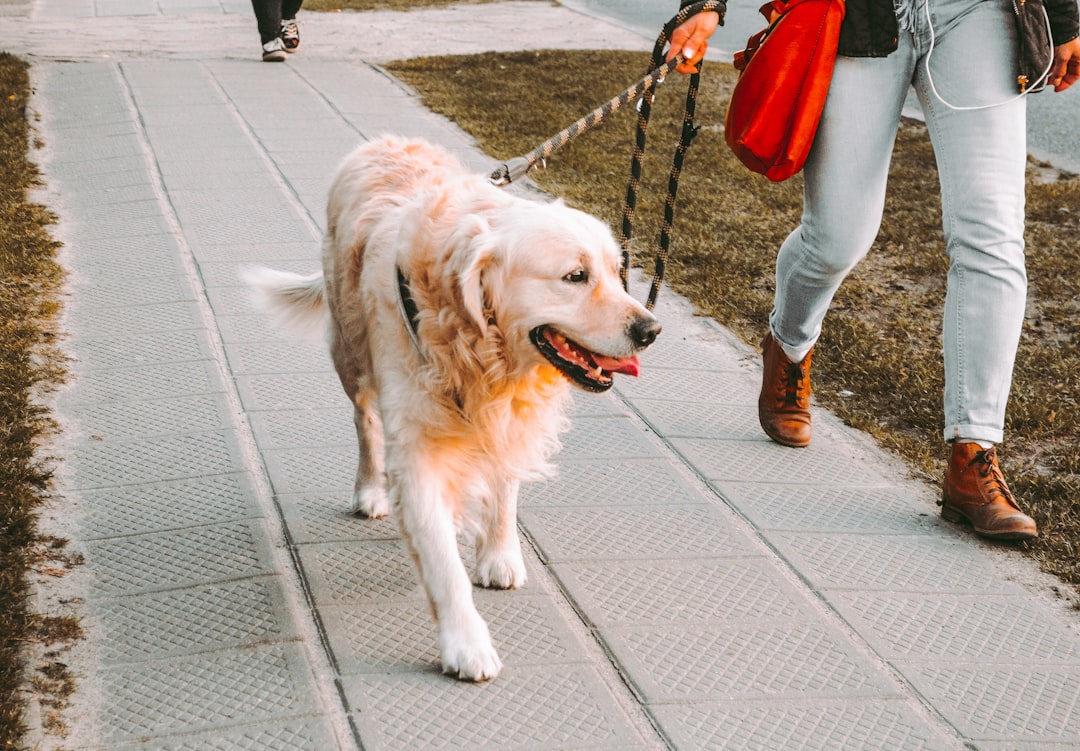
When a newborn arrives, chaos can easily take over daily life. But your dog still needs consistency and care. Try to stick to your dog’s regular feeding, walking, and play schedules as much as possible. Even if your hands are full, a few minutes of one-on-one time each day can help your dog feel loved and not forgotten. Enlist the help of family or friends if you’re struggling to keep up with walks or playtime. Dogs who feel secure and cared for are less likely to develop anxiety or act out as they adjust to the new family dynamic. Remember, your dog craves your attention and will benefit from even small moments of routine and affection.
Supervise All Interactions
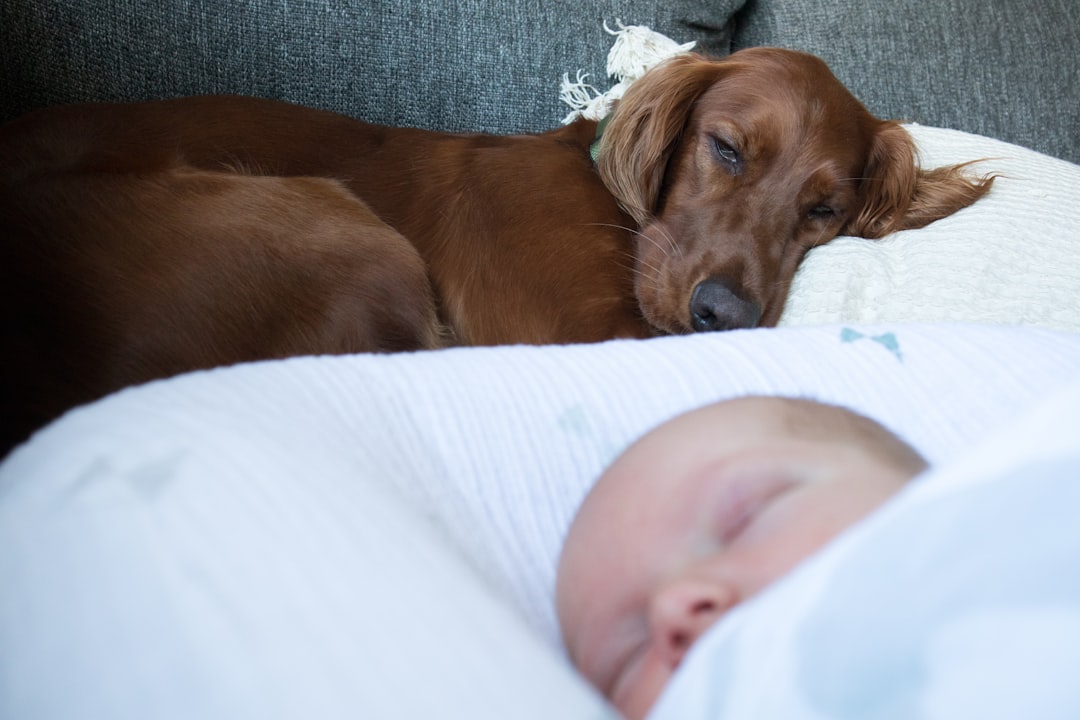
No matter how gentle your dog is, never leave a newborn and a dog together unsupervised. Babies move unpredictably and make strange noises, which can confuse or startle even the calmest dog. Always be present and attentive during any introductions or close encounters. Pay close attention to your dog’s body language — signs of stress like licking lips, yawning, turning away, or stiff posture should be taken seriously. If your dog seems nervous or overly excited, calmly remove them from the situation and try again later. Supervision isn’t just about preventing accidents; it’s about building trust and positive experiences for both your dog and your baby.
Reward Calm and Gentle Behavior
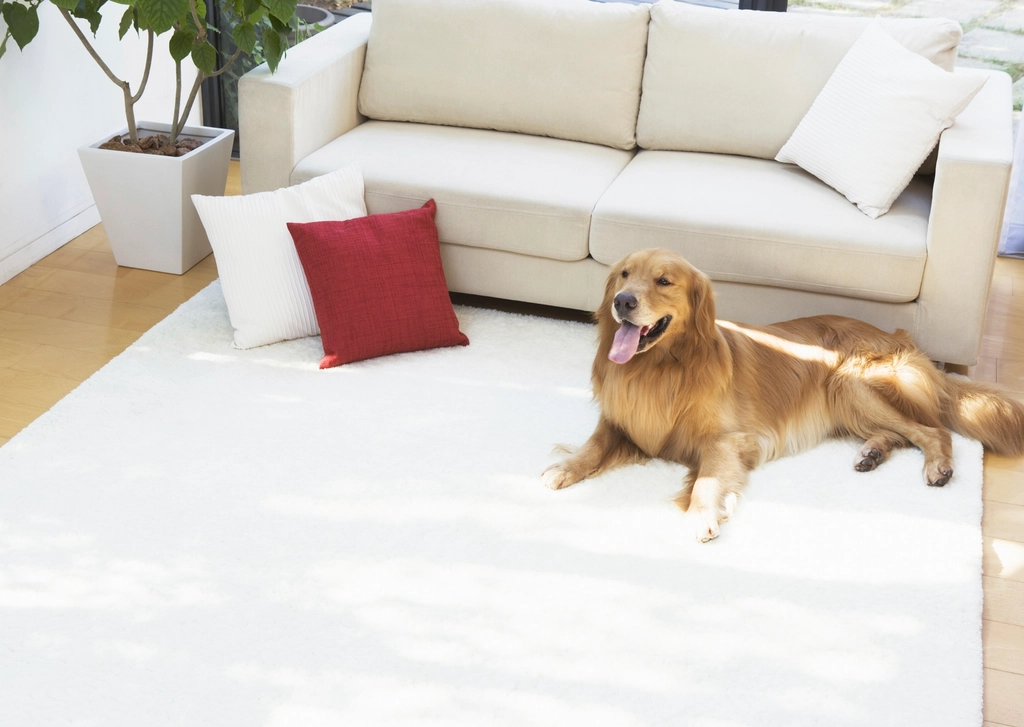
Positive reinforcement is your greatest ally when introducing your dog to your newborn. Whenever your dog remains calm and gentle around the baby, offer treats, gentle praise, or affection. This helps your dog associate the presence of the baby with good things. Avoid scolding or punishing your dog for being curious — instead, redirect their attention to a toy or their own space if they get too excited. Over time, your dog will learn that being relaxed and polite around the baby leads to rewards. This method encourages gentle, respectful interactions and helps prevent jealousy or negative feelings.
Encourage Sniffing and Curiosity — Safely
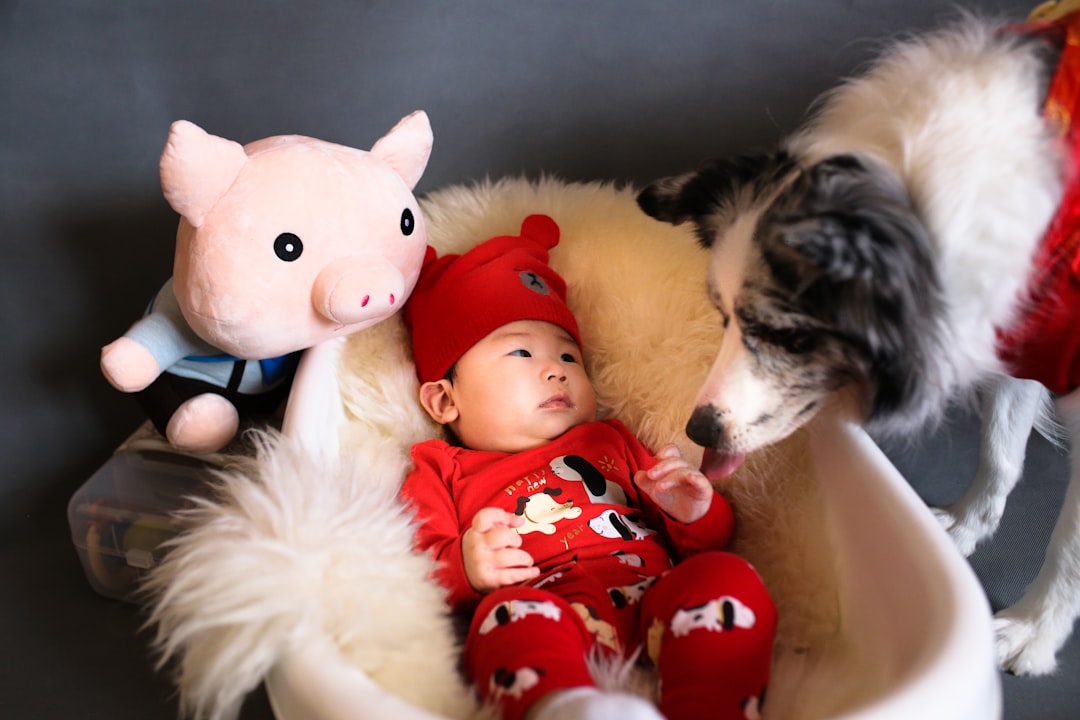
Dogs explore their world through their noses, so allow your dog to gently sniff the baby’s feet or clothing while you hold the baby securely. Keep these interactions short and positive, always watching your dog’s reaction closely. If your dog gets too excited or anxious, calmly remove them and try again later. This gradual approach allows your dog to satisfy their curiosity without feeling overwhelmed. Think of it as letting your dog read a new chapter in their family’s story — slowly, with guidance, and at their own pace. This safe, supervised sniffing helps build familiarity and comfort.
Provide Plenty of Enrichment and Exercise
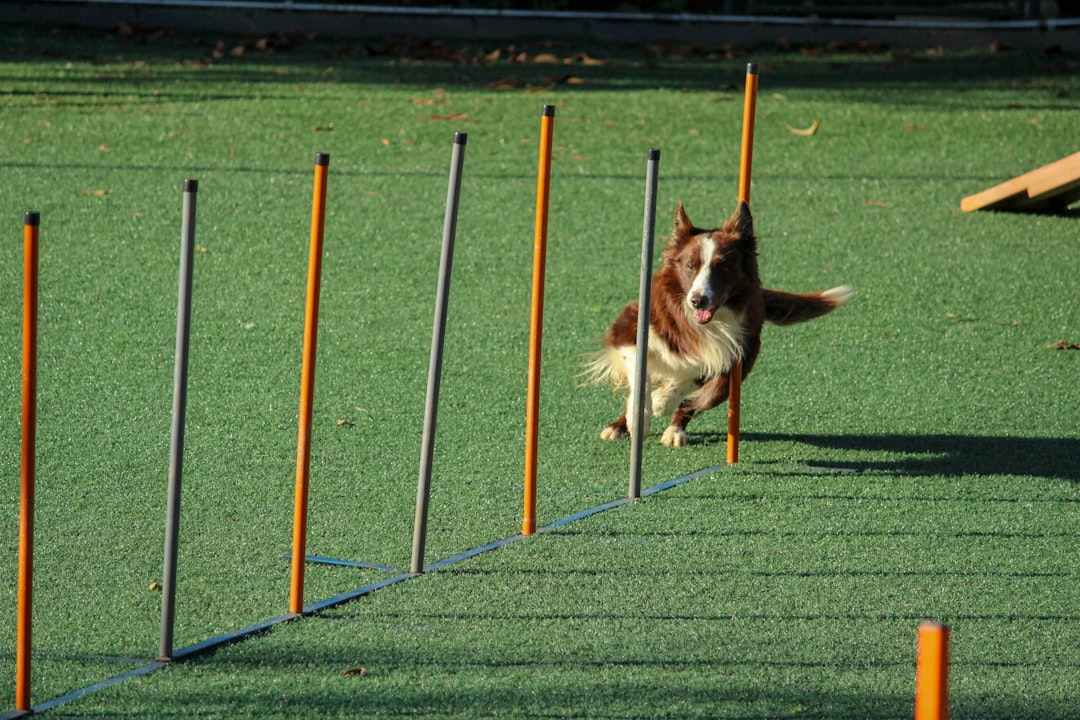
A tired dog is a happy dog, especially when there’s a lot of excitement in the house. Make sure your dog still gets enough physical exercise and mental stimulation, even with a newborn around. Regular walks, interactive toys, and puzzle feeders can help your dog burn off energy and stay content. If you’re pressed for time, short but frequent play sessions can make a world of difference. A well-exercised dog is less likely to develop behavioral issues or act out due to boredom or stress. Consider this your secret weapon for keeping the peace as your family grows.
Allow for Quiet Time

Just like babies, dogs need downtime. Make sure your dog has a safe, cozy space where they can retreat when things get too noisy or busy. This could be a crate, a bed in a quiet corner, or a separate room. Encourage your dog to use this space when they need a break from the action. Never force your dog to interact with the baby if they seem tired or overwhelmed. Giving your dog control over their own comfort helps prevent anxiety and makes them feel secure in their home. Quiet time is a gift to both your dog and your family.
Keep Your Dog’s Health in Check
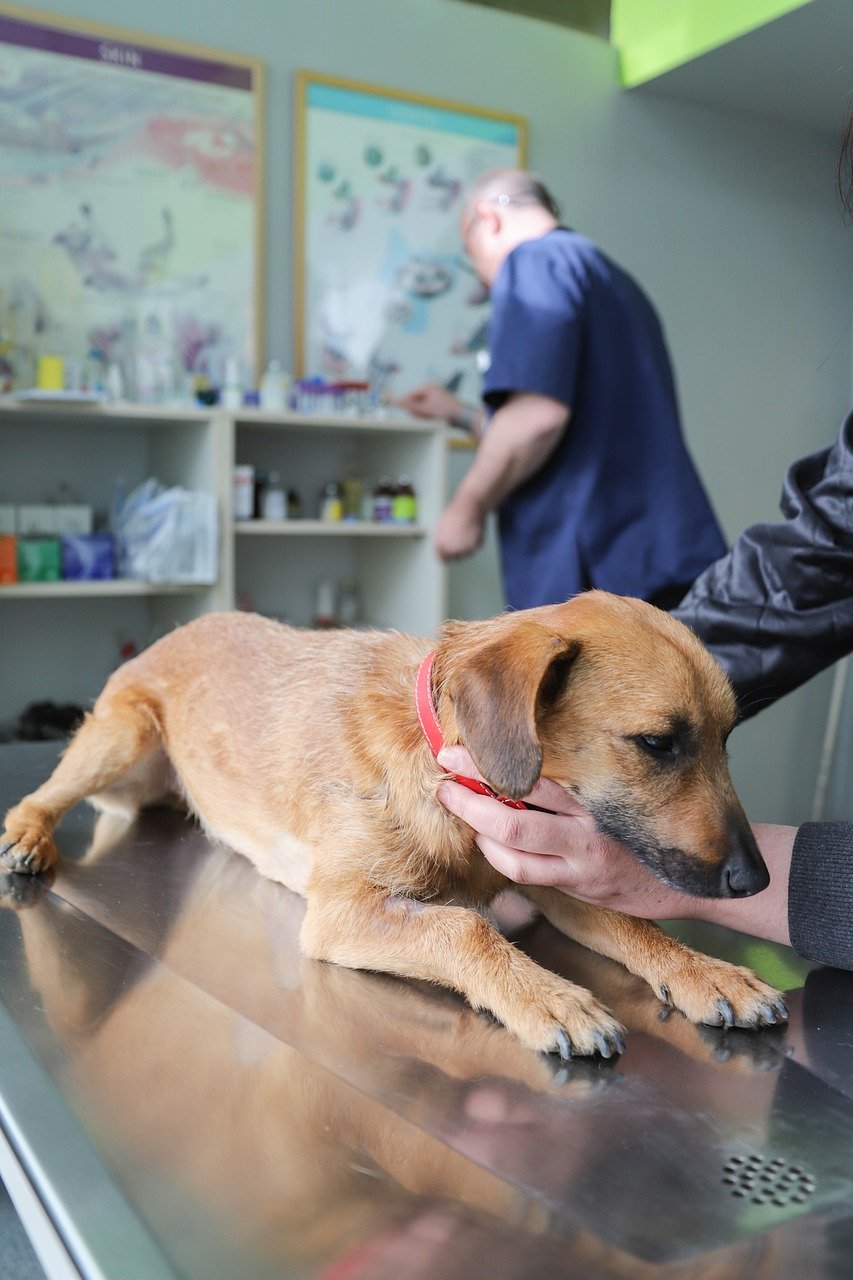
A healthy dog means a safer environment for your newborn. Make sure your dog is up to date on all vaccinations, flea and tick prevention, and regular check-ups. Good hygiene is essential — wash your hands after petting your dog, and keep your dog clean, especially if they spend time outdoors. If your dog has any health issues or behavioral concerns, address them with your veterinarian before the baby arrives. A healthy, well-groomed dog is less likely to bring germs or unwanted surprises into the baby’s space. Think of it as a simple but powerful step toward peace of mind.
Celebrate Positive Moments Together
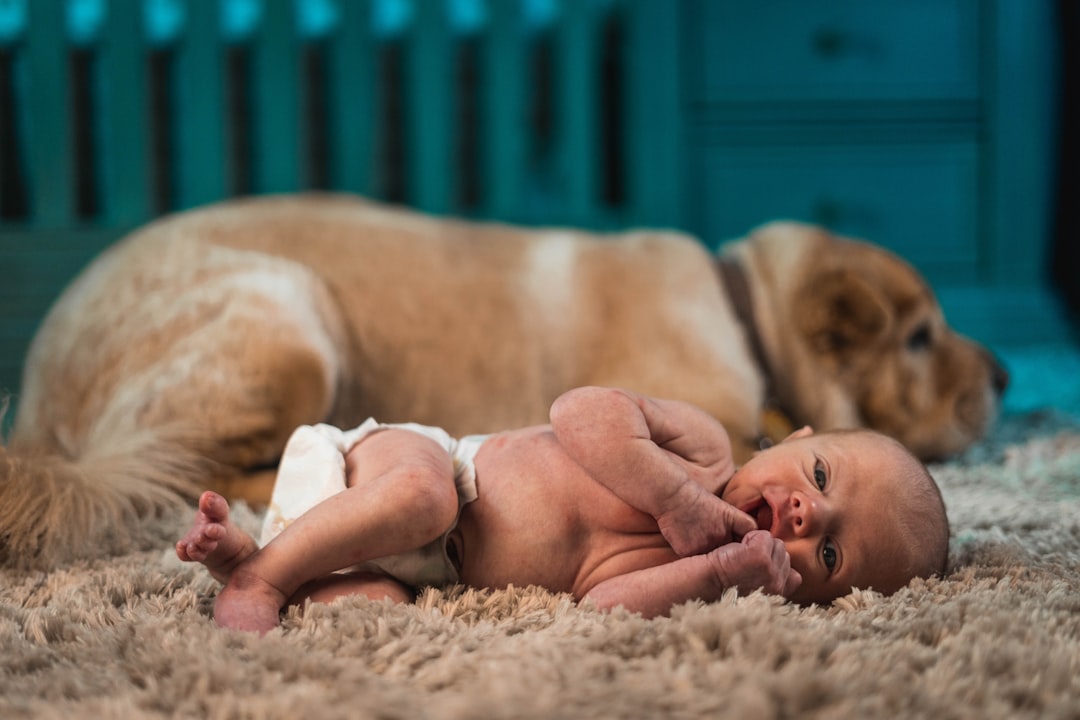
Welcoming a newborn isn’t just about rules and routines — it’s also about creating joyful memories. Take time to celebrate the small victories, like your dog calmly lying by your side while you feed the baby or gently wagging their tail during family cuddle time. Capture these moments in photos or videos to cherish forever. Sharing positive experiences helps strengthen the bond between your dog and your growing family. It’s a reminder that love and happiness multiply when shared, and that your dog can be a beloved part of this new chapter.
Do Not Leave Dog and Newborn Alone Together
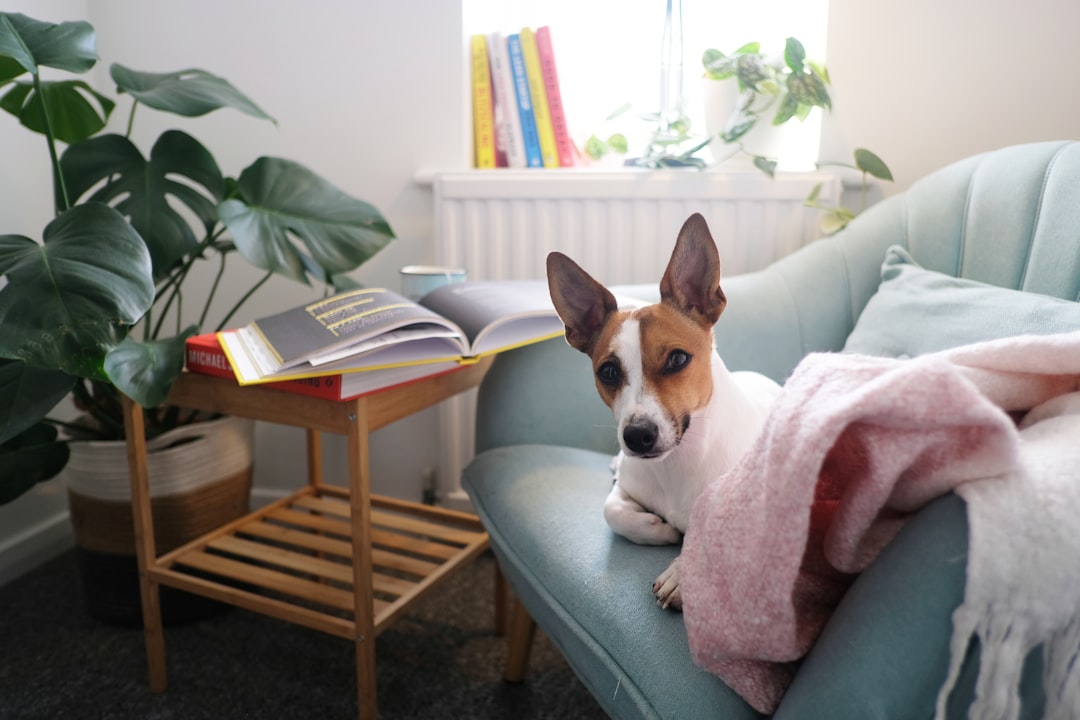
No matter how trustworthy your dog is, never leave them alone with your newborn. Even the gentlest dog can act unpredictably if startled by a sudden cry or movement. An unsupervised moment can lead to accidents, even if your dog only means to investigate or comfort the baby. Always have an adult present when your dog and baby are in the same space. This rule is non-negotiable and the most important way to keep both your child and your pet safe. Treat this as a golden rule in your home — it’s about prevention, not punishment.
Do Not Overwhelm Your Dog With Attention Changes

It’s easy to get swept up in caring for your newborn and forget your dog’s needs. But suddenly ignoring your dog can lead to feelings of jealousy or anxiety. Try not to drastically change the amount or type of attention your dog receives. If you need to reduce playtime, do it gradually and replace it with other forms of affection, like gentle petting or short training sessions. Dogs notice changes in their environment and routines, so be mindful of their feelings. Keeping your dog emotionally supported helps them adjust positively to the new family member.
Do Not Punish Curiosity or Excitement

Dogs are naturally curious about new additions to the family, and excitement is a normal response. If your dog gets a little too eager, avoid scolding or using harsh discipline. Punishing curiosity can make your dog fearful or anxious around the baby, which can lead to future problems. Instead, redirect unwanted behavior gently and reward calm, gentle actions. Remember, your dog is learning just like you are. Patience and positive reinforcement will guide your dog toward better behavior much more effectively than punishment ever could.
Do Not Ignore Warning Signs of Stress or Aggression
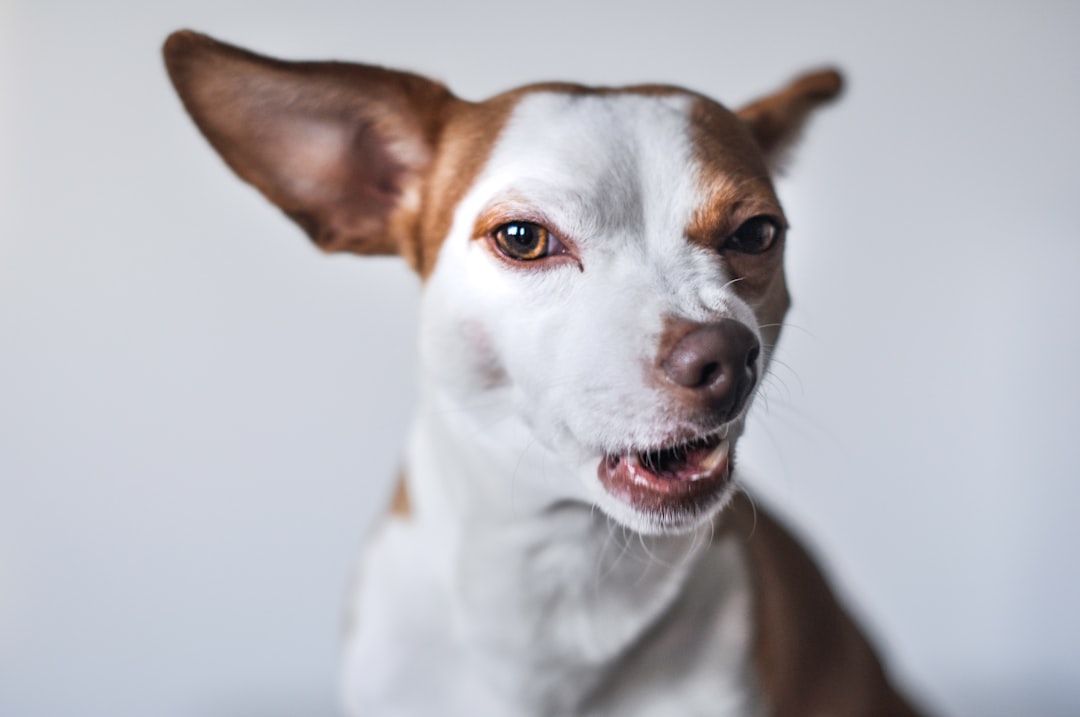
Always pay attention to your dog’s body language and behavior. Signs of stress, like growling, snapping, or avoiding the baby, should never be ignored or dismissed as “just a phase.” These signals mean your dog is uncomfortable and may need professional help from a trainer or behaviorist. Early intervention is key to preventing bigger problems down the road. Trust your instincts and act quickly if your dog seems anxious or aggressive. Addressing these issues shows your dog that you care about their well-being and keeps your entire family safe.
Do Not Force Interactions

Forcing your dog to interact with your newborn can backfire. If your dog is hesitant, let them approach on their own terms and at their own pace. Never push your dog’s nose toward the baby, hold them against their will, or scold them for keeping their distance. Building trust takes time and patience, and every dog will adjust differently. Give your furry friend the space they need to feel comfortable. As trust grows, positive interactions will happen naturally, creating a loving bond between your dog and your baby.
Introducing your dog to a newborn requires patience, consistency, and a proactive approach — but the effort pays off in a safe and peaceful home for everyone. By following the right steps and avoiding common missteps, you can help your dog feel secure in their new role while protecting your baby’s well-being. With time, positive reinforcement, and clear boundaries, many dogs grow into loving and gentle companions for the newest member of the family. The key is to lead with empathy — for both your pup and your child — as you navigate this important transition together.


