
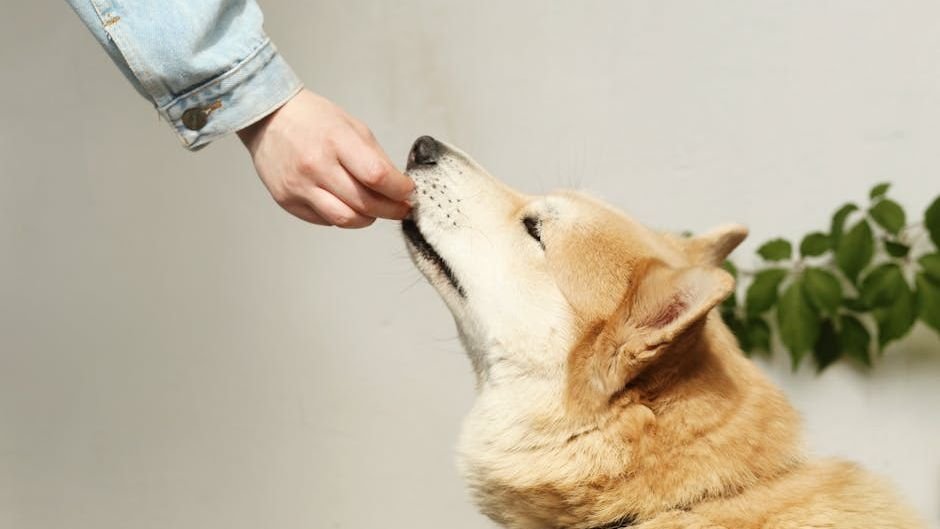
There’s a kind of heartbreak that’s hard to describe – the moment your dog, who was bouncing off the walls that morning, is now curled up in a corner, glassy-eyed and still. You call their name and they barely lift their head. Your chest tightens. You don’t know whether to panic or stay calm, whether to rush to the vet or just sit beside them on the floor.
Most dog parents have been there. It’s one of the hardest parts of loving an animal that can’t tell you what’s wrong. The good news? There’s so much you can do. Knowing how to show up for your dog when they’re not feeling their best can mean the difference between a slow, uncomfortable recovery and one filled with warmth, attentiveness, and real support. Let’s dive in.
1. A Quiet, Comfortable Place to Rest
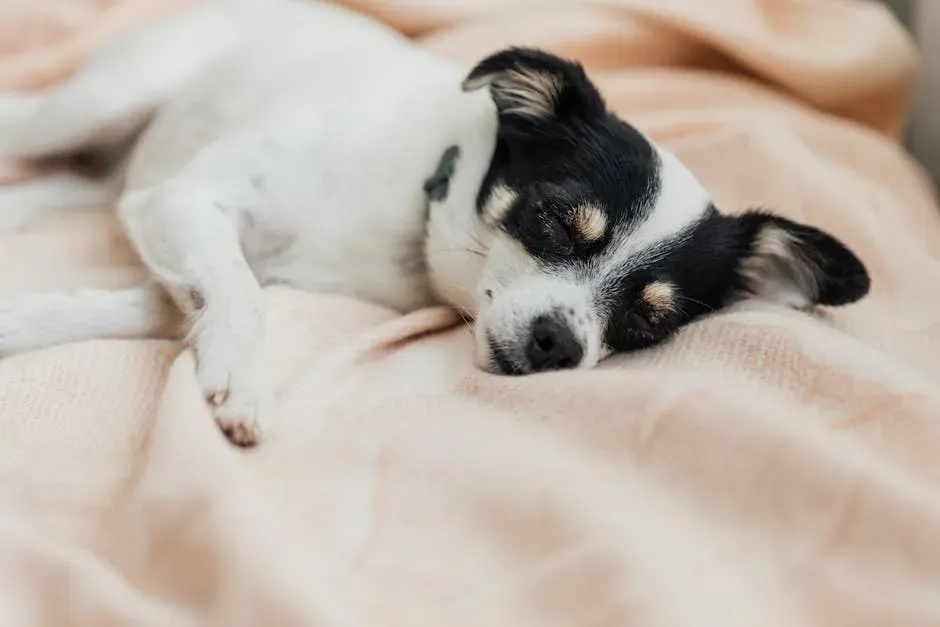
Think about the last time you had a raging headache or a stomach bug. All you wanted was a dark, quiet room and a soft pillow, right? Your dog feels the same way. When your dog is sick, make sure they have a comfortable place to rest away from loud noises and disturbances. Keep their bed in a quiet, cozy spot, and let them sleep as much as they need.
A soft dog bed or a warm blanket can provide the comfort your dog needs. Keeping the room at a comfortable temperature and minimizing noise levels can help reduce stress and promote relaxation. Consider dimming the lights and keeping kids or other pets out of the space for a while. It’s one of the simplest yet most powerful things you can offer.
2. Your Calm, Reassuring Presence
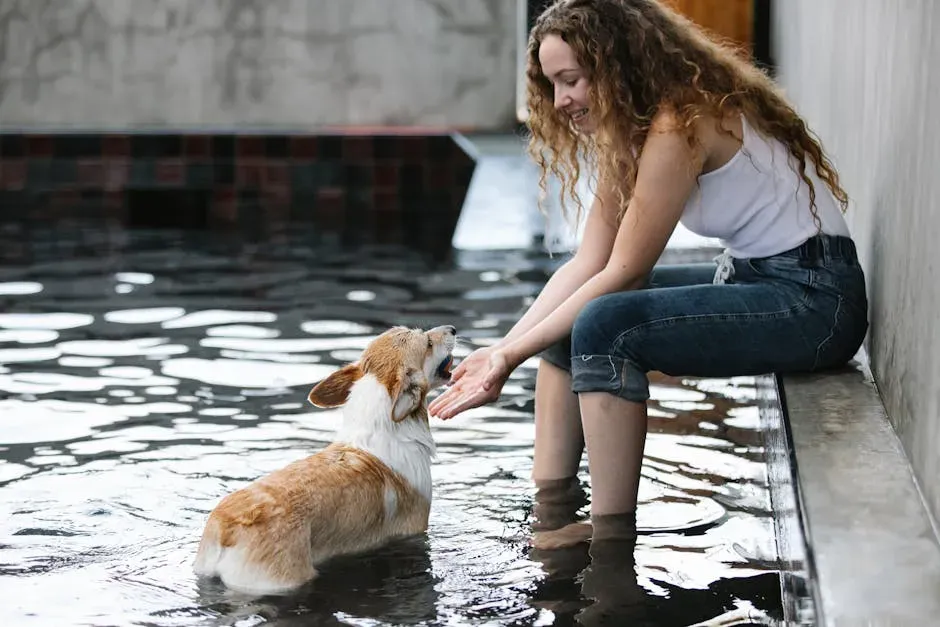
Sick dogs need rest and calm. Provide a quiet, warm place to relax, minimize loud noises, and stay close for reassurance. Sometimes simply being near you can help them feel better. That’s not poetic fluff – it’s genuinely true. Dogs are deeply attuned to their people, and your steady presence is like a security blanket.
Gentle petting or being close to them can also provide comfort and reduce anxiety during their recovery. However, if they’re in pain or feeling unwell they might just want to be left alone, so don’t take it personally if they’re grumpy and need some space. Read their cues. Respect their signals. That’s true love in action.
3. Fresh Water and Steady Hydration
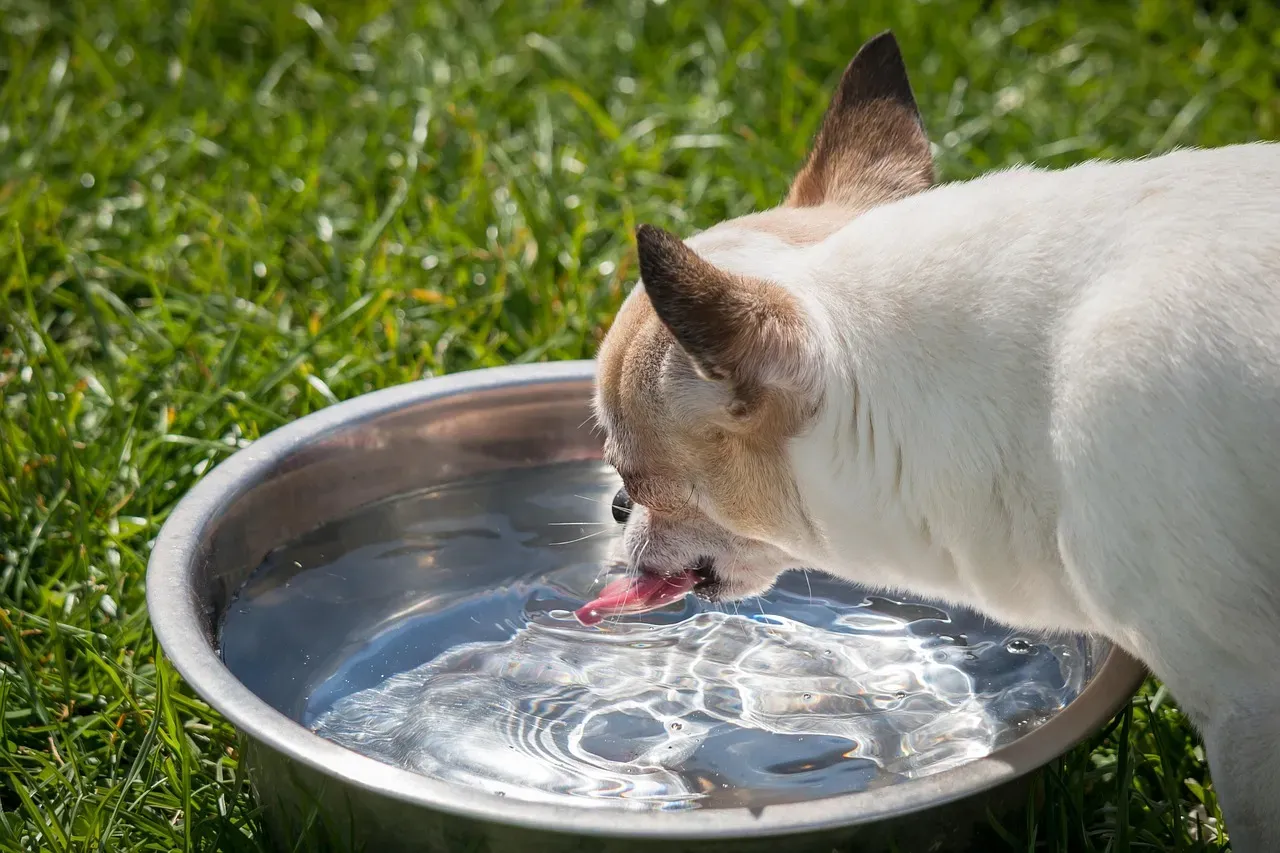
Dehydration is a silent danger when dogs are sick, especially if vomiting or diarrhea is involved. Dehydration can make a sick dog feel much worse. Keep water accessible, and offer ice cubes or low-sodium broth if they’re hesitant to drink. A sneaky trick that actually works!
You can also gently lift their scruff – if it doesn’t bounce back quickly, they may be dehydrated. That’s a fast, practical test you can do right at home. Do not let your dog drink too much at once. Drinking lots of water tends to result in further vomiting with the risk of dehydration. Give cooled, boiled water little and often. Small sips, regularly. Think of it like rehydrating a wilting plant – slowly, with care.
4. A Gentle, Bland Diet
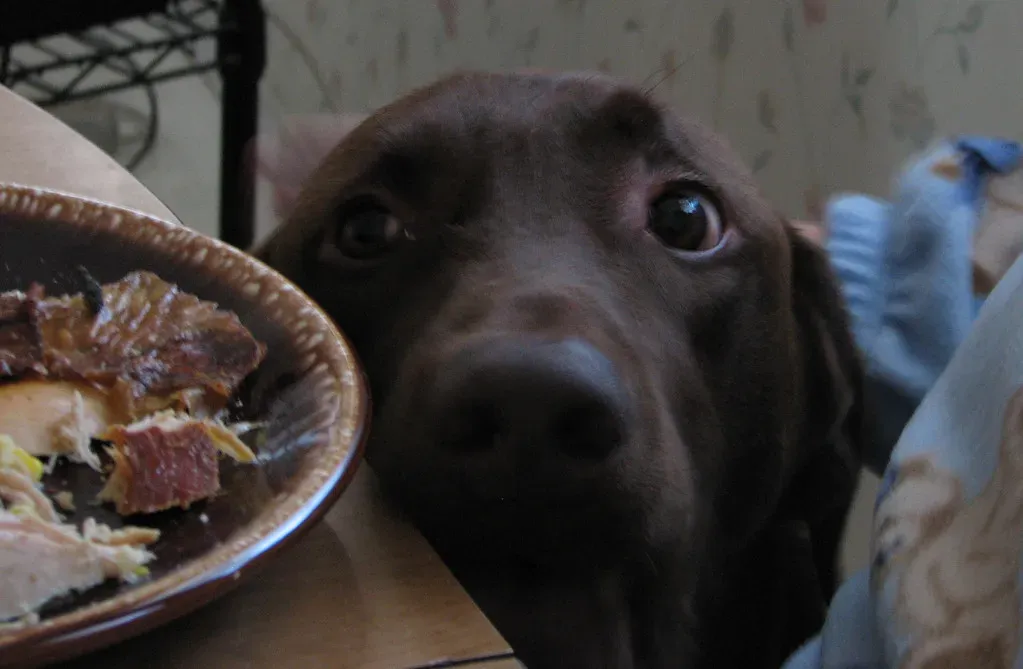
When your pup’s stomach is waving the white flag, the last thing they need is a bowl of rich kibble. A bland diet, including plain boiled chicken, white rice, and small amounts of pumpkin (not pie filling), can help settle your dog’s stomach. If a bland diet is not effective, a veterinarian may recommend a prescription diet. Feed in small, frequent portions and reintroduce their regular diet slowly after one to two days of improvement.
If your dog had one episode of vomiting or diarrhea from an upset stomach and is acting normally, observe for any progression in symptoms. A bland wet food, such as that made of boiled chicken or hamburger mixed with rice, can be fed in small amounts for a day or two until symptoms are resolved. Think of it as sending your dog’s gut a polite, easy-to-read message instead of a demanding one. Less is more here.
5. Close Symptom Monitoring
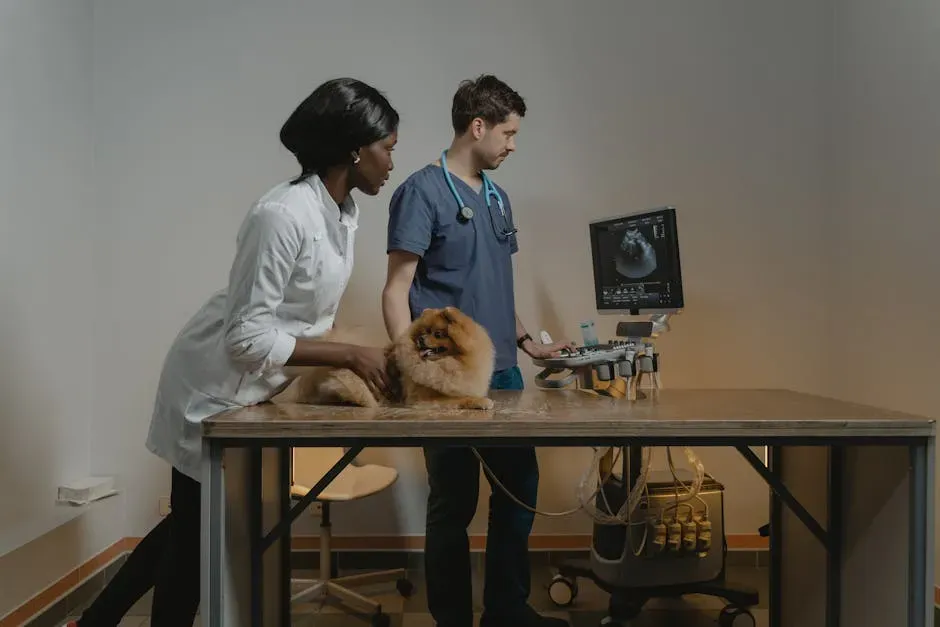
Here’s the thing – dogs are notoriously good at masking how bad they feel. Pets are notoriously good at masking symptoms of medical conditions. By the time a sick dog displays obvious signs of feeling under the weather, it’s likely they’ve been ailing for quite some time. So your job is to play detective, quietly and consistently.
The best thing you can do to help is to monitor your dog’s daily activity. Keep a running log of your dog’s bowel movements, eating habits, and fluid intake. Always make sure your dog has a filled water bowl and that they are drinking enough water. Also keep an eye on their temperature. Normal dog temperature ranges from 101°F to 102.5°F. A digital pet thermometer can help you monitor for fever or hypothermia. Keep track of changes in behavior, such as pacing, hiding, whining, or irritability.
6. A Timely Vet Visit – Not a Delayed One
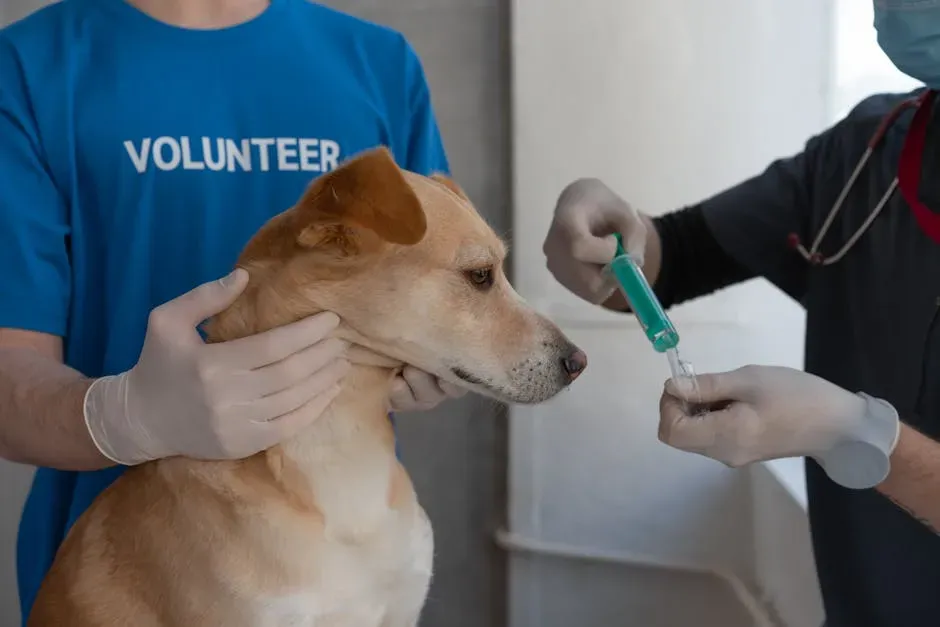
I know it’s tempting to wait and see if things improve on their own. Sometimes they do. But honestly, the “wait it out” approach has its limits – and those limits can cost you dearly. If your dog’s symptoms are severe or persist for more than 24 hours, it’s best to contact your vet for advice. Sudden changes in behavior, vomiting, diarrhea, or loss of appetite are signs that your dog needs veterinary attention.
Catching illness early allows for timely veterinary care, which prevents conditions from worsening, offers a better prognosis and increases the chances of full recovery, and reduces suffering by minimizing discomfort for your furry companion. When in doubt, always err on the side of a call to your vet. Trust your gut – it’s better to go in and be told it’s nothing than wait too long.
7. Medication Given Correctly and Consistently
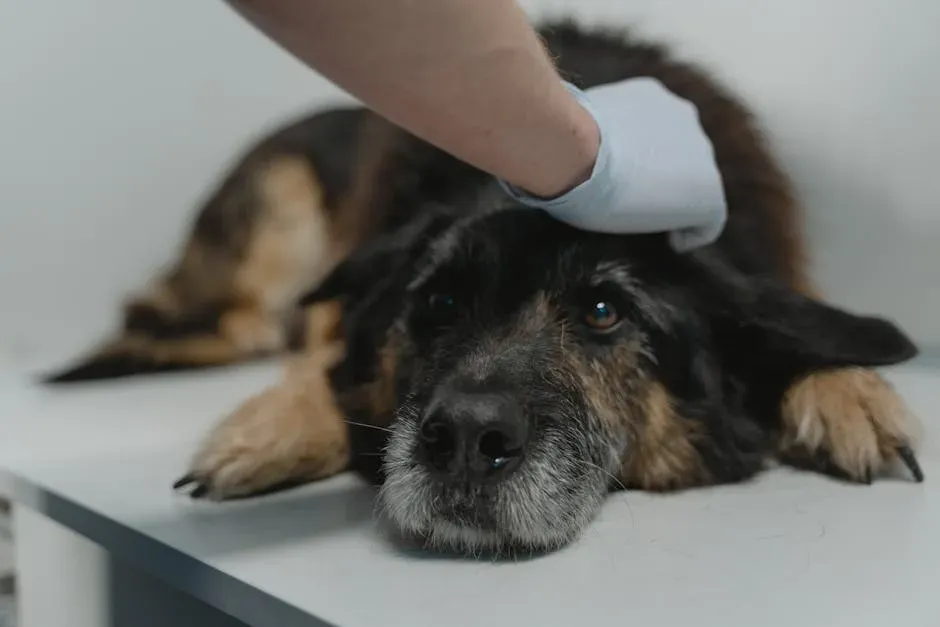
If your vet prescribes medication, treat it like a promise you made to your dog. If you stop any medication or if there are problems, tell the vet right away. Suddenly stopping medication can be dangerous so check with your vet. It might seem fine to skip a dose if they look better, but appearances can be misleading – especially with antibiotics or anti-inflammatories.
Never give your dog human medications without veterinary guidance. Some over-the-counter meds are safe in the right dose, but others, like ibuprofen or acetaminophen, can be toxic. This one trips up even well-meaning dog parents more than you’d think. When your dog is hurting, the urge to grab something from the medicine cabinet is real – but resist it.
8. Gentle Hygiene and Basic Grooming
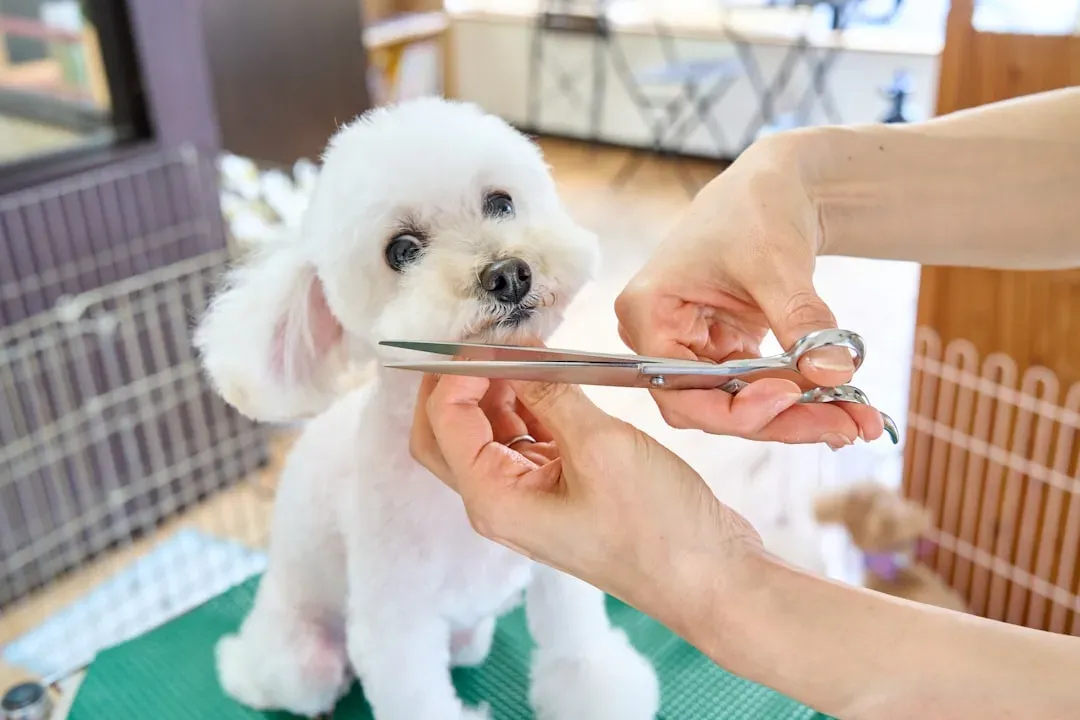
Sick dogs can’t take care of themselves the way they normally would. They may soil their bedding, get discharge around their eyes or nose, or just feel grimy and uncomfortable. Sometimes, even just feeling clean can make your pet feel slightly better when he’s under the weather. While you don’t necessarily have to give your pet a proper bath when they’re sick, you can always take a wet cloth and rub it over their body.
Try to groom your invalid pet daily as it cheers them up. It sounds small, but a gentle brush or a warm cloth wipe can be deeply comforting – like someone tucking you in and smoothing your hair when you’re feverish. This includes washing their dog beds, blankets, or your bedding if they sleep with you. Disinfecting any floors or carpets that may have been exposed to bathroom accidents. Washing their food and water bowls in hot soapy water.
9. Reduced Stress and Limited Activity
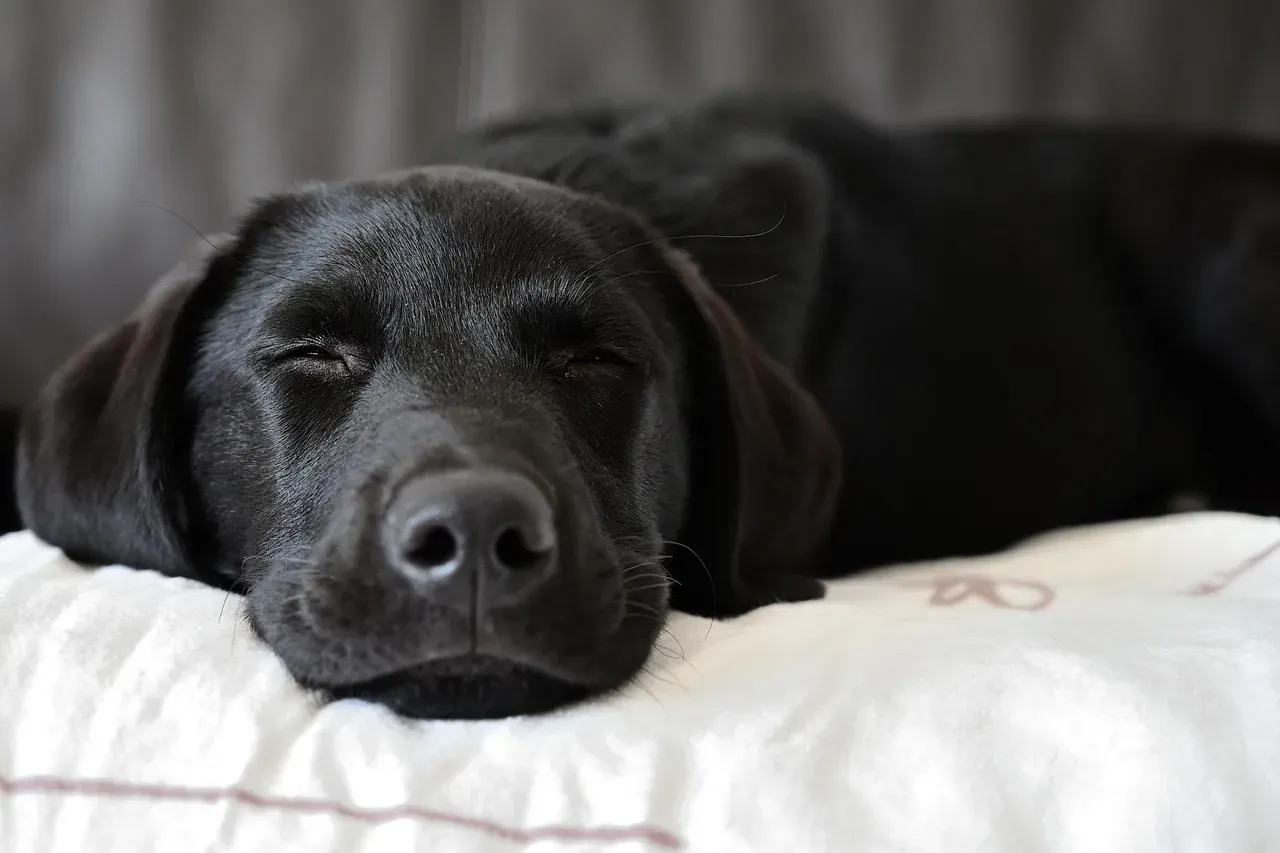
Sick dogs don’t need stimulation. They don’t need visitors, excited children, or rowdy housemates. Some pets may feel anxious when they’re unwell. Consider pet-safe anxiety reducers, such as pheromone diffusers, or calming music designed for pets. Yes, calming music is a real thing for dogs – and it genuinely helps.
Do not expect too much of invalids – changes can be stressful for them. Generally, they are less capable of exercise than healthy dogs. If they have friends to visit, do not allow them to overdo things. Think of light movement as medicine in very small doses. Gentle exercise, if your pet is up for it, can promote healing. A gentle stroll with your dog can uplift their spirit. Short, slow, quiet walks. That’s the sweet spot.
10. Encouragement to Eat – with Patience and Creativity
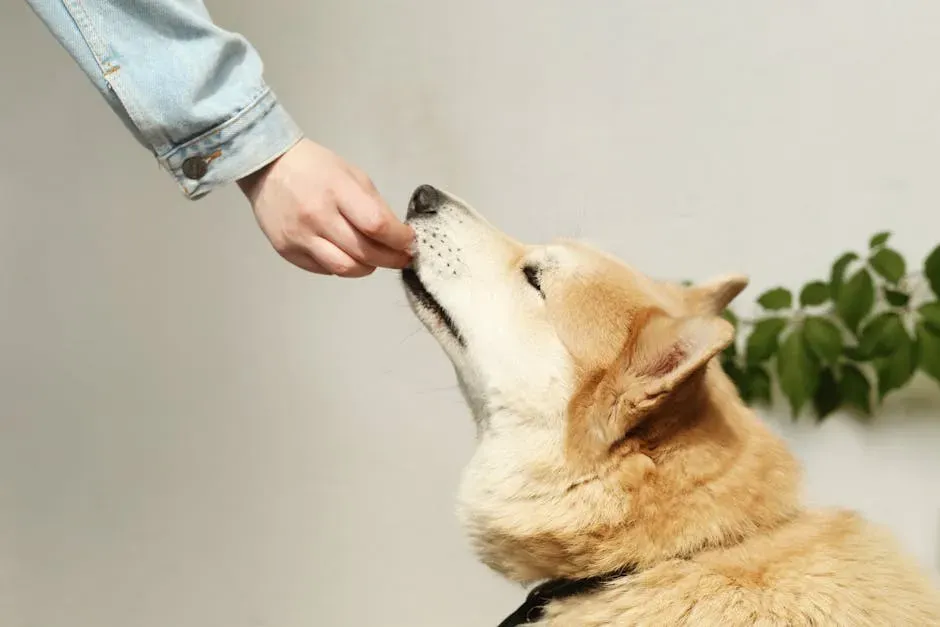
Getting a sick dog to eat can feel like convincing a stubborn toddler to try vegetables. It takes patience, a little creativity, and zero frustration. Dogs and cats rely on smell to determine if food is palatable. The stronger the smell, the more likely your pet is to eat the meal. This is especially true if your pet has a respiratory infection – like people, dogs with head colds have a hard time smelling and tasting food.
Try warming up food slightly to release its aroma – it can make a world of difference. Some sick pets will eat only if someone is nearby and petting them. So sit with them. Make it calm, quiet, and unhurried. Contact your veterinarian if your pet suddenly stops eating or dramatically reduces the amount of food they are eating. Skipping meals is one thing. Going completely off food is another – and worth a phone call.
Conclusion: You Are Your Dog’s Whole World
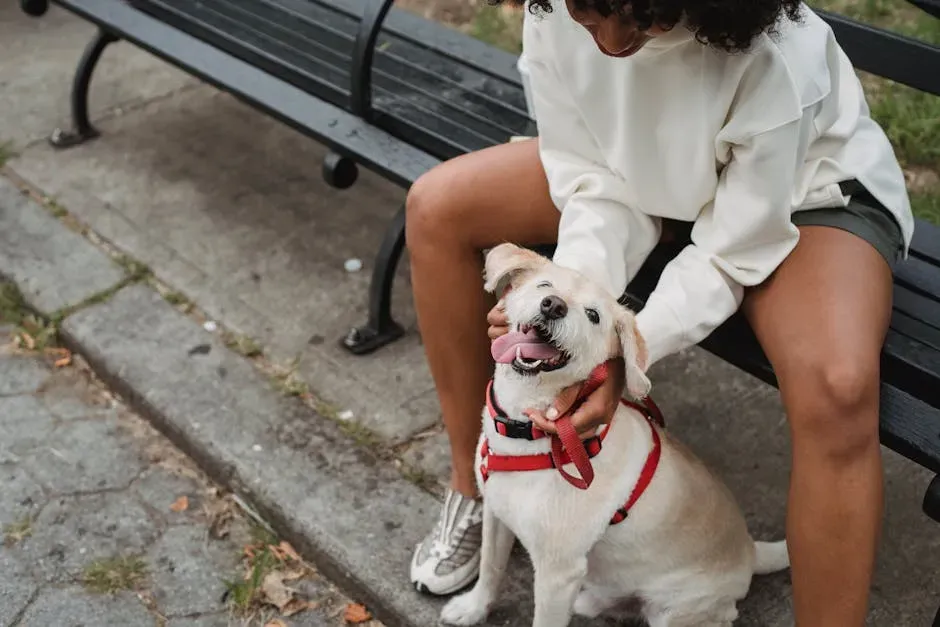
When your dog is sick, they’re not just physically uncomfortable. They’re confused, a little scared, and completely dependent on you to make sense of what’s happening. They don’t understand why they feel this way. What they do understand is you – your voice, your smell, your touch.
The ten things in this article aren’t complicated. They don’t require expensive equipment or a veterinary degree. They require presence, attentiveness, and love – which, if you’re reading this, you clearly already have in abundance. The bottom line when it comes to knowing what to do when your dog is sick is to act fast. As a pet parent, you are your dog’s best advocate, so speak up often and early to your vet if you think they could be feeling ill.
Your dog would walk through fire for you on their best day. On their worst day, they just need you to sit with them on the floor. So do that. Be there. That alone is everything. What would you add to this list – something that helped your own pup feel better? Share it in the comments below!


