

You’ve probably noticed your dog has their own rhythm. The way they wait by the door at certain times, how they seem to know dinner is coming before you even reach for the bowl, or that sudden burst of energy right when you’re ready to relax.
Dogs are creatures of habit in ways we don’t always appreciate. They’re trying to tell us something through their behavior, through those expectant looks and restless pacing. Understanding what they actually need in their day can transform not just their wellbeing, but the entire dynamic of your home. Let’s get into what your furry best friend really wishes you understood about their daily life.
1. They Need Way More Sleep Than You Think

Your dog sleeps anywhere between ten and fourteen hours a day, and honestly, that’s completely normal. Puppies and senior dogs can sleep even longer to support their growth and cope with age-related changes.
Unlike you, dogs don’t sleep in one long stretch at night – they spread their sleep hours throughout the day in shorter intervals, spending less time in REM sleep. Think of it like power naps on repeat. They go through twenty or more sleep cycles, whereas humans go through just four or five.
Their sleep is lighter too. On average, dogs have about twenty-three sleep-wake episodes during eight hours, with sleep-wake cycles consisting of roughly sixteen minutes asleep and five minutes awake. That means your dog isn’t lazy when they’re snoozing mid-afternoon – they’re recharging so they can be ready for action whenever you need them.
2. Consistent Meal Times Matter More Than You Realize

When your dog eats at the same times each day, their body becomes conditioned to expect food at those times, and after eight to ten hours, an empty stomach begins sending hunger signals to the brain. It’s not just about convenience for you.
At least two meals per day are best for your dog, and most veterinarians recommend feeding approximately twelve hours apart. Most experts suggest feeding once in the morning around seven to eight AM and once in the evening around five to six PM, avoiding late-night feeding which can lead to discomfort and poor digestion during sleep.
Here’s the thing – irregular feeding times can actually increase anxiety. A feeding routine makes necessary food changes easier, and when dogs are used to regular times, transitioning to new food becomes seamless and straightforward. Plus, it makes health monitoring easier since changes in appetite become immediately obvious.
3. Mental Stimulation Exhausts Them More Than Physical Exercise
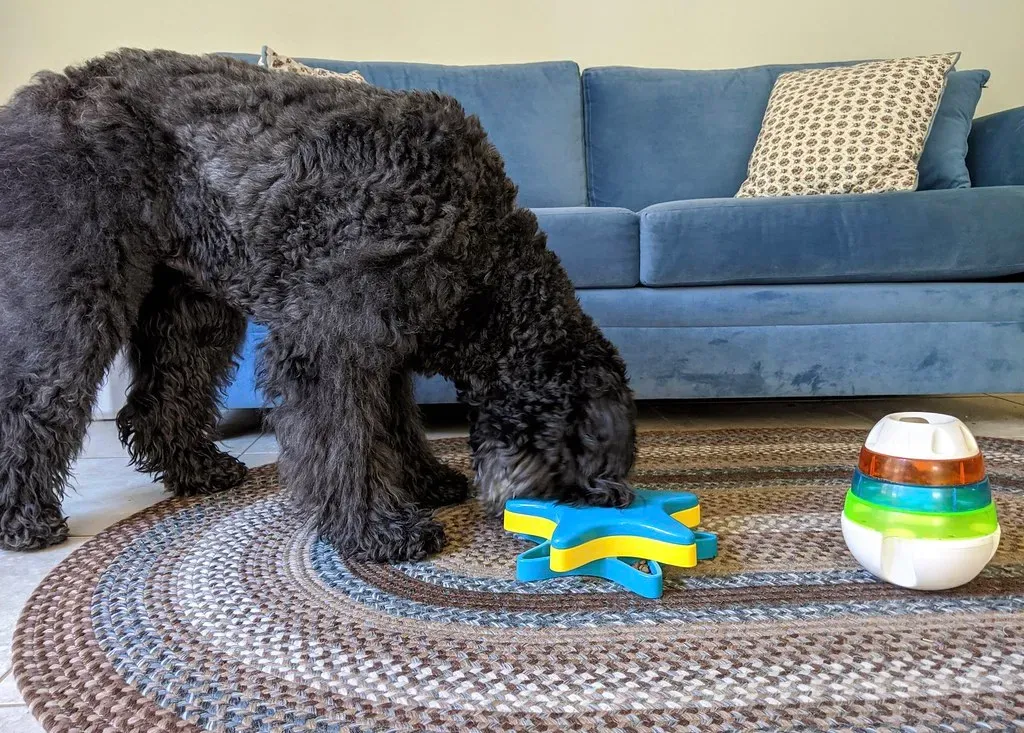
Let’s be real – walking your dog around the block is great, but it’s not enough. It’s much more demanding for a dog to work mentally than physically, with fifteen minutes of mental training equivalent to about an hour of walking. That’s a huge difference.
Mental stimulation is just as important as physical exercise for dogs, and mental exercises can actually make them even more tired than physical activity. This is especially true for working breeds like German Shepherds and Border Collies.
Tough mental concentration from tracking scents, obedience training, or puzzle toys results in a tired, happy dog, while a dog lacking stimulation often lets out pent-up energy in undesirable ways like chewing furniture. Simple games like hide-and-seek with treats or teaching a new trick can completely change their behavior at home.
4. They’re Watching Your Schedule More Than You Think

Dogs don’t tell time by the clock – they observe daily cues like daylight changes, your body language, and household activity patterns to anticipate what’s coming next, and consistent patterns provide emotional stability. Your morning alarm, the sound of your car keys, the smell of coffee brewing – they’re logging all of it.
Dogs share an environment and routine with their humans, and activity studies reveal variation in routines for dogs that track with differing human schedules during weekdays and weekends. This means your inconsistent work-from-home days might be throwing them off more than you realize.
Dogs are creatures of habit who feel more secure when they know what to expect throughout the day, and a routine that includes regular sleep cycles, feeding times, and play helps reduce stress and prevent behavioral issues. Predictability isn’t boring for them – it’s comforting.
5. Exercise Needs Aren’t One-Size-Fits-All
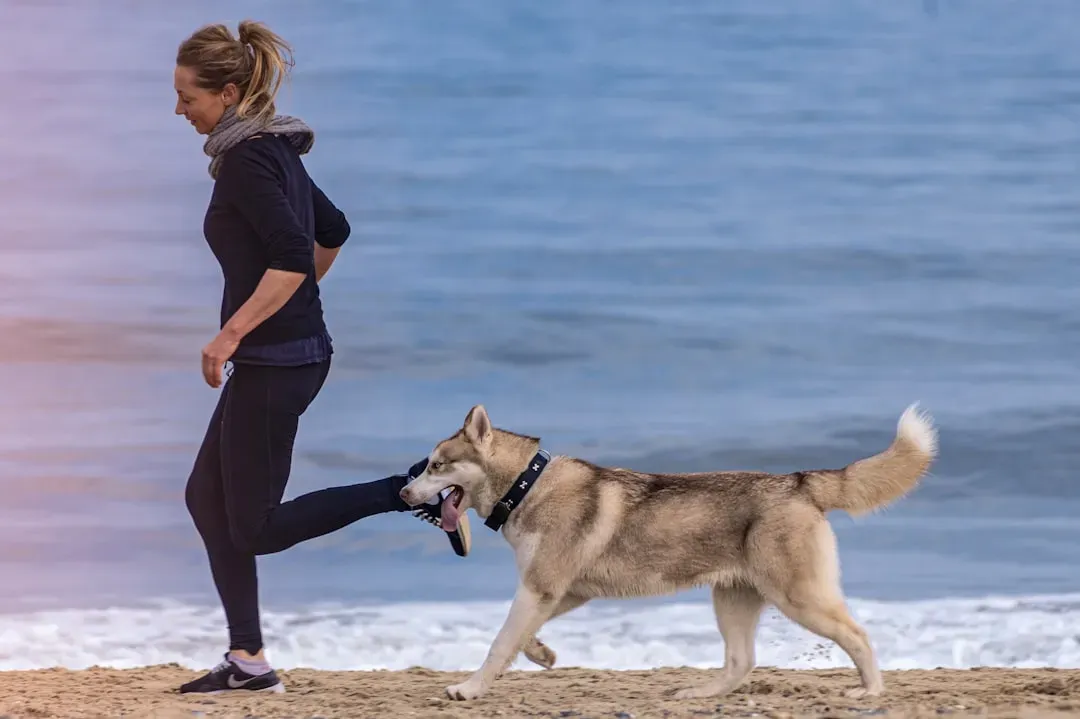
Most dogs should have at least twenty minutes of active stimulation each day along with one to two walks, though higher energy breeds require more activity determined individually. Your Beagle and your neighbor’s Border Collie are not the same.
Small breeds may need thirty to sixty minutes of activity daily, while larger and active breeds may require one to two hours or more. Sporting dogs like Labradors need at least ninety minutes of exercise daily, and herding breeds need a mix of mental and physical stimulation.
The tricky part? Too much exercise can be just as bad as too little, especially for puppies or senior dogs. Puppies have lots of energy but also need plenty of rest, while senior dogs might enjoy gentle walks and low-impact activities. Pay attention to your individual dog rather than following generic advice.
6. Their Stress Shows Up in Ways You Might Miss

Uncertainty and inconsistency elevate cortisol, the stress hormone, and a study found that shelter dogs on consistent schedules had significantly lower cortisol levels than those without routine, with predictability signaling safety. That anxiety you see might not be about separation – it could be about unpredictability.
Without clear structure, dogs can experience anxiety, destructive behavior, and confusion, but training provides predictability, and when dogs understand expectations, they feel more secure. Those chewed shoes or excessive barking? Often just symptoms of an unclear daily structure.
Watch for subtle signs like excessive yawning, restlessness, or suddenly increased chewing. More yawns, more chewing, and restlessness are signs your dog might need extra mental stimulation. They can’t tell you they’re stressed, so they show you instead.
7. Downtime Is Actually Part of Their Routine

Dogs should spend roughly twenty percent of their time being active, thirty percent awake but relaxing, and fifty percent asleep. That means half their day should be devoted to sleep, and another third to just chilling out.
Every dog needs downtime in a safe, comfortable space, and similarly to humans needing alone time, dogs benefit from having their own cozy spot to decompress. Creating a designated rest area with their favorite bed and toys isn’t spoiling them – it’s meeting a genuine need.
I think we often feel guilty when our dogs aren’t constantly entertained or exercised, but honestly, they need that quiet time just as much as they need activity. Forcing constant stimulation can actually make them more anxious.
8. Morning Routines Set the Tone for Their Entire Day
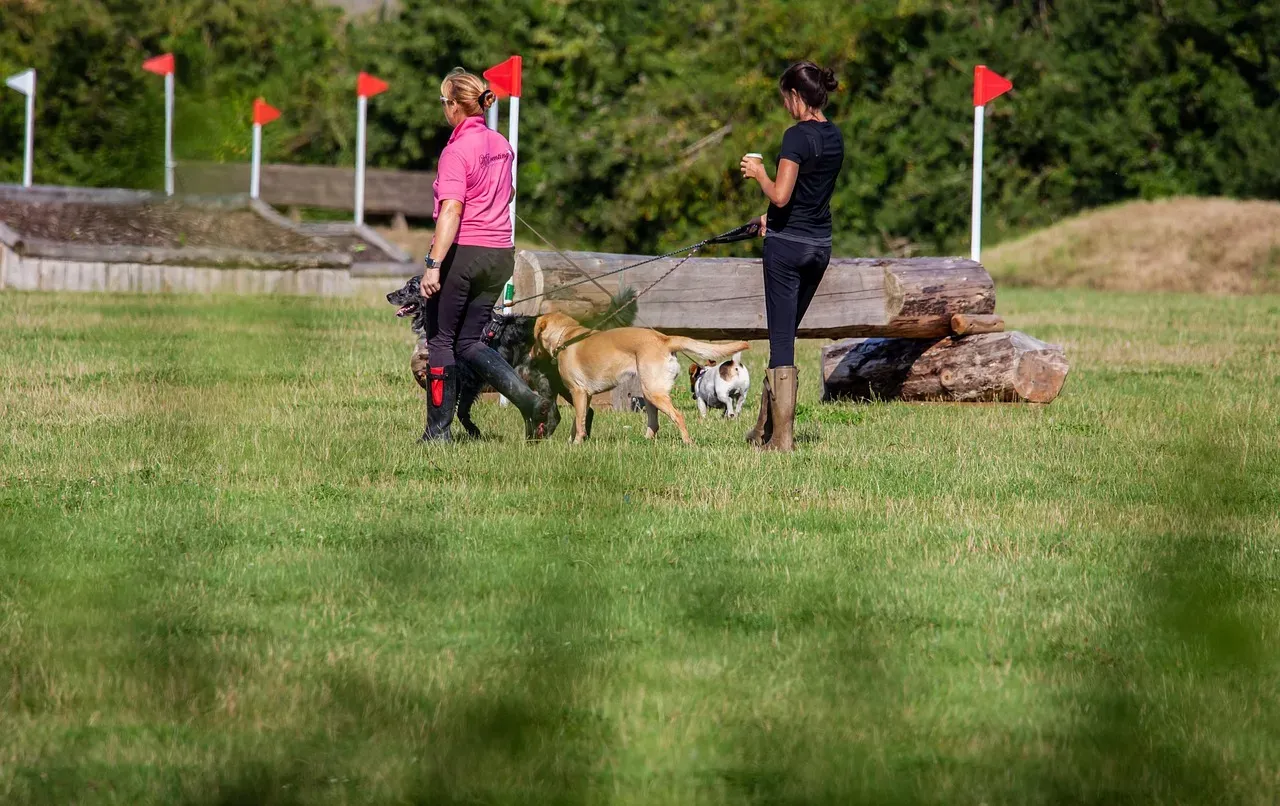
Your morning dog routine establishes the tone for the rest of the day, beginning with a potty break and play to get their energy out, followed by breakfast and another potty break, with a morning walk providing both exercise and mental stimulation. Starting their day rushed or skipping steps creates a ripple effect.
Daily walks do more than burn energy – they support cardiovascular health, joint mobility, and healthy digestion, with varying routes giving dogs fresh sights and scents for mental engagement. That quick five-minute bathroom break isn’t cutting it.
After the walk, giving your pup a short quiet time allows them to digest comfortably. Rushing them from breakfast straight into intense play or activity can cause digestive upset. The sequence matters.
9. They’re Adapting to Your Lifestyle More Than You’re Adapting to Theirs
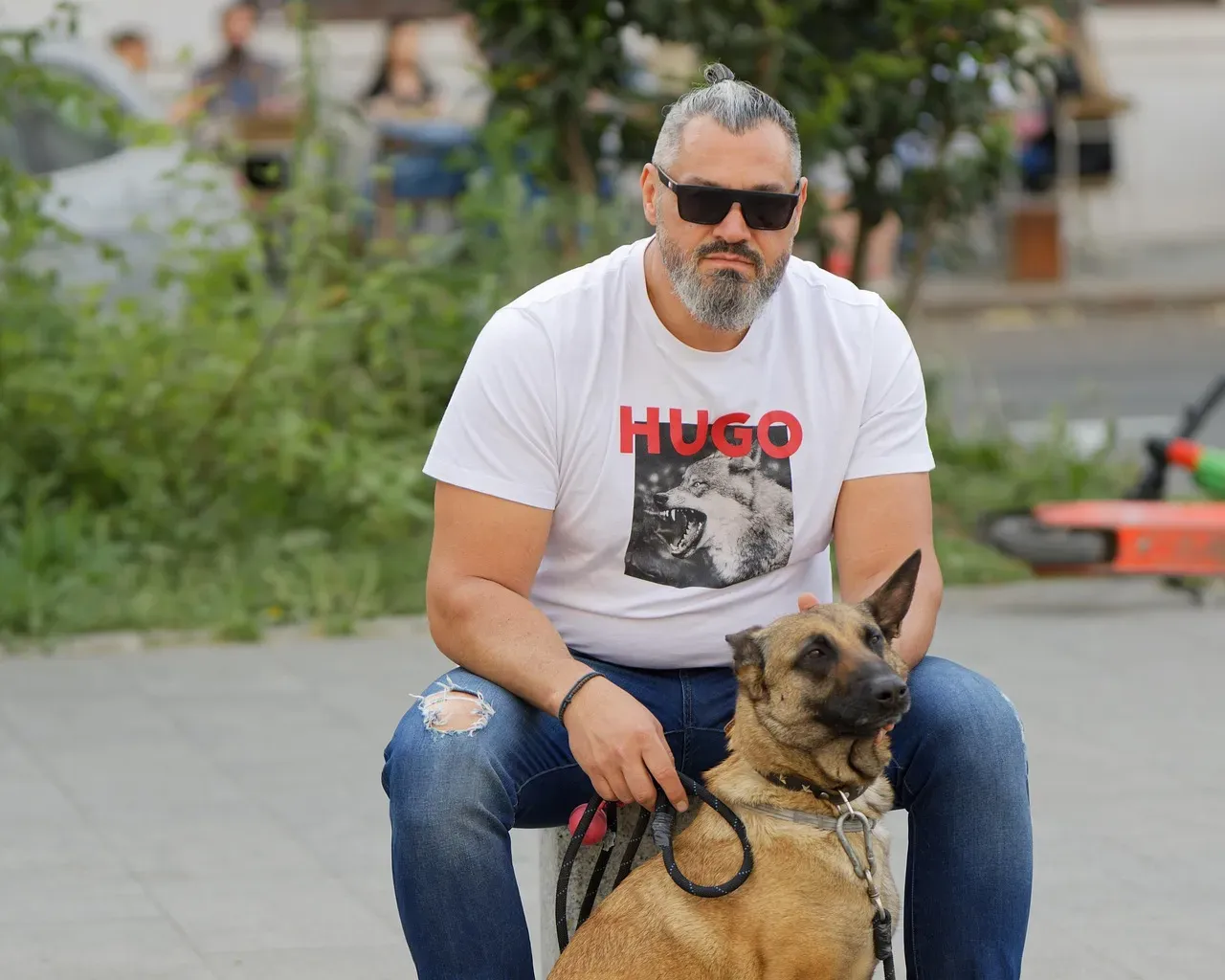
Domestic dogs have largely diurnal sleeping habits, awake during the day and asleep at night, aligning themselves to the lifestyle of their owners, with most sleep happening between nine PM and six AM. They’re not naturally wired this way – they’re doing it for you.
The dog’s ancestor, the grey wolf, tends to show nocturnal or crepuscular sleep patterns in the wild, and free-ranging domestic dogs resemble wild canids with greater propensity toward crepuscular or nocturnal activity, suggesting sleep in dogs is determined by human lifestyle and situational factors. Basically, your dog has restructured their entire biological rhythm to match yours.
These frequent and relatively brief sleep-wake cycles allow dogs to adjust to changes in their routine more readily than humans, with drug detection dogs showing little disruption to sleeping patterns when working schedules change. They’re incredibly flexible, but that doesn’t mean constant change doesn’t take a toll.
10. Routine Changes Affect Them More Deeply Than They Show
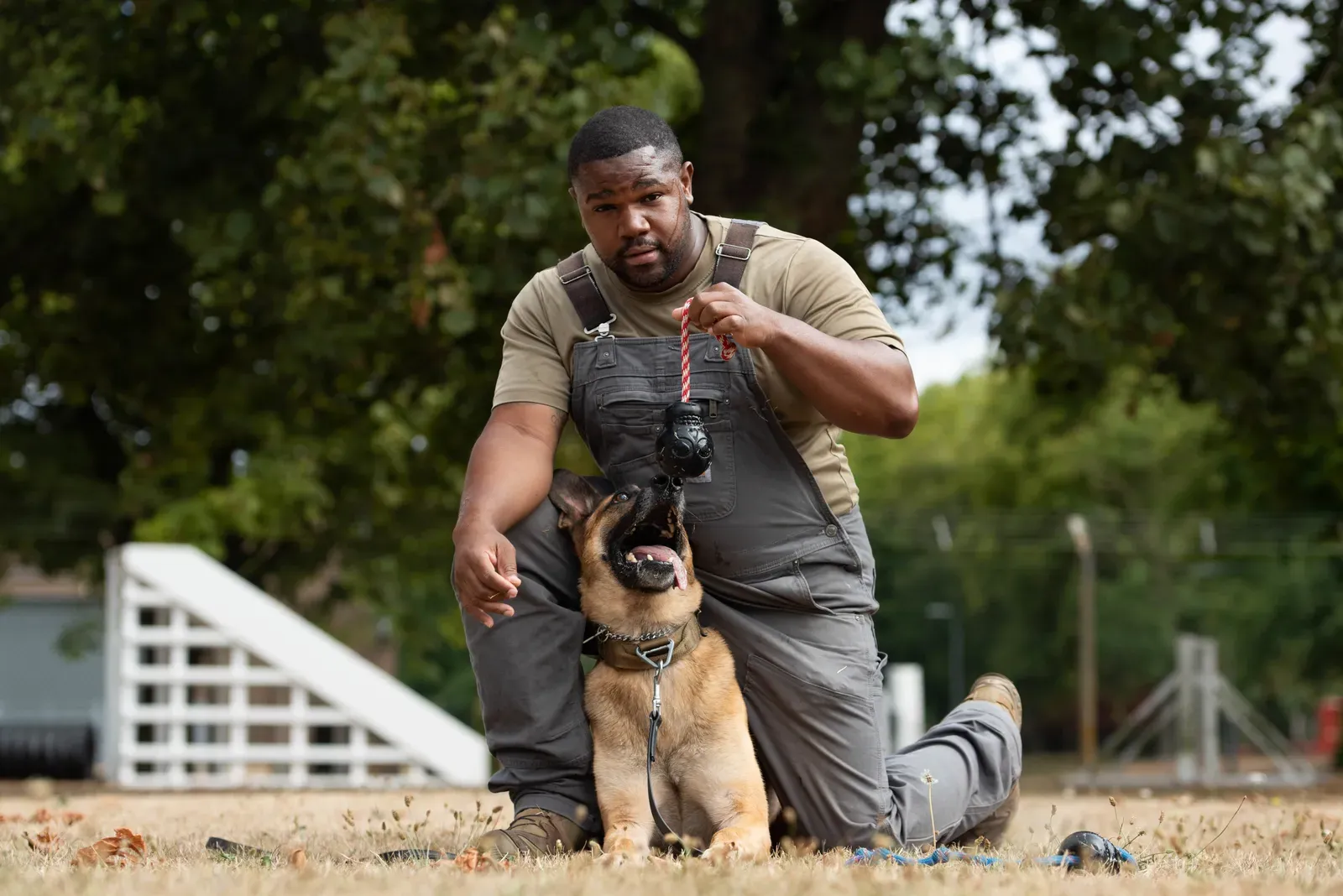
Routine gives training structure and turns one-time lessons into habits, with short daily sessions repeated at the same time each day being far more effective than hour-long training marathons. When you suddenly shift schedules, you’re basically starting from scratch.
Dogs love predictability, and a consistent schedule helps reduce stress, supports digestion, and promotes calm behavior. However, life happens – you get a new job, move houses, have a baby. These disruptions register more significantly in your dog’s world than you might expect.
The goal isn’t perfection but predictability, and even small consistent efforts make a big difference in your dog’s confidence, behavior, and responsiveness. If changes are coming, try to maintain at least some elements of their routine – same feeding times, same morning walk, same bedtime ritual. Anchor points matter.
Understanding Creates Connection
Your dog isn’t being difficult when they pace at five PM or wake you at sunrise. They’re responding to the patterns you’ve created together, trying to navigate a human world with a canine brain. The more you understand about what actually drives their daily needs, the easier it becomes to meet them halfway.
Structure doesn’t have to be rigid, and routine doesn’t mean boring. It means your dog knows what to expect, feels secure in their environment, and can relax instead of constantly wondering what happens next. That peace of mind shows up as better behavior, deeper sleep, and a calmer, happier companion.
What surprises you most about your dog’s daily needs? Have you noticed patterns in their behavior you hadn’t connected before? Understanding these ten things might just change how you approach each day together.


