
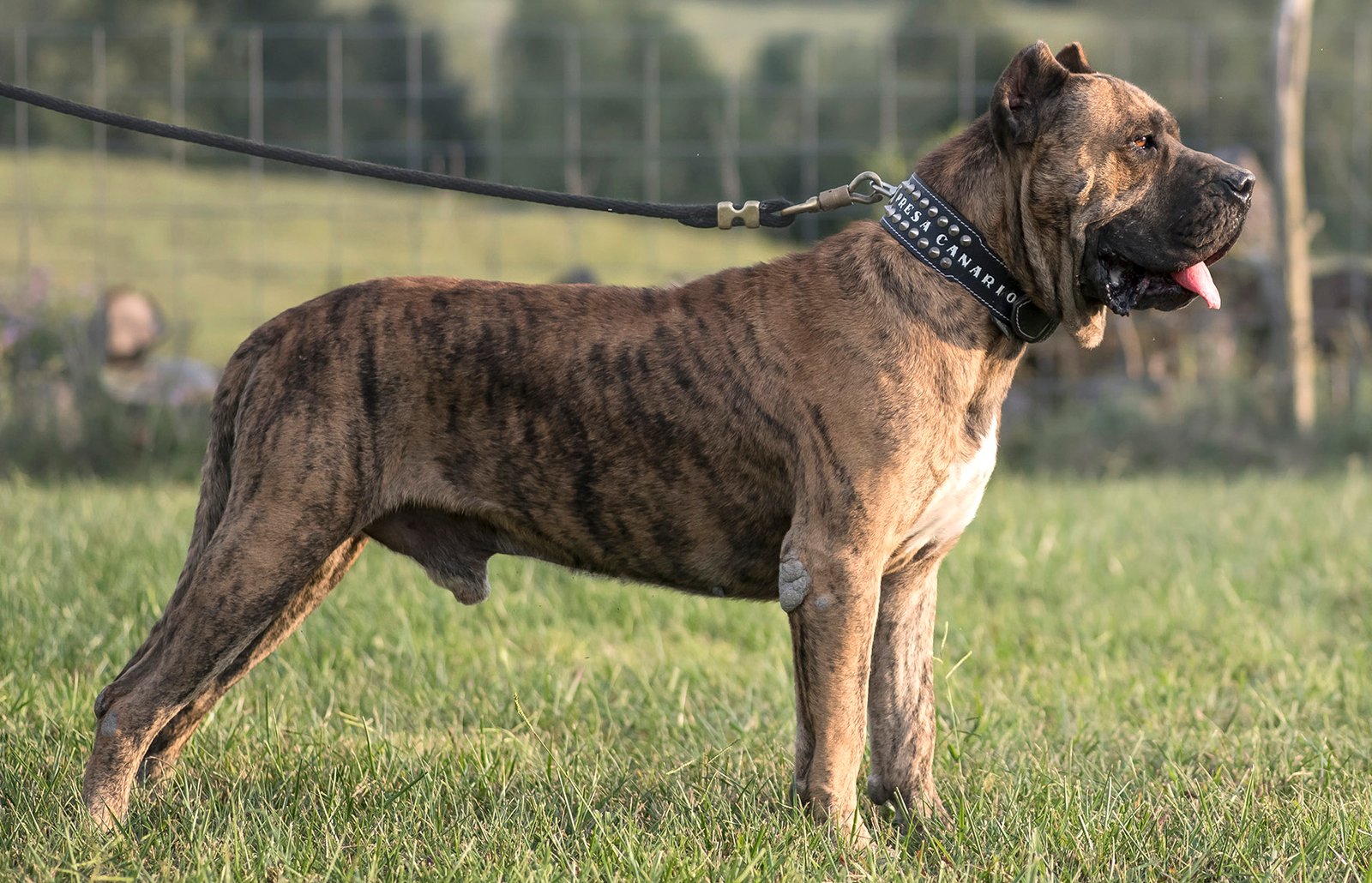
Have you ever wondered why some dog breeds end up on the wrong side of the law? It’s a shocking truth that, despite our love for dogs, certain breeds have faced outright bans in different countries and cities around the world. The reasons behind these bans aren’t always black and white. Sometimes they’re heartbreaking stories of tragedy, while other times they reveal the complicated relationship between humans and their four-legged companions. If you think all dogs are born equal in the eyes of the law, get ready for some surprising, emotional, and even controversial tales. Let’s dive into ten unforgettable moments when dog breeds were banned—and why those decisions didn’t come out of nowhere.
Pit Bull Terrier: Feared For Their Fierce Reputation
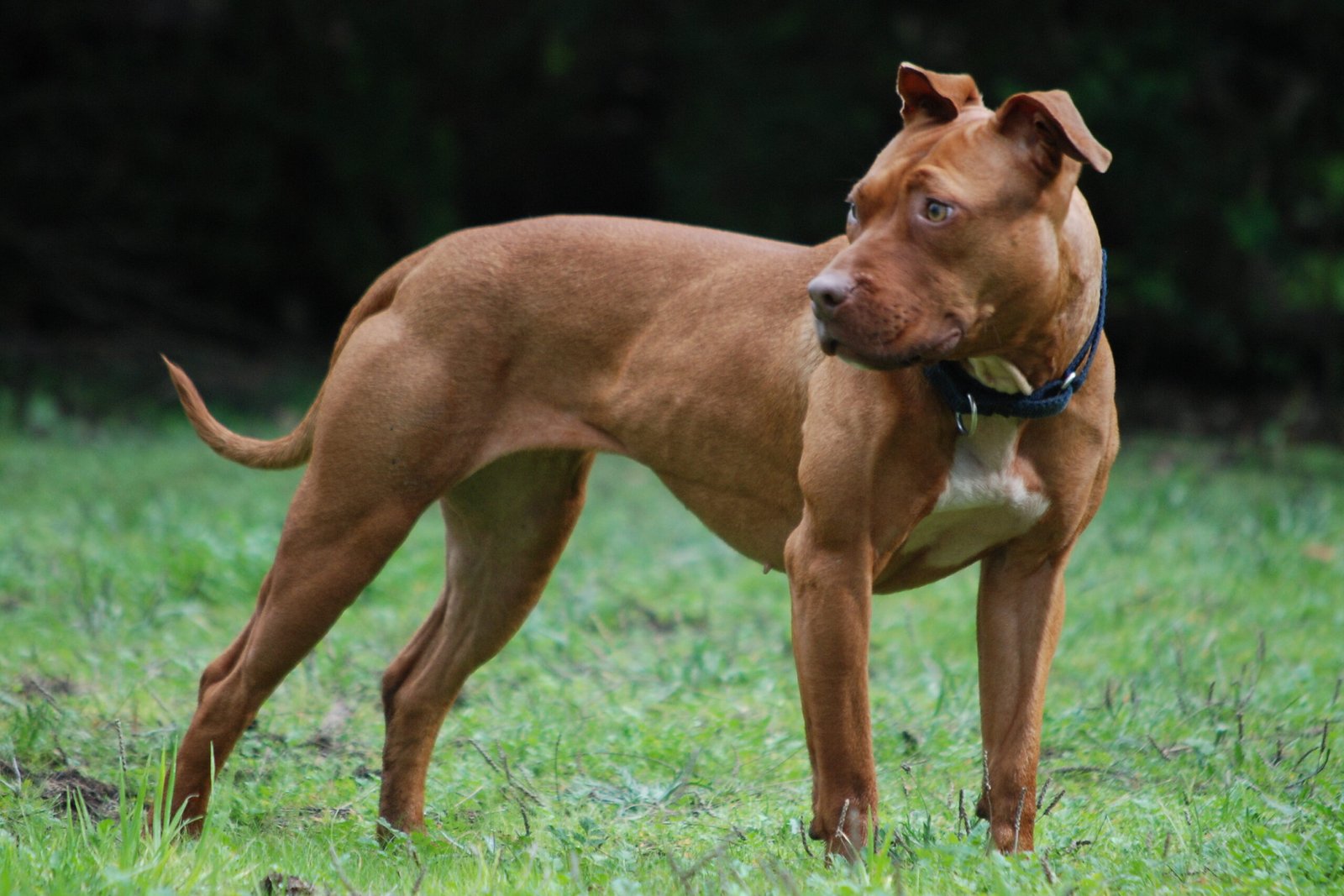
Pit Bulls are perhaps the most famous example when it comes to breed bans. Their muscular build and powerful jaws have caused both admiration and alarm. Over the years, a string of severe attacks led several countries, including the UK and parts of Australia, to put Pit Bulls on the banned list. It’s hard not to feel for responsible owners whose loving pets were suddenly seen as dangerous outlaws.
Many people see Pit Bulls as gentle, loyal companions, but their history in dog fighting rings casts a long shadow. When media headlines ran wild with stories of brutal bites and tragic injuries, public fear skyrocketed. These incidents prompted lawmakers to act fast, believing that banning the breed would save lives. It’s an emotional debate that still sparks heated arguments among dog lovers and skeptics alike.
Rottweiler: Strength That Sometimes Scares

Rottweilers look imposing, and their protective instincts are legendary. But their strength and territorial nature have led to heartbreaking tragedies in some communities. After a series of attacks, countries like Ecuador and the Maldives chose to ban Rottweilers entirely, fearing they posed a risk to public safety.
The Rottweiler’s loyalty is unmatched, but when poorly trained or neglected, they can become unpredictable. For many families, the breed’s ban meant giving up beloved pets. It’s a stark reminder that the bond between dog and owner is fragile, especially when public safety is at stake. The decision to ban Rottweilers wasn’t made lightly, but often out of sheer necessity after repeated warning signs.
Dogo Argentino: Big Hearts, Bigger Concerns
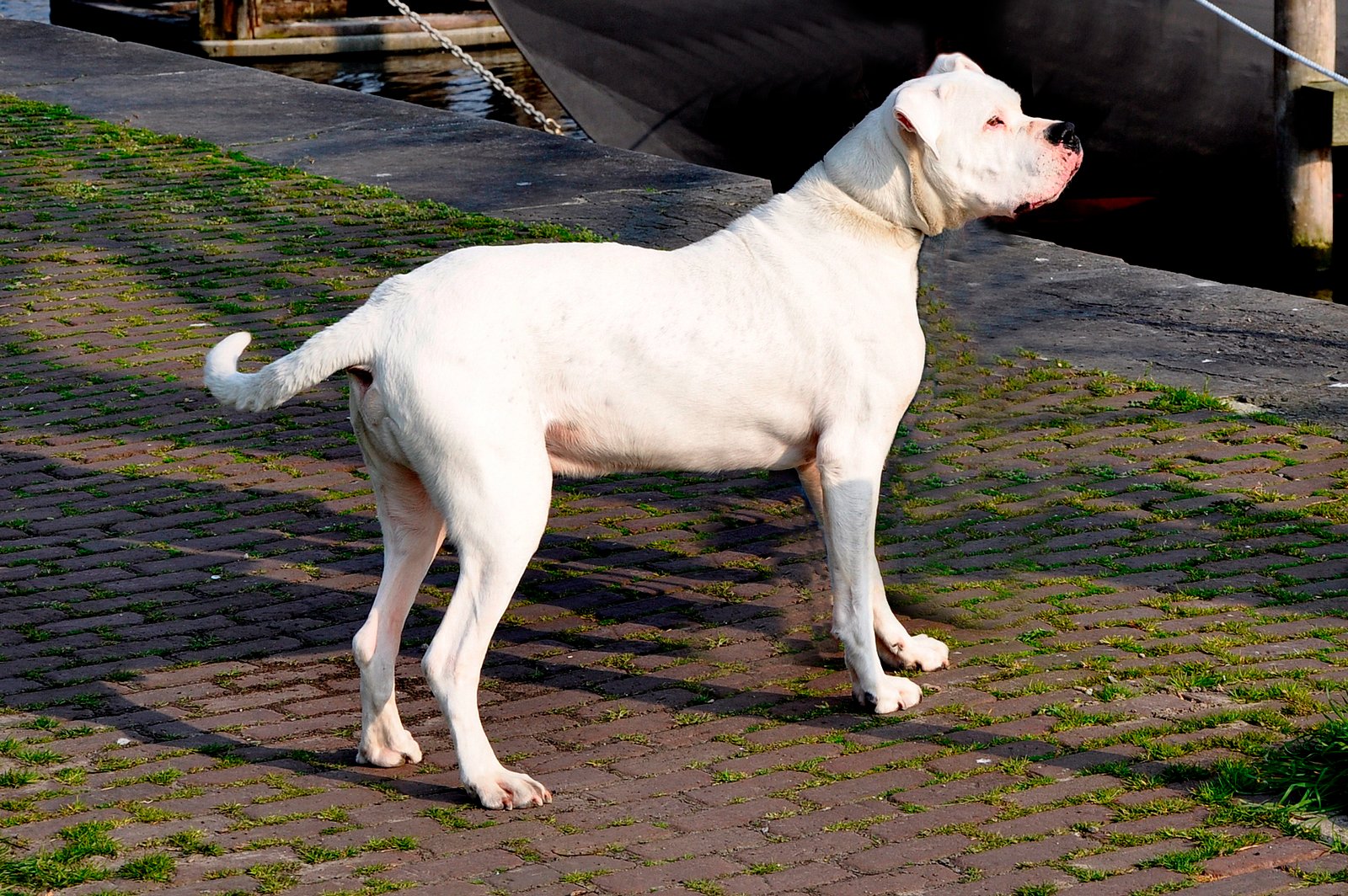
Dogo Argentinos are beautiful, muscular dogs bred for big game hunting. Their power is impressive, but that very strength has led to strict bans in countries like Denmark and New Zealand. The fear was that their hunting instincts could turn deadly in the wrong hands or chaotic environments.
The breed’s history includes fighting dangerous animals, which makes them formidable. But that legacy also created anxiety—especially after several attacks on people and pets. Authorities felt they had no choice but to act swiftly, hoping to prevent further harm. For responsible owners, it was both devastating and infuriating to see their gentle giants labeled as monsters.
Fila Brasileiro: Loyalty With a Dangerous Edge
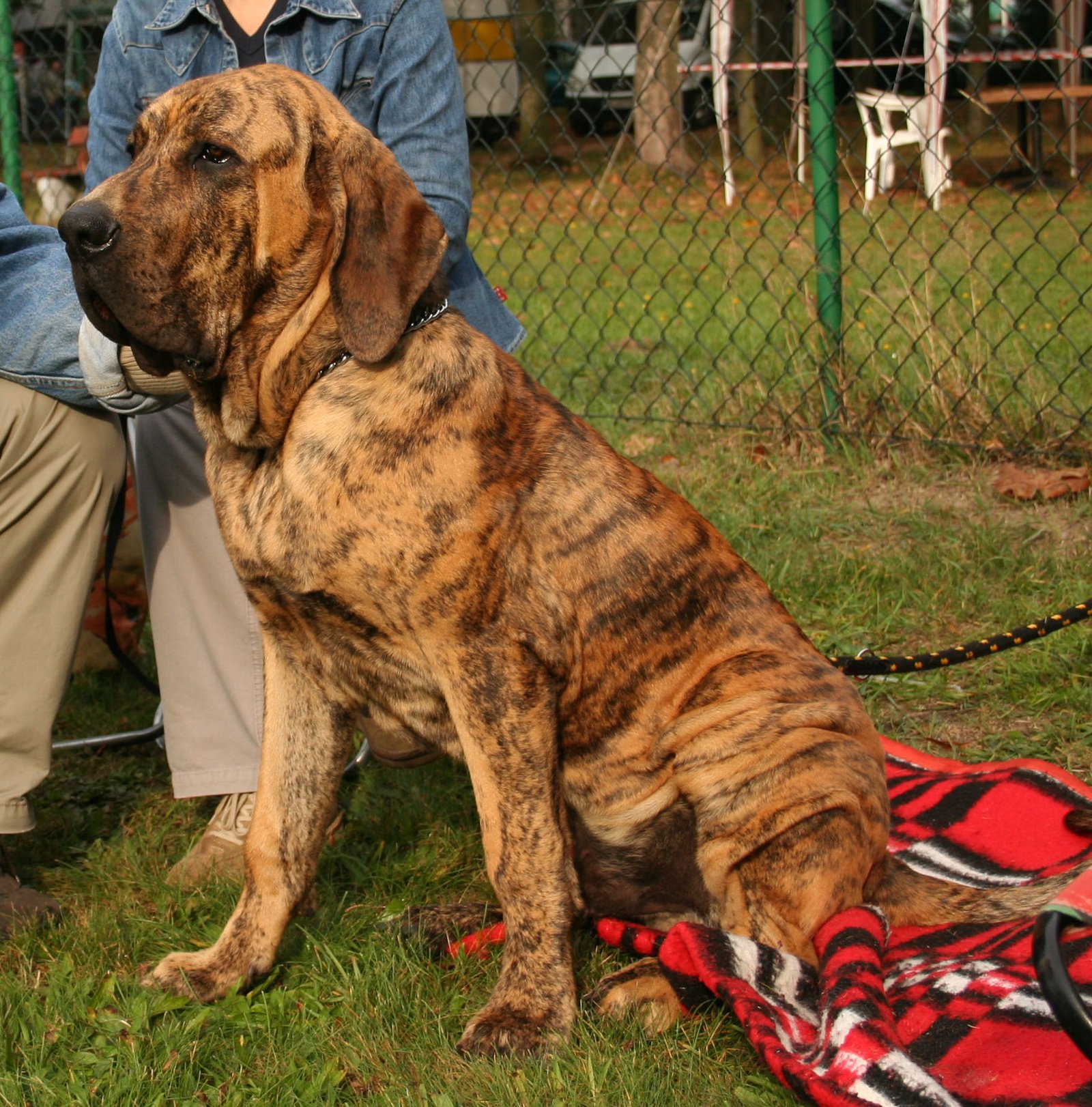
The Fila Brasileiro, a Brazilian Mastiff, is known for intense loyalty and protective nature. These traits are endearing, but in urban environments, they can turn risky fast. That’s why countries like the UK and Norway banned the breed outright, after reports of aggressive outbursts that left communities shaken.
This dog’s natural suspicion of strangers can escalate quickly if not managed with expert training. In places where attacks occurred, the aftermath was often chaotic—families torn apart, communities demanding action. The bans were a gut-wrenching response to the unpredictability and size of the breed, reflecting just how complicated our relationships with dogs can be.
Japanese Tosa: The Silent Fighter

The Japanese Tosa is a rare and regal breed with a history in dog fighting, which sealed its fate in many countries. These dogs are huge, calm, and shockingly powerful. But when violence erupted, the consequences were often severe enough that the UK, Denmark, and several other nations decided to act, banning the breed outright.
For many, the Tosa’s ban was a preventive strike. While well-trained Tosas can be affectionate, their background and physical capabilities made many authorities deeply uneasy. The breed’s silence and stoic nature only added to their mystique and the fear that they could snap without warning—a chilling thought for parents and dog lovers everywhere.
Presa Canario: When Protection Turns Perilous
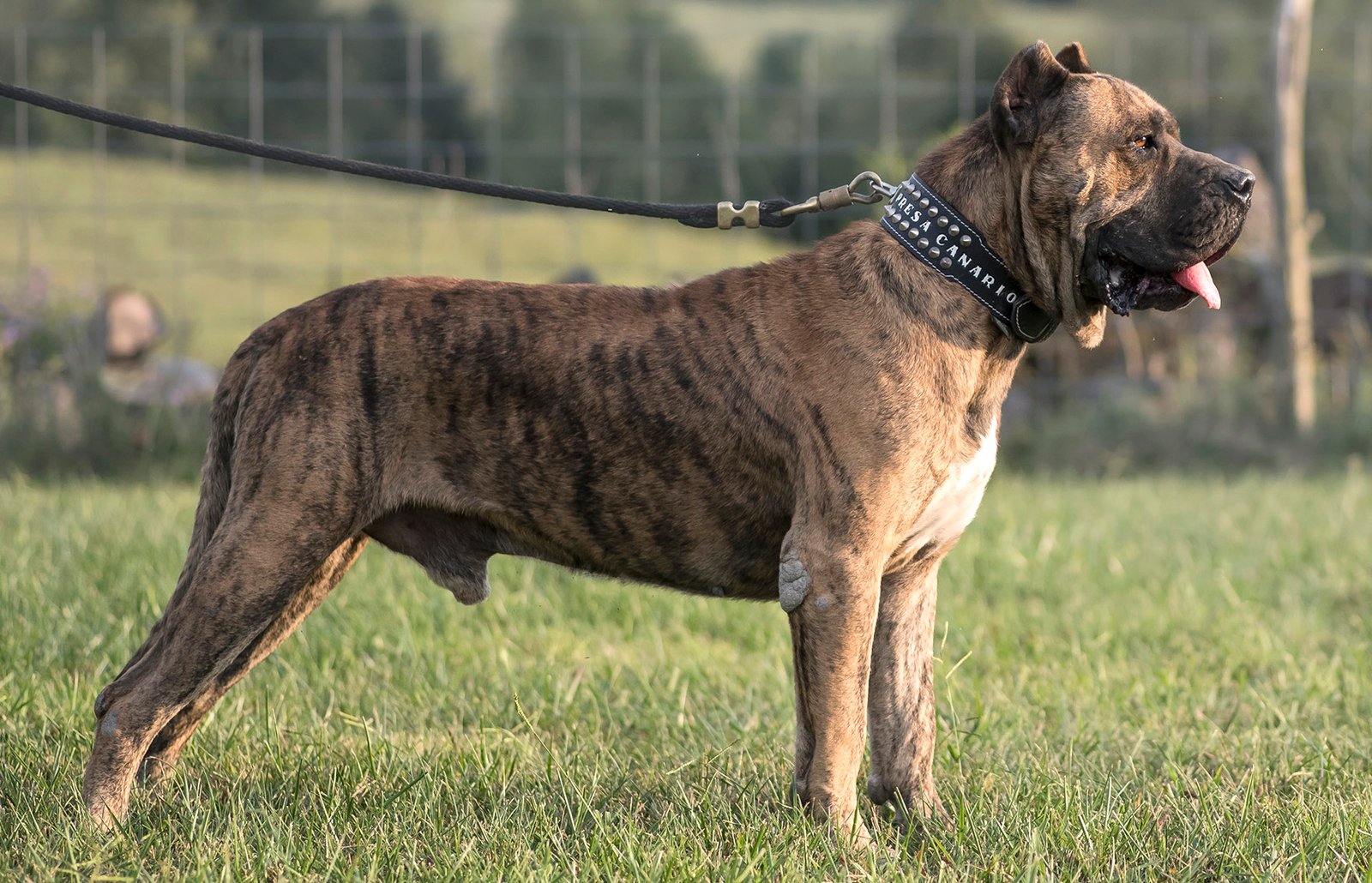
Presa Canarios were bred for herding cattle and protecting farms. Their imposing presence and guarding instincts were meant to keep livestock safe, but in cities, those same traits sometimes led to disaster. After a series of shocking attacks, including a high-profile fatality in the United States, places like New Zealand and Australia banned the breed.
The ban was a desperate attempt to prevent more tragedies. Owners of Presa Canarios often defend their pets as gentle giants, but the breed’s size and strength made any mistake potentially catastrophic. It’s a sobering reminder that not every breed fits smoothly into every environment—sometimes, love just isn’t enough to bridge the gap between dog and society.
American Bulldog: A Controversial Companion
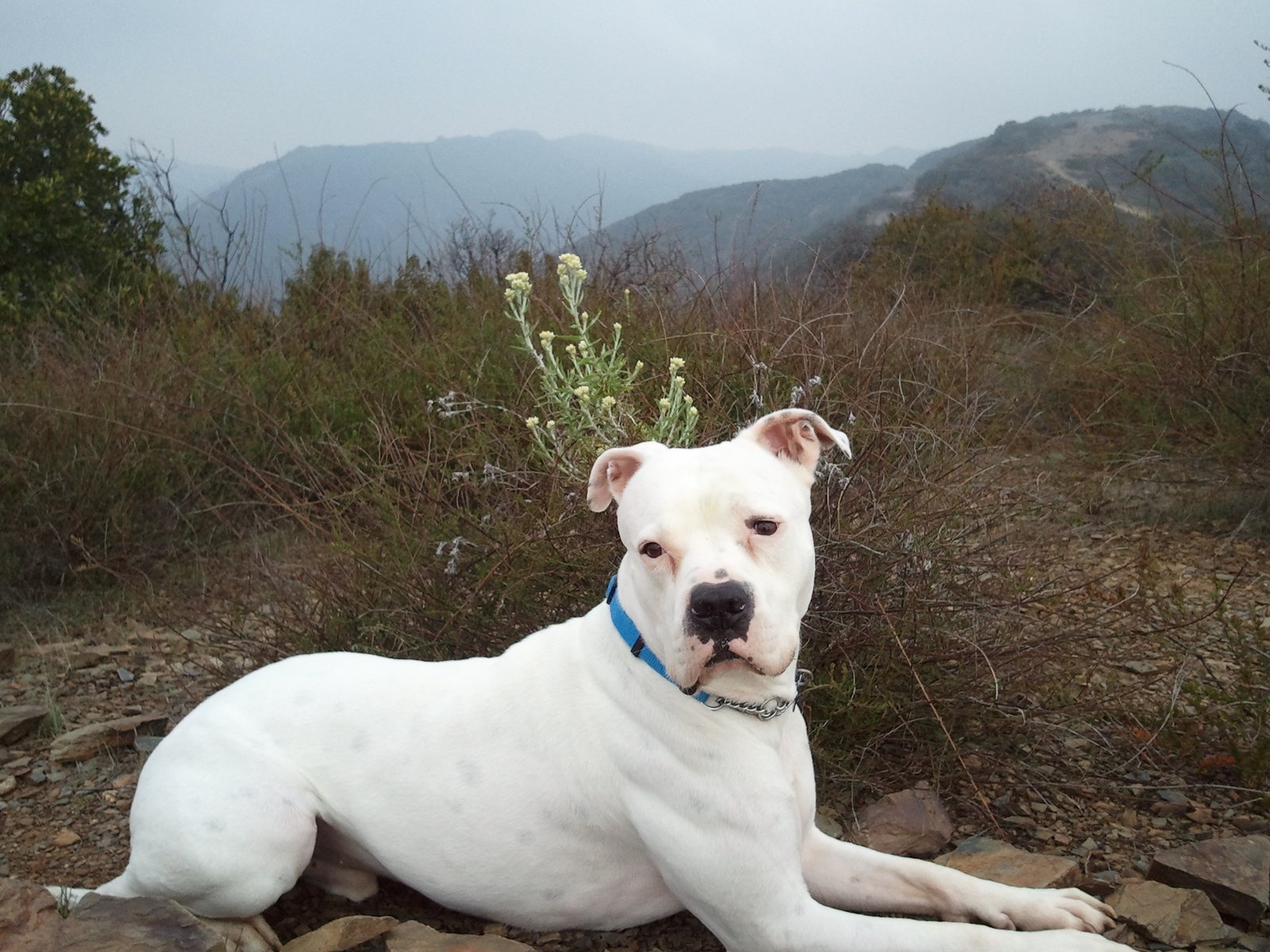
The American Bulldog is a symbol of strength and determination but has also faced bans due to aggression concerns. In Denmark and parts of Singapore, the breed was banned following a series of severe incidents. The decision wasn’t easy, as many families adored their Bulldogs and fought to keep them.
This breed’s protective instincts can become problematic when mishandled or left untrained. While stories abound of American Bulldogs saving lives and forming deep bonds, authorities felt the risks outweighed the rewards. The bans left many feeling cheated, but the wounds from past attacks were just too deep for second chances.
Wolfdog Hybrids: Too Wild For Comfort
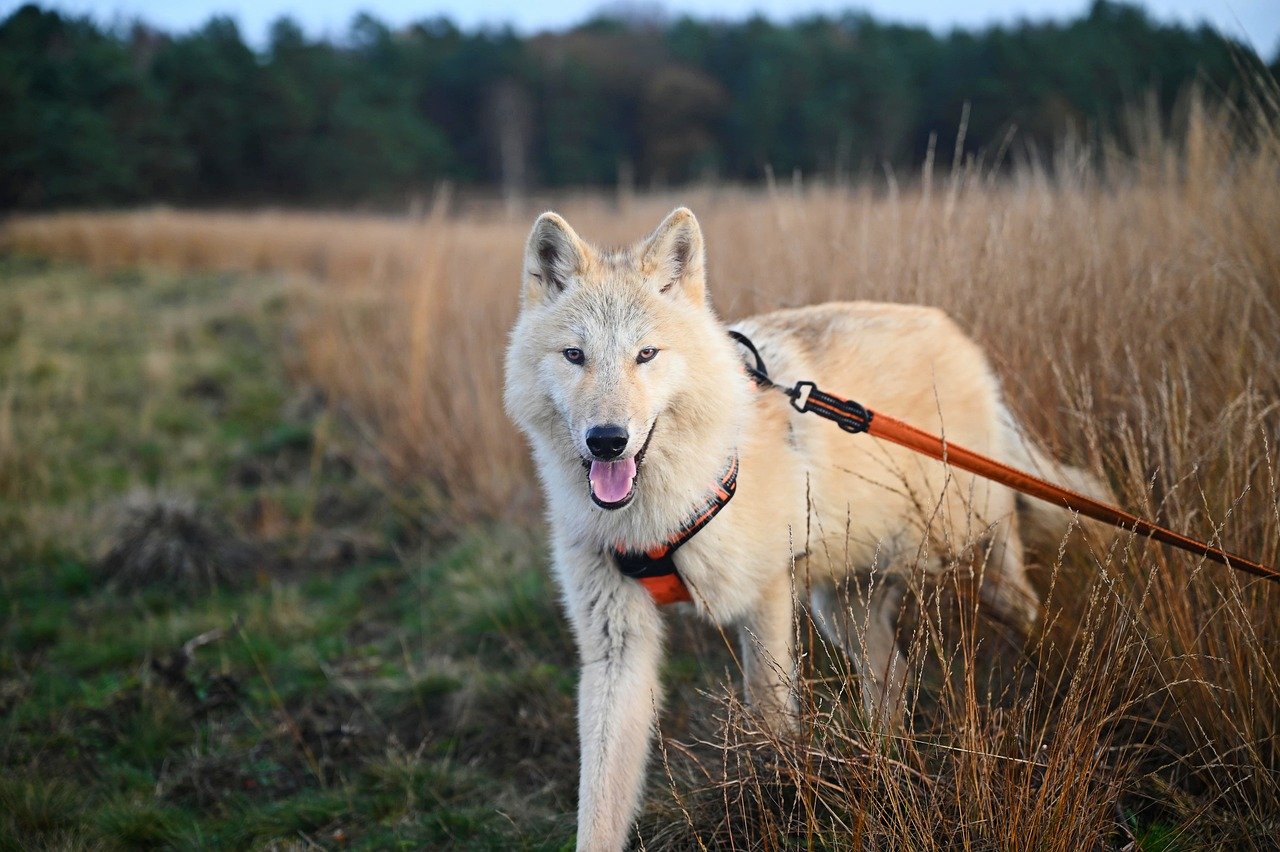
Wolfdog hybrids—crosses between domestic dogs and wild wolves—are strikingly beautiful but unpredictably wild. After a number of alarming attacks and escapes, countries like Norway and Ireland banned these hybrids altogether. The fear was simple: no amount of training could fully tame their wild instincts.
Wolfdogs are not your typical pets; their behavior can shift from loving to feral in a flash. Tragic stories of bites and escapes fueled public outcry and led to swift legislative action. For owners, the bans felt unfair; for communities, they were a sigh of relief. The bans were a painful acknowledgment that some animals are just too close to their wild roots.
Doberman Pinscher: Misunderstood Guardians
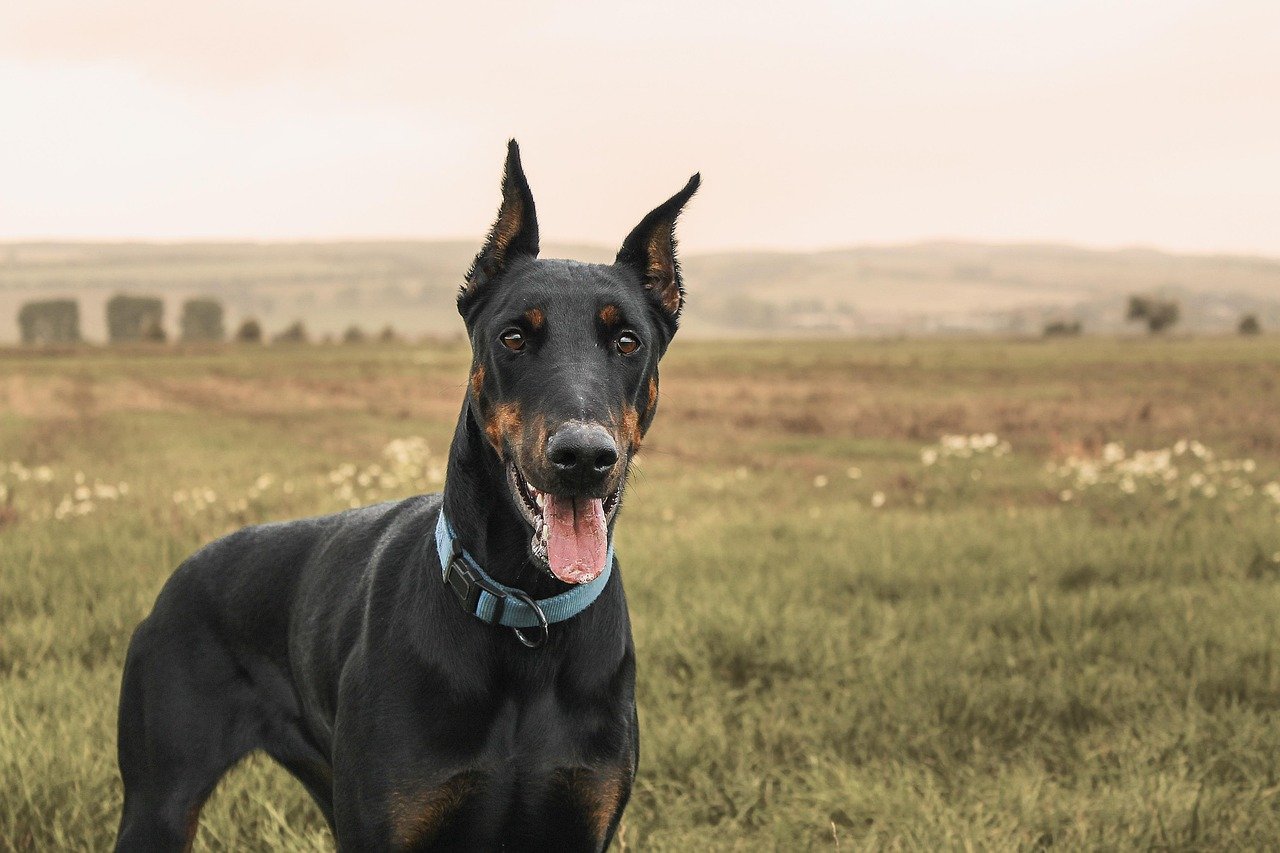
Once a favorite of police and military forces, Dobermans have battled a reputation for aggression. Their sleek build and alert posture can look intimidating, but it was a series of attacks in places like Guyana and certain German states that triggered bans. People feared their speed and power, especially around children.
Dobermans are fiercely loyal and protective, which can be both a blessing and a curse. In the wake of attacks, communities demanded action, and authorities responded with bans. It’s a classic case of a breed caught in the crossfire between myth and reality, reminding us how quickly fear can change the fate of even the most beloved dogs.
Neapolitan Mastiff: Giants With a Troubling Track Record
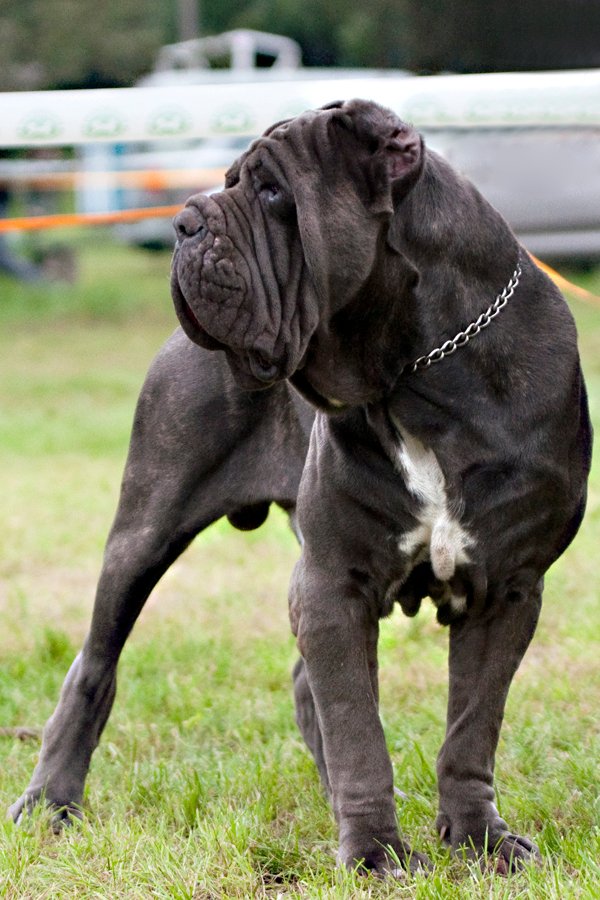
Neapolitan Mastiffs are true giants, famous for their loose skin and soulful eyes. Despite their gentle sides, a few high-profile attacks in countries like Romania and Singapore led to bans. The sheer size and strength of these dogs made authorities worry about what could happen if things went wrong.
Families who owned Neapolitan Mastiffs often described them as big, sloppy sweethearts. But the breed’s intimidating appearance and history of aggression in stressful situations made lawmakers nervous. The bans were a painful decision, but one that came after repeated warnings and a desperate need to protect public safety.
Breed bans are always controversial, but in certain cases, they’ve been implemented in response to serious safety concerns, public incidents, or patterns of irresponsible ownership. While any dog can be a loving companion in the right hands, these bans serve as a reminder of the importance of responsible breeding, proper training, and public safety. It’s not just about the breed—it’s about the behavior we shape and allow.


