

Adopting a shelter dog is the best thing you can do as a potential firsttime dog owner. That magical moment when you know you’ve found “the one” is just the beginning of an incredible journey. Dog adoption in America isn’t just about rescuing a furry companion—it’s about transforming two lives forever. But before you rush into that heartwarming scene, there’s a whole world of preparation, paperwork, and planning that’ll make your adoption story a resounding success.
The United States is home to thousands of shelter dogs waiting for their second chance at happiness. With roughly 3.2 million dogs entering shelters each year and approximately 2 million dogs being adopted annually, your decision to adopt makes a real difference. Whether you’re a first-time dog owner or adding another pup to your pack, these ten essential tips will guide you through every step of the adoption process.
Know What You’re Getting Into Financially

Money talks, and when it comes to dog adoption, it’s shouting from the rooftops. Adoption fees can range anywhere from $50 to $350 or more, but that’s just the tip of the iceberg. Think of the adoption fee as your entry ticket to a much bigger financial commitment.
The upfront costs of adopting a dog could range from $1,150 to $4,400 in the first year. You’ll need supplies like food bowls, a leash, collar, bed, toys, and treats before your new buddy even steps paw in your home. Then there’s the ongoing expenses—the annual cost of caring for your dog can range from $1,390 to $5,295, depending on size, breed, and health needs. Smart adopters start budgeting months before they even visit a shelter.
Research Shelters and Rescue Organizations Thoroughly

Not all shelters are created equal, and doing your homework can make the difference between a smooth adoption and a frustrating experience. With more adoptable pets than ever, there’s an urgent need for pet adopters, so you can search for dogs, cats, and other available pets for adoption near you. Start by checking online databases and websites of local shelters to see which dogs are available.
Look for organizations that are transparent about their adoption process, provide detailed information about their animals, and have good reviews from previous adopters. Some organizations like North Shore Animal League America have been saving lives since 1944 and facilitated tens of thousands of adoptions in 2024 working with their network of over 2,000 shelter partners. Don’t be afraid to ask questions about the shelter’s policies, medical care standards, and return policies if things don’t work out.
Understand the Application Requirements

Getting approved to adopt isn’t as simple as showing up with cash in hand. You will usually need to fill out an adoption application and provide proof that you are who you say you are and are at least 18 years old. You may also need to provide proof of residence and written permission from a landlord stating that you are allowed to have a pet. Many shelters have become more strict about their screening process to ensure dogs go to suitable homes.
Most shelters and rescues take applications on a first-come basis, so if you see a dog you’re interested in, make sure you’re ready to fill out and submit the application quickly. You may also need to provide references, verify that your landlord allows pets, submit income verification, or complete a home visit before your application is accepted. Come prepared with all necessary documents to speed up the process.
Prepare Your Home Before the Big Day

Your home needs to become a safe haven before your new dog arrives. Think like a curious, energetic pup and scan every room for potential hazards. Secure loose electrical cords, remove toxic plants, and put away anything valuable that might become a chew toy. Create a designated space where your dog can decompress during those crucial first few days.
These essentials are not typically included in dog adoption fees but they’re still important to set your new pup up for success at home. Shelters suggest having basics on hand like treats for both training and for fun. Stock up on food (ask the shelter what brand they’ve been eating), water bowls, a comfortable bed, and some engaging toys. Having everything ready shows you’re serious about providing a great home.
Meet and Greet Like a Pro

That first meeting with a potential furry family member is magical, but it’s also crucial for making the right match. It’s a good idea to make sure everyone in the family gets along with the new pet, which is why most shelters and rescues require a family meet-and-greet before adoption. Everyone in the home, including dogs and cats that already live with you, should meet the pet you want to adopt to see if they’ll be a good fit for your family.
Spend quality time with the dog—not just a quick five-minute hello. Take them for a walk if the shelter allows it, sit quietly together, and observe their personality. Are they energetic or calm? Good with children? How do they react to other dogs? Some adoption processes can take up to two hours to complete, so don’t rush this important decision. Trust your instincts, but also listen to the shelter staff’s insights about the dog’s behavior and needs.
Consider Age, Size, and Energy Level Carefully
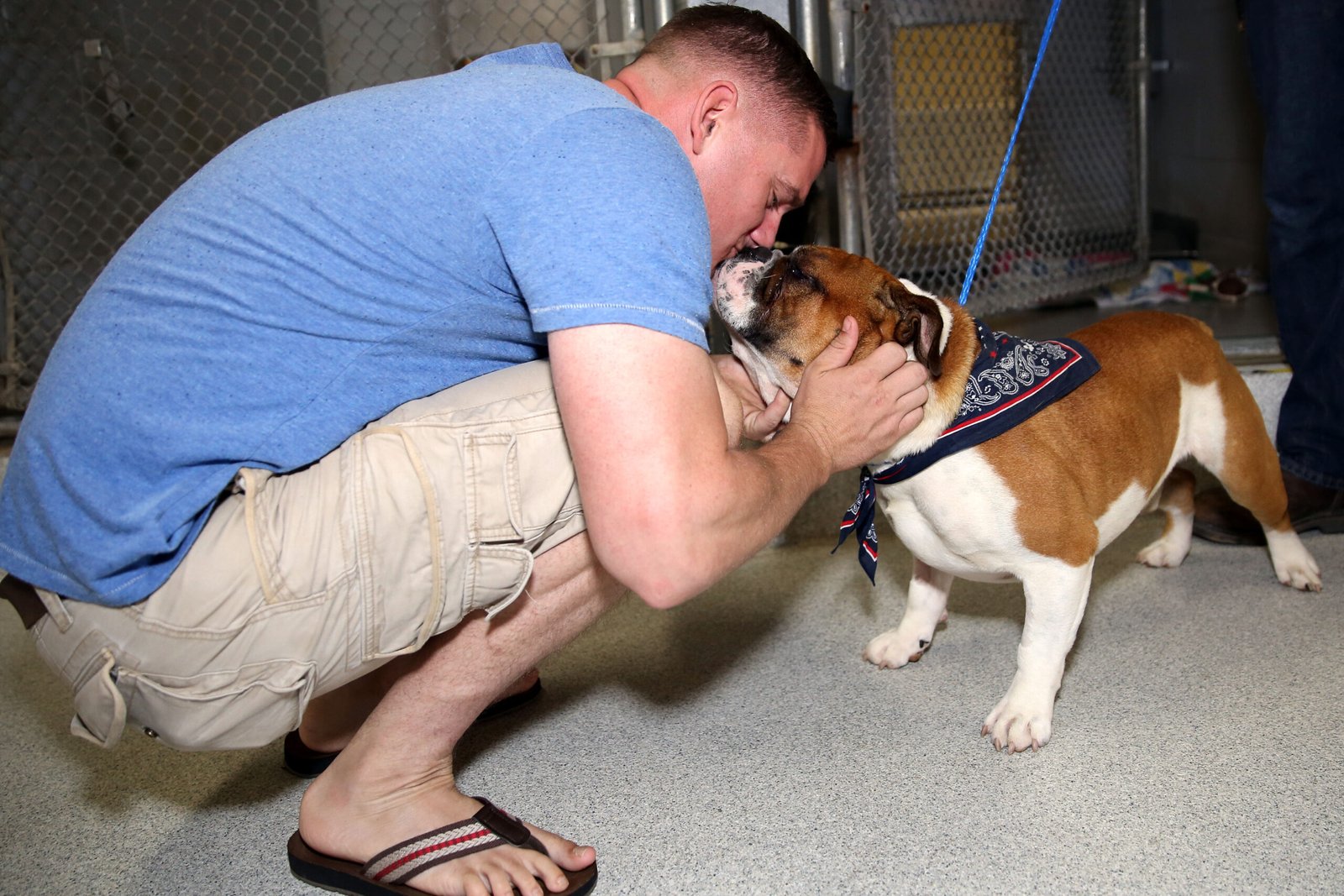
Puppies are adorable, but they’re also tiny tornadoes of energy that require constant supervision and training. Puppies have a 60% adoption rate, while older dog breeds have a rate as low as 25%. Adult dogs often come with basic training and a more predictable personality, making them perfect for busy families or first-time owners.
Size matters more than you might think, especially if you’re renting or have limited space. A Great Dane in a studio apartment isn’t exactly a recipe for happiness. Consider your lifestyle honestly—are you a weekend warrior who wants a hiking companion, or do you prefer Netflix marathons? Mixed breeds account for 54% of adopted dogs, while 25% of shelter dogs are purebreds, and highlighting the value of mixed breeds helps drive adoption rates higher. Don’t overlook mixed breeds; they often have fewer health issues and unique personalities.
Ask About the Dog’s History and Health

Knowledge is power when it comes to adoption success. Ask detailed questions about the dog’s background—how did they end up at the shelter? Have they lived with children or other pets? Do they have any behavioral quirks or medical conditions you should know about? Prior to adoption, all dogs are spayed or neutered, microchipped, vaccinated, tested for heartworms, and given a dewormer and flea/tick prevention at no additional charge.
Don’t be discouraged if a dog has some baggage—many shelter dogs just need time and patience to adjust. However, being informed helps you prepare properly and set realistic expectations. Shelter behavior evaluation processes take in all available information for each animal. When possible, they start with a profile when an owner relinquishes a pet, and if the animal comes in as a stray, they do everything possible to gather information about the animal’s behavior.
Plan for the Transition Period

The first few weeks with your new dog are like a honeymoon period—exciting, overwhelming, and full of adjustments for everyone involved. Many shelters recommend separating pets for 2 weeks when adopting or fostering a new pet to ensure a healthy integration into your home. This isn’t being overly cautious; it’s being smart about preventing stress and potential conflicts.
Expect accidents, some anxiety, and maybe a little destruction as your dog learns the ropes of their new home. Create a routine quickly—dogs thrive on predictability. Feed them at the same times, establish potty breaks, and start basic training immediately. Remember, your dog might not show their true personality for several weeks or even months. Patience during this transition period sets the foundation for a lifelong bond.
Don’t Forget About Training and Socialization
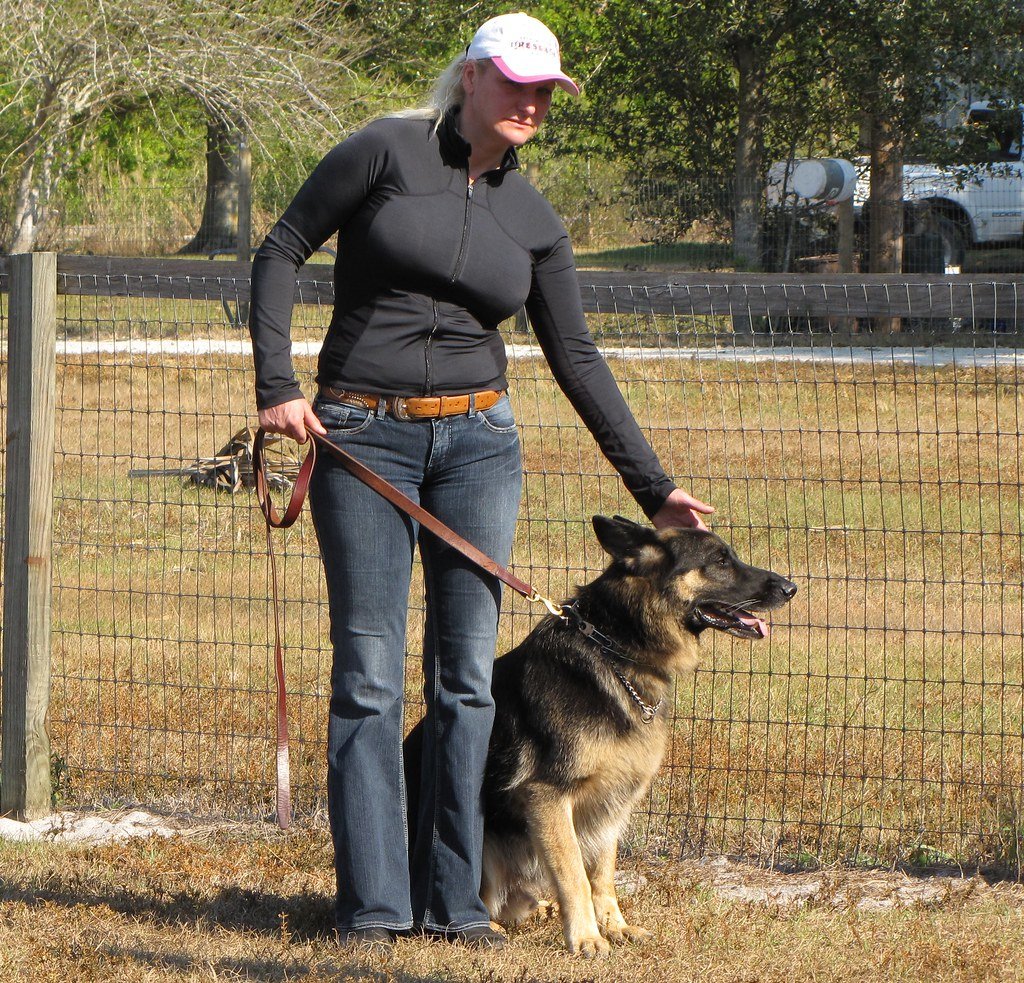
Even if your new dog seems perfectly behaved at the shelter, training should be a top priority from day one. Shelters are stressful environments that don’t always showcase a dog’s normal behavior. The shelter is a strange and stressful place for most pets and does not provide an accurate indication of how the animals will act in a home environment.
Invest in basic obedience classes or work with a professional trainer, especially if you’re a first-time dog owner. Socialization is equally important—gradually introduce your dog to new people, places, and experiences. A well-trained dog can actually save money in the long run, especially when it comes to not having to replace belongings lost to insatiable chewing. Proper dog training is worth the investment. Think of training costs as an investment in your sanity and your dog’s happiness.
Build a Support Network

Dog ownership doesn’t have to be a solo journey, and smart adopters surround themselves with helpful resources before they need them. Start by finding a veterinarian you trust—46% of adopters book a vet visit before bringing their pet home. Schedule that first checkup within a week of adoption to establish care and address any concerns.
Connect with other dog owners in your neighborhood, join local dog groups, or find online communities where you can ask questions and share experiences. Many shelters continue to support adopters after adoption, with websites full of information that can make your pet’s transition from the shelter to your home as stress-free as possible, including Pet Resources Libraries, details about low-cost vet care, and more. Don’t hesitate to reach out to the shelter with questions—they want your adoption to succeed just as much as you do.
Conclusion

Adopting a dog is one of the most rewarding decisions you’ll ever make, but it’s also one that deserves serious thought and preparation. From understanding the financial commitment to preparing your home and heart for a new family member, these ten tips set you up for adoption success. Remember, of all the animals entering shelters, only 3.2 million are adopted and many see shelters again after less than a year of finding a new home—but with proper planning, your adoption story will be different.
The perfect dog for your family is out there waiting, possibly right now, curled up in a kennel hoping today is the day their life changes forever. Your preparation and commitment don’t just save one life—they create space for shelters to save another. Are you ready to become someone’s hero?


