
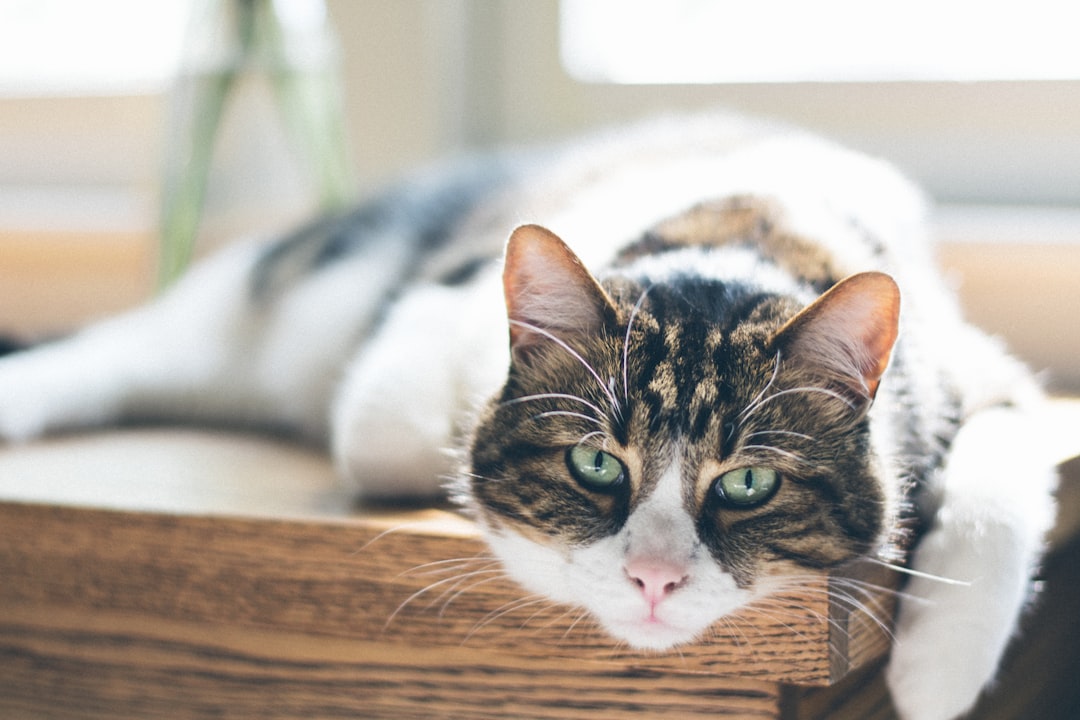
Senior cats are full of love and personality, but they need a bit of extra care to stay comfortable and healthy in their golden years. Simple tweaks—like switching to a senior-friendly diet, creating cozy napping spots, and keeping a closer eye on their health—can go a long way. Regular vet visits and gentle play keep them feeling their best without overdoing it. It’s all about helping your feline friend age with grace and comfort. Let’s dive into 10 easy ways to keep your senior cat purring with happiness.
Schedule Regular Veterinary Check-Ups
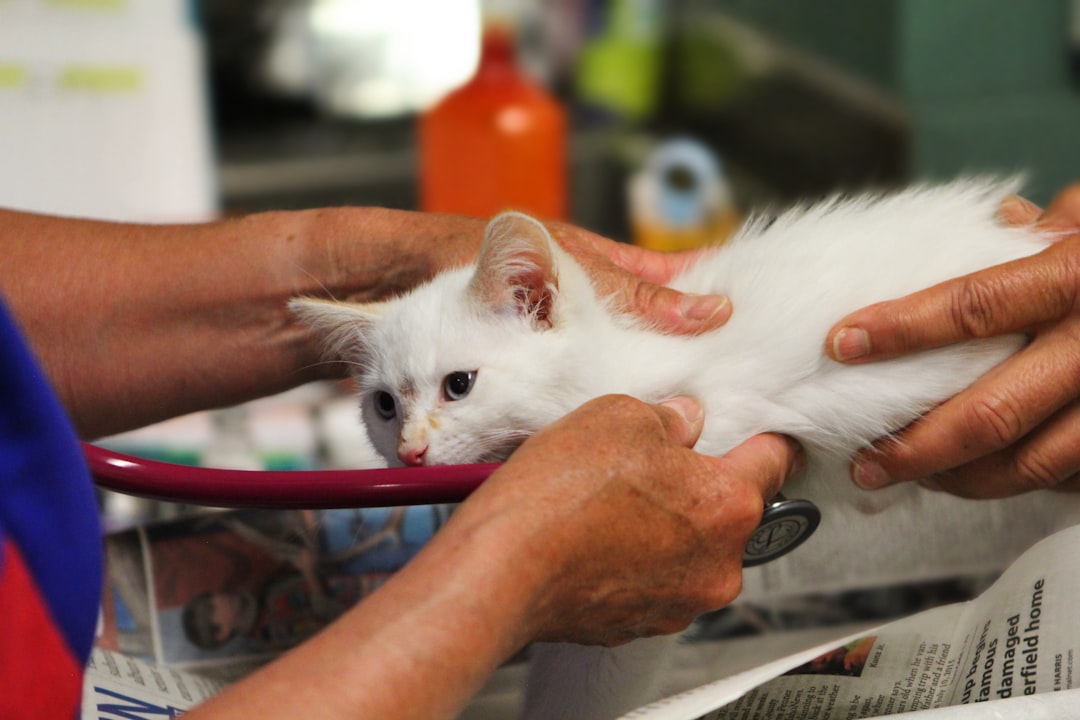
As your cat ages, their health needs become more complex. Just like older humans, senior cats are more vulnerable to illnesses that can sneak up quietly, like kidney disease, hyperthyroidism, or arthritis. Regular check-ups—ideally every six months—are vital to catch any concerns early. During these visits, your vet will likely do bloodwork, check their weight, and examine their teeth and organs. Early detection of problems can make a huge difference in treatment options and quality of life. Don’t wait for visible symptoms; many senior cat ailments are silent in their early stages. Regular vet visits show your devotion and help your cat stay by your side, purring contentedly, for as long as possible.
Monitor Their Diet and Nutrition
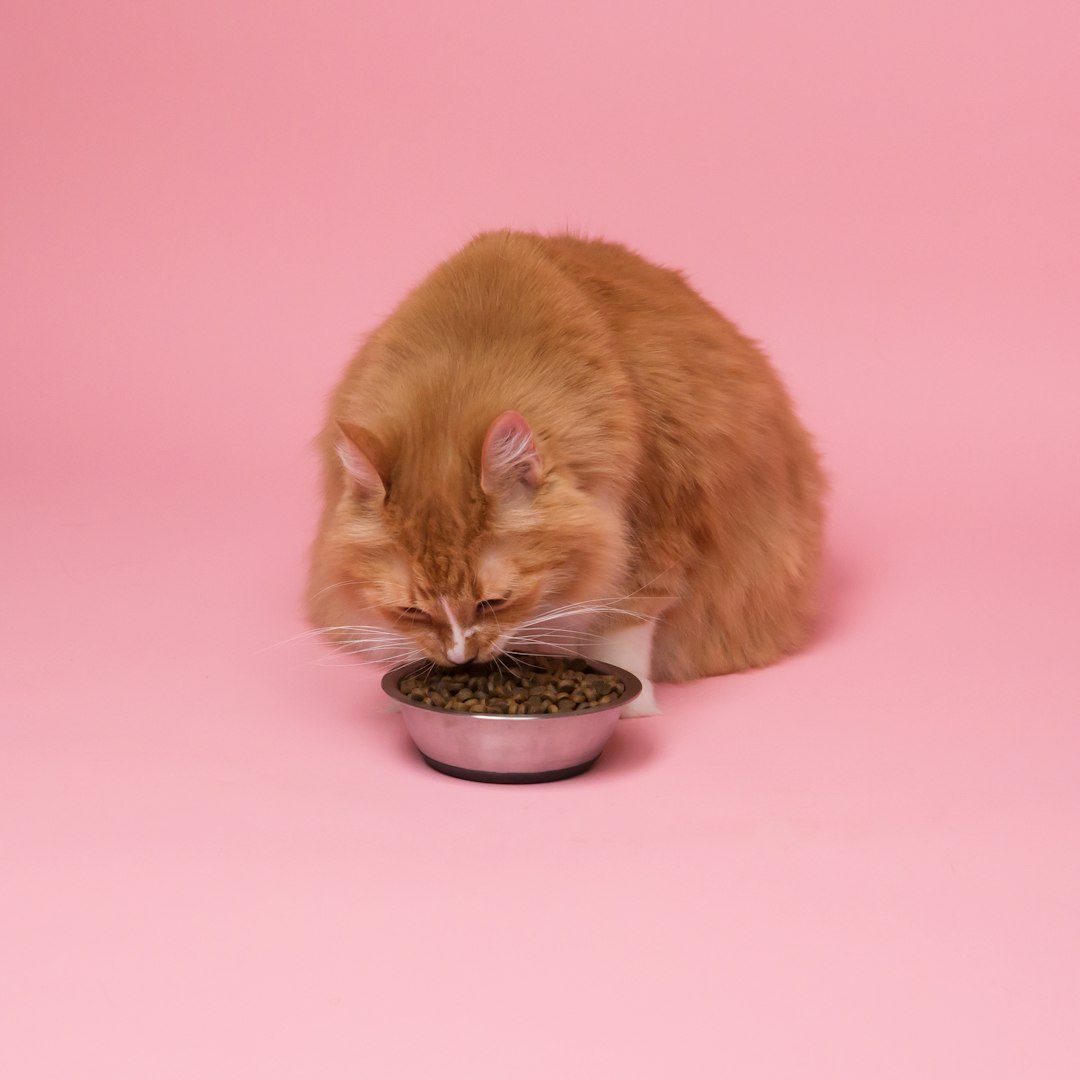
Older cats often experience changes in appetite and digestion, so what they eat matters more than ever. You may notice your senior cat losing weight, refusing food, or developing a picky palate. Choose food specifically designed for senior cats, which has the right balance of protein, fat, and fiber. These formulas can help maintain muscle mass while being gentle on aging kidneys. Always provide fresh water and consider offering wet food to help with hydration. Avoid making sudden changes to their diet, as older cats can be sensitive to new foods. If your cat is losing weight or seems uninterested in eating, consult your vet to rule out any underlying problems. Remember, the right diet can boost your cat’s energy and keep their coat shiny.
Create a Comfortable and Safe Living Space
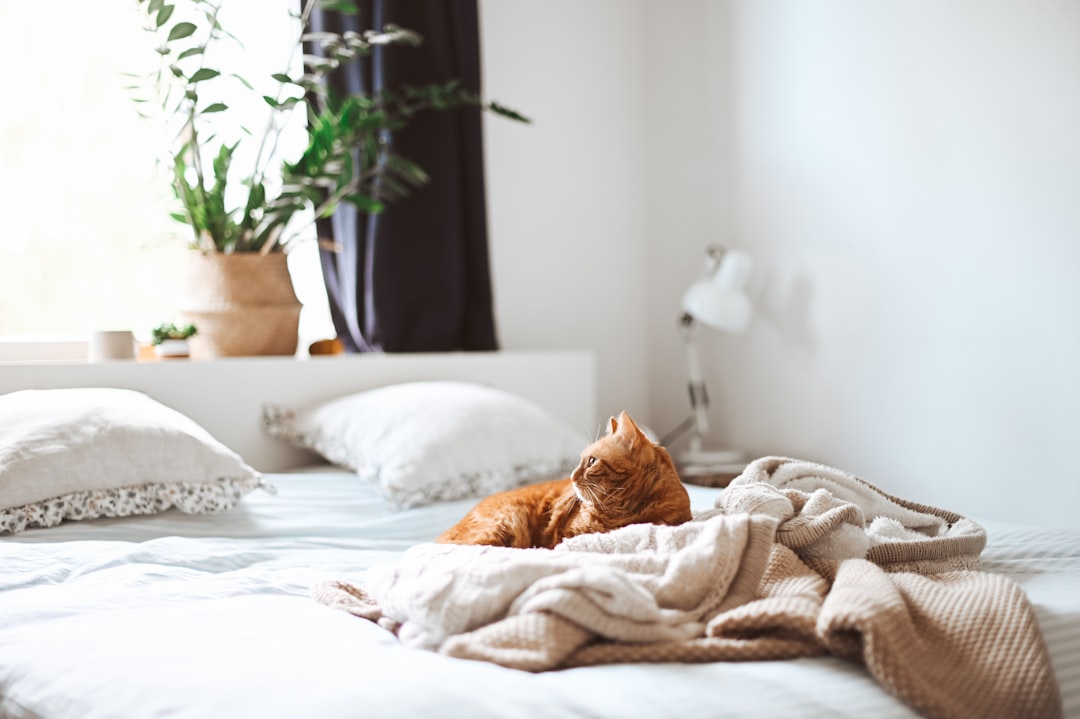
Senior cats can struggle with mobility, so making your home cat-friendly is essential. Soft, easily accessible beds offer comfort for achy joints. Place ramps or sturdy steps near their favorite spots, like the couch or a sunny windowsill, so they don’t have to jump. Keep their litter box on the main floor, with low sides for easy entry. Remove slippery rugs or obstacles that might trip them. Provide a warm, draft-free area where your cat can relax undisturbed. These small adjustments can make a world of difference, helping your senior cat feel secure and loved, even as their body slows down.
Pay Attention to Grooming Needs
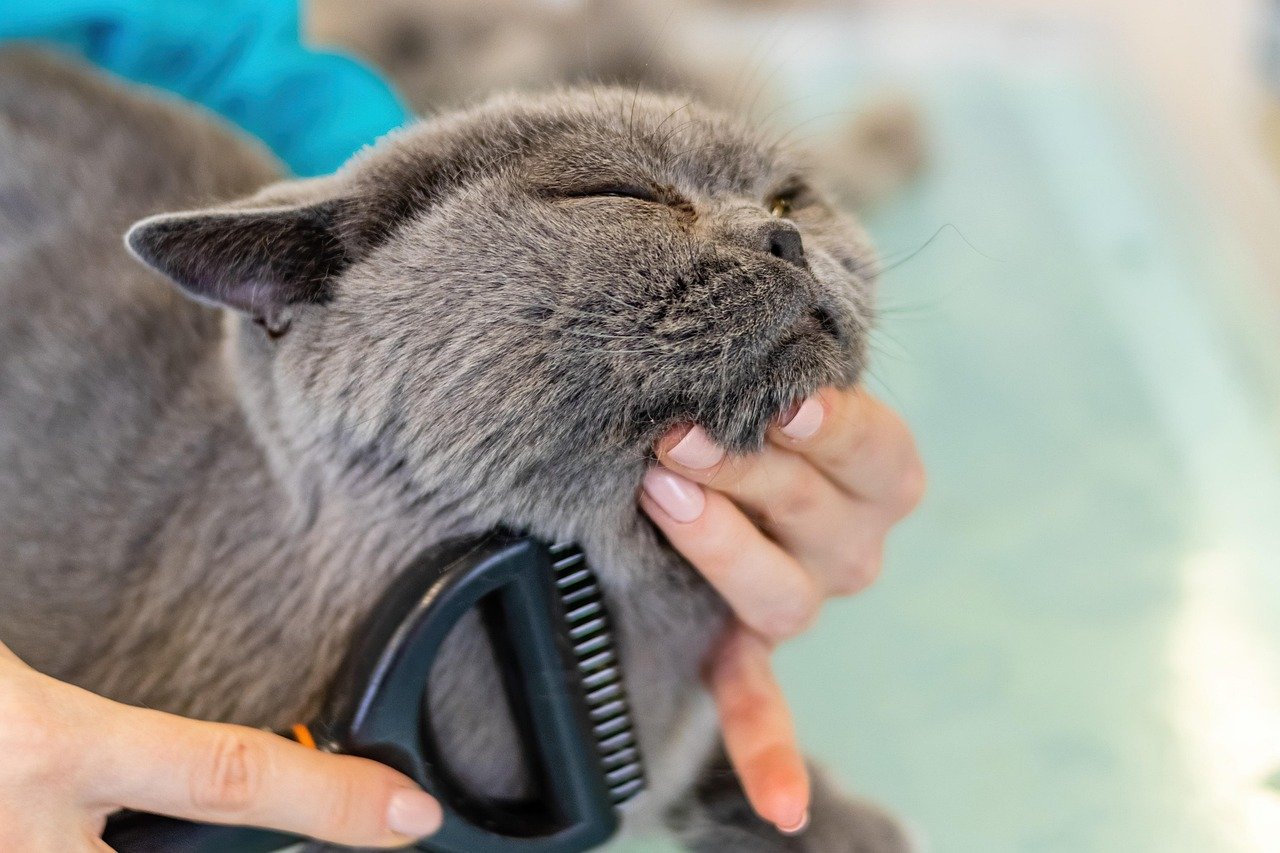
Aging cats may lose interest in grooming or may not be flexible enough to reach all areas. This is where you come in! Brushing your cat regularly helps remove loose fur, prevent mats, and keep their skin healthy. It’s also a wonderful bonding time—gentle strokes can relax your cat and reassure them. Pay special attention to their nails, as older cats may not wear them down naturally and overgrown nails can cause pain. Don’t forget to check their ears and eyes for any signs of infection or discharge. Helping your senior cat stay clean and comfortable is another way to show you care.
Encourage Gentle Exercise and Mental Stimulation
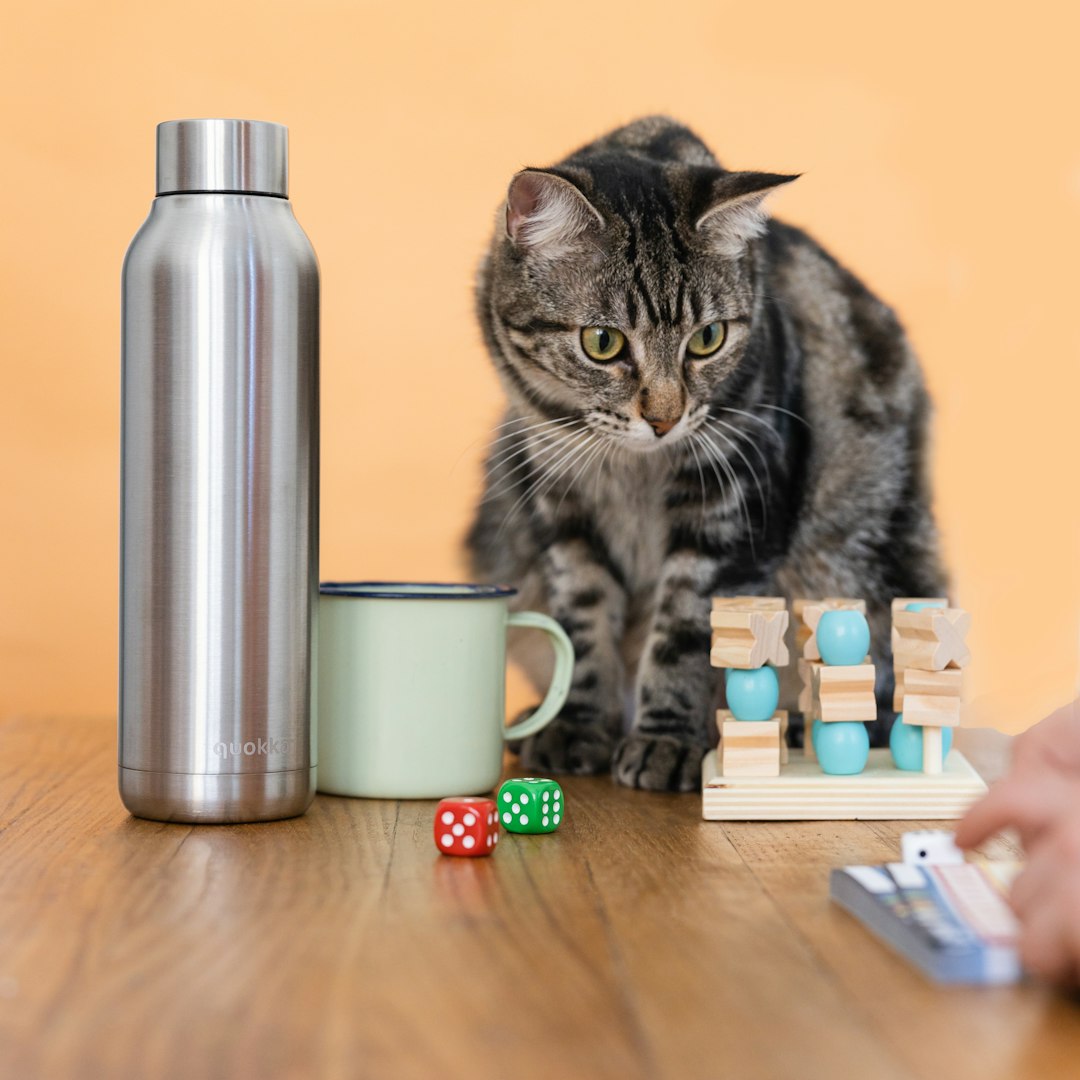
Even as they age, cats need both physical and mental activity to stay sharp. While they might not dash around like kittens, gentle play is still important. Use feather toys or string to encourage movement, but keep sessions short and sweet. Puzzle feeders and food-dispensing toys can keep their minds active. Place interesting objects near their favorite resting places for them to watch, like bird feeders outside the window. This keeps life exciting and helps prevent boredom or depression in older cats. Engaging your senior cat, even for a few minutes each day, can lift their spirits and keep them healthier.
Watch for Changes in Behavior
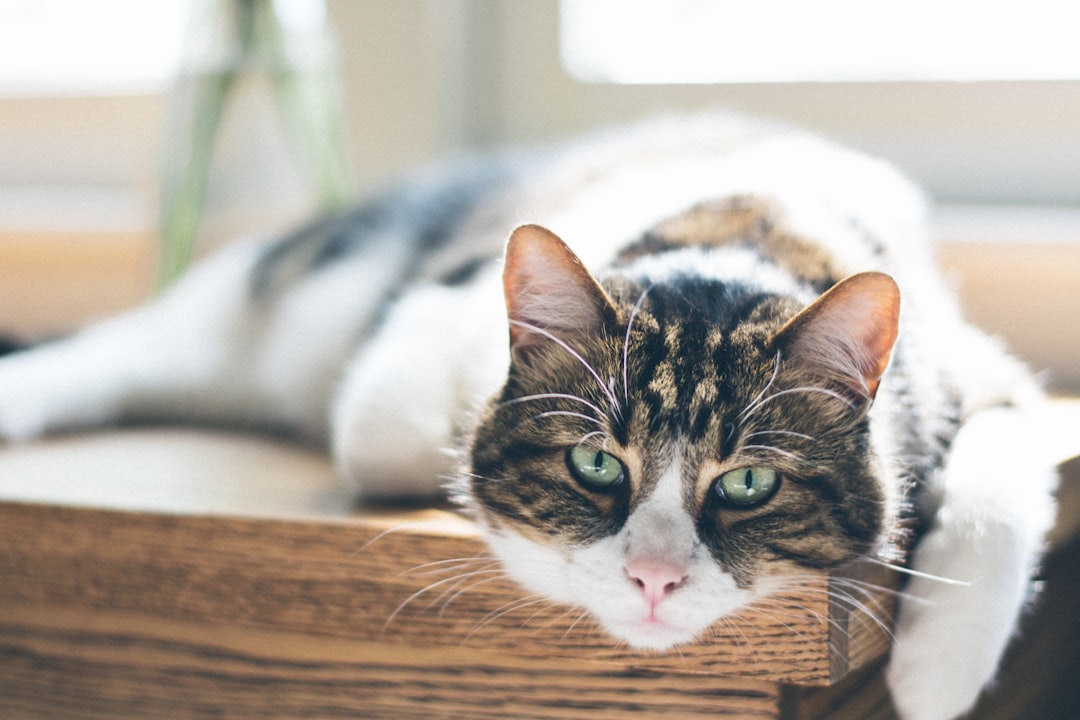
Senior cats can’t tell us when something is wrong, but their behavior can offer clues. Watch for signs like increased hiding, vocalizing at night, missing the litter box, or changes in sleep patterns. These shifts might signal pain, confusion, or illness. Cognitive decline, similar to dementia in people, can affect older cats too. If you notice your cat acting differently, don’t brush it off as “just old age.” Keep a journal of unusual behaviors and share them with your vet. Quick action can ease discomfort and improve your cat’s golden years.
Maintain Good Dental Health

Dental disease is common and often overlooked in senior cats. Tooth pain can make eating difficult and even lead to infections in other parts of the body. Look for bad breath, drooling, or reluctance to eat hard food as warning signs. Brushing your cat’s teeth, while not always easy, can help prevent problems. Dental treats or vet-approved rinses are good alternatives. Your vet may recommend professional cleanings if needed. Don’t underestimate the impact of a healthy mouth—a pain-free cat is a happy cat.
Provide Easy Access to Essentials
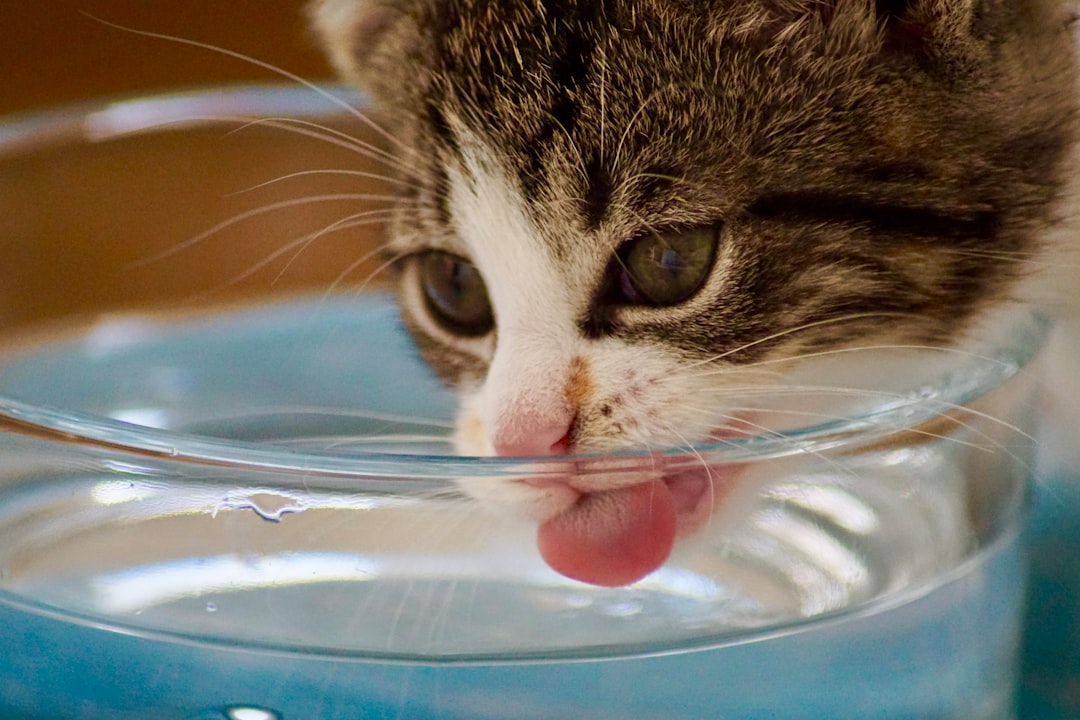
Make sure food, water, and litter boxes are easy for your senior cat to reach. Avoid placing them up or down stairs or in hard-to-access corners. Consider adding extra litter boxes around the house to prevent accidents, especially if your cat has arthritis or vision loss. Keep bowls and boxes on non-slip mats to prevent sliding. These small changes eliminate frustration and encourage your cat to maintain healthy habits. Your thoughtful setup tells your cat they’re still valued, no matter their age.
Keep Stress Levels Low
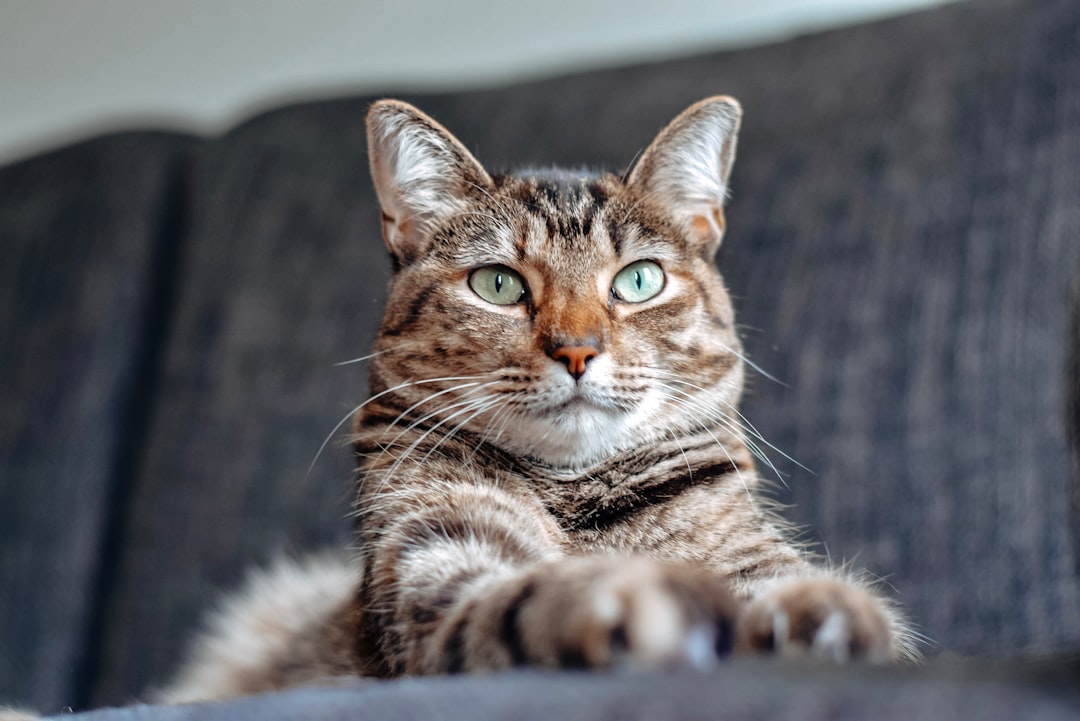
Senior cats can become more sensitive to changes in their environment. Loud noises, new pets, or unfamiliar visitors might cause anxiety. Try to keep routines consistent—feeding, playtime, and quiet time should all happen at familiar times each day. Provide cozy hiding spots where your cat can retreat if they feel overwhelmed. Speak softly, move slowly, and avoid startling your cat whenever possible. Your calm presence is a comfort, helping your furry friend feel safe and secure as they navigate the world.
Shower Them With Love and Patience
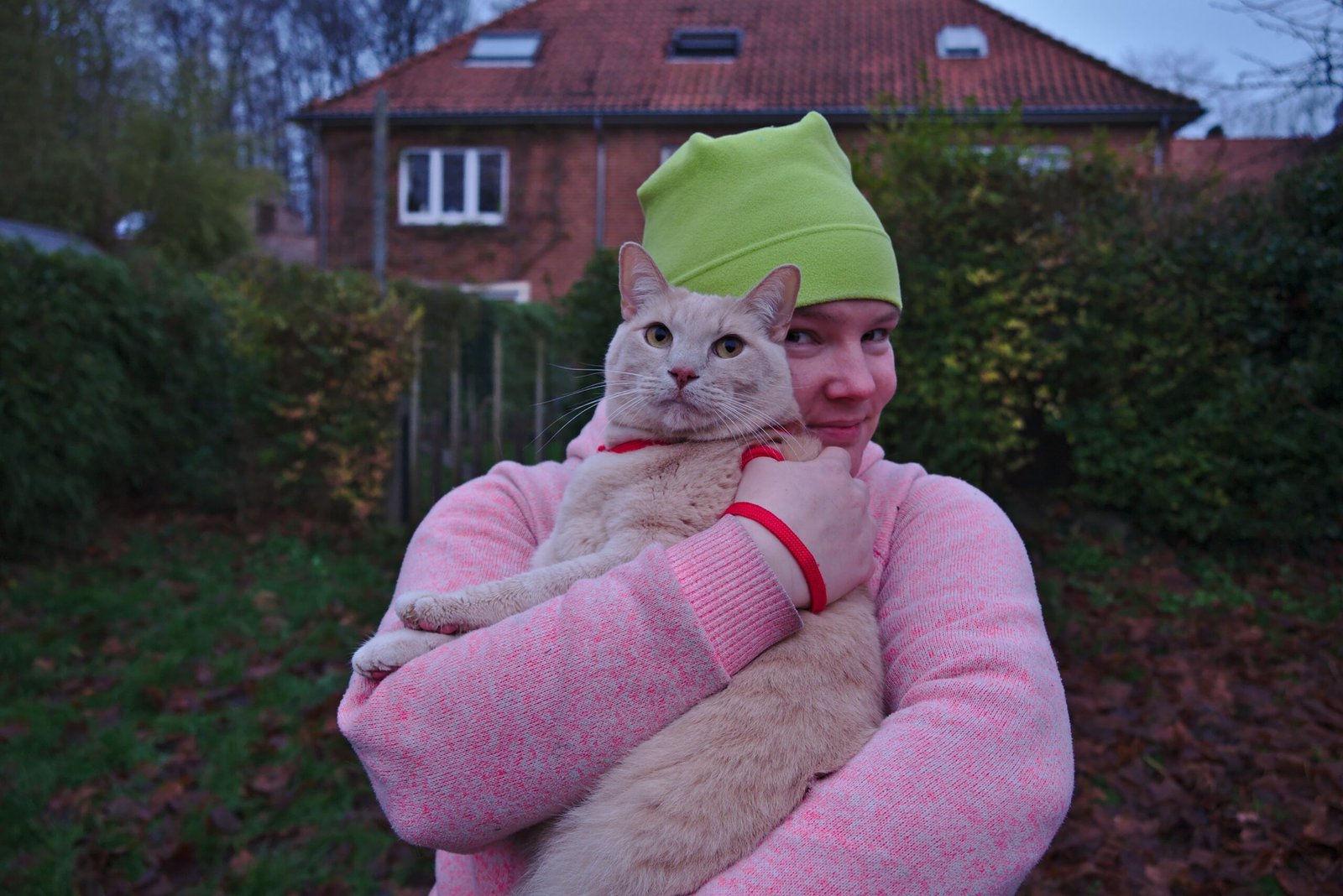
Perhaps the most important tip of all: shower your senior cat with love, patience, and gentle affection. Older cats might need a little more help, a little extra understanding, and a lot more cuddles. Cherish the quiet moments, the soft purrs, and the gentle headbutts. “Growing old is mandatory, but growing up is optional,” they say—and a senior cat’s playful spark is proof. Your kindness, patience, and devotion will make these years some of the best of their lives. Isn’t that what every loyal companion deserves?
Caring for your senior cat is all about keeping them comfy, healthy, and feeling loved every step of the way. With a little extra attention and a few thoughtful changes, you can make their golden years truly golden. They may be slowing down, but they’ve still got so much love to give. So take the time, soak up the snuggles, and enjoy every moment with your wise and wonderful feline friend.


