

Have you ever looked into the wise, soulful eyes of an aging Rottweiler and felt a wave of love and concern? Watching our furry companions grow older can be both heartwarming and heartbreaking. Senior Rottweilers, with their graying muzzles and slower steps, still have so much love to give—and they need our help more than ever. If you want your loyal friend to thrive in their golden years, it’s time to give them the care and attention they truly deserve. Here’s how you can make those later years as joyful and comfortable as possible for your beloved Rottie.
Prioritize Regular Vet Visits
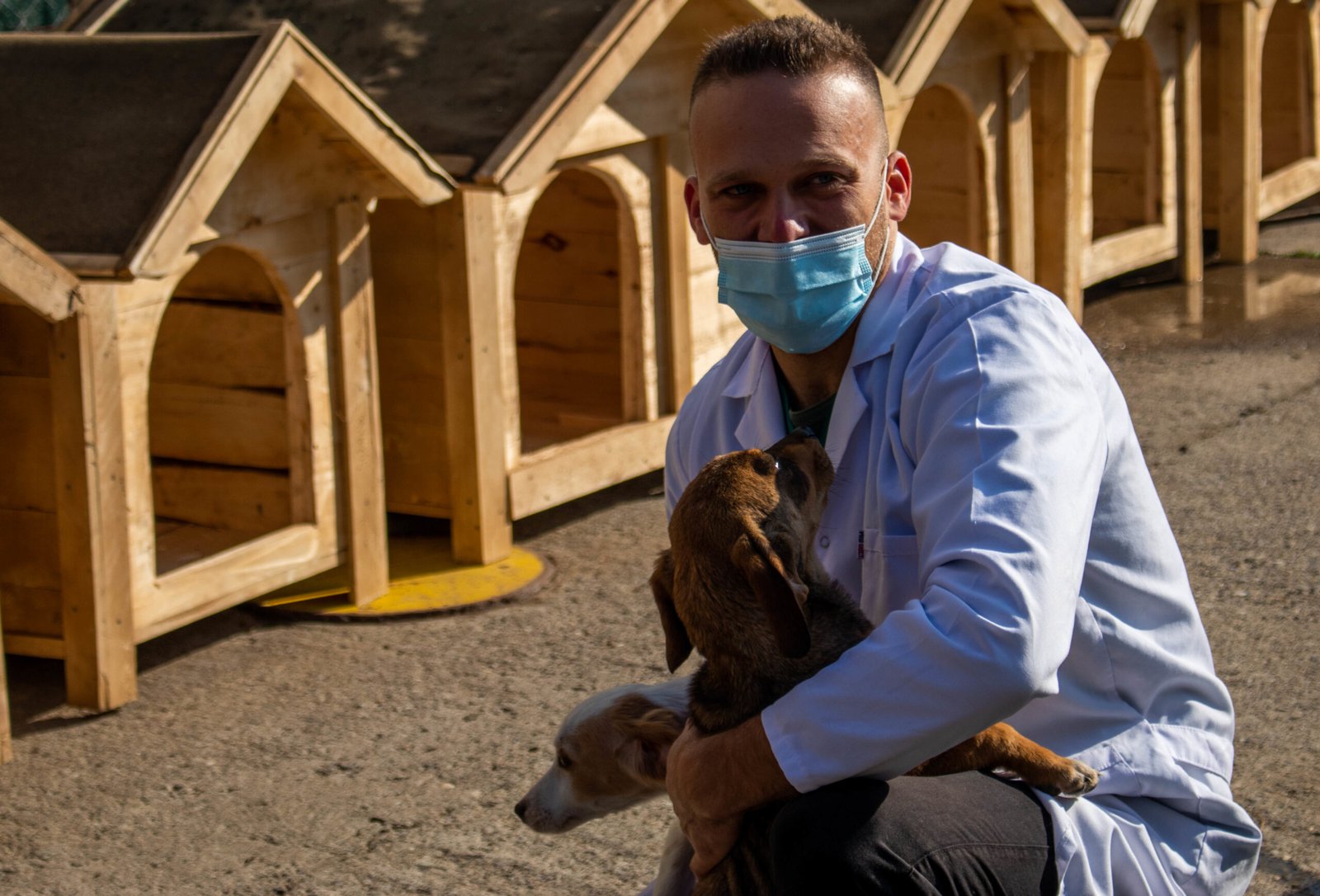
As Rottweilers age, their needs become more complex and health concerns can sneak up quickly. That’s why regular checkups with your veterinarian are absolutely essential. Older Rottweilers are prone to issues like arthritis, heart disease, and even cancer, so early detection can mean the difference between a simple treatment and a heartbreaking outcome. Scheduling visits at least twice a year helps ensure that any changes in health are caught early, giving your dog the best chance at a long, happy life.
During these checkups, don’t hold back any concerns. Even small changes in behavior or appetite can offer important clues. Your vet may recommend blood tests, dental checkups, or even special screenings based on your Rottweiler’s age and specific health history. These visits are about more than just shots—they’re your first line of defense in keeping your senior Rottie comfortable and content.
Adjust Their Diet for Senior Needs
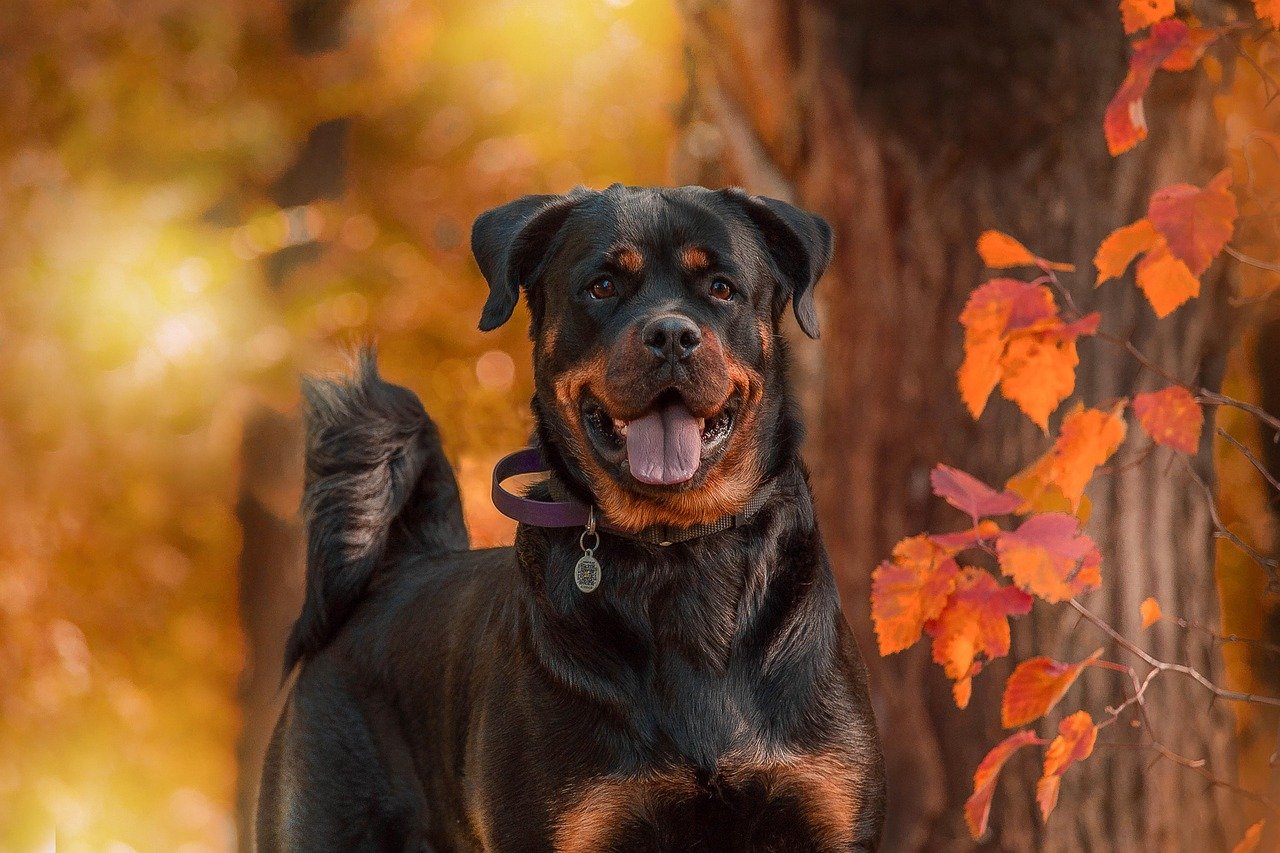
Just like people, senior Rottweilers need a diet that suits their changing bodies. As metabolism slows down, the risk of weight gain and related health issues increases. It’s important to choose dog food that’s specially formulated for seniors, with fewer calories, more fiber, and extra joint-friendly nutrients like glucosamine and chondroitin. These ingredients can help your old friend stay energetic without piling on the pounds.
If you notice your Rottweiler becoming pickier or struggling to chew, it could be time to switch to wet food or moisten their kibble. Some senior dogs also benefit from smaller, more frequent meals to aid digestion and prevent tummy troubles. Always consult your vet before making dietary changes, and keep an eye out for food allergies or sensitivities that can develop with age.
Keep Them Moving with Gentle Exercise
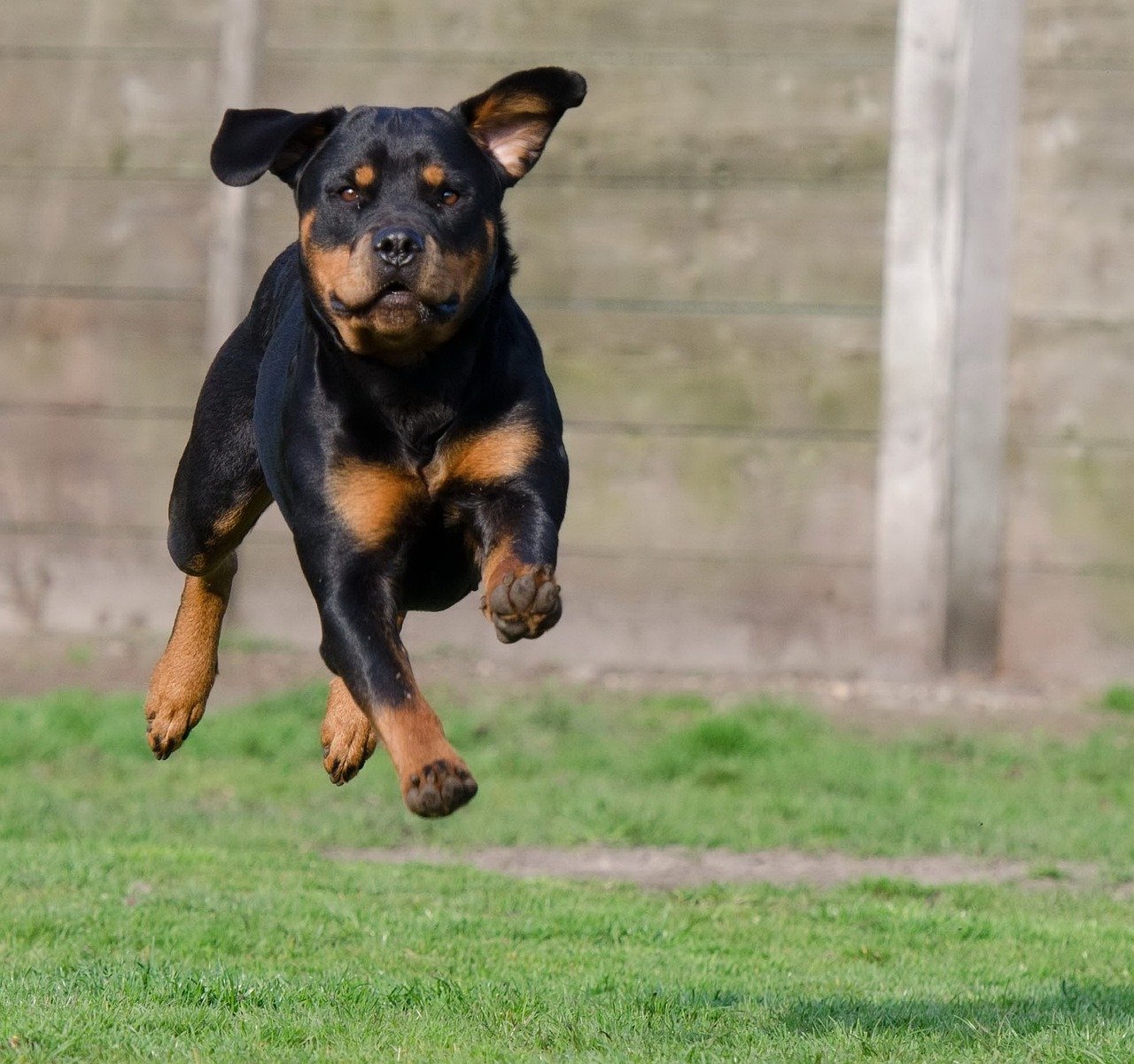
It’s tempting to let your senior Rottweiler snooze the day away, but regular, gentle exercise is key to keeping them healthy and happy. Short walks, light playtime, and even swimming can help maintain muscle mass, support joint health, and prevent obesity. Think of exercise as a way to keep their spirit bright—just because they’re older doesn’t mean they don’t want to explore the world.
However, don’t push them too hard. Watch for signs of fatigue, stiffness, or limping, and always adapt your routine to their comfort level. Your Rottie might not chase a ball as fast as they once did, but they’ll love the chance to sniff around the neighborhood or trot beside you at a calm pace. The important thing is to keep moving, while always respecting their limits.
Make Comfort a Priority at Home
Aging joints and bones need extra support, so making your senior Rottweiler comfortable is more important than ever. Provide a soft, orthopedic dog bed that cushions sore spots and eases pressure on their body. Avoid slippery floors by adding rugs or mats, which make it easier for your Rottie to get up and move around without the fear of slipping or injuring themselves.
Consider raising food and water bowls to reduce the strain on their neck and back. If your home has stairs, try to minimize their use or add ramps to help your dog reach their favorite spots. Little touches like these can make a world of difference in your Rottweiler’s quality of life, making each day feel a little easier and a lot more loving.
Monitor Their Weight Closely
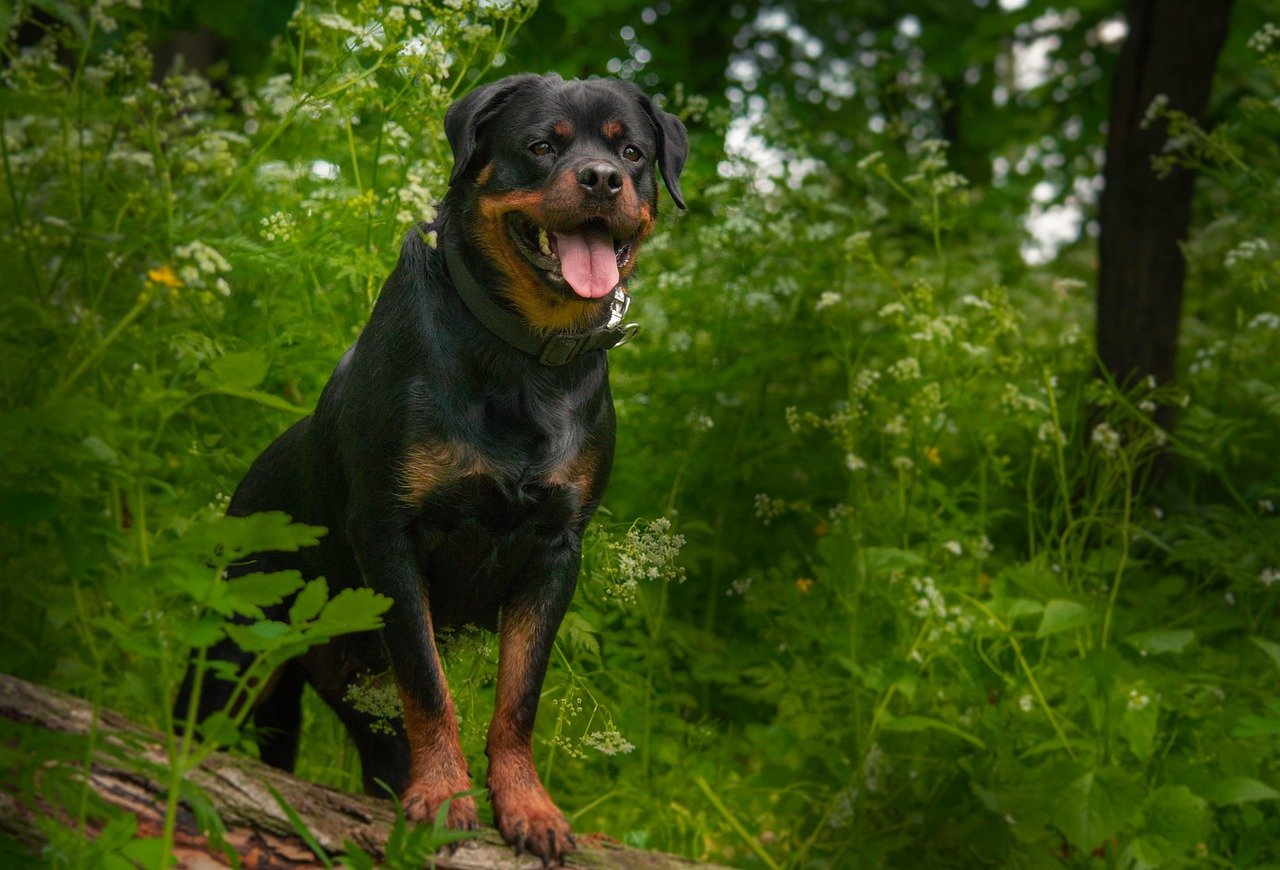
Weight management is a constant challenge for senior Rottweilers. Extra pounds put additional stress on aging joints, increase the risk of diabetes, and make it even harder for your dog to move around comfortably. Weigh your Rottie regularly and keep an eye on their body shape—if you can’t easily feel their ribs under a thin layer of fat, it might be time to adjust their diet or exercise routine.
It’s not just about the number on the scale; sudden weight loss can also signal underlying health problems, like kidney disease or cancer. By keeping a close watch and acting quickly when you notice changes, you can help your Rottweiler stay at a healthy weight and enjoy their senior years with more energy and less pain.
Support Their Joints and Mobility

Joint problems like arthritis are all too common in senior Rottweilers. Their large frames take a toll over the years, making it harder to get up, lie down, or even enjoy a walk. Supplements containing glucosamine, chondroitin, and omega-3 fatty acids can help ease inflammation and support joint health. Your vet might also recommend pain relief medications or physical therapy for more severe cases.
Simple changes at home, like adding ramps and avoiding stairs, go a long way in helping your Rottweiler stay active. Gentle massages and warm compresses can soothe sore muscles, and regular, low-impact exercise will keep them as mobile as possible. Think of it as giving them a little extra help to keep up with the life they love.
Keep Their Minds Sharp
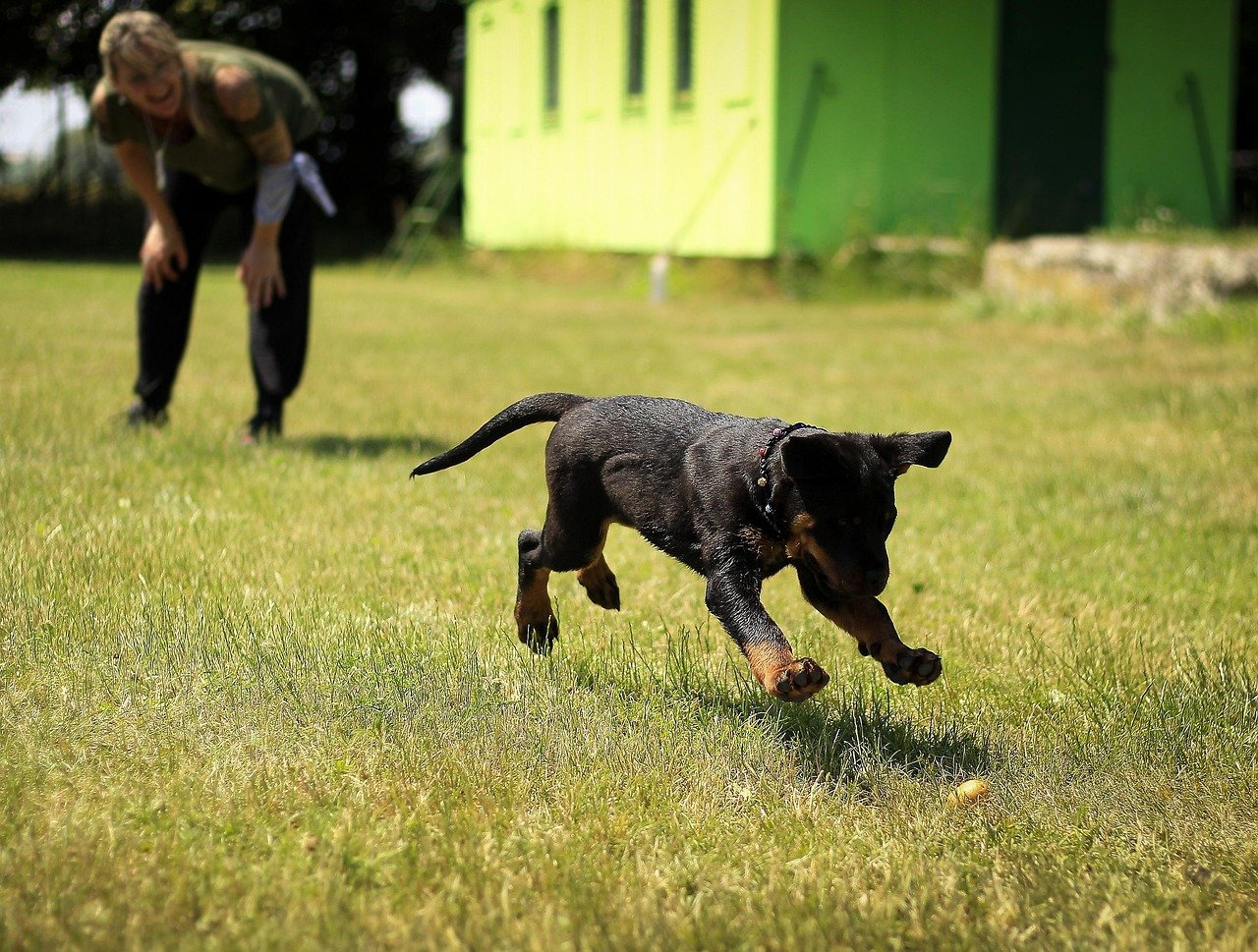
Mental stimulation is just as important as physical exercise for senior Rottweilers. Cognitive decline is common as dogs age, but you can help keep your dog’s mind active through simple games, new toys, and training sessions. Puzzle feeders, hide-and-seek games, and teaching new tricks—even basic ones—can provide valuable mental engagement.
Change up your routine now and then to offer new experiences. A walk in a different park, a new scent to explore, or a visit from a doggy friend can all spark curiosity and joy. Keeping your Rottweiler’s mind busy not only helps prevent boredom but may even slow the progression of age-related cognitive changes.
Maintain Good Dental Health

Dental care is often overlooked in older dogs, but it’s absolutely crucial. Dental disease can cause pain, affect their ability to eat, and even lead to infections that harm the heart and kidneys. Brush your Rottweiler’s teeth regularly with dog-safe toothpaste, and consider dental chews or toys designed to reduce plaque.
Regular professional cleanings by your vet might be necessary as your dog ages. Watch for signs of dental trouble, like bad breath, difficulty chewing, or bleeding gums. A healthy mouth means a happier, healthier Rottweiler, making mealtime and playtime much more enjoyable.
Watch for Behavioral Changes
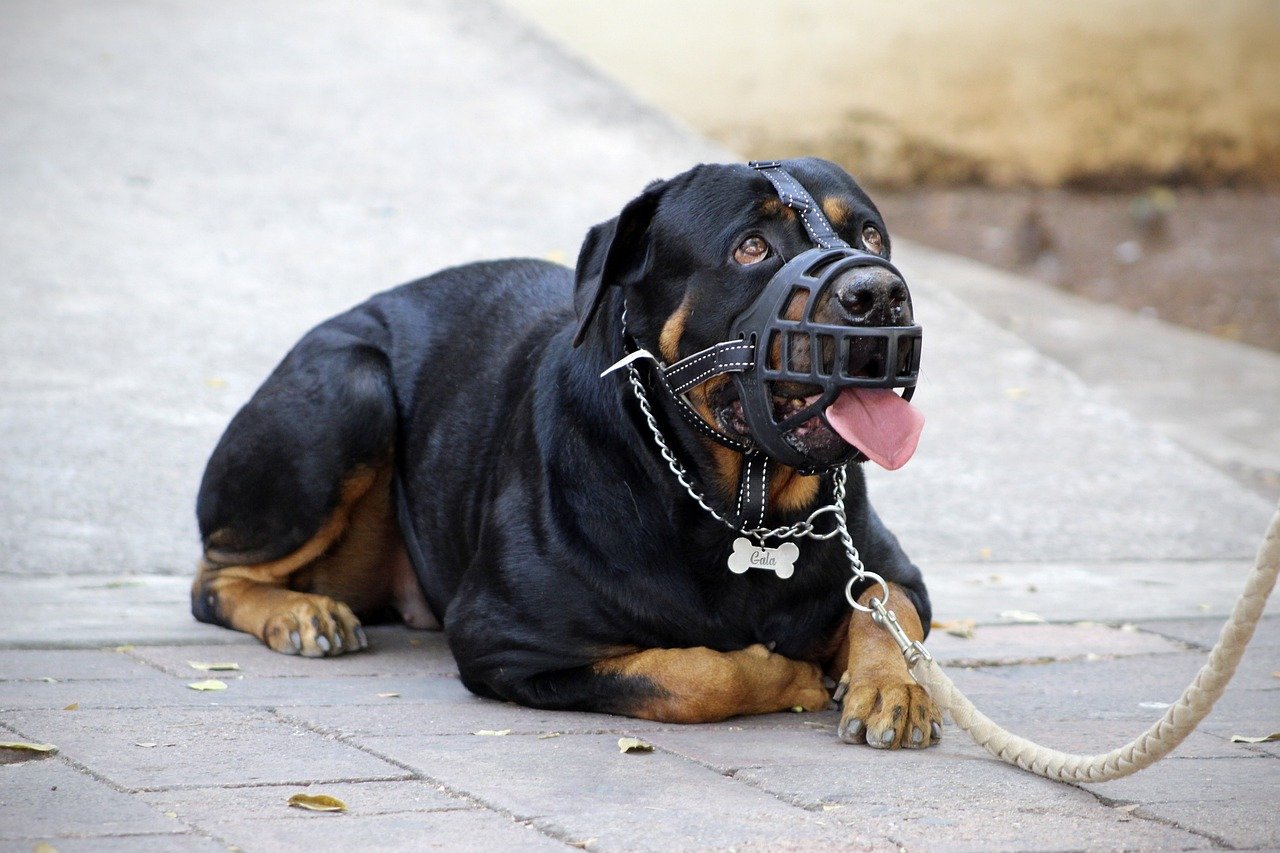
Senior Rottweilers may start to act differently as they age, sometimes becoming more withdrawn, anxious, or even confused. These changes can be signs of pain, cognitive decline, or other health problems. Pay close attention to shifts in their behavior—are they sleeping more? Do they seem irritable or less interested in activities they once loved?
Don’t dismiss these changes as “just old age.” Talk to your vet about any new or concerning behaviors. Sometimes, a simple change in medication or routine can help your Rottie feel more comfortable and secure. Your loving attention is often the first clue that something needs to be addressed.
Shower Them with Love and Patience

Above all, your senior Rottweiler needs your patience, understanding, and affection. Aging can be confusing and sometimes scary for dogs, who may not understand why their bodies feel different or why they can’t keep up like they used to. Small gestures—a gentle cuddle, a favorite treat, a soft word—can mean the world to an elderly Rottweiler.
Take time to celebrate their quirks and cherish every moment, even the slow walks and the quiet naps. Remember, your dog has spent a lifetime loving you unconditionally. Now, it’s your turn to return that love with all the kindness and patience you can give. Isn’t that what they deserve most?


