Have you ever watched a bearded dragon bask under its heat lamp, looking as content as a dog sprawled in a sunbeam? It’s easy to think these scaly little companions are as low-maintenance as they seem, but in reality, their well-being hinges on some surprising details—hydration being a big one. Just like dogs need fresh water every day, bearded dragons rely on careful attention to their unique hydration needs. If you’re a dog lover who’s taken the plunge into reptile care, you’ll find that keeping your dragon happy is both rewarding and a little mysterious. Ready to discover how to keep your bearded dragon as lively and healthy as your favorite pup? Here are ten essential tips, sure to make your reptilian friend thrive.
Provide Fresh Water Daily
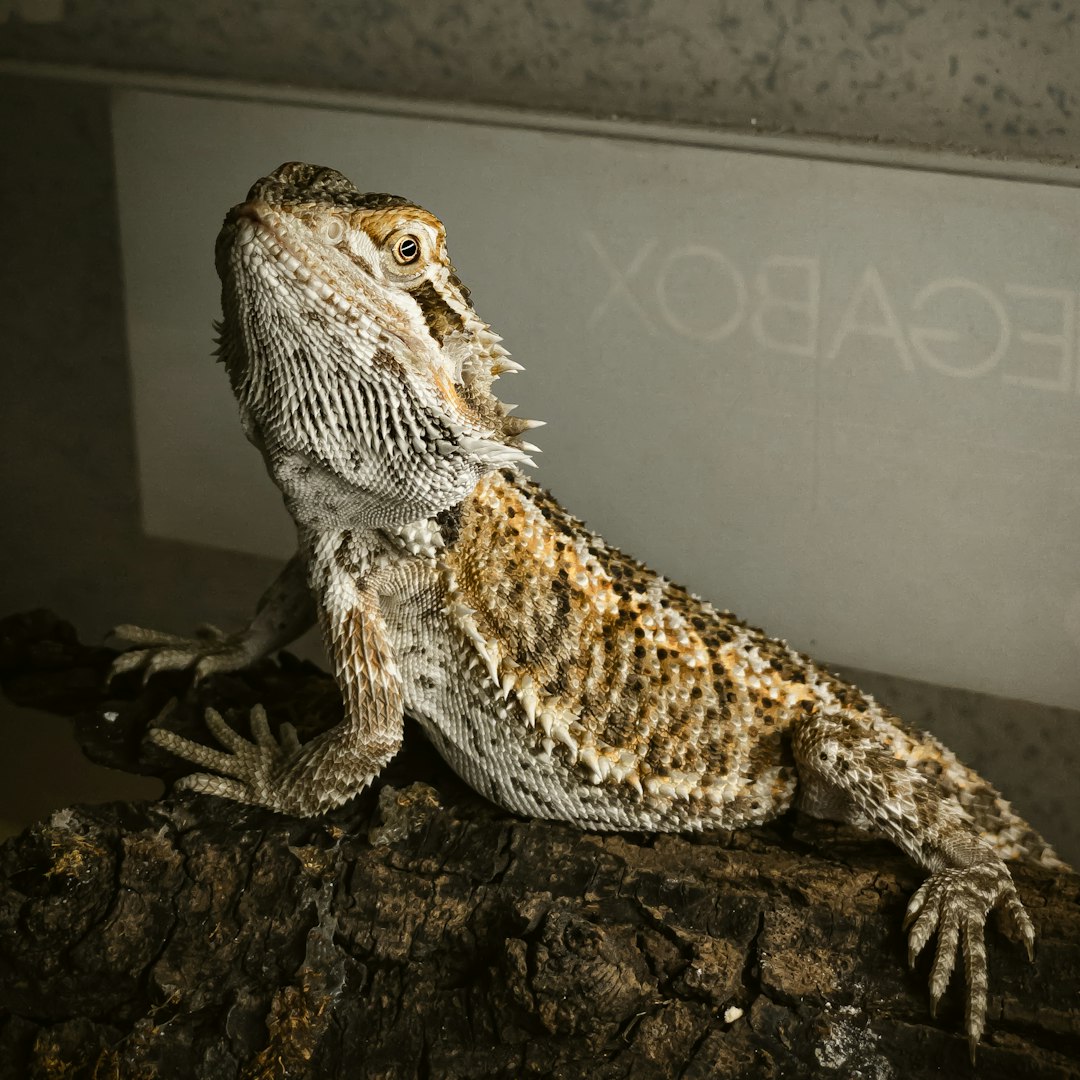
You wouldn’t let your dog go a day without water, right? The same goes for your bearded dragon, even though they don’t always lap it up like a thirsty pup. Always place a shallow dish of clean, fresh water in their enclosure. Change it every morning to prevent bacteria or debris from building up. Some dragons may ignore the bowl, but others will drink or soak as needed. Even if you rarely see them use it, having water available at all times is vital. Remember, dehydration in reptiles can creep up silently and become dangerous fast. Watch for signs like sunken eyes or wrinkled skin, and never assume they’re getting enough just because you don’t see them drink.
Mist Their Enclosure Regularly
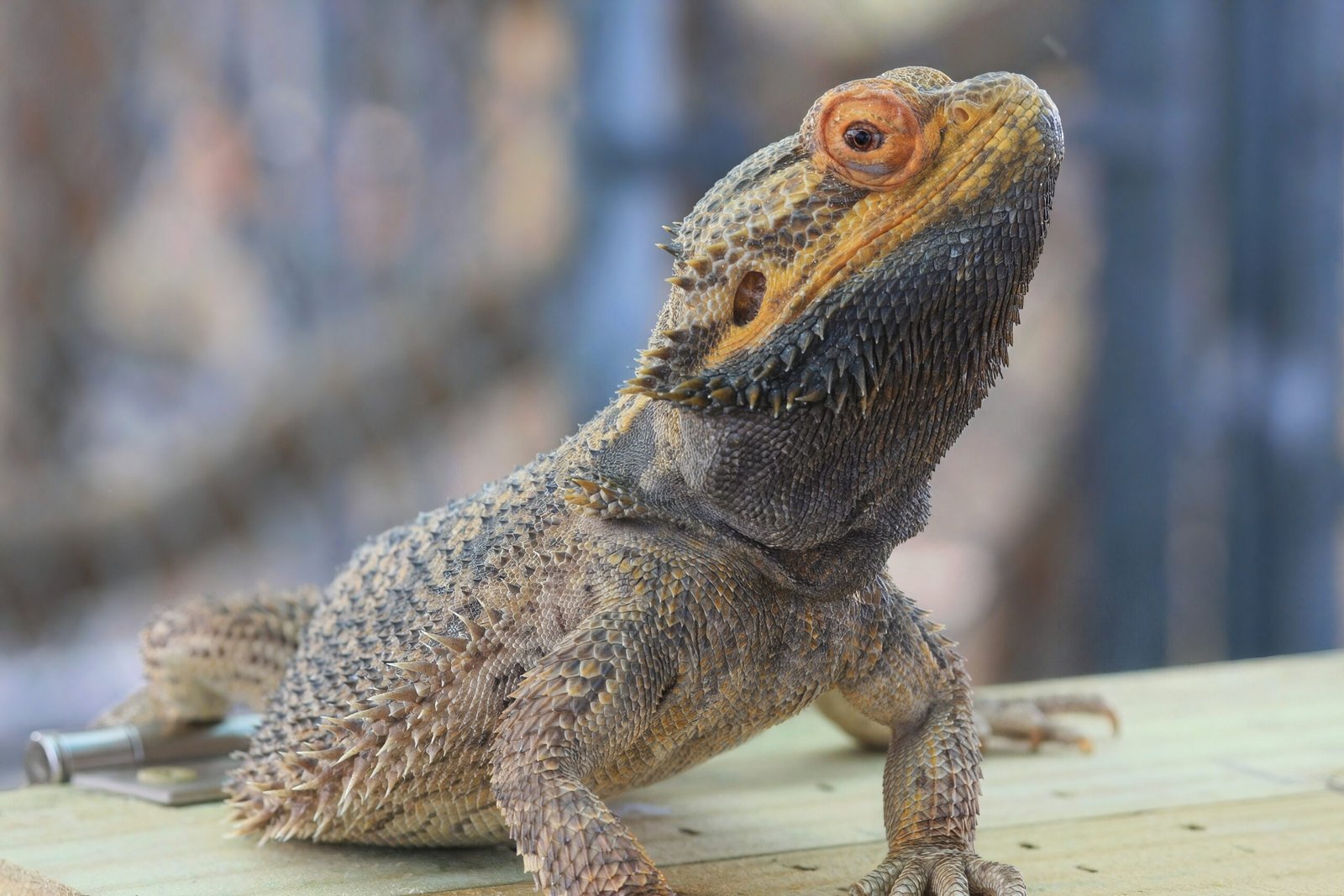
Unlike dogs, bearded dragons hail from arid environments, but they still benefit from a little humidity now and then. Lightly misting their enclosure helps maintain a comfortable level of moisture, especially in dry climates or air-conditioned rooms. Use a spray bottle with clean, dechlorinated water, and mist the sides of the tank or your dragon directly if they don’t mind. This can encourage licking behavior, letting them drink droplets straight from the glass or their scales. Be careful, though—too much humidity can be harmful, leading to respiratory issues. Aim for a gentle balance, misting once or twice a day, and always monitor the humidity levels with a hygrometer.
Offer Occasional Soaks

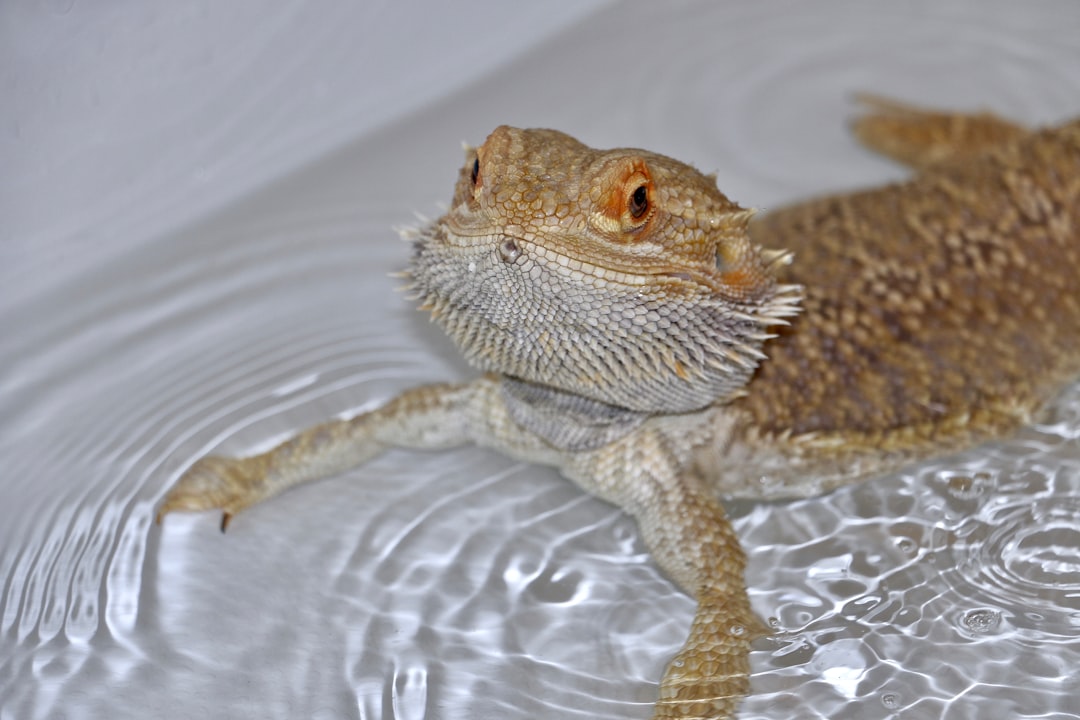
Ever notice how some dogs love splashing in puddles? Bearded dragons enjoy a good soak, too—just in a different way. Giving your dragon a shallow bath two to three times a week can help with hydration, shedding, and even digestion. Use lukewarm, chlorine-free water that’s just deep enough to cover their belly. Let them soak for 10-20 minutes while you gently supervise. Many dragons will drink during their bath, and you might see them perk up afterward. This simple ritual can make a world of difference, especially if your pet seems a bit sluggish or is having trouble shedding.
Feed Hydrating Foods

Just as you might slip an ice cube into your dog’s bowl on a hot day, you can offer your bearded dragon water-rich foods to boost their hydration. Leafy greens like collard, mustard, and dandelion greens are excellent choices. Occasional treats like cucumber, bell pepper, or squash can also provide extra moisture. Remember, not all fruits and veggies are safe, so always double-check before introducing something new. Feeding a varied, moisture-rich diet not only keeps your dragon hydrated but also supports their overall health, making them as energetic as a puppy chasing its tail.
Monitor Humidity and Temperature
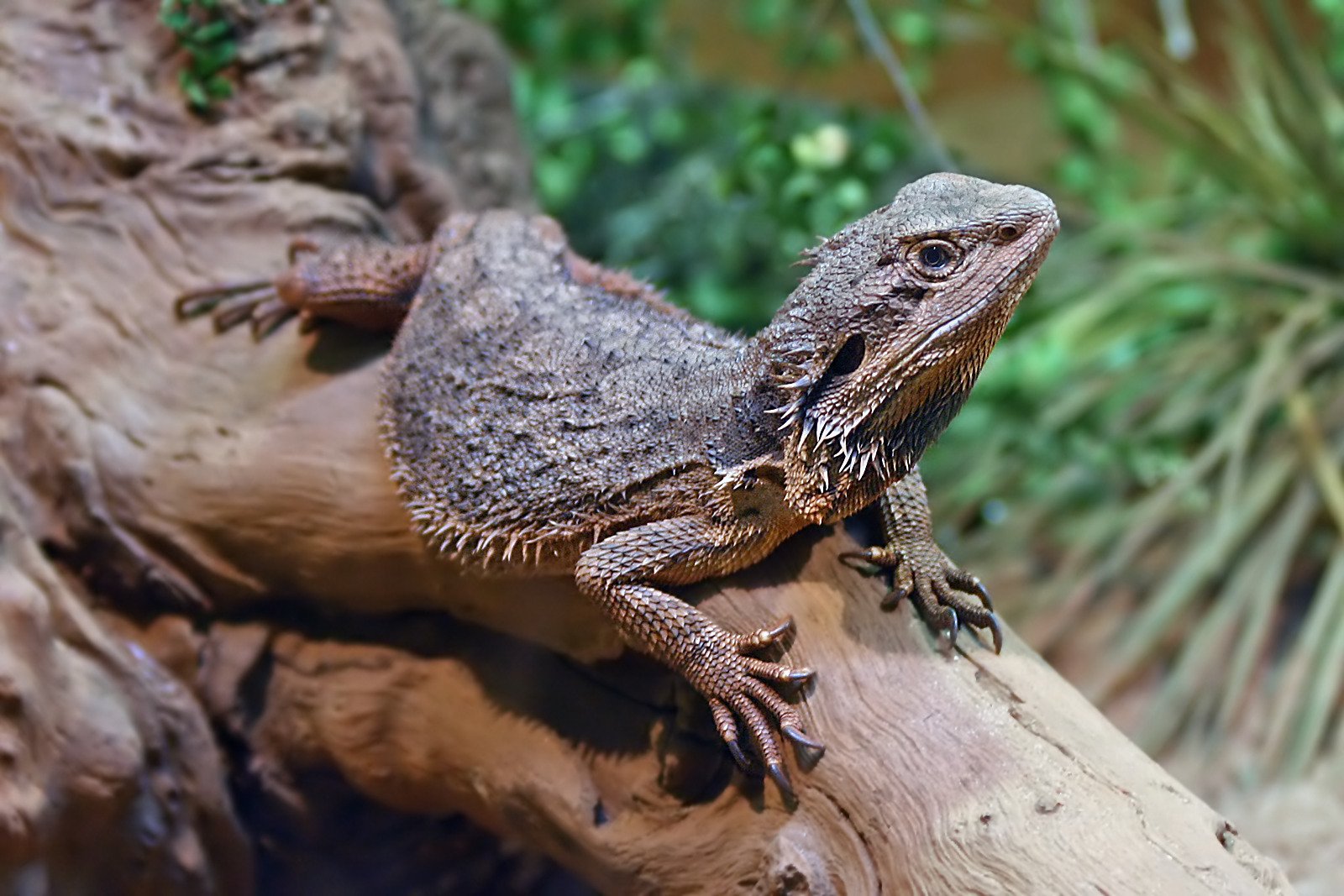
Keeping your dragon’s home just right is like adjusting the thermostat for your dog on a chilly night—comfort matters. Bearded dragons need a precise balance of warmth and humidity. Too much dryness leads to dehydration, while too much moisture can cause illness. Use a reliable hygrometer and thermometer to track the environment. The ideal humidity for most bearded dragons is between 30% and 40%. Basking spots should reach around 95-110°F, with cooler areas at 75-85°F. Make adjustments as needed, and remember that seasonal changes or indoor heating can shift the balance quickly.
Encourage Drinking Behavior

Dogs might lap up water happily, but bearded dragons sometimes need a little encouragement. Try gently dripping water on their snout with a dropper or your fingertip. Some dragons respond to the sound of water trickling, so you can let a few drops fall into their bowl to spark curiosity. You might even see them lick their lips or flick their tongues to catch droplets. These tricks can make hydration a more active and interactive process, especially for dragons who aren’t naturally inclined to drink from a bowl.
Keep the Water Clean and Safe

Just as you’d avoid giving your dog dirty or contaminated water, your bearded dragon’s water should always be clean and safe. Use filtered or dechlorinated water to prevent harmful chemicals from building up. Thoroughly wash the water dish every day, scrubbing away any residue or shed skin that might collect. If you notice your dragon’s water dish getting dirty quickly, consider placing it on a slightly elevated platform to keep out substrate and food particles. Clean water isn’t just about hydration—it’s a key part of preventing illness and supporting a healthy immune system.
Prevent Overheating

You wouldn’t leave your dog in a hot car, and your bearded dragon is just as vulnerable to overheating. High temperatures can cause rapid dehydration, leading to serious health problems. Always provide a gradient in their enclosure, with a cool retreat and a warm basking area. Make sure there’s shade and plenty of ventilation. On especially hot days, check on your dragon more frequently and consider offering an extra bath or misting. If you ever notice your dragon gaping, lethargic, or showing dark stress marks, act quickly to cool them down and restore comfort.
Watch for Signs of Dehydration

It’s heartbreaking to see a beloved pet in distress, whether it’s a dog or a dragon. Keep a close eye on your bearded dragon for subtle signs of dehydration. Look for wrinkled skin, sunken eyes, sticky saliva, or a lack of appetite. If you pinch their skin gently and it doesn’t bounce back quickly, that’s a red flag. Lethargy, darkened coloring, and trouble shedding are also warning signs. If you suspect dehydration, increase their access to water and hydrating foods, and offer more frequent soaks. Don’t hesitate to consult a reptile-savvy vet if symptoms persist.
Make Hydration Part of Your Daily Routine
Caring for a bearded dragon is a bit like looking after a dog—you build routines, share quiet moments, and watch them grow. Make hydration checks part of your daily habits: refill the water dish, mist the enclosure, and offer fresh greens. Observe your dragon’s behavior and adjust as needed based on their unique needs and the changing seasons. These small, consistent actions will help your bearded dragon stay happy, active, and healthy for years to come. Isn’t it amazing how a little extra care can make such a big difference?