
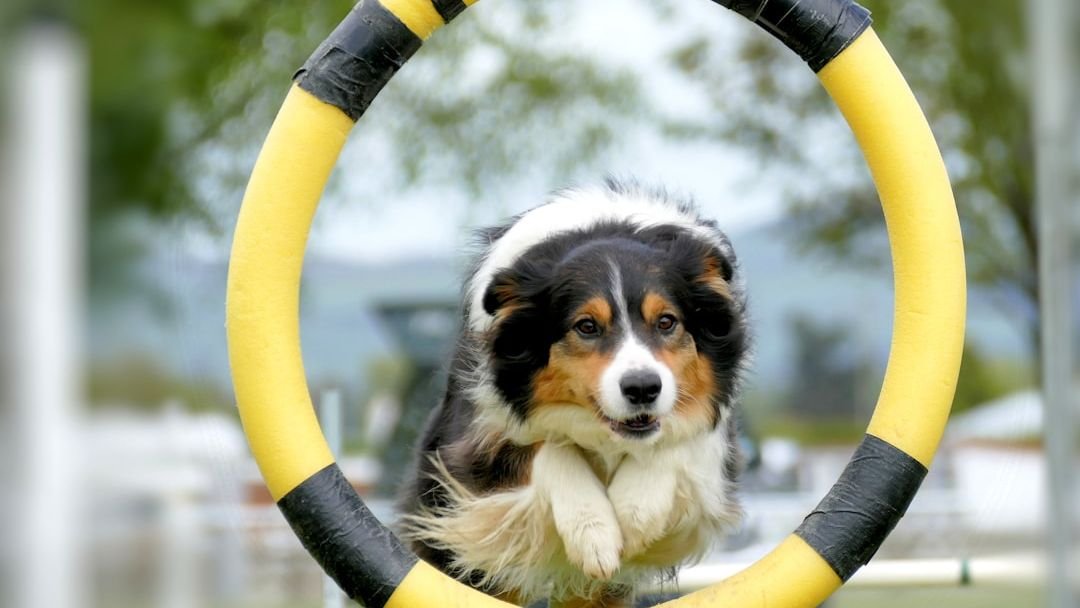
You’ve probably noticed how your dog lights up when there’s something interesting to sniff, chase, or puzzle over. That spark isn’t just adorable, it’s essential. Dogs need more than walks and belly rubs to thrive, they need mental workouts that challenge their incredible brains and tap into their natural instincts.
Mental stimulation activities can reduce boredom, decrease behavioral issues, and improve confidence, making life better for both of you. The games in this guide aren’t your typical fetch routines. They’re designed to light up different parts of your dog’s brain, from problem solving to scent tracking, all while strengthening your bond. Let’s dive into ten unique games that will keep your pup sharp, satisfied, and delightfully engaged.
The Shell Game: Testing Focus and Tracking Skills
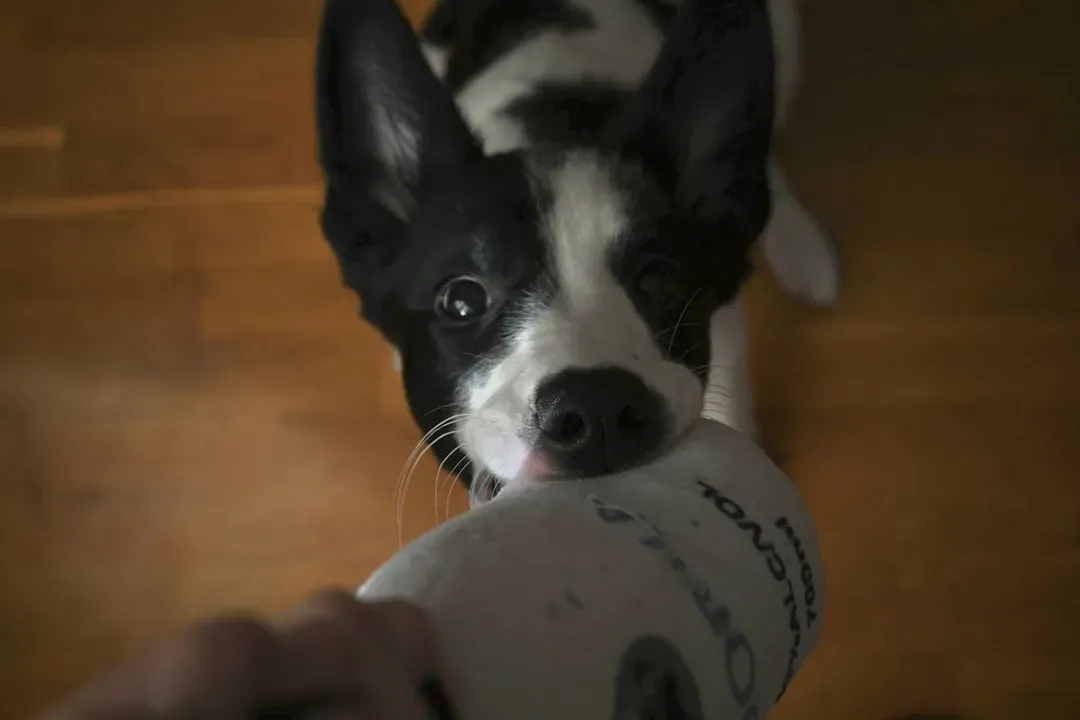
This fun brain game puts your dog’s concentration to the test using three cups and either a treat or toy. Place the reward under one cup, then shuffle them around while your dog watches closely. Once you stop, encourage them to choose the correct cup with their nose or paw.
This game sharpens visual tracking and teaches impulse control. Be sure to provide lots of love and encouragement to maintain their interest in this mentally stimulating task. Start slowly at first, letting your dog build confidence before increasing the speed. Watch their eyes get sharper each round as they learn to follow the prize.
Treasure Hunt: Unleashing the Power of Their Nose
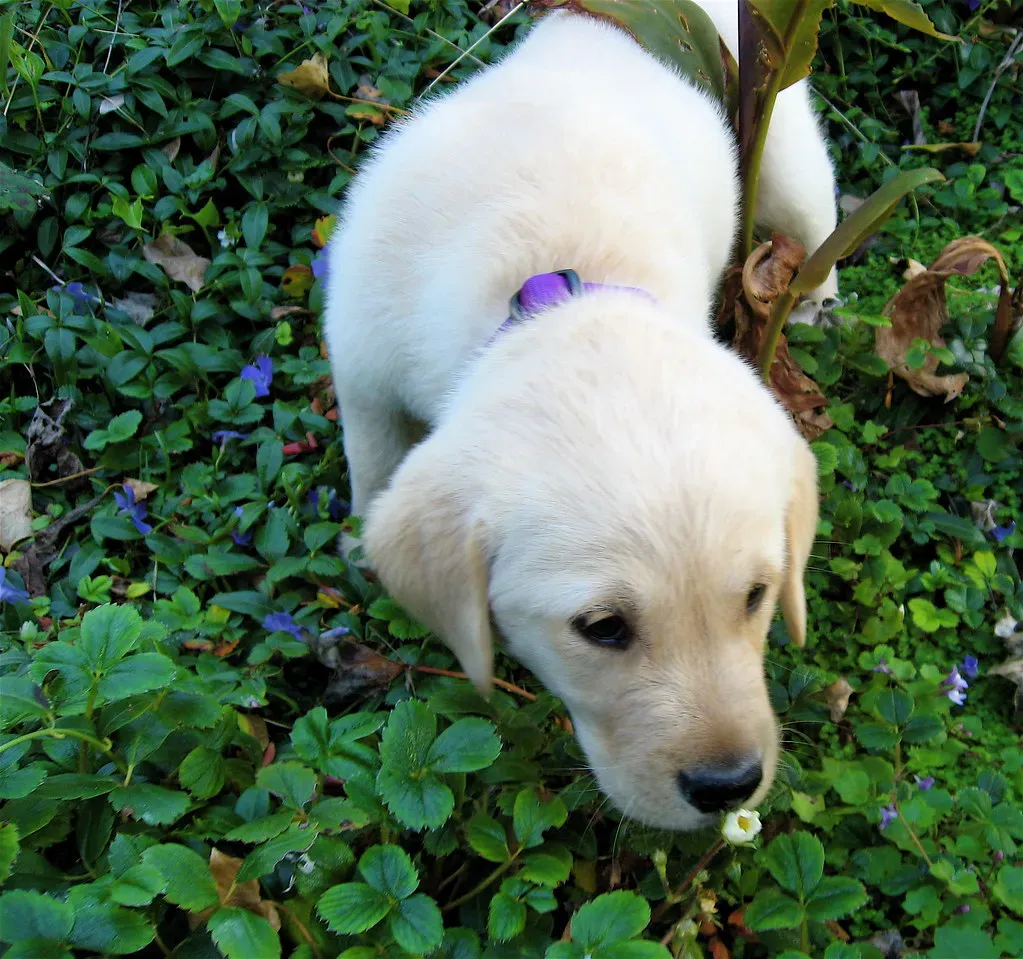
This game tests your dog’s thinking and scent skills by hiding tasty treats around the house or outside in the garden. Start with easy spots like beside furniture or under a towel, then gradually increase difficulty by tucking treats in harder to reach places. The beauty of this game is that it taps directly into your dog’s most powerful sense.
Each time you play, change up the locations you put the treats to make it more engaging for your dog. Some dogs catch on immediately, while others need a few rounds to understand they should use their nose instead of their eyes. Either way, the satisfaction they get from finding those hidden treasures is pure joy. For an extra challenge, try leaving a scent trail by letting the treat touch certain surfaces along the route to where you leave it hidden.
DIY Towel Roll Puzzle: Simple Yet Surprisingly Challenging
Here’s a game you can set up in under a minute with items you already have at home. Lay a towel open on the floor, sprinkle in part of your pup’s breakfast or dinner, and add a few surprise dog treats along the way, then roll the towel up and fold it into itself. Hand it over and watch your dog work to unravel their reward.
This game engages problem solving skills and provides sensory stimulation through texture and scent. You can advance this game by tying the towel into a knot after rolling it up. The beauty lies in its simplicity. No fancy equipment needed, just a towel and some patience. Your dog will love the challenge, and you’ll love watching them figure it out.
Hide and Seek: The Ultimate Bonding Game
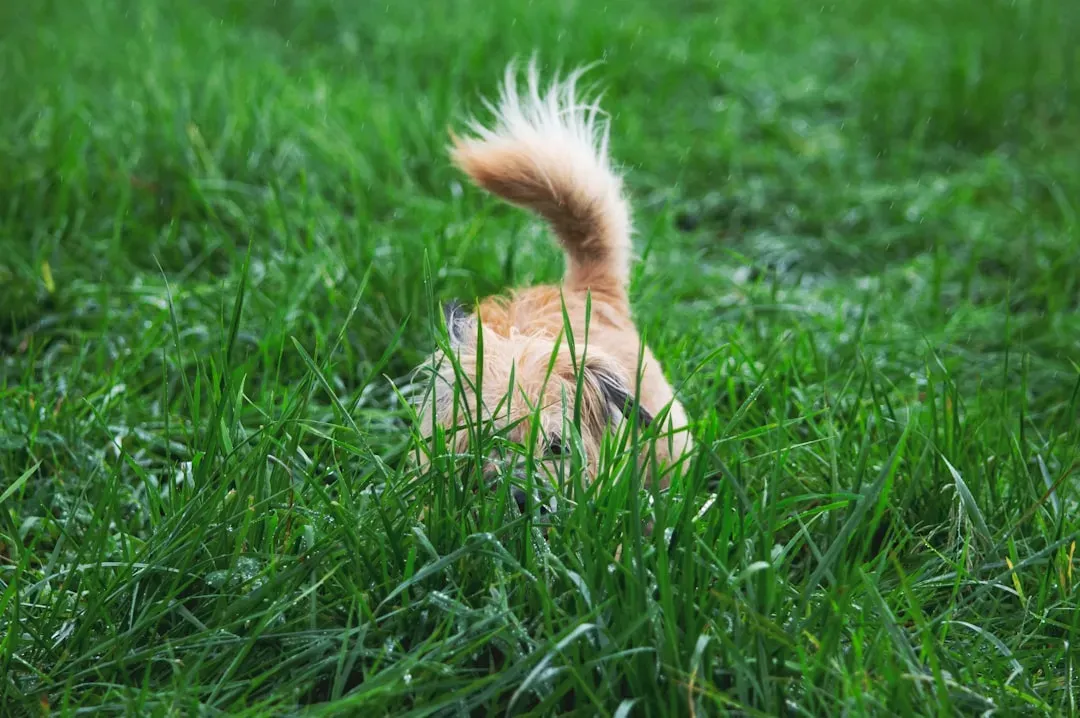
It’s a fun game to play with your dog, with you being the ultimate reward, where you ask your dog to sit and stay while you take your time finding the perfect hiding spot. Once you’re settled, call out to them and let the search begin. Their tail will probably wag harder when they finally discover you.
This game builds recall skills and reinforces the stay command while making training feel like pure fun. It may take patience for your dog to find you, but they will enjoy releasing physical and mental energy throughout the process. The game also strengthens your bond because you become the most valuable prize. Over time, pick trickier hiding spots to keep things interesting.
The Muffin Tin Challenge: A Budget Friendly Brain Teaser
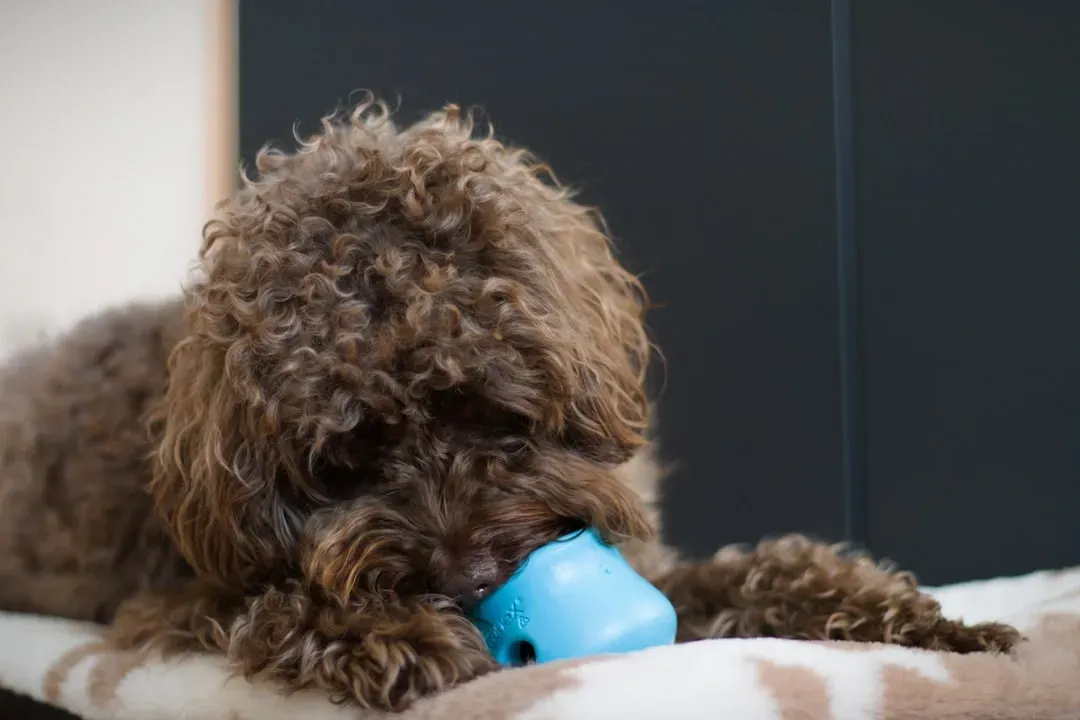
To play this game, have your dog wait by your side as you sprinkle kibble or treats into each muffin tin cup, then cover the treats with tennis balls, small toys, or crinkled paper. Your dog has to figure out how to remove each obstacle to claim their reward. It’s like a mini obstacle course for their brain.
This activity is perfect for food motivated dogs and can be adjusted for different skill levels. For smaller dogs, try using an egg carton and covering the treats with ping pong balls instead of a muffin tin. The game teaches patience and problem solving while keeping your dog busy for a solid stretch of time. You’ll be amazed at how inventive they become with each attempt.
Hot and Cold: Teaching Vocal Cues and Listening Skills
The hot and cold game uses verbal communication and vocal tone to help your dog find a hidden treat or toy, where you use a calm tone to indicate they are getting colder and a more excited tone for hotter as your dog gets closer. This game transforms your voice into a guiding tool that sharpens your dog’s listening abilities.
This game can improve listening skills and helps build the special language shared by you and your dog. It requires focus from both of you, creating a unique form of communication that strengthens your relationship. Start with short distances and gradually make the hiding spots more challenging as your dog learns to decode your vocal clues.
String Pulling Puzzle: Developing Reasoning Skills
Let your dog figure out how to pull a string to get a treat by tying a ribbon or small rope to a treat, then hiding it under a small platform or piece of furniture. The treat should be far enough back that they can’t reach it directly with their mouth or paw. This forces them to think differently about how to solve the problem.
Reasoning skills are essential for developing puppies and older dogs alike, and successful problem solving is also a big confidence booster. Some dogs figure this out quickly, while others need multiple attempts. That’s perfectly fine. The learning process itself is what builds their brainpower. Celebrate when they finally make the connection.
Name That Toy: Building Vocabulary and Memory
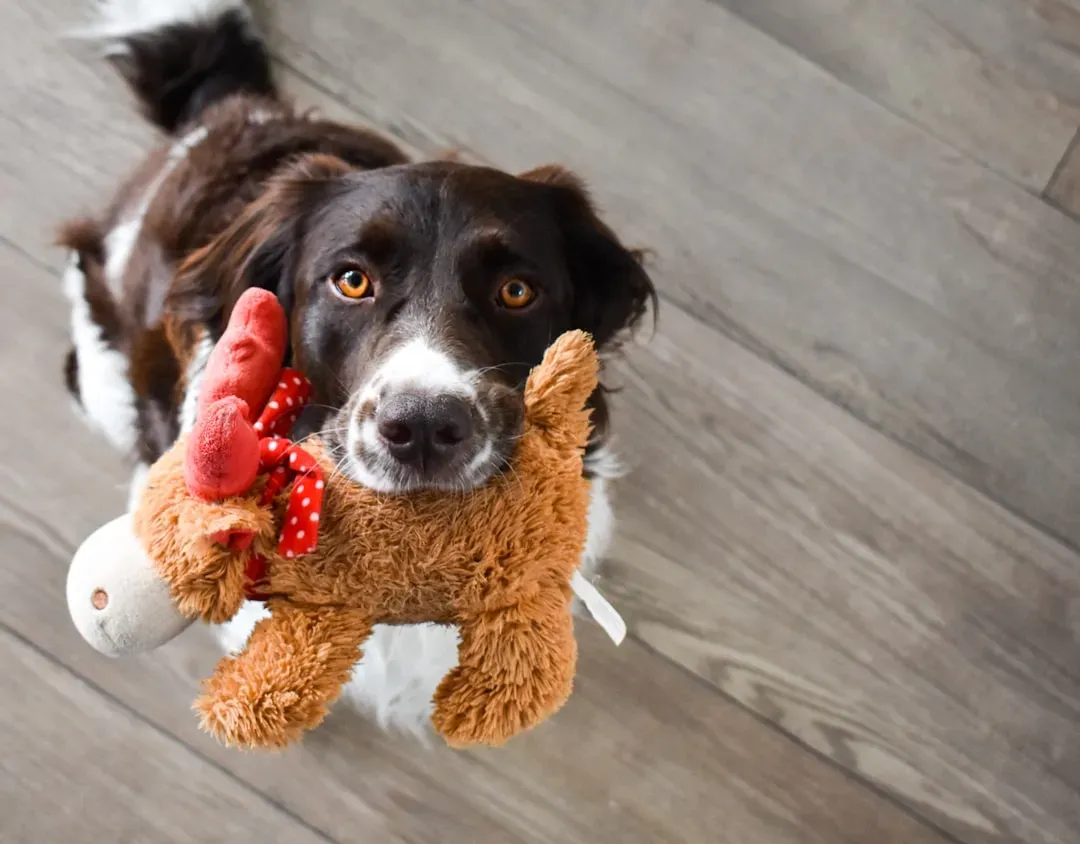
Teach your Labradoodle the names of toys, then ask for specific items, as this boosts vocabulary and focus. Start with two distinct toys and use one name consistently until your dog reliably brings that specific toy. Then add another. Before you know it, your dog will have an impressive vocabulary.
This game demonstrates just how much dogs can understand human language when given the chance to learn. It engages their memory and listening skills simultaneously. Some dogs can eventually learn dozens of toy names. The key is consistency and patience. Make it fun, not frustrating, and your dog will surprise you with what they can learn.
Red Light, Green Light: Impulse Control Through Play
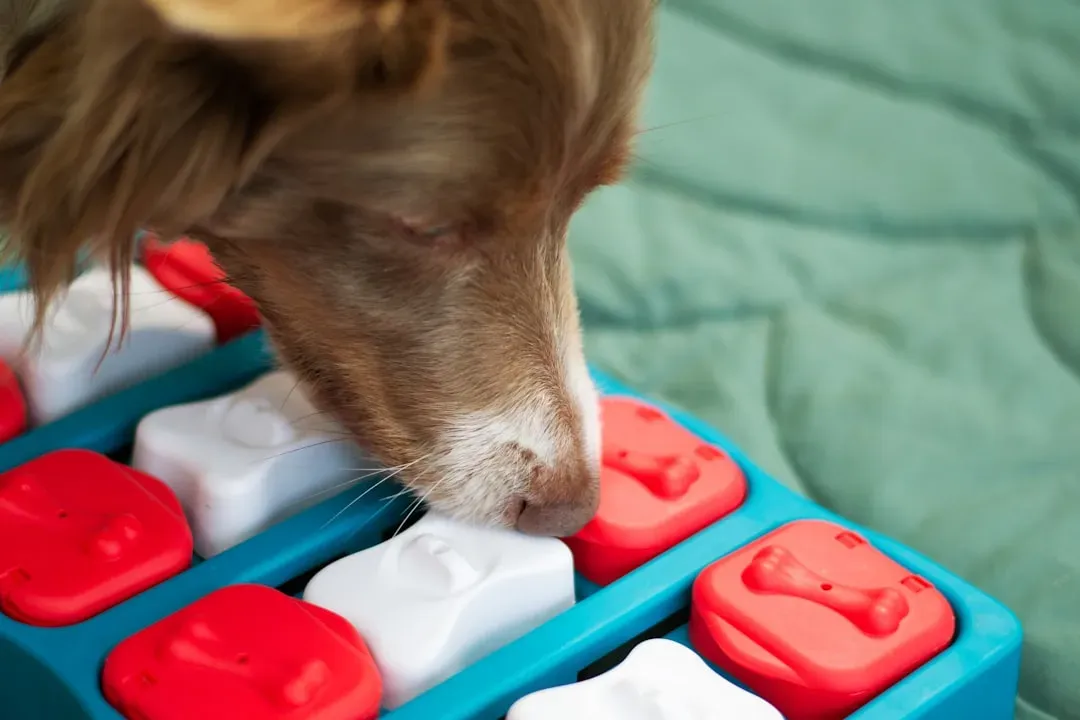
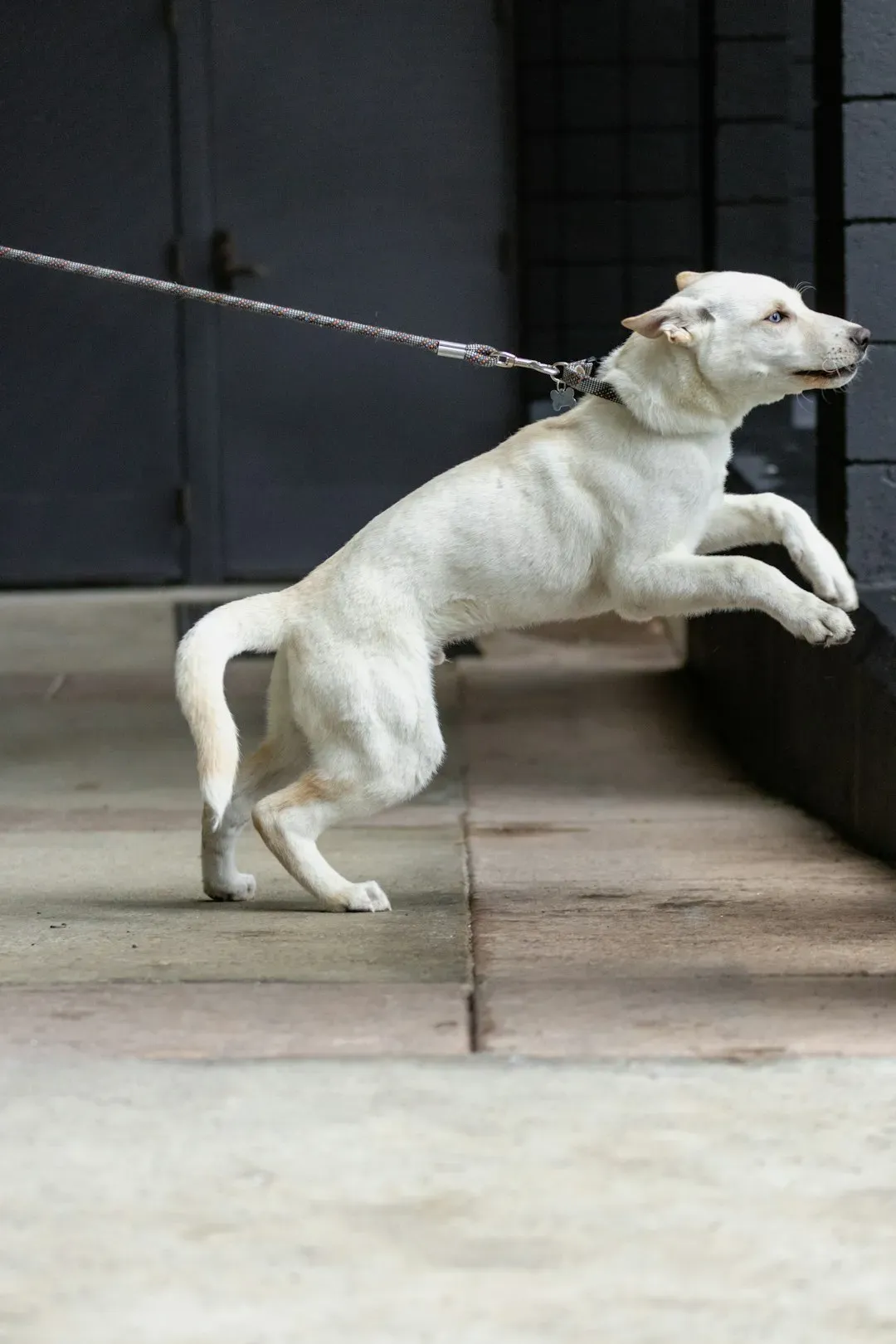
Red light, green light is a brain game that’s perfect for dogs who seem to lose control of their excitement during playtimes and walks, where you walk them on a leash and as you say red light, stop and command them sit. When you say green light, resume walking. This game turns training into a playful challenge.
Reward them with a treat immediately after they successfully stop and sit. This game teaches impulse control in a fun, engaging way that doesn’t feel like strict training. It’s especially helpful for excitable dogs who struggle with self control during walks. Over time, you’ll notice your dog becoming calmer and more responsive to your cues.
Indoor Obstacle Course: Physical and Mental Stimulation Combined
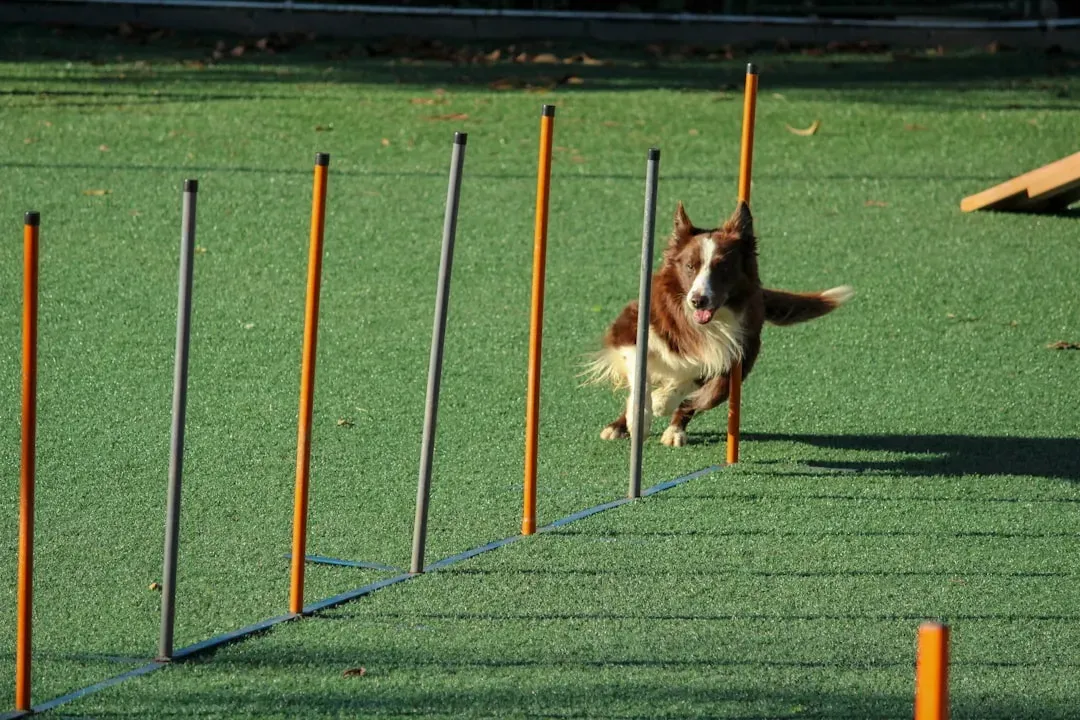
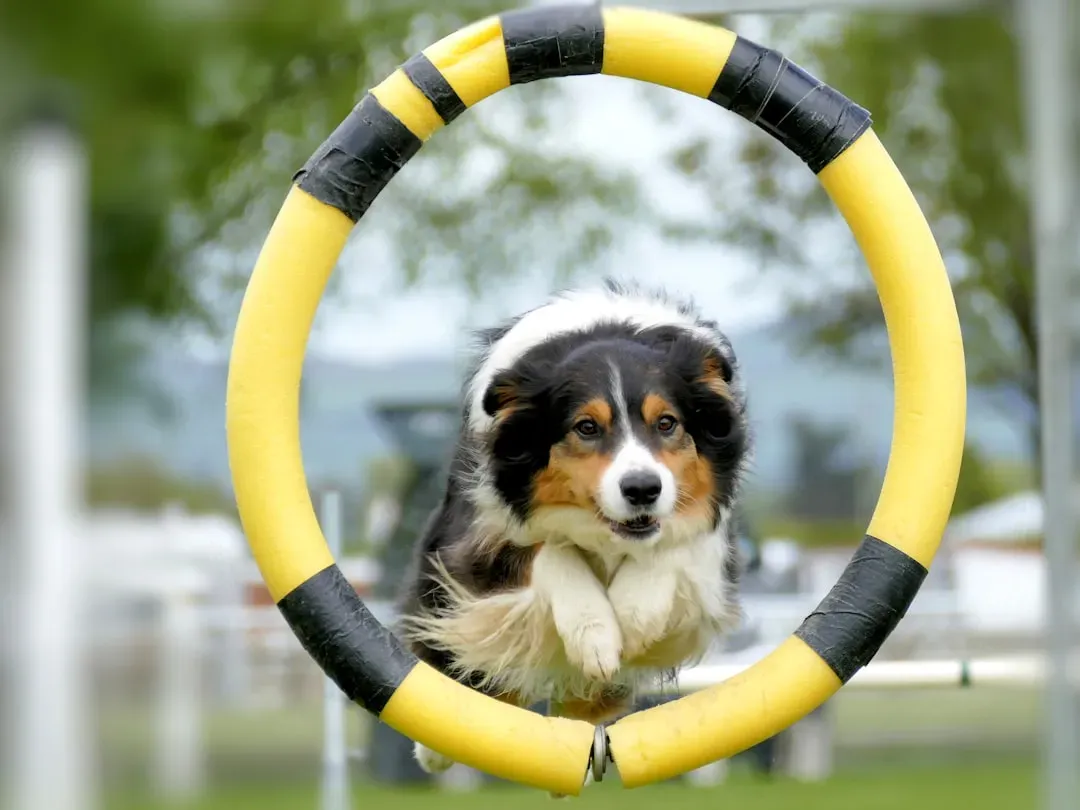
Agility can be a mentally and physically stimulating brain game where you can easily make an obstacle course out of common household objects that are safe for dogs, setting up dining room chairs for your dog to weave through or a broom for them to jump over. Create tunnels with blankets draped over chairs or place pillows to step over.
As your dog navigates the course, they learn to overcome various challenges, which boosts their confidence and improves coordination. This game is perfect for high energy dogs or rainy days when outdoor exercise isn’t possible. Keep the obstacles low and safe, especially for puppies or senior dogs. The mental challenge of figuring out the course can be just as tiring as the physical activity.
Conclusion: Building a Brighter, Happier Life Together
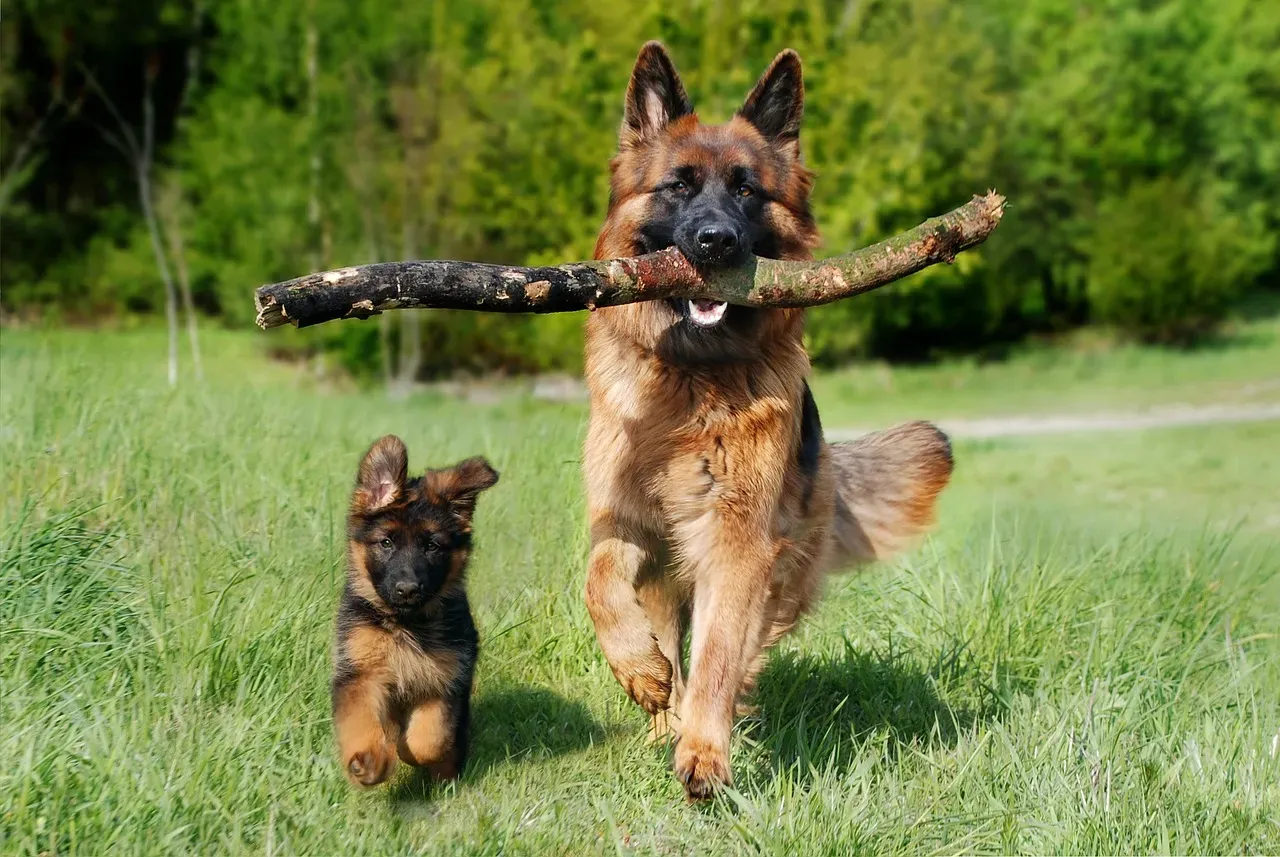
Mental stimulation can contribute significantly to a dog’s overall health, as mental activities can tire out a dog just as much as physical exercise does, particularly helpful for dogs that need an outlet for excess energy but cannot engage in long physical activities. The games you’ve just discovered aren’t just ways to pass time, they’re investments in your dog’s cognitive health and emotional wellbeing.
Mental stimulation is as important for dogs as physical activity and has been shown to improve their mood, behaviour and sleep, while incorporating games and play creates bonding moments between you. Start with one or two games that match your dog’s personality and gradually expand your repertoire. Remember, it’s not about perfection, it’s about engagement and joy.
Every puzzle solved, every treat found, and every challenge conquered builds your dog’s confidence and deepens the trust between you. What’s your dog’s favorite way to play?


