
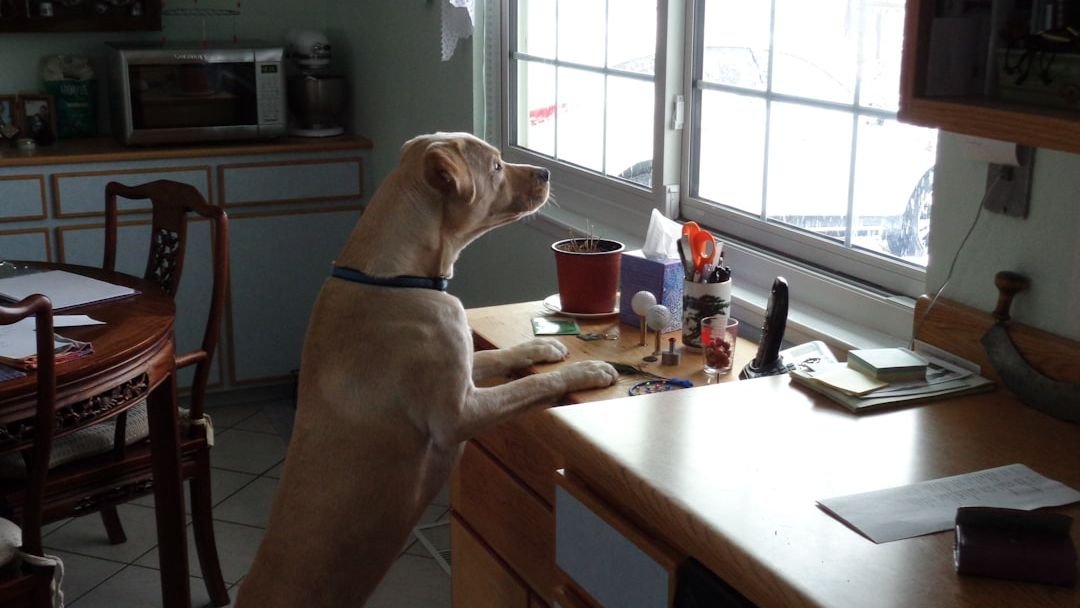
Let’s be real, we love our dogs to pieces. Those wagging tails, those puppy eyes, the way they greet us at the door like we’ve been gone for years when it’s only been ten minutes. They’re family, no question. Yet even the most devoted dog parent will admit that our furry friends sometimes drive us absolutely batty with their antics. The incessant barking at nothing, the chewed up shoes, the jumping that leaves muddy paw prints all over your freshly laundered clothes. Sound familiar?
Here’s the thing, though. Most of these frustrating behaviors aren’t signs of a bad dog. They’re just normal canine instincts that haven’t been properly redirected. The good news is that with some patience, consistency, and the right approach, you can tackle these issues right at home without needing expensive trainers or bootcamps. So let’s dive into the most common habits that make dog owners want to pull their hair out, and more importantly, how to fix them.
Excessive Barking That Drives Everyone Crazy
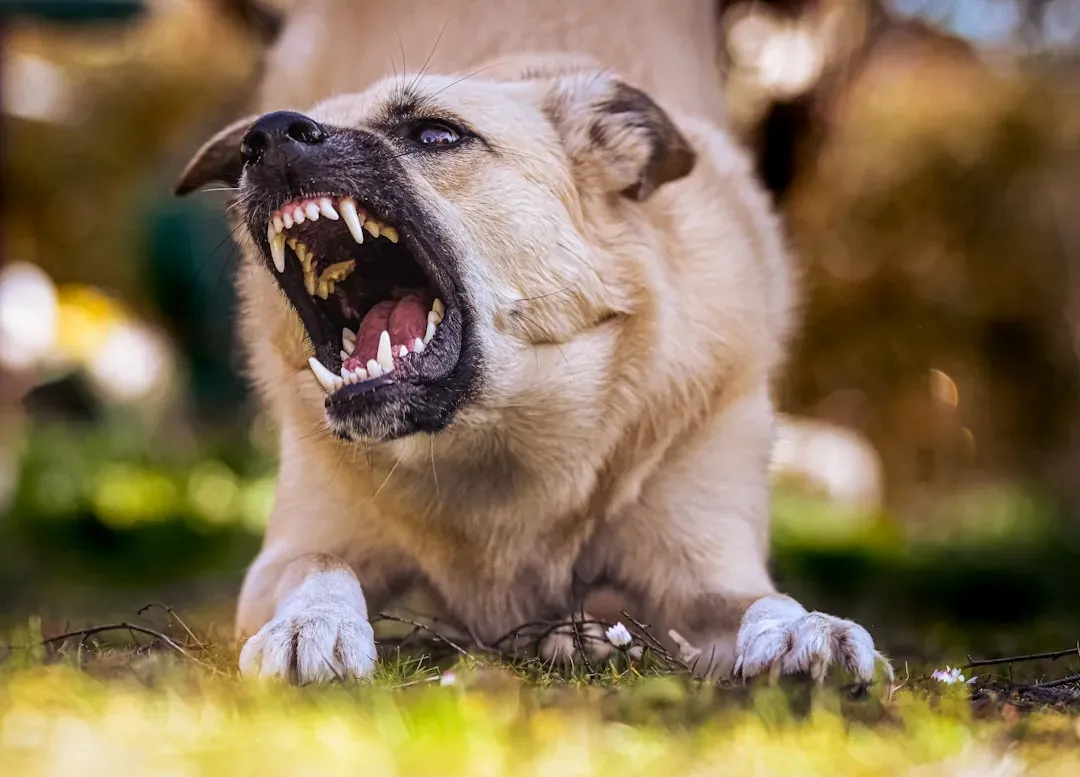
Barking is actually a natural habit for dogs, serving as their way of expressing emotions like excitement, fear, or boredom, and typically alerting you to visitors at the door or other dogs walking down the street. The problem starts when the barking becomes relentless and happens at every little sound or movement outside your window.
Teaching a “quiet” or “enough” command can help, and as soon as your dog starts to bark, you calmly say that command, eventually leading your dog to stop barking and come to you for praise or a treat. The key word here is “calmly.” If you get all worked up and start shouting, your dog might think you’re joining in on whatever they’re alerting you about, which just reinforces the behavior.
Destructive Chewing On Everything In Sight
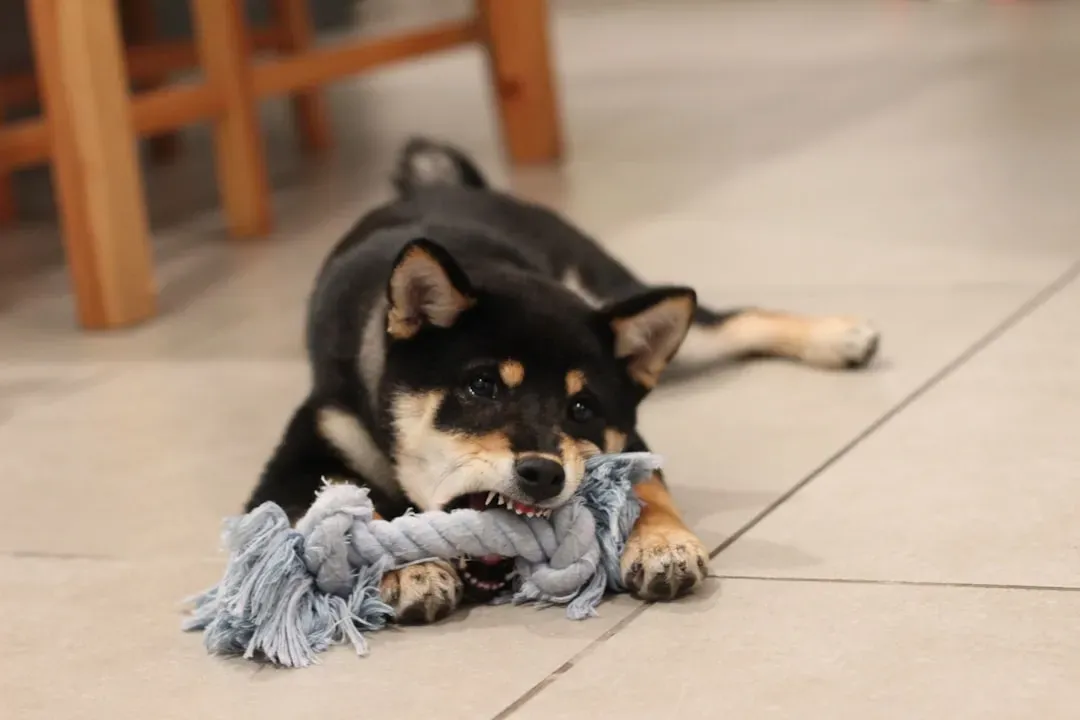
Walking into your living room to find your favorite pair of shoes reduced to shreds is never fun. Chewing is a natural behavior for dogs since they explore their environment with their mouth, and it also relieves stress and boredom while helping keep their teeth clean. Puppies chew when they’re teething, sure, but adult dogs do it too.
When you catch your dog chewing inappropriate objects like shoes, redirect the chewing to an appropriate item like a chew toy or stuffed Kong, then praise your pup for selecting an acceptable outlet for his chewing behavior. I think the real trick here is making sure your dog has access to interesting chew toys that rotate regularly. Dogs get bored with the same toy day after day, just like we’d get bored eating the same meal every single night.
Jumping On People With Wild Enthusiasm
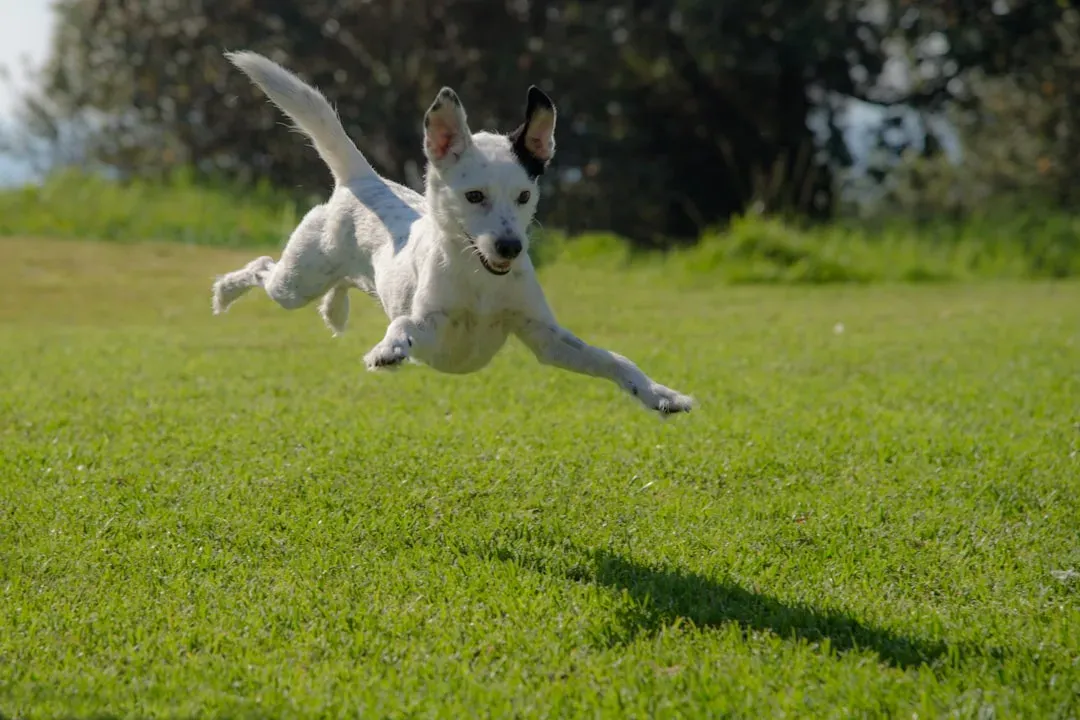
This one’s tricky because honestly, it can feel kind of flattering when your dog is so excited to see you that they can’t contain themselves. Dogs may jump on people to greet them, get attention, or show dominance. The problem is when your dog does this to elderly relatives, small children, or that one friend who’s terrified of dogs.
Since dogs jump up to get attention, refusing to give them attention is the best way to discourage jumping, and if you’ve taught your dog to sit, ask for them to perform that behavior since a sitting dog can’t jump. It sounds almost too simple, right? Turn your back, ignore the jumping completely, and only give attention when all four paws are on the ground. Consistency is everything here.
Begging At The Table Like A Professional
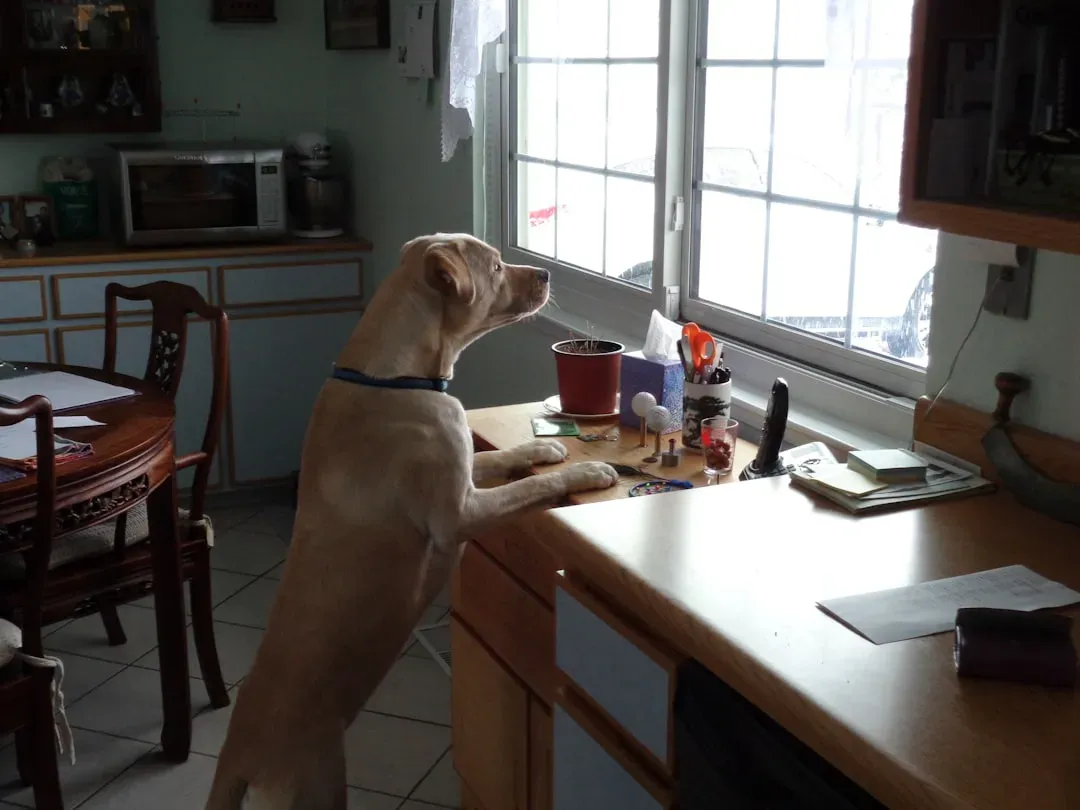
Those sad eyes staring at you while you’re trying to enjoy dinner can be incredibly hard to resist. We’ve all been guilty of sneaking our dog a little scrap here and there. If you’ve ever snuck your dog a table scrap, you’ve unfortunately taught them that their begging worked and it’s now a learned behavior. Ouch, that hits close to home.
To fix begging behavior, never reward it, feed your dog before family mealtimes and provide a designated spot like their bed during dinner, and reinforce calm behavior with praise and the occasional treat after the meal is over. Another approach is feeding your dog their own meal at the same time you eat yours, so they’re occupied with their own food instead of eyeing yours.
Pulling On The Leash During Walks
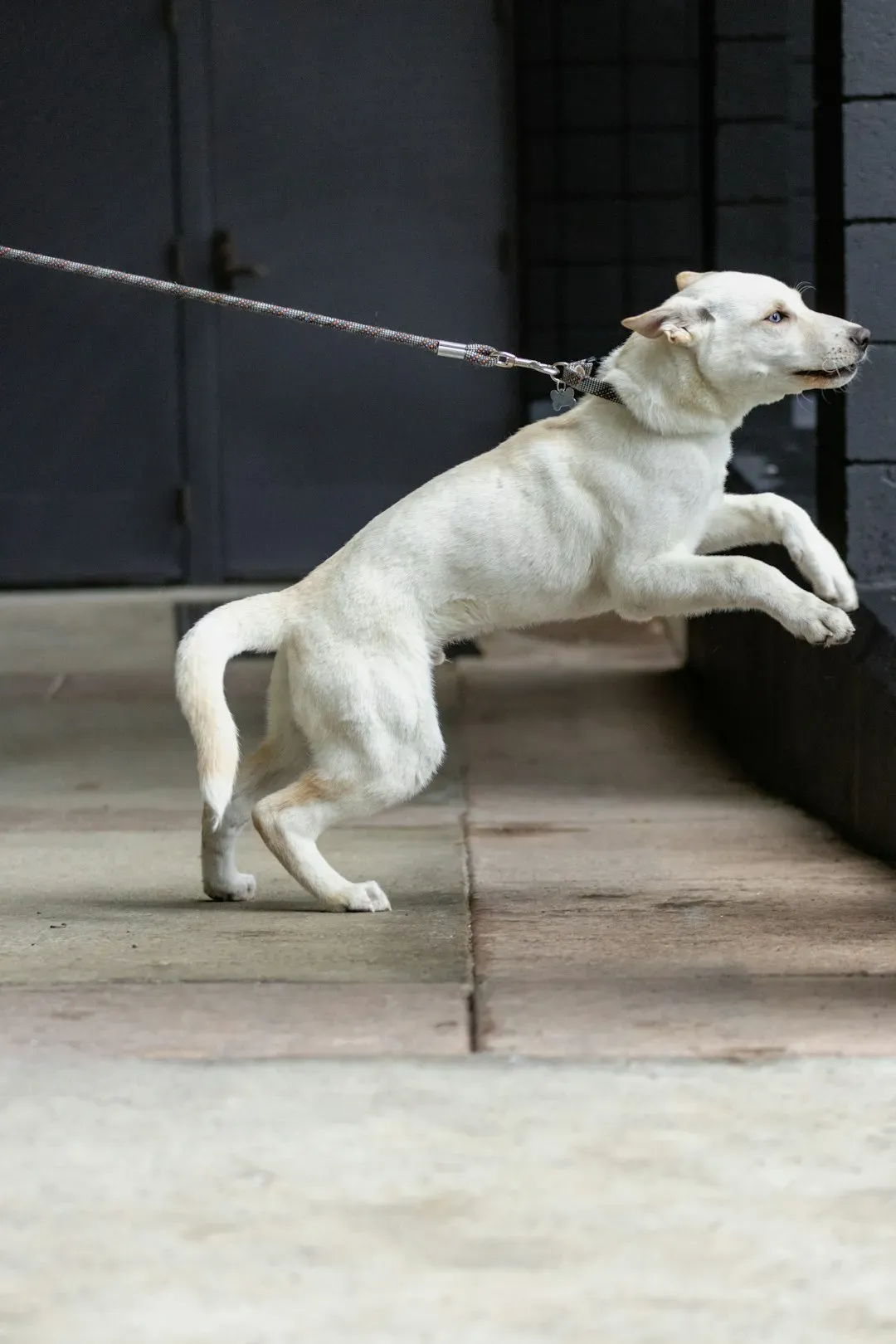
Going for a walk should be enjoyable for both you and your dog, not an upper body workout where you’re desperately trying to keep your shoulder in its socket. Dogs that continuously pull on their leash during walks have learned to do so because it’s been rewarding for them in the past, as their owner may continue moving forward while pulling back, thus inadvertently teaching their dog that if they pull, they get to go where they’re pulling toward.
Try not to pull your dog since they’ll instinctively pull right back, and instead reinforce walking nicely on the leash by providing praise, marking the good behavior with a clicker, or offering a dog treat, and if your dog pulls on the leash, you can stop walking or redirect by quickly reversing and calling them back to your side. It requires patience, especially at first when walks might take twice as long, but it’s worth it.
Digging Holes All Over The Yard
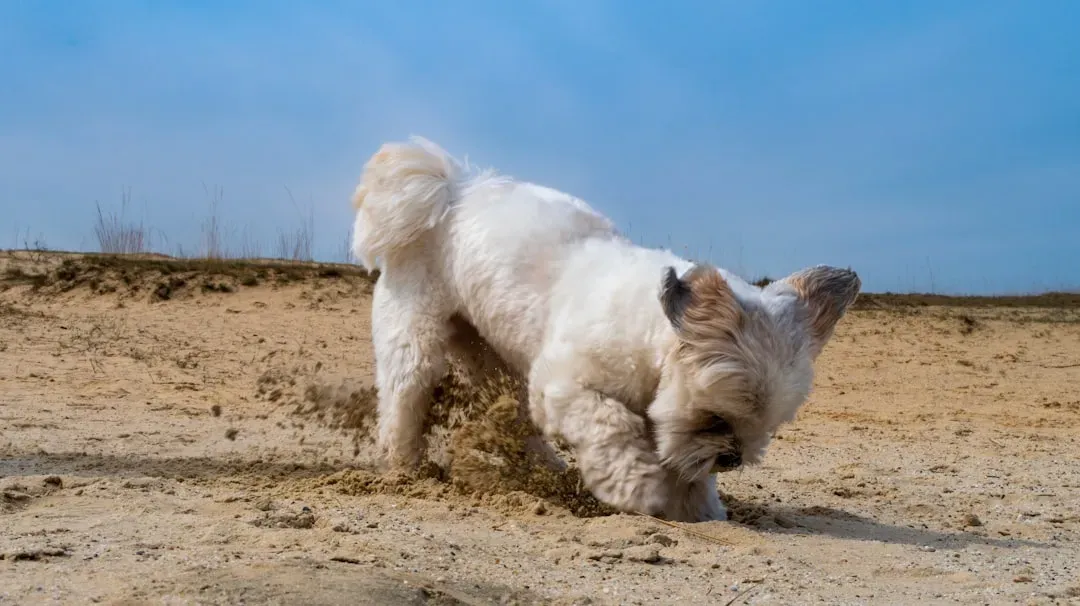
Coming outside to find your once beautiful lawn looking like a minefield is incredibly frustrating. Digging is an extremely rewarding activity for dogs, whether they’re digging to reach a scent or simply to release pent-up energy. Some breeds are more prone to this than others, particularly terriers who were originally bred to hunt burrowing animals.
You can help your dog practice this behavior appropriately by giving him a sandbox or section of the yard where he’s allowed to dig, making sure this area has clearly marked visual boundaries and using treats and toys to make this new digging place more exciting than the old one. Honestly, this is one of those situations where working with your dog’s natural instincts rather than against them makes all the difference.
Marking Territory Inside The House
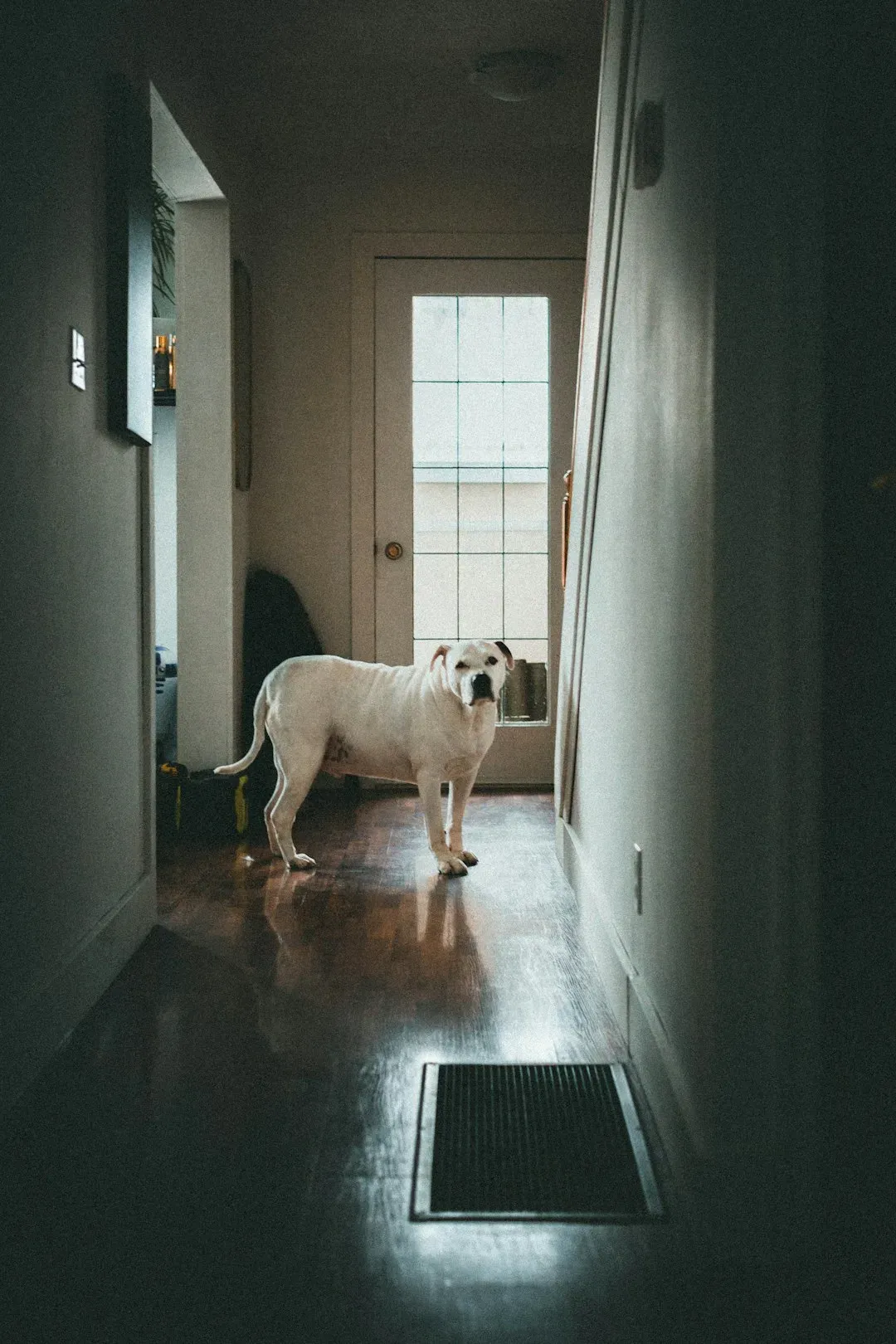
This has to be one of the most unpleasant habits on the list. Dogs pee on things to mark territory or leave messages for canine friends, which is generally acceptable outdoors. Inside your home, though? Absolutely not acceptable.
If you catch your dog urine marking or even preparing to mark inside the house, quickly interrupt him with a “no” or an “oops” and take him outside, then reward and praise him for choosing to urinate outdoors, and to prevent frequent urination in the same household spot, remove the scent of previous urine marks with a good enzymatic cleaner. That last part about the enzymatic cleaner is crucial because if the scent remains, your dog will keep returning to that same spot.
Counter Surfing And Food Stealing
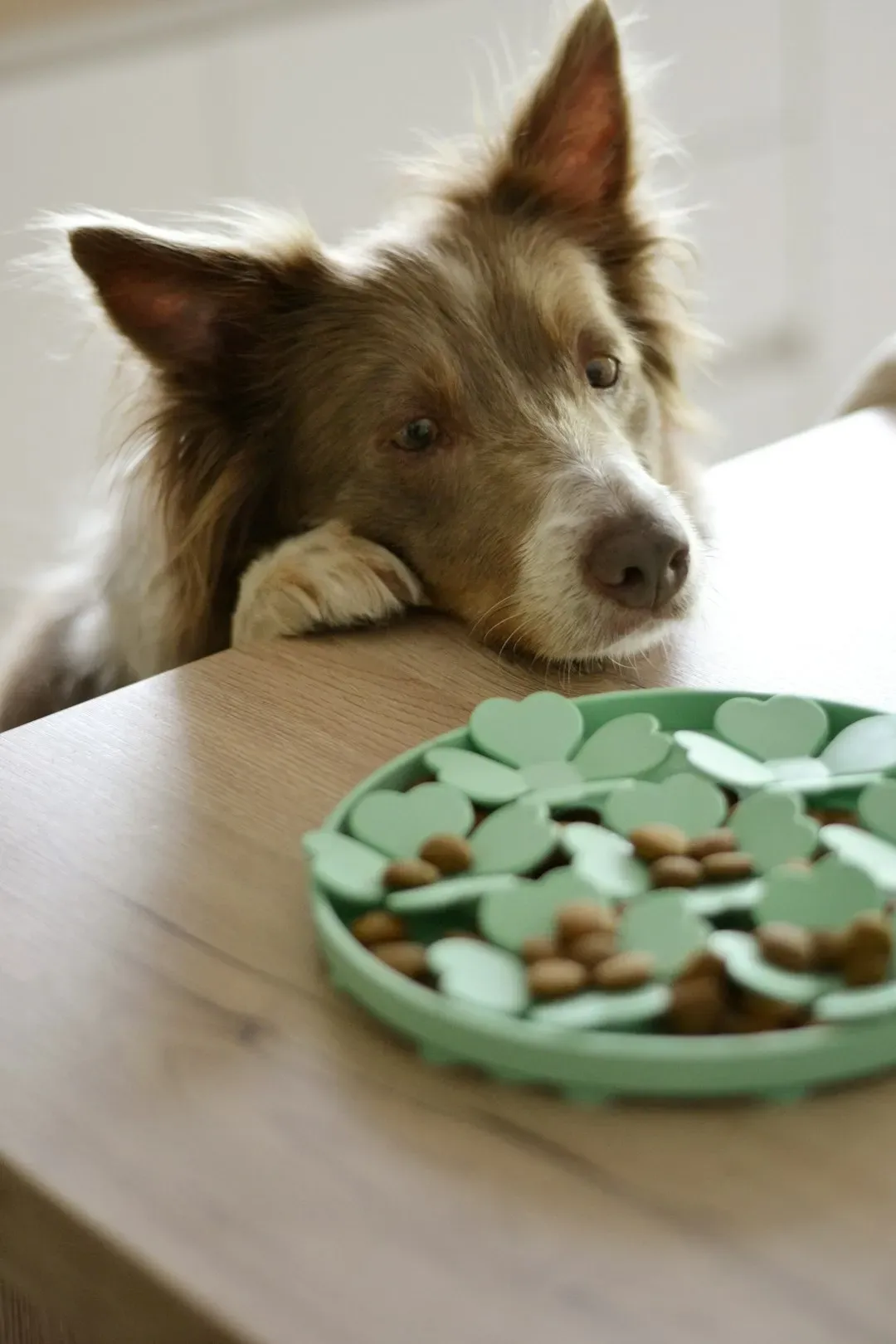
You leave a sandwich on the counter for two seconds while you grab a drink, and when you turn back around, it’s vanished and your dog is suspiciously licking their chops. Trainers call this bad behavior “counter-surfing,” and it’s one of the more difficult habits to break since the dog experiences a huge reward for stealing the food by getting to eat it.
The easiest way to solve this problem is to eliminate the opportunity by not leaving food around and using baby gates or fencing to restrict your dog’s access to the kitchen when you’re not there to supervise him. I know it sounds like giving up rather than training, but management is actually a perfectly valid training tool. If your dog never has the opportunity to practice the bad behavior, they can’t reinforce it.
Separation Anxiety And Destructive Behavior When Alone
Dogs may destroy the house or attempt to break out of their crate when you aren’t home because they’re bored, they aren’t fully house-trained, or they may have separation anxiety, and dogs with separation anxiety may become distressed when separated from their pet parents and may even attempt to escape from your home in an effort to find you.
A dog behavior training routine to try includes deciding to leave the house but not making a big fuss, putting your dog in their crate or dog room, turning on some music, quietly grabbing your belongings and leaving, and when they’re quiet and you’ve been out for at least five minutes, return as if nothing happened and quietly and calmly greet your dog without smothering them with affection. The goal is to make your departures and arrivals completely boring and unremarkable.
Going Absolutely Wild When The Doorbell Rings
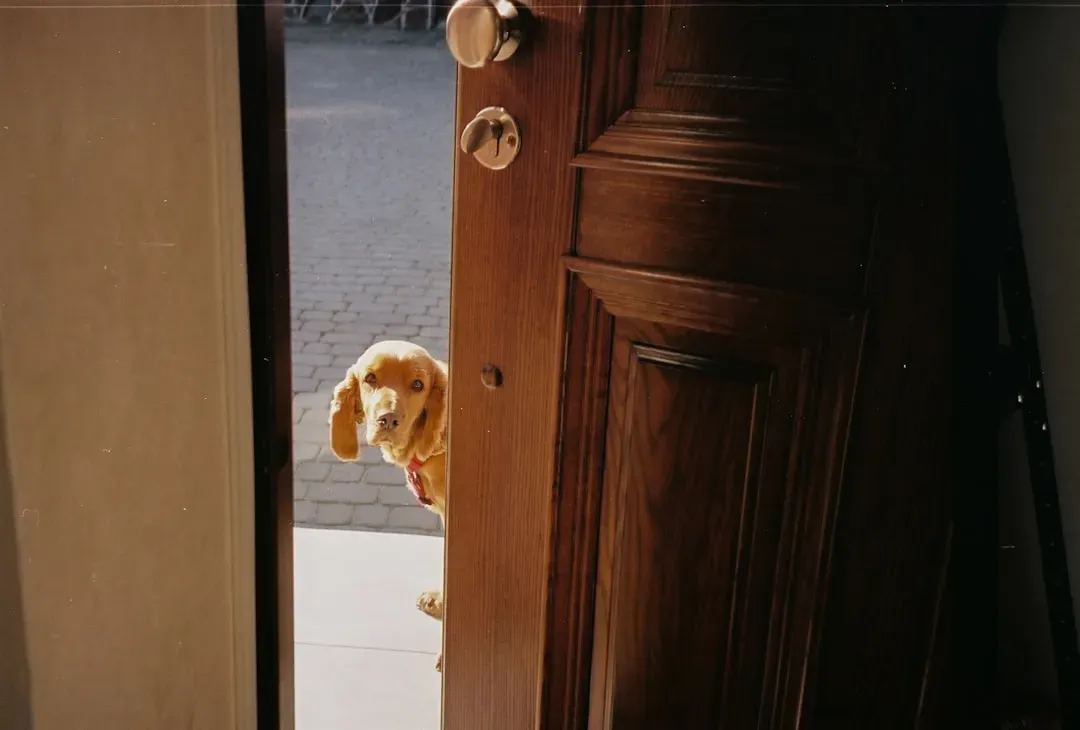
The doorbell rings and suddenly your calm, peaceful home transforms into complete chaos. Dogs could be excited or anxious about visitors, or they might bark as a watchdog tendency, and some dogs even equate their barking with you opening the door so they think they’re training you to open the door when they bark. That’s kind of funny when you think about it, though not so funny when you’re trying to greet a guest.
One of the best ways to stop barking at the doorbell is to teach and reward an alternative behavior, like sitting on a nearby mat and waiting for the door to be opened. This takes practice with a helper who can ring the doorbell repeatedly while you work on the training, but it’s absolutely doable at home.
Conclusion: Your Dog Can Learn Better Habits
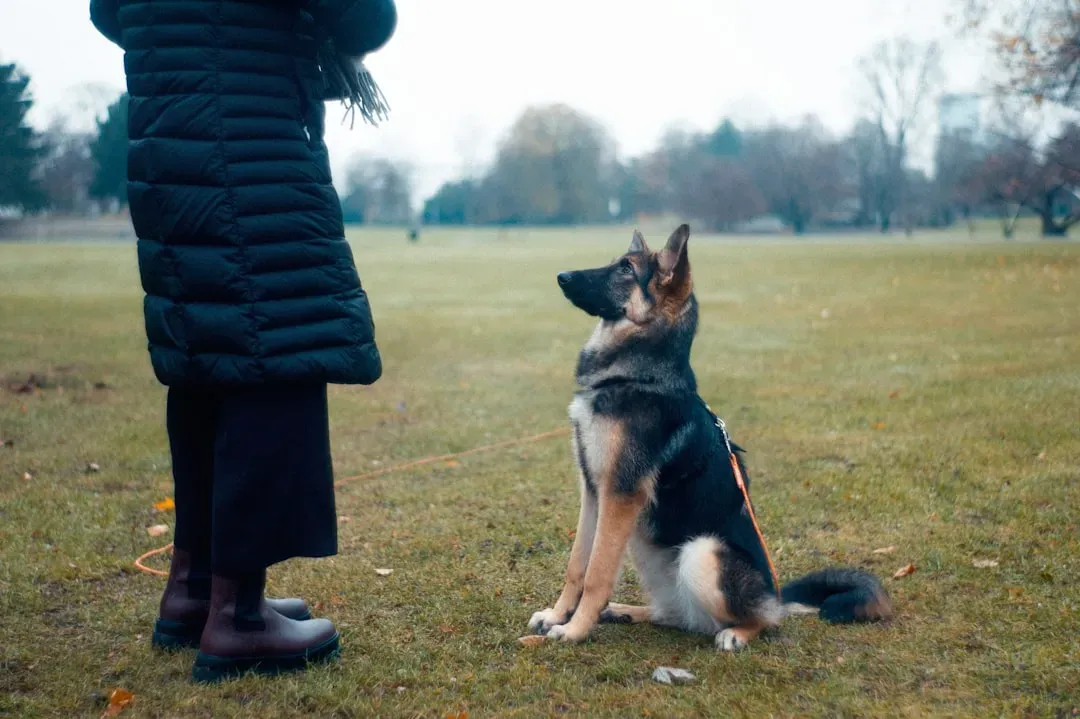
Research shows that roughly one in ten animals are given up to shelters each year because of behavior issues, and most of those issues can be solved by taking a step back and determining why a dog has the bad habits he does, because once you know the why behind a behavior, you can figure out how to solve the problem, and with consistency, positive reinforcement and patience, you can change your dog’s behavior.
The truth is, dogs trained with rewards have fewer behavioral problems and are less fearful. Your dog isn’t trying to drive you crazy or purposely misbehave. They’re just being dogs, doing what comes naturally to them without understanding our human rules. With time, patience, and consistent training at home, nearly all of these unpleasant habits can be fixed.
What habits does your dog have that drive you the craziest? Have you tried any of these solutions before? Let us know in the comments how your training journey is going.


