Have you ever looked into your old dog’s eyes and wondered if you’re missing something important? As our beloved pups grow older, their needs quietly shift. It’s easy to chalk up changes to “just getting old,” but sometimes those subtle signals are a cry for help. I’ve seen proud, gentle dogs hide discomfort behind wagging tails, and loving owners struggle with guilt for not spotting the signs sooner. If you want to be the hero your senior dog deserves, keep reading—because being attentive now could mean a world of difference for your furry best friend.
Unexplained Weight Loss or Gain
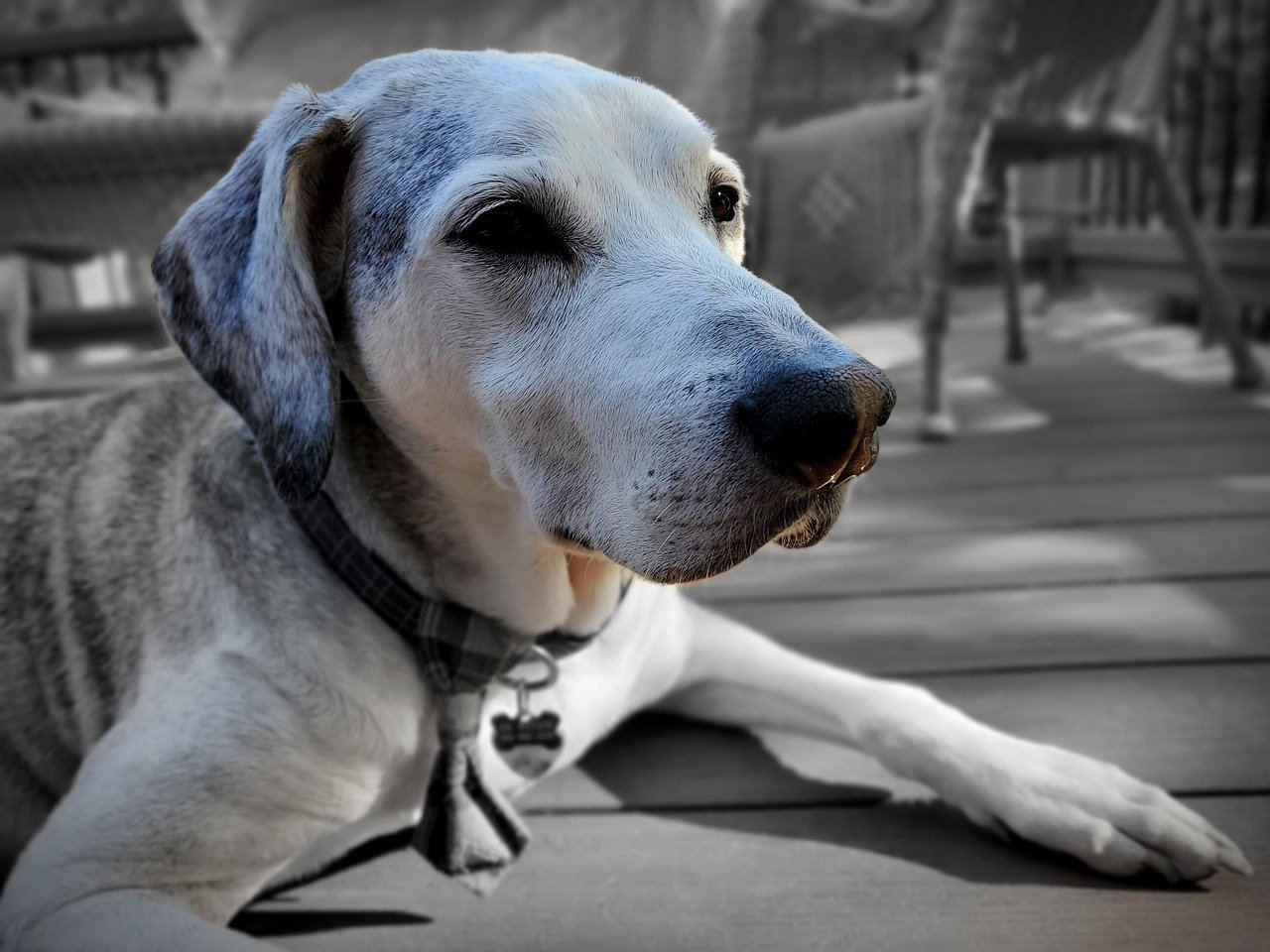
When your senior dog starts losing weight without a change in diet, it’s more than just aging. It could signal hidden issues like kidney problems, diabetes, or even dental pain that make eating uncomfortable. Don’t brush off sudden weight changes—they’re your dog’s way of waving a red flag.
On the flip side, unexpected weight gain might mean your dog isn’t moving as much due to arthritis or other pain. Sometimes, it’s a slow creep you only notice when their collar feels tight. Regular weigh-ins at home can help you spot trends before they become serious health concerns.
Changes in Appetite or Thirst

A dog who suddenly turns away from favorite treats or begs for extra water is telling you something’s off. Loss of appetite may point to dental disease, organ trouble, or digestive issues. Increased thirst can be an early warning of diabetes or kidney disease—both common in older pups.
Think about it: if your usually food-obsessed pal ignores dinner, that’s not normal. Likewise, guzzling water bowls dry could be a silent cry for help. Always check with your vet if you see these shifts, even if your dog seems otherwise cheerful.
Trouble Getting Up or Moving Around
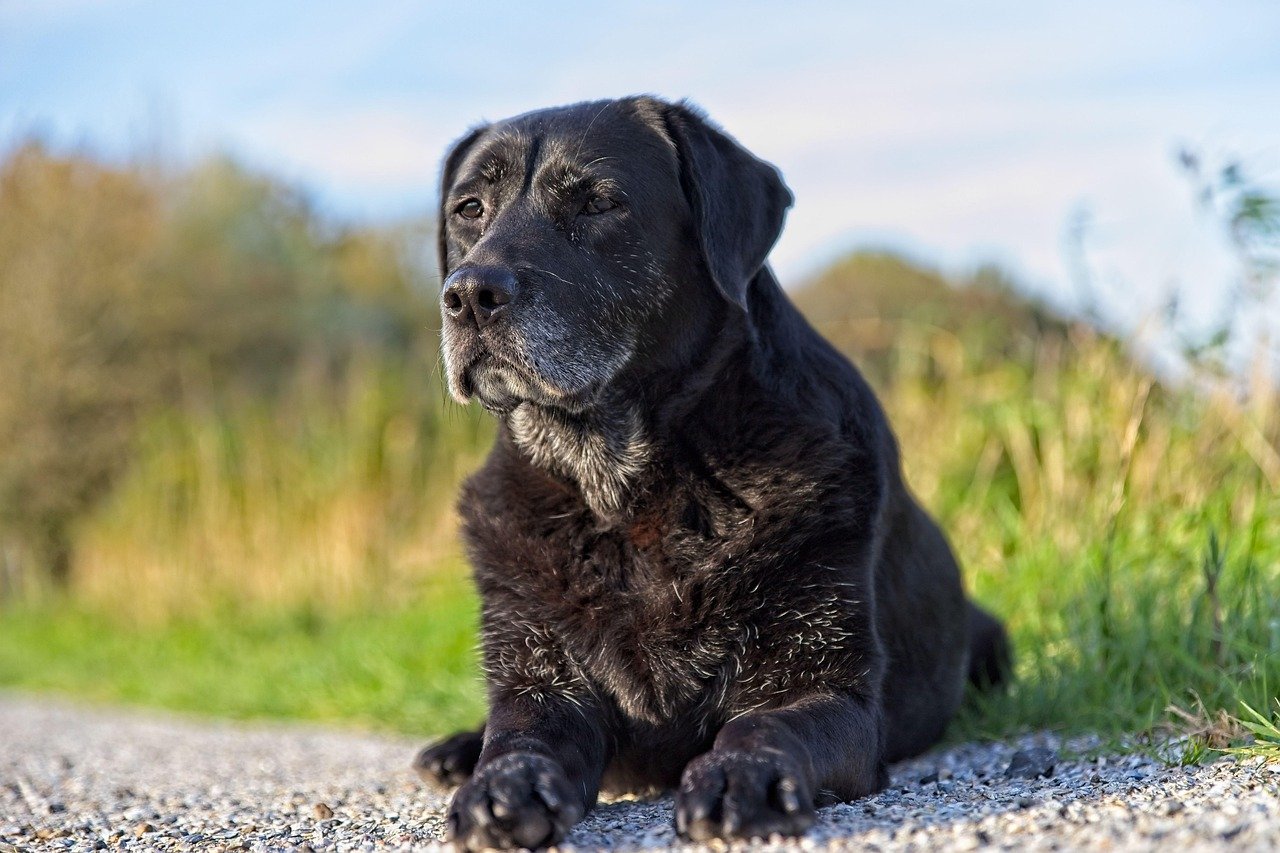
Is your senior dog hesitating at the stairs, or does rising from a nap look like a struggle? Stiffness and reluctance to move are classic signs of arthritis or joint pain, which can sneak up quietly as dogs age. It’s heartbreaking to watch, but catching it early means you can help them stay comfortable.
You might also notice your dog taking the long way around slippery floors, or avoiding favorite spots that require a jump. These small changes often go overlooked, so pay close attention to how your dog moves from day to day.
New or Worsening Accidents Indoors
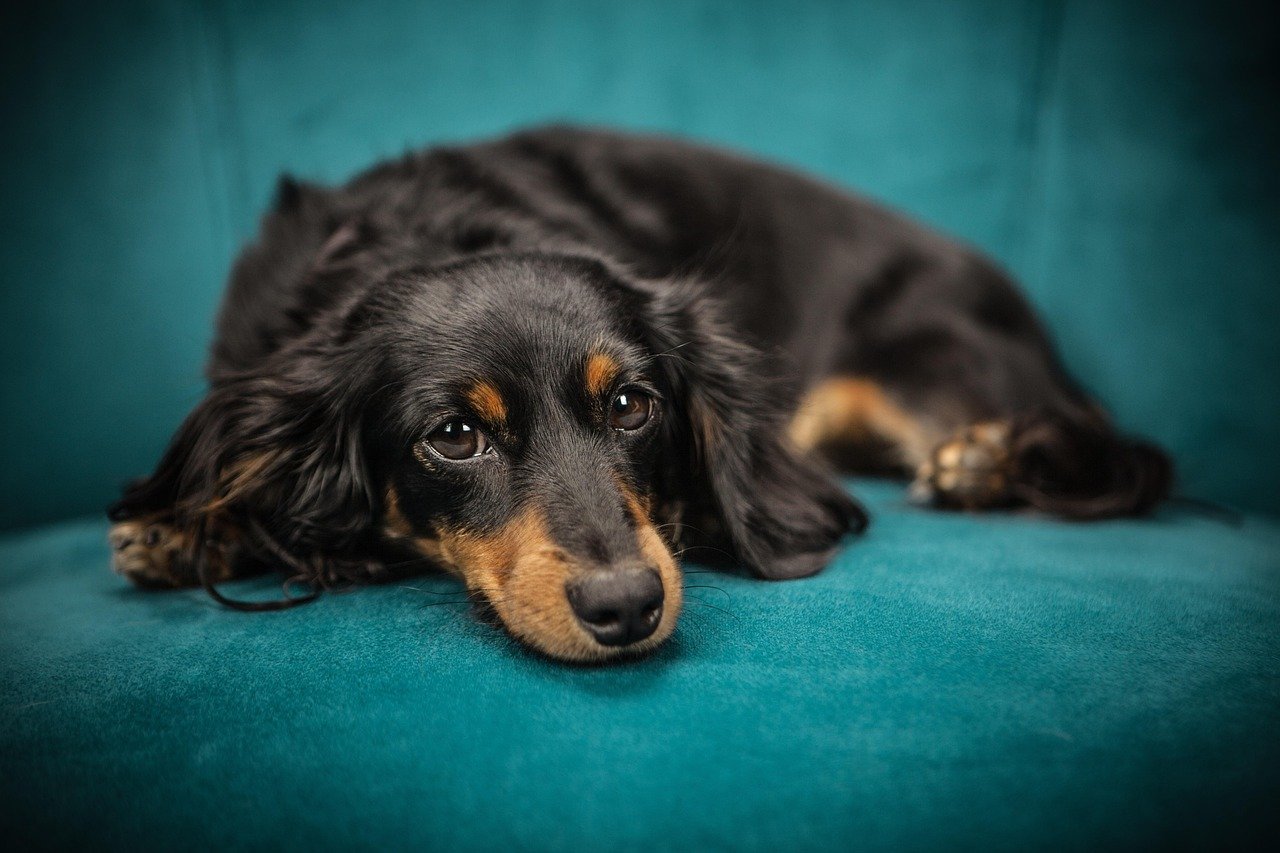
If your house-trained dog starts having accidents, don’t assume it’s just “old age.” Urinary tract infections, kidney problems, or even cognitive decline can cause lapses in toilet habits. It can be embarrassing for them, and confusing for you.
Sometimes, dogs have trouble holding it because they’re in pain or can’t move quickly enough. Never scold—gentle reassurance and a check-up with your vet are the best ways to handle this sensitive issue.
Unusual Lumps, Bumps, or Skin Changes

Finding a new lump on your dog’s body is always alarming. While some bumps are harmless, others can be signs of tumors or infections. Senior dogs are more prone to growths, so regular rub-downs are important for early detection.
Also, watch for changes in skin color, hair loss, or wounds that don’t heal. Your dog’s skin is like a window to their overall health—catching problems early can make treatment easier and less stressful for both of you.
Bad Breath or Drooling More Than Usual

That “dog breath” might be more than just a nuisance. Chronic bad breath or extra drooling can signal dental disease, which is very common in older dogs. Left untreated, it can lead to pain, tooth loss, and infection spreading to other organs.
Watch for pawing at the mouth, reluctance to chew, or bleeding gums. Regular dental checks and cleanings can save your dog pain and prevent bigger health problems down the road.
Subtle Changes in Behavior or Mood

Has your usually social dog started hiding or acting grumpy? Sudden irritability, anxiety, or withdrawal can be signs of pain, cognitive decline, or even loss of sight or hearing. Dogs can’t tell us when they feel off, so behavior changes are their main form of communication.
Sometimes these changes are gradual—a little less tail wagging, a bit more sleeping alone. Trust your instincts. You know your dog better than anyone, so if something feels “off,” it’s worth digging deeper.
Excessive Panting or Breathing Changes
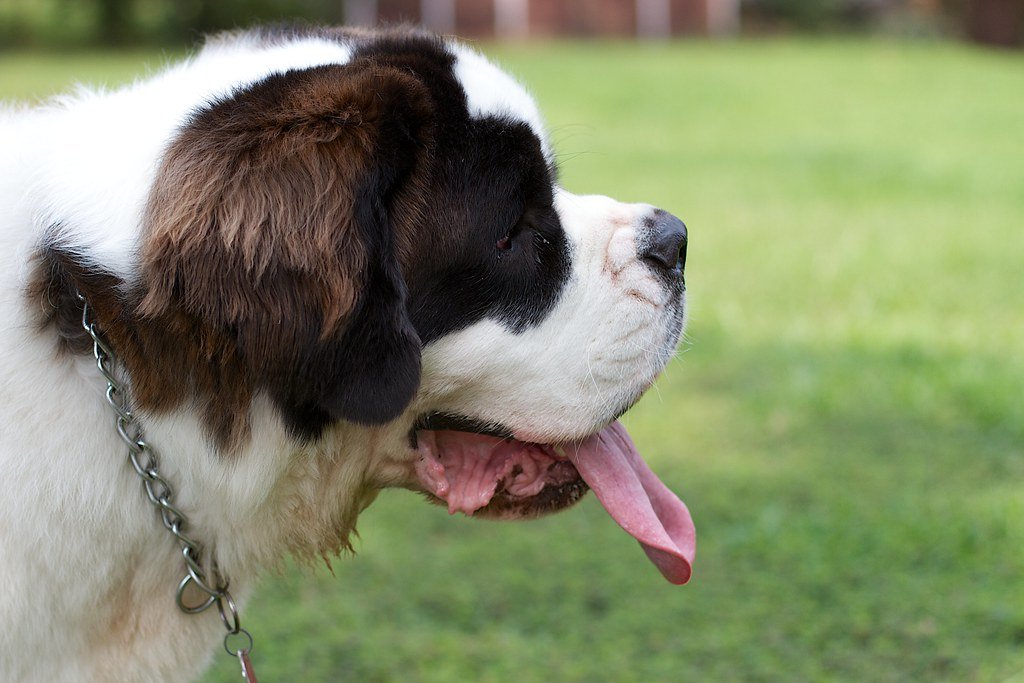
If your dog seems winded after minimal activity, or pants heavily even at rest, it could point to heart or lung issues. Older dogs are at greater risk for these conditions, so don’t ignore new breathing patterns.
Look for coughing, shallow breaths, or even a blue tint to the gums. These are medical emergencies. Quick action can mean the difference between a manageable issue and a crisis.
Vision or Hearing Loss

Bumping into furniture, missing treats tossed their way, or startling easily are all signs your dog’s senses are fading. While some sight and hearing loss is natural with age, sudden or severe changes can indicate underlying problems like cataracts or ear infections.
You can help by using hand signals, keeping furniture in the same place, and avoiding startling touches. A little patience goes a long way for a dog who’s learning to navigate the world differently.
Disorientation or Confusion

Is your senior dog pacing at night, staring at walls, or forgetting familiar routines? Cognitive dysfunction syndrome (like doggy dementia) can sneak up, leaving dogs confused or anxious. It’s heartbreaking to watch, but early intervention can slow the progression.
Simple changes—like keeping a predictable schedule and avoiding rearranging furniture—can help your dog feel more secure. Talk to your vet about supplements or medications that may support brain health as your dog ages.
Persistent Coughing, Vomiting, or Diarrhea

A cough that lingers, frequent vomiting, or ongoing diarrhea are never just “old dog” problems. These can signal everything from heart issues to cancer to digestive disorders. It’s easy to dismiss occasional tummy upsets, but repeated symptoms mean it’s time for a veterinary check.
Keep a diary of what you notice—when symptoms start, how long they last, and what might trigger them. This info can help your vet zero in on the cause and get your dog feeling better, faster.