
Have you ever caught your cat slinking behind the sofa or suddenly puffing up like a Halloween decoration? If you’re a cat lover, you know these quirky creatures have their own secret language. But when fear strikes, their signals can be subtle—or absolutely impossible to miss. Understanding these signs isn’t just about curiosity; it can make all the difference in easing your feline friend’s anxiety. Let’s unravel the mystery together: here are ten ways cats try to tell you they’re scared.
1. Flattened Ears
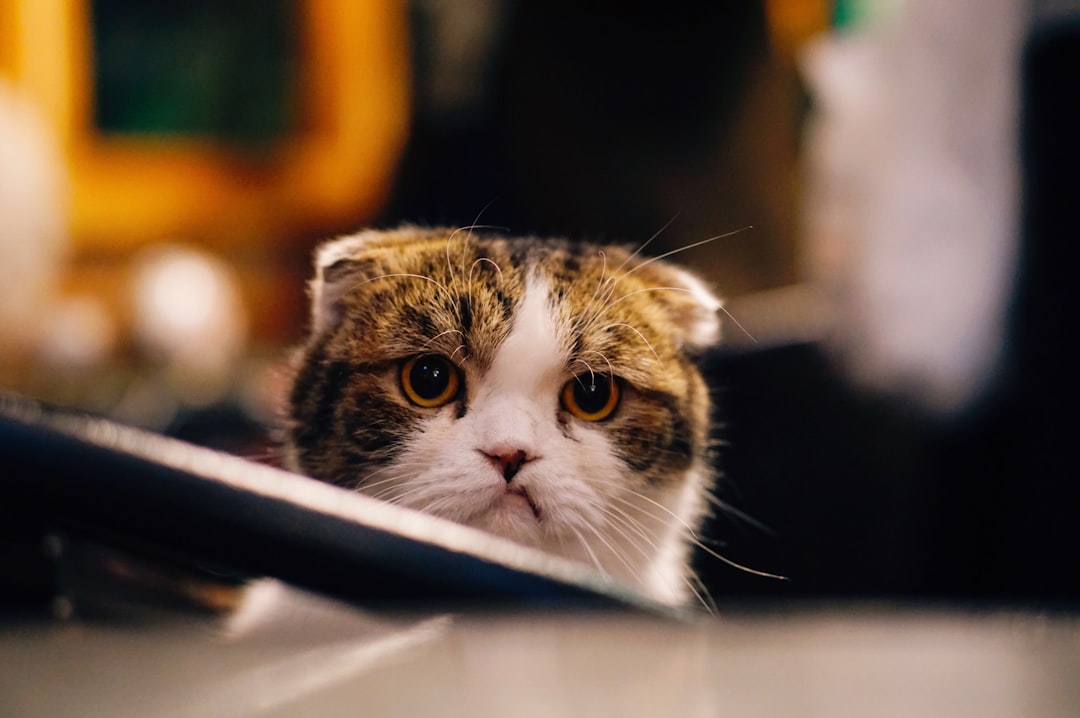
When a cat’s ears suddenly press flat against their head, it’s a classic sign of fear or distress. This move isn’t just for show—it’s an instinctive reaction meant to protect those sensitive ears from perceived threats. Think of it as a feline version of ducking for cover. If you notice this, your cat is probably hearing or sensing something that’s making them uncomfortable.
You might spot this in everyday scenarios, like when the vacuum cleaner roars to life or a stranger enters their space. It’s easy to miss if you’re not looking for it, but once you spot flattened ears, you’ll know your cat’s not just listening—they’re bracing themselves. This tiny gesture says, “I feel threatened. Please tread lightly!”
2. Hiding Away
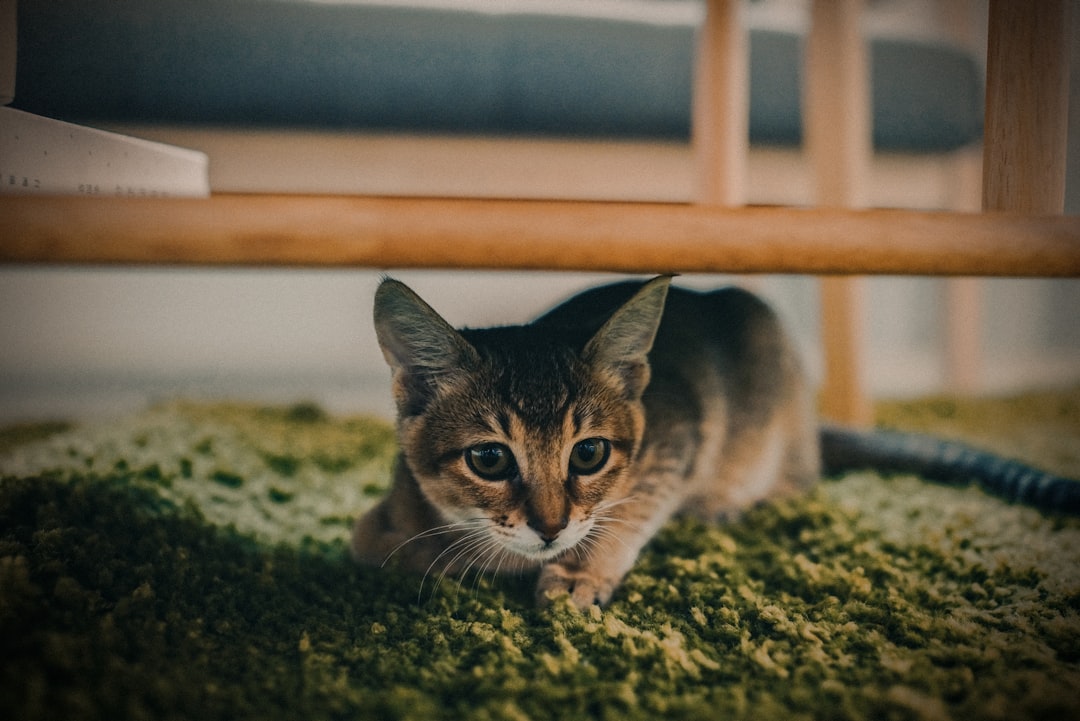
One of the most obvious ways a cat says, “I’m scared,” is by vanishing into the smallest nook they can find. Whether it’s the space under the bed, behind the curtains, or even inside a cardboard box, cats will search for a safe refuge when stress hits. It’s almost like they’re playing hide-and-seek, but the stakes feel much higher for them.
This behavior is deeply rooted in their wild instincts. In the wild, a safe hiding spot could mean the difference between life and death. So, if your cat disappears during thunderstorms or when guests arrive, they’re not being antisocial—they’re coping with their fear the only way they know how.
3. Puffing Up Their Fur
Ever seen your cat suddenly transform into a giant, fluffy ball with a bottle-brush tail? That’s not just for drama. When cats are frightened, their bodies react by making their fur stand on end—a phenomenon called piloerection. It’s their way of trying to look bigger and more intimidating to whatever’s scaring them.
This is most noticeable along their back and tail. While it might look comical, it’s a serious warning: your cat feels cornered or threatened. It’s their version of shouting, “Back off!” If you see this, give them space to calm down, and try to figure out what triggered their alarm bells.
4. Wide, Staring Eyes
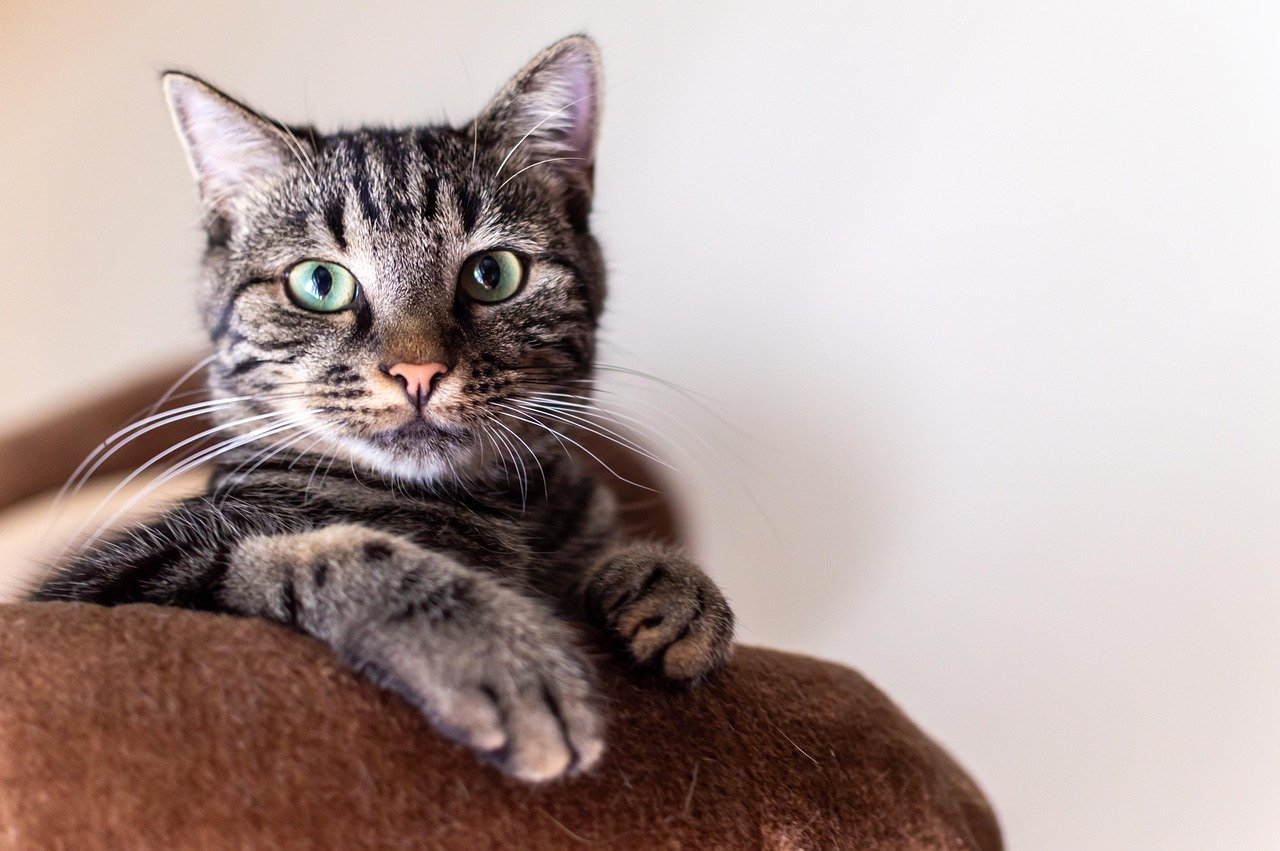
A scared cat’s eyes can look enormous, with dilated pupils that almost eclipse the color of their irises. This isn’t just a cartoonish exaggeration; it’s a real physiological response. When cats are fearful, their pupils expand to let in more light, helping them spot threats and escape routes more easily.
You’ll notice this wide-eyed look during fireworks, vet visits, or even when a dog barks nearby. Their gaze might seem locked onto the source of their fear, and their body will likely tense up. It’s a window into their panic, and it’s worth paying attention to—it tells you exactly when your cat feels most vulnerable.
5. Low, Crouched Posture
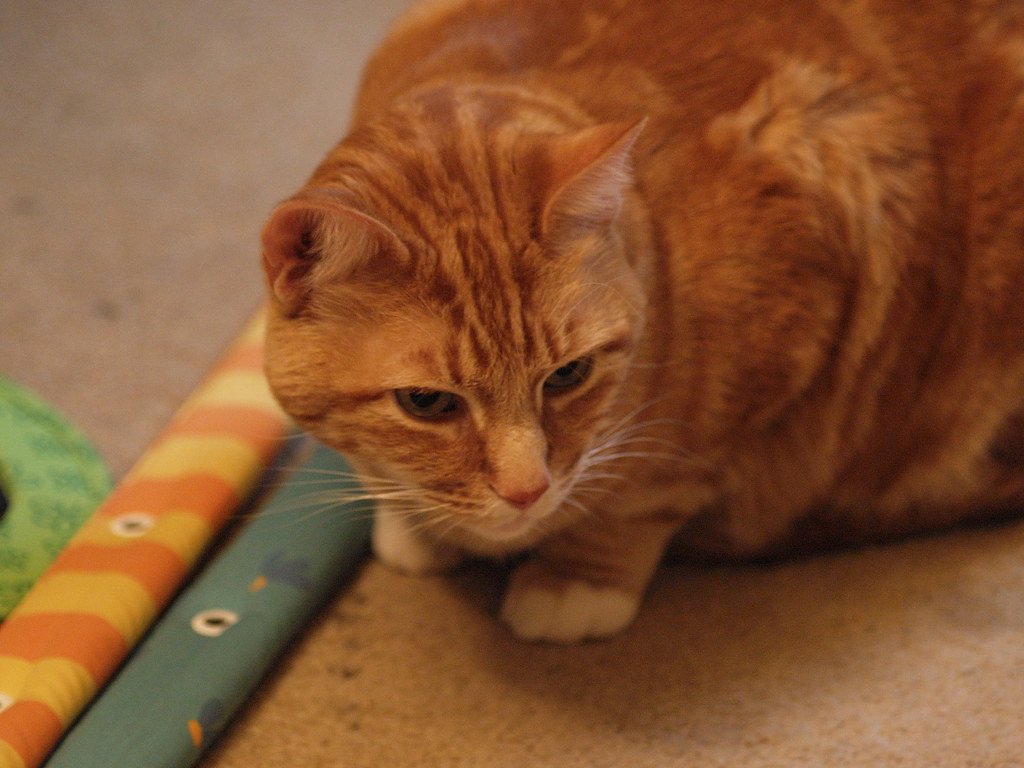
When a cat is scared, their body language shrinks—they hunker down, tucking their paws and tail in tightly under them. This low, crouched posture is all about self-protection; it’s like curling up into a ball to shield their soft underbelly from harm.
You’ll see this pose when your cat is unsure about a new environment or if there’s a loud noise nearby. It’s subtle but powerful. Even the friendliest cat can suddenly become a small, tense bundle if they sense danger. If your cat’s body seems to fold inward, they’re asking for reassurance and a little extra space.
6. Hissing and Growling
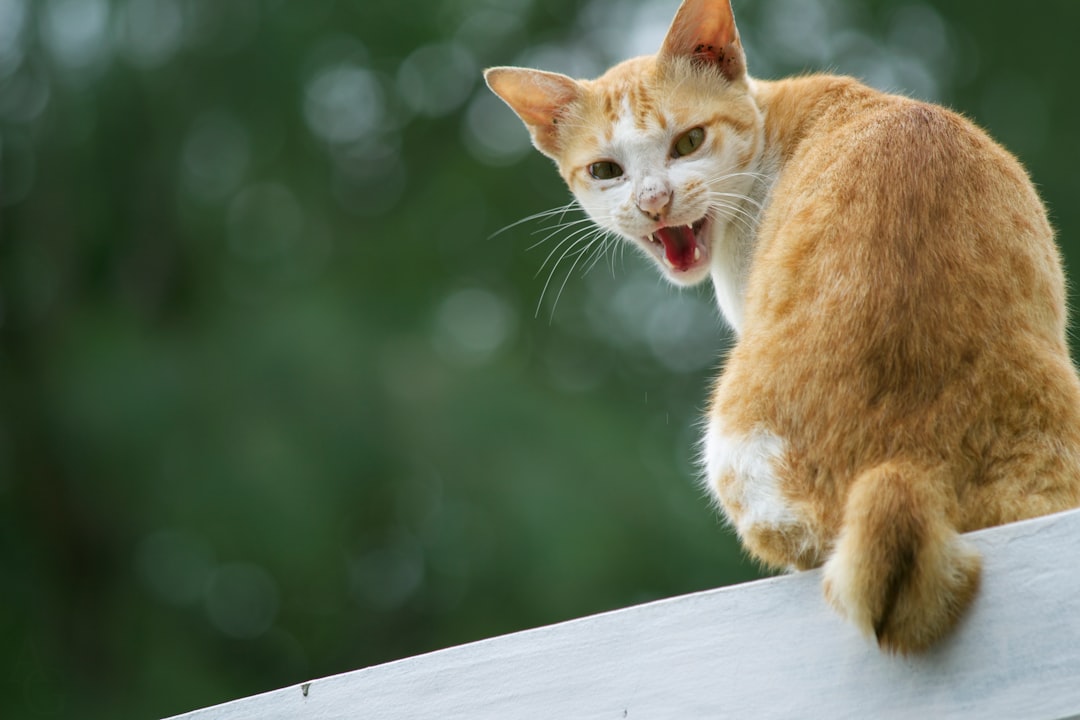
It might not be your favorite sound, but a sudden hiss or low growl is a cat’s way of saying, “Stay away!” This vocal warning is usually reserved for moments when fear tips into defensiveness. It’s their attempt to sound bigger and scarier than they feel inside.
If you hear your cat hissing, especially at strangers or other animals, don’t take it personally. It’s a clear, unmistakable message: they’re frightened and want the threat to back off. Trying to comfort them in that moment can actually make things worse, so it’s best to give them time to calm down on their own terms.
7. Swatting or Biting
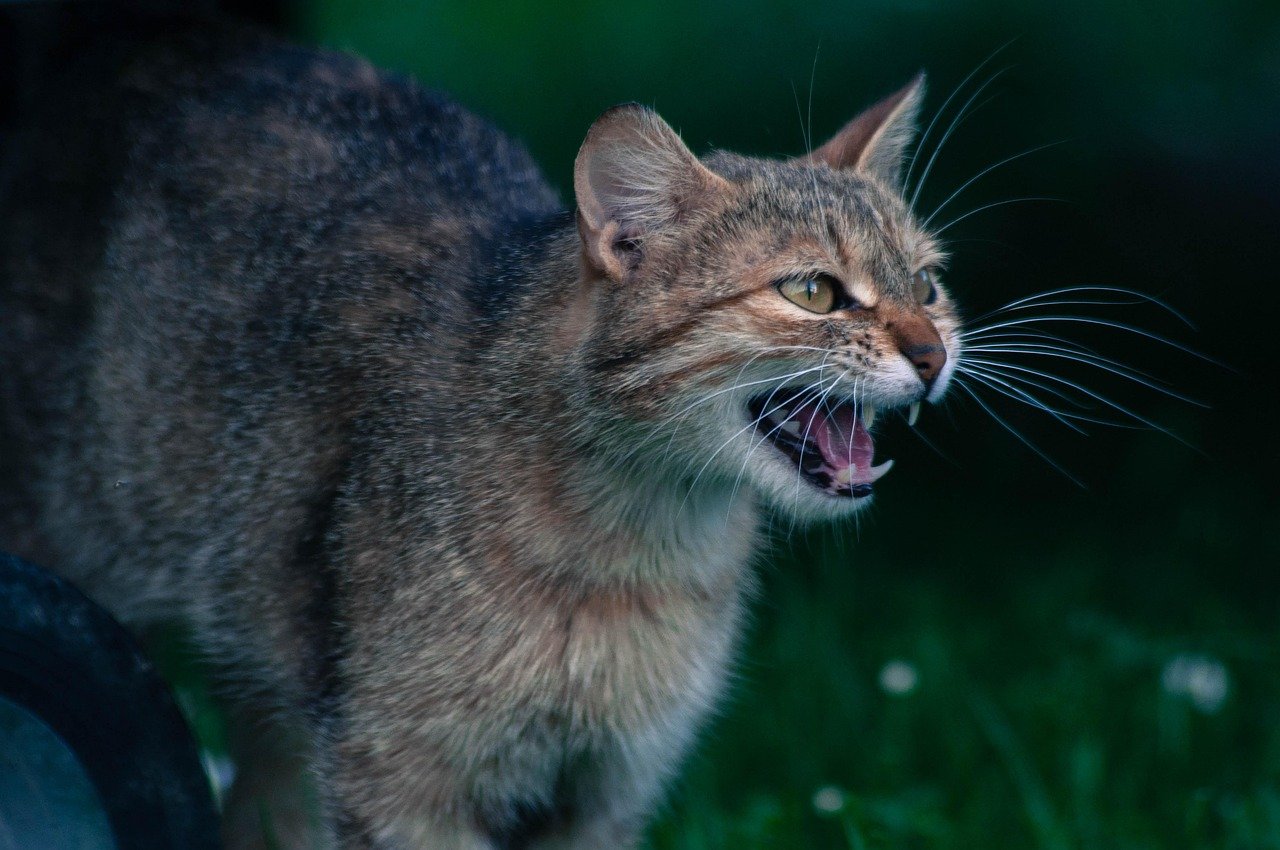
When fear escalates, even the sweetest cat might lash out with their claws or teeth. Swatting or biting isn’t about aggression—it’s a desperate defense tactic. In their mind, it’s the fastest way to make the scary thing go away.
This behavior often happens if a cat feels cornered, with no escape route. Maybe someone tries to pick them up too quickly, or another pet gets too close. If you notice swatting or biting, it’s a sign that fear has taken over, and your cat feels they have no other choice. Always approach a frightened cat with caution and patience.
8. Freezing in Place
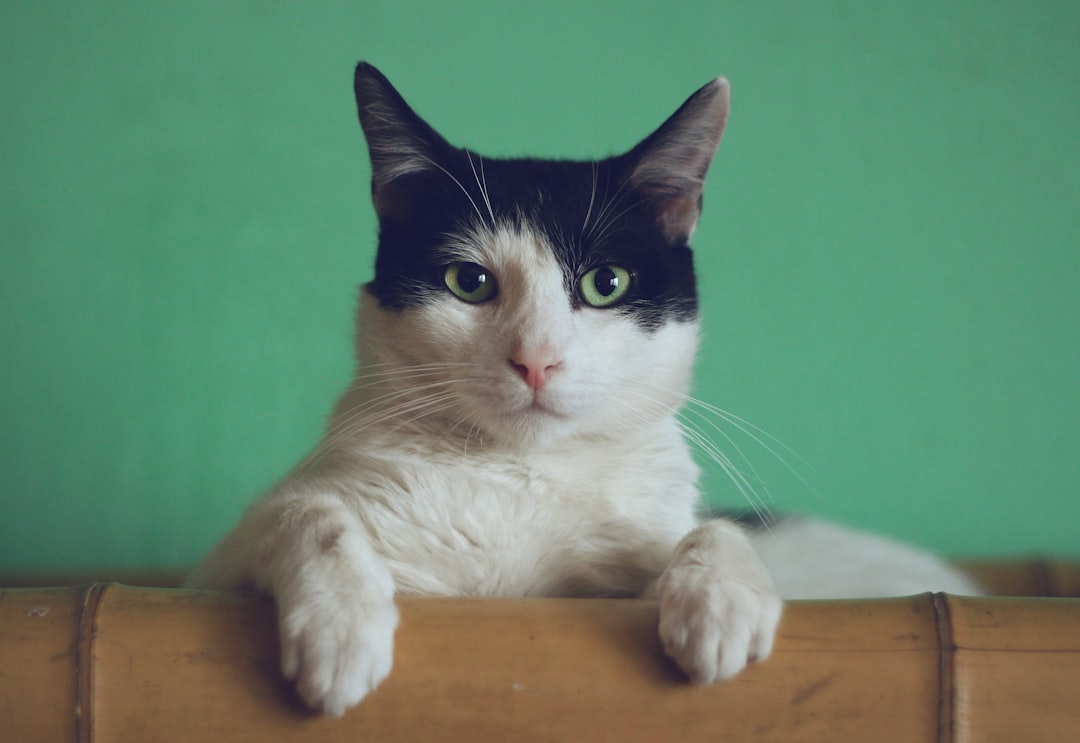
Sometimes, fear doesn’t make a cat run or fight—it makes them freeze. You might notice your cat suddenly going absolutely still, barely even blinking. This “freeze” response is a survival instinct; in the wild, staying motionless can make a predator overlook them.
This can happen during stressful events, like loud noises or unfamiliar guests. If your cat turns into a statue, don’t force interaction. They’re overwhelmed and need a moment to process what’s happening. Respect their need for space, and you’ll help them regain their confidence.
9. Rapid Tail Movements
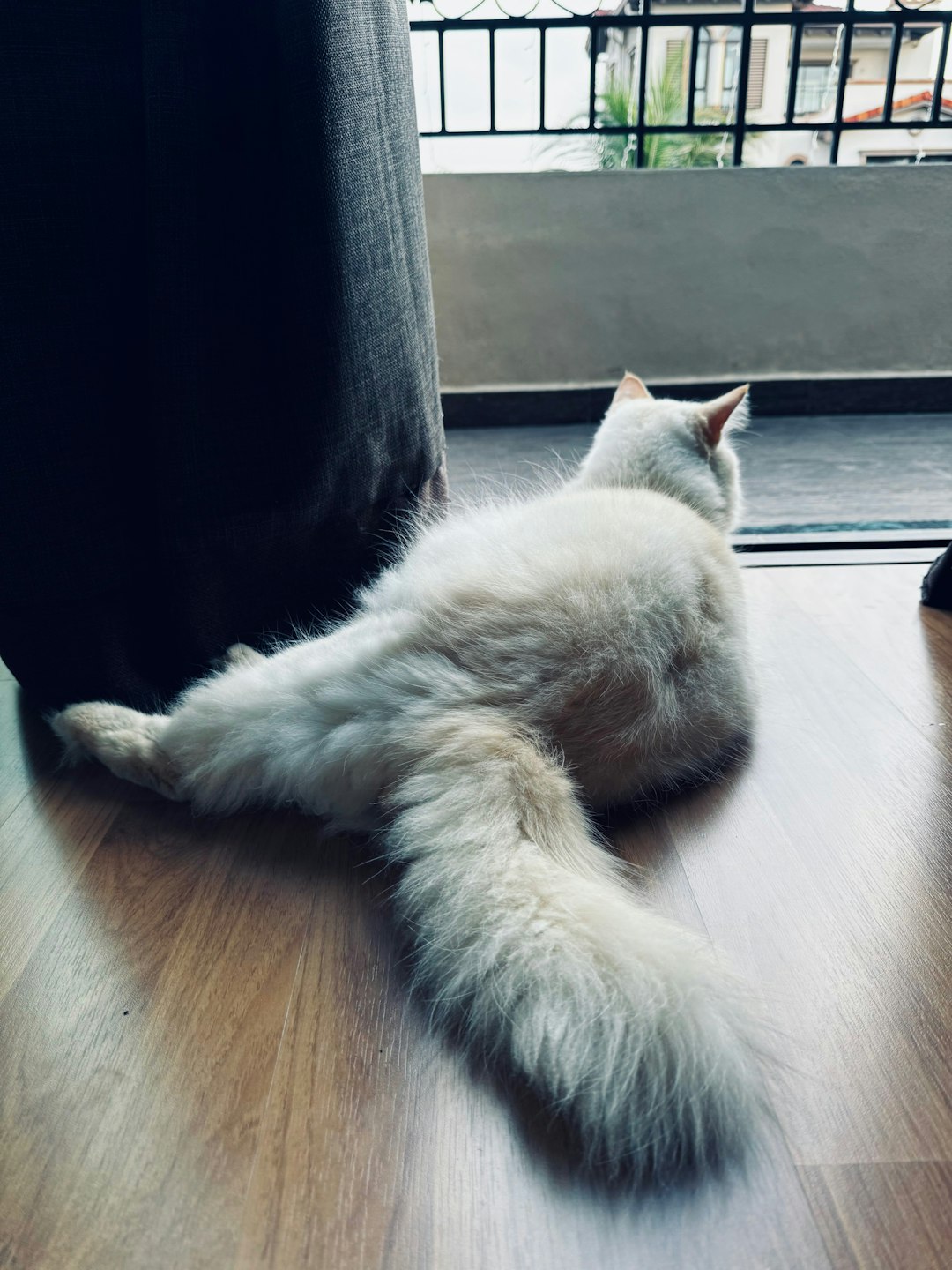
While a gently swaying tail can signal relaxation, a fast, whip-like tail movement usually means trouble. When a cat is scared, their tail might lash back and forth rapidly or thump against the floor. It’s like their own internal warning siren, signaling their rising anxiety.
Pay close attention to these tail movements, especially during new experiences or when meeting other animals. A rapidly moving tail says, “I’m not comfortable with this.” It’s your cue to give your cat some breathing room and help them feel safe again.
10. Excessive Grooming or Shedding
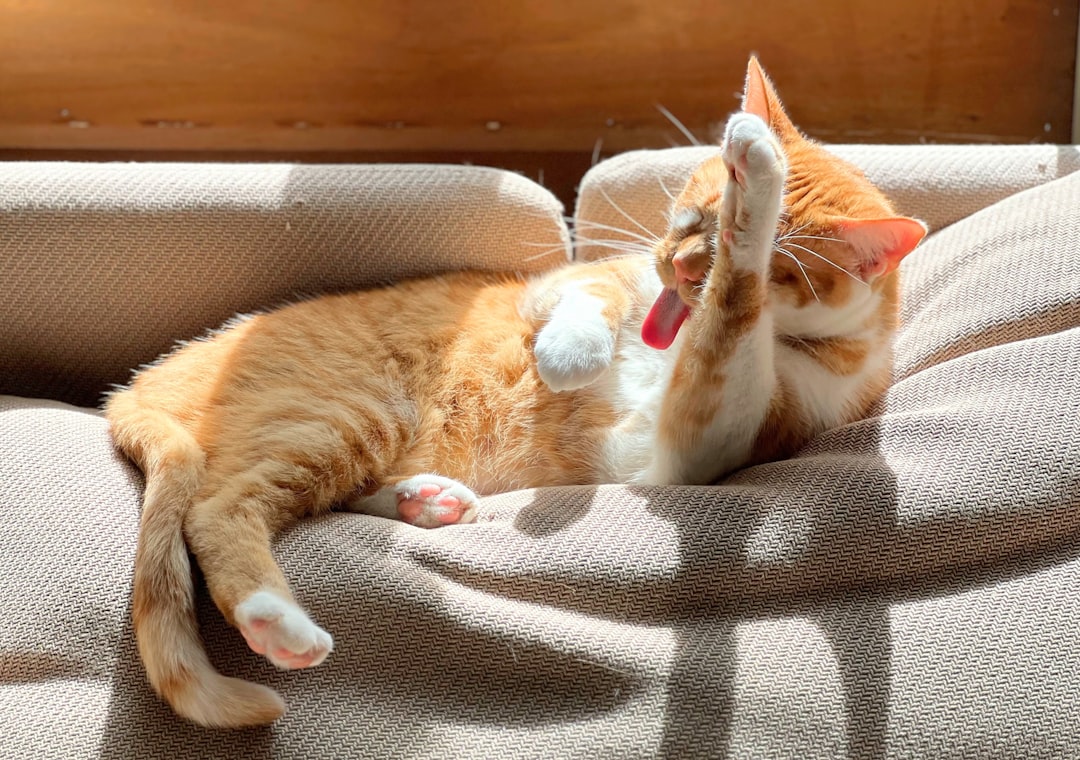
Believe it or not, when cats are scared, they might start grooming themselves obsessively—or suddenly shed clumps of fur. This isn’t just about keeping clean. Excessive licking is a self-soothing behavior, much like humans biting their nails when nervous.
On the flip side, stress can cause your cat’s fur to loosen, leading to unexpected shedding during tense moments. If you notice bald patches or extra fur around the house after a stressful event, it’s a sign your cat was scared and tried to cope the only way they know how.
Cats may not speak our language, but they’re constantly communicating—especially when they’re scared. The ten behaviors on this list, from hiding and hissing to flattened ears and flicking tails, are all signals of fear that deserve your attention and respect. Recognizing these signs helps you respond with empathy, create a safer environment, and build trust over time. Fearful behavior isn’t a flaw—it’s a survival instinct. And when you learn to listen and support your cat through those moments, you’re not just easing their fear—you’re strengthening the bond that makes them feel truly at home.


