
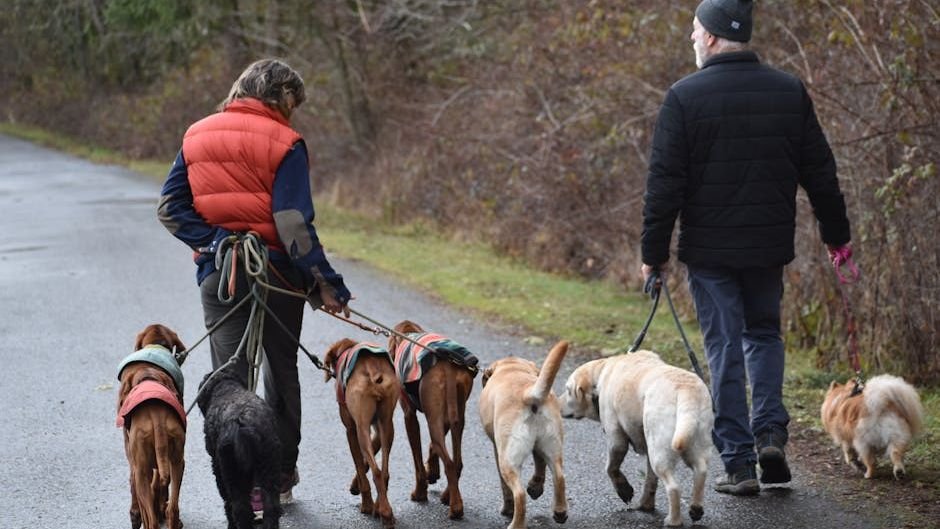
There’s something almost impossible to put into words about the moment your dog hears you at the door before you even turn the handle. That tail wagging furiously. That weight against your legs. That look in their eyes that says, without any ambiguity at all, “I missed you, and I’m so glad you’re here.” It’s one of those small, everyday moments that hits differently when life has been hard.
Dogs are not just pets. Honestly, for most of us, they are something far more layered than that. They are witnesses to our routines, our meltdowns, our best days and our worst ones. Science is finally catching up to what dog lovers have always known in their bones. Let’s dive in.
They Read Your Emotions Better Than Most Humans Do

Dogs have been empirically shown to be particularly sensitive to human emotions. They discriminate and show differential responses to emotional cues expressed through body postures, facial expressions, vocalizations, and even odors. Think about that for a second. Your dog is essentially reading you like a book, one written in body language and scent.
Pets have evolved to become acutely attuned to humans and our behavior and emotions. Dogs are able to understand many of the words we use, but they’re even better at interpreting tone of voice, body language, and gestures. They are not guessing. They are genuinely tuned in to you in ways that are both scientific and, I think, deeply touching.
They Can Actually Smell Your Stress

Here’s something that genuinely blew my mind when I first read it. Research out of the United Kingdom suggests that the smell of human stress affects dogs’ emotions as well as their decisions, leading them to make more pessimistic choices. Your dog doesn’t just sense your stress visually. They literally smell it.
It’s well-established that dogs can be trained to detect changes in levels of cortisol, a hormone that floods the body in times of stress. Being a species that we’ve lived and co-evolved with for thousands of years, it makes sense that dogs would learn to read our emotions because it might be helpful to them to know if there’s something threatening in the environment. They are wired, on a biological level, to be our alarm system and our comfort at the same time.
They Reduce Anxiety and Help You Cope with Trauma
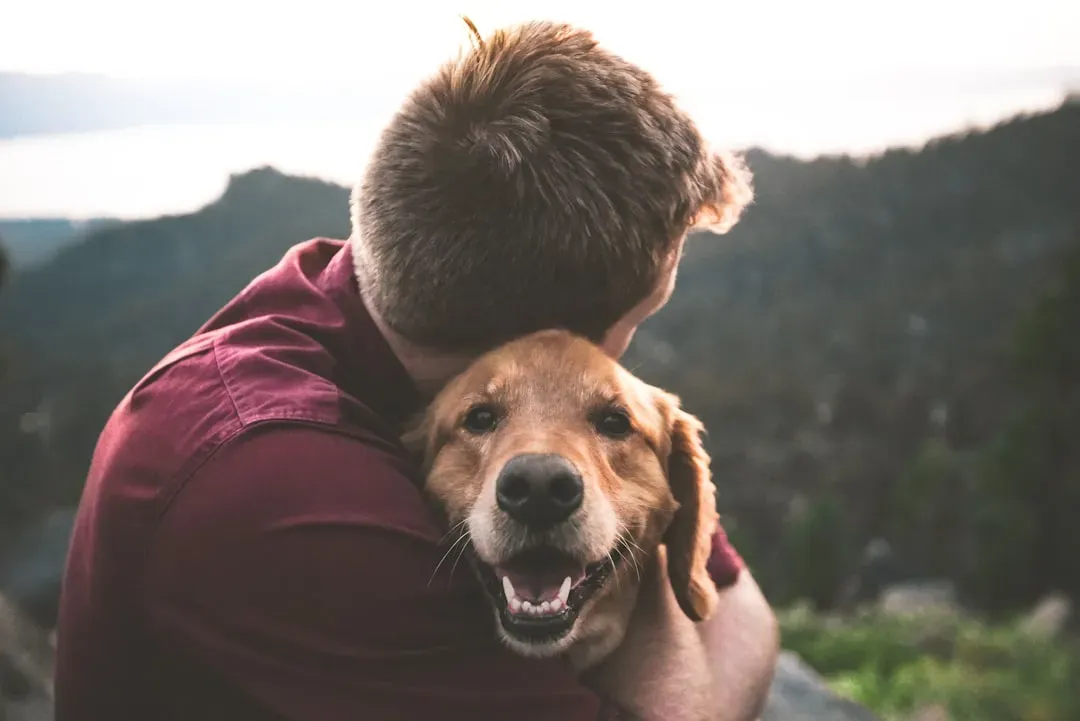
Dog interaction can reduce anxiety and distress by influencing emotion regulation while coping with a stressor. During animal-assisted therapy, having a dog present during psychotherapy such as cognitive behavioral therapy can aid in decreasing self-reported anxious arousal and distress for patients who have experienced trauma, making the therapeutic treatment process more effective.
The mechanisms through which pets made their contribution to emotional work seemed to be the provision of a consistent source of comfort and affection. This constant presence meant that the support was available instantaneously without request. Pets provided calming support and were perceived to have a “sense” of when it was needed. Let’s be real. No therapist, no matter how gifted, can be physically present at 2 a.m. when anxiety strikes. Your dog can.
They Keep Your Heart Physically Healthier

This one is not just emotional metaphor. It’s literal cardiology. The recognized health benefits of dog ownership include an association with lower blood pressure levels, improved lipid profile, and diminished sympathetic responses to stress. That’s your heart working less hard, every single day.
Dogs’ calming effect on humans also appears to help people handle stress. Some research suggests that people with dogs experience less cardiovascular reactivity during times of stress. That means heart rate and blood pressure go up less and return to normal more quickly, dampening the effects of stress on the body. And on a bigger scale, in analyses of studies evaluating cardiovascular mortality, dog ownership conferred a significant risk reduction for cardiovascular death. Your dog is, quite literally, helping keep you alive.
They Give You a Reason to Move Your Body Every Day

Some mornings you just do not want to get up. No motivation, no energy, nothing. Then a pair of hopeful brown eyes finds yours. Game over. Dog owners engage in significantly more minutes per week of physical activity and walking, and are notably more likely to meet the recommended level of physical activity than non-owners, according to a cross-sectional study of over 5,000 adult dog owners.
A year-long study at the Wellness Institute at Northwestern Memorial Hospital found that walking an overweight dog helped both the animals and their owners shed unwanted pounds. Researchers found that the dogs provided support in similar ways to a human exercise buddy, but with greater consistency and without any negative influence. No gym buddy cancels on you because they’d rather stay in. Your dog never will.
They Create Structure and Routine That Anchors Your Day

When life feels chaotic, your dog quietly demands order. And that’s a gift. Dogs add structure and routine to your day. They require a regular feeding and exercise schedule. A consistent routine keeps a dog balanced and calm, and it works for you too. No matter your mood, one look from your dog and you’ll have to get out of bed to feed, exercise, and care for your pet.
Much like humans, dogs thrive when their lives have rhythm and routine. When they know what to expect and when to expect it, they tend to feel safer, calmer, and more in control of their world. Building a structured daily routine isn’t just about convenience for pet owners. It’s a powerful way to improve a dog’s mental and emotional health. That shared structure benefits both of you more than you might realize.
They Fight Loneliness in Ways That Are Hard to Replace

Loneliness is one of the biggest threats to mental health. Pets fill this emotional void beautifully. They offer nonjudgmental companionship and unconditional affection, reminding us that we are never truly alone. For seniors, people living alone, or those dealing with loss, pets can be a lifeline.
One of the most remarkable findings from research is the exceptionally low conflict level reported in human-dog relationships. Unlike human relationships, which often involve disagreements, misunderstandings, and emotional conflicts, the human-dog bond is characterized by consistent companionship and reliability. Dogs provide emotional support without the complex social dynamics that can strain human relationships. That kind of uncomplicated love is genuinely rare.
They Make You More Social and Connected to Your Community

It’s almost funny how a dog transforms a solo walk into a social event. Suddenly, strangers want to talk to you. Neighbors wave. People stop. In a study of more than 800 people over 50, those who walked a dog at least four times per week were more likely to report feeling a strong sense of community, compared to people who didn’t own a dog, lending itself to healthy aging.
Having pets creates communities, whether through dog parks, pet training classes, or online forums. Studies have found that these pet-facilitated social connections can help buffer against the negative impacts of loneliness and social isolation. Think of your dog as a four-legged social bridge. They open doors, literally and figuratively.
They Boost Your Mood Through Real, Measurable Chemistry

This isn’t just a feeling. When you pet a dog, your brain releases a surge of feel-good hormones such as oxytocin, dopamine, and serotonin. These chemicals are the same ones that boost feelings of love, joy, and relaxation. It’s essentially a natural antidepressant, right there in your living room, wearing a collar.
When dogs and humans engage in mutual gazing, both species release oxytocin, the same hormone involved in human mother-infant bonding. This hormonal feedback loop creates a powerful attachment system that mirrors the caretaker-infant relationship dynamic. Next time your dog stares into your eyes, know that something genuinely profound is happening between you both.
They Give You a Sense of Purpose That Sustains You
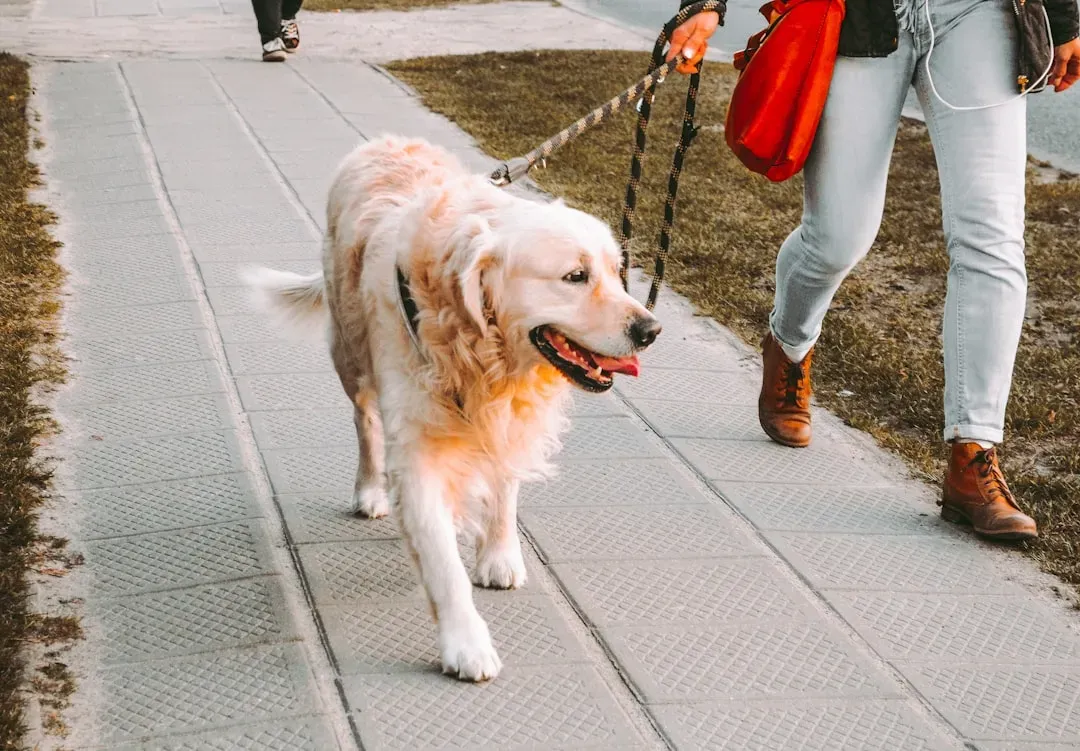
Feeding, walking, and grooming a pet can create a sense of purpose and responsibility, which can be immensely helpful in combating feelings of aimlessness. On the darkest days, sometimes the only thing that gets a person upright and moving is knowing that a living being is depending on them. That matters enormously.
Dogs may also provide a source of motivation. People with dogs are more likely to comply with the rigors of their daily life. For older adults who own pets, it is not uncommon for them to be more involved in daily life activities because of the need to take care of their animals. Dogs give us someone to show up for. And on some days, that is everything.
Conclusion: The Presence That Never Wavers

Here’s the thing about dogs. They don’t care how productive you were today. They don’t keep score. They’re not weighing your value against anyone else’s. Pets are non-judgmental and offer companionship that can be incredibly comforting during tough times. This bond can help individuals feel valued and loved, which is essential for emotional well-being.
With a shared evolutionary history spanning tens of thousands of years, dogs have filled a unique niche in our lives as man’s best friend. Through the processes of domestication and natural selection, dogs have become adept at socializing with humans. They didn’t stumble into our lives by accident. They were shaped, over millennia, to be exactly what we need.
So the next time your dog nudges your hand, curls beside you, or simply sits nearby as the world feels heavy, pause for a moment. Recognize what that quiet, steadfast presence actually means. They are not just dogs. They are the most reliable, uncomplicated, honest form of love many of us will ever know.
What about you? Which of these ways has your dog shown up for you when you needed it most? Share your story in the comments. Someone out there needs to read it.


