
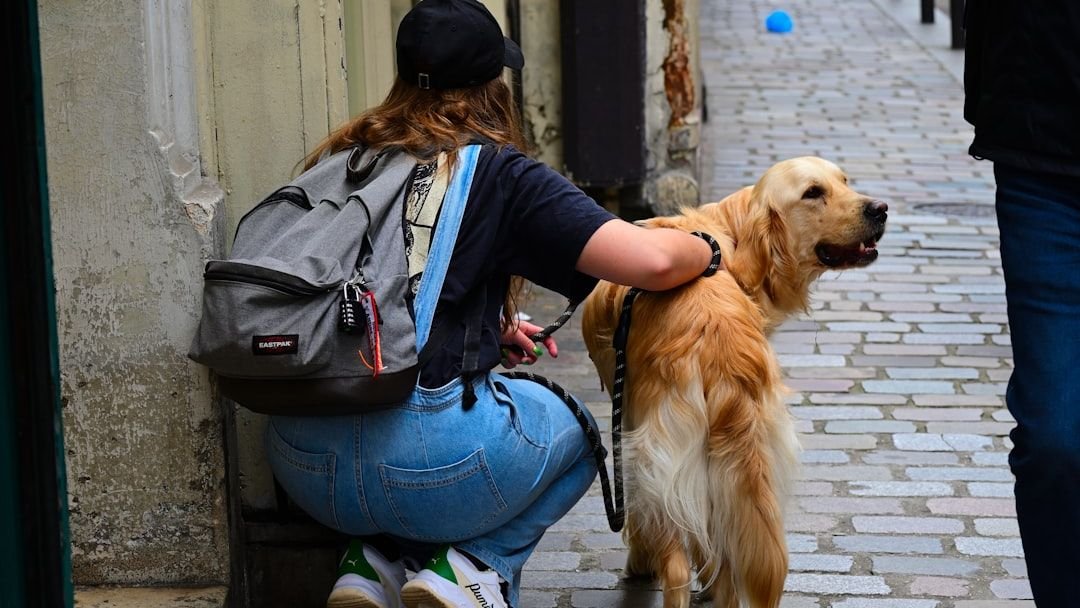
There’s a kind of love that doesn’t need words. It doesn’t need grand gestures or perfectly crafted sentences. It lives in a warm head pressed against your knee, in a tail that wags even when a body is too tired to stand, in eyes that find yours one last time across a quiet room. If you’ve ever loved a dog, you already know this feeling in your bones.
What’s both heartbreaking and deeply beautiful is that dogs, even as they near the end of their journey, continue pouring that love out in the most tender ways. Saying goodbye to a beloved dog is never easy. Yet somehow, in their final days, our dogs often find gentle, silent ways to let us know they’re ready. Knowing how to recognize those moments can turn grief into gratitude, and confusion into connection. So let’s dive in.
1. The Long, Soul-Searching Gaze
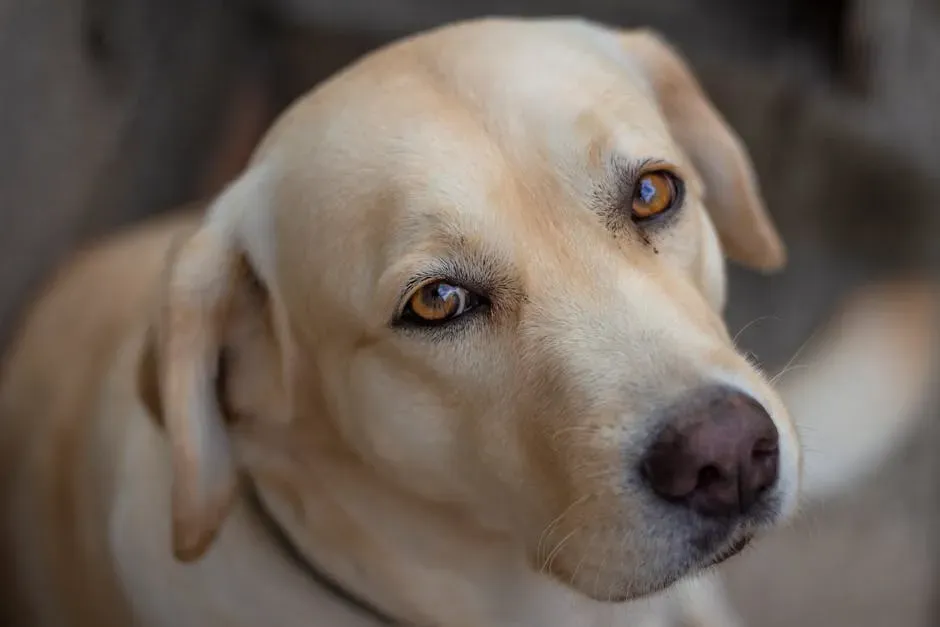
There’s something almost indescribable about the way a dog looks at you near the end. Perhaps the most haunting goodbye sign is the profound eye contact many dogs initiate near their end. This isn’t ordinary eye contact but a deep, soulful gaze that many owners describe as feeling almost supernatural in its intensity and meaning.
Think of it as a conversation without words. Your dog might seek out these eye-connecting moments repeatedly, holding your gaze longer than usual. Their expression often appears eerily calm, wise, and reassuring despite their physical condition. Many grieving pet parents later report this specific gaze brought them unusual comfort, feeling their dog was communicating understanding, gratitude, and reassurance.
If your dog does this, hold that gaze back. Don’t look away. That moment is a gift, one of the purest forms of love you’ll ever receive.
2. Extreme Clinginess and Shadow-Following
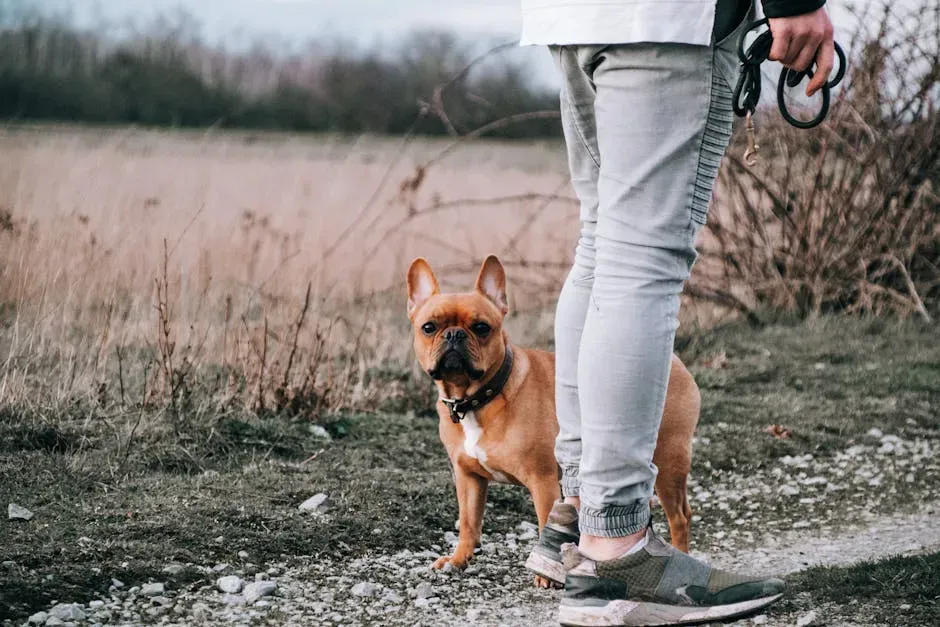
You’re in the kitchen. You walk to the bedroom. You step outside for a moment. And there they are, right behind you, every single time. This kind of clingy behavior is one of the most recognizable ways dogs say “I love you” before they go. One of the earliest and most noticeable shifts in behavior can be a change in your dog’s usual social interactions. Some dogs may become excessively clingy, constantly seeking your attention, following you from room to room, and becoming anxious when left alone.
Some dogs seek out the comfort and company of their humans to the point of clinginess, while others become more solitary and seek quiet corners to be alone. The clingy ones are essentially holding on. They want more time, more warmth, and more of you. Honor that need by simply being present without distraction.
3. Seeking Out a Quiet, Sacred Space

Not every dog says goodbye by staying close. Some choose solitude. Many dogs, even the most social ones, seek out quiet places when the end nears. You might find them lying under a bed, in a distant corner, or somewhere they never used to go. This retreat isn’t necessarily sadness. Dogs often know when they’re nearing the end, and in some cases, they separate themselves as a final, private ritual.
It can feel like rejection, but it’s really the opposite. It’s not rejection. It’s their way of preparing, and perhaps protecting us from the weight of goodbye. If your dog does this, don’t force them out. Instead, sit quietly nearby, letting them feel your presence without pressure. That gentle respect is one of the kindest things you can offer.
4. A Surprising Final Burst of Energy
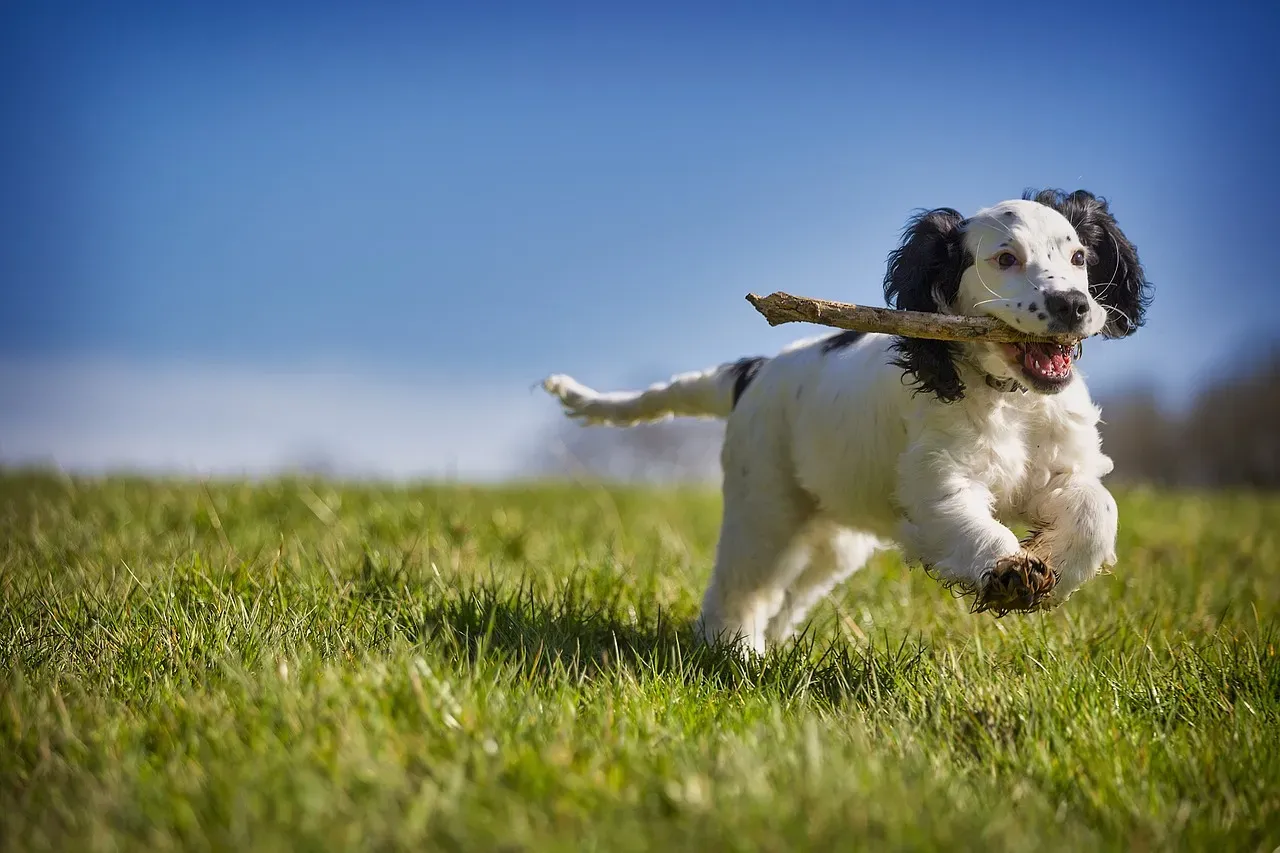
Here’s one that genuinely catches people off guard. Just when you think your dog barely has the strength to stand, they suddenly want to play fetch. Or they trot to the door, tail wagging, asking for a walk. Many pet parents describe a puzzling phenomenon in their dog’s final days: a sudden burst of vitality veterinarians call the “rally.” Your previously lethargic companion might suddenly want to play fetch or request a walk like old times. These temporary energy surges can feel like miraculous improvements, but they often represent a final gift, one last chance to create joyful memories together.
Your dog may revisit favorite spots or activities they’ve long abandoned due to age or illness. Treasure these moments without false hope. This mysterious final energy reserve allows many dogs to participate in meaningful goodbye activities with their beloved humans. Honestly, if this happens, take that walk. Throw that ball one more time. You won’t regret it.
5. Gentle Leaning and Physical Touch
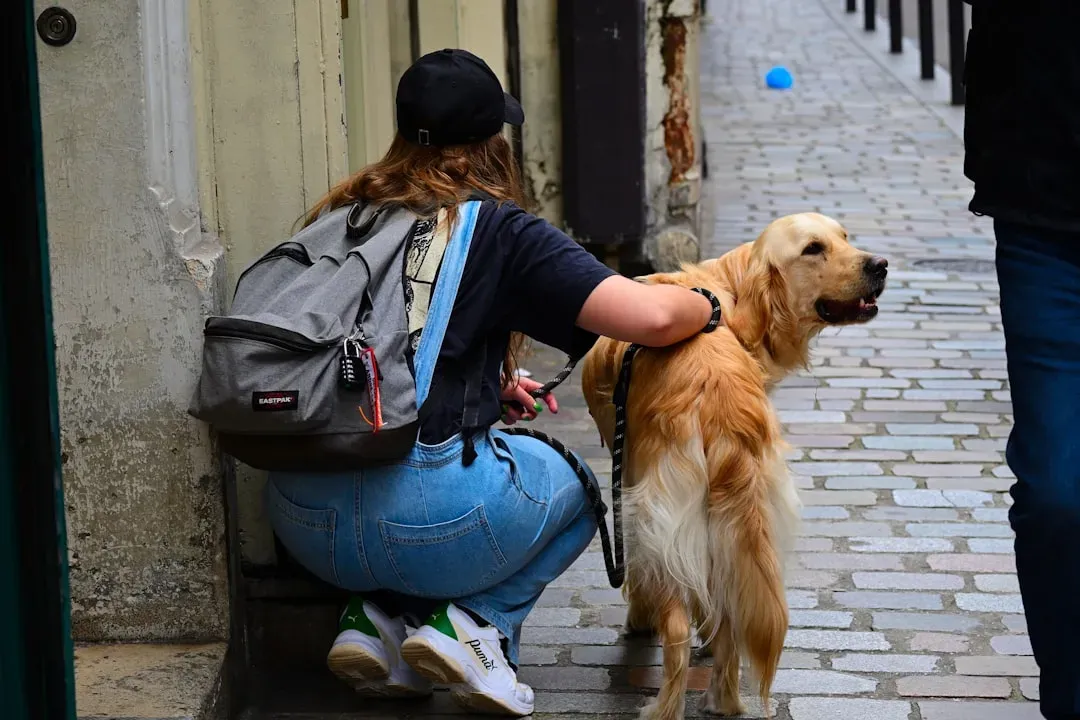
Dogs communicate enormously through physical contact, and near the end of life, touch becomes even more meaningful. A dog that leans their full body weight against your legs, rests their head on your lap without being asked, or quietly curls into you while you sit on the floor is saying something profound. It’s a form of trust that goes beyond ordinary affection.
This surrender isn’t defeat but a conscious choice to accept care from trusted hands. Many owners describe feeling their dogs gave permission for help through subtle signals, a gentle lean into support or relaxed acceptance of assistance they would have previously rejected. This behavior represents beautiful trust. Your companion is communicating they understand your help comes from love. Let them lean. Lean back, in fact.
6. Reconnecting With Puppy-Like Playfulness

I know it sounds almost impossible, but some dogs briefly rediscover joy right before the end. Some dogs display touching flashbacks to puppy behaviors in their final days. Your dignified senior might suddenly pounce playfully at toys they haven’t touched in years or perform silly antics reminiscent of their youth. It’s like watching a highlight reel of who they used to be, and it’s equal parts joyful and heartbreaking to witness.
This behavior is likely rooted in some combination of instinct and a genuine spark of vitality. These signs aren’t random. They’re part instinct, part emotion, and perhaps something more mysterious. From a sudden need for solitude to a last-minute burst of playfulness, dogs often exhibit behaviors that seem to bridge the worlds of life and death. If your older dog suddenly grabs their old squeaky toy, laugh a little. Cry a little too. Both are perfectly valid.
7. Increased Vocalization or Quiet Sighing
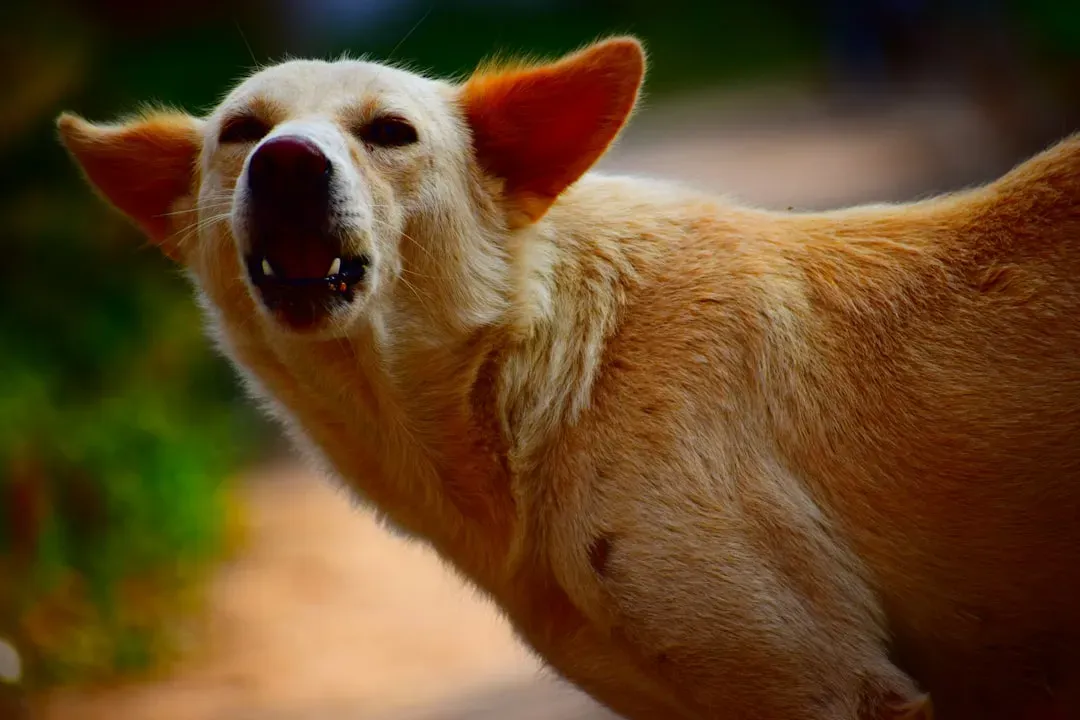
Some dogs grow unusually vocal near the end, while others become remarkably, almost eerily quiet. Your dog might bark excessively, whine, or in some cases stop barking altogether. Unusual vocalizations or a change in vocalization to a lower tone may indicate stress or pain. It’s critical to check in with your vet when you notice this shift, as some vocalizations signal discomfort that can and should be managed.
On the softer side, there’s the long, slow sigh. Maybe it’s a soft sigh, a long gaze, or a quiet withdrawal from daily routines. That kind of sigh, the deep, settling exhale of a dog who has found their person and is at rest beside them, feels less like a symptom and more like a whisper. Pay close attention to the full picture. Both the noisy and the silent moments carry meaning.
8. Accepting Help With Grace and Surrender
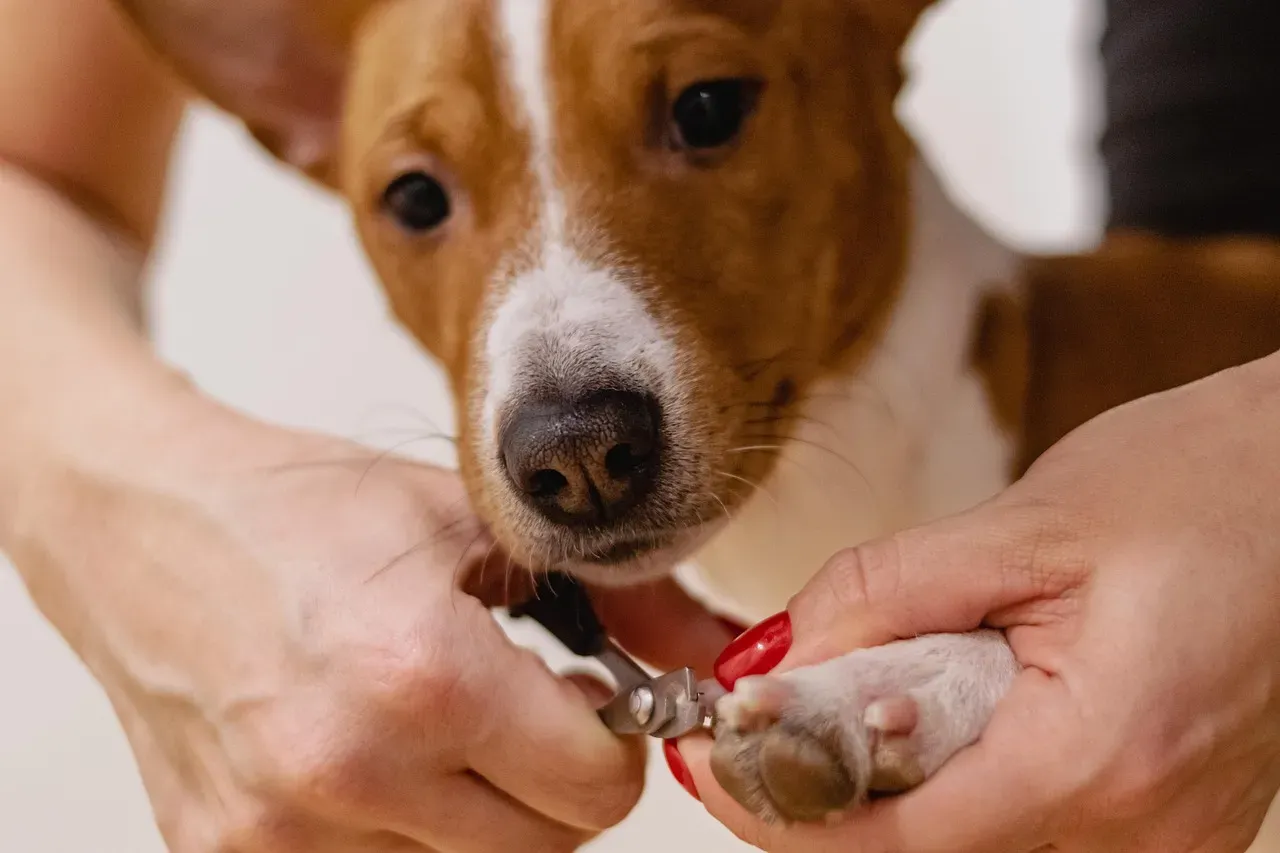
Dogs are surprisingly proud creatures. An independent dog who has always resisted being picked up, groomed, or assisted will sometimes, in their final days, simply let go of that resistance. Fiercely independent dogs often show a profound shift by gracefully accepting assistance with basic needs. Your formerly private pet might suddenly allow you to help with grooming, bathroom needs, or mobility without their usual resistance.
This shift is deeply meaningful. Quiet and reassuring attention, familiar routines, pain relief, and allowing alone time if they want it can all help comfort a dog at the end of life. Think of practical ways to help: soft bedding in a low-to-the-ground spot, gentle grooming sessions, warm compresses, and anti-slip mats on hard floors. These small acts of service speak the same language of love your dog is already speaking to you.
9. Bringing You Their Treasured Possessions
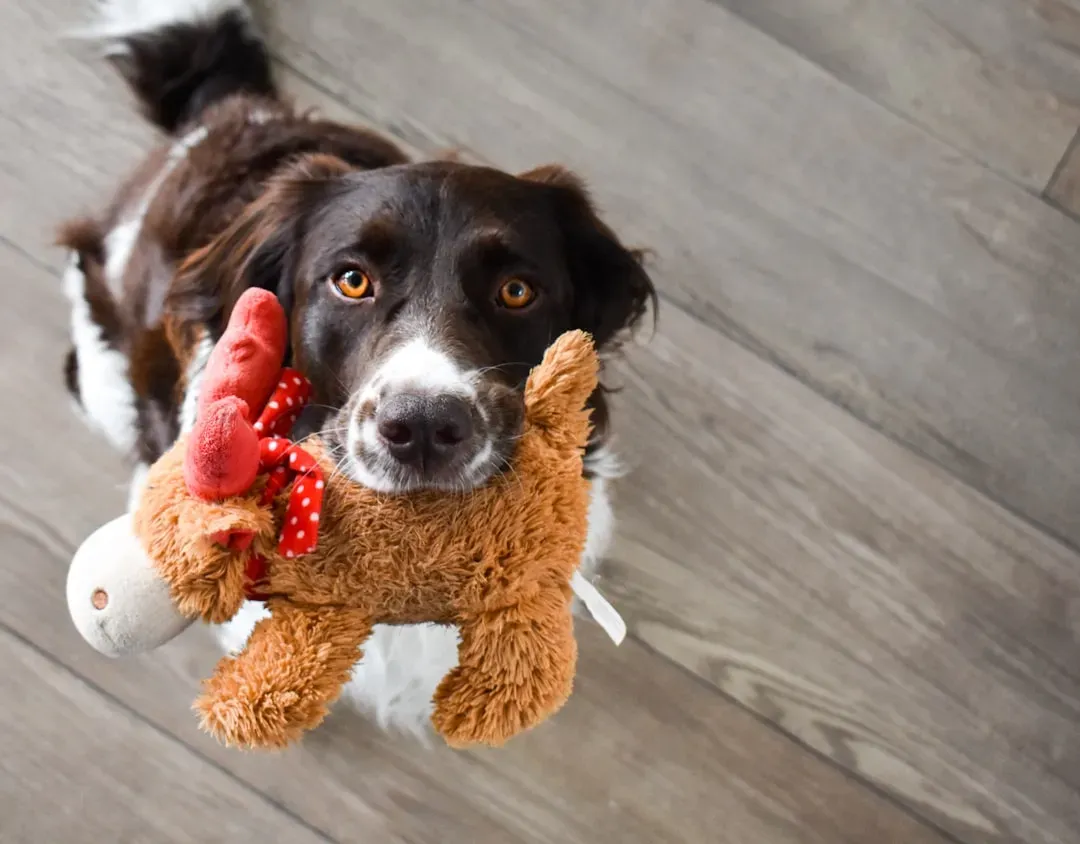
This one is quietly stunning. Some dogs, in their final days, will carry a favorite toy or blanket to their most beloved human and leave it there. It’s not random. This heartfelt behavior represents your companion’s way of leaving you with physical reminders of their love and ensuring their treasures remain with someone they trust completely.
Think about what that gesture means for a moment. In dog logic, handing over something precious is the highest act of generosity. It’s a bit like a person leaving their most cherished belonging to someone they love. If your dog does this, keep that toy. Feeling calm or comforted when holding their favorite toy, whether these are spiritual moments or simply the strength of memory, they can be treasured as gentle reminders that your dog is still part of your heart.
10. Lingering Eye Contact Paired With Stillness and Peace
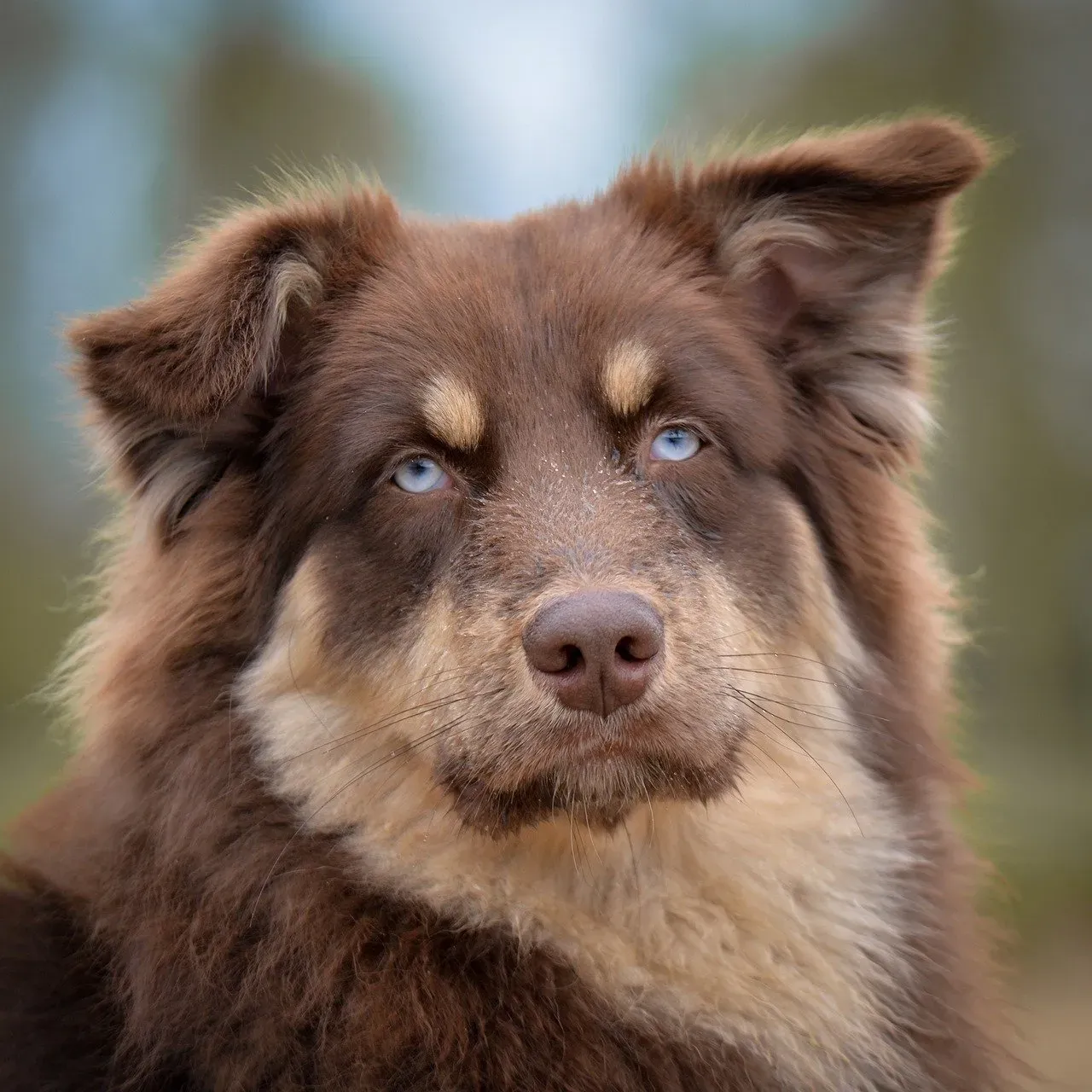
In the very final hours, many dogs enter a state of profound stillness. Some dogs will become restless, wandering the house and seeming unable to settle or get comfortable. Others will be abnormally still and may even be unresponsive. When a dog settles into quiet calm and seeks your eyes one last time, it feels less like an ending and more like a completion.
As a dog’s body systems fade away, hearing tends to persist longer than other sensory abilities. Consider talking softly to your dog during this time. Thank your dog for their companionship and tell them you love them. They can hear you. That matters more than you know. Let your voice be the last thing that fills the room with warmth.
A Gentle Conclusion: Love That Outlasts Goodbye
Losing a dog is one of the most disorienting griefs a person can carry. The house feels wrong. The routines feel hollow. Losing a beloved dog is one of the hardest experiences we can go through. They aren’t just pets. They’re family, confidants, and four-legged therapists who always knew when to cheer us up.
But here’s what’s also true: as hard as it is to say goodbye, dogs somehow make even their final moments full of love. They don’t need big farewells. Just soft snuggles, knowing looks, and the quiet assurance that you’ll be okay. Though they cross the rainbow bridge, their presence stays with us, quiet, constant, and deeply comforting.
Recognizing dog behavior before death allows pet owners to provide comfort, love, and support in a pet’s final moments. Every dog’s journey is unique, and being there for them is the greatest gift you can give. So be there. Stay close. Let them feel seen and beloved all the way to the very last breath.
After all, if a dog can love us that completely until the end, the least we can do is receive that love with open, grateful, and fully present hearts. What would you want your dog to know, if you could tell them one last thing?


