
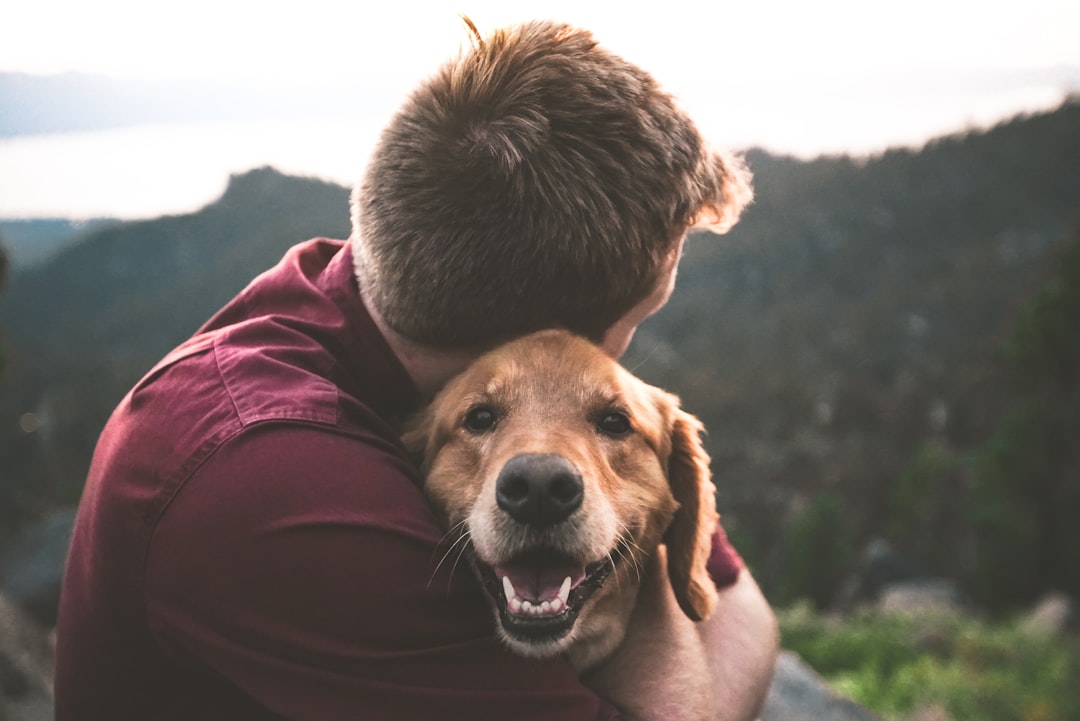
Have you ever noticed your dog acting differently when you’re feeling anxious or upset? It’s almost as if they know exactly what’s going on in your mind, even before you say a word. For many dog lovers, our furry companions are not just pets—they’re emotional barometers, always tuned in to our moods. Science is catching up to what dog owners have long suspected: dogs can sense our stress and anxiety, and they often respond in unique and surprising ways. If you’ve wondered how your dog reacts when you’re tense or worried, you’re about to discover just how caring, intuitive, and downright amazing our canine friends can be.
The Power of Presence: Staying Close to You

One of the most heartwarming ways dogs respond to human stress is by simply staying close. When you’re upset, your dog may suddenly become your shadow, following you around the house or curling up at your feet. This constant companionship is their way of offering comfort and letting you know you’re not alone. It’s as if your dog understands that just being there can help ease your worries.
Dogs are masters at reading body language and subtle changes in our behavior. They notice when we’re quieter than usual or when our energy shifts. When your dog presses against your side or rests their head on your lap during tough times, it’s their way of saying, “I’m here for you.” This gentle presence is often enough to bring a sense of calm when everything else feels overwhelming.
Physical Touch: Licking, Nuzzling, and Cuddling
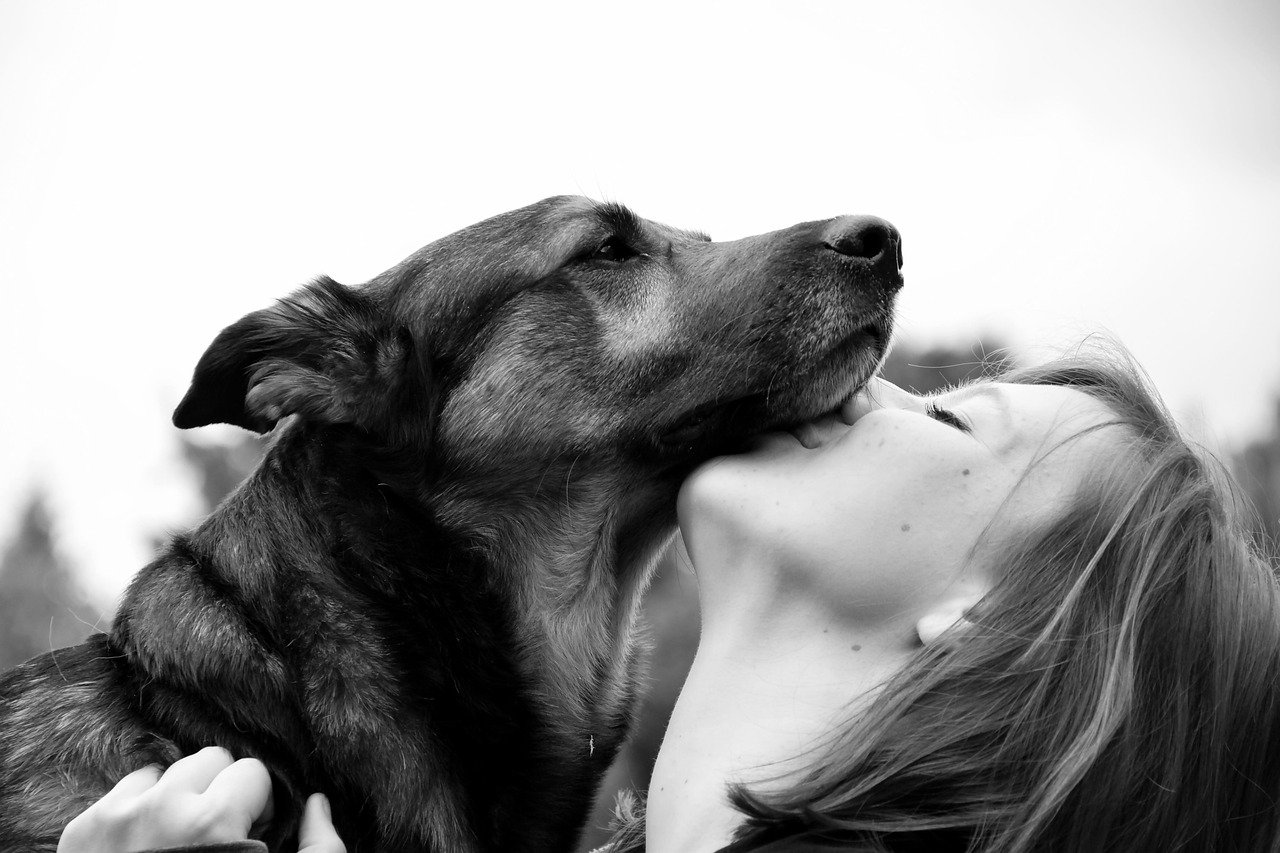
When stress hits, dogs often respond with a burst of affection. You might find your pup licking your hands, nuzzling against your chest, or insisting on sitting in your lap—regardless of their size! This physical closeness isn’t just about seeking attention; it’s a genuine attempt to soothe you and themselves. Dogs instinctively know that touch can be healing, both for them and for us.
The act of cuddling or being physically close releases oxytocin in both humans and dogs—a hormone that creates feelings of happiness and bonding. So when your dog offers their furry belly for a rub or presses their nose into your hand, they’re actually helping to lower your stress hormones. It’s their way of saying, “Everything’s going to be okay.”
Matching Your Mood: Mirroring Emotions
Have you ever noticed your dog looking sad when you’re down or hyper when you’re anxious? Dogs are incredibly sensitive to the emotional climate of their households. They can pick up on our moods and often mirror them, reflecting our emotions in their own behavior. If you’re pacing the room or sighing heavily, your dog might start acting restless or anxious too.
This emotional mirroring isn’t just coincidence. Dogs have evolved alongside humans for thousands of years, developing a remarkable ability to empathize. Sometimes, their mirrored reactions can serve as a gentle reminder to check in with ourselves. If your normally playful dog seems unusually subdued, it might be time to take a deep breath and offer yourself a little kindness.
Bringing You Toys or “Gifts”
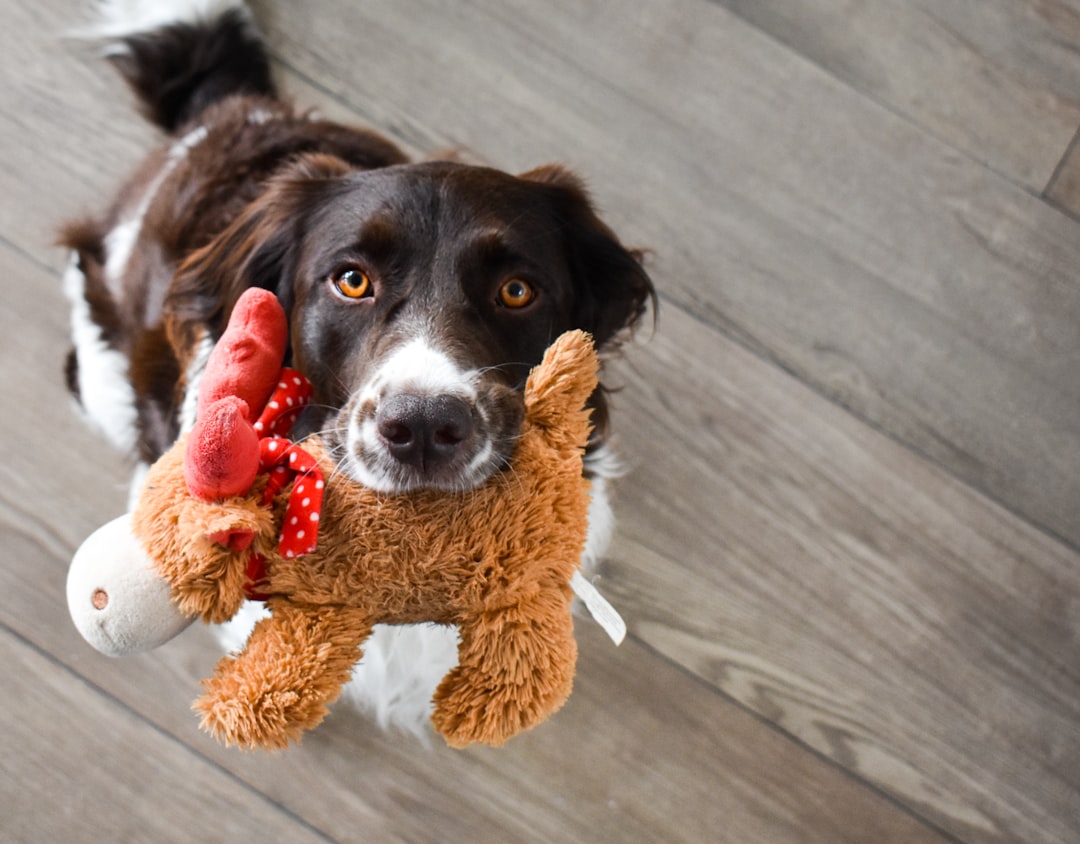
Dogs have a hilarious, sometimes baffling way of trying to cheer up their humans: they’ll bring you their favorite toy or even a random household item. While it might seem silly when your dog drops a squeaky toy or worn-out sock in your lap during a tough moment, this is actually a sign of empathy and care. Your dog is trying to share something they love to help lift your spirits.
This behavior taps into a dog’s natural instinct to comfort and nurture. In the wild, dogs often bring food or objects to members of their pack. At home, their “gifts” might not always be useful, but the intention is pure. It’s their way of saying, “Here, this makes me happy—maybe it will help you too!”
Alerting or Interrupting Harmful Behaviors

Some dogs go beyond comfort and actually alert their owners to harmful stress-related behaviors. For example, if you start pacing, biting your nails, or crying, your dog may bark, whine, or nudge you with their nose. These interruptions are not random—they’re attempts to redirect your attention and help you break out of a negative spiral.
Dogs used as service animals for anxiety and PTSD are trained to recognize these signs and intervene. But even untrained dogs can display this kind of intuition. It’s remarkable how often dogs know exactly when to step in, offering a gentle reminder to pause and breathe. Their natural alertness can be life-changing for people who struggle with overwhelming emotions.
Trying to Make You Laugh or Play
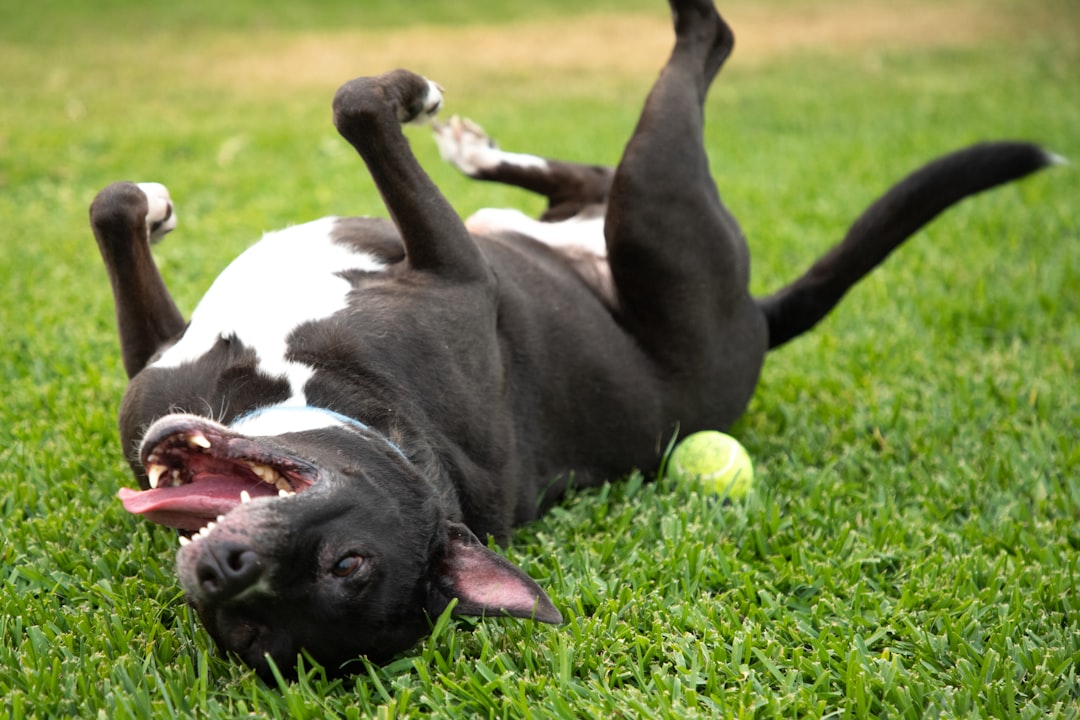
When you’re feeling blue, your dog might suddenly start acting goofy—rolling on their back, doing a silly dance, or dropping into a playful bow. Dogs are clever at sensing tension and sometimes try to break the mood with antics that are guaranteed to make you smile. It’s almost as if they know laughter is the best medicine.
This playful response is a testament to the deep bond between humans and dogs. By inviting you to play, your dog is encouraging you to shift your focus and lighten your emotional load. Even a quick game of fetch or tug-of-war can provide a much-needed distraction, helping you reconnect with joy in the middle of a stressful day.
Guarding and Protective Behaviors
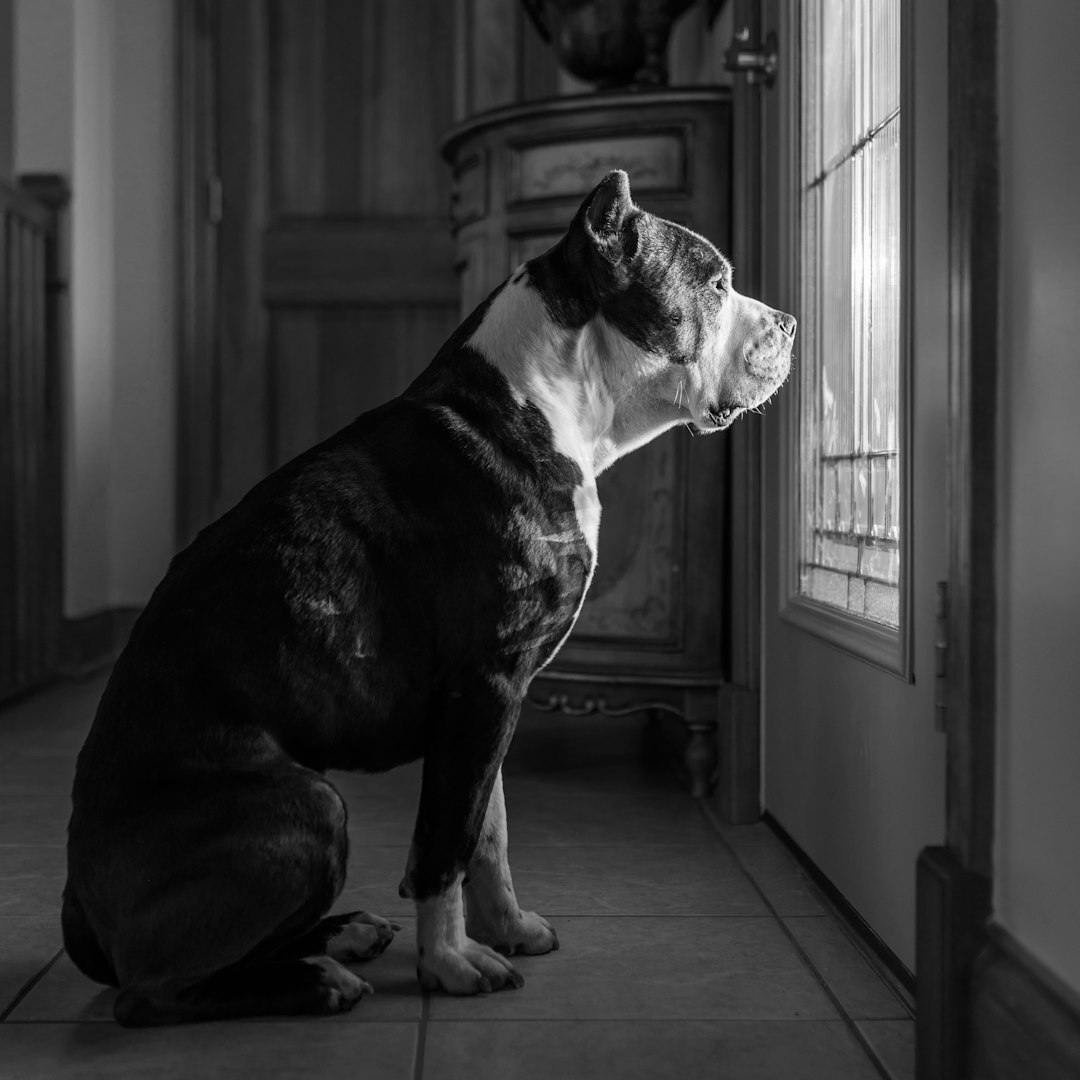
During periods of stress, some dogs become extra protective. You might notice your dog positioning themselves between you and strangers, or barking more than usual when someone approaches your home. This heightened vigilance is their way of standing guard, making sure you feel safe and protected.
This protective streak can be especially strong in certain breeds, but all dogs have the instinct to look after their pack. When you’re vulnerable, your dog’s priority is your well-being. Their watchful presence can be incredibly reassuring, reminding you that you’re not facing your troubles alone.
Changes in Their Own Behavior
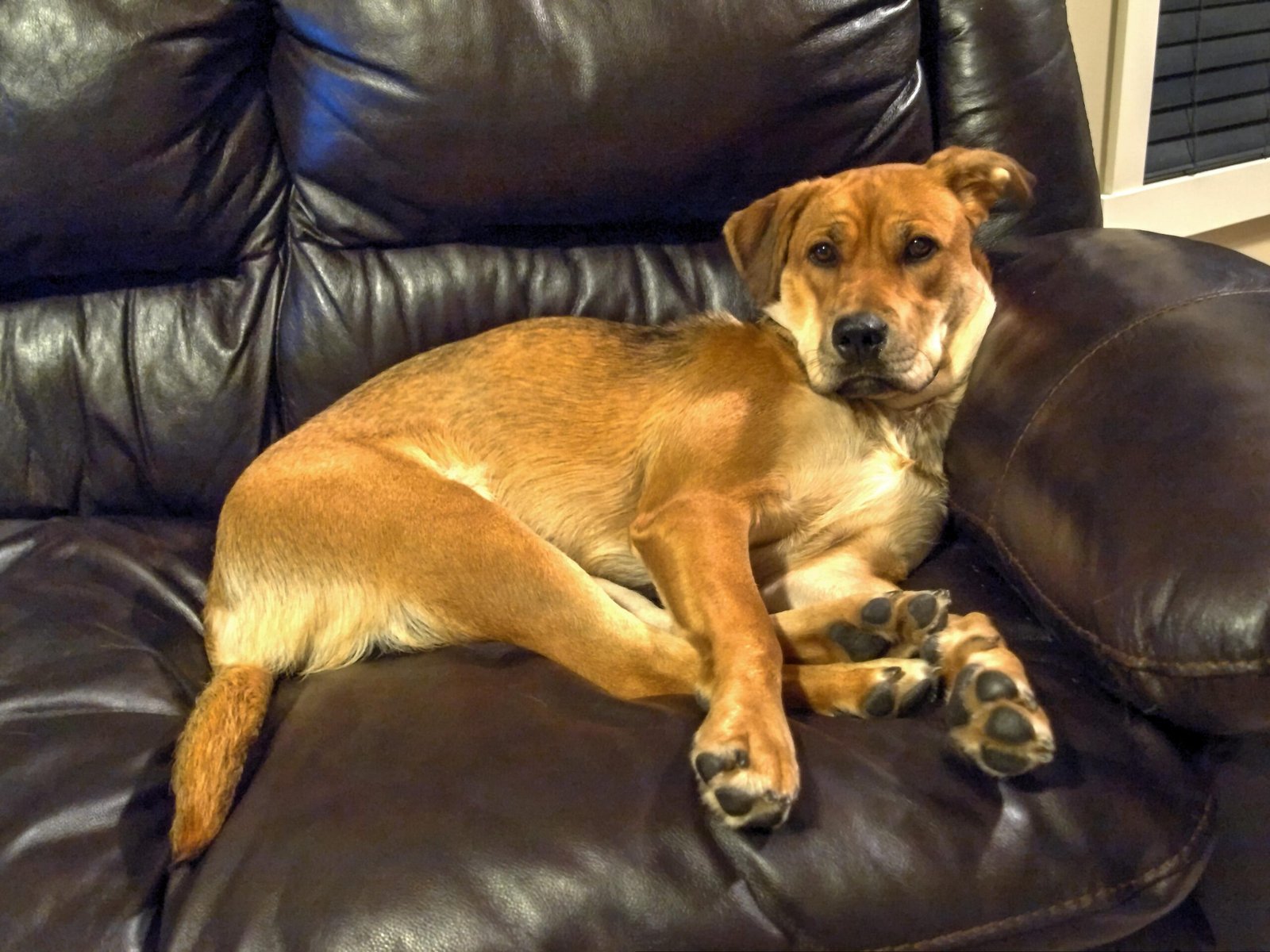
Dogs sometimes react to human stress by changing their own routines. An anxious dog might eat less, sleep more, or become less interested in their favorite activities. These shifts can be subtle or dramatic, but they’re often a direct response to the emotional atmosphere at home.
It’s important to pay attention to these changes, as they can be both a reflection of your stress and a sign that your dog needs extra support too. Taking care of yourself isn’t just good for you—it helps your dog feel safe and secure as well. When you notice these changes, it’s a gentle nudge to slow down and nurture both yourself and your loyal companion.
Seeking Reassurance Themselves
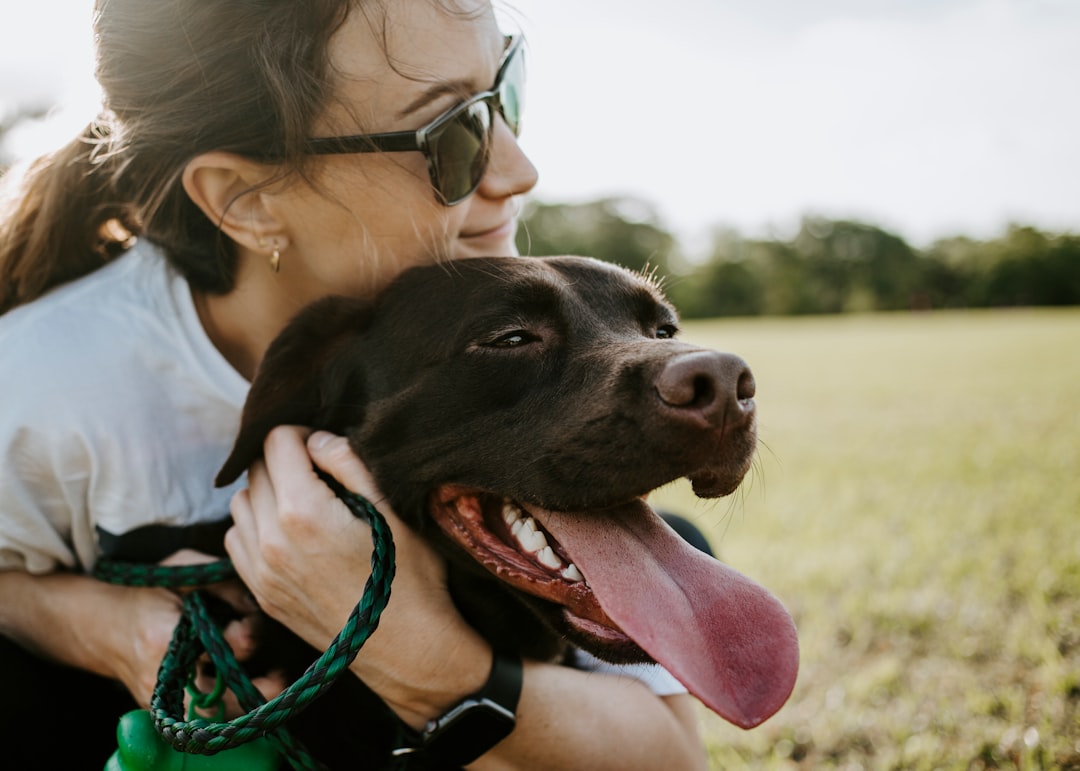
Just as dogs comfort us, they sometimes need comfort in return. When faced with a stressed or anxious human, some dogs may become clingy or seek extra reassurance. They might paw at you, whimper softly, or insist on sitting in your lap—even if they’re a big dog!
This behavior is a sign of the deep bond you share. Your emotional state affects your dog, and they may look to you for cues that everything is okay. Offering a few gentle words, a reassuring pat, or just sitting quietly together can be enough to soothe both of you. It’s a beautiful example of how caring for a dog is a two-way street.
Staying Calm and Grounded

Not all dogs react to stress with excitement or anxiety. Some have an incredible ability to remain calm and grounded, even when their humans are struggling. These dogs might simply sit quietly with you, offering a steady presence that anchors you in the moment.
This calming influence can be profoundly therapeutic. When everything feels chaotic, your dog’s peaceful demeanor serves as a gentle reminder to slow down and breathe. It’s as if they’re saying, “Let’s just be here together.” In a world that often feels overwhelming, this quiet companionship can be the greatest comfort of all.


