
Retirement arrives like a long-awaited vacation, full of promise. No deadlines. No alarm clocks. No frantic commutes. But somewhere between the bliss of the first free Monday and the quiet of the third week, something unexpected sneaks in. A subtle restlessness. A sense that you’re somehow running out of things to rush toward.
That’s exactly where your dog steps in. Not with advice or a motivational speech, but with a wagging tail, a pair of soulful eyes, and an uncanny ability to stretch a single moment into something that actually matters. Dogs are, without question, some of the most patient creatures on this planet. Spend enough time with one in retirement, and they’ll start teaching you the same art. Be prepared to be genuinely surprised by what you’ll learn. Let’s dive in.
They Make You Stop Rushing Through Mornings
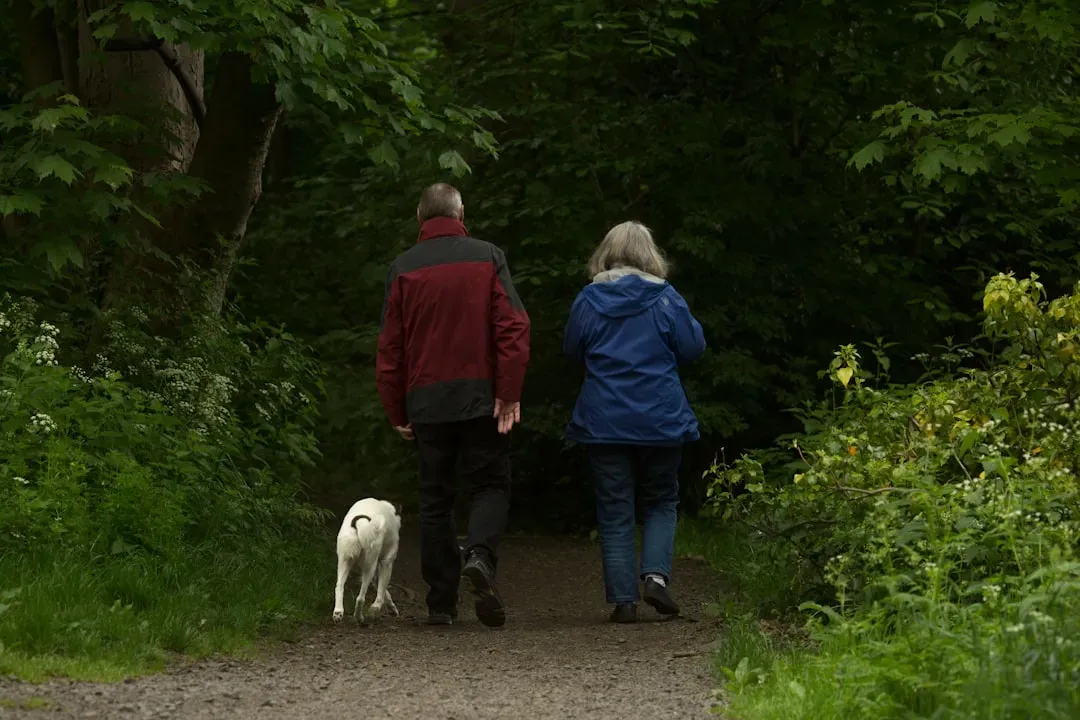
Before retirement, mornings were a blur. Coffee in one hand, keys in the other, toast forgotten on the counter. Your dog, though? Your dog has absolutely no interest in that pace. They want to sniff the dewy grass, inspect the neighbor’s fence, and investigate that suspicious patch of sidewalk for a full ninety seconds.
That slow morning walk is more powerful than it sounds. Research has found that dog owners who walk their dogs are roughly two and a half times more likely to achieve the recommended moderate physical activity each week compared to non-dog walkers. The magic here isn’t just the steps. It’s the permission your dog gives you to actually slow down and notice the morning you’re living in.
They Teach You That Good Things Require Waiting
Ask any dog trainer and they’ll tell you the “wait” command is one of the most valuable lessons a dog ever learns. Interestingly, it works both ways. When you patiently hold that treat aloft and ask your dog to sit and stay, something shifts inside you too. A slow walk triggers patience in both the dog and the handler, and it works best when there’s absolutely no deadline pressing on you.
Retirement is, honestly, the perfect time to discover this. You’re no longer racing against a clock. You can afford to wait for the reward, to sit with the process, and to find out that anticipation is itself a kind of joy. Your dog already knew that. Now you’re catching up.
They Give You a Reason to Create Gentle Routines
One of the quietest struggles of retirement is the sudden absence of structure. Without meetings and schedules, days can blur together in ways that feel oddly unsettling. Enter the dog, nature’s most devoted routinarian. Feeding time, walk time, belly rub time. They expect it and they count on it. Having a pet creates a sense of responsibility and purpose, as older adults follow a consistent schedule for feeding, grooming, and walking their furry companions, and this routine contributes to lower stress levels and improved overall quality of life.
Here’s the thing: routine and patience are deeply connected. When you know the rhythm of your day, you stop fighting it. You stop bracing for chaos. Your dog is essentially handing you a gentle, four-legged life planner, and that planner never asks you to hurry.
They Mirror Your Emotional State Back at You
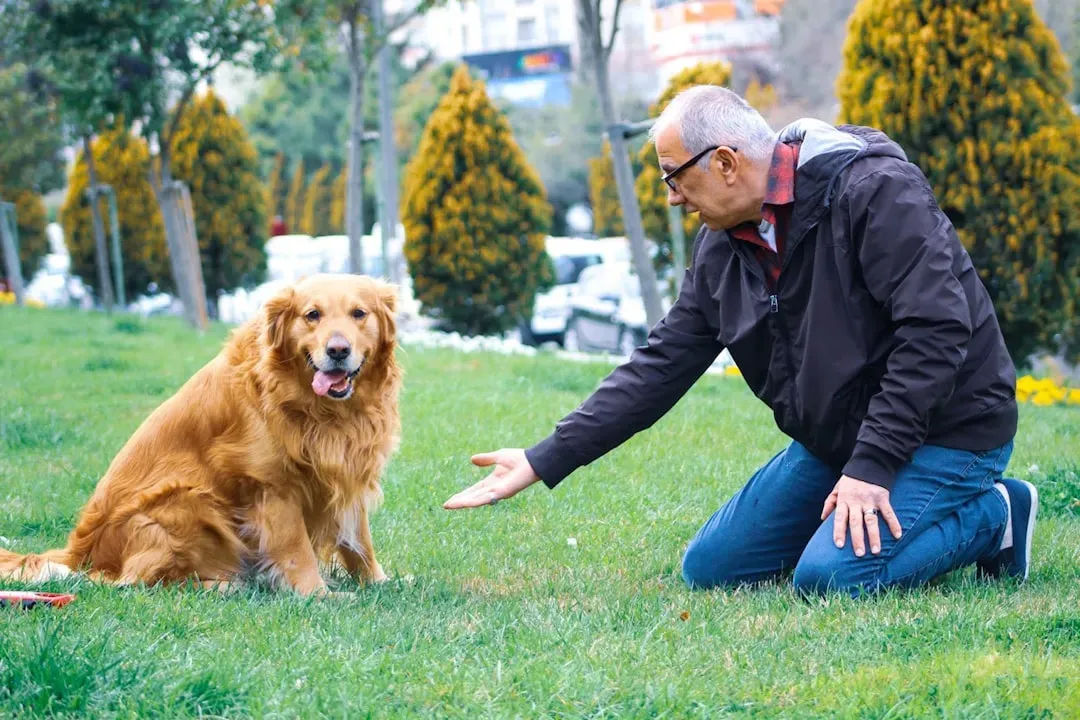
Dogs are extraordinarily perceptive. If you walk into the room tense and irritable, your dog feels it. If you’re calm and present, they settle right alongside you. If you are visibly irritated or frustrated, your dog will pick up on that and mirror your behaviors, because dogs are readers of emotion and they do acclimatize to social environments.
This mirroring effect becomes a kind of daily emotional check-in in retirement. Your dog essentially becomes your biofeedback device, nudging you toward the calmer version of yourself. You start to notice when you’re wound up, because your dog notices first. That awareness alone is the beginning of real patience.
They Remind You That Progress Happens in Small Steps
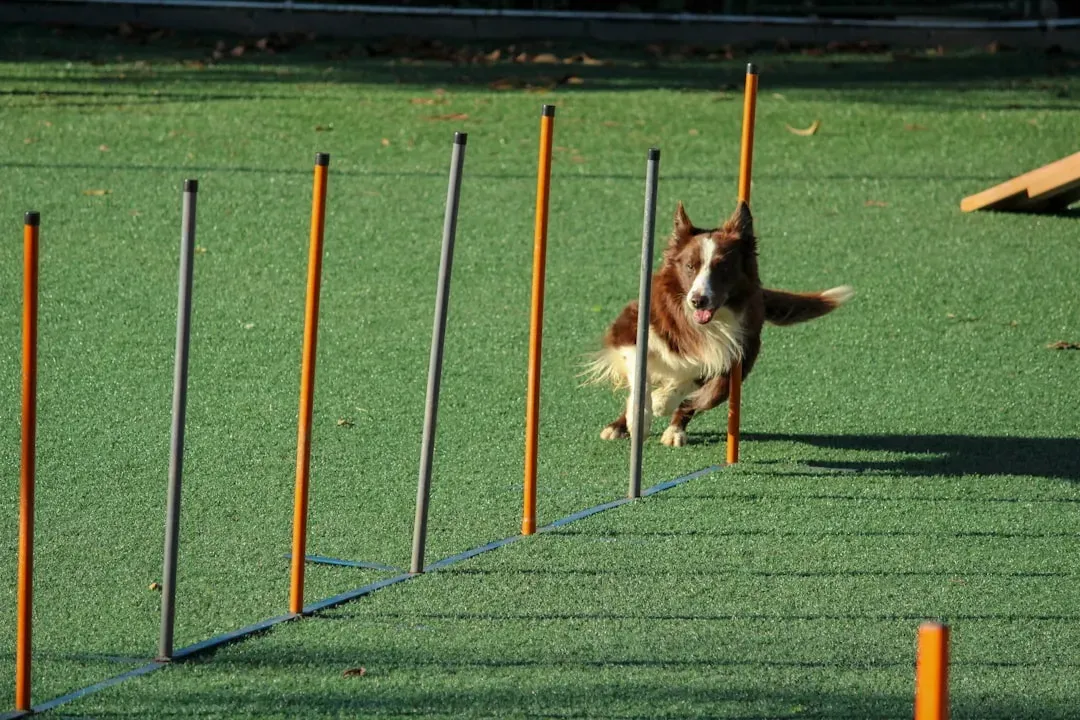
Teaching an older dog a new trick, or even just reinforcing a basic command, is a lesson in measured expectations. It helps to adjust your expectations because when you learn a new skill, you don’t expect to master the advanced level straight away. Dogs understand this instinctively. They don’t get embarrassed by learning slowly. They just keep showing up.
In retirement, this becomes a quietly profound metaphor for everything else you’re learning. A new hobby. A new health routine. A new way of spending your days. Progress is real even when it’s invisible to the naked eye. Your dog celebrates every tiny win with full-body enthusiasm, and honestly, you should too.
They Pull You Out of Your Head During Anxious Moments
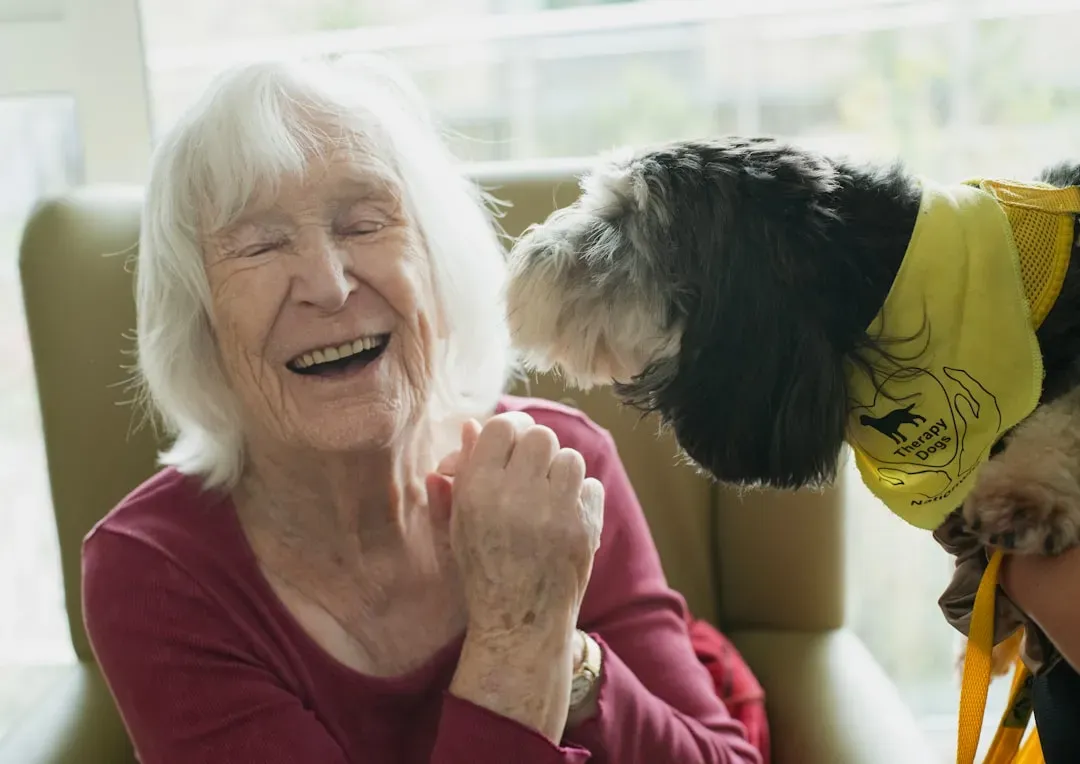
Retirement can sometimes bring unexpected waves of anxiety. Questions about identity, purpose, and the future. Your dog doesn’t know about any of that. They just know you’re here, right now, and that is enough for them. Research into pet ownership among older adults found that pets provide comfort and safety, social inclusion, purposeful routine and structure, and a deeply meaningful role.
Interacting with pets can reduce feelings of loneliness and isolation commonly experienced by seniors, and studies have shown that spending time with animals can lower blood pressure and decrease stress levels. When your dog rests their head in your lap after a restless morning, that simple act pulls you entirely into the present. That is patience in its purest form.
They Show You How to Handle Frustration Without Exploding
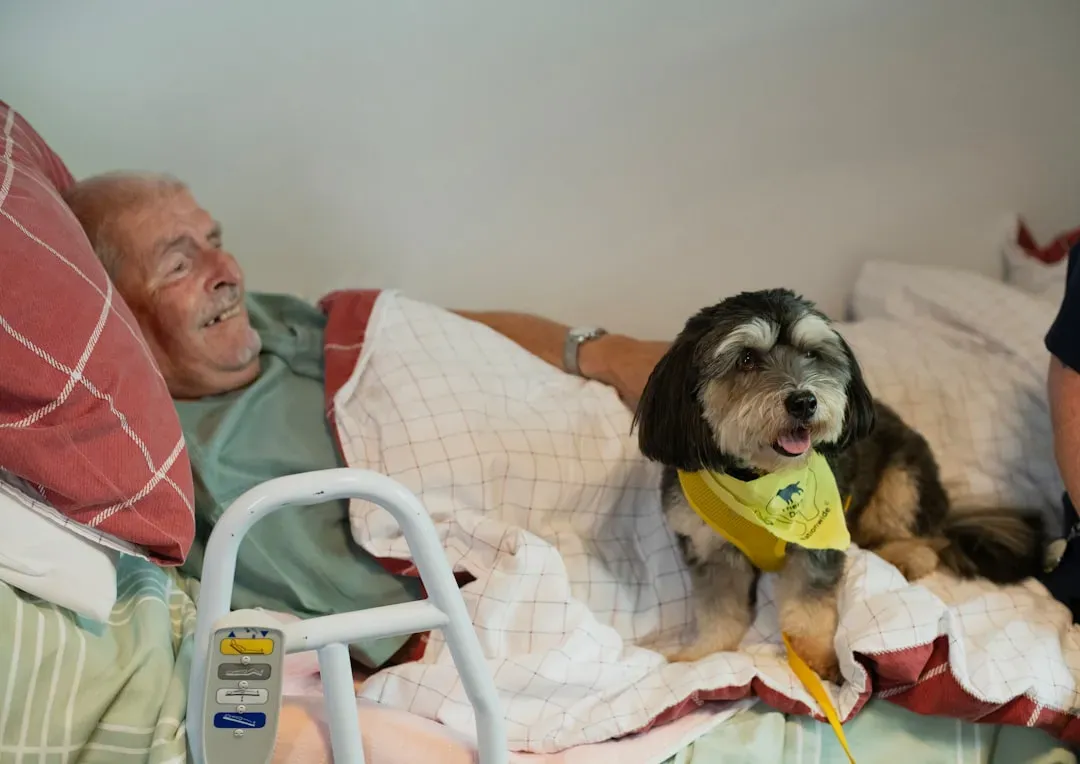
Let’s be real. Dogs can be genuinely maddening sometimes. The chewed shoe. The muddy paw prints on the freshly washed floor. The barking at absolutely nothing at two in the afternoon. In those moments, you have a choice. React with frustration, or breathe and respond with calm. Dogs can have difficulty adjusting when their routine changes, and patience is what helps ease that transition.
The remarkable thing is that choosing calm actually works better. Your dog responds to it. You feel better after it. Over time, that choice becomes a habit that spills into every other corner of your retirement life, from navigating a slow checkout line to waiting on a delayed doctor’s appointment. Your dog taught you that.
They Encourage Social Connection That Unfolds at Its Own Pace
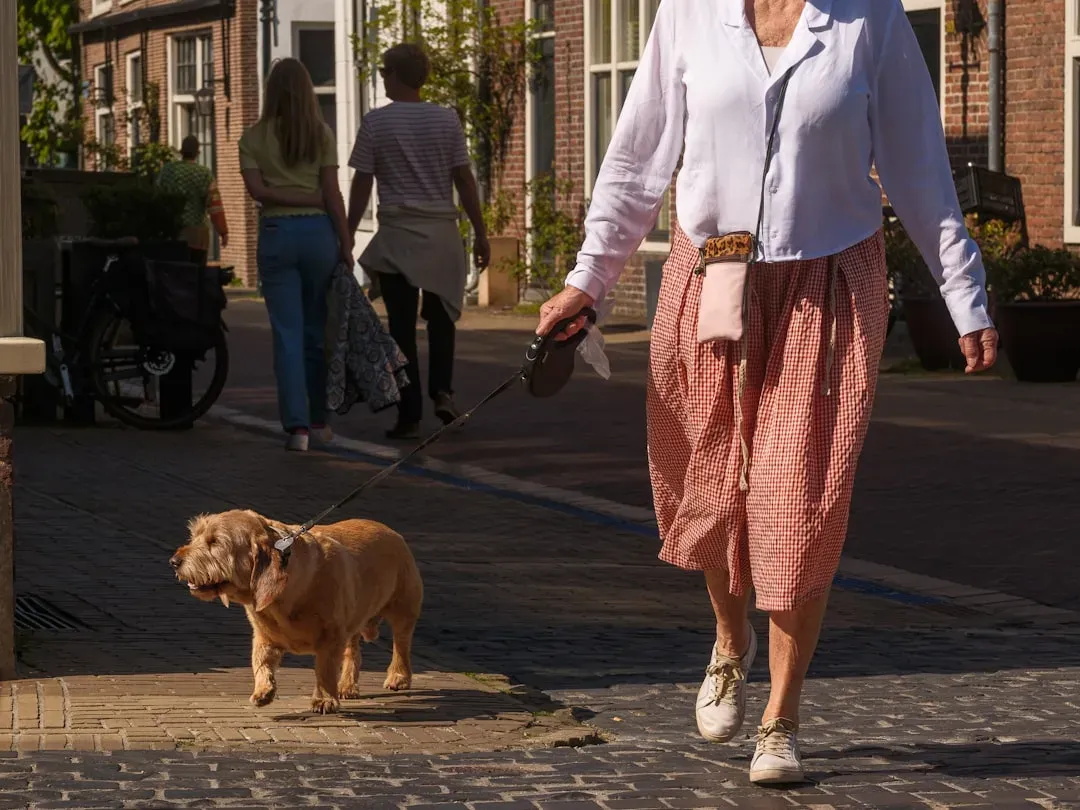
One of the trickier parts of retirement is building new friendships after decades of workplace-built connections. Dogs make this easier, but not in a fast or forced way. Taking a dog out for a walk leads to many people stopping to say hello, asking questions, and engaging in quick conversations, and a regular trip to a dog park can allow the owner to spend time around the same people, which can gradually lead to meaningful friendships.
That word, gradually, is the key. These social bonds form naturally, without pressure, over shared walks and casual waves hello. Dog walking has also been specifically associated with increased social interaction among older adults. Your dog is not just your companion. Your dog is your social bridge, built patiently, one walk at a time.
They Keep Your Mind Engaged in the Most Delightful Way
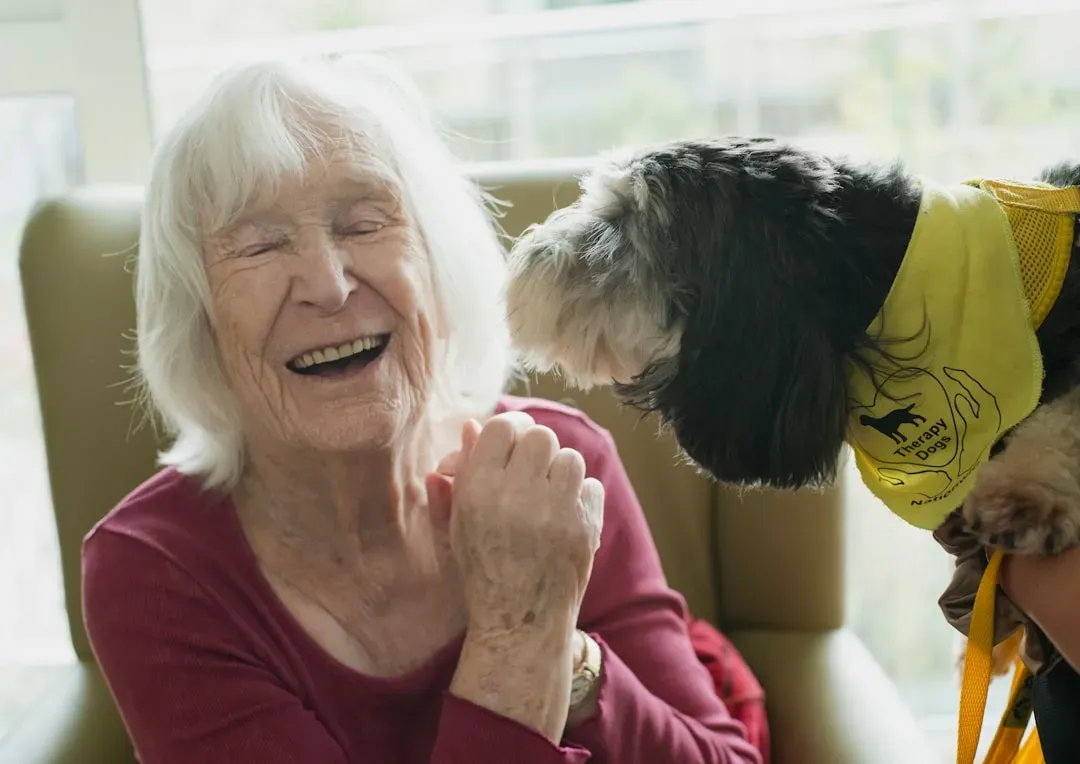
Keeping the mind active in retirement is genuinely important, and here your dog is doing you enormous favors. Training sessions, puzzle feeders, learning new routes on walks, even the cognitive work of reading your dog’s body language all keep the brain sharp and curious. Research from the Health and Retirement Study found that individuals aged 65 and older who had owned pets for more than five years had better overall cognition and verbal memory than those who did not own pets.
A study published in Preventive Medicine Reports identified that dog owners had a lower risk of dementia compared to non-dog owners, based on data from more than 11,000 older adults followed over a four-year period. None of this happens in a rush. It accumulates quietly, the way all the best things do. Your dog simply makes it enjoyable.
They Teach You That Love Itself Is an Act of Patience
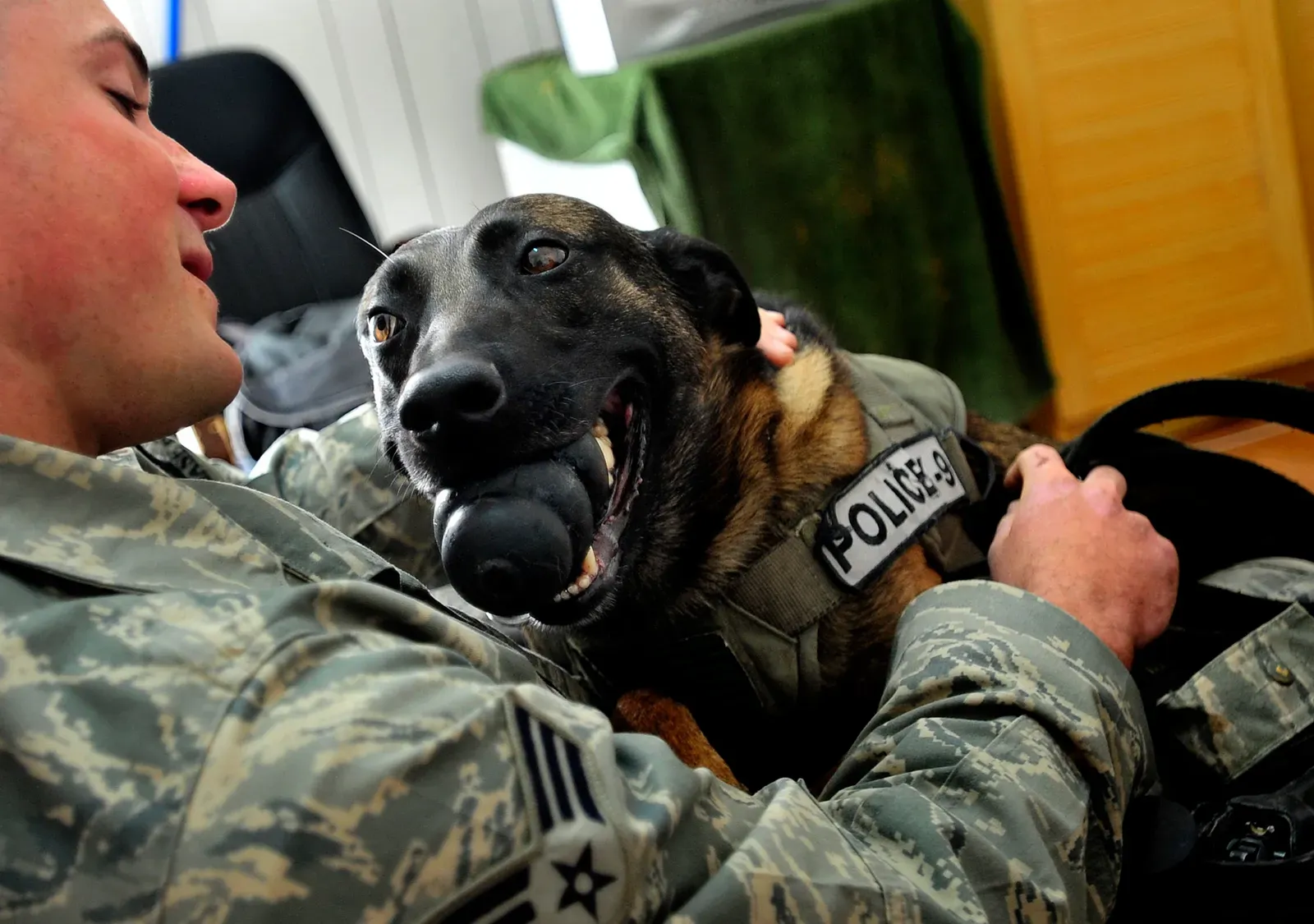
Perhaps the deepest lesson your dog offers in retirement is this: genuine love requires time, attention, and presence. Not perfection. Not productivity. Just showing up, consistently, without agenda. The unconditional love and loyalty of a pet can greatly improve the emotional well-being of seniors, offering a genuine sense of purpose and meaning in their lives.
Research has concluded that while animals cannot replace interpersonal relationships, they can substantially improve the well-being of elderly people, and in some views, dogs are often more effective in therapy than any medication. Your dog loves you on your slow days and your difficult days equally. No judgment. No impatience. In teaching you to love them back the same way, they quietly transform how you love everything else in your retirement life, including yourself.
Conclusion
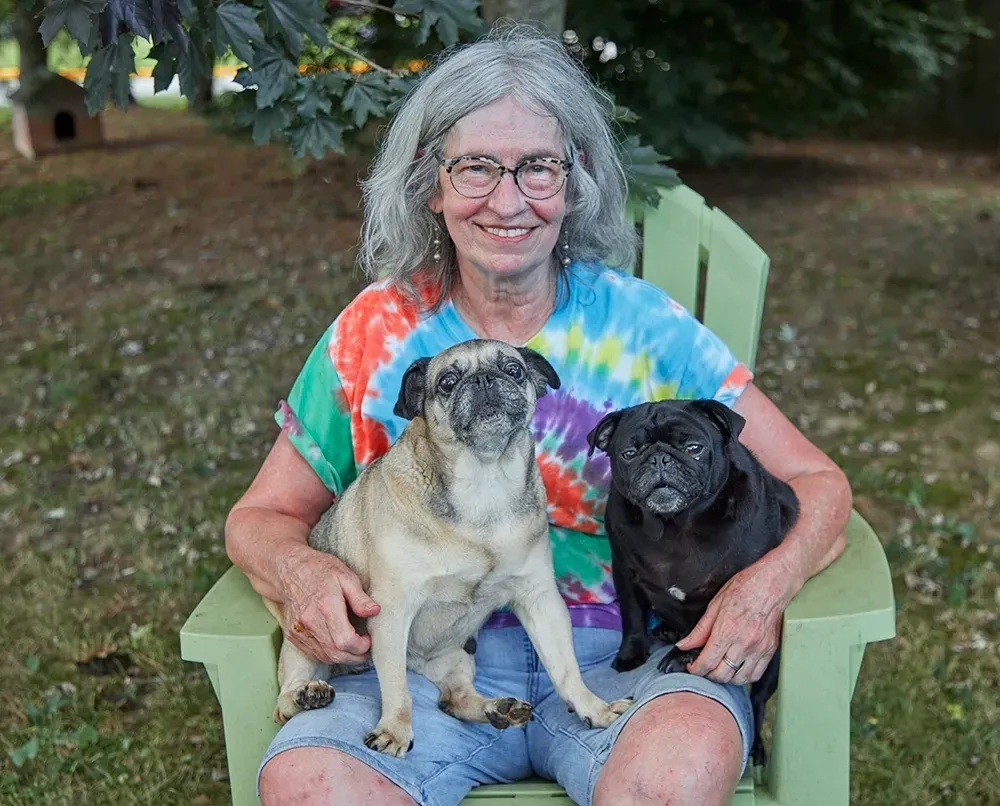
Retirement gives you something most of your working life never did: time. The question is what you do with it. A dog, it turns out, is one of the wisest guides you could have for that journey. Not because they’re perfect, but because they’re present. They don’t care about what you used to be. They care about right now, this walk, this morning, this moment of connection.
Patience isn’t something you develop overnight. It’s built in slow mornings, quiet training sessions, muddy paw prints you choose to laugh at, and evenings spent simply existing alongside a creature who finds you completely wonderful. Your dog already knows retirement’s greatest secret. The good stuff was never in the hurrying.
What has your dog unexpectedly taught you since you retired? Share your story in the comments. We’d love to hear it.


