


Owning a pet can be one of life’s great joys. For many, the decision boils down to choosing between a furry friend that barks or one that purrs. Dogs and cats, while both beloved companions, bring vastly different experiences to a household. They have unique needs, personalities, and ways of showing affection. Whether you’re a seasoned pet owner or considering bringing a new friend into your life, understanding these differences is crucial. Let’s delve into the distinctive aspects of dog and cat ownership.
Commitment and Time Investment

When it comes to time commitment, dogs usually require more attention than cats. Dogs need regular walks, exercise, and playtime. They thrive on social interaction and often seek out their owner’s company. On the other hand, cats are more independent. They can entertain themselves for long periods and are generally content with less direct interaction. However, this doesn’t mean cats don’t need love and attention; it’s just that their needs are less demanding on a daily basis. For example, while a dog might need a trip to the park every day, a cat might be satisfied with a cozy spot by the window.
Training and Discipline

Training a dog often involves a structured approach, incorporating commands like sit, stay, and come. Many dogs enjoy the mental challenge of training and respond well to positive reinforcement. Cats, however, are a different story. While they can learn tricks, they often approach training with a more aloof mindset. Cats are less likely to respond to direct commands, and training them requires patience and a different set of techniques. Think of training a dog like teaching a child, while training a cat can feel more like negotiating with a stubborn teenager.
Social Interactions

Dogs are social creatures by nature and often enjoy being around people and other animals. They are pack animals and see their owners as part of their pack. This social nature means they’re often eager to meet new friends at the park or during a walk. Cats, conversely, are more territorial and solitary. While they can be affectionate, they usually prefer to choose their moments of interaction. A cat’s idea of socialization might involve quietly sitting on your lap or following you around the house, but they might not appreciate a crowded room full of strangers.
Space and Environment Needs

Dogs generally require more space to roam and play, especially larger breeds. A house with a yard can be ideal for them to explore and expend energy. Cats are more adaptable to smaller living spaces. They are climbers and can make the most of vertical spaces, like shelves and window sills. This makes them well-suited for apartment living. However, both animals appreciate a stimulating environment, whether it’s a cat tree for climbing or a dog-friendly backyard for running.
Grooming and Maintenance

Grooming needs can vary greatly between dogs and cats. Dogs, especially those with long coats, often require regular grooming sessions to prevent matting and to keep their coat healthy. Some breeds also need bathing and nail trimming regularly. Cats are generally self-groomers and can keep themselves clean. However, they can still benefit from occasional brushing to reduce shedding and hairballs. Interestingly, both animals may shed, but dog owners often find themselves vacuuming more frequently.
Food and Dietary Considerations

Dietary needs for dogs and cats can differ significantly. Dogs are omnivores and can eat a wider range of foods. Their diet often includes a mix of meat, grains, and vegetables. Cats, on the other hand, are obligate carnivores, meaning they require a diet primarily consisting of meat. This dietary distinction means that cat food and dog food are not interchangeable. Owners should be mindful of these needs to ensure their pet’s health and wellbeing.
Health and Vet Visits
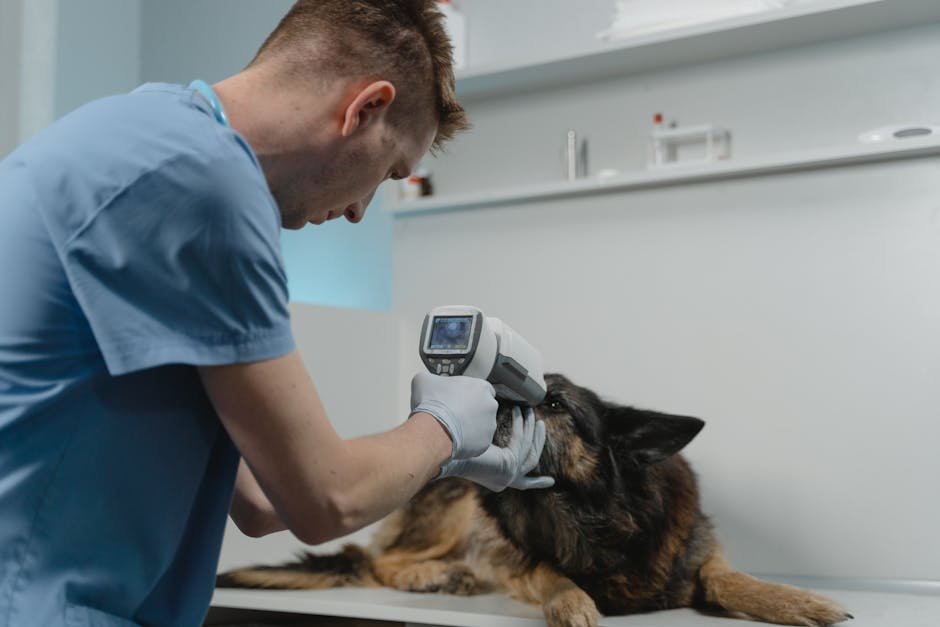
Both dogs and cats require regular veterinary care, but the frequency and nature of these visits can vary. Dogs might need more frequent check-ups because of their active lifestyles, which can sometimes lead to injuries. They also require vaccinations and preventive treatments for various parasites. Cats, while also needing vaccinations and health checks, often have fewer health issues related to physical activity. Regular vet visits are essential for early detection and prevention of health problems in both species.
Bonding and Affection

The way dogs and cats show affection is quite different. Dogs are often demonstrative, wagging their tails and jumping with joy when their owners return home. They enjoy physical closeness, like cuddling and belly rubs. Cats, while affectionate, often express it in subtler ways. Purring, head-butting, or simply choosing to sit near you can be their way of showing love. Understanding these different expressions of affection is key to building a strong bond with either pet.
Noise and Communication
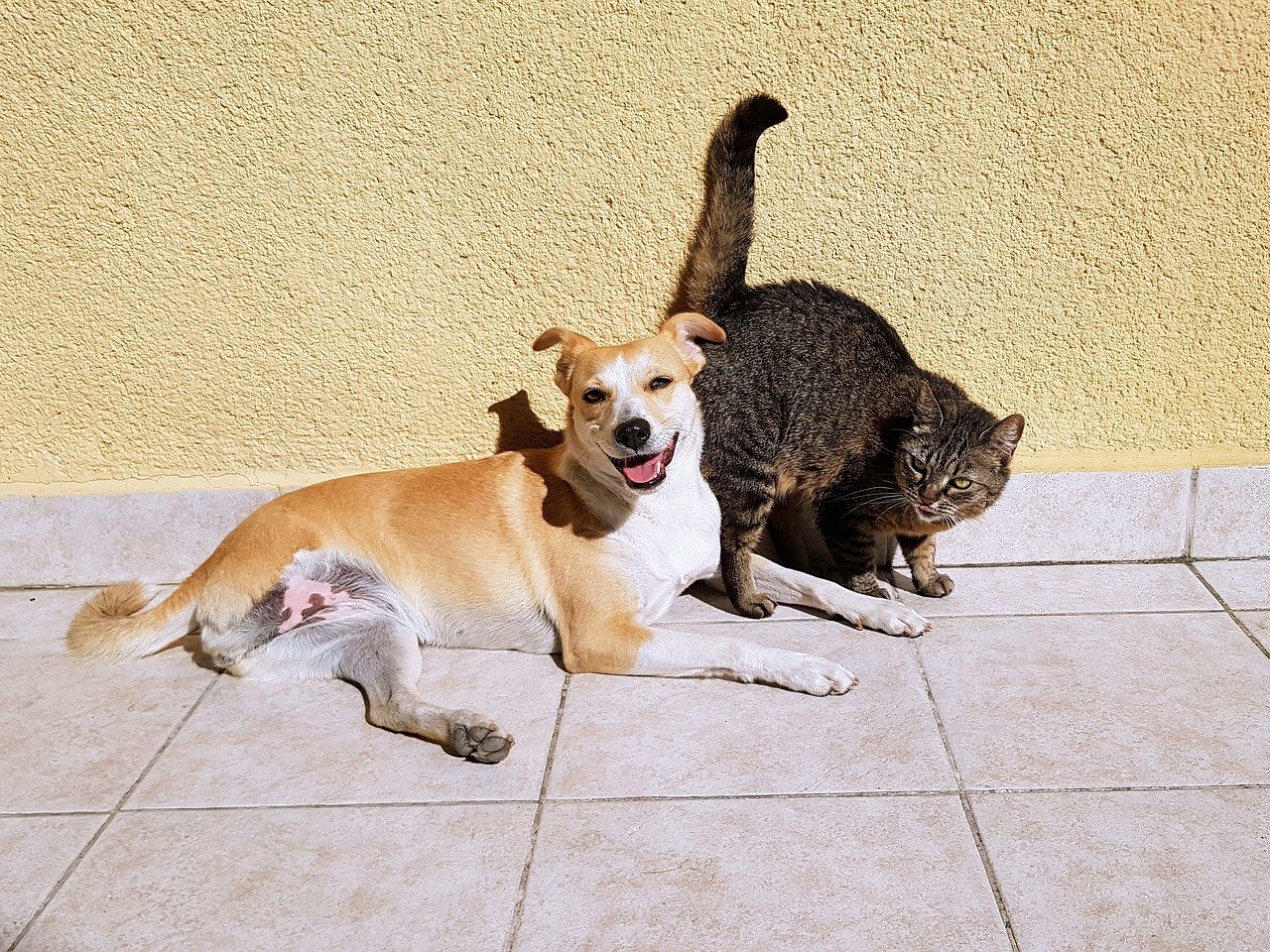
Dogs are typically more vocal than cats. They bark to alert their owners, express excitement, or communicate a need. This can be both a benefit and a drawback, depending on your living situation. Cats, while generally quieter, communicate through a variety of sounds, such as meows, purrs, and hisses. Each sound has its own meaning, and learning to interpret them can enhance the owner-pet relationship. Both animals also communicate through body language, which can be a fascinating aspect of pet ownership to observe and learn.
Lifestyle Compatibility

Choosing between a dog and a cat often comes down to lifestyle compatibility. Active individuals who enjoy outdoor activities might find a dog to be the perfect companion. Dogs can be great motivators for daily exercise and exploring the outdoors. Cats, with their independent nature, might be better suited for those with a busier lifestyle or those living in smaller spaces. Ultimately, both animals can enrich your life, but understanding their different needs and personalities will help you make the best choice for your home.
In conclusion, owning a dog or a cat is a rewarding experience, each offering unique joys and challenges. Whether you prefer the energetic loyalty of a dog or the serene companionship of a cat, both have the potential to be cherished members of your family. Understanding these differences can help you become a more informed and compassionate pet owner.
Andrew Alpin from India is the Brand Manager of Doggo digest. Andrew is an experienced content specialist and social media manager with a passion for writing. His forte includes health and wellness, Travel, Animals, and Nature. A nature nomad, Andrew is obsessed with mountains and loves high-altitude trekking. He has been on several Himalayan treks in India including the Everest Base Camp in Nepal.


