

Owning a dog is a rewarding experience filled with love, companionship, and joy. However, like any relationship, it requires effort and understanding to nurture and grow. Bonding with your furry friend isn’t merely about providing food and shelter; it’s about creating a connection that strengthens day by day. In this article, we’ll explore ten ways to build a strong bond with your dog and five actions that might unknowingly damage that precious relationship.
1. Spend Quality Time Together

Spending quality time with your dog is the foundation of a strong relationship. Just like any friendship, the more time you invest, the stronger the bond becomes. This doesn’t mean simply being in the same room; it involves engaging in activities that both you and your dog enjoy. Whether it’s a leisurely walk in the park or a cozy snuggle on the couch, these moments create cherished memories. Quality time helps your dog feel loved and secure, fostering trust and affection.
2. Consistent Training and Communication
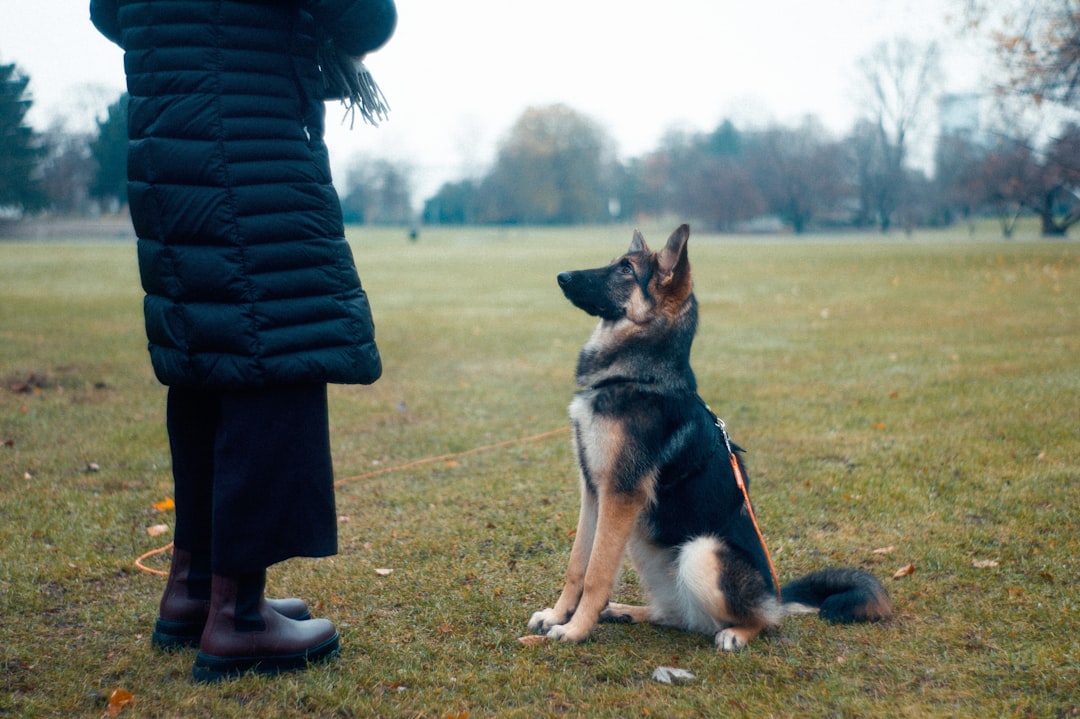
Training your dog is not just about teaching commands; it’s a way to communicate and understand each other. Consistent training builds trust and respect, creating a harmonious relationship. Use positive reinforcement to encourage good behavior, and always be patient. Dogs thrive on consistency, and knowing what is expected of them helps them feel secure and confident. Remember, a well-trained dog is a happy dog.
3. Play Interactive Games
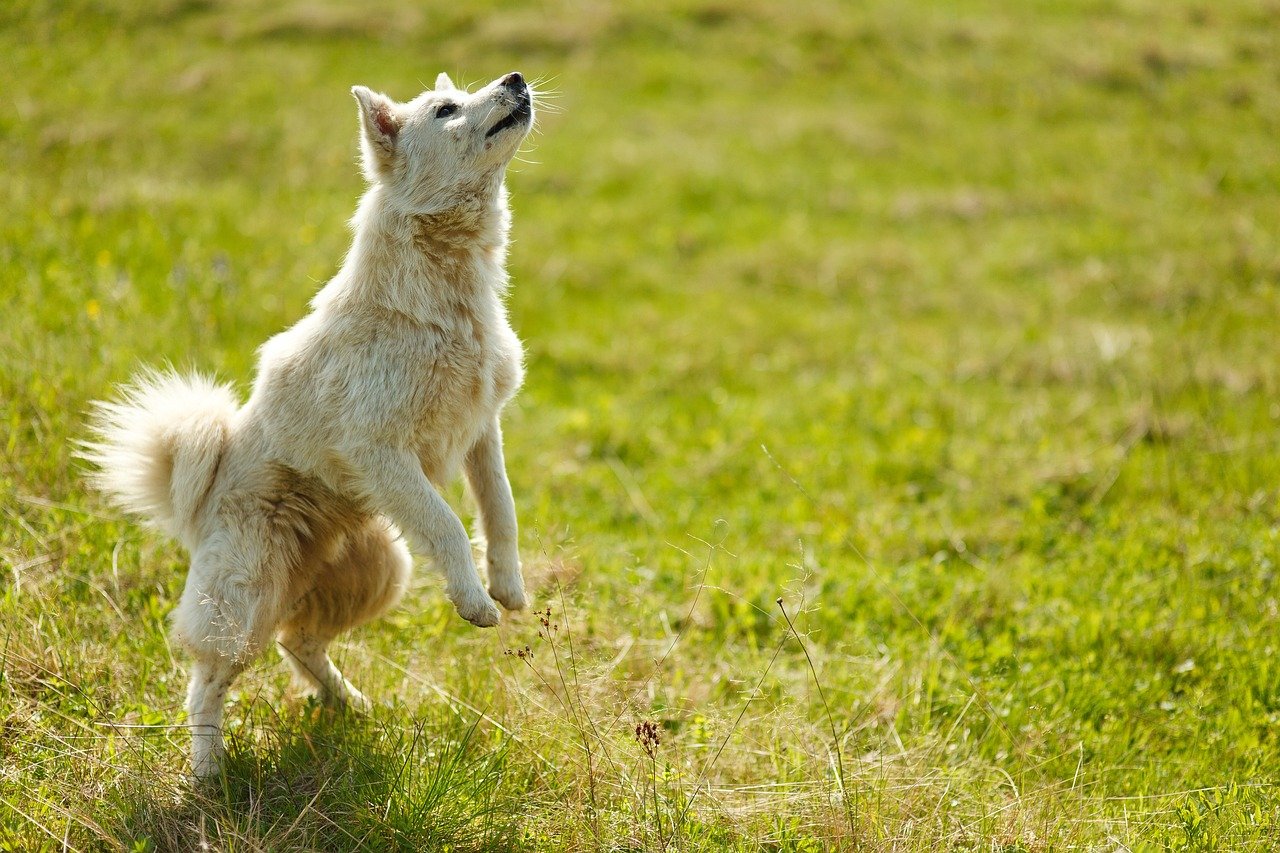
Interactive games are a fantastic way to bond with your dog. Activities like fetch, hide and seek, or agility courses stimulate their minds and bodies. These games not only provide physical exercise but also strengthen the emotional connection between you and your dog. Playing together encourages communication and understanding, making your dog feel like a valued member of the pack. Plus, it’s a fun way to spend time together!
4. Provide Mental Stimulation
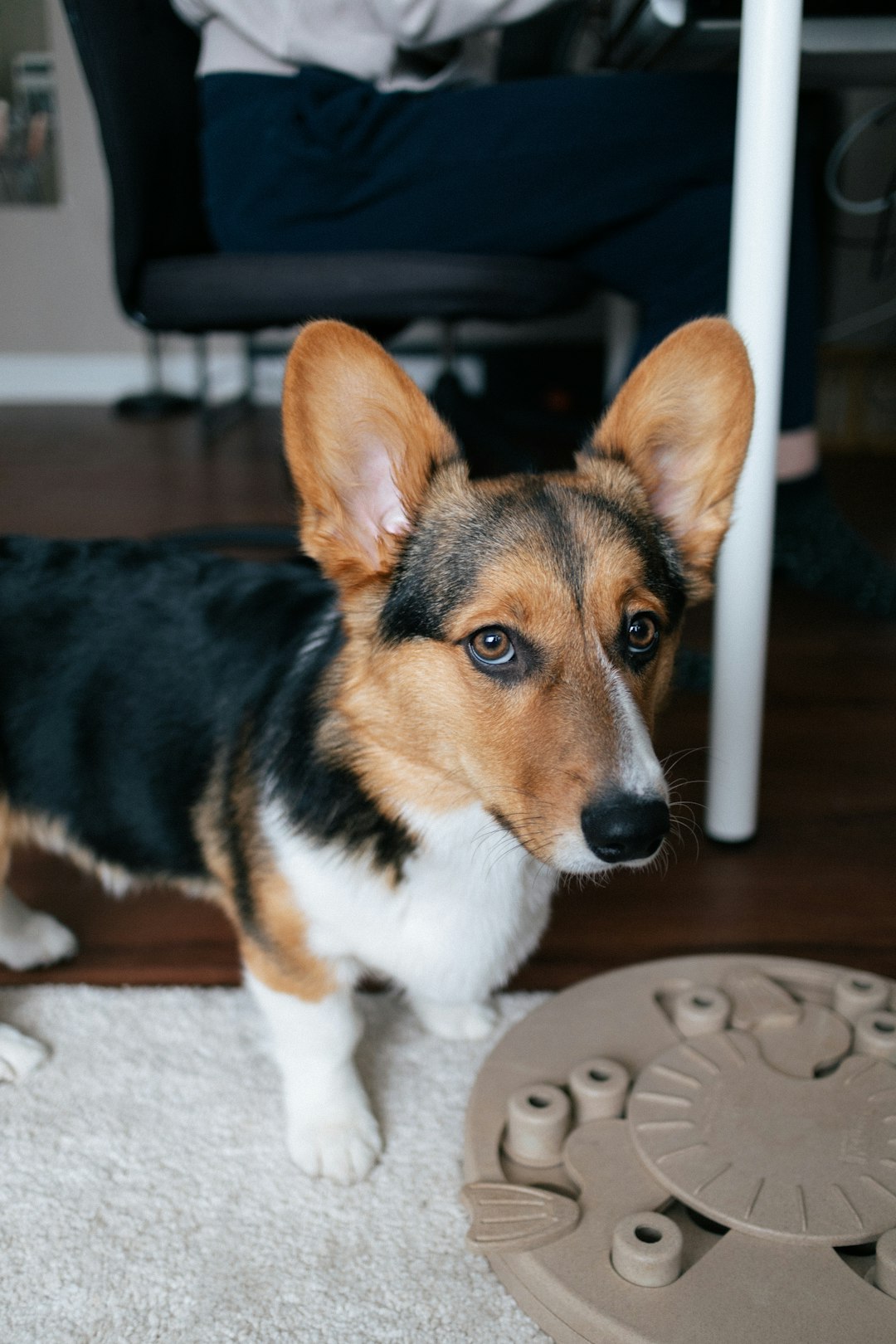
Dogs are intelligent creatures that need mental stimulation to stay happy and healthy. Providing puzzle toys, teaching new tricks, or engaging in scent games can challenge their minds and keep them entertained. Mental activities help prevent boredom and destructive behavior, enhancing their overall well-being. A mentally stimulated dog is more likely to be content and satisfied, strengthening your bond.
5. Establish a Routine
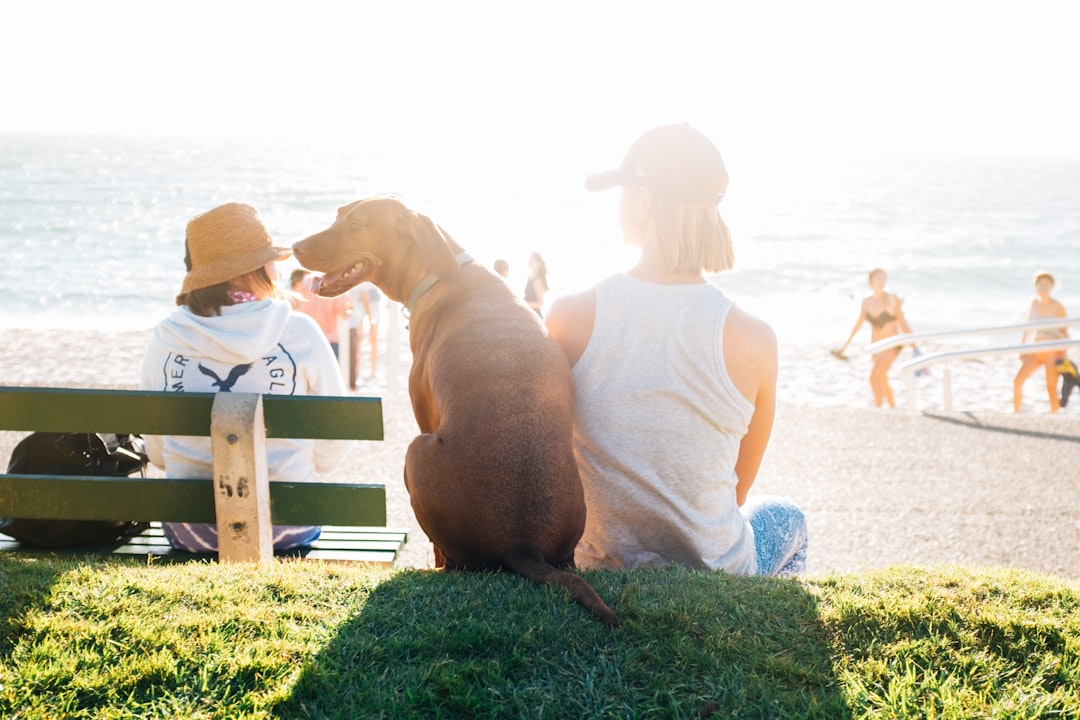
Dogs thrive on routine and predictability. Establishing a daily routine for feeding, walking, and playtime helps your dog understand what to expect, reducing anxiety and stress. A structured routine provides a sense of security and stability, allowing your dog to relax and enjoy life. It also reinforces your role as a reliable and caring leader, fostering trust and respect.
6. Show Affection Through Touch
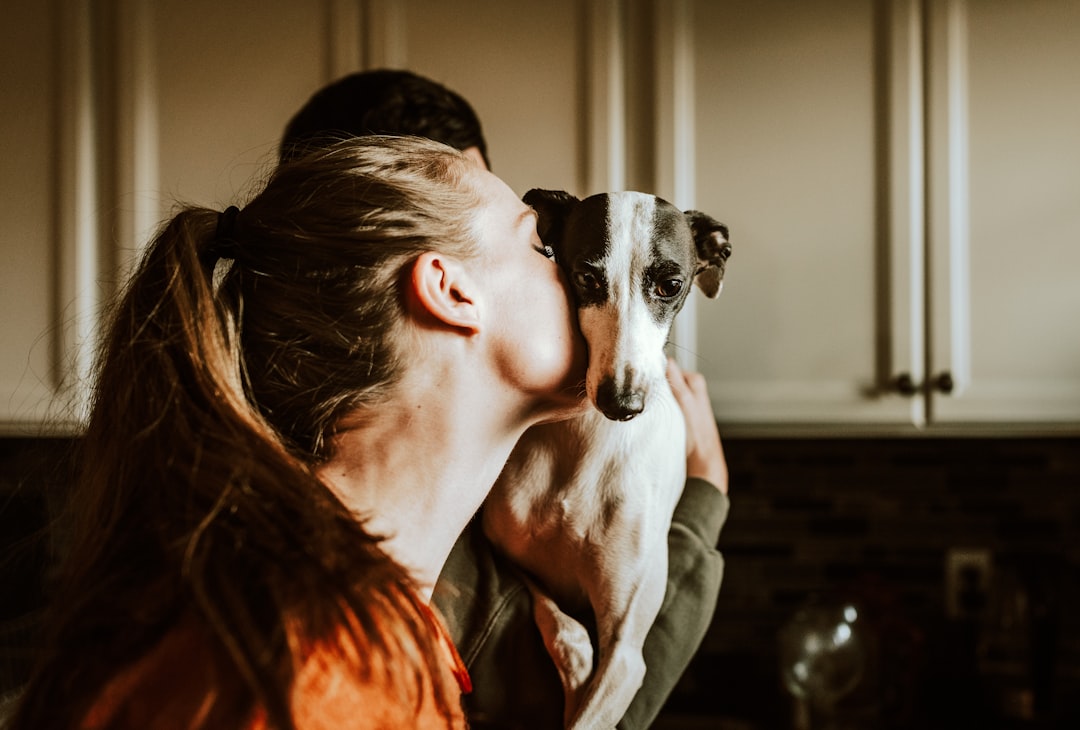
Physical affection is a powerful way to bond with your dog. Petting, cuddling, and gentle massages release feel-good hormones in both you and your dog, promoting relaxation and happiness. Regular physical contact reassures your dog of your love and care, strengthening your emotional connection. Always be mindful of your dog’s comfort level, as some may prefer different types of touch.
7. Explore New Places Together

Exploring new places together can be an exciting adventure for both you and your dog. Whether it’s a hike in the mountains or a trip to the beach, discovering new environments stimulates your dog’s senses and creates lasting memories. New experiences also provide opportunities for socialization, helping your dog become more confident and adaptable. Sharing these adventures strengthens your bond and enhances your relationship.
8. Practice Patience and Understanding
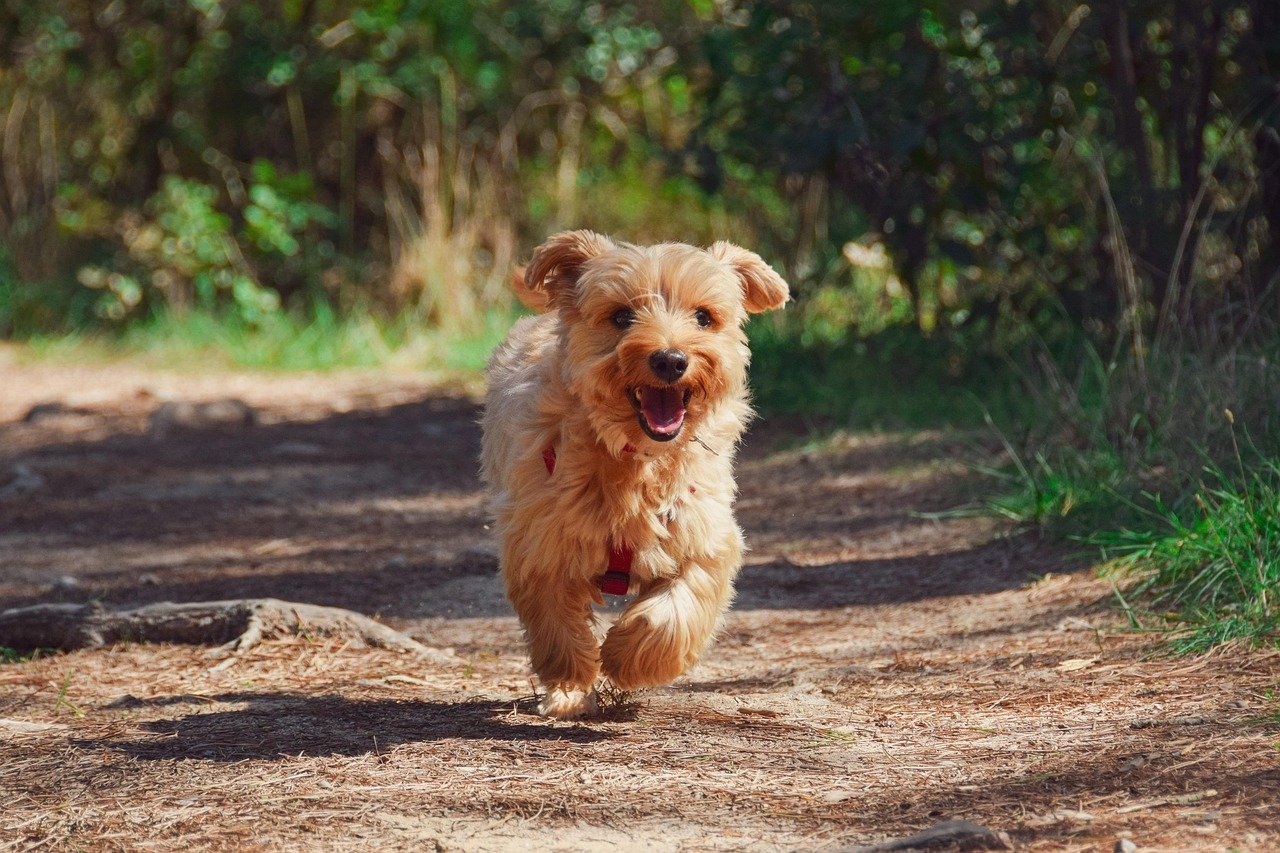
Dogs, like humans, have their unique personalities and quirks. Practicing patience and understanding is essential for building a strong bond. Recognize that mistakes will happen, and approach them with empathy rather than frustration. Understanding your dog’s needs and behaviors helps you respond appropriately, creating a trusting and supportive relationship. Remember, patience is a virtue that pays off in the long run.
9. Listen to Their Body Language
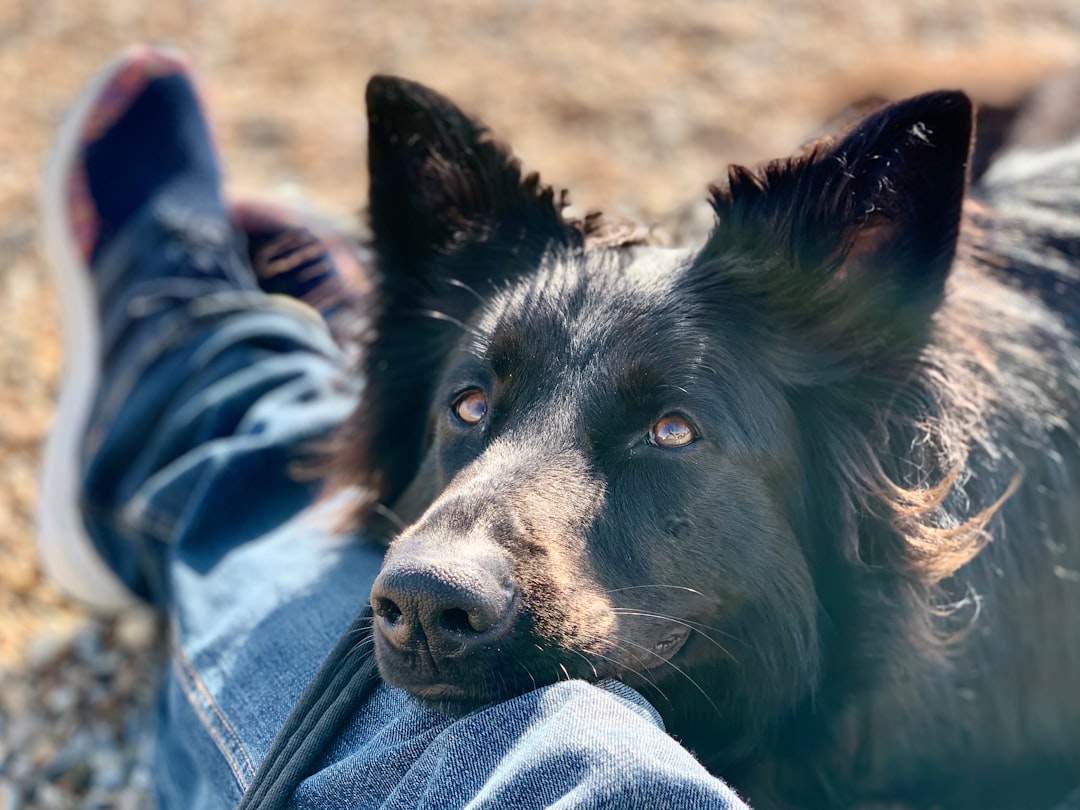
Your dog’s body language is their primary way of communicating with you. Learning to interpret their signals helps you understand their feelings and needs. Pay attention to their posture, tail wagging, and facial expressions to gauge their mood. Responding to their cues shows that you care and are attentive to their well-being. This understanding fosters a deeper connection and mutual respect.
10. Keep Their Health in Check

Maintaining your dog’s health is a vital aspect of bonding. Regular vet check-ups, a balanced diet, and proper exercise ensure your dog remains healthy and happy. Addressing any health issues promptly shows your commitment to their well-being. A healthy dog is more likely to be active and engaged, enhancing your relationship. Remember, a healthy dog is a happy dog.
11. Avoid Inconsistency in Training

Inconsistency in training can confuse your dog and damage your relationship. Dogs rely on clear and consistent cues to understand what is expected of them. Mixed signals or changing rules can lead to frustration and anxiety. Ensure that everyone in the household follows the same training guidelines to provide a stable and predictable environment. Consistency builds trust and reinforces positive behavior.
12. Refrain From Negative Reinforcement
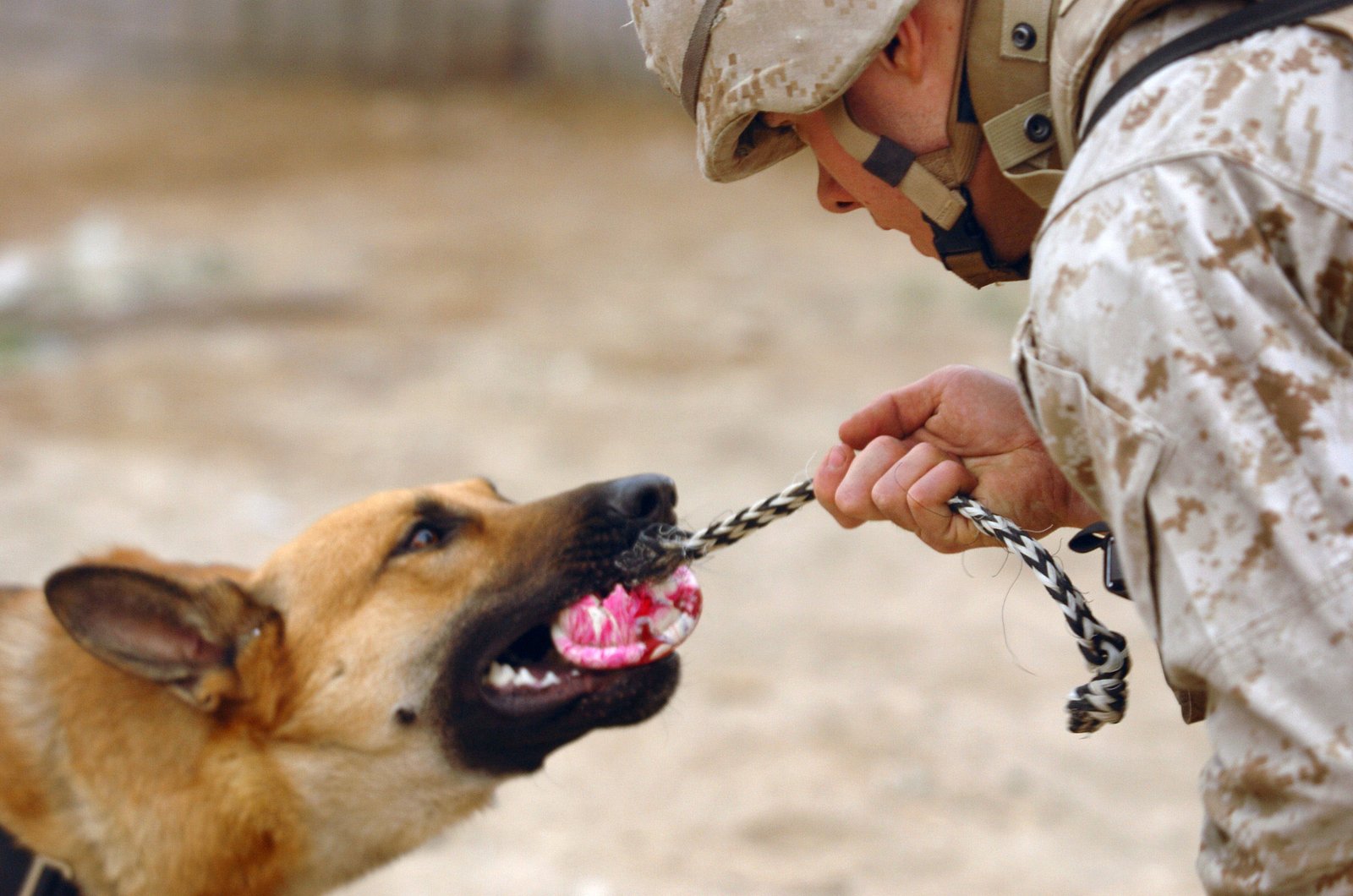
Negative reinforcement, such as yelling or physical punishment, can harm your relationship with your dog. These actions create fear and anxiety, undermining trust and affection. Instead, focus on positive reinforcement to encourage desired behavior. Rewarding good behavior with treats, praise, or playtime strengthens your bond and promotes a happy and harmonious relationship.
13. Avoid Ignoring Their Needs
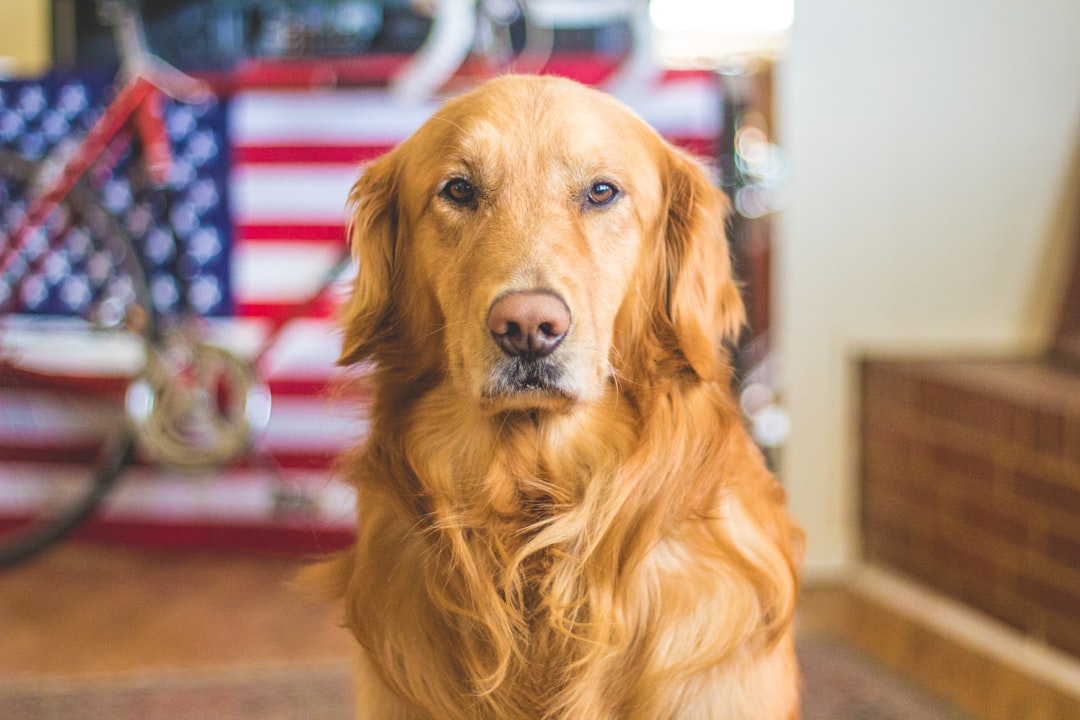
Ignoring your dog’s needs can lead to feelings of neglect and isolation. Dogs require attention, exercise, mental stimulation, and social interaction to thrive. Failing to meet these needs can result in behavioral issues and a weakened bond. Be attentive and responsive to your dog’s needs, showing them they are a valued part of your life.
14. Do Not Overwhelm Them

Overwhelming your dog with too much stimuli or activity can lead to stress and anxiety. Just like humans, dogs need time to rest and recharge. Be mindful of your dog’s limits and provide a balance of activity and relaxation. Respecting their boundaries shows that you care about their well-being, fostering a trusting and supportive relationship.
15. Avoid Comparing Them to Other Dogs
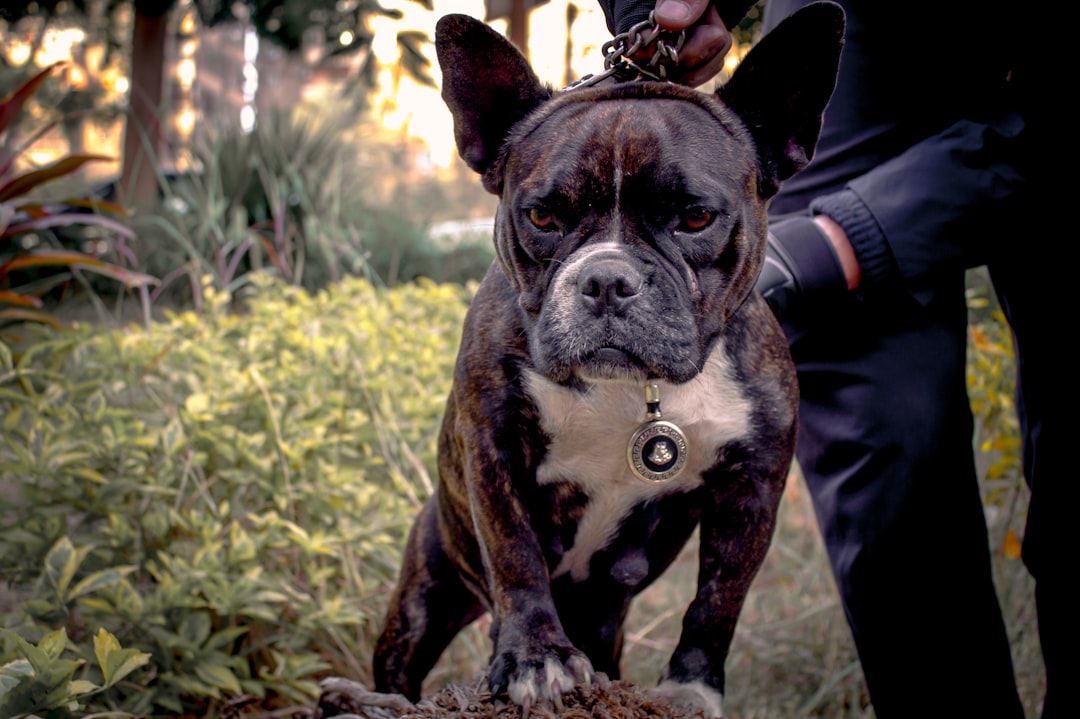
Every dog is unique, with their own personality, strengths, and weaknesses. Comparing your dog to others can lead to feelings of inadequacy and frustration. Celebrate your dog’s individuality and focus on their positive traits. Embrace their quirks and appreciate the special bond you share. By valuing your dog for who they are, you strengthen your relationship and create a loving and accepting environment.


