
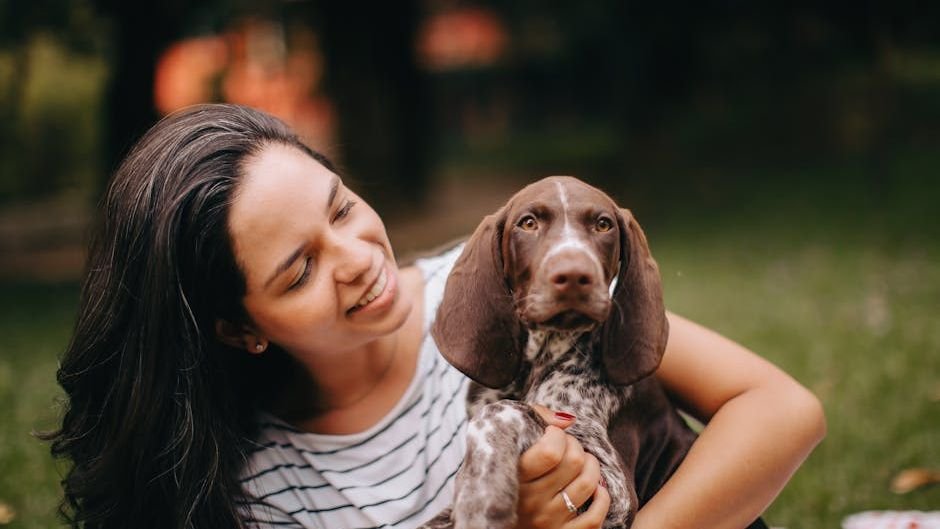
There is something quietly profound about the moment a dog looks up at you with full, unhurried attention. Not because you have a treat in your hand. Not because you called their name. Just because you are there, and they chose you. That kind of connection does not happen by accident. It is built, piece by piece, through shared experiences, intentional play, and training that puts trust at the very center.
Honestly, a lot of dog owners feel like they are doing “enough,” and yet something still feels a little distant with their pup. The walks happen, the food bowl gets filled, but the deeper magic of a truly bonded relationship somehow feels just out of reach. The good news? You do not need to overhaul your entire routine. You just need the right tools. Let’s dive in.
Understand Your Dog’s Body Language First
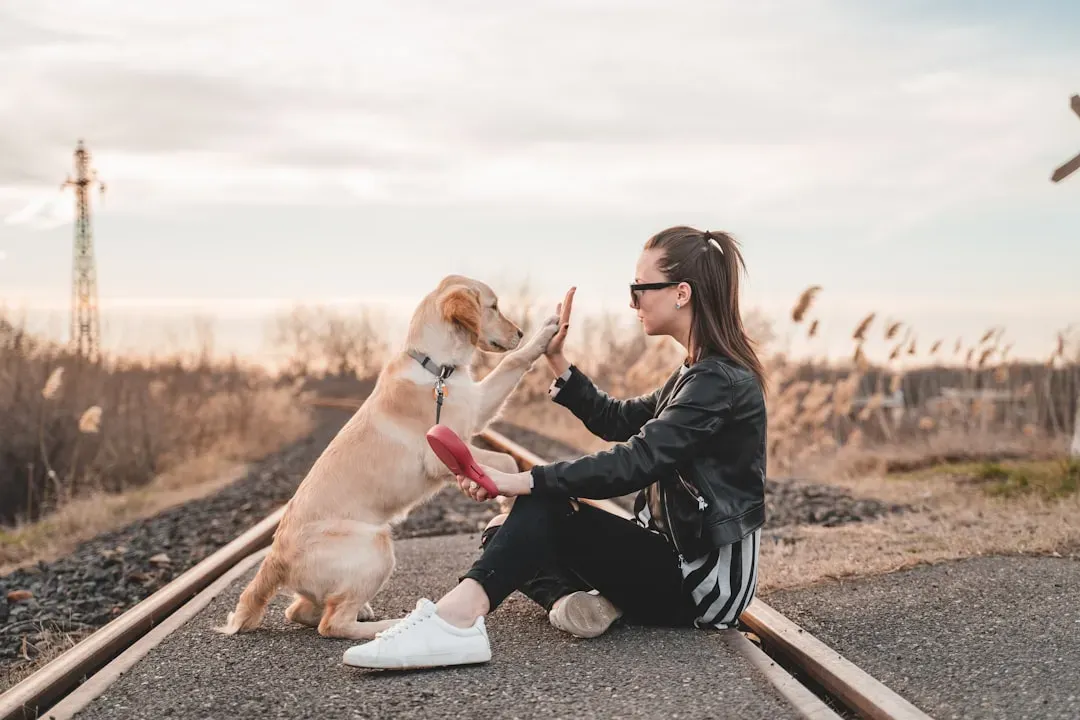
Before you can truly connect with your dog, you have to learn how they speak. Understanding your dog’s body language is one of the most powerful ways to strengthen your bond, and dogs communicate how they feel through their posture, tail movements, ears, eyes, and overall behavior. Think of it like trying to have a deep friendship with someone whose language you have never bothered to learn. That would be exhausting and unfair for both of you.
Learning the difference between a relaxed tail wag and a stiff, alert stance matters. By recognizing your dog’s signs of stress, fear, or excitement, you can respond more appropriately to their needs and better manage potentially stressful situations. Watch for a tucked tail, pinned ears, yawning when not tired, or a whale eye (that side-glance showing lots of white). These are your dog politely trying to tell you something is off.
Trainers repeatedly note that many owners struggle to interpret canine communication without guidance, and anthropomorphism often leads people to misread dogs’ signals and needs. For example, a dog’s “guilty look” is not evidence of wrongdoing but rather a stress response. Understanding this alone can completely shift how you interact with your dog, replacing frustration with empathy.
Make Positive Reinforcement the Foundation of Everything
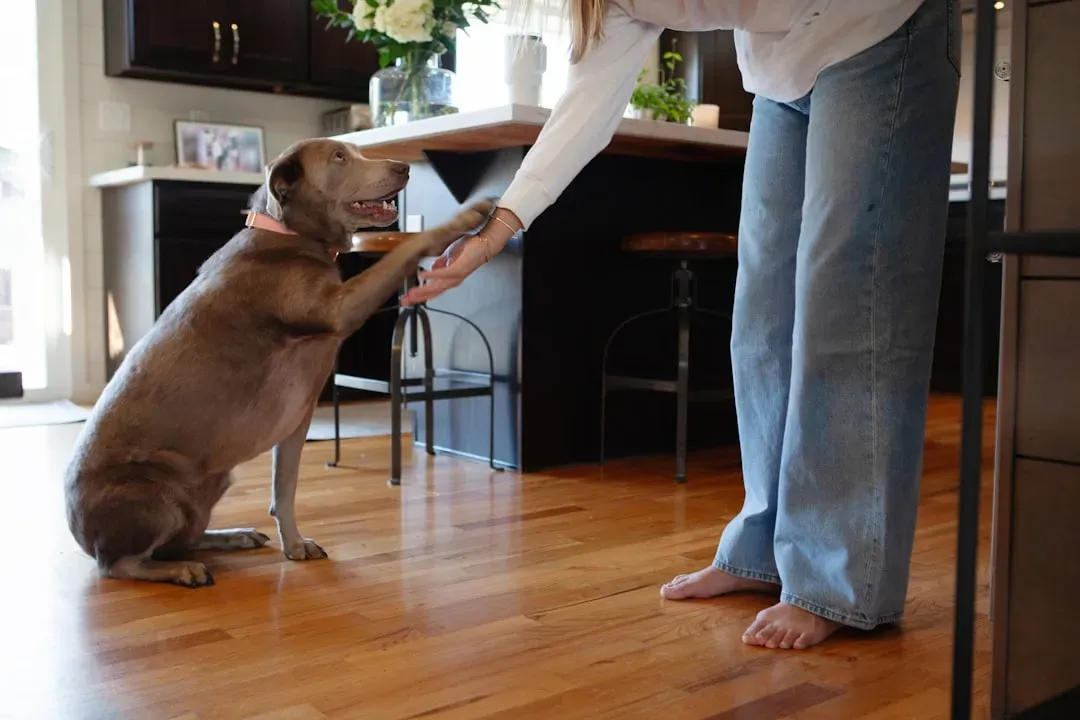
Positive, reward-based techniques remain the gold standard in modern dog training. Studies show that dogs trained with reward-based methods display better obedience and fewer behavioral problems than those trained with punishment or aversive techniques. Here’s the thing: fear may produce compliance in the short term, but it quietly destroys the relationship you are trying to build.
Training sessions that rely on positive reinforcement, such as treats or praise, are proven to strengthen the dog-owner bond. Research shows that dogs trained this way are more eager to engage and learn, making training sessions a genuine bonding opportunity. So next time your dog nails a “sit” or comes running to your call, celebrate it like they just won a gold medal. Your enthusiasm is the language they understand most.
Rewarding good behavior with treats, praise, or playtime reinforces your bond and creates a safe space for learning. Avoid punishment-based methods, which can damage trust and create confusion or fear. A dog who trusts you completely is a dog who will try harder, stay closer, and genuinely enjoy learning.
Play Interactive Games That Build Real Trust
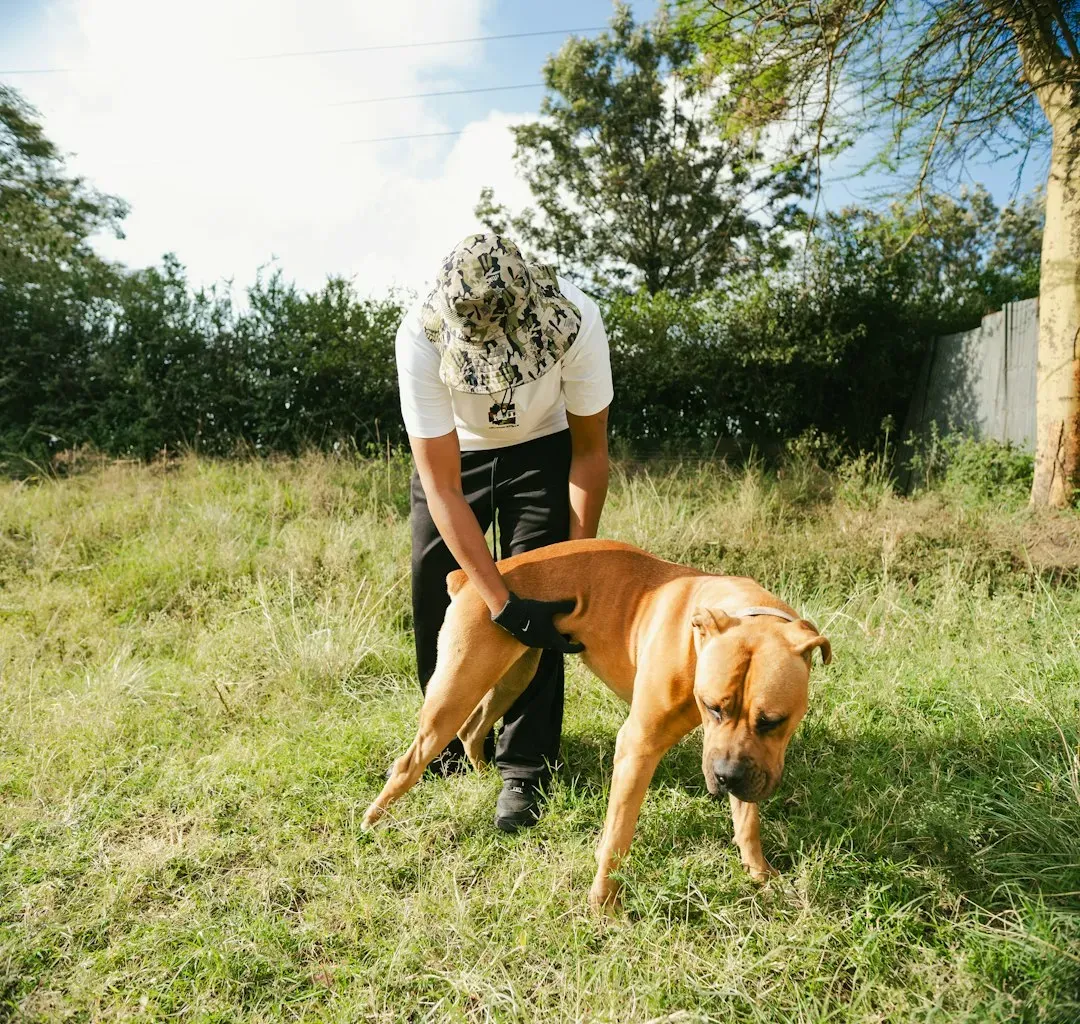
Play is not just a fun distraction. It is one of the most effective bonding tools you have access to, and it costs absolutely nothing. Play is not just about burning energy. It is a vital part of a dog’s development, emotional well-being, and communication with their owner. Dogs play to learn boundaries, release stress, and form attachments. A dog that engages in regular play with their owner learns to associate them with fun and positive experiences, which leads to a stronger, more trusting relationship.
Interactive games like fetch, tug-of-war, or hide-and-seek are not just fun, they are scientifically proven to build trust and improve your dog’s confidence. Tug-of-war, for example, has been shown to enhance cooperation without increasing aggression when played fairly. The key word there is “fairly.” Let your dog win sometimes. Seriously. It builds their confidence and keeps them coming back for more.
No matter the game, the key is to be actively involved. Simply handing a dog a toy and walking away does not build a bond. They need your energy, enthusiasm, and participation to feel connected. The more actively engaged you are, the more they will see you as a source of fun and security. Your presence, not the toy, is the real reward.
Use Training Sessions as Shared Adventures
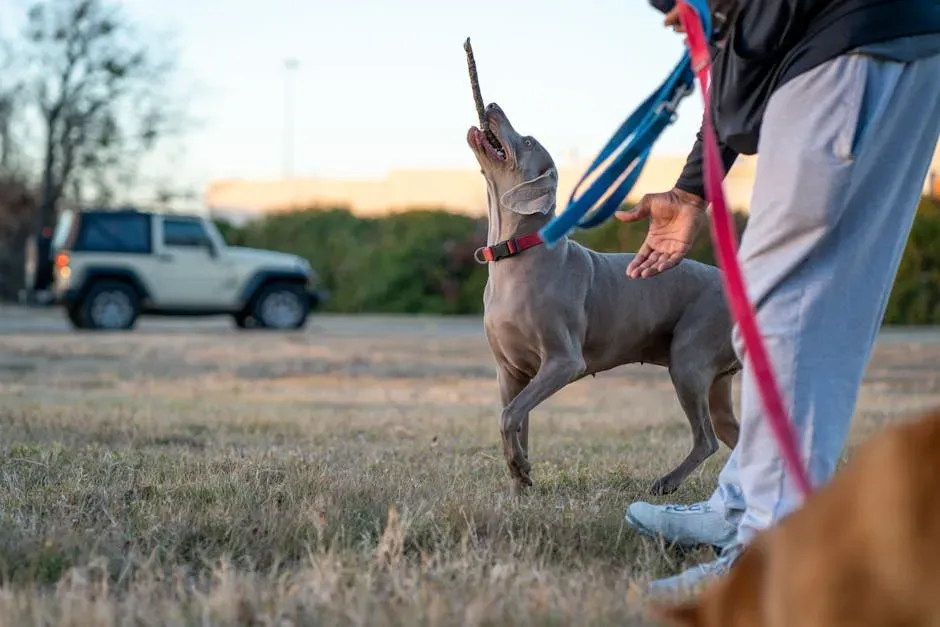
Think of every training session not as a chore to get through but as a conversation between you and your dog. Training provides a unique opportunity to bridge the communication gap. By creating a shared language, training helps us connect with our dogs on a deeper level, opening lines of communication that build trust and mutual understanding. That is a beautiful way to frame it, honestly.
Training your dog builds a deeper connection. The time you spend practicing commands, playing structured games, or walking the same route each day gives your dog a sense of clarity and safety. Short, five-to-ten-minute sessions repeated daily are far more effective than one long, frustrating hour on a Saturday. Keep it snappy, keep it fun, end on a win.
Teaching your dog new tricks not only helps them learn better manners and behavior but is a mentally enriching activity that deepens your connection. Training requires your dog to be tuned into you for guidance. That focused attention, that moment of “what do you want me to do next?” is pure gold for your relationship.
Embrace the Power of Scent and Mental Enrichment
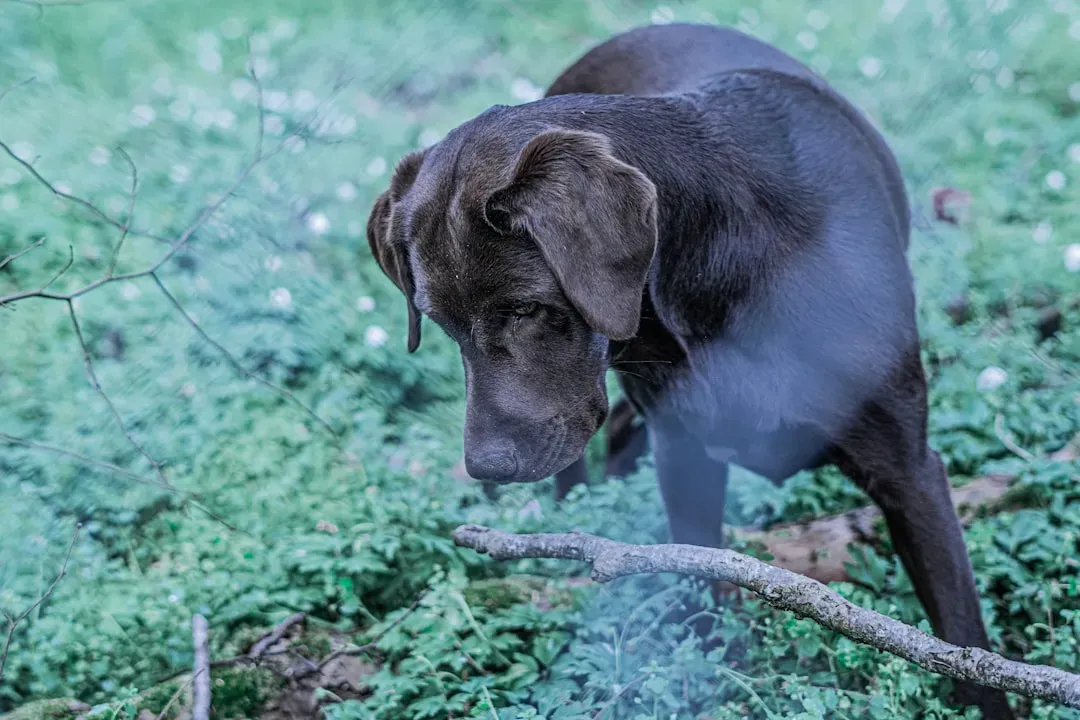
Dogs experience the world through their noses in ways we can barely imagine. Their sense of smell is estimated to be tens of thousands of times more sensitive than ours. So naturally, giving them scent-based challenges is one of the most satisfying gifts you can offer. Dogs think with their noses and ears. Scent trails, puzzle feeders, and audio exposure exercises offer stimulation that standard walks cannot provide. Trainers say these activities help dogs concentrate better during sessions because they are using more of their natural instincts.
Puzzles and problem-solving tasks engage your dog’s brain and build trust. Hiding treats under cups or rolling them into a towel encourages your dog to think critically, which studies show reduces boredom and strengthens your connection. You can start ridiculously simple. Stuff a towel with kibble and watch your dog lose their mind with joy trying to get it out. That is enrichment. That is connection.
Play and enrichment activities strengthen the bond between you and your dog. Mentally stimulated dogs are less likely to develop unwanted behaviors such as chewing, barking, or overexcitement. Engaged dogs learn faster because they associate training and interaction with positive experiences. Less boredom means less destruction, and more engagement means more trust. A win on every level.
Build Consistent Routines Your Dog Can Count On
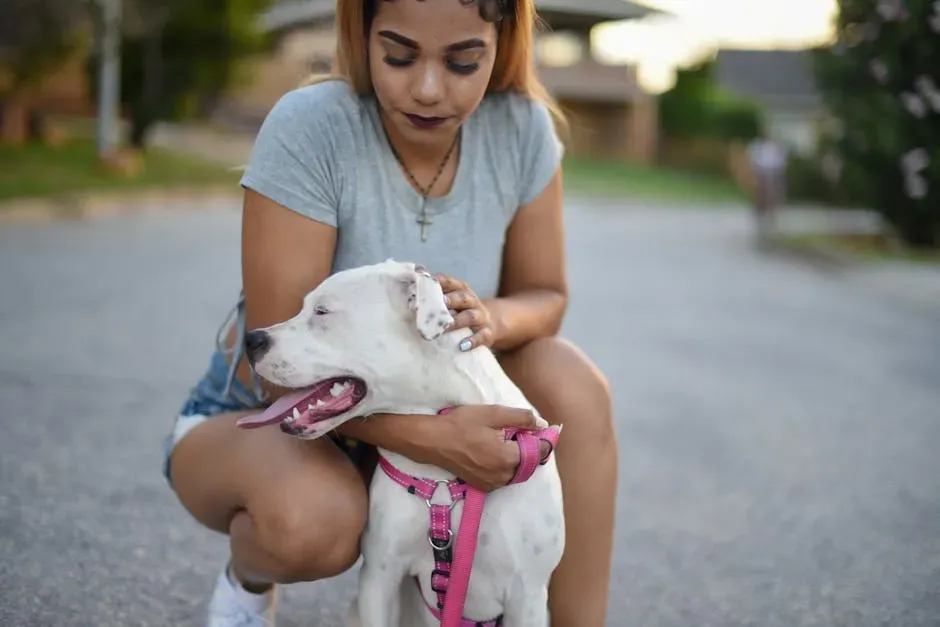
Dogs are creatures of routine in a way that might surprise you. Predictability is not boring to them. It is actually deeply comforting. Imagine if every day you woke up and had no idea what was going to happen, when you would eat, or whether the people you loved would show up. That is the anxious reality for dogs without structure. Dogs respond best to predictable schedules and steady expectations. Regular, short sessions at familiar times help dogs settle into patterns they can anticipate. Consistent routines support adjustment to household rhythms and improve cooperation.
Dogs thrive on consistent schedules. By creating a routine together, they will know what to expect from you and when, which only serves to build their trust in you further. They will also learn what is expected from them and deliver, and dogs genuinely love making their owners proud. Honestly, watching a dog beam with pride after getting something right is one of the most heartwarming things you will ever witness.
Use Touch Intentionally to Deepen Your Emotional Connection
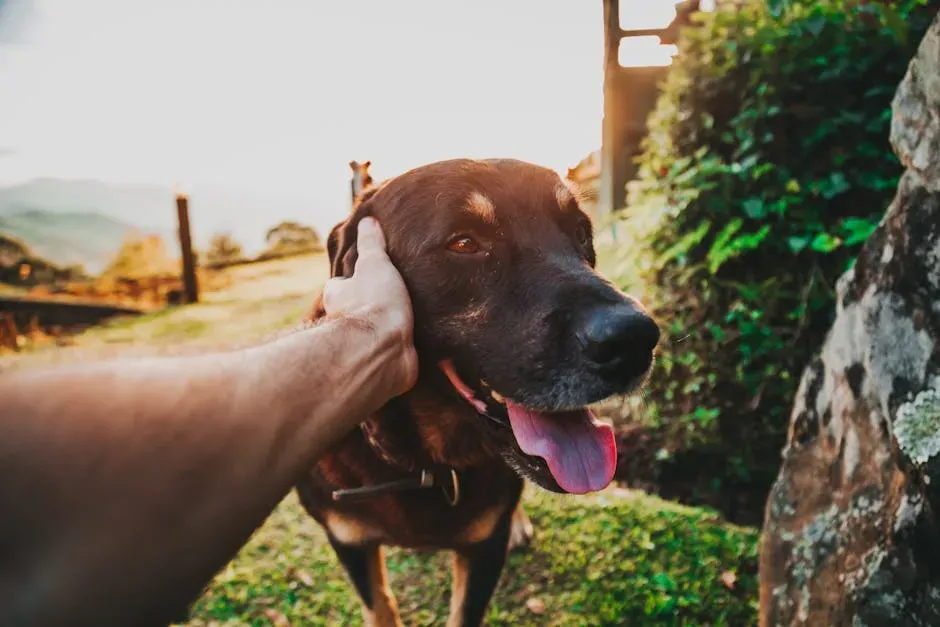
Touch is a language, and when used well, it speaks directly to the emotional center of your dog’s world. Touch plays a crucial role in strengthening bonds. Studies have shown that activities like brushing, petting, or cuddling your dog increase oxytocin levels (the “love hormone”) in both dogs and humans, fostering trust and emotional connection. So those long couch cuddle sessions? Scientifically justified. You are welcome.
Regular brushing, gentle petting, or massage not only keeps your dog healthy but also reinforces your bond. Touch builds trust and comfort, especially when paired with positive experiences. Take time to learn how your dog likes to be handled. Some love belly rubs, while others prefer ear scratches or just being near you. Every dog has a preference. Pay attention and honor it.
Trainers advise gentle massage and learning a dog’s preferred touch to improve comfort with body handling. This prepares dogs for nail trimming and veterinary exams by pairing touch with calm experiences. Repeated, respectful handling during training builds trust around necessary care that can otherwise cause tension. Think of it as investing in a trust fund that pays off every vet visit.
Explore New Environments Together

Routine is essential, but so is novelty. Taking your dog somewhere new gives you both something to experience together, and shared experiences are the glue of any great relationship. Science supports the idea that training in novel environments improves your dog’s focus and adaptability. Whether it is a park or a quiet trail, practicing commands in new places strengthens your dog’s reliance on you while boosting their confidence.
Taking your dog to new environments, such as a different park or a pet-friendly café, is beneficial for their mental stimulation. Research indicates that shared adventures help dogs feel secure and deepen the bond with their owner through positive experiences. Notice that word, “secure.” When your dog navigates an unfamiliar space and keeps checking back with you, that is trust made visible.
New faces, dogs, and places can be unsettling for dogs. Controlled introductions guided by you help them read cues calmly. When they are used to you navigating new situations, it reduces the likelihood of stress-related reactions and builds their confidence in unfamiliar environments. You are, essentially, their compass. Be a calm and steady one.
Use Structured Play to Teach Impulse Control and Calm Focus
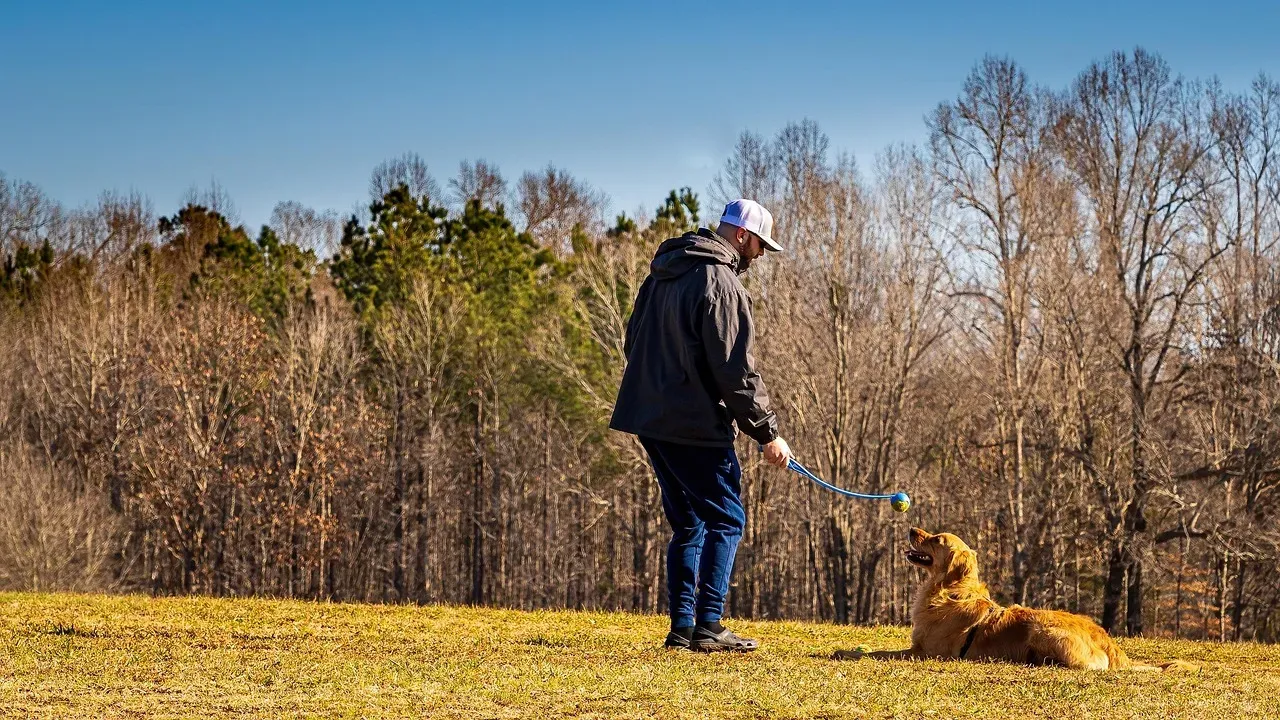
Here is something that surprises a lot of dog owners: the most bonded, well-behaved dogs are not usually the most spoiled ones. They are the ones who have been taught how to manage their own excitement. Play also teaches boundaries and impulse control. A well-structured tug-of-war session, for example, teaches a dog to release on command and not become overexcited. Games that require waiting, like hide-and-seek, help reinforce patience and trust.
Reinforcing training through fetch, tug, or chase as rewards for good behavior works brilliantly. Play also relieves stress and burns off energy. Games with rules like “wait” before fetching encourage patience and impulse control in a way that feels completely natural to the dog. It is training disguised as fun, which is honestly the best kind.
Play is not just about having a good time. It is a powerful training tool that encourages desirable behaviors. Rewarding good behavior with play instead of just treats helps reinforce training in a way that feels natural and exciting. A game of fetch after a well-executed sit-and-stay command teaches them that following directions leads to enjoyable rewards. The relationship becomes a cycle of mutual joy.
Show Up for Your Dog Every Single Day, Even Briefly
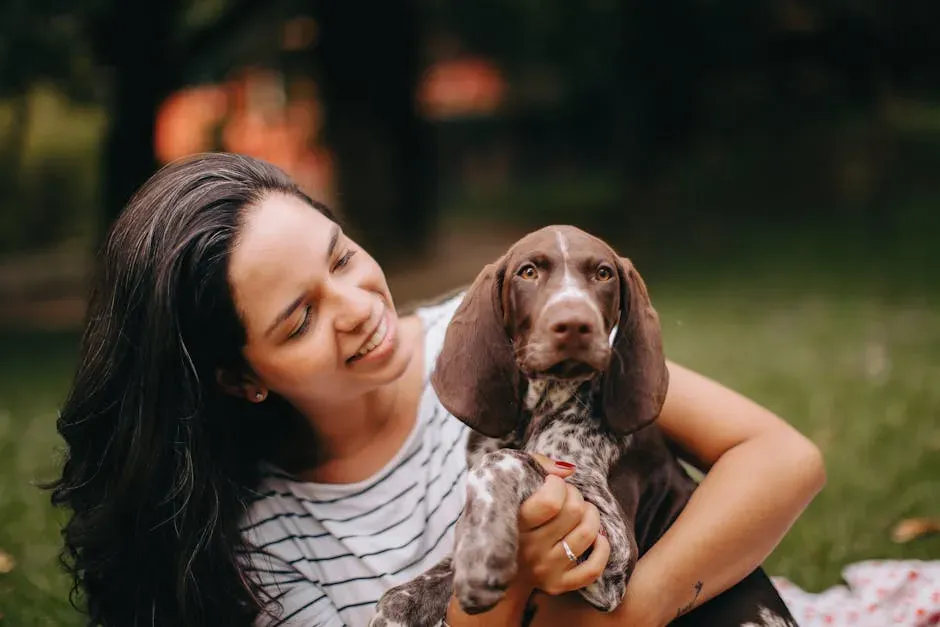
You do not need an hour of structured training or a trip to a new location every day to build a deep bond. Let’s be real. Life is busy. What matters far more than grand gestures is simple, daily presence. Consistency is key to strengthening your bond through play. Daily play sessions, even if just a few minutes long, create a routine that your dog looks forward to and relies on. Think of it the way you would water a plant. A little every day keeps it thriving.
Spending time with your dog beyond walks and feeding is so important for growing your relationship. That might mean sitting on the floor with them for five minutes, doing a quick training game during a commercial break, or simply making eye contact and speaking to them gently when you get home. Small moments, stacked consistently, become the architecture of an extraordinary bond.
Remember to be fully present during those shared moments, avoiding distractions like phones or television. Your undivided attention during these special times shows your dog they are valued and important to you. Dogs notice when you are truly there, and they notice when you are not. Choose to be there.
Conclusion: The Bond You Build Is the Life You Share
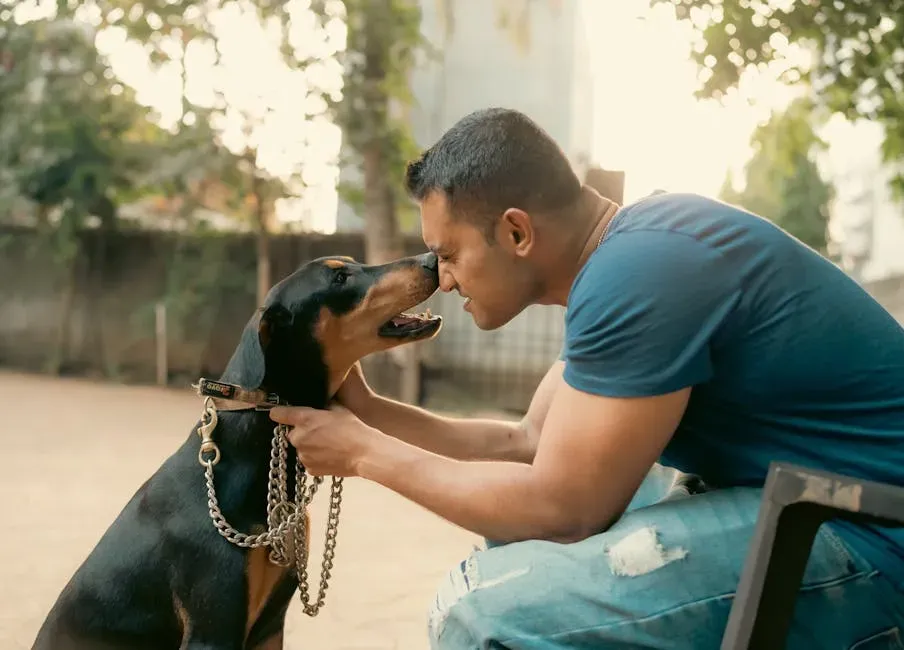
The relationship between a person and their dog is one of the most genuinely reciprocal connections in the natural world. Dogs have been a part of human society for at least the last 30,000 years, earning their place as the world’s oldest domesticated species. For those of us who live with dogs, it is evident that their presence makes even the hardest days a little bit brighter. That is not nothing. That is extraordinary.
The ten strategies in this article are not complicated. They do not require expensive gear or a professional trainer on speed dial. They require attention, consistency, empathy, and a genuine willingness to meet your dog where they are. Building a strong bond with your dog does not happen overnight. Every dog is different; some are naturally cuddly and eager to please, while others take time to warm up. Honor that. Be patient with the process.
Play is more than just a fun activity with your dog. It is one of the most powerful tools for building a healthy, lifelong relationship. From the puppy stage to the slower days of senior years, play nurtures trust, communication, and joy between dogs and their people. At the end of the day, your dog is not asking for perfection. They are asking for you. The question is: how deeply are you willing to show up? What would change for both of you if you started today?


