

Have you ever felt like your cat is running the show at home? If your feline friend seems to ignore boundaries, scratch everything in sight, or act out in ways that leave you feeling frustrated, you’re not alone. Many cat lovers struggle with unruly behavior, but the good news is that discipline—when done with love and patience—can really transform your relationship. Cats, after all, aren’t being “bad” on purpose; they just have their own mysterious ways of communicating and learning. Let’s dive into ten powerful, humane, and effective methods to guide your cat toward better behavior, all while deepening the bond you share.
Understand Your Cat’s Needs First

Cats may be independent by nature, but that doesn’t mean they’re immune to behavioral issues. Whether it’s scratching the furniture, biting during play, or jumping onto forbidden counters, unruly behavior can quickly test your patience. Unlike dogs, cats respond poorly to punishment and require a more thoughtful, gentle approach to discipline. The key lies in understanding their motivations and using redirection, consistency, and positive reinforcement to guide better behavior.
Before you can address any challenging behavior, it’s vital to understand why your cat is acting out. Are they bored, anxious, or lacking stimulation? Sometimes, what looks like defiance is actually your cat’s way of showing they need more playtime or comfort. Try observing when the misbehavior happens—maybe it’s when you’re away or during a certain time of day. This detective work can feel a bit like solving a tiny, furry mystery, but it’s an essential first step. When you tune into your cat’s needs, you’re already halfway to a solution. Remember, an unruly cat isn’t a bad cat—they’re just misunderstood.
Redirect Bad Behavior Immediately
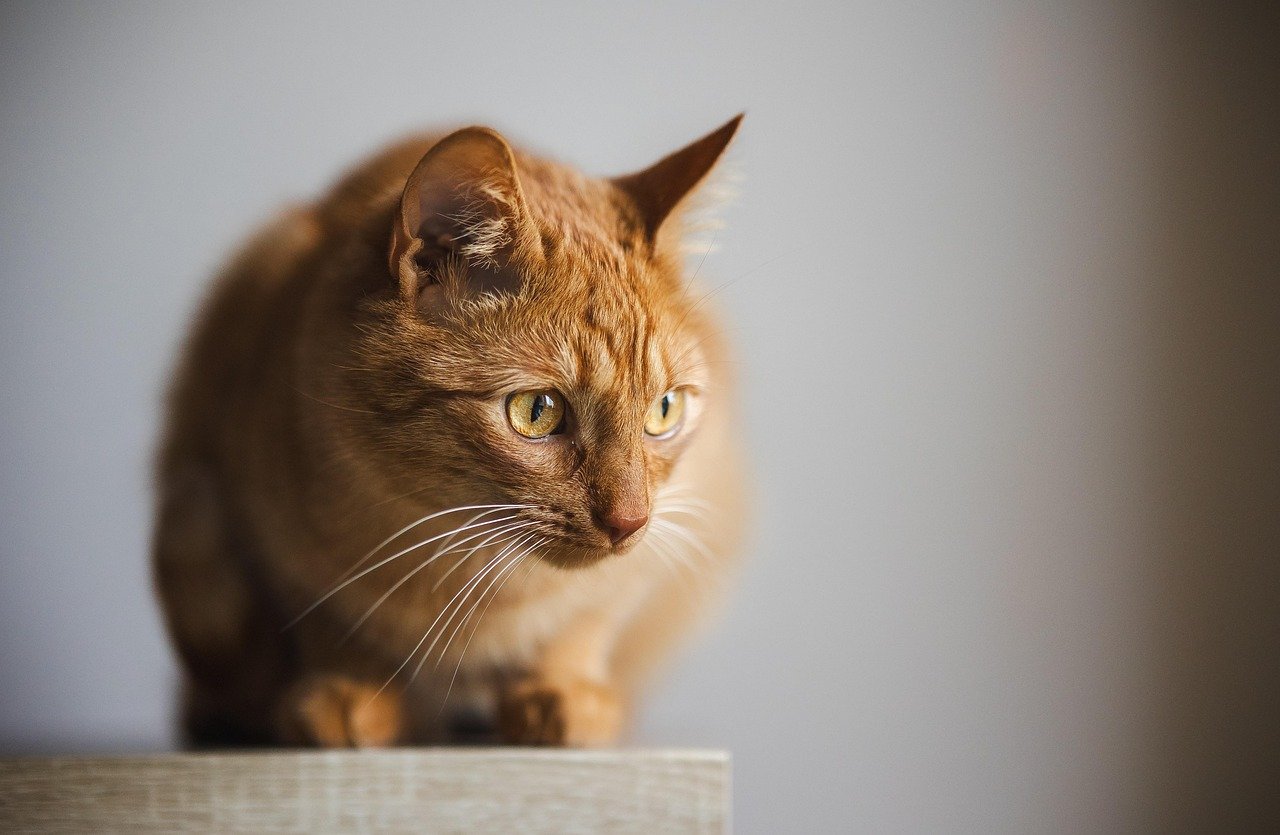
Timing is everything with discipline. If you catch your cat scratching the couch or jumping on the counter, redirect them right away. Gently pick them up and place them where you want them to be, like their scratching post or a safe perch. Cats learn best when the correction happens in the moment—waiting even a minute can confuse them. Try using a cheerful voice and praise when they do the right thing. Instead of scolding, say, “Good kitty!” when they use the post. This turns discipline into a positive lesson instead of a negative experience.
Use Positive Reinforcement
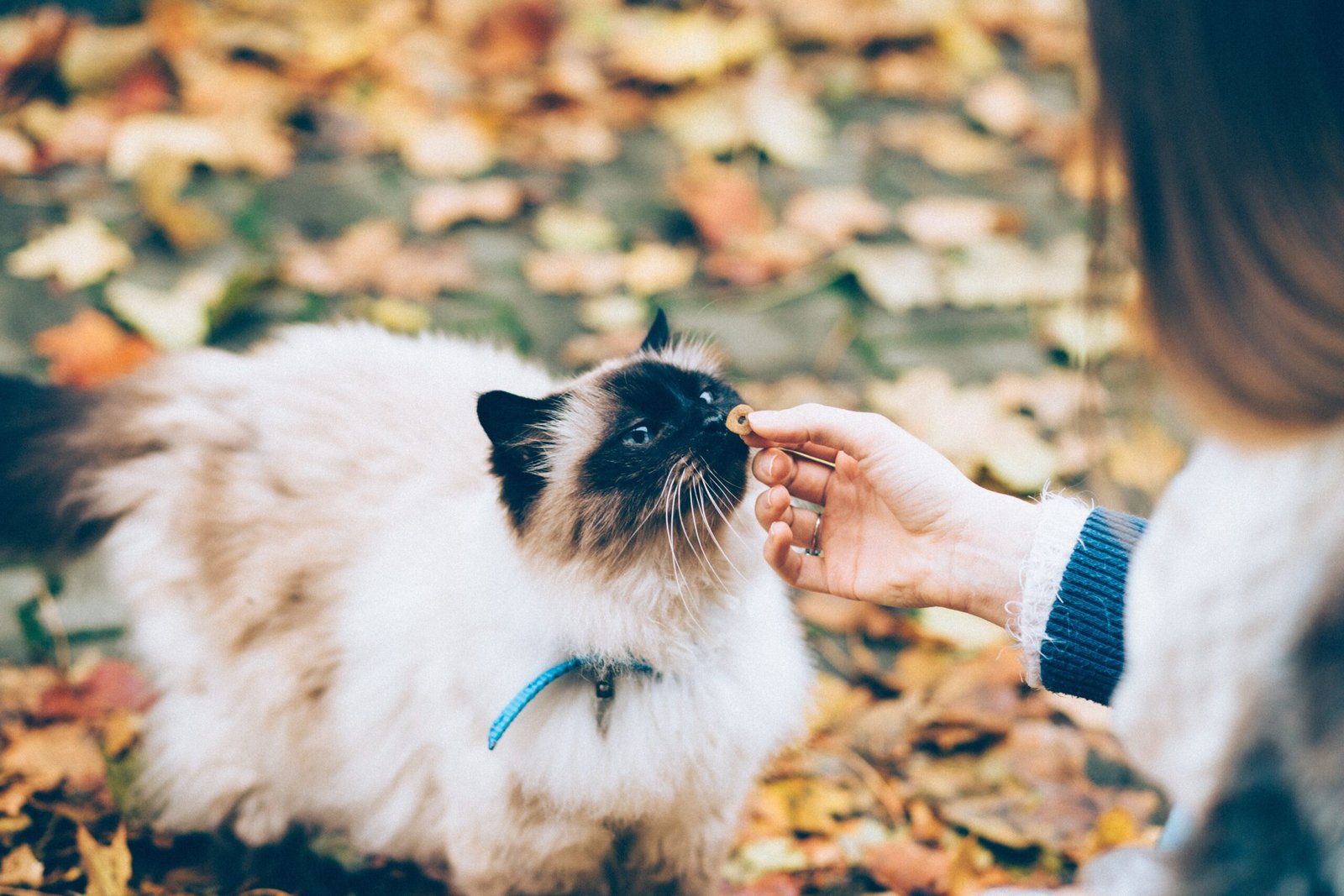
Cats respond far better to rewards than punishment. Every time your cat behaves the way you want—like using the litter box, staying off the table, or playing gently—reward them with treats, extra cuddles, or a favorite toy. This kind of encouragement makes good behavior much more appealing than mischief. Think of it like giving a child a gold star for a job well done. Over time, your cat will connect good behavior with happy rewards, and you’ll see less of the troublemaking antics.
Provide Plenty of Enrichment
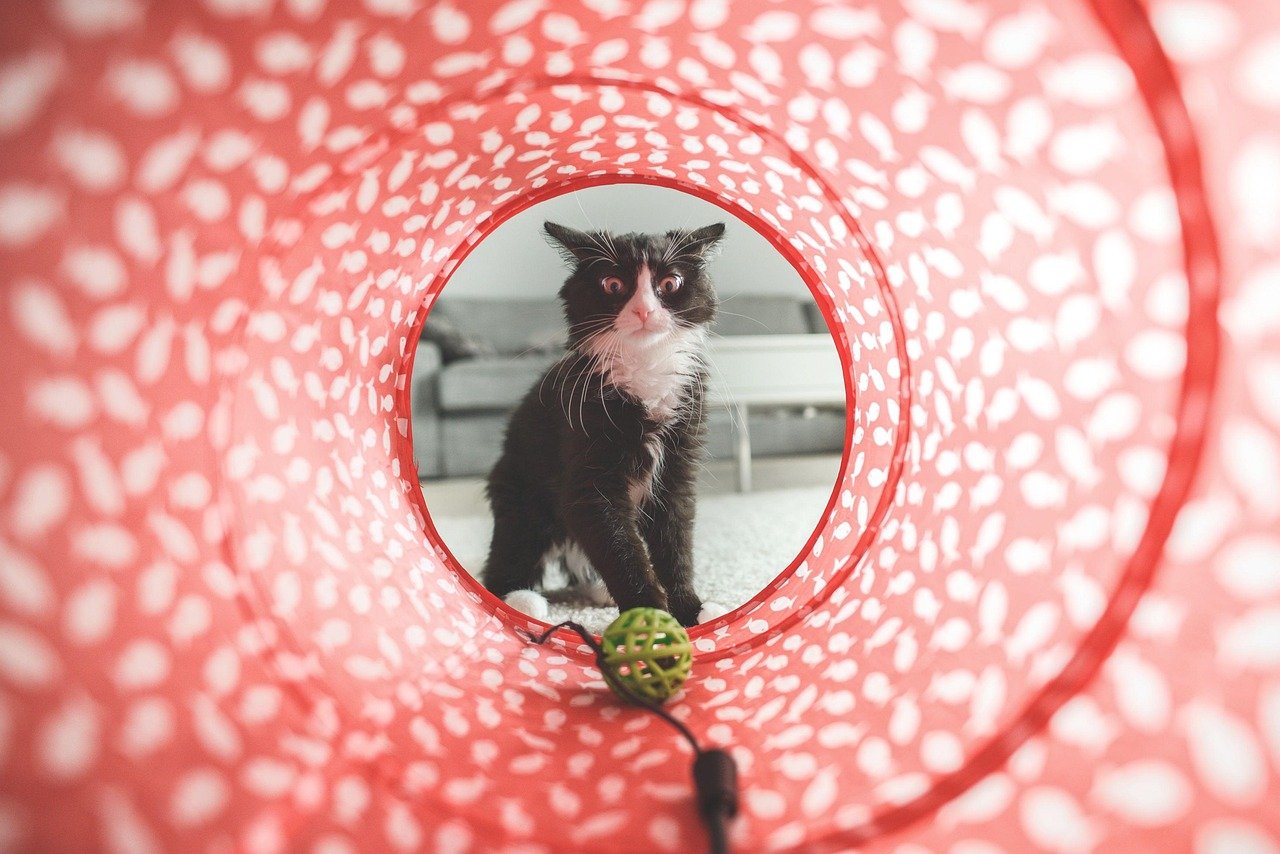
Boredom is one of the biggest reasons cats act out. An understimulated cat might scratch, bite, or climb where they shouldn’t. Fill your home with cat-friendly activities: climbing trees, puzzle feeders, and interactive toys. Rotate their toys every week to keep things exciting—imagine how thrilling it must feel for your cat to discover a “new” toy, even if it’s just been hidden for a while. When your cat’s body and mind are busy, there’s less room for mischief.
Establish Consistent Boundaries

Consistency is your best friend when teaching your cat what’s okay and what’s not. If you sometimes let them on the kitchen counter and other times scold them, they’ll just get confused. Decide on your rules and stick to them every day, no matter how cute their little faces look when they break them. Everyone in your household should follow the same rules, too. Consistency helps your cat learn faster and makes your expectations clear.
Use Deterrents, Not Punishments

Harsh punishments like yelling, hitting, or spraying water can break trust and make your cat fear you. Instead, use gentle deterrents. Try double-sided tape on furniture to discourage scratching, or citrus-scented sprays that cats dislike. You can also use motion-activated air sprays for off-limits areas. These tools work by making the unwanted behavior less pleasant, but never hurt or scare your cat. Remember, discipline is about guidance, not fear.
Ignore Attention-Seeking Misbehavior

Sometimes, cats misbehave just to get a reaction—yes, even negative attention can be rewarding for them. If your cat knocks things off shelves or meows loudly just to see your response, try to ignore it (as long as it’s safe to do so). Turn away and don’t react until they stop the behavior. When they’re calm and behaving well, give them attention. This teaches your cat that good behavior brings the love they crave.
Offer Alternatives for Problem Behaviors
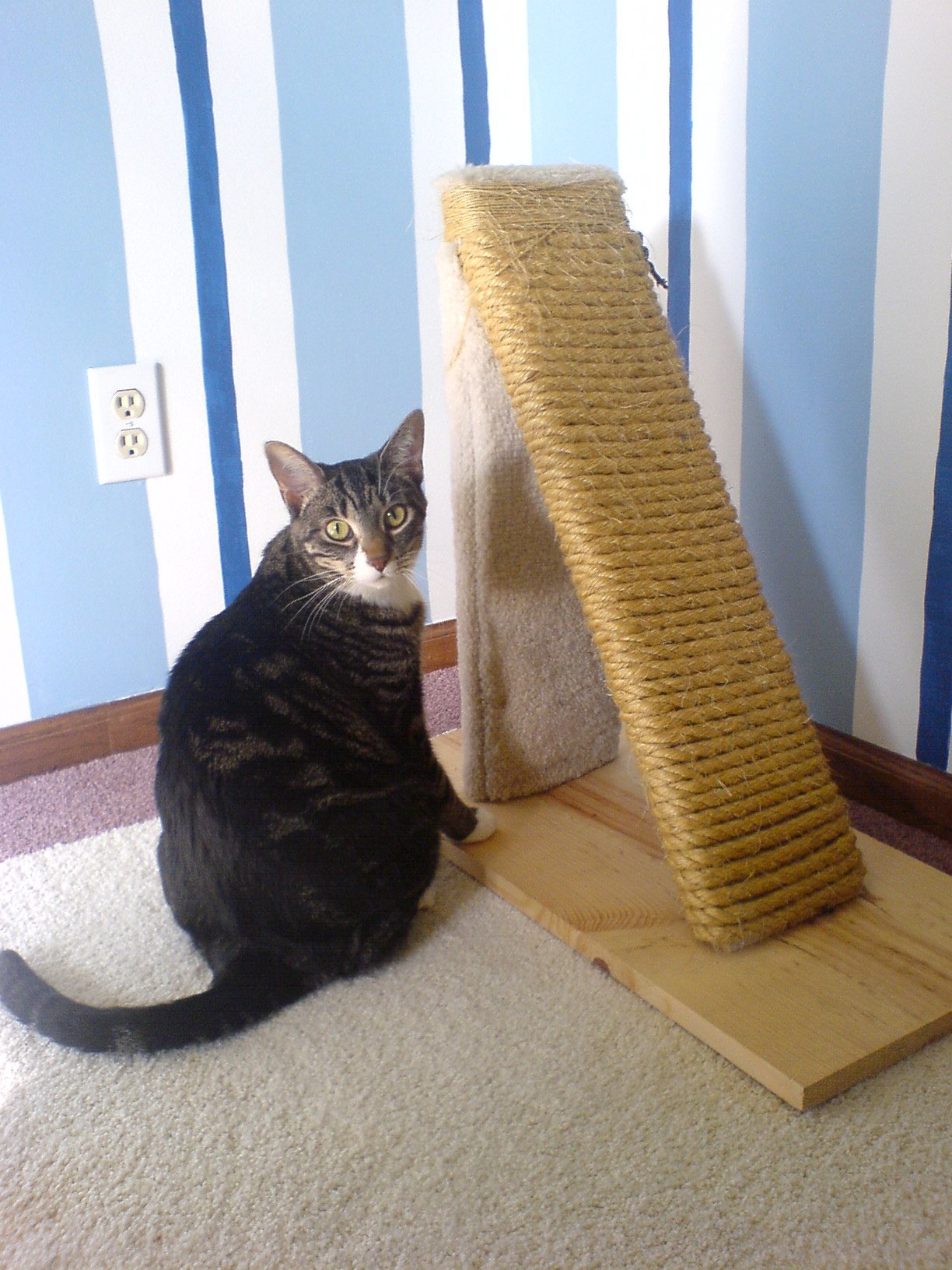
If your cat loves to scratch the couch, they’re not being naughty—they just need a better option. Provide sturdy scratching posts, mats, or cardboard scratchers in the places they like to scratch. Rub a little catnip on the new scratcher to make it irresistible. If your cat jumps on the table, create a high perch nearby that’s just for them. By giving your cat a “yes” for every “no,” you help them meet their needs in a way that works for everyone.
Stay Calm and Patient
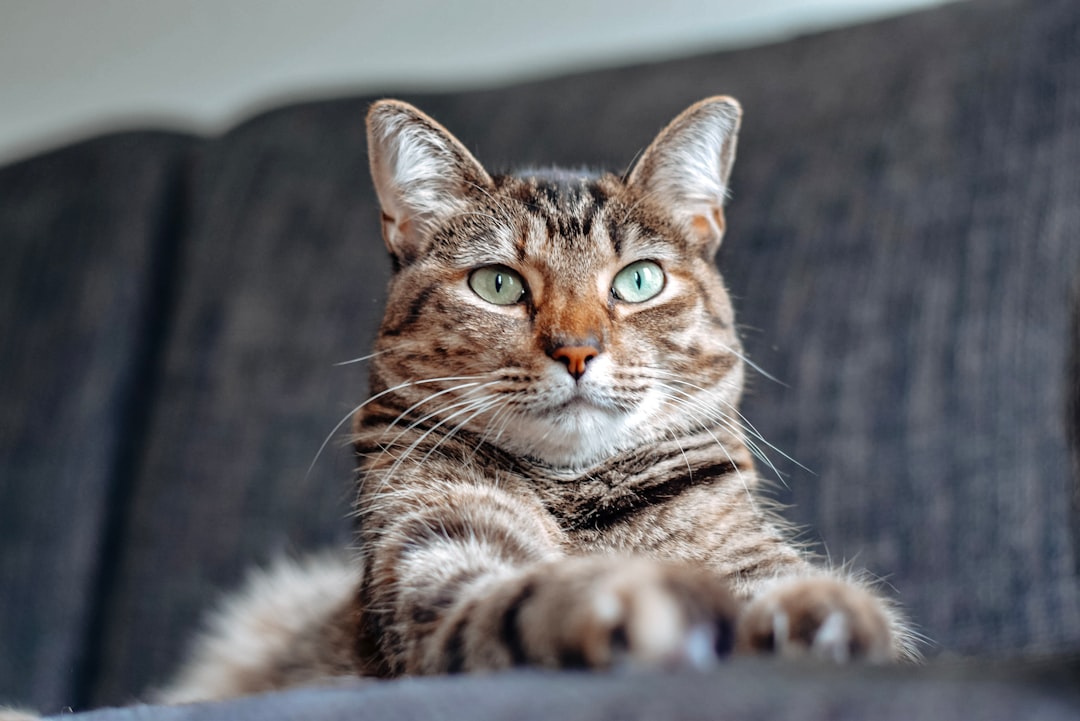
Losing your temper or getting frustrated never helps—cats can pick up on your emotions and become more anxious or defensive. Take a deep breath when your cat acts up. Remember, change doesn’t happen overnight. Discipline is about gentle, repeated lessons rather than quick fixes. Celebrate small victories and remind yourself that every cat learns at their own pace. Your calm and patience will make the process easier for both of you.
Consult a Professional When Needed

Sometimes, despite your best efforts, a cat’s behavior doesn’t improve. If your cat becomes aggressive, stops using the litter box, or seems anxious or depressed, it’s time to ask for help. A veterinarian or certified animal behaviorist can rule out medical issues and offer expert guidance tailored to your cat’s unique personality. Don’t feel defeated—seeking professional help just means you care deeply about your cat’s well-being. Most behavior problems can be solved with the right support.
Disciplining a cat isn’t about control — it’s about communication, patience, and setting clear, consistent boundaries. By using gentle, positive methods tailored to your cat’s unique personality, you can correct unwanted behaviors without fear or frustration. Remember, cats aren’t being “bad” to spite you — they’re acting on instinct or unmet needs. With time, understanding, and the right strategies, even the most mischievous feline can learn to live harmoniously in your home.


