

Bringing a rescue dog into your home is a rewarding experience. However, it comes with its own set of challenges. These dogs often have past experiences that can make them wary or anxious in new environments. But with patience, love, and the right approach, you can build a strong, loving bond with your new furry friend. In this article, we’ll explore ten effective ways to connect with your rescue dog and make them feel like a cherished member of your family.
Understanding Their Past
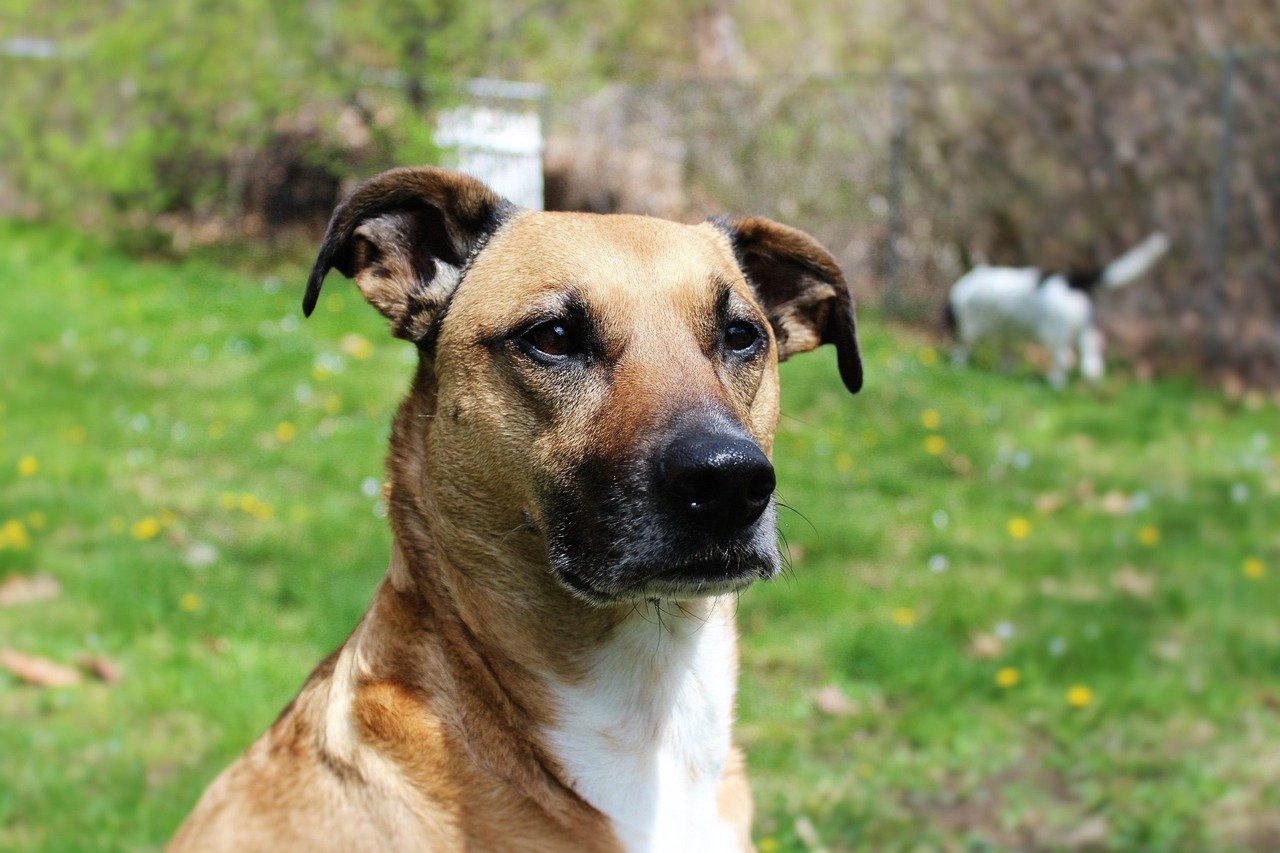
Before you can form a bond with your rescue dog, it’s important to understand their history. Many rescue dogs have faced hardships such as neglect, abuse, or abandonment. They may have trust issues or fear certain situations due to past trauma. Taking the time to learn about their background, if possible, will help you empathize with their behavior and respond appropriately. Think of it like meeting a new friend; knowing their past can help you understand their present behavior better.
Creating a Safe Space

Just like humans, dogs need a place where they can feel safe and secure. Setting up a designated area in your home for your rescue dog can provide them with a sense of stability. This space should have their bed, favorite toys, and a water bowl. It acts as their sanctuary, where they can retreat when they feel overwhelmed. Imagine having a cozy corner in your home where you can unwind; your dog needs this too.
Establishing a Routine

Dogs thrive on routine. It gives them a sense of predictability and security. Establishing a consistent schedule for feeding, walking, and playtime can help your rescue dog adjust to their new environment. Over time, they’ll learn to anticipate these activities, which can reduce anxiety and build trust. Consider your own daily routine and how it helps you stay organized; it’s no different for your pup.
Using Positive Reinforcement
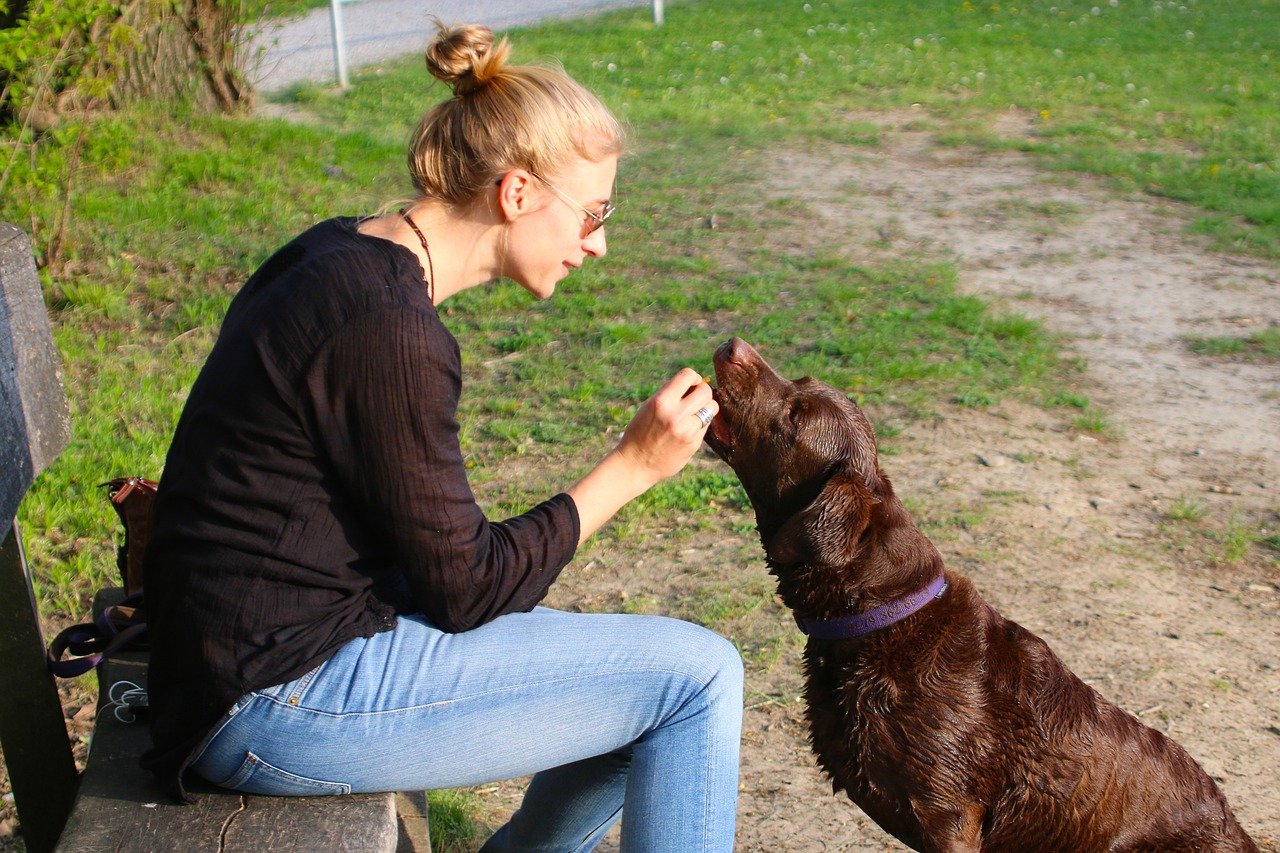
Positive reinforcement is a powerful tool when forming a bond with your rescue dog. Rewarding them with treats, praise, or playtime for good behavior encourages them to repeat those actions. This method also helps build a positive association with you as their new owner. Imagine how you feel when acknowledged for a job well done; your dog will feel similarly motivated.
Engaging in Playtime
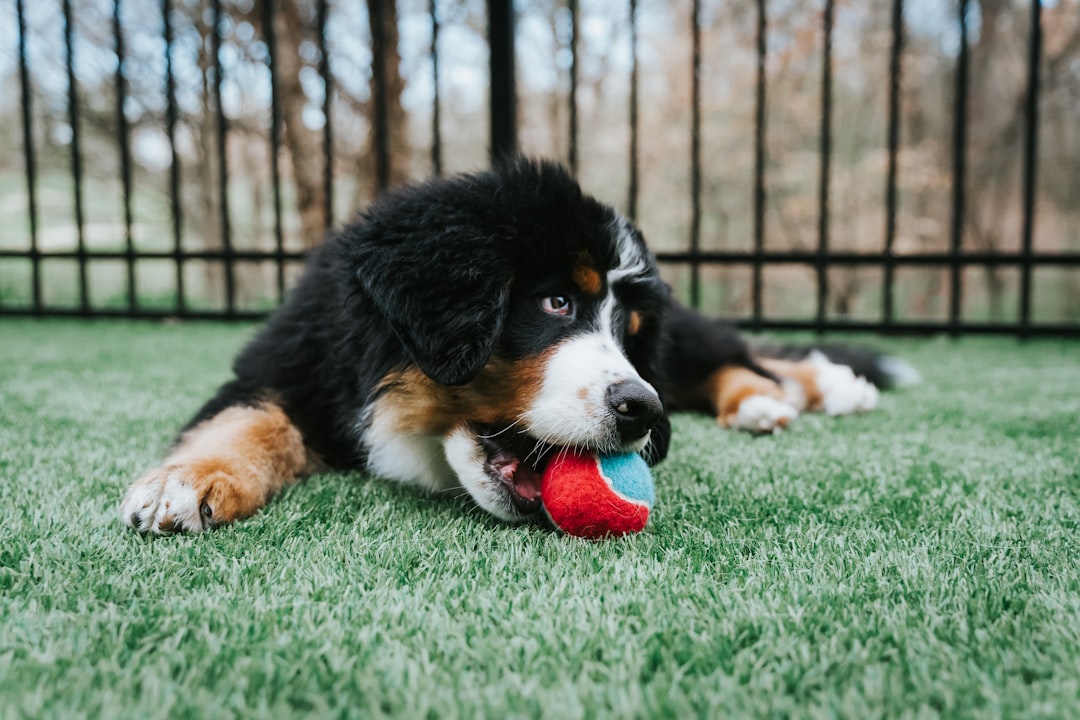
Playtime is not just about physical exercise; it’s also an opportunity to strengthen your relationship with your rescue dog. Engaging in activities they enjoy, like playing fetch or tug-of-war, can help break down barriers and make them feel at ease. Playing together is like a universal language that transcends words, allowing you to connect on a deeper level.
Practicing Gentle Training
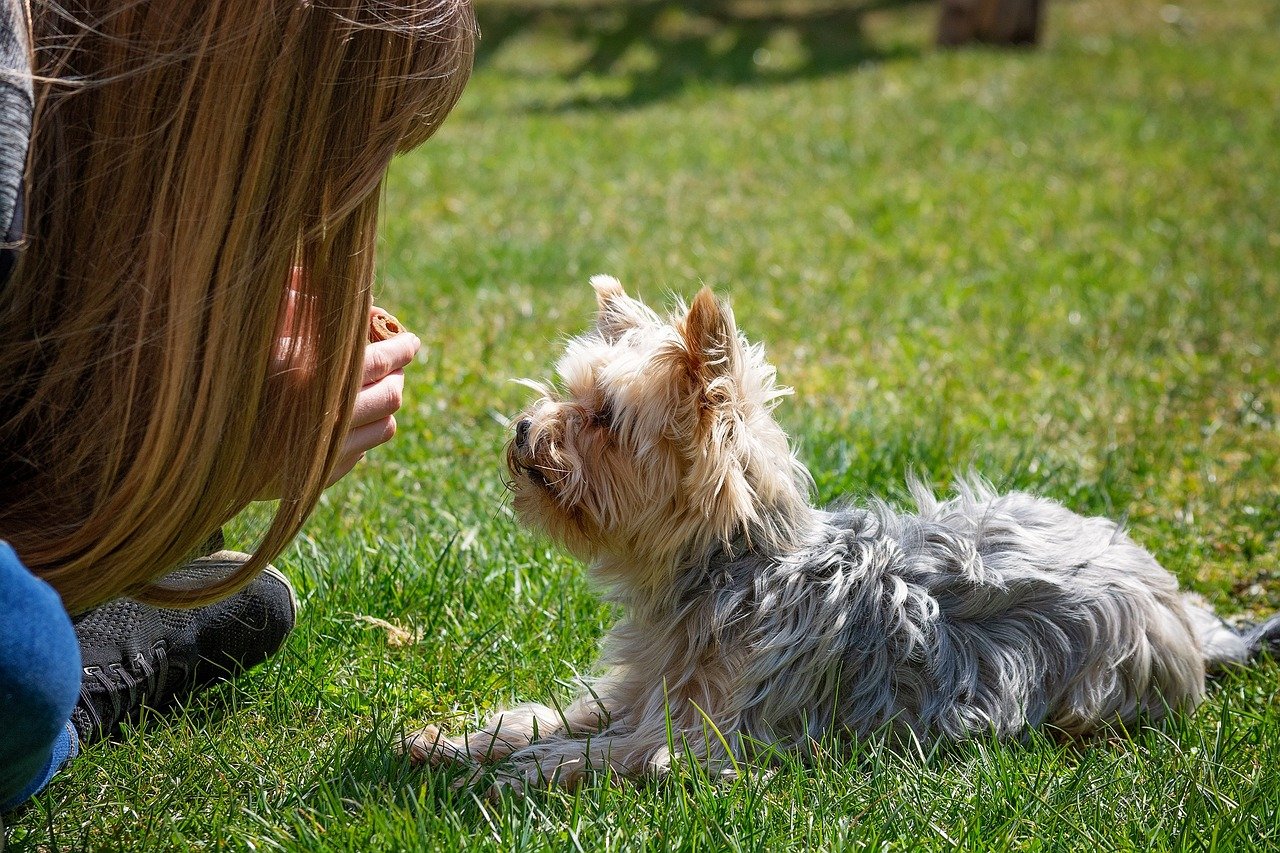
Training your rescue dog is essential, but it should be done with patience and kindness. Gentle training methods focus on teaching commands and behaviors without using force or intimidation. This approach not only helps them learn but also fosters a trusting relationship. Think of it as teaching a child; you want to guide them with understanding and compassion.
Providing Consistent Affection
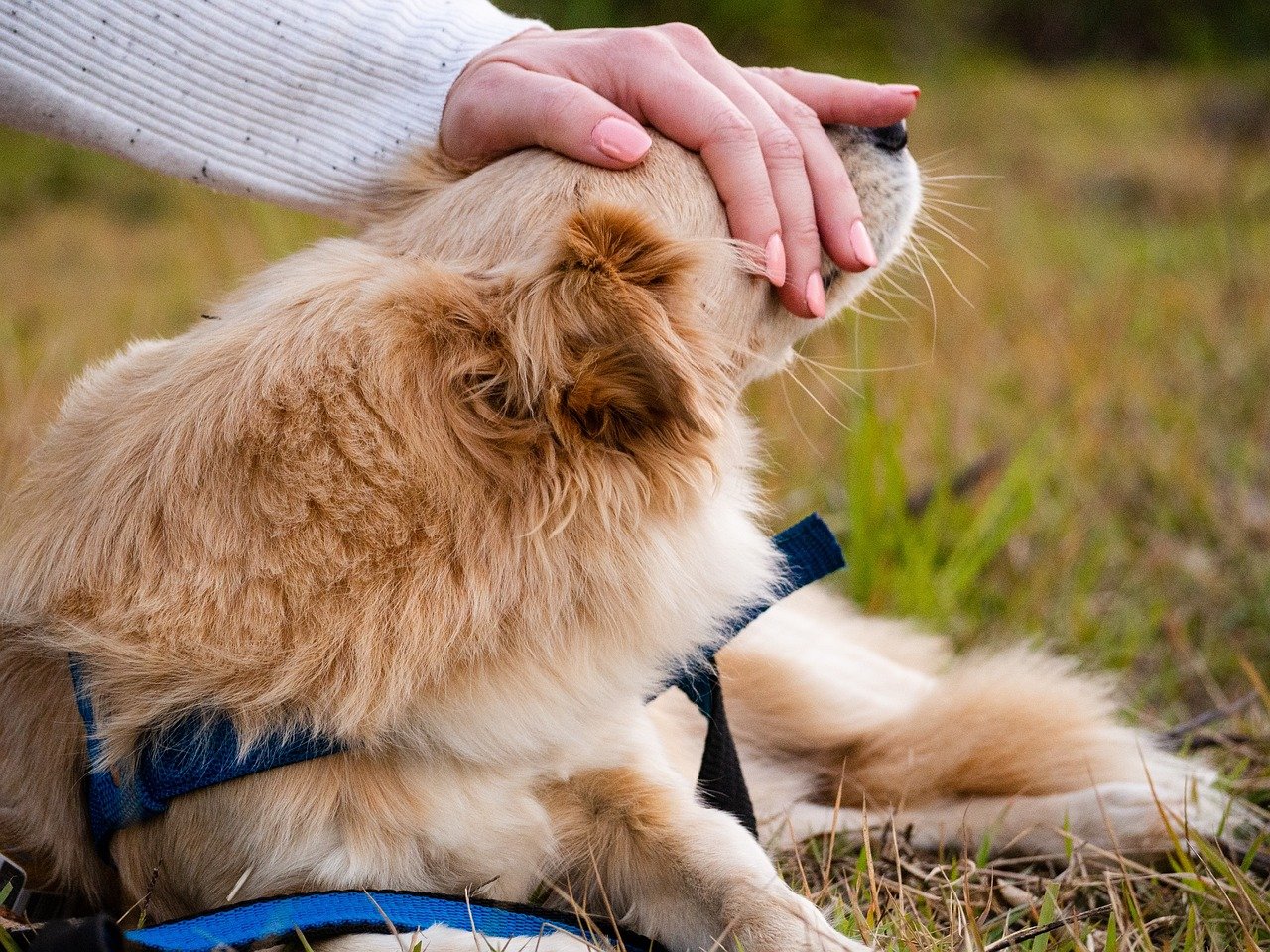
Affection is a crucial component in forming a loving bond with your rescue dog. Consistently showing affection, whether through petting, cuddling, or simply spending time together, reassures them of your love. Dogs are social creatures who thrive on companionship, and your affection is a vital part of their emotional well-being. It’s like having a friend who’s always there to offer a comforting hug.
Being Patient and Understanding

Patience is key when building a bond with a rescue dog. They may take time to adjust to their new environment and develop trust. It’s important to be patient and understanding during this process, allowing them to come to you on their terms. Consider it like nurturing a delicate plant; it takes time and care to watch it flourish.
Observing Their Body Language

Dogs communicate primarily through body language, and understanding these signals can help you connect with your rescue dog. Paying attention to their posture, tail wag, and ears can provide insight into their emotions and comfort level. It’s like learning a new language; the more you understand, the better you can respond to their needs.
Involving the Whole Family
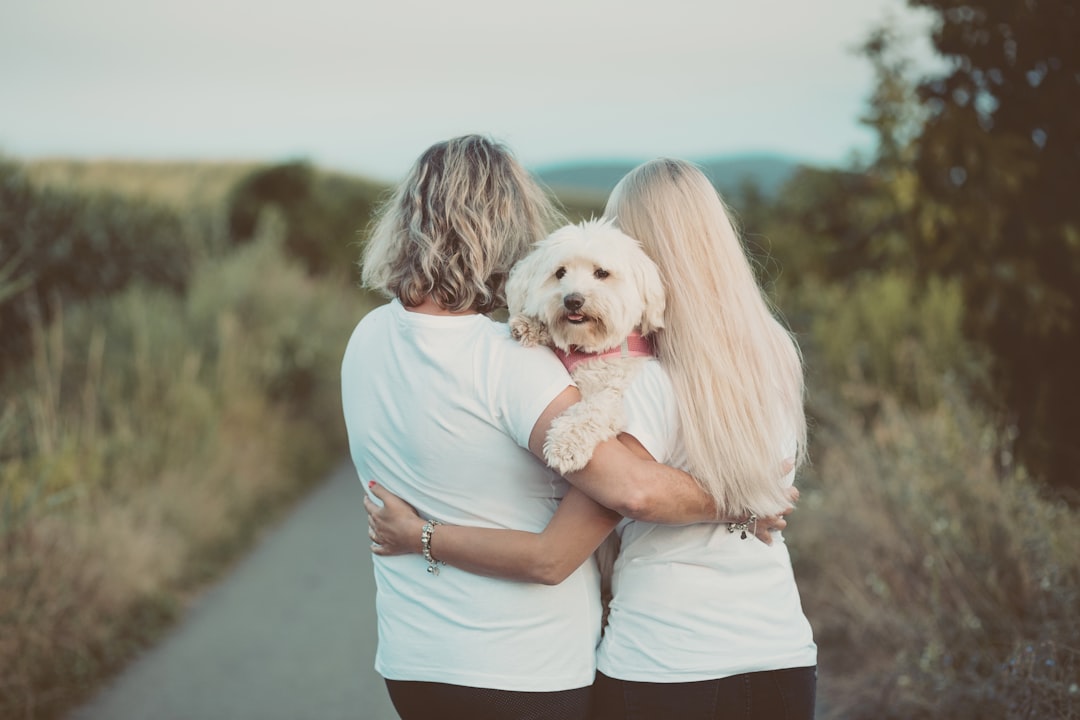
Forming a bond with your rescue dog is a family affair. Involving all family members in their care and activities helps them feel like a part of the pack. Encourage everyone to participate in feeding, walking, and playtime. It’s similar to welcoming a new member into a family; everyone plays a role in making them feel at home.
Forming a loving bond with a rescue dog requires time, patience, and a lot of love. By understanding their past, creating a safe space, and using positive reinforcement, you can build a strong relationship with your new furry friend. Remember, every small step counts towards creating a lifelong bond filled with trust and affection.


