
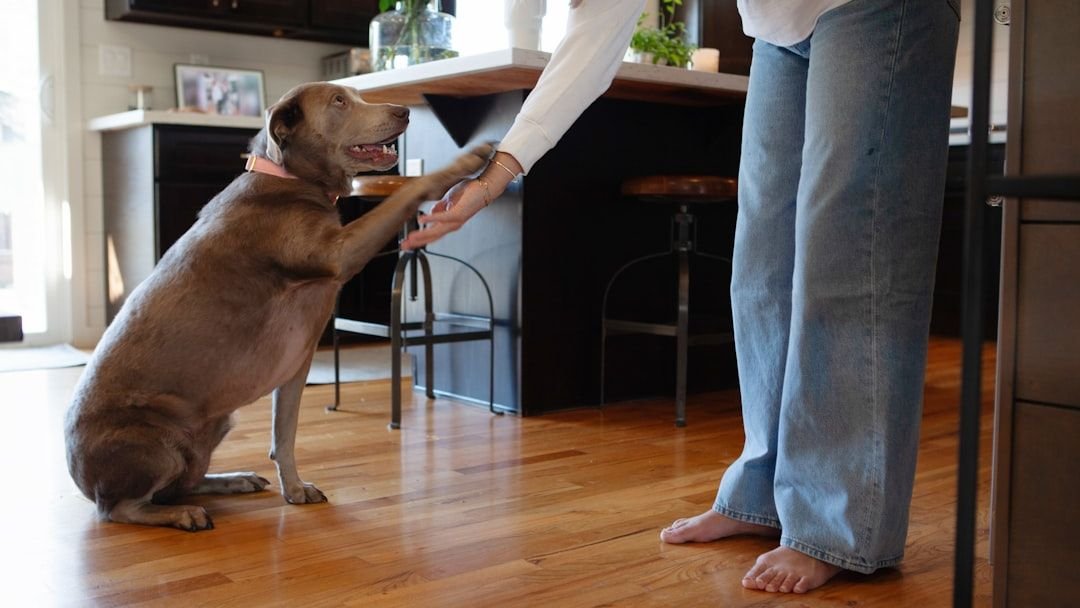
Your dog gives you everything. Unconditional love, goofy grins, zoomies at six in the morning, and a greeting at the door that makes you feel like the most important person in the universe. Honestly, is there anything better? The question is, are we giving that same energy back?
Most of us think we’re doing a great job, and many of us genuinely are. But there’s often a gap between loving our dogs and truly understanding what they need to thrive. The science of canine well-being has advanced enormously, and some of the findings are surprisingly simple. Let’s dive in.
1. Let Them Sniff – Seriously, Stop Rushing the Walk

Here’s something that might change how you walk your dog forever. Your dog “sees” the world largely through their olfactory senses. The part of a dog’s brain responsible for processing scent is approximately 40 percent larger than a human’s, and dogs have up to 300 million scent receptors compared to our mere six million. That lamppost your dog is sniffing isn’t a distraction. It’s their version of reading the morning news.
Dogs who do scentwork are actually more optimistic than those who engage in other activities involving rewards. Think about that. Just letting your dog sniff a patch of grass can literally improve their mood. Letting them have a really good sniff of that tree or post is full of satisfying information for them, like standing at the top of a mountain and enjoying a rich, color-soaked sunset view. Next walk, slow down and let them lead.
2. Give Your Dog a Sense of Choice and Control
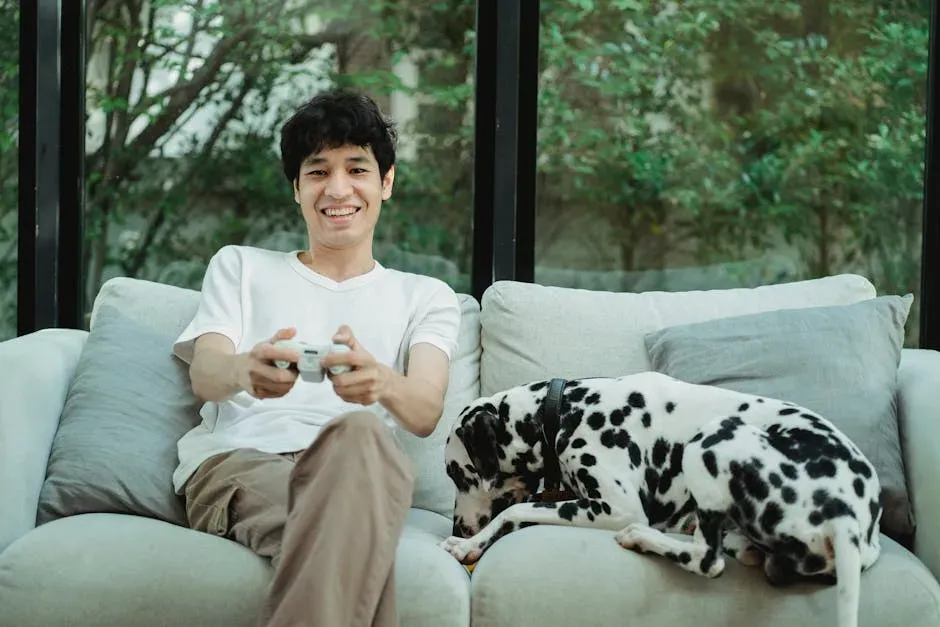
Agency is a hot topic in animal welfare science right now. We’ve learned that not being able to go where we wanted, or see who we wanted, impacted our mental health during lockdowns – and we’ve now learned that giving animals choice and control in their lives is important for their mental wellbeing too. Your dog feels this more than you probably realize.
This might be installing a doggy door so they can go outside when they like, letting them decide which path to take through the park, choosing three toys to play with from a rotating collection, or putting a blanket in a sunny spot you’ve noticed they love. Providing choices doesn’t have to be complicated or expensive. Even small moments of autonomy make a big difference to how safe and happy your dog feels each day.
3. Play Together – Not Just Near Each Other

While most dogs are very good at entertaining themselves with their favorite toys, they generally prefer interactive play with their favorite humans. Throwing a ball around the yard, grabbing a tug toy, or finding ways to play with your dog’s favorite stuffed toys helps develop a strong bond, wears your dog out a little, and ensures they are as happy as possible. There’s a big difference between your dog playing alone while you scroll your phone and the two of you genuinely playing together.
Studies have proven that spending time with a pet increases the production of oxytocin, a love and happiness hormone, in both people and pups. So really, you both win. Fetch, tug-of-war, hide-and-seek with treats – it doesn’t need to be elaborate. Ten minutes of focused, joyful play every day can transform your dog’s mood and your bond.
4. Build a Routine They Can Count On

Consistency breeds trust. Providing your dog with a routine helps them feel secure and loved. Knowing what to expect can ease anxiety and create a harmonious environment. Dogs are not fans of unpredictability. Think of routine as their emotional anchor – the thing that tells them the world is safe and predictable.
Dogs thrive on knowing when meals, walks, and rest times will happen. When that structure gets disrupted, you’ll often see signs of stress like restlessness, excessive barking, or even digestive upset. Just like toddlers and young children, dogs like things to be predictable. Feeding them at the same time, walking the same general schedule, and keeping bedtime consistent is not boring. To your dog, it is pure comfort.
5. Stimulate Their Brain, Not Just Their Body
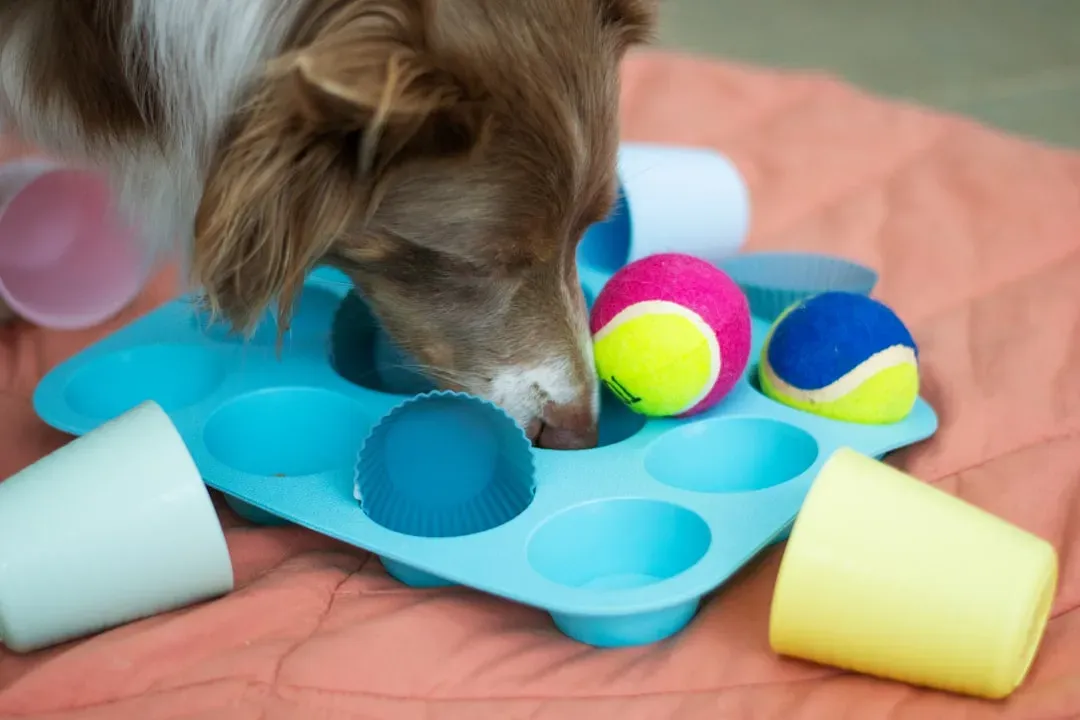
Mental enrichment keeps dogs sharp and prevents boredom-related behaviors like chewing furniture or digging. Let’s be real, a lot of “bad behavior” is just a bored dog screaming for something to do. Mental enrichment is just as important as physical exercise. Sniff walks, puzzle feeders, learning new tricks, hide-and-seek games stretch your dog’s brain and bring out their curiosity and confidence.
Snuffle mats, where you hide kibble or treats to simulate foraging behavior, slow eating and provide nose-work satisfaction. Treat-dispensing balls release kibble as your dog rolls them, combining physical activity with problem-solving. You can even create simple DIY puzzles using a muffin tin and tennis balls. The point is to make your dog think. A mentally tired dog is a genuinely happy dog.
6. Respect Their Individual Personality

While certain traits are often associated with specific breeds, every dog is unique with their own personality and preferences. Just like humans, no two dogs are exactly the same – even if they share the same breed. A new dog in your life may have entirely different likes and dislikes than your previous one. There’s as much variation within breeds as there is between them.
Not all dogs are going to like the same things, and a new dog you live with may be completely different to the last one. One dog might like to go to the dog park and run around with other dogs at high speed for an hour, while another would much rather hang out with you chewing something in the garden. Watch your dog. Learn your dog. Their individual happiness profile is something only you can discover, and it’s worth every bit of attention you give it.
7. Use Positive Reinforcement Every Single Day
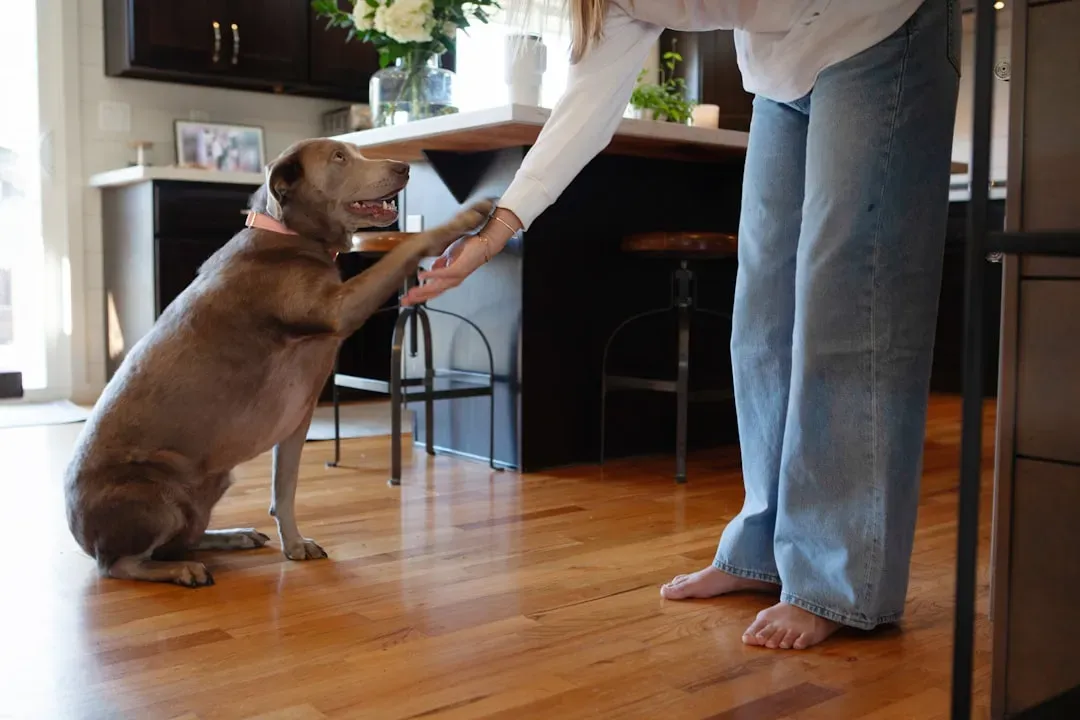
As dog owners, we want to encourage good dog behavior, and using positive reinforcement is one of the best ways to do it. This training method focuses on rewarding desired behaviors, not punishing for bad behaviors. Giving your dog praise like saying “good girl” or “good boy” is one of the most simple forms of positive reinforcement you can give your dog at any time.
Positive reinforcement is a powerful way to communicate with your dog. Rewarding good behavior encourages them to continue acting in ways that contribute to their well-being. The bond grows stronger with every positive interaction, fostering a relationship built on trust and understanding. Harsh corrections and punishment, on the other hand, build anxiety. I think this is one of those things that’s simple in theory but genuinely life-changing in practice.
8. Feed Them Well and Make Mealtimes Matter

Proper nutrition is the basis for enjoying good health and one of the keys to happiness. Dogs love to eat, so we need to feed them food that covers all their nutritional needs and is appetizing at the same time. A dog who’s uncomfortable after eating, struggling with allergies, or simply eating a food that doesn’t excite them is not a fully happy dog. It sounds obvious, but it’s easy to overlook.
Nutrition is key to a dog’s health. Providing a balanced diet tailored to their specific needs shows you care. Consulting with a veterinarian about your dog’s dietary requirements can make a world of difference. Beyond nutrition, consider making mealtimes an enrichment event. Use a puzzle feeder or snuffle mat instead of a regular bowl. In the wild, dogs would have to scavenge and hunt for their food, so hunting and scavenging is a normal activity for them. Tap into that instinct and watch their whole face light up.
9. Let Them Run Free (When It’s Safe)

When dogs are allowed to run off-lead, they use space differently. They tend to explore more widely and go faster than they do when walking on-lead. This offers them important and fun physical activity to keep them fit and healthy. There’s something deeply satisfying about watching your dog sprint full speed across an open field, ears flopping, tongue flying. That kind of joy is irreplaceable.
Dogs are inherently social creatures, and consistent social interaction is important for their emotional health. Studies show that dogs that regularly interact with other dogs and people are better adjusted and experience lower levels of anxiety. Isolation or inadequate socialization can lead to behavioral problems like fearfulness, aggression, or anxiety in unfamiliar situations. Off-leash play at a safe park or a fenced area gives your dog the social stimulation and physical freedom they genuinely crave.
10. Learn to Read Their Happiness – and Their Distress
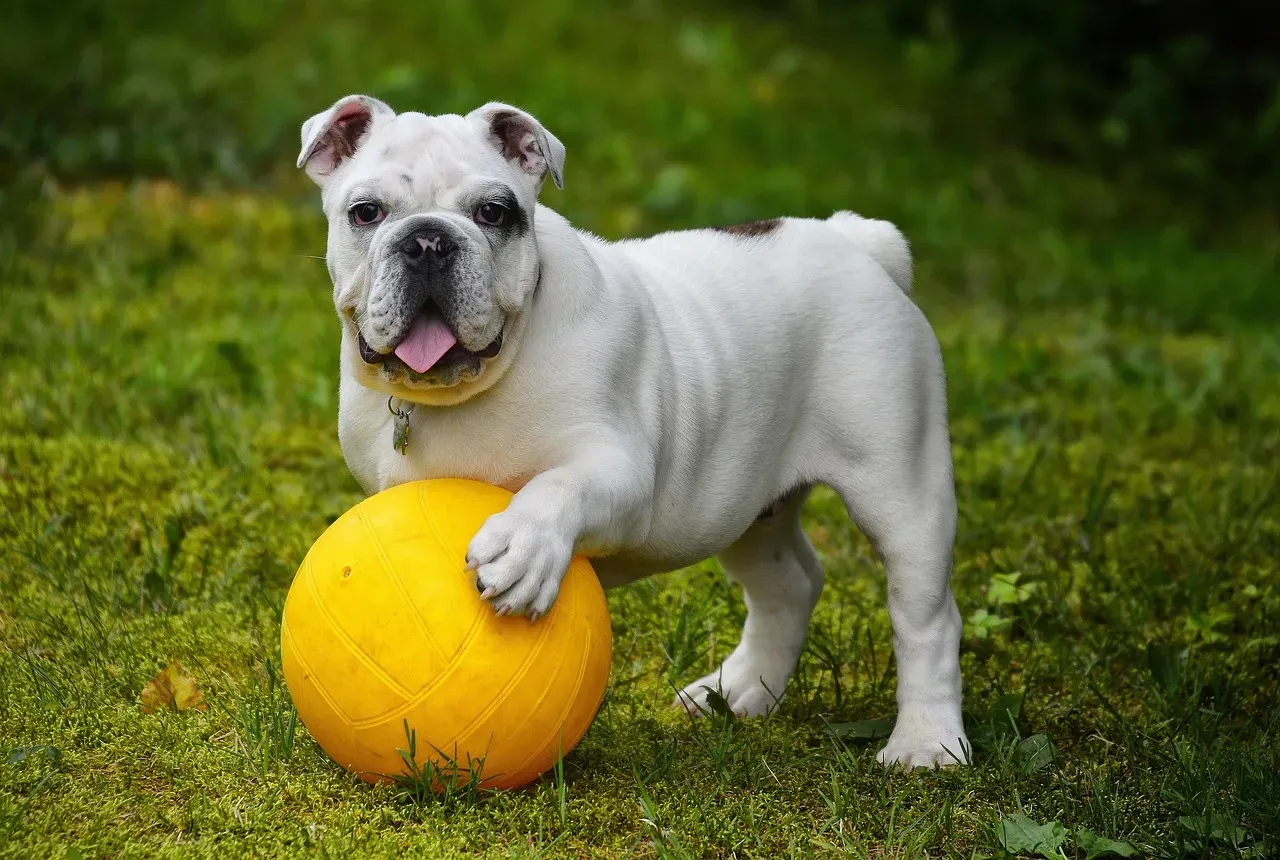
While dogs can’t tell us in words when something’s wrong, they’re constantly sending signals through their body language, behavior, and routines. Learning to spot these early can help you step in before small issues become big problems. A truly happy dog has a look you’ll start to recognize. When a dog is happy, their whole body and tail will look relaxed, and they quite often wiggle. A happy dog’s whole body can wag along with their tail. A wriggling dog showing you their belly is likely to be a very happy and comfortable dog.
Loose muscles, a softly wagging tail, a floppy sprawl on the couch – these are all green lights for happiness. On the flip side, a stiff posture, tucked tail, wide eyes, or raised hackles are signs something’s off. Pay attention to the small stuff. Happy dogs actively engage with their world through play, exploration, and social interaction, and they recover quickly from minor stressors like loud noises or schedule changes. When your dog stops doing that, it’s time to investigate.
Conclusion: Happiness Is a Daily Practice
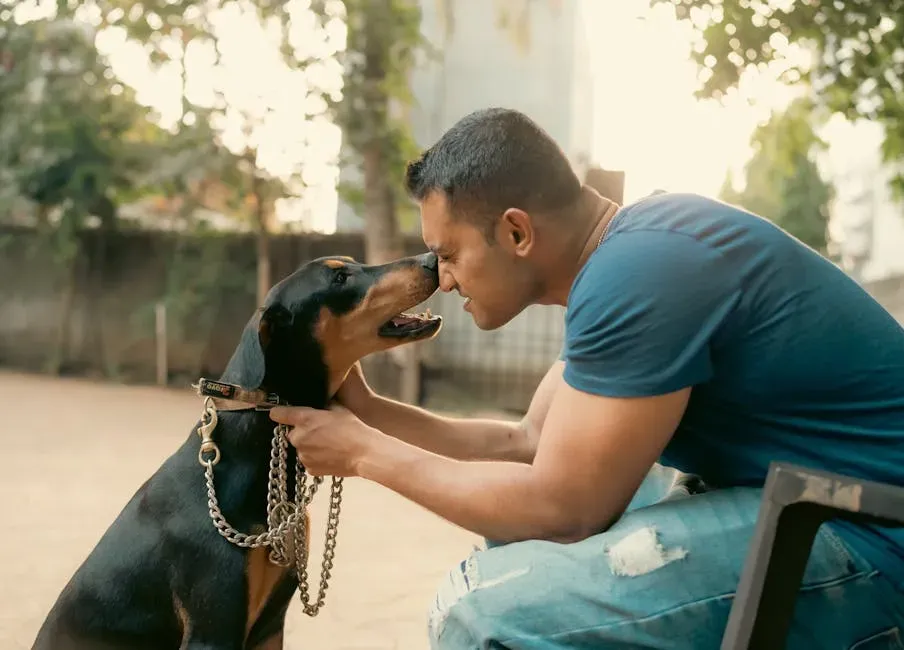
Here’s the thing about dog happiness. It isn’t one big gesture or one expensive purchase. It’s a hundred small, thoughtful choices you make every single day. A slower walk. A puzzle feeder at breakfast. A ten-minute game of tug before work. Letting them sniff that post for thirty whole seconds without dragging them away.
The happiness formula for dogs comes down to physical health, mental stimulation, emotional security, and environmental enrichment. Each element supports the others, creating a foundation for lifelong well-being. Your dog doesn’t need a bigger yard or a fancier collar. They need you, present and paying attention.
Your role as a dog owner is to observe, understand, and respond to your individual dog’s unique happiness profile. The investment you make in your dog’s happiness pays dividends in strengthened bonds, reduced behavioral problems, and the deep satisfaction of providing an exceptional life for your canine companion. Start with just one tip from this list today. Notice the difference. Then keep going.
Your dog gives you their whole heart every day without asking for anything in return. What small thing will you do for them tomorrow? Share your favorite tip in the comments – we’d love to hear what works for you and your pup.


