
Picture this: you’re walking down your neighborhood street with your beloved pup when suddenly they transform into a barking, lunging tornado at the sight of another dog. Your heart races, your face flushes with embarrassment, and you find yourself wondering where your sweet dog went. If this scenario sounds all too familiar, you’re not alone – and more importantly, you might be unknowingly making the situation worse.
A reactive dog is usually a fearful dog. But here’s the thing that might surprise you: more than 80 percent of dogs have some sort of behavioral problem per a recent Forbes survey. The reality is that many well-meaning dog parents inadvertently encourage reactive behaviors through everyday actions they think are helping. Understanding these common mistakes is the first step toward creating calmer, more confident walks for both you and your furry best friend.
Keeping a Death Grip on the Leash
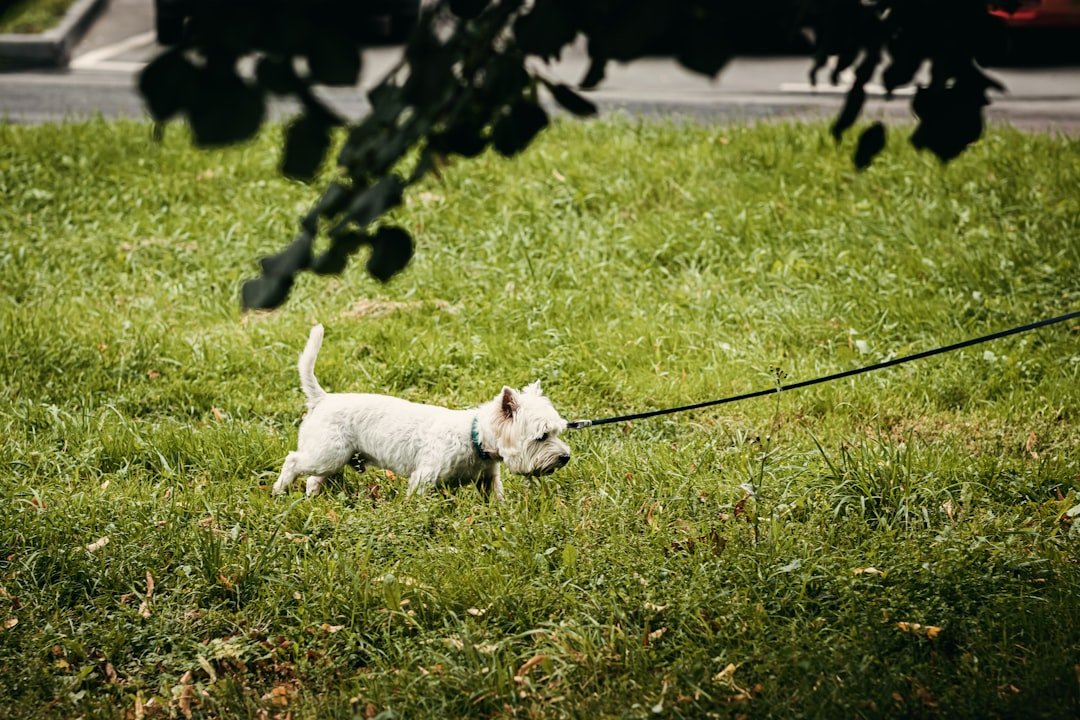
You see another dog approaching and instinctively tighten your grip on the leash, pulling it taut as your muscles tense. This feels protective, right? Wrong. Often, owners have their dogs on tight leashes, thinking this will help if anything happens. Unfortunately, a tight leash tells your dog you’re stressed, making your pup more stressed in return.
Think of it like this: when someone grabs your arm tightly during a scary movie, doesn’t your anxiety spike? Your dog feels the same way when tension travels down the leash. Your stress can be communicated to your dog via the leash, which can add to her stress. So, try to keep the leash loose rather than taut, and take slow, deep and even breaths in order to help yourself feel calmer. That tight leash becomes a telegraph wire sending panic signals directly to your dog.
Flooding Them with “Exposure Therapy”

Maybe you’ve heard that dogs need more socialization, so you decide to tackle their reactivity head-on by taking them to the dog park or busy areas. If your stranger-aggressive dog just meets more new people, surely they’ll realize new people are great, right? Wrong. Your dog will just get to rehearse aggressive behavior and experience further stress around new people.
This approach, called flooding, can actually backfire spectacularly. I mistakenly thought that exposing Poppy to what she reacted to would desensitize her, but the opposite was true. In dog behavior, this is known as flooding and is inadvisable for training dogs. Instead of becoming more confident, your dog may become increasingly overwhelmed and reactive.
Punishing the Messenger
While some pet parent resort to things like shock collars to try to put a stop to reactivity, Carolyn says this can make the situation a whole lot worse. When your dog barks or growls, they’re actually communicating their discomfort – they’re being the messenger. Punishing them for this communication is like shooting the messenger.
Remember any punishment – yelling, jerking the leash, grabbing your dog, or saying no – increases their anxiety level. Correcting a dog for growling or barking may prevent them from growling or barking in the future. Growling and barking are warning signs that the dog may bite. When you suppress these warning signals, you’re not fixing the fear – you’re just removing their ability to tell you they’re scared.
Ignoring the Early Warning System
A lot of body language happens before the growl/bark. A stressed dog is more likely to behave aggressively, so learn to read body language so you can catch it before they have to vocalize. Many dog parents wait until their pup is in full meltdown mode before intervening.
Your dog gives you plenty of signals before they explode: stiffening, whale eye (showing the whites), ears pinned back, or sudden stillness. Many dog owners fail to notice the early warning signs of reactivity. These signs can include subtle changes like stiffening body posture or lowered ears. Observing these cues allows owners to intervene before behavior escalates. Learning to read these subtle cues is like having a weather forecast for your dog’s emotional storms.
Becoming Their Social Director Instead of Their Bodyguard
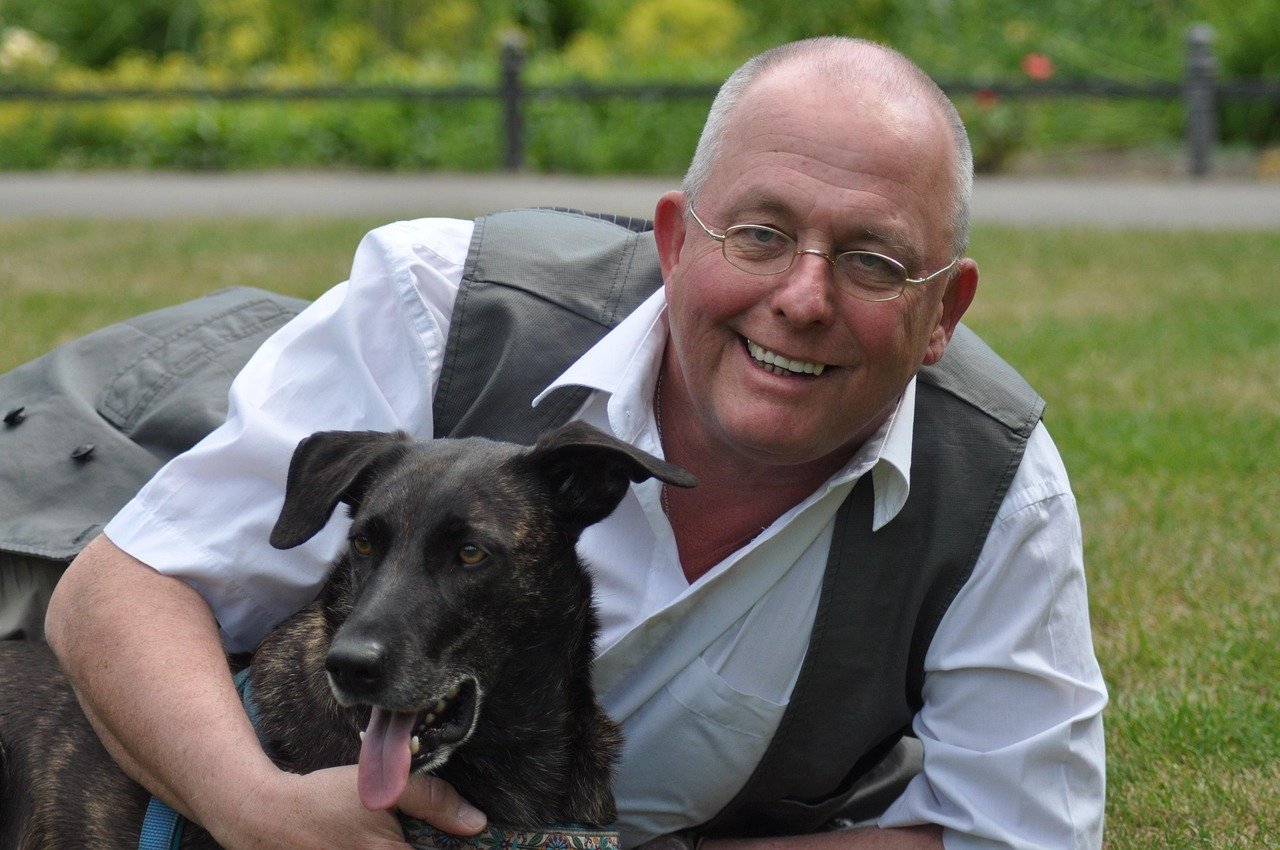
Here’s a hard truth: not every dog wants to be social, and that’s perfectly okay. If you have a reactive or aggressive dog, please be their advocate. Firmly uphold your dog’s boundaries from other people or dogs. If you don’t stick up for your dog, they WILL stick up for themselves, and you may not like how they do it. Teach them that they can relax because you’ll handle it.
When strangers ask to pet your dog or other dogs approach, it’s your job to politely decline and create space. Think of yourself as your dog’s personal security detail. Your dog needs to trust that you’ll protect them from uncomfortable situations so they don’t feel the need to protect themselves.
Playing the Blame Game

Every time your dog reacts, do you find yourself getting frustrated, embarrassed, or angry? It’s easy to feel blamed for your dog’s reactivity, but remember that many factors contribute to this behavior, including genetics, early experiences, and environment. Focus on understanding your dog’s triggers and learning effective management strategies rather than dwelling on blame.
Remember, excitable or tense human energy often makes dogs more reactive. Dogs are emotional sponges – they absorb our energy like little furry mood rings. When you’re tense, frustrated, or embarrassed, your dog picks up on that energy and it amplifies their own stress levels.
Inconsistent Training Messages
One of the most common issues with reactive dogs is inconsistency in training methods. When trainers or owners are not on the same page, it creates confusion for the dog. This confusion can lead to increased anxiety and worsened reactive behavior. Maybe Monday you use positive reinforcement, Tuesday you try dominance-based corrections, and Wednesday you’re too tired to do anything.
Dogs thrive on predictability and clear communication. Consistent commands and routines help the dog understand what is expected. Setting uniform rules is crucial for effective training. Mixed messages create more stress, not less. It’s like trying to learn a foreign language where the rules keep changing – frustrating and confusing.
Skipping the Medical Detective Work
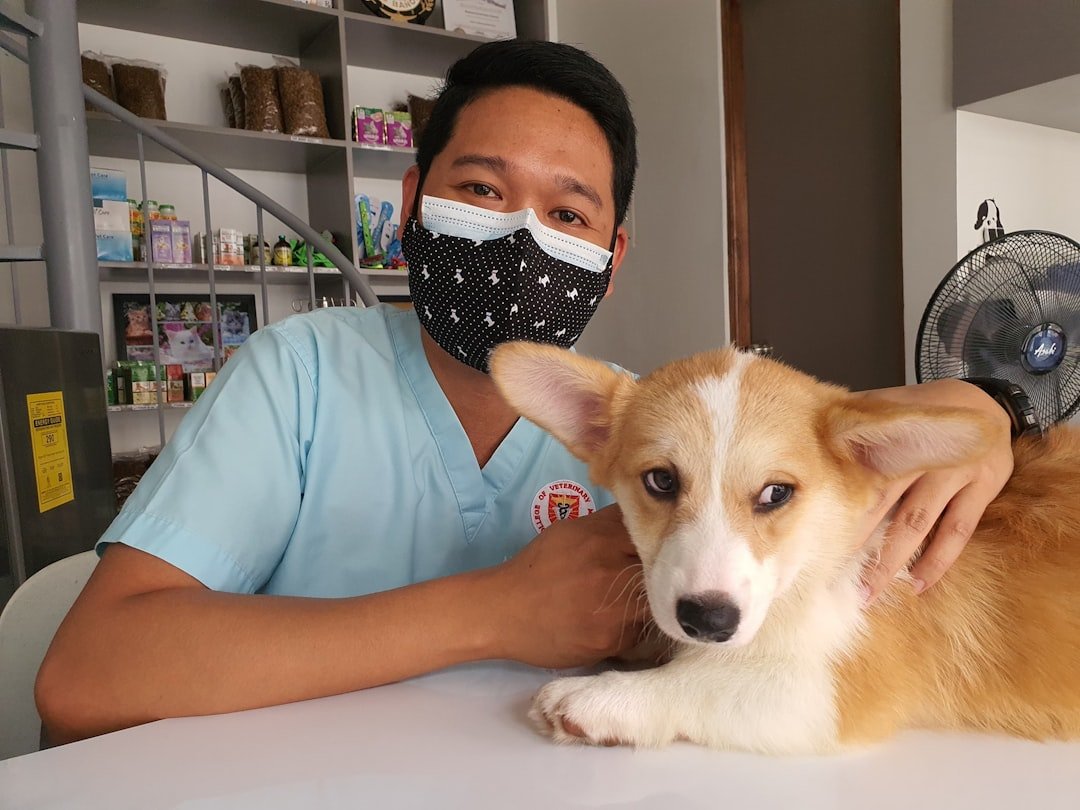
Sometimes what looks like behavioral reactivity might actually have a medical component. Dogs might show signs of reactivity due to conditions like thyroid imbalances or neurological disorders. These medical problems can affect a dog’s mood and behavior. Owners should be aware that sudden changes in behavior might indicate a health issue.
Pain can make any of us grumpy and less tolerant. A dog with hip dysplasia might react defensively when they see other dogs approaching because they’re worried about being bumped or jostled. Lane says that any behavior change in your dog could potentially have a medical cause, so her recommendation is to first rule out health issues with your veterinarian. Next, she counsels seeking out the help of a qualified professional such as a certified behavior consultant or veterinary behaviorist.
Going Too Fast, Too Soon
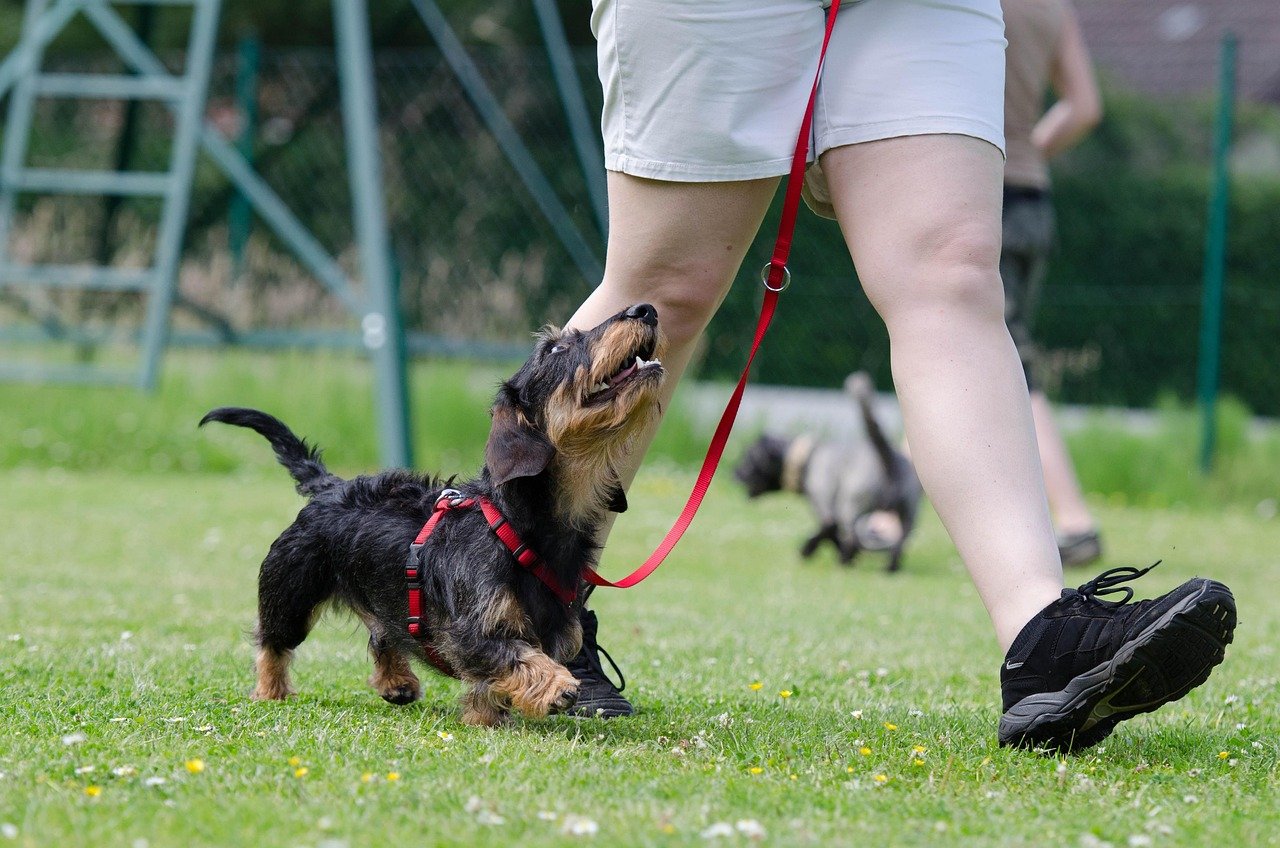
We live in an instant-gratification world, but reactive dogs operate on geological time when it comes to behavior change. Many dog parents get impatient and push their dogs too quickly toward their triggers. If your dog is unable to focus on you, you’re probably too close to the trigger. Working too close to triggers before your dog is ready is like trying to have a rational conversation during a panic attack.
This will take time, especially if your dog has a long history of “practicing” reactivity. Getting results when training a reactive dog will probably take longer than you think! Remember, your dog has been practicing their reactive responses for months or years. It takes patience to rewire those automatic responses into calmer, more thoughtful choices.
Forgetting They’re Still Learning How to Be a Dog
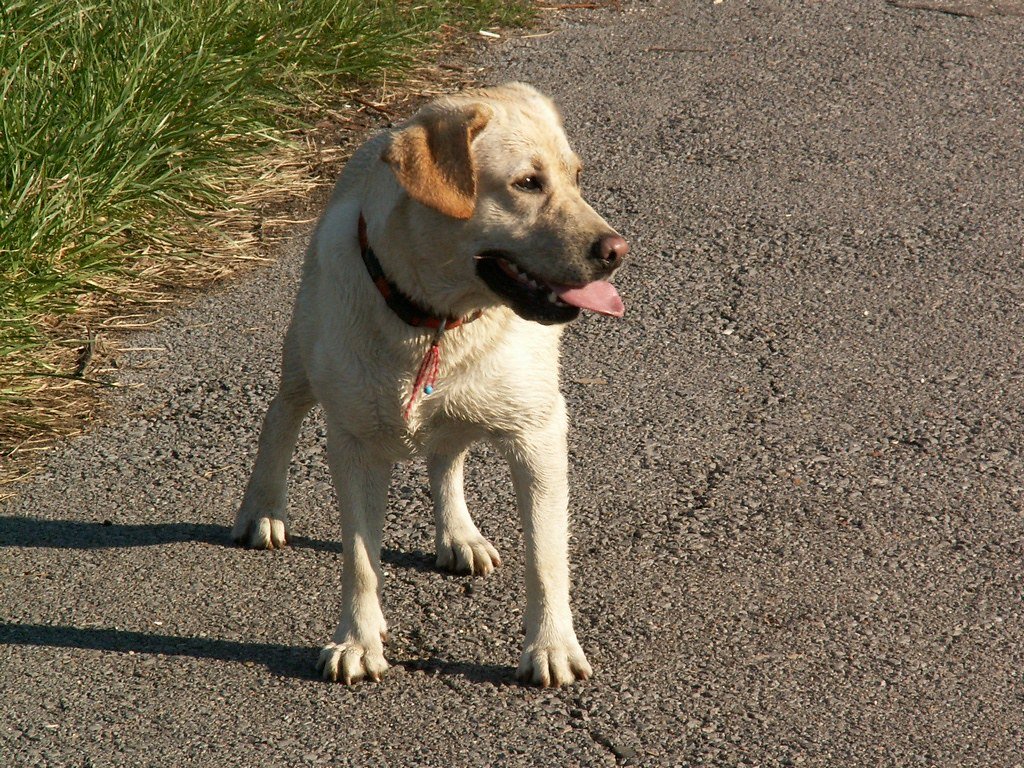
Causes can be genetic, but they are more likely due to a lack of socialization, prior bad experiences or a lack of training. Many reactive dogs missed out on crucial early socialization experiences or had negative encounters that shaped their worldview. Reactive behaviour can develop due to a dog’s experiences, or lack of, during puppyhood. Some dogs may lack social skills because they haven’t learned appropriate boundaries, or how to communicate appropriately.
Think of your reactive dog as someone who grew up speaking a different language trying to navigate a foreign country. They’re doing their best with the social skills they have, but sometimes they get it wrong. Your job isn’t to punish them for their limited vocabulary – it’s to gently teach them new ways to communicate their needs and feelings.
Conclusion
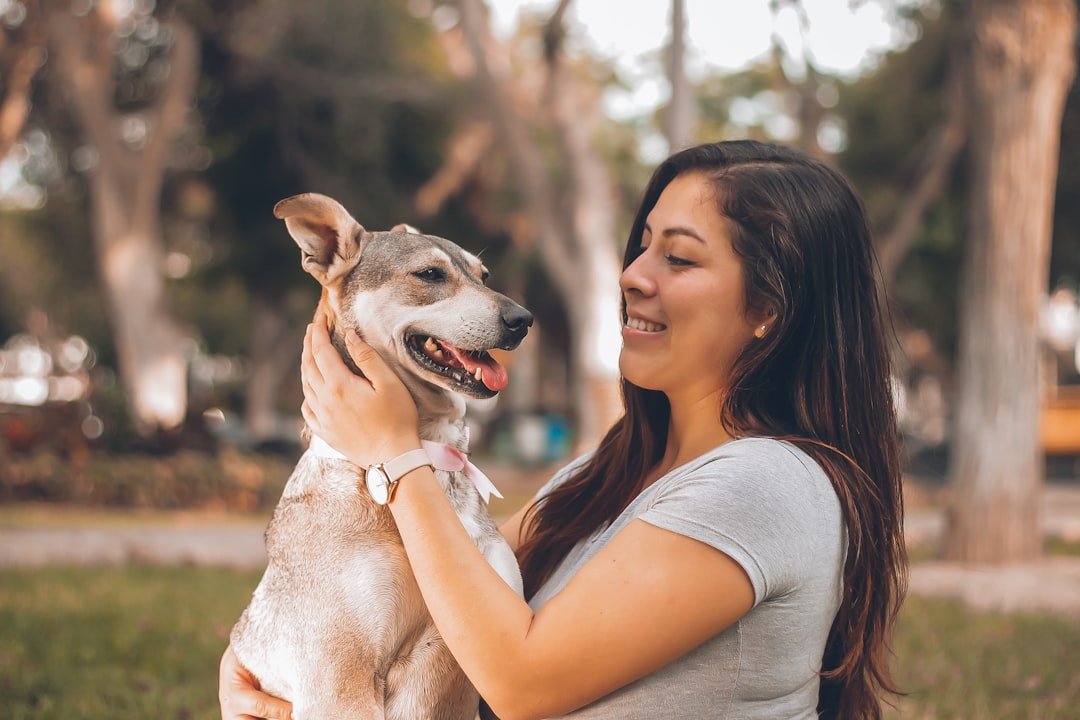
The journey with a reactive dog isn’t easy, but recognizing these common mistakes is your first step toward building a calmer, more confident companion. The good news is we can usually help these dogs learn how to be behaviorally appropriate in the presence of their triggers. Remember, your reactive dog isn’t broken or bad – they’re just a dog who needs patient, understanding guidance to navigate a world that sometimes feels overwhelming.
There are no quick fixes. But with consistency, compassion, and the right approach, you can help your dog develop the confidence and coping skills they need to handle life’s challenges. Every small step forward is worth celebrating, and every moment you spend understanding rather than correcting is an investment in your dog’s emotional well-being.
The most beautiful thing about working with a reactive dog? When you finally see them choose to look at you instead of barking at their trigger, you’ll understand that you haven’t just trained a behavior – you’ve built unshakeable trust. And isn’t that what the best relationships are built on?


