
You wake up one morning to find your pup staring at you with those intense, unblinking eyes. Then they suddenly launch into a crazy sprint around the house, crash into the couch, and plop down as if nothing happened. Later, you catch them rolling in something disgustingly smelly in the yard, eating grass like it’s a gourmet salad, and spinning in circles before bed like they’re performing some ancient ritual.
Sound familiar? If you’re a dog parent, you’ve probably witnessed these bizarre behaviors and wondered if your furry friend has lost their marbles. But here’s the thing that might surprise you – these “weird” antics are actually completely normal. They’re hardwired into your dog’s DNA, passed down from their wolf ancestors and refined through thousands of years of evolution. Let’s dive into the fascinating world of canine quirks and discover why your dog does these wonderfully weird things.
The Mysterious Art of Butt Sniffing
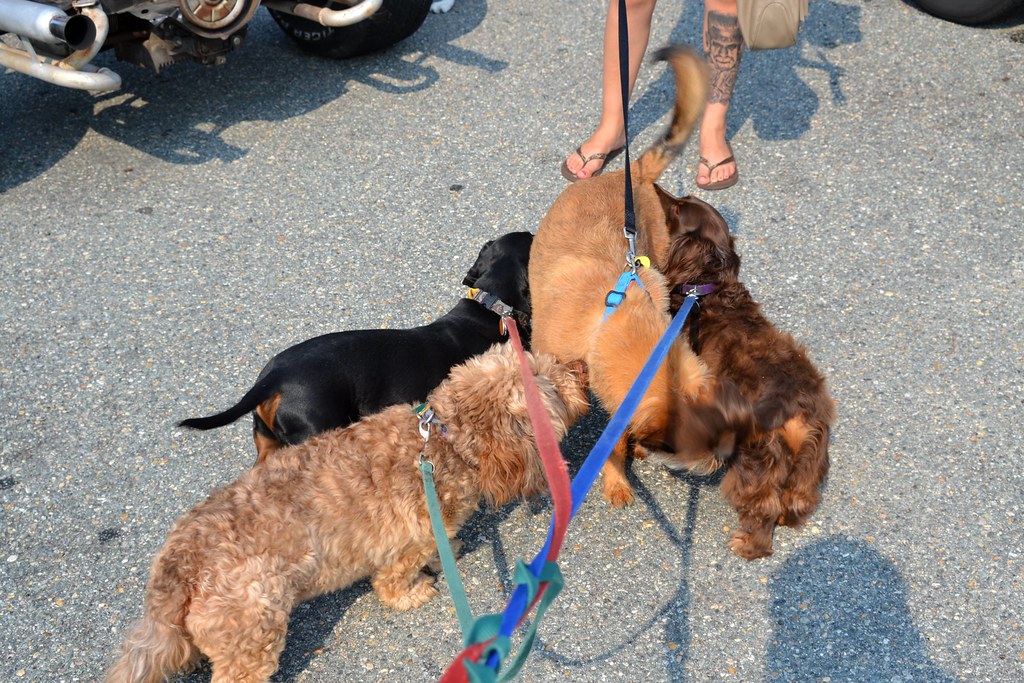
Picture this: you’re at the dog park, and within seconds of meeting another dog, yours goes straight for the rear end. Embarrassing? Maybe. Normal? Absolutely.
Dogs collect a lot of vital information via their noses, and the most concentrated sources of pheromones are in the crotch or butt areas. Although we might find this behavior socially inappropriate, sniffing the anus or genital areas of another dog is a very polite and normal way to say hello in the canine world, much like shaking hands for humans.
Dogs smell better than humans see; they process the world through scent. Examining the rear ends, or other genital areas, of dogs is a way to learn a lot about their companion. Dogs’ noses are so sensitive that they don’t just use scent to identify their pals, they are also able to learn what their buddy recently ate, if he’s stressed or feeling other emotions, and even information about his general health.
Think of it as the ultimate social media profile – packed with personal information that only dogs can decode.
Rolling in Revolting Things
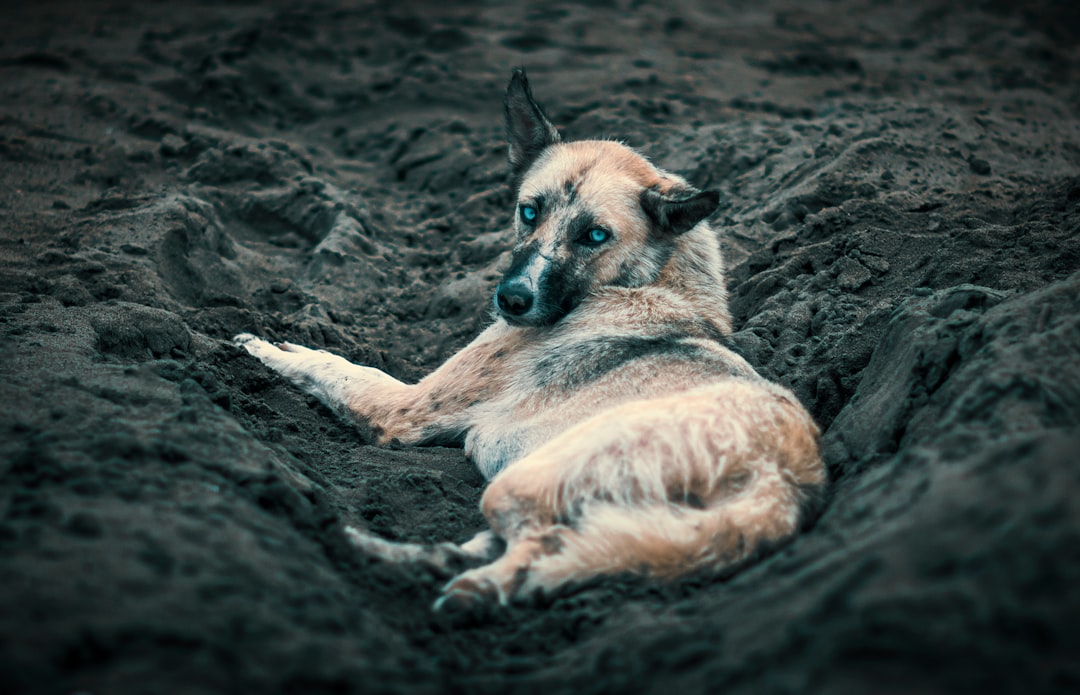
Nothing makes a dog happier than discovering the most putrid, disgusting pile of something and diving into it headfirst. Your freshly bathed pup will seek out dead fish, garbage, or other dogs’ waste like it’s expensive perfume.
Rolling in smelly stuff is perfectly natural for dogs. Some theories suggest that this strange behavior goes back to instinctual behaviors from wolves in the wild. There are two theories as to why dogs roll in stinky things, based on behaviors observed in their wolf cousins: They want to mask their scent so their prey won’t smell them coming. They want to collect interesting scents to bring back to their pack.
Honestly, I think there’s something endearing about a dog who finds joy in the smelliest corners of the world. When it comes to stealing your underwear to roll in it, there might be one other explanation: Your dog may simply want to cover themselves in your pheromones in order to feel closer to you.
The Legendary Zoomies
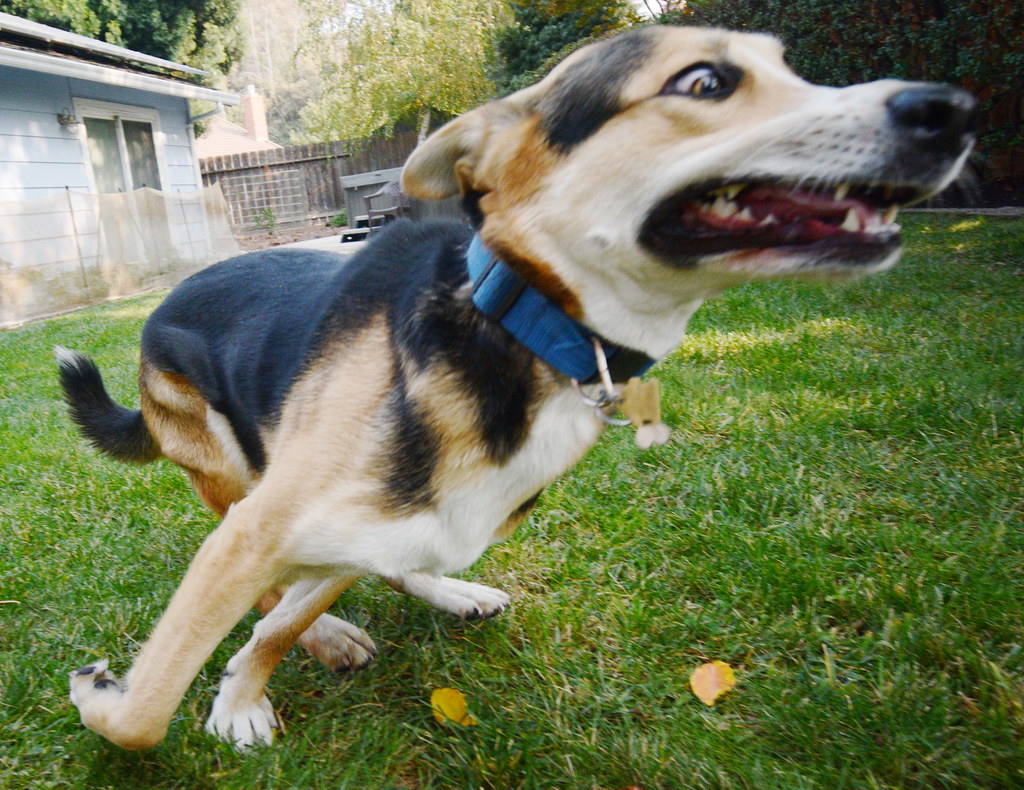
Some dogs may experience random bursts of energy and race around your house or yard like a crazy pup. Known as the “zoomies,” common behaviors may include running around in circles or spinning around. It can happen sporadically or at certain times of day or after certain events, like bath time.
Zoomies are also known as frenetic random activity periods (FRAPs), and they’re caused by different kinds of triggers. Dogs can get the zoomies during certain parts of the day, particularly in the morning and evening as a way to release excited energy. They can also get the zoomies after bath times or when they feel playful.
Many dog owners think their dog is really happy when he does this – and sometimes he is. However, it could be a sign of overstimulation. It’s a big energy release. While it can be cute and relatively normal in young dogs, it may be a sign that the dog is overwhelmed by the situation or generally under exercised.
Eating Poop Like It’s Gourmet Cuisine

Few things are more mortifying than watching your beloved companion treat another dog’s waste like a delicious snack. Yet this is fairly normal dog behavior. One in four dogs seem to mistake poop nuggets for Tootsie Rolls at least once in their lifetime, and 1 in 6 make a regular habit out of it.
Eating excrement is a surprisingly normal behavior for dogs. In the early stages of domestication, dogs performed a hygienic function of cleaning up their own feces. Additionally, their digestive system is very efficient, and they can actually get some quality nutrients out of it – although I can think of much better sources.
Another potential explanation is that since dogs evolved as scavengers, poop may have helped provide nutrients when food was scarce. Sometimes the simplest explanation is the truest – dogs keep eating poop simply because they like the taste or texture.
Chasing Their Own Tail in Endless Circles
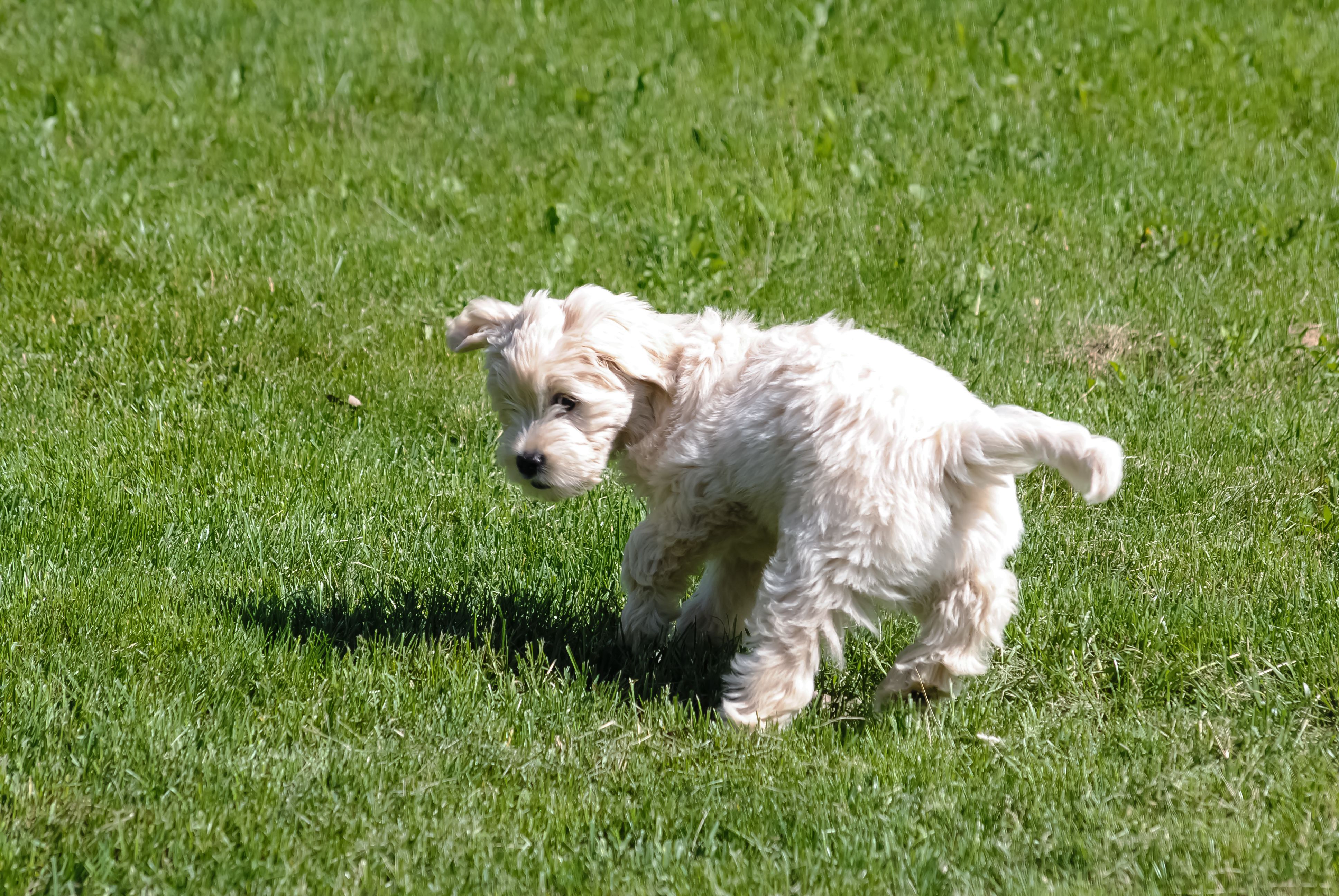
When puppies chase their tails, it’s like babies grabbing their toes – and this is a normal way for them to explore their bodies. But like anything in life, moderation is key, and problems can arise if this tail-chasing behavior becomes compulsive.
Dogs will chase their tails for different reasons. Puppies are known for chasing their tails because they’re still learning about body awareness. They may not realize that their tails are a part of their body, and it can be an enticing thing to chase. Tail chasing can also be an indicator of boredom. Dogs that don’t get enough physical exercise and playtime may resort to chasing their tails to expend energy and alleviate boredom.
Tail chasing is typically playful and harmless. If you had a tail, you might also find chasing it fun! Though if your dog seems more interested in their tail than a walk, it might be time for a vet visit.
Spinning Before Sleep Like Ancient Rituals
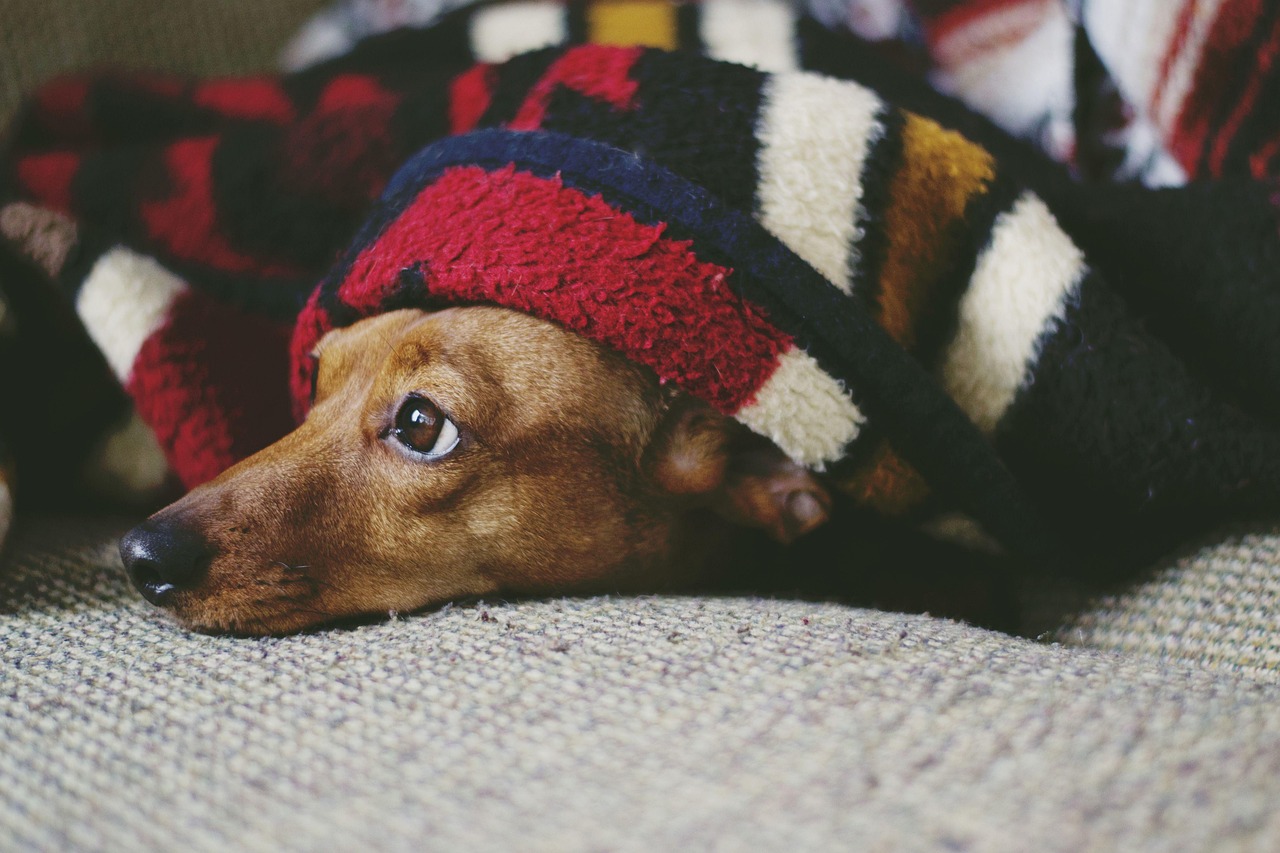
Every night, your dog performs what looks like an elaborate bedtime dance – spinning in circles two or three times before finally settling down. This isn’t just being fussy about comfort; it’s pure instinct.
Dog behaviorists believe that a dog’s need to perform the bedtime ritual of turning around in circles before lying down is inherited. Canine ancestors, such as wild wolves, did the same thing, and domestic dogs retained this genetic predisposition. Evolutionary behaviors like this one are aimed at self-preservation and are strong influences that persist for generations in the animal kingdom.
Dogs in the wild do not have the luxury of manufactured doggie beds and pillows. They make their own beds in nature. To make their sleeping quarters more comfortable, dogs pat down tall grass and move prickly underbrush before lying down. On the smooth surface, roughly one out of every five dogs turned at least one full circle before laying down. On the shag-carpeted, uneven surface, more than half of the dogs turned at least one full circle before they finally rested. Dogs were nearly 3 times more likely to circle before laying down on the uneven surface than on the smooth surface.
Head Tilting That Melts Your Heart
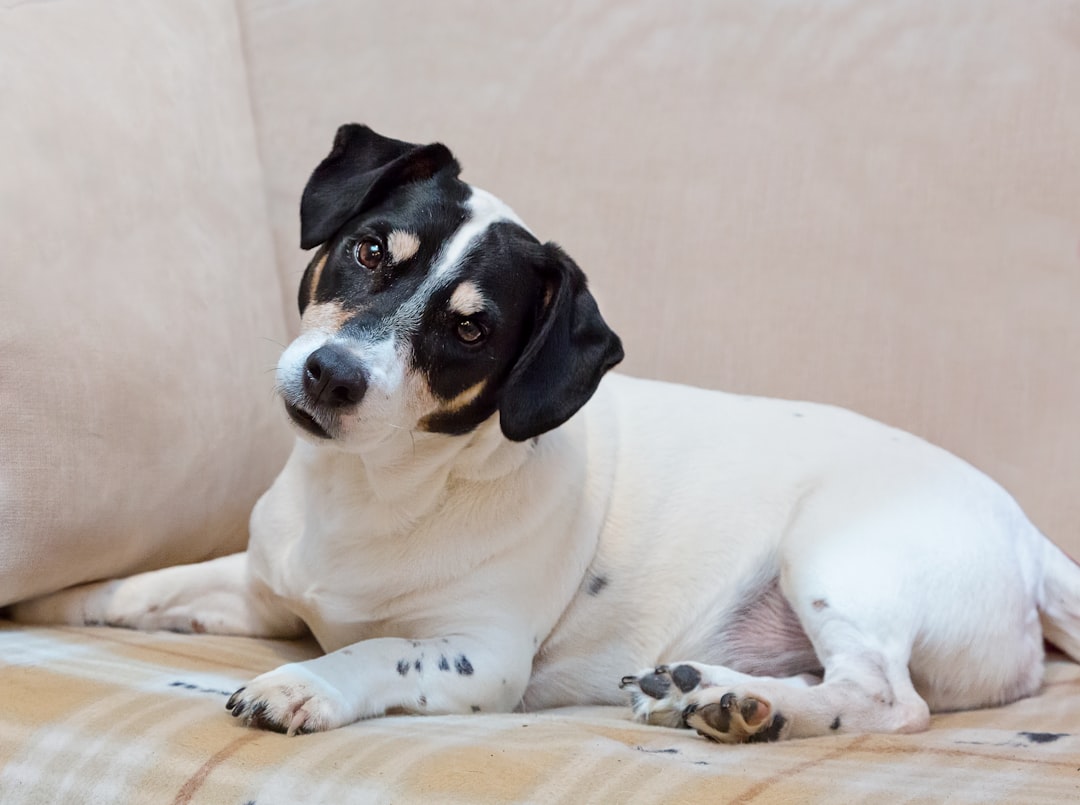
Instagram is ripe with pictures of cute dogs with their heads tilted. While there are many different explanations for their weird behavior, Semel believes that it means a dog is interested, engaged, or even confused. Assuming there is no medical issue, they may be paying extra close attention and taking it all in! Maybe it’s a sound or a face that made it happen, or something that they were listening closely to. It is a natural response much like humans have.
Dogs likely tilt their heads adorably sideways to help them locate the source of an interesting sound or because they are listening carefully for words you say that they may recognize. When a dog is confused, they’ll often tilt their heads one way or another. Sure, it’s adorable, but there’s a reason. When a dog is confused, they do what you would do: they try to get more information. Tilting their head may allow more sound to be collected by their ears, improving the sound quality.
Eating Grass Like Tiny Vegetarians
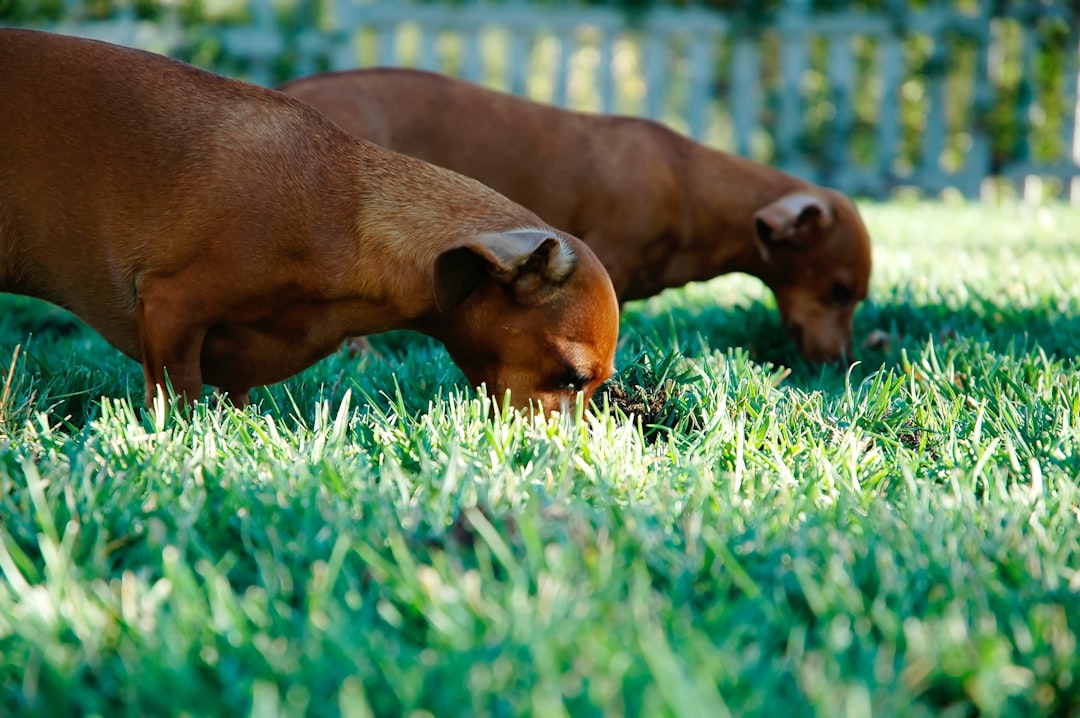
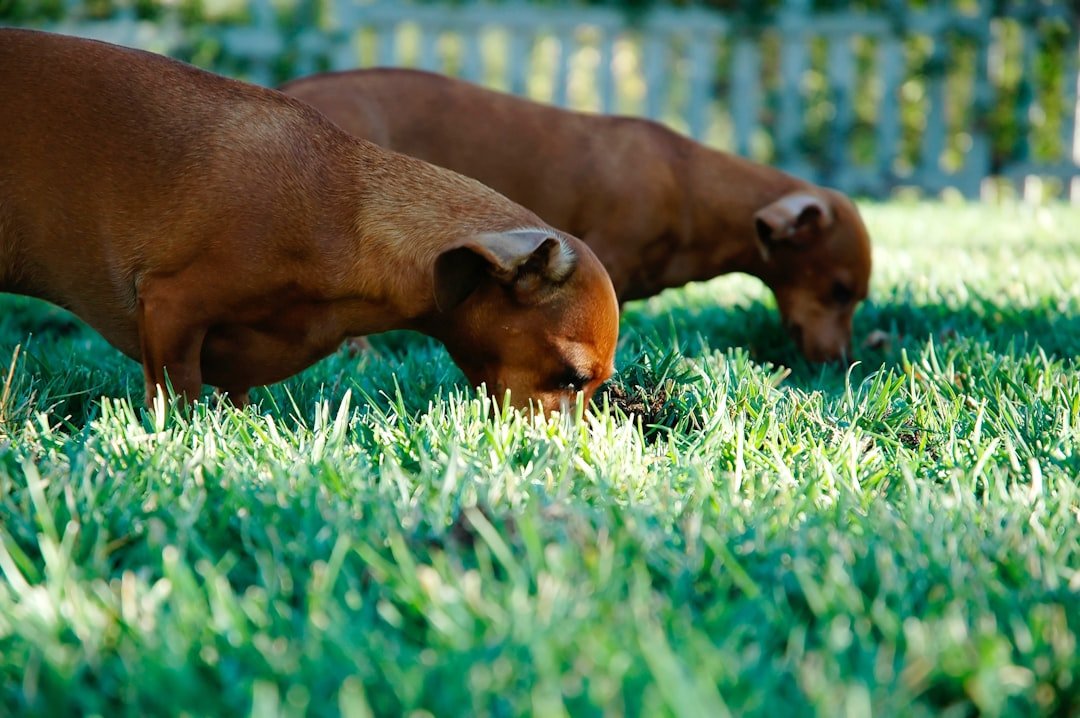
People often think that dogs eat grass when their stomachs are upset or they are ill. However, a good ol’ lawn actually serves as a gourmet snack for many dogs. As omnivores, they like to eat their meat and veggies, too. Eating grass in moderation is a normal part of a dog diet, and a walk in the park for my dogs always includes a stop at the grass buffet.
The general consensus is that nobody really knows why dogs eat grass, but scientists’ best guess is that they simply enjoy the taste. It’s like discovering your dog has a secret passion for salad – unexpected but completely harmless.
If all of a sudden you see your dog frantically binging on grass, this could be a sign of distress, and a call to your veterinarian is in order. But the occasional nibble? That’s just your pup being a well-rounded eater.
Staring at You With Laser Focus
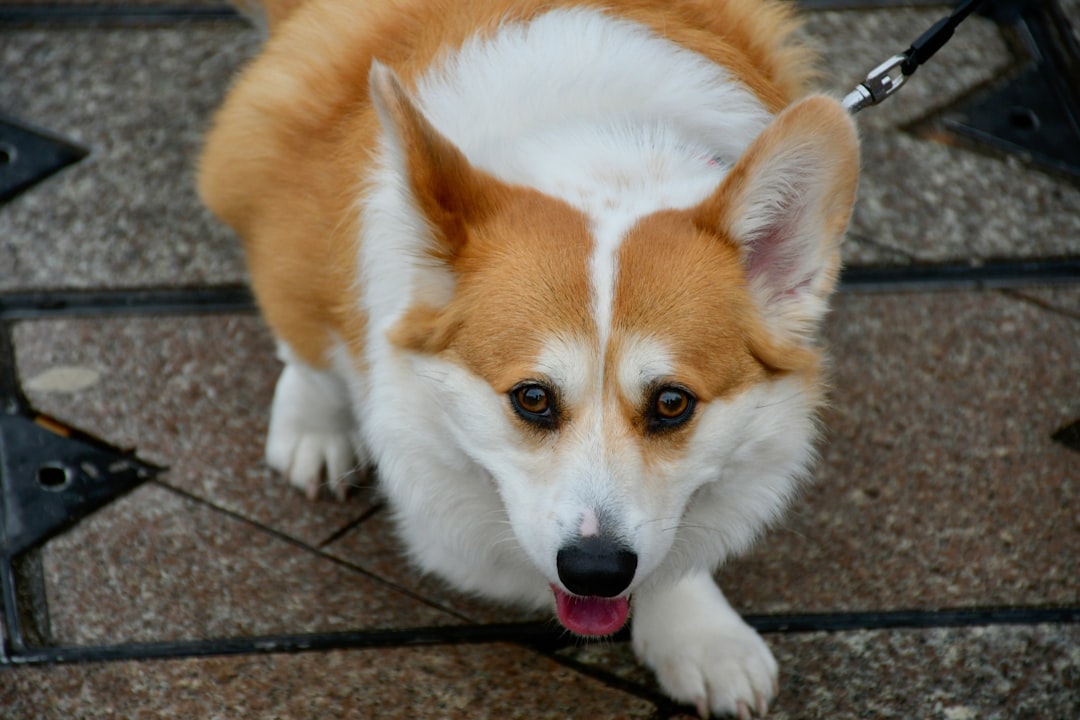
You’re trying to eat dinner, work on your laptop, or simply exist in your home, and there they are – those intense eyes boring into your soul. It feels like they’re trying to communicate telepathically or plotting world domination.
This behavior typically stems from your dog’s deep desire to understand and connect with you. They’re studying your facial expressions, waiting for cues about what might happen next, or simply hoping you’ll drop some food. Dogs are incredibly social creatures who’ve evolved alongside humans for thousands of years, making them experts at reading our body language and anticipating our actions.
Acting Out Dreams While Sound Asleep

Dogs have a tendency to act out their dreams when they sleep. This can result in cute and comical behavior, like huffing, barking, whining, tail wagging and even moving their legs as if they’re running, all while sound asleep. If you look closely at their eyes, you’ll likely notice rapid eye movements that indicate they’re in the dream stage of their sleep cycle.
This usually means they’re dreaming, and fortunately, it’s not usually of any medical significance. Still, it makes you wonder what dogs dream about. Probably nothing too weird. Studies have revealed that certain dog breeds acted out their hallmark traits while dreaming, like an English springer spaniel flushing out prey or a pointer “pointing” in its sleep.
Conclusion
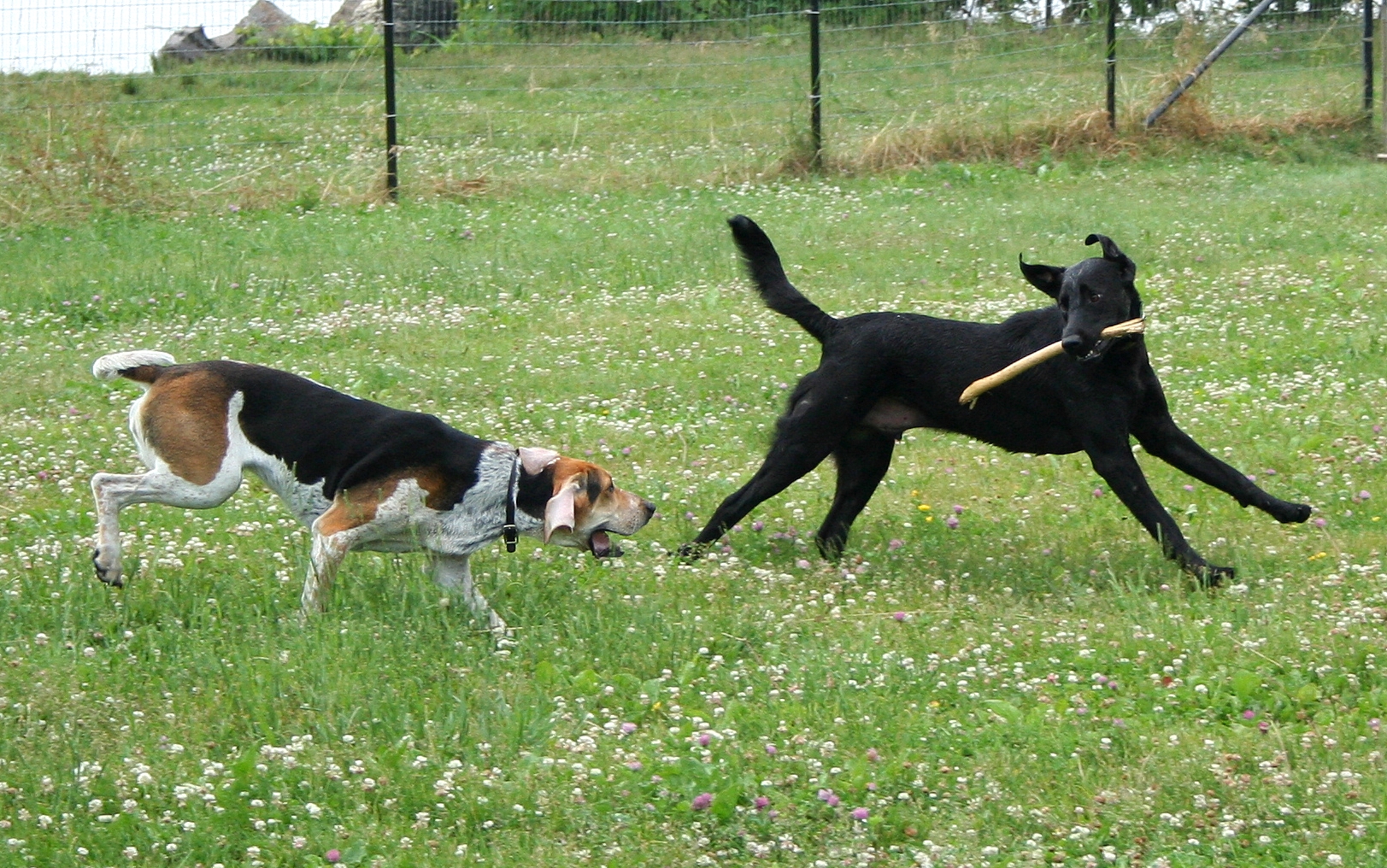
These wonderfully weird behaviors might seem bizarre to us humans, but they’re actually windows into your dog’s rich evolutionary history and complex inner world. From the practical survival instincts inherited from their wolf ancestors to the simple desire for comfort and connection, every quirky action has a story behind it.
Understanding these behaviors helps us appreciate just how fascinating our canine companions really are. They’re not being stubborn or strange – they’re being authentically dog, following instincts that have served their species well for thousands of years.
Next time you catch your pup spinning before bed, rolling in something gross, or staring at you with those penetrating eyes, remember that you’re witnessing millions of years of evolution in action. What do you think about your dog’s weirdest habits? Tell us in the comments.


