


The world is home to a fascinating array of wildcat species, each uniquely adapted to thrive in their natural environments. However, many of these magnificent creatures are struggling to survive as their habitats rapidly disappear. Human activities, including deforestation, urbanization, and climate change, have drastically altered the landscapes these cats depend upon. This article explores the lives of ten wildcat species that are valiantly fighting for survival. By understanding their plight, we can foster a deeper appreciation and a stronger commitment to preserving these incredible animals and their habitats.
Asiatic Golden Cat
From the dense rainforests to the vast grasslands, wild cats roam some of the most breathtaking landscapes on Earth. However, many of these magnificent felines are facing an uncertain future as their natural habitats vanish at an alarming rate. Deforestation, climate change, poaching, and human expansion are pushing several wild cat species to the brink of extinction. While some, like the tiger, are well-known conservation icons, others struggle in the shadows, fighting for survival with little public awareness.
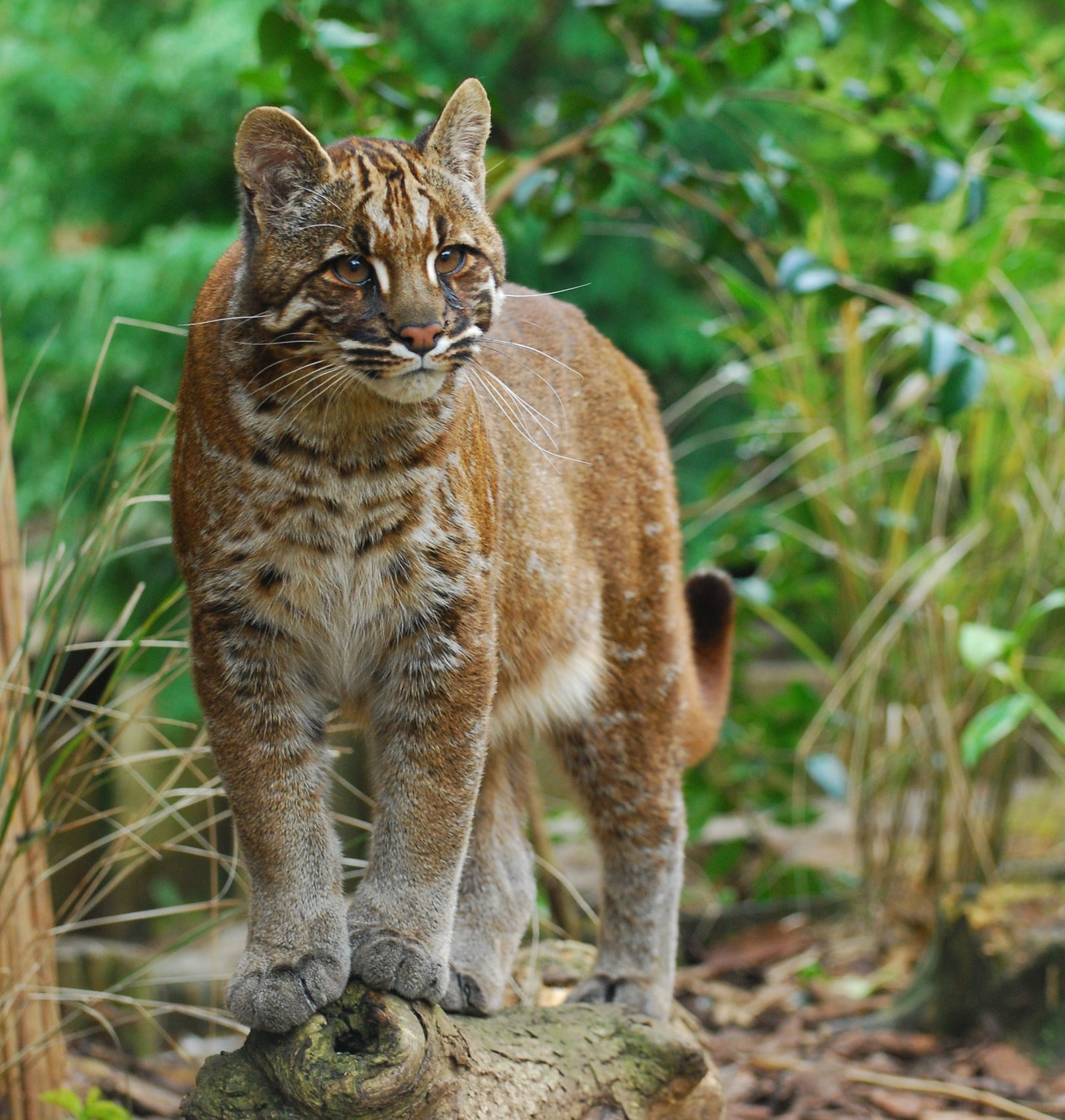
The Asiatic Golden Cat is a rare and elusive wild cat native to the forests of Southeast Asia, the Himalayas, and parts of China. Known for its striking golden, reddish, or even grayish-black coat, this medium-sized feline is an apex predator in its habitat. Despite its adaptability to various forested environments, the Asiatic Golden Cat faces severe threats from deforestation, poaching, and illegal wildlife trade. As human activity continues to encroach upon its natural habitat, this mysterious and solitary cat is increasingly at risk. Conservation efforts, including habitat protection and anti-poaching initiatives, are essential to ensuring the survival of the Asiatic Golden Cat in the wild.
Iberian Lynx
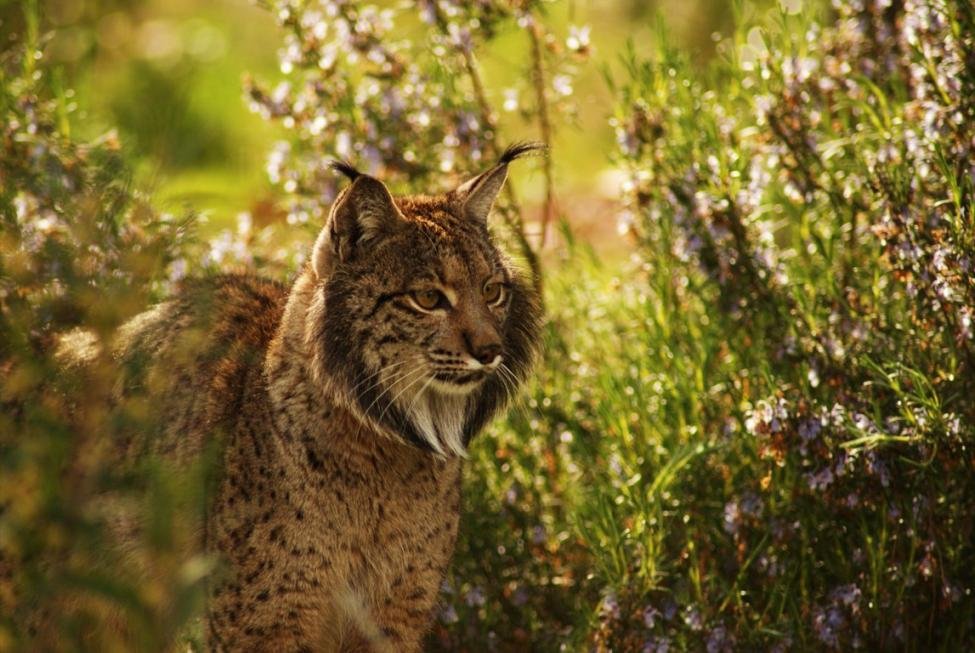
The Iberian lynx, native to the Iberian Peninsula, is another wildcat teetering on the brink of extinction. Once widespread across Spain and Portugal, this lynx now inhabits only a few isolated areas. Its decline is primarily due to the loss of its primary prey, the European rabbit, and habitat destruction. Conservation programs have made significant strides in recent years, with captive breeding and reintroduction efforts showing promise. The Iberian lynx serves as a symbol of hope, demonstrating that with concerted efforts, we can save species from disappearing forever.
Serval Cat
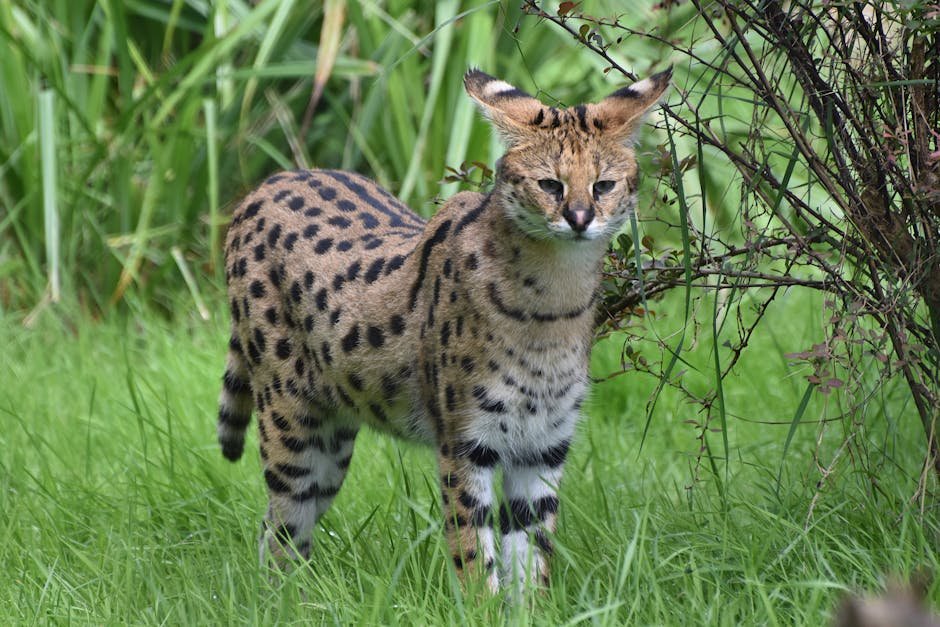
The Serval is a graceful, long-legged wild cat native to the grasslands, wetlands, and savannas of Africa. Recognized for its striking golden-yellow coat with bold black spots and stripes, this medium-sized feline is built for speed and agility. With its large ears and exceptional hearing, the Serval is a highly skilled hunter, capable of detecting and catching prey—such as rodents, birds, and small reptiles—with remarkable precision. Despite being listed as Least Concern by the IUCN, the Serval faces increasing threats from habitat destruction, illegal pet trade, and poaching for its beautiful fur. Expanding agricultural activities and human encroachment on wetlands are reducing its natural hunting grounds.
Caracal Cat
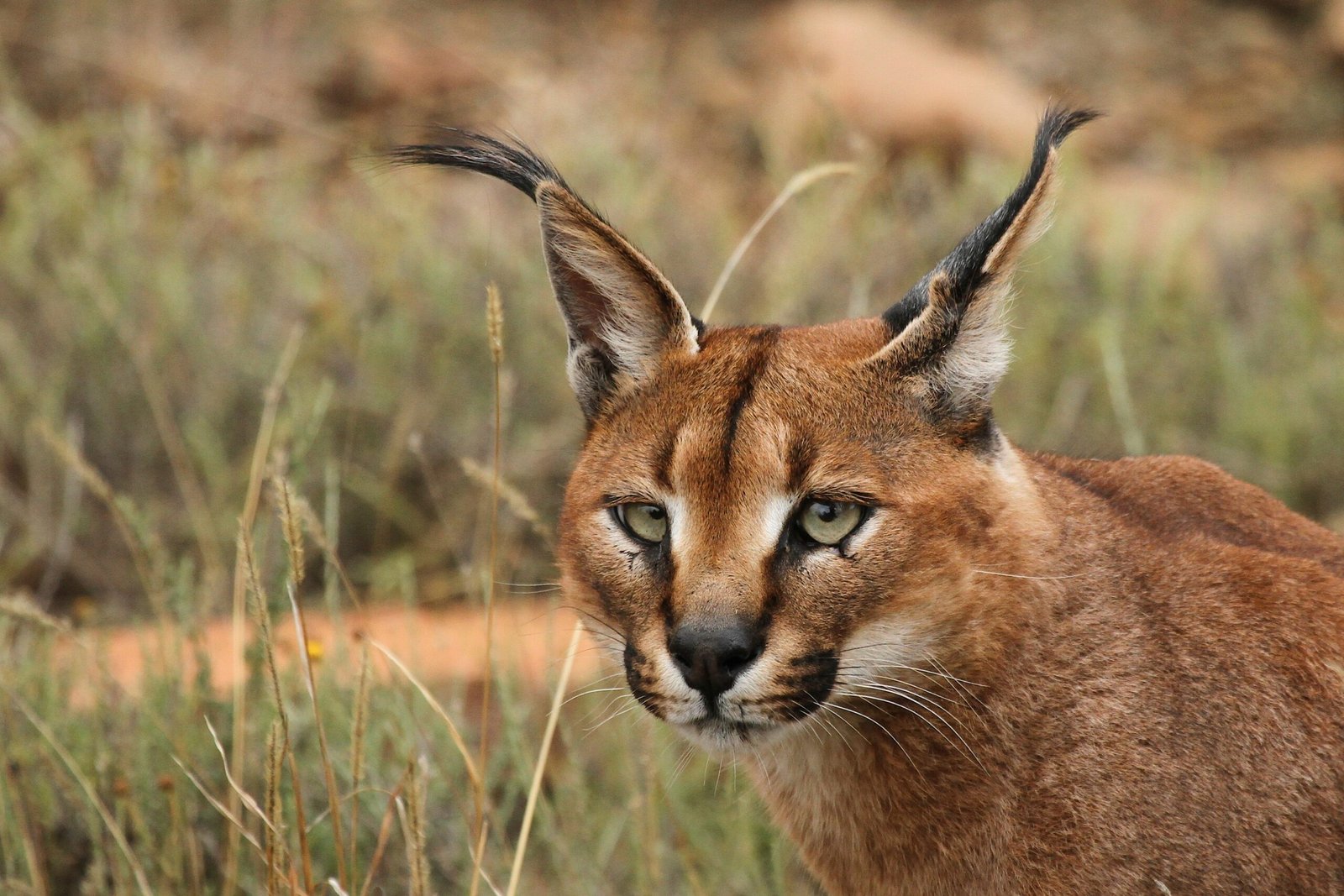
The Caracal is a strikingly agile wild cat known for its large, tufted ears, sleek reddish-gold coat, and powerful build. Native to Africa, the Middle East, Central Asia, and parts of India, this medium-sized feline is an expert hunter, capable of leaping up to 10 feet into the air to catch birds in mid-flight. Its sharp reflexes, strong hind legs, and stealthy nature make it one of the most efficient predators in its ecosystem.
Andean Mountain Cat
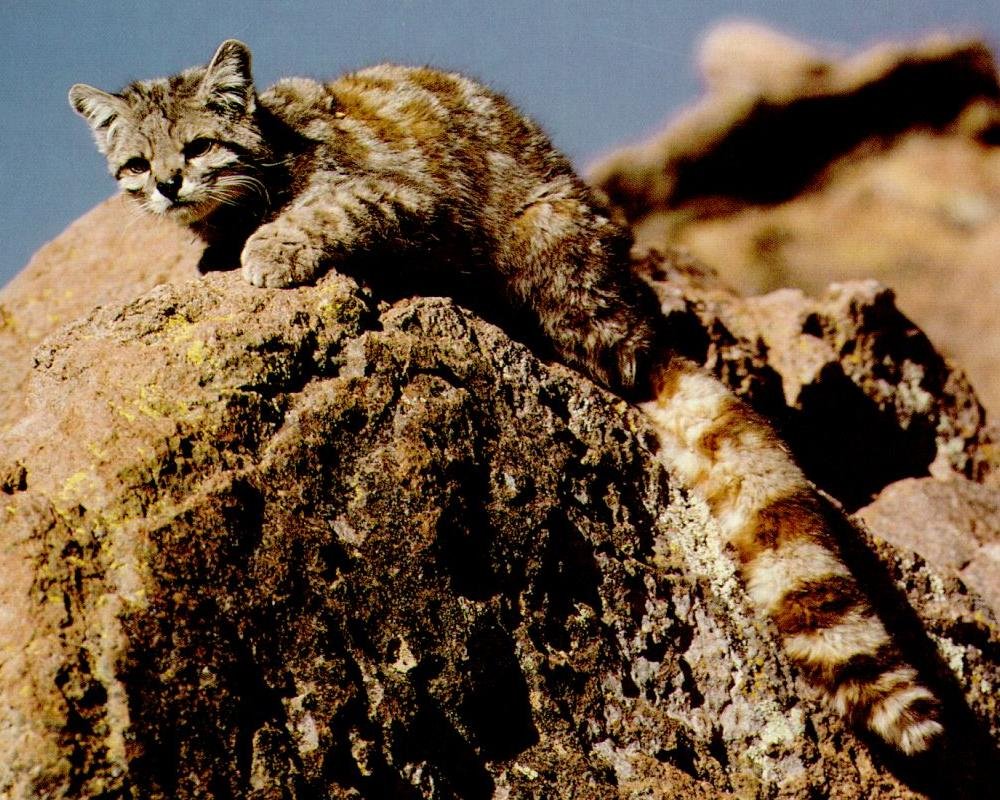
The Andean mountain cat is a rare and elusive feline found in the high-altitude regions of the Andes. With its thick, dense fur and bushy tail, this cat is well-suited to the cold, arid environment. However, its survival is threatened by habitat destruction and hunting. The Andean Cat Alliance, a coalition of organizations, is focused on protecting this species through research and community engagement. By learning more about the Andean mountain cat and its habitat, we can contribute to its conservation and ensure its continued existence in the wild.
Margay Cat
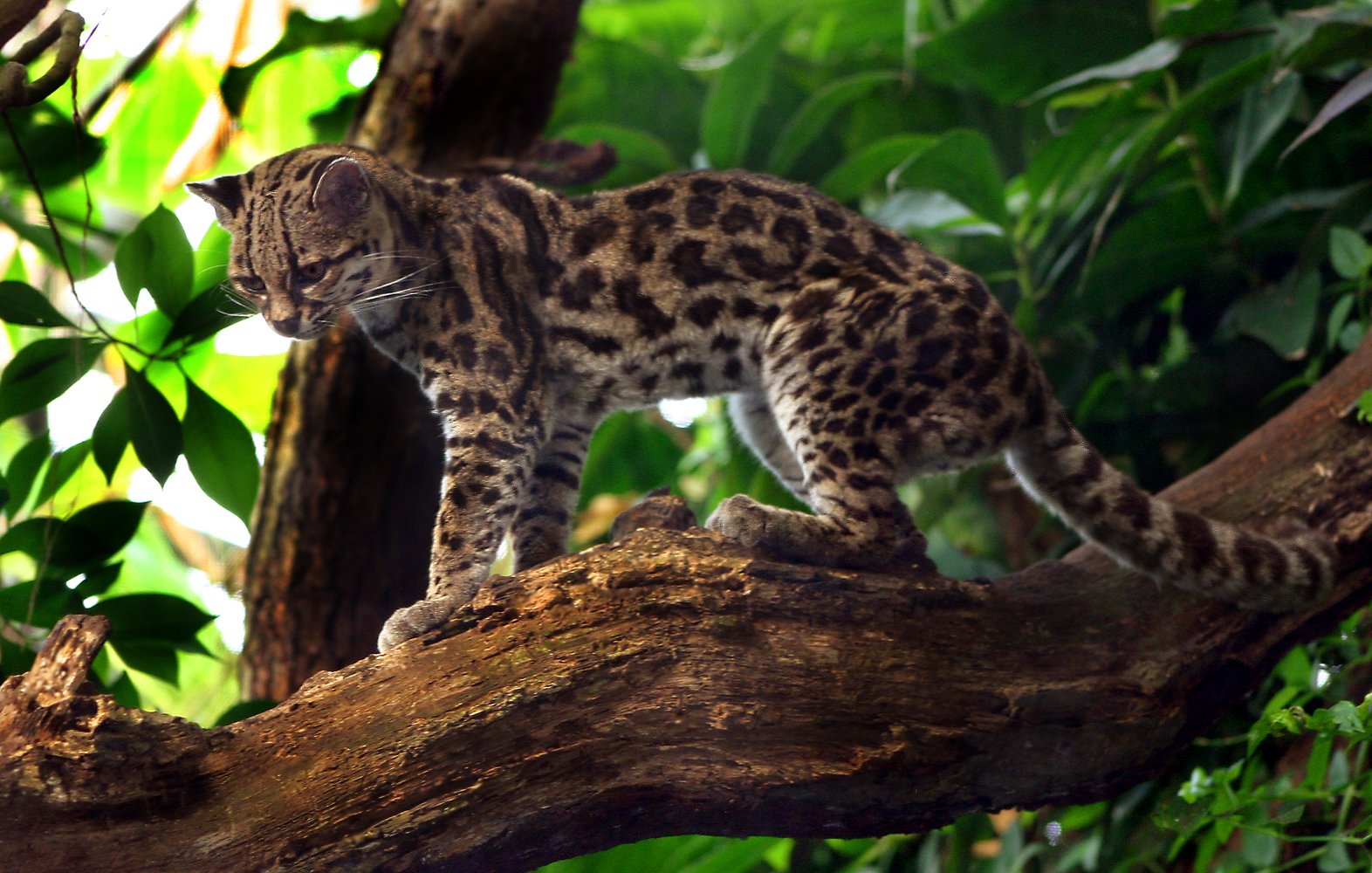
The Margay is a small, elusive wild cat native to the rainforests of Central and South America. Often mistaken for its close relative, the ocelot, the Margay stands out for its large, expressive eyes, soft golden coat with bold black rosettes, and an incredibly long tail that helps with balance. What truly makes this feline unique is its extraordinary climbing ability—it is one of the few wild cats that can climb down trees headfirst and even hang from branches using just one foot.
Fishing Cat
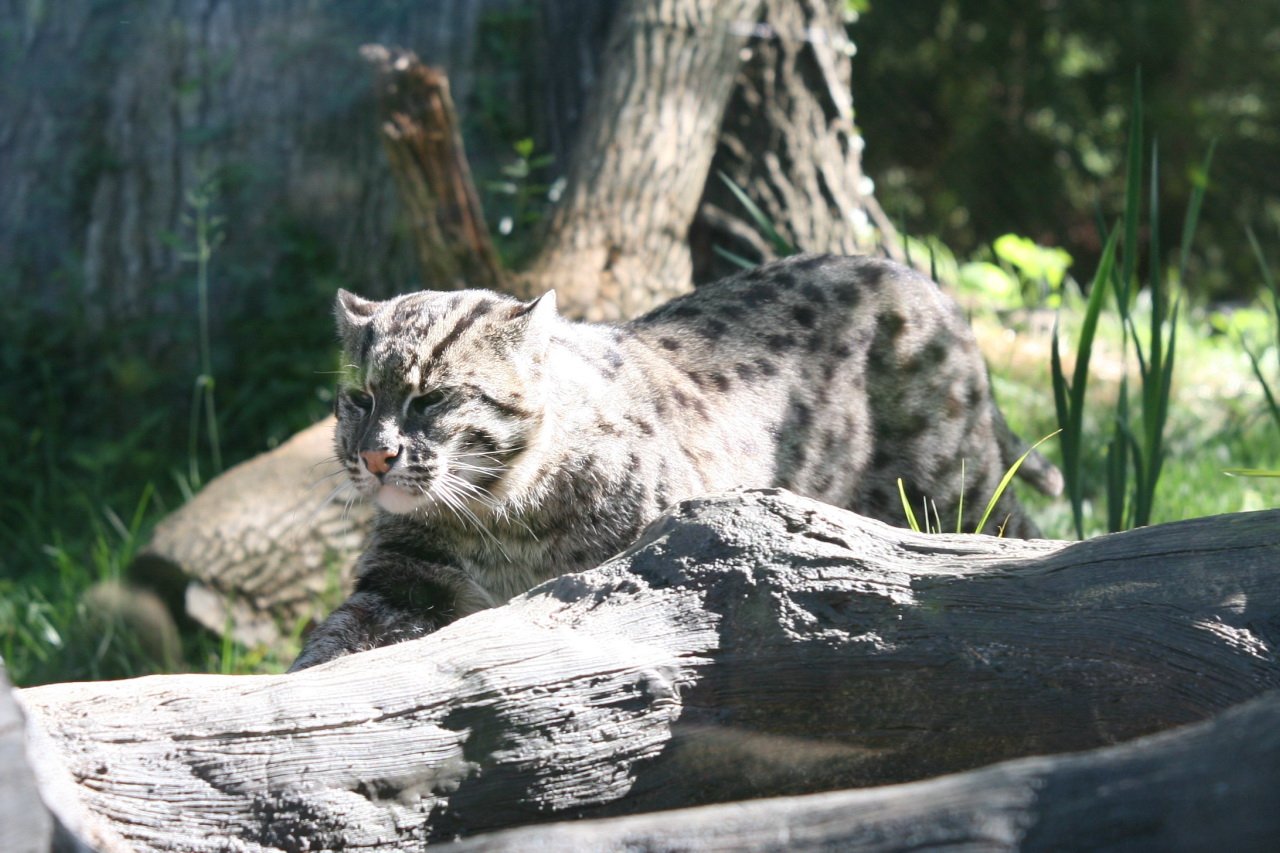
The fishing cat, found in the wetlands of South and Southeast Asia, is uniquely adapted to life near water. With partially webbed feet and a love for fish, this feline is a skilled hunter. However, the destruction of wetlands for agriculture and development has severely impacted their populations. Conservationists are focused on preserving wetland habitats and promoting coexistence with local communities. By understanding the importance of wetlands and supporting conservation initiatives, we can help protect the fishing cat and its ecosystem.
Flat-headed Cat
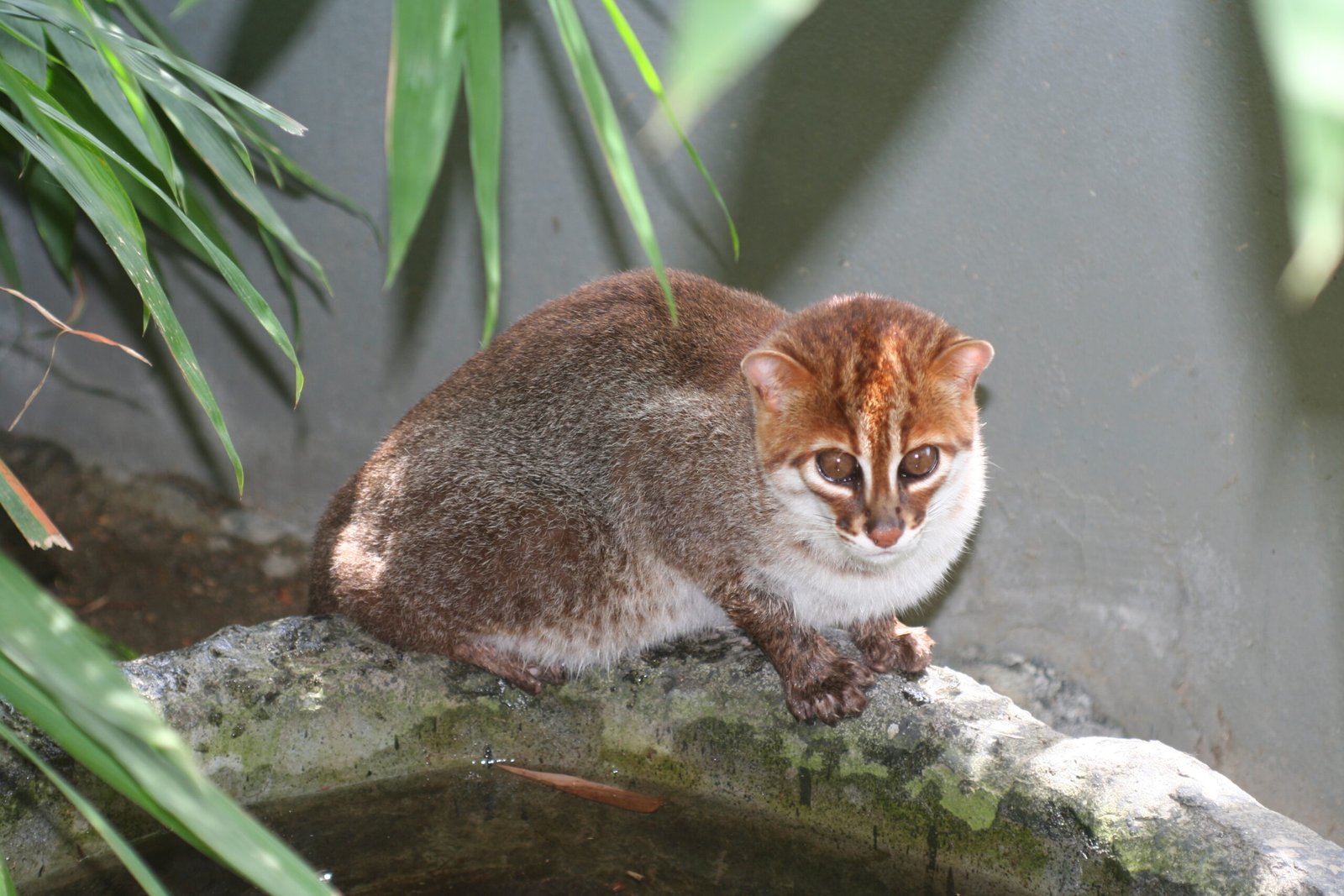
The flat-headed cat is a small, rare wildcat native to the wetlands and lowland forests of Southeast Asia. Its distinct appearance, with a flattened head and elongated body, sets it apart from other feline species. Habitat loss due to deforestation and drainage of wetlands has led to a decline in flat-headed cat populations. Conservation efforts are underway to protect their habitats and promote awareness of their unique ecological role. By supporting these initiatives, we can contribute to the survival of the flat-headed cat.
Black-footed Cat
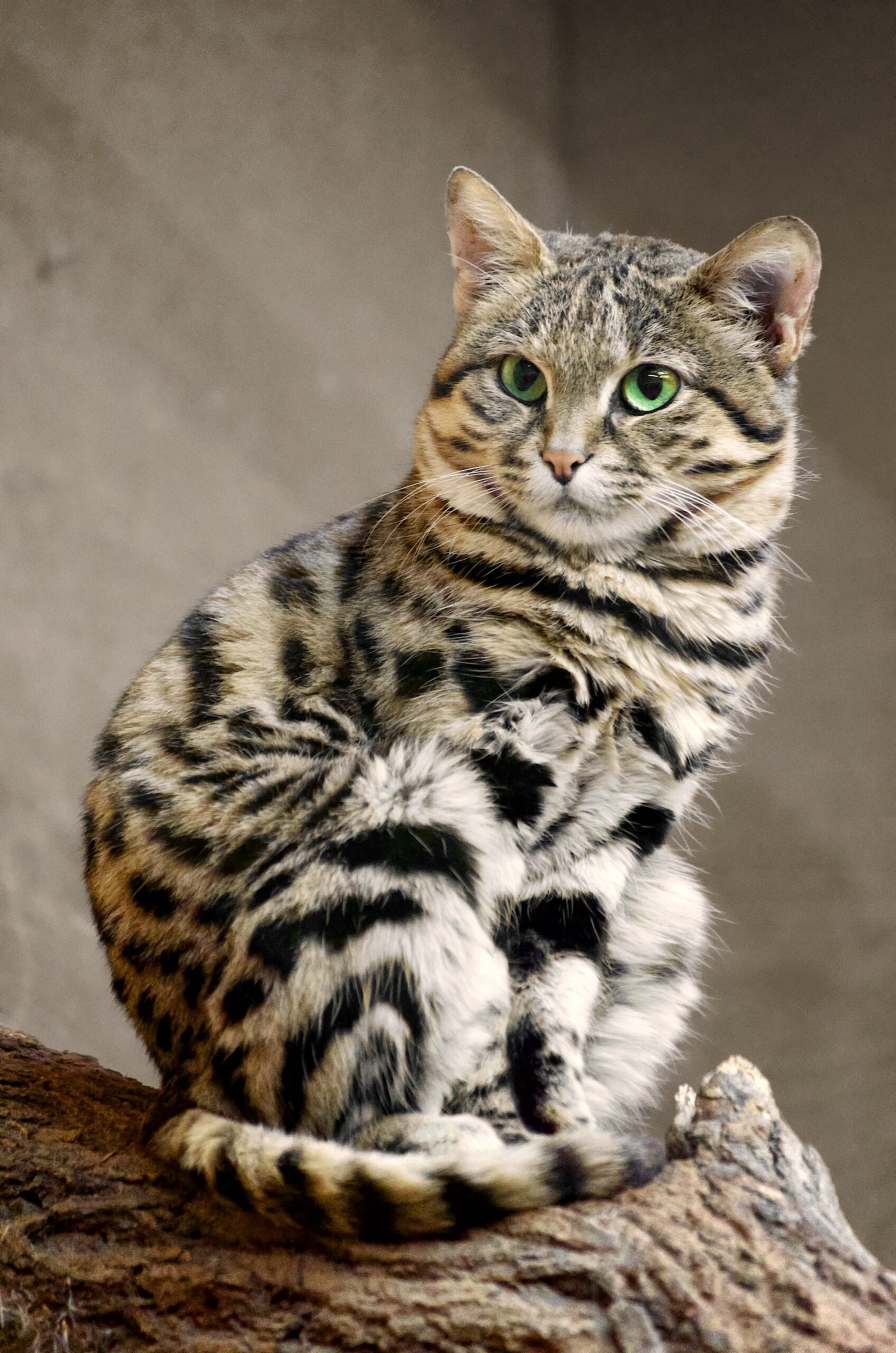
The black-footed cat, native to the arid regions of southern Africa, is one of the smallest wildcats in the world. Despite its diminutive size, this cat is a fierce and effective hunter. However, habitat loss and hunting for traditional medicine have put the black-footed cat at risk. Conservationists are working to protect their habitats and educate communities about the importance of preserving this unique species. By raising awareness and supporting conservation efforts, we can help ensure the continued survival of the black-footed cat in the wild.
Rusty-spotted Cat
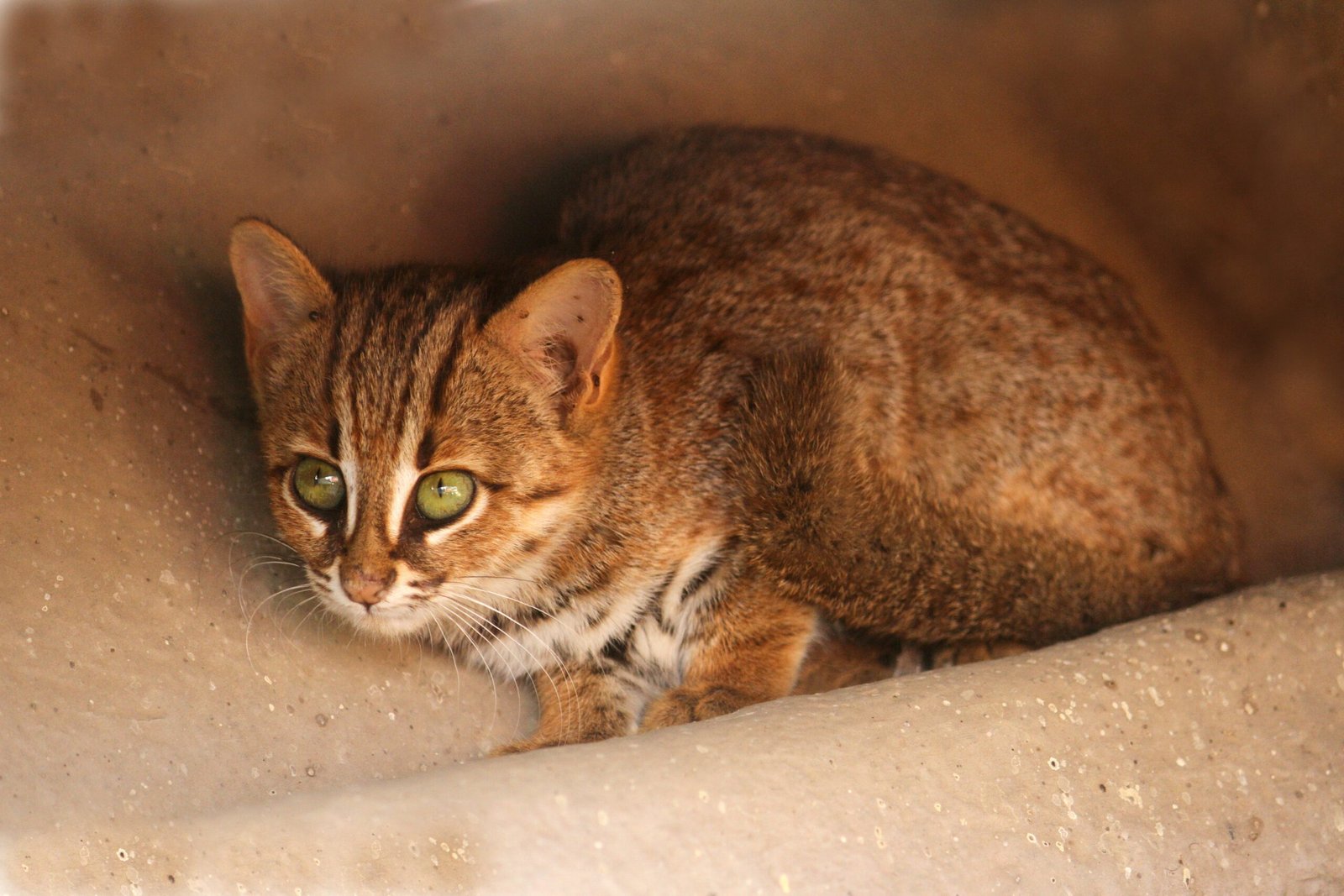
The rusty-spotted cat, native to India and Sri Lanka, is one of the smallest wildcats in the world. With its striking rusty-red coat and agile movements, it is a true marvel of nature. However, habitat destruction and fragmentation threaten its existence. Conservation organizations are working to protect the forests and grasslands where this cat thrives. By supporting these efforts and raising awareness about the rusty-spotted cat’s plight, we can help ensure its survival for generations to come.
Each of these wildcat species faces unique challenges in their fight for survival. By understanding their struggles and the importance of their habitats, we can take meaningful steps to protect them. Through conservation efforts, education, and awareness, we can ensure that these magnificent creatures continue to roam the Earth, enriching our world with their beauty and diversity.
Linnea is a born and bred Swede but spends as much time as possible in Cape Town, South Africa. This is mainly due to Cape Town’s extraordinary scenery, wildlife, and atmosphere (in other words, because Cape Town is heaven on earth.) That being said, Sweden’s majestic forests forever hold a special place in her heart. Linnea spends as much time as she can close to the ocean collecting sea shells or in the park admiring puppies.


